
Victorian Women’s Undergarments: What They Never Told You
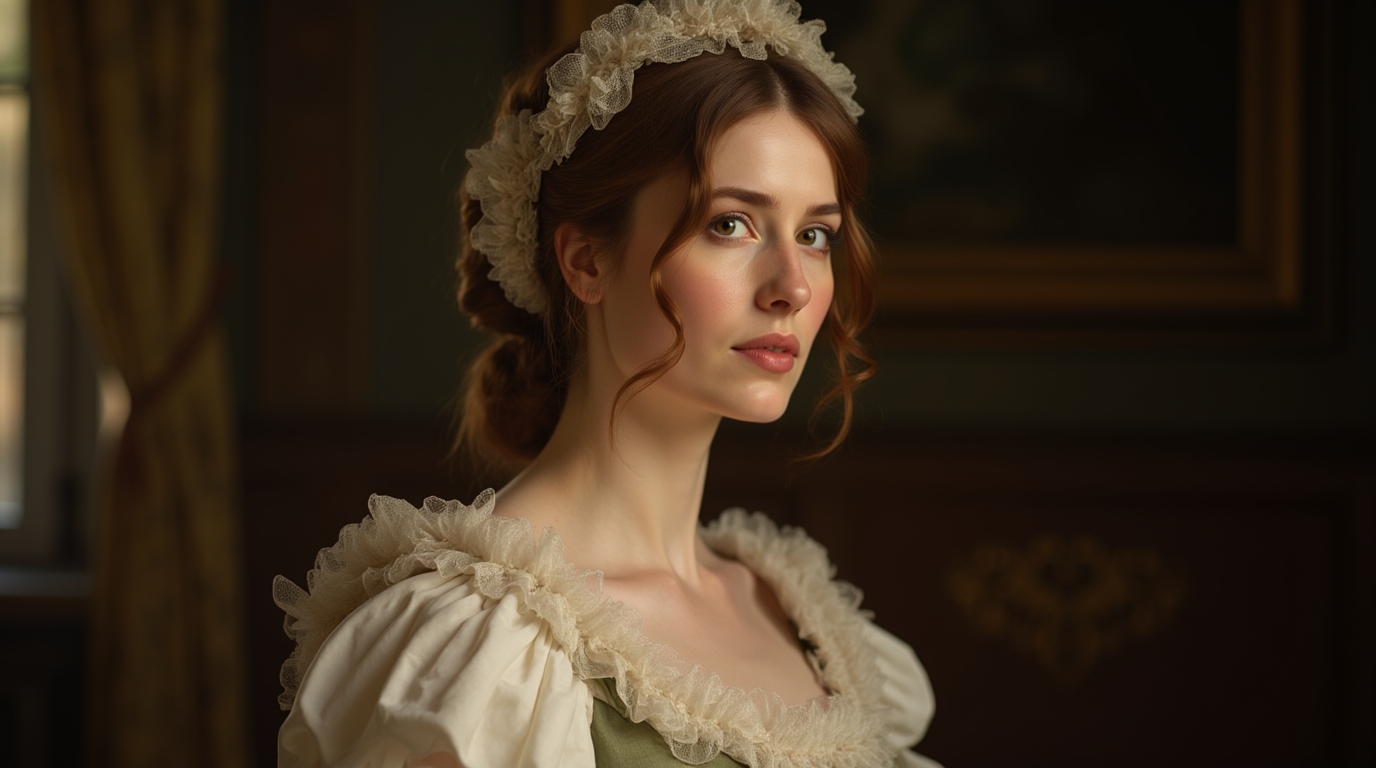
Beneath the sweeping skirts, tiny waists, and high necklines of the 19th century lay a sophisticated—and often uncomfortable—system of undergarments that shaped not only women’s bodies, but also their roles in Victorian society. Corsets, crinolines, chemises, and bustles were far more than mere “unmentionables”: they were the structural backbone of fashion, the visible evidence of invisible ideals about femininity, morality, and class. To understand Victorian women’s undergarments is to uncover the engineering behind some of the most iconic silhouettes in Western dress history, as well as the social pressures stitched into every seam.
From the early 1830s to the end of Queen Victoria’s reign in 1901, women’s underwear underwent constant transformation. As hemlines, waistlines, and fashionable shapes changed, so too did the garments that supported them. Museums such as the Victoria and Albert Museum in London and the Metropolitan Museum of Art in New York preserve hundreds of original corsets and petticoats, allowing historians to reconstruct a surprisingly technical story of whalebone, steel, and carefully chosen textiles. These surviving garments reveal not only what women wore, but how it felt, how it was made, and what it meant.
Can You Name the Masterpiece?
Ten masterpieces. Ten questions. How well do you know the history of art?
Crucially, undergarments were never neutral. They reflected advances in industrial technology, shifts in medical opinion, debates about women’s rights, and even the politics of empire. As the Smithsonian Institution and other research institutions have shown through their collections and publications, underclothes can tell us as much about a period’s values as its laws and literature. Victorian underwear is thus a key to understanding 19th‑century life from the inside out—literally and figuratively.
Foundations: Chemises, Drawers, and the First Layer
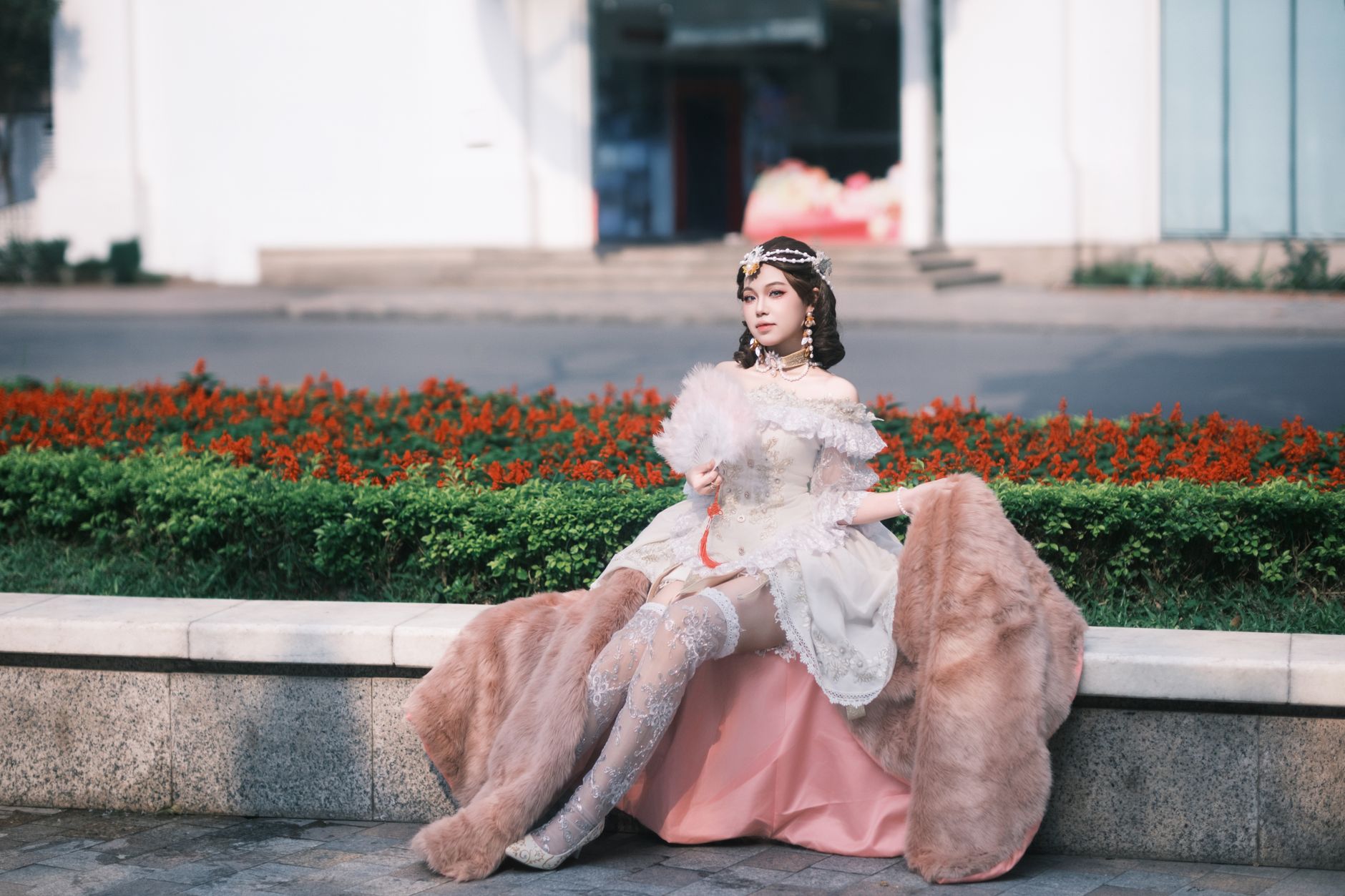
Victorian women rarely placed a corset directly against the skin. The foundational garment was the chemise, a simple slip-like underdress worn next to the body. Typically made of linen or cotton, the chemise protected both the skin and the more expensive outer garments from sweat and body oils. The Metropolitan Museum of Art’s Costume Institute notes that mid‑19th‑century chemises were usually cut loose, with short sleeves or sleeveless straps, and fell to mid‑thigh or knee length, ensuring modesty even when other layers were removed.
Drawers (what we would now call underpants) became increasingly common from the 1830s onward, particularly among middle- and upper-class women in Britain, France, and the United States. Early drawers were often open-crotch, a design that modern readers may find surprising but that allowed for ease of using chamber pots and later water closets without removing multiple layers of clothing. The Victoria and Albert Museum’s collections from the 1840s–1870s include examples of lace-trimmed cotton drawers, sometimes richly embroidered to signal refinement even in garments never meant for public view.

Can You Guess the Artist?
Three clues. One artist. How quickly can you identify the painter?
Together, chemise and drawers created the first barrier between body and fashion. They were easier to launder than dresses or structured garments, aligning with Victorian concerns about hygiene and cleanliness, especially in industrial cities such as London, Manchester, and Paris. At the same time, the quality of these base layers—fine lawn for the wealthy, coarser cotton for the working classes—quietly encoded social class. Even before corsets and crinolines came into play, a woman’s station could be read in the thread count of her underclothes.
The Corset: Shaping the Victorian Body
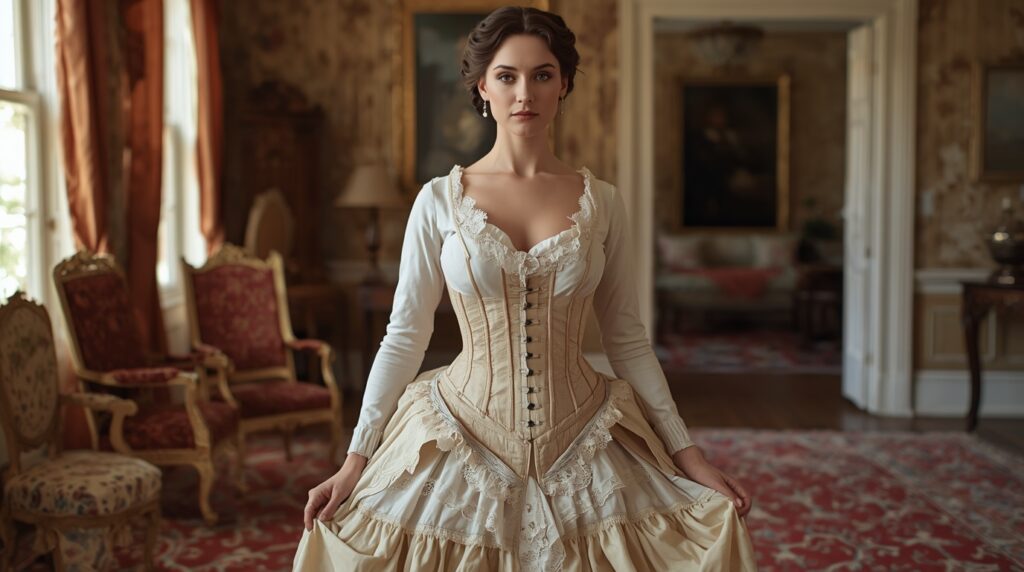
The corset is the most iconic—and most debated—Victorian undergarment. Contrary to popular myth, not every woman was ruthlessly “tight-laced” to the point of organ damage. Yet corsets did systematically shape the torso, pulling in the waist, supporting the bust, and creating the fashionable silhouette of each decade. Early Victorian corsets (1830s–1850s) still drew on 18th‑century stays, using whalebone (baleen), cording, and stiff textiles, but by the 1860s and 1870s, innovations like metal eyelets and the front busk (a metal fastening) made corsets easier to put on and adjust.
The V&A observes that “the corset was essential to the fashionable Victorian figure” and that women of nearly all classes wore some version of it, from closely fitted, heavily boned examples for ball gowns to lighter, less restrictive ones for work or maternity wear. Surviving corsets in the Met’s collection show waist measurements of 18–22 inches for elite wearers—sizes likely exaggerated by display lacing—but also more moderate 24–28 inch waists more typical of everyday wear. Corsets provided back support and posture control, which some women valued, especially in an era when slouching was considered unfeminine.
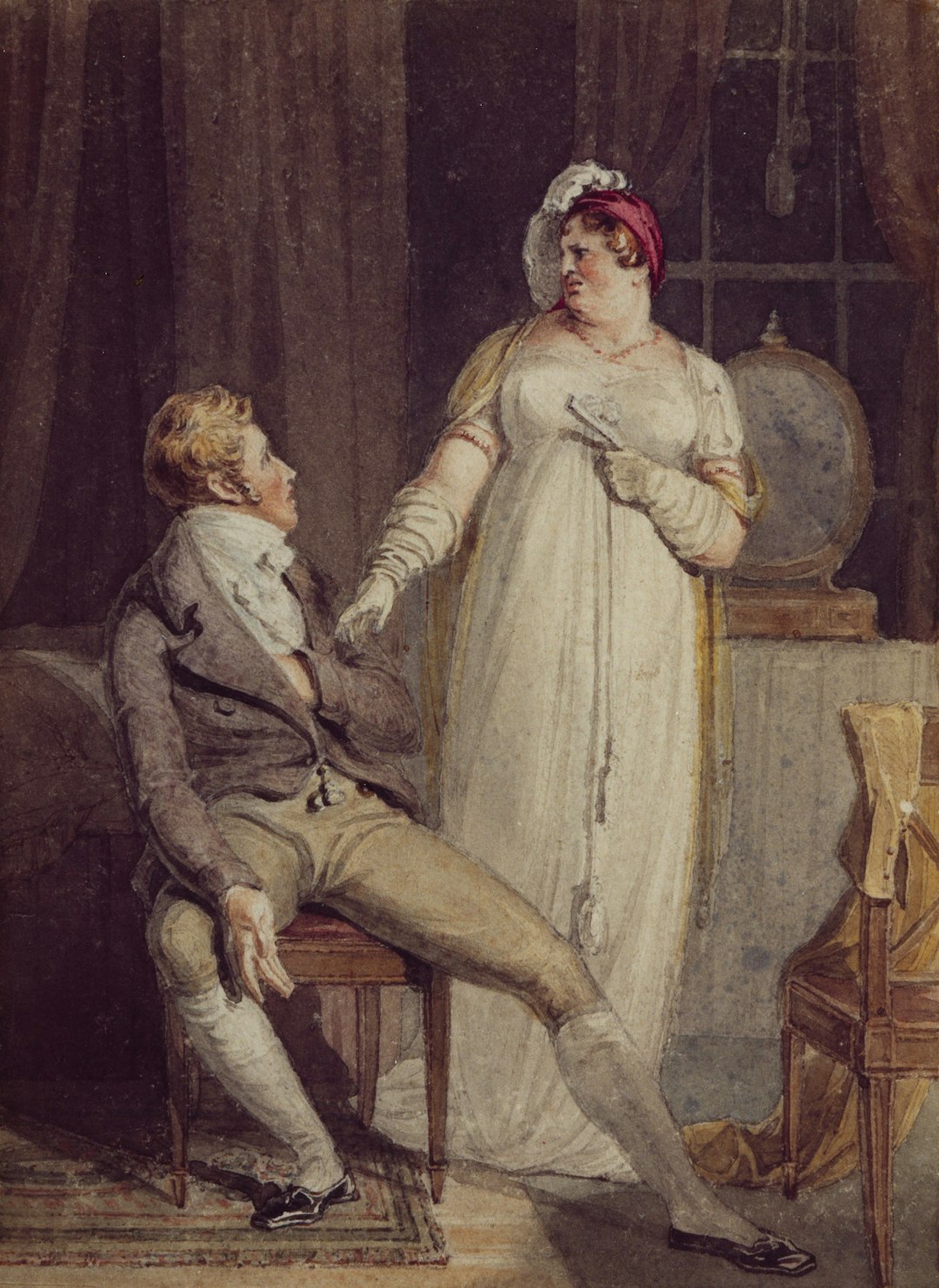
Medical and feminist critiques emerged by the later 19th century. Physicians in London, Paris, and New York warned about compressed ribs and restricted breathing, and women’s rights advocates linked tight-lacing to broader constraints on women’s autonomy. The Smithsonian Institution has documented how reformers promoted “health corsets” or soft stays, as well as alternative undergarments like the “rational dress” supported by the Rational Dress Society (founded in London in 1881). Still, for most of the Victorian era, the corset remained non-negotiable in polite society—a literal and symbolic instrument of discipline and idealized beauty.
Crinolines and Cages: Engineering the Bell-Shaped Skirt
The mid‑Victorian silhouette—particularly in the 1850s and 1860s—is inseparable from the crinoline, a dramatic bell-shaped skirt supported by an inner framework. Early in the century, fullness was achieved with multiple quilted petticoats. However, as The Victoria and Albert Museum explains, these layers were hot and heavy, prompting the development of the cage crinoline around 1856. Made from spring steel hoops connected with tapes, the cage crinoline was lighter but could extend skirts to astonishing circumferences, sometimes over 5 meters around.
The cage crinoline revolutionized women’s movement in contradictory ways. On one hand, by reducing the weight of fabric at the hips, it allowed easier walking and was praised in journals such as The Englishwoman’s Domestic Magazine. On the other hand, it created spatial challenges—women struggled to sit in confined carriages or pass through narrow doorways—and was ridiculed in satirical prints from London to Paris. The Metropolitan Museum of Art holds examples of cage crinolines that visually demonstrate this almost architectural feat of fashion engineering.
Safety and morality concerns were never far behind. There are documented cases, including reports in The Times (London) and American newspapers, of women’s skirts catching fire from open hearths or machinery, their steel frames contributing to deadly accidents. Religious and social critics also condemned the crinoline as vain and frivolous. Yet for many women, it was an aspirational symbol: lower- and middle-class women often wore smaller, cheaper versions to emulate the latest Parisian fashions seen in fashion plates and department stores such as Le Bon Marché.
The Rise of the Bustle: Back-Loaded Silhouettes
By the late 1860s, the round bell shape of the crinoline gave way to a new line: fullness shifted to the back of the skirt, giving rise to the bustle. This transition, visible in fashion plates and surviving garments at institutions like the Louvre Museum’s Musée des Arts Décoratifs collections, marked a shift in aesthetic ideals from sheer width to an emphasis on back projection and a more elongated front. Bustle pads and wire frameworks were attached at the back waist, over the petticoat and under the skirt, creating a pronounced draped effect.
The bustle went through several phases, often grouped into “First Bustle” (c. 1869–1876) and “Second Bustle” (c. 1883–1889) periods. Early bustles were sometimes soft pads of horsehair or down; later ones could resemble miniature crinolines concentrated at the back, made of steel strips that folded for sitting. The Victoria and Albert Museum’s late 19th‑century examples show ingenious folding mechanisms and adjustable straps, highlighting how much innovation went into achieving an apparently effortless silhouette.
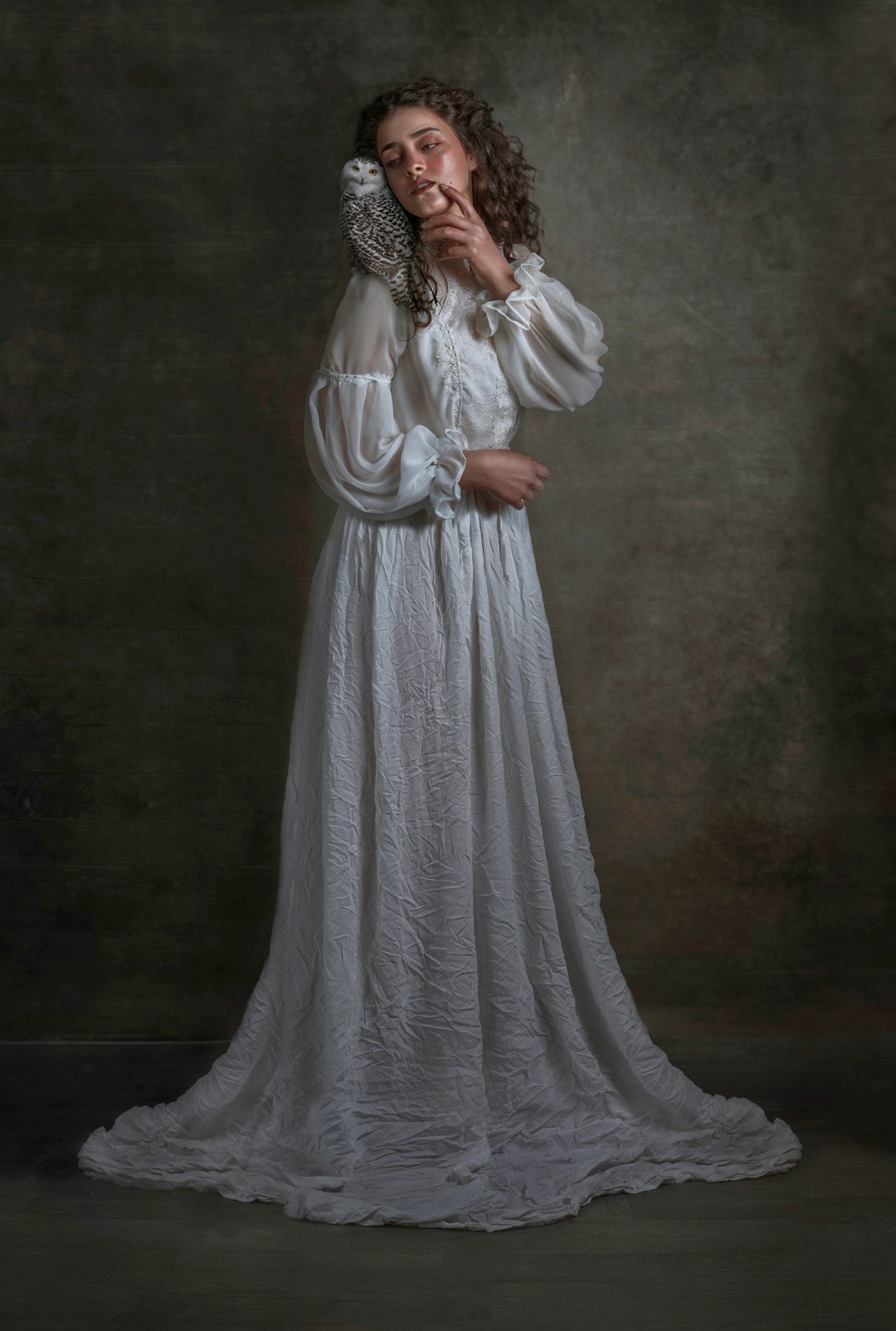
Culturally, the bustle reflected evolving ideas about the female form and conspicuous display. Its exaggeration of the posterior has prompted modern scholars to read it as both erotic and restrictive. Caricaturists in London and Paris mocked women as “pack animals” bearing enormous back loads of fabric, while etiquette manuals instructed wearers on the correct way to sit, bend, and move. Once again, undergarments acted as training devices, prescribing a very particular choreography of femininity rooted in Victorian norms.
Fabric, Technology, and Industrial Change
The development of Victorian undergarments cannot be separated from industrialization. The explosion of textile production in centers such as Manchester, Lyon, and New England mills made cotton and other fabrics more affordable, democratizing access to elaborate underclothes. Earlier in the century, corsets were hand-stitched and boned with baleen or reed; by the 1860s, sewing machines and factory production enabled mass manufacture of standardized corsets and hoop skirts, sold in department stores and by mail order.
Materials evolved alongside technology. With the decline of the whaling industry and rising conservation concerns by the late 19th century, steel and cording largely replaced whalebone. According to the Met, corset steels and eyelets became thinner yet stronger, allowing for more precise shaping. Elastic panels were introduced in the late Victorian era, providing greater flexibility—an important step toward the more relaxed corsetry of the early 20th century. Laundry technology, too, improved: the spread of domestic copper boilers and commercial laundries made the regular washing of chemises and drawers more feasible, reinforcing Victorian ideals of hygiene.
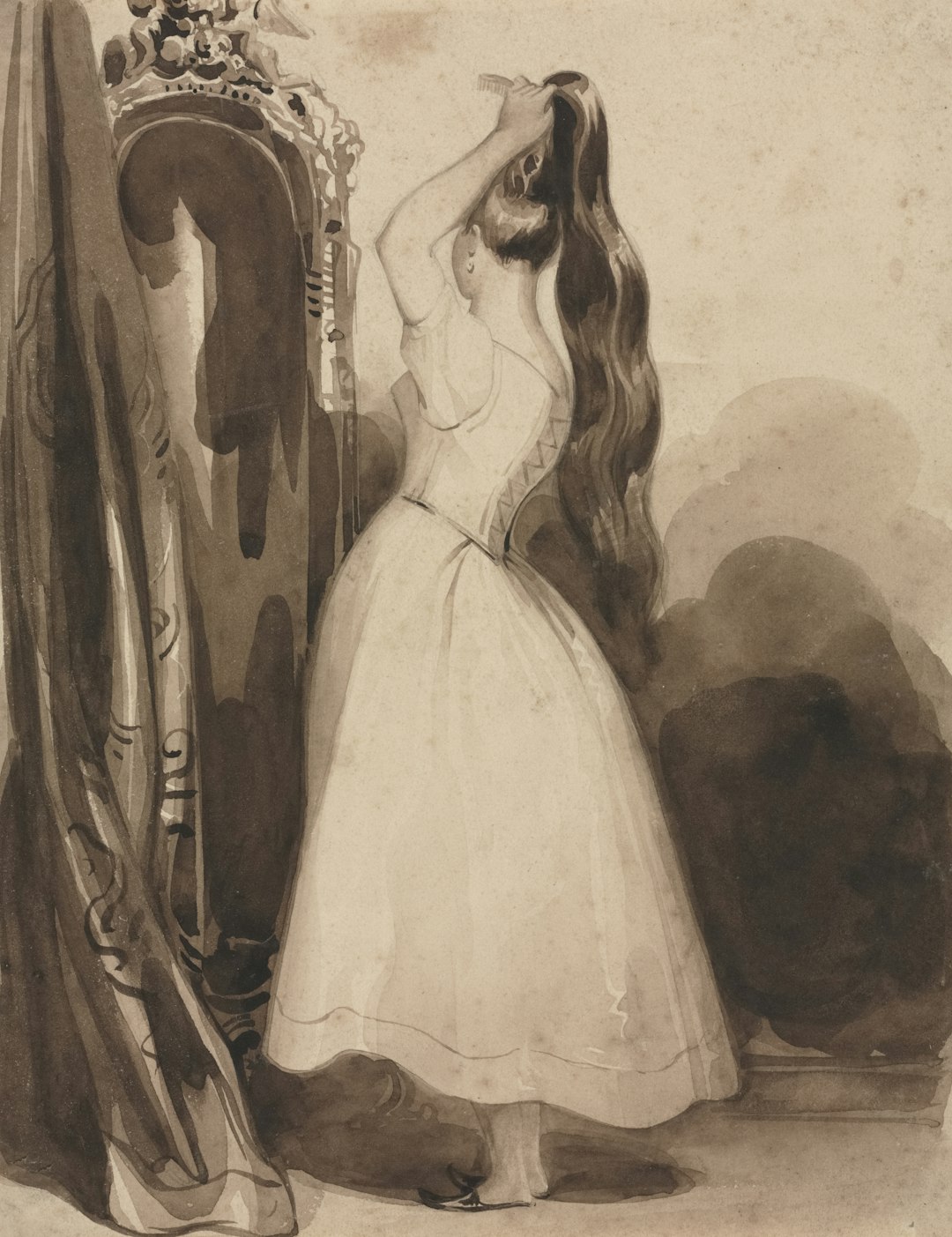
Institutions like the Smithsonian have highlighted how ready-made undergarments intersected with class and colonial economies. Cheap cotton came from plantations in the American South and British India, implicating Victorian underwear in global systems of labor and exploitation. At the same time, fashion periodicals distributed from London and Paris helped standardize ideals across Europe and North America, while local variations persisted in places like rural Scotland, provincial France, and the American West, where access to the latest undergarments might lag by years.
Class, Morality, and the Social Meanings of Underwear
Victorian undergarments were powerful markers of class and respectability. Middle- and upper-class women in London, Paris, and New York typically wore multiple layers: chemise, corset, drawers, petticoats, crinoline or bustle framework, and additional under-petticoats for warmth or shape. Working-class women, and domestic servants in particular, often adapted these layers for practicality, wearing lighter or fewer petticoats and less rigid corsets, if any, especially when work demanded physical labor. Surviving garments in the V&A and regional museums in Britain and France show simpler, sturdier construction for working wear.
Moral discourse was tightly interwoven with underwear. The idea of being “properly dressed” extended to what was unseen. Manuals of etiquette and domestic management insisted on clean, modest undergarments as signs of a woman’s virtue and self-respect, even though no one outside the household (and often not even there) was expected to see them. Lace and embroidery on chemises and drawers remained largely for the wearer’s own sense of refinement, or for the marital bedroom, reinforcing norms around privacy and sexuality.
Religious and social critics sometimes fixated on undergarments as evidence of decadence or foreign influence, especially in Catholic–Protestant debates in Britain and Ireland and anxieties about French fashion. Reform dress movements, documented by the Smithsonian and others, explicitly challenged both the physical constraints and the moralizing narratives attached to women’s underwear. Yet these remained minority positions; for the majority of the Victorian era, adherence to the expected layers was both social armor and social responsibility.
Overview Table: Key Victorian Undergarments
| Garment | Primary Function | Typical Materials | Peak Use Period | Key Silhouette Effect |
|---|---|---|---|---|
| Chemise | Protect skin and outer clothes | Linen, cotton | Whole Victorian era | No shaping; baseline hygiene layer |
| Drawers | Modesty and hygiene | Cotton, linen, sometimes silk | c. 1830s–1900 | Minimal; allows divided leg coverage |
| Corset | Shape torso, support bust, posture | Cotton sateen, coutil, whalebone, steel | Whole Victorian era (shifts in style) | Cinched waist, lifted bust, rigid torso |
| Petticoat(s) | Add volume, warmth, smooth outer skirt | Cotton, linen, flannel | Whole Victorian era | Fullness of skirt, smooth drape |
| Cage Crinoline | Support wide bell-shaped skirts | Steel hoops, cotton tapes | c. 1856–late 1860s | Circular, expanded skirt silhouette |
| Bustle | Support back fullness of skirts | Steel, horsehair, cotton | c. 1869–c. 1889 | Projected back, flat front |
Authoritative Perspectives and Sources
Curatorial and scholarly work by major museums provides the most reliable insight into Victorian undergarments. The Victoria and Albert Museum notes in its overview of 19th‑century fashion that “the fashionable Victorian silhouette could not be achieved without the rigid structure of the corset and the engineered support of crinolines and bustles,” emphasizing these as integral, not optional, components of dress. This underscores that undergarments were structural, not merely decorative.
The Metropolitan Museum of Art’s Costume Institute provides detailed catalog entries for individual corsets, bustles, and chemises, often including construction notes and period commentary. Their analysis of an 1870s corset points out that “the use of metal eyelets and the front busk fastening reflects industrial advances that allowed greater control over shaping with less manual effort,” tying fashion to broader technological change.
The Smithsonian Institution has produced articles and exhibitions focusing on American women’s dress, including the tension between restrictive garments and the later push for “rational dress.” Their work highlights how undergarments became a focal point in debates over women’s health, work, and mobility. Meanwhile, decorative arts departments at the Louvre and other European museums situate French corsetry and crinoline design within the context of Paris as the fashion capital, influencing dress across the British Empire and the United States.
Frequently Asked Questions About Victorian Women’s Undergarments
Did all Victorian women wear corsets?
Most women in middle- and upper-class settings did wear some form of corset or stays, particularly in Europe and North America. However, not all corsets were extremely tight or heavily boned. Working-class women, rural populations, and women engaged in manual labor sometimes wore lighter stays, laced them less tightly, or dispensed with them for practical reasons. Surviving garments and photographic evidence suggest considerable variation by class, occupation, and region.
Were Victorian corsets really dangerous to health?
Excessive tight-lacing could contribute to breathing difficulties, fainting, and long-term rib deformation. Contemporary doctors in London and Paris recorded such cases, and X‑rays from the early 20th century show altered ribcages in habitual tight-lacers. However, moderate corset wear, particularly in the more flexible styles of the late Victorian era, was less extreme than some modern depictions suggest. As the V&A and Met emphasize, not all women strove for 18‑inch waists, and many wore their corsets for support rather than extreme reduction.
How many layers of underwear did a typical middle-class woman wear?
For daywear in the mid‑Victorian period, a middle-class woman in London or New York might wear: chemise, drawers, corset, one or more petticoats, and either a cage crinoline or later a bustle and additional petticoat. In colder weather, flannel petticoats or woolen combinations might be added. Evening dress sometimes called for extra structuring undergarments to support heavy gowns. Working women often simplified this ensemble, using fewer or lighter layers to allow for movement and to reduce laundry burdens.
Were crinolines and bustles worn by all classes?
Crinolines and bustles were aspirational garments. Wealthy women wore the most extreme and fashion-forward versions, while middle-class women often adopted smaller or slightly outdated styles. Working-class women sometimes wore modestly shaped skirts supported by simple petticoats or cheap hoops. Evidence from museum collections and period illustrations suggests that the most exaggerated silhouettes were relatively rare outside elite social circles, though even modest versions communicated participation in current fashion.
How did women manage personal hygiene with so many layers?
Open-crotch drawers, chemises, and the design of cage crinolines and bustles facilitated the use of chamber pots and toilets without complete undressing. Laundry was labor-intensive, but cotton undergarments were chosen specifically because they could be boiled and washed more frequently than outer garments. Middle- and upper-class households often employed laundresses; working-class women typically did their own washing, making the number and complexity of layers partly a function of what could realistically be laundered.
Conclusion
Victorian women’s undergarments were the unseen yet essential scaffolding of 19th‑century fashion. From chemises and corsets to crinolines and bustles, each layer reflected advances in technology, shifting aesthetic ideals, and deeply rooted social expectations about gender, class, and morality. The collections of institutions like the Metropolitan Museum of Art, the Victoria and Albert Museum, the Louvre, and the Smithsonian Institution reveal these garments as feats of design and symbols of constraint, aspiration, and identity. To study Victorian underwear is to see the era’s values stitched into cloth and steel, shaping not only how women looked, but how they moved, worked, and lived.
AI Notice: Some visual content in this article may have been created or enhanced using artificial intelligence (AI) for artistic, editorial or illustrative purposes. Learn more about our approach in our AI & Editorial Principles.