Victorian Skirts: Fashion, Femininity, and the Architecture of Dress
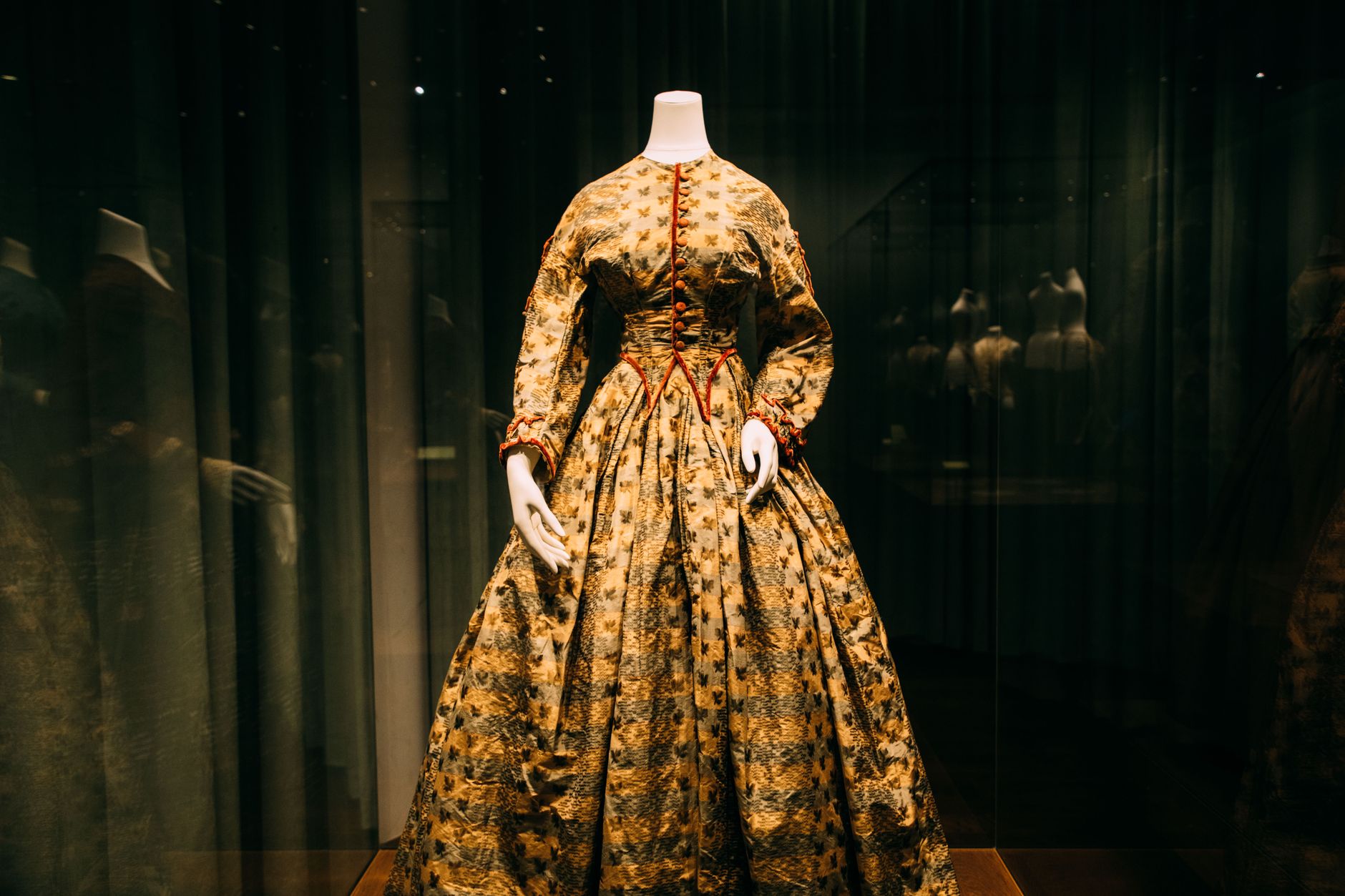
The Victorian skirt was far more than a length of fabric; it was an architectural structure worn on the body, a social signal legible at a glance, and a daily negotiation between style, morality, and mobility. In the 19th century, skirts expanded into vast bell shapes, flared out over steel cages, and then narrowed into bustled trains that swept London pavements and Parisian boulevards alike. Their changing shapes mapped transformations in technology, industry, and gender expectations. To understand Victorian skirts is to understand how the era saw women’s bodies—and how women, in turn, navigated the constraints and possibilities of their age.
The Victorian Era and the Language of Skirt Silhouettes
“Victorian” is used correctly to refer to the time of Queen Victoria‘s reign, 1837 to 1901. The Smithsonian Institute has called “an age of transition, when industrial technology reshaped daily life.” The skirts were at the center of this shift, changing wildly across the six decades of Victoria‘s reign. “The early Victorian skirt was a flared, full but soft garment; in the middle of the century, it was, bulging outward over steel crinolines (large steel hoops); in the 1870s, it swept down from elaborate bustles.” The shape of each communicated subtle status messages, signals of respectability or progressive readiness.
Can You Name the Masterpiece?
Ten masterpieces. Ten questions. How well do you know the history of art?
According to the Victoria and Albert Museum (V&A), 19 th-century women‘s dress “glorified an idealized, modest femininity,” and the principal instigator was the skirt. The length (floor-wise), opacity (ensccs), and often proliferation of fabric obscured the legs almost entirely; however, the nuances width, drapery, embellishments told stories in themselves. A tightly pulled-together back was indicative of a current 1880s New Woman; a dome-shaped skirt covering a large-hooped crinoline paid homage to the gloriously over-the-top 1850s.
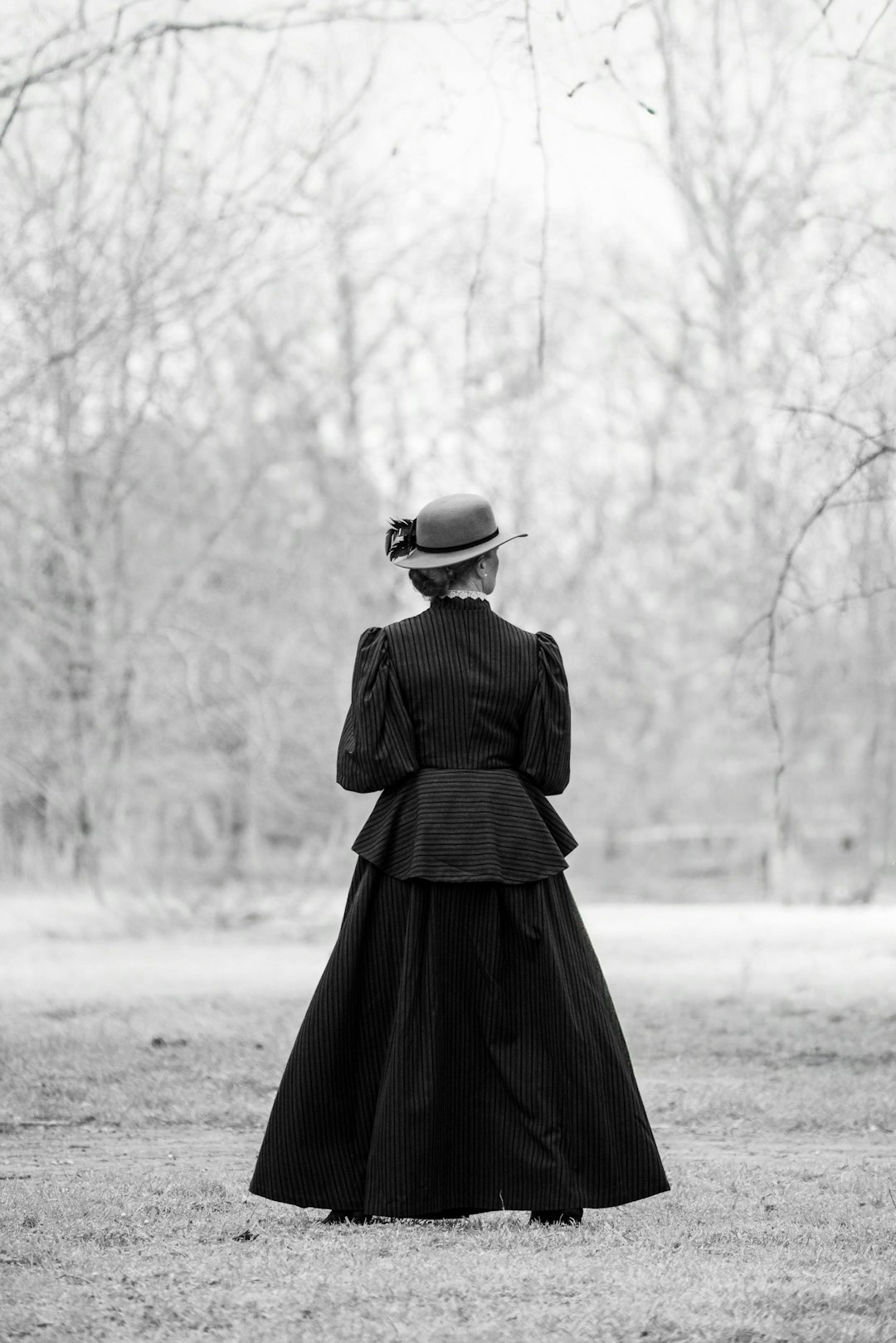
Geography also mattered. In industrial cities like Manchester or Leeds, where mills and grime defined daily life, skirts had to contend with crowded streets and dirty surfaces. In Paris, the fashion capital, new shapes debuted and spread across Europe. In colonial contexts—from Calcutta to Cape Town—Victorian skirts were adapted for climate and practicality, even as they carried the cultural weight of British norms. Across these environments, the skirt became a mobile sign of empire and class hierarchy.
From Early Victorian Fullness to the Crinoline Craze (1837–1860)
Early Victorian skirts (late 1830s–1840s) were wide and bell‑shaped, but their structure came from layers of petticoats—often several heavy cotton or linen underskirts, sometimes stiffened with horsehair (hence “crinoline” from the French crin = horsehair, lin = linen). The Metropolitan Museum of Art (Met) highlights these early petticoats as both an aesthetic and a physical burden: women literally carried their silhouette’s weight in yards of fabric. A middle‑class woman in London or Boston might wear three to five petticoats to achieve the correct shape.
Can You Guess the Artist?
Three clues. One artist. How quickly can you identify the painter?
By the 1850s, technology rendered this position. The steel cage crinoline, patented in the mid1850s, was a cage of spring steel strips, secured by tapes around the hips. As The Victoria & Albert Museum notes, it was “a revolutionary invention which dramatically increased the bulk of a woman‘s skirt, while decreasing its weight.” Fashion plates from Paris and London show skirts growing to fantastic diameters–sometimes more than 150cm across. The shape was like a hovering bell over the, now tiny, cinched waist.

The crinoline was both admired, and laughed at, as the Louvre Museum exhibitions on 19thor carnival costume show. Caricatures in the satirical magazines of the period quipped about the seat space they took on the omnibus or in the church pew. Commentators called them frivolous or dangerous in the factory or kitchen. For many women though, as the fashion historian Valerie Steele notes, they felt an escape from the uncomfortable weight of towering petticoats. Modesty versus spectacle was the defining tension of Victorian dress, and nowhere was that clearer than in the crinoline.
The Bustle and the Backward Shift of Volume (1860s–1880s)
By the mid‑1860s, the smooth circular dome of the crinoline began to change. As the Smithsonian explains in its overviews of 19th‑century fashion, skirt volume shifted gradually from all‑around fullness to a concentration at the back. The cage crinoline flattened in front and grew more prominent behind, anticipating what would become the defining feature of the next two decades: the bustle. This transition created a more elliptical silhouette, emphasizing a long front and a dramatic, trailing back.
The bustle (a padded or wired support worn at the back of the waist and hips) replaced the full crinoline by the late 1860s. Early Victorian examples merely gathered the material at the back; later forms (1870s–1880s) comprised a framework of metallic hoops that projected outward. The Metropolitan Museum describes the 1870s shape as “hard and angular at the back, with flowing drapery cascading over a projecting framework.” This style was difficult to construct: fabric was looped, swaged and pleated to emphasize the hollow construct underneath.
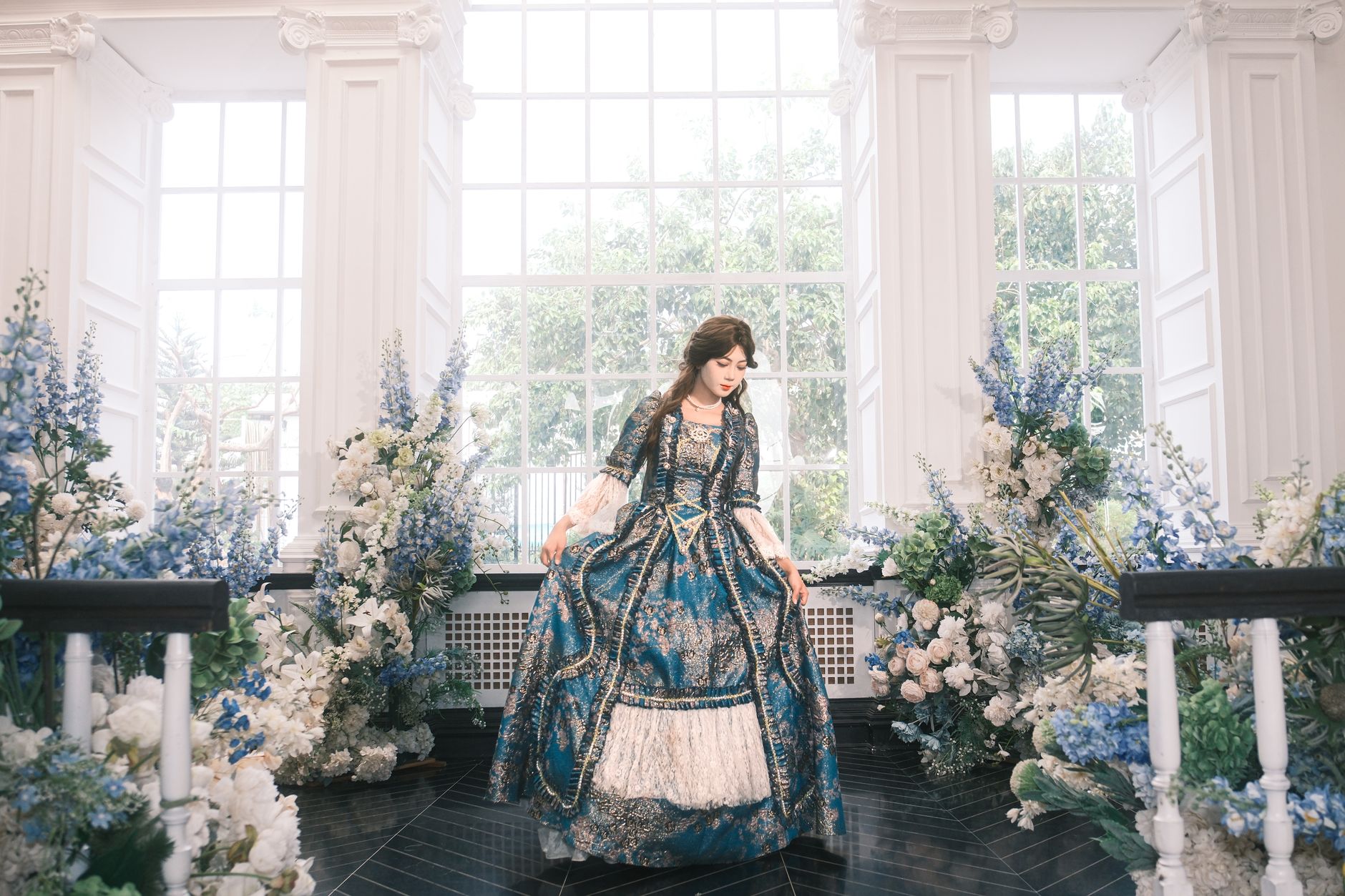
Culturally, the bustle period coincided with increased popular debate about women‘s place, in Britain and America, notably in the new women‘s rights movement. Ironically, while campaigning for access to education and employment, women also wear ever more elaborate, unwearable traains and back draperies. When feminist dress reformers vilified the bustle as a manifestation of oppressive beauty ideals, wealthy women in London, Paris and New York used the dramatic silhouetteto establish their class and good taste in a hard-fought social arena,
Late Victorian Narrowing and the Move Toward Modernity (1880s–1901)
From the mid‑1880s onward, Victorian skirts began a sustained trajectory toward narrower, more vertical lines. The exaggerated “shelf” bustles of the early 1880s gave way to slimmer, trailing skirts by the 1890s, sometimes called the “princess line” or “umbrella skirt.” The V&A notes that “the fashion for increasingly active lifestyles—in walking, cycling, and sports—encouraged more practical silhouettes.” Although skirts remained long, the mass of fabric decreased and fell closer to the body.
There was some urban modernization. As cities introduced pavements, electric trams and department stores with busy interiors, cumbersome trains and extreme bustles could no longer be handled. In Paris designers such as Charles Frederick Worth, and eventually the House of Doucet, perfected the silhouette through precise cutting and shaping rather than through volume. In London, the emergence of the “New Woman” – representatives of education, work and independence – slowly encouraged a calmer line in fashion.

By the last years of Victoria’s reign, skirt shapes already foreshadowed the Edwardian transition to lighter, softer lines. Gored skirts (made up of panels shaped to the body) draped smoothly over the hips and legs, occasionally with elegant gathers in the back, but no underlying frames. The Smithsonian, studying turn-of-the-century dress, characterizes the time as “the waning of the architectural skirt,” referring to the eventual emergence of flatter cut shapes in lieu of padding and hoops. However, the Victorian construction was still present in museums and history books.
Fabrics, Construction, and Everyday Realities
The grandeur of Victorian skirts depended on their materials and construction. For the wealthy, silk taffeta, satin, velvet, and fine woolens formed the outer layers, sometimes woven in Lyon, France, or Spitalfields, London. The Louvre’s textile collections illustrate how luxury fabrics, rich with brocades and jacquards, amplified the play of light and shadow over crinoline and bustle forms. For the middle and working classes, cottons, wool blends, and re-dyed or reworked fabrics produced more modest versions of the same silhouettes.
Beneath, engineering was as critical as the choice of fabric. Dressmakers employed…stiffened hems, horsehair braid and patchworks of linings to provide the skirts with structure. The Met archive contains some documentation of skirt interiors with glimpses of tapes, ties and concealed fastenings that dictated drape and fullness. A bustle skirt (c.1770s-81) might have ribbons internal to it to pull a surplus of fabric into graceful loops. Those structures were concealed so clearly because Victorian fashion depended on the skilled female labor always underpaid that worked in mannequin ateliers and in the private sewing room.

Everyday life, though, was often at odds with ideals of fashion. Long skirts had to trail along the dirtiest city streets, drawing in dirt and disease. British factory inspectors worried that their imposed panniers were dangerous around machinery. Country women and domestic servants had to adapt their garments by shortening skirts, wear trains secured up, or take a different garment altogether. As the V&A points out ‘many women would have experienced quite a different sight of the glamorous ideal of fashion, since the dresses in the museums tend to be on the more upper-class end of the scale’..
Symbolism, Morality, and the Politics of the Hemline
Victorian skirts were saturated with symbolic meaning. Length and fullness signaled moral respectability: a floor-length skirt that fully concealed the legs was closely associated with modesty. The Victorian moral order—heavily influenced by evangelical Christianity—linked visible ankles or calves with impropriety, especially in conservative circles. Even as the century progressed, respectable daywear for adult women rarely rose above the top of the boot.
Meanwhile, the shape of the silhouette cemented gendered hierarchies of power. As fashion historian Lou Taylor has shown, the weighty skirts “obvious[ly] limited a woman‘s pace and stride, reinforcing her proper place in the home rather than the town.” But women‘s own writings of the time tell a more complicated story. For some, the grandeur of fashion was exhilarating; in others, women found ways to subvert the restrictions using thinner fabrics, transferring to reform garments in the privacy of home, or donning shorter skirts for occupational activities.
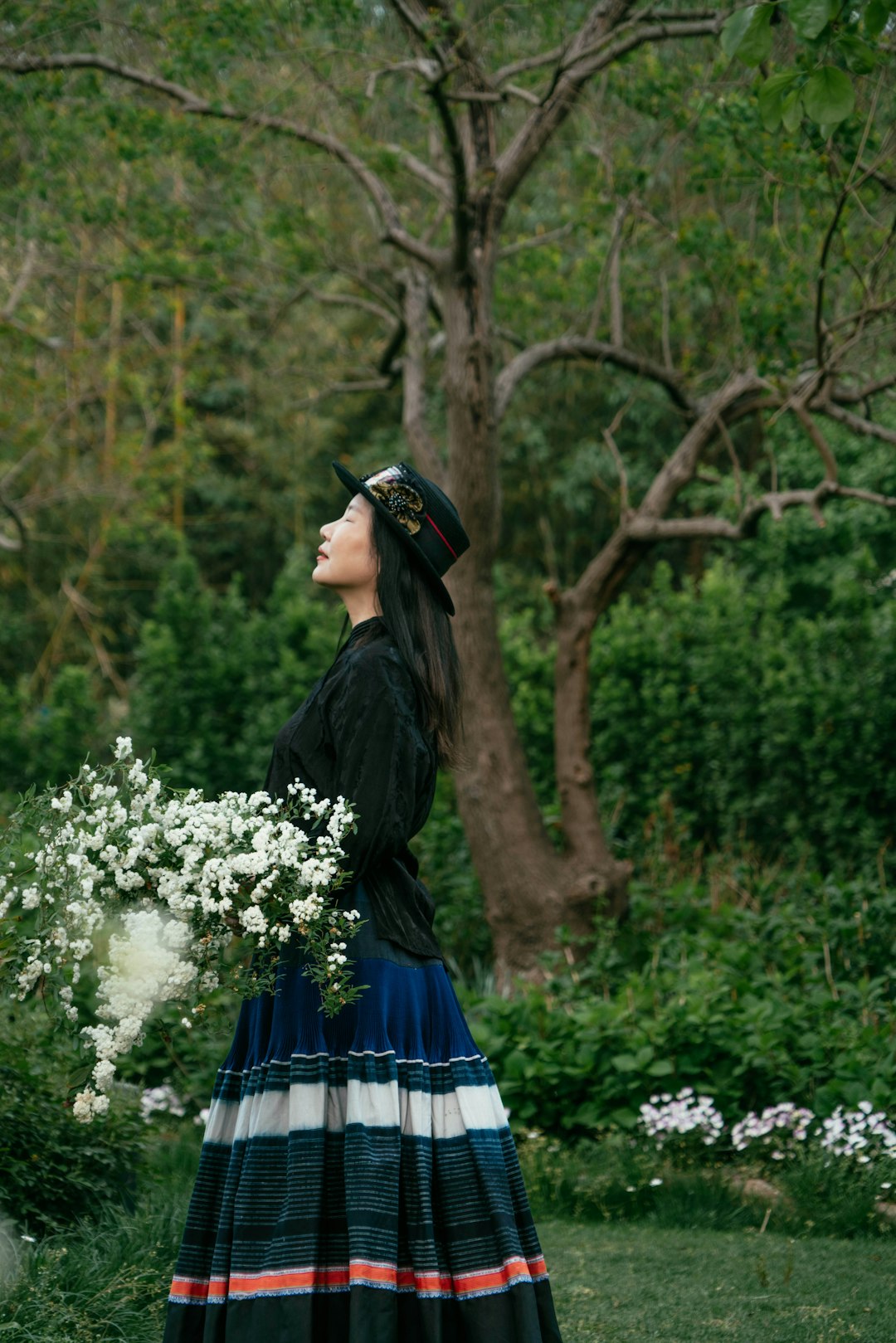
Discussions over dress reform show the importance of skirt design. For example, groups like the Rational Dress Society in 19 thcentury Britain maintained that a woman should not wear a dress which “prevents the free use of her limbs” (Rational Dress Society, 1881). They decried the tons that could cling to a woman‘s legs and pushed for shortened hemlines in specific situations, such as cycling and sport. Although these ideas were not picked up by the wider Victorian dress market, they laid the foundation for the more revolutionary moves against skirt length in the 20 thcentury.
Key Characteristics of Victorian Skirts
Below is a simplified overview of major phases and features of Victorian skirts:
| Period & Approx. Dates | Main Silhouette | Structural Support | Typical Fabrics (Outer Layer) | Notable Features / Context |
|---|---|---|---|---|
| Early Victorian (1837–late 1840s) | Wide, bell-shaped | Multiple petticoats, some horsehair | Cotton, wool, silk | Heavy layering; modest volume; pre-industrial techniques |
| Crinoline Era (c. 1850–mid-1860s) | Large dome/bell | Steel cage crinoline | Silk taffeta, cotton, wool blends | Maximum width; “floating” skirts; caricatured in press |
| Early Bustle (late 1860s–1870s) | Elliptical, back fullness | Modified crinoline, small bustles | Silk, wool, mixed textiles | Flattened front; trains; transition from hoop to bustle |
| High Bustle (early–mid-1880s) | Pronounced rear projection | Rigid bustle frames, pads | Heavier silks, velvets, brocades | Complex drapery; architectural back; peak exaggeration |
| Late Victorian (late 1880s–1901) | Narrower, flared, trailing | Minimal padding, gored cutting | Wool, lighter silks, cottons | More practical, vertical lines; pre-Edwardian look |
Authoritative Perspectives and Sources
Major museums and archives provide the most reliable overviews of Victorian skirt history. The Metropolitan Museum of Art’s Costume Institute offers detailed catalog entries on crinolines and bustles, often with high‑resolution images and construction notes. In its publication Fashion: A Timeline of 19th‑Century Dress, the Met notes that “the radical transformations of the skirt silhouette in the Victorian era were inseparable from advances in textile and metalwork technologies.”
The Victoria and Albert Museum, with one of the world’s leading fashion and textile collections, emphasizes social context. In its permanent gallery texts, the V&A explains: “Dress in the 19th century was a powerful signifier of class, morality and gender roles, and nowhere is this clearer than in the changing shapes of women’s skirts.” Their online essays on crinoline and bustle fashion are excellent primers for deeper study.
The Smithsonian Institution and the Louvre Museum contribute broader cultural framing. The Smithsonian, through its National Museum of American History, situates Victorian skirts within wider narratives of industrialization and women’s work. The Louvre, by juxtaposing fashion with painting and sculpture, reveals how artists recorded—and sometimes critiqued—the shifting lines of women’s dress in the 19th century. These institutional voices, grounded in scholarly research, help separate myth from documented practice.
Frequently Asked Questions about Victorian Skirts
1. Did all Victorian women wear crinolines and bustles?
No. While fashion plates and elite portraits often show crinolines and bustles, many working‑class and rural women wore simpler, narrower skirts without elaborate structures. Cost and practicality mattered. As the V&A notes, “the most extreme fashions were usually confined to the upper and aspiring middle classes.”
2. Were Victorian skirts really dangerous?
They could be. Steel crinolines sometimes became caught in carriage wheels or machinery, and highly flammable fabrics near open flames posed real risks. Newspapers reported occasional accidents, which fueled public debate. However, most women navigated their skirts safely in daily life, adapting behavior to their garments.
3. How heavy were Victorian skirts?
Weights varied widely. A fully layered early Victorian ensemble with multiple petticoats might weigh several kilograms. Later steel crinolines reduced weight while increasing size. Bustled skirts often shifted weight to the back but could still be substantial, especially in luxury silks and velvets. Museum conservation records at the Met and V&A sometimes list garment weights, revealing the tangible burden of fashion.
4. Did Victorian women ever wear shorter skirts?
Yes, but usually in restricted contexts. Young girls, some sportswomen, and later in the century, cyclists and certain professionals (such as nurses) might wear skirts that showed the ankles or tops of boots. Dress reformers advocated shorter lengths for health and safety, but mainstream daywear for adult women remained long throughout Victoria’s reign.
5. How did women sit down in large crinolines and bustles?
With practice. In crinolines, women often perched on the edge of chairs, allowing the hoops to tilt upward or spread. Bustles could compress somewhat when seated. Surviving etiquette manuals and caricatures alike show that navigating doorways, carriages, and seating required a learned choreography.
6. Can we see authentic Victorian skirts today?
Yes. Major collections at the Metropolitan Museum of Art (New York), the Victoria and Albert Museum (London), the Louvre (Paris, especially in painting), and the Smithsonian Institution (Washington, D.C.) hold original garments and period images. Many are accessible through online databases with photographs, descriptions, and scholarly commentary.
Conclusion
Victorian skirts trace a remarkable journey from heavy layered bells to steel‑supported domes, from architectural bustles to streamlined late‑century lines. They embodied industrial innovation, encoded moral and social expectations, and shaped how women moved through rapidly changing cities and empires. Thanks to the work of institutions such as the Met, the V&A, the Louvre, and the Smithsonian, we can study these garments not as quaint relics, but as sophisticated constructions that reveal the ambitions, anxieties, and daily realities of the 19th century. To follow the hemline across Victoria’s reign is to watch modern fashion—and modern womanhood—take shape.
AI Notice: Some visual content in this article may have been created or enhanced using artificial intelligence (AI) for artistic, editorial or illustrative purposes. Learn more about our approach in our AI & Editorial Principles.