
Why More Brides Are Ditching White for a Dramatic Black Lace Wedding Dress
A bride in black lace is impossible to ignore. Against a sea of ivory and blush, a black lace wedding dress commands the eye—dramatic, unconventional, and rich with historical resonance. Far from being a mere “goth” twist on bridal fashion, black lace gowns draw on centuries of textile artistry, mourning customs, and high couture. Today, they are chosen not just for shock value, but for their sophistication, symbolism, and the powerful statement they make about individuality. Understanding this dress choice means exploring fashion history as much as contemporary style.
The Historical Roots of Black Lace
Black lace didn‘t start out as a rebellious wedding statement. In the early modern period of Europe, lace (particularly black lace) was one of the most desirable luxury textiles. Throughout the 16 th and 17 th centuries, Spanish black lace mantillas and veils were highly desired throughout Europe. According to the Metropolitan Museum of Art, Spain was a producer of lace, and black lace was a symbol of dignity, piety, and ceremony in court dress and robes. This tradition survives today in the black mantilla veil popular in both state and religious occasions.
Can You Name the Masterpiece?
Ten masterpieces. Ten questions. How well do you know the history of art?
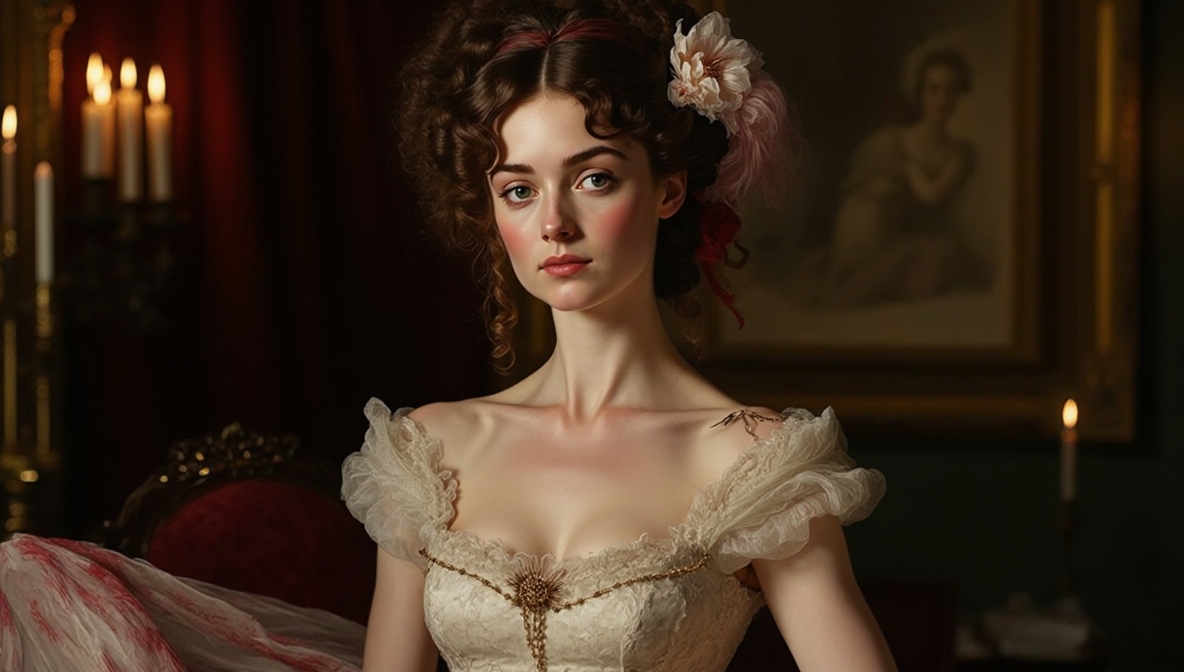
By the nineteenth century black lace had become thoroughly embedded in mourning culture. Queen Victoria‘s prolonged public mourning after the death of Prince Albert in 1861 established black clothing as the accepted form of mourning dress. The Victoria and Albert Museum‘s exhibits of mourning dress exemplify how black lace was often used; black lace was often worn on top of silk or crepe, creating texture and detail despite the restrictions of mourning dress. Though expensive lace was linked with grief, it also became linked with status, with only wealthy women being able to afford fine black lace.
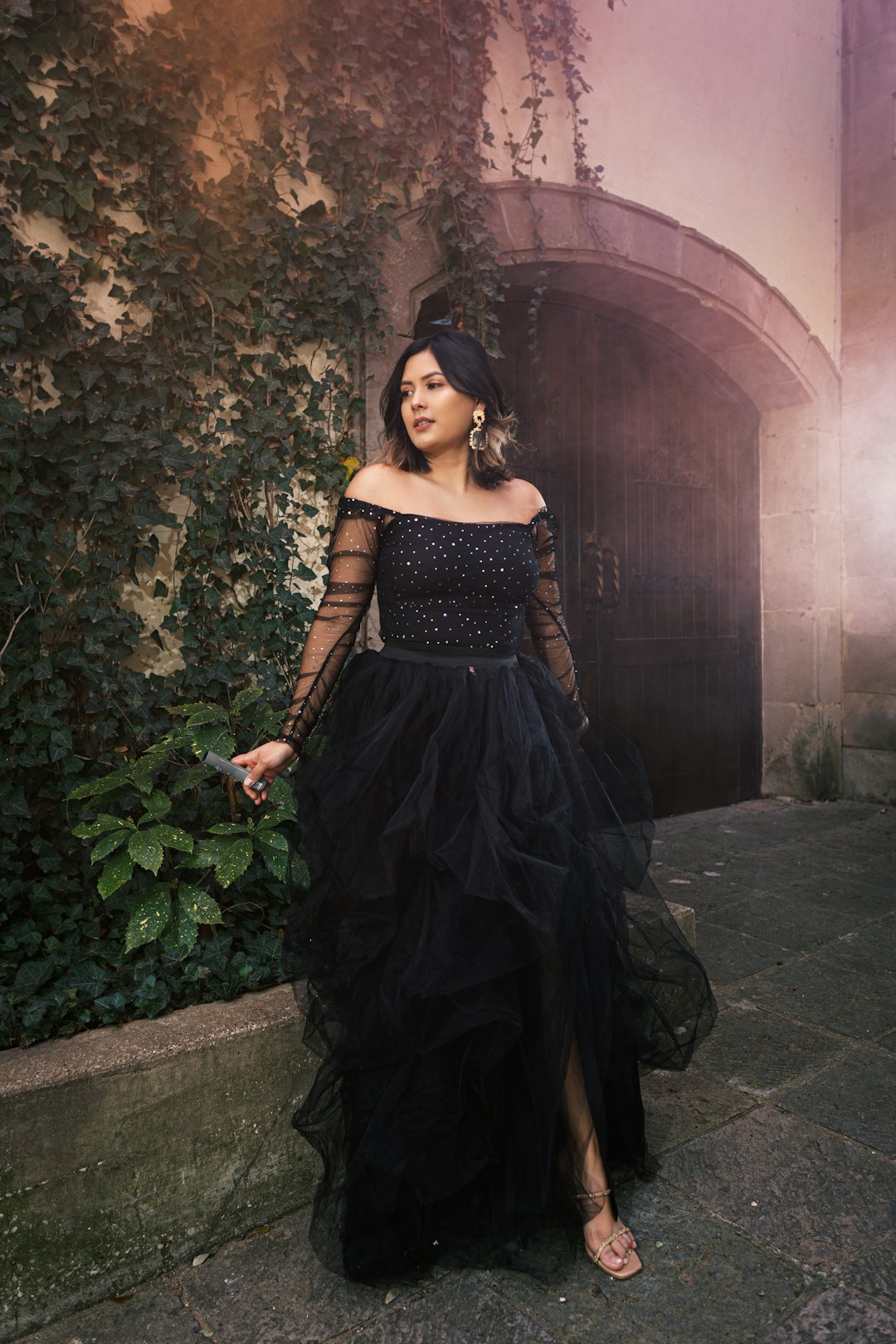
After the fact, black dresses also perhaps aren’t so unusual for weddings of certain periods and cultures. In fact, prior to the bridal revolution of the mid-19th century when white was fashionable, some brides attended in their“best dress,” which could be black, dark brown, navy, especially in Scandinavia, rural Europe or among the working classes. According to an exhibition catalog from the Smithsonian Institution, white was introduced only after Victoria’s wedding gown of 1840 when the famous bride was heavily publicized, but in such situations many bridegrooms also saved expense in color choice; even in Victorian times, many unsuspectedly opted for dark and practical hues. The wedding dress of black lace seems less a groundbreaking invention today for its innovative use of excreta than a polished and modern reinterpretation of a century or so of tradition.
Symbolism: Beyond “Goth”
Black lace carries multilayered symbolism that shifts with culture, context, and styling. The most obvious association is with mystery and allure. Lace has long been considered a sensual fabric—revealing the silhouette beneath while partially concealing skin. When rendered in black, that sensuality is heightened: the interplay of shadow, transparency, and pattern creates a dramatic, almost cinematic effect. Black lace wedding dresses can signal confidence, independence, and a rejection of the idea that brides must appear “pure” in a narrow, Victorian sense.
Can You Guess the Artist?
Three clues. One artist. How quickly can you identify the painter?
At the same time, black often evokes themes of power and authority. In Western fashion, black is the color of judicial robes, academic gowns, and evening wear. Coco Chanel famously declared black to be “the color that never goes out of style,” enshrining it as the ultimate chic. A black lace gown on a wedding day can suggest a bride who is not merely participating in tradition, but setting the terms of the ritual herself. The choice can be read as modern, feminist, and self-directed.

There is also an undercurrent of historical and cultural symbolism. In some Spanish and Latin American traditions, black lace mantillas worn at religious ceremonies represent devotion and solemnity, not morbidity. The Louvre Museum’s depictions of Spanish court dress, for example, show black lace as a sign of rank and religious seriousness. When a bride chooses a black lace dress today, she may be drawing—consciously or not—on this lineage of dignity, seriousness of intent, and respect for the gravity of marriage, rather than simply “breaking the rules.”
Black Lace in Couture and Pop Culture
Black lace was associated with high fashion and came to be seen as sumptuous, rather than simply ‘black’. In the early twentieth century, designers such as Jeanne Lanvin and Madeleine Vionnet, used black lace in slinky eveningwear blouses and dresses. The collections at the Victoria and Albert Museum from the 1920s and 1930s include black lace cut on the bias, over layers of pale slips, creating a striking contrast – techniques that still survive in bridal designing today.
Designers working in the late 20 th and early 21 st century unabashedly incorporated black lace into their wedding and eveningwear lines. Black details and full black gowns appeared, for example, in Wang‘s collections in the 2010‘s, making a bold statement to break the dogma that brides could only be expected to wear white. Dior, Margiela and McQueen have all utilized black lace appliqué and overlays in their runway shows. Those trends began to normalize the idea that a wedding gown could be black and be considered “bridal” in form, technique, or feeling.
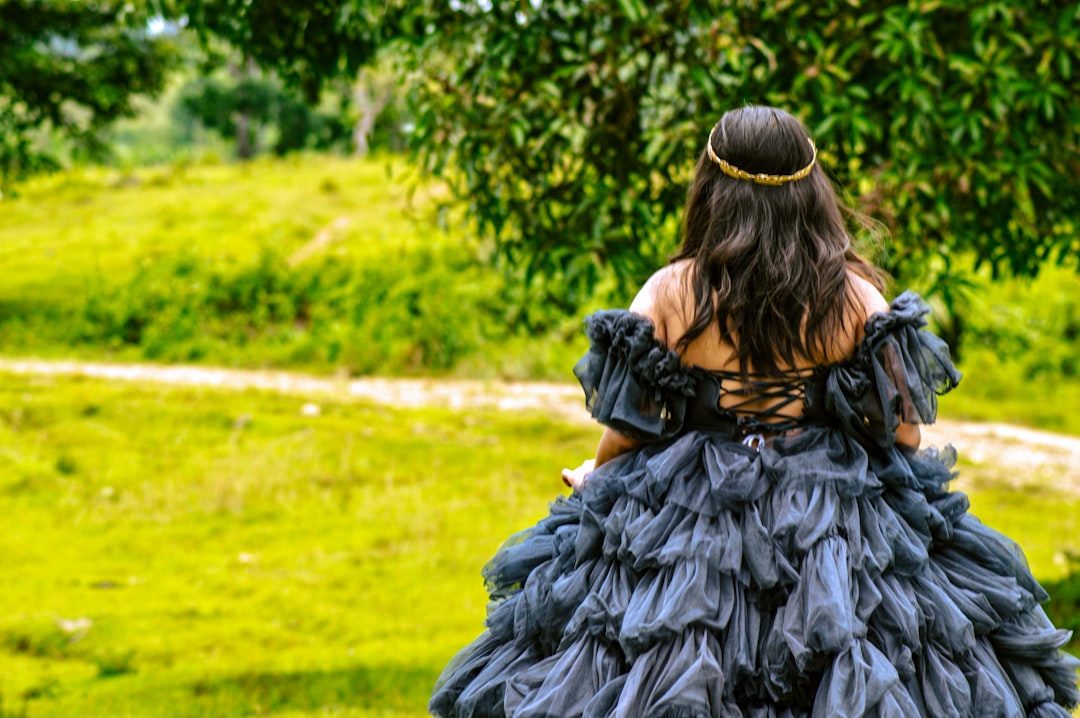
Pop culture has played a part in this as well, with gothic style wedding dresses on television and in film or celebrities seen in black lace at high-profile ceremonies, has helped to normalize and make fashionable the use of the color at mainstreampublic numbers. As not everyone desires a “vampiric” or visibly gothic look, the fact that black lace is seen as glamorous in the mainstream not only pushes the boundaries of acceptable hair, makeup, and couture, but also strengthens the boundaries of beauty. As the Smithsonian Institution‘s 20th-century American fashion summarizes, “a slow but steady broadening occurred in the range of options for Brides“as the social construction of meaning around women shifted.
Design Characteristics of Black Lace Wedding Dresses
Less defined by shape or silhouette and instead characterized by the mix of fabric, light, and structure, black lace wedding gowns take many shapes. Designers tend to opt for either chantilly, alencon, guipure, or corded lace in the creation of black wedding wear; as each has its own classically ready-made weightiness and textural presence. While the light, delicate nature of chantilly can produce ethereal, in lots of white wedding attire, the heavier, bolder feel of guipure works beautifully when constructing shape in a black lace wedding outfit. Dye the fabric, and it appears far more dramatic, and the motifs whether floral, vine, scallop, or geometrically repeated appears far sharper now.
Lining decisions are also critical. Lined, black lace gowns can be glossy, sleek and opaque while unlined panels in the sleeves, over the shoulders or decolletes, allows transparency. Some designers use nude, champagne or blush colored linings underneath black lace to tone down the overall transparency while enhancing the lace pattern. Still others choose black lace on black silk and satin, using the sheen contrast of the two fabrics to created variation and a sense of dimension. The factor always is how dramatic, how covered, how in your face do you want to be?
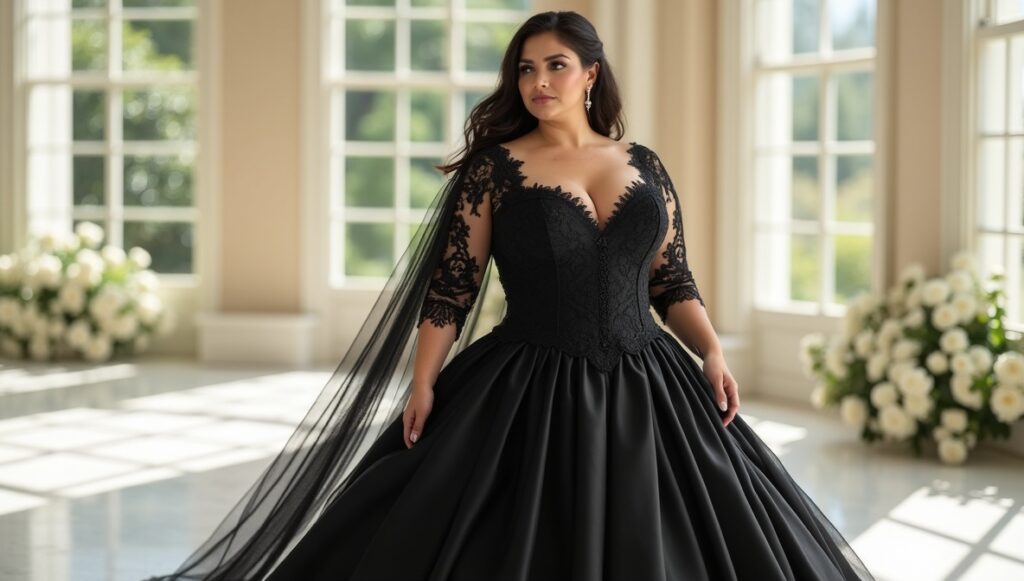
Silhouette also construes the message of the dress. A ball gown silhouette in black lace contradicts fairy-tale volume with an unusual hue, while a mermaid or sheath silhouette reads as more up-to-date, sexy. A high neckline and long sleeves of lace seem Victorian or Edwardian, reminiscent of museum pieces exhibited at the Met, while an off-the-shoulder or illusion neckline seems more modern. Each variety and mixture of lace type, lining, and cut embodies a different combination of romance, drama, and custom.
Table: Key Characteristics of Black Lace Wedding Dresses
| Feature | Typical Options | Effect on Overall Look |
|---|---|---|
| Lace Type | Chantilly, Alençon, guipure, corded | From soft and ethereal to bold and graphic |
| Lining Color | Black, nude, ivory, champagne | High contrast vs. subtle depth and dimension |
| Silhouette | Ball gown, A-line, mermaid, sheath | Classic romance vs. sleek modernity |
| Neckline & Sleeves | Illusion, high neck, off-shoulder | Victorian formality vs. contemporary sensuality |
| Embellishments | Beading, sequins, appliqué | Adds sparkle, texture, and highlights lace motifs |
| Cultural Style References | Spanish mantilla, Victorian, couture | Signals tradition, drama, or high-fashion influence |
Styling a Black Lace Bridal Look
Styling decisions can either amplify the drama of a black lace wedding dress or balance it with softness. Accessories are a key part of this equation. A black lace mantilla veil, referencing Spanish tradition, deepens the historical and ceremonial feel, especially in religious or formal settings. Alternatively, a simple tulle veil in black or soft nude can keep attention on the gown’s detailing. Some brides skip veils entirely, favoring headpieces or hair jewelry that feels less traditional.
Jewelry and shoes require thoughtful curation. Silver or white gold with diamonds or pearls can lighten the look, offering contrast against the black lace. Gold can add warmth and a vintage feel, especially when paired with baroque-style pieces reminiscent of European court jewelry seen in the Louvre’s collections. Shoes can either match the gown for a continuous black line—particularly elongating in fitted silhouettes—or introduce a pop of color, such as deep red or metallics, for subtle theatrical flair.
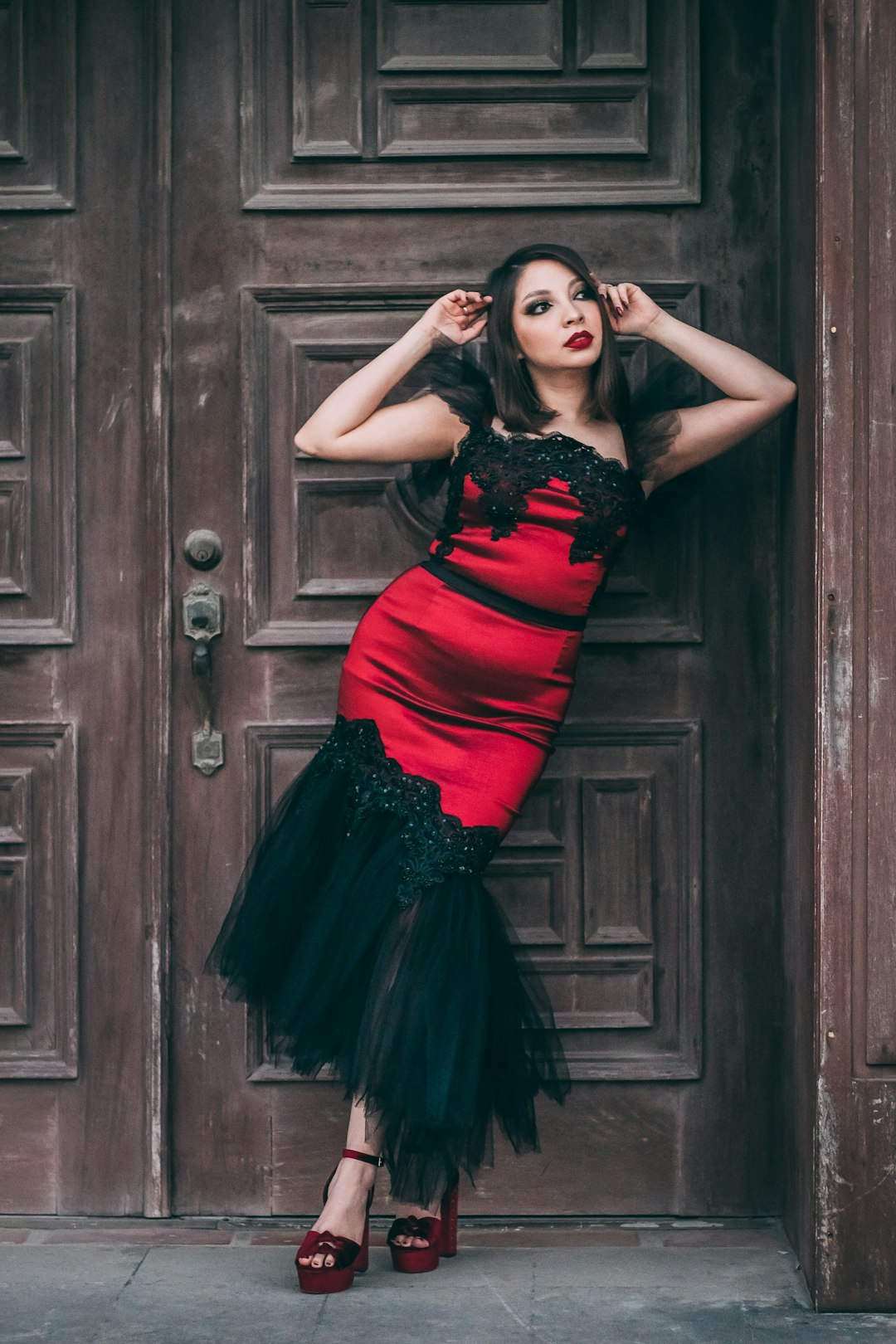
Hair and makeup are often where brides calibrate the mood. A black lace dress does not require heavy, dark makeup; in fact, many brides pair such gowns with soft, luminous skin, neutral lips, and defined but not overpowering eyes, creating a balance between edge and refinement. Others embrace bolder looks—berry lips, smoky eyes—especially for evening ceremonies. The goal is coherence: the total look should express the bride’s identity, not a costume. As many museum curators and fashion historians stress, context and styling are what transform garments into meaningful dress.
Cultural and Social Considerations
Choosing a black lace wedding dress can intersect with cultural expectations in powerful ways. In some communities, black is still strongly associated with mourning and misfortune, making a black bridal gown potentially contentious. Another general concern families have when you wear the black is that someone else will classify it as a disrespectful or bad omen. The way you can deal with others’ reactions is to voice that you explained to everyone the history, the fashion and the meaning of wearing black, and instead to show that you have taken a risk thoughtfully.
Religious bodies can also have rules to consider. Certain churches, synagogues, mosques and temples may have expectations (formal or informal) of decency and colour for ceremonial attire. When having a very traditional wedding, a bride might want to tone down a black lace wedding dress with a bit more coverage or lighter accessories (or wear the black lace for her evening reception dress). In other circumstances (especially civil or innovative venues) these restrictions are less of a concern and more of the individual bride‘s personal style can be displayed.
Conversely, a black lace dress also has rich cultural associations. Among Spanish Catholic communities, black lace mantillas have traditionally been worn at more solemn events and as a clothing color for religious and public ceremonies. Many photographs, museum collections, and museum archives depict brides in dark-colored ensembles throughout Eastern Europe and Scandinavia into the beginning of the twentieth century. The Smithsonian Institution collects wedding garments from immigrant brides in black lace as well as other colors, demonstrating that black lace was fashionable for some women immigrants, not a repudiation of identity.
Quotes and Authoritative Perspectives
The story of reasons behind the strong association between clothes like the black lace wedding dresses must be partly explained by curators and historians. As the Victoria and Albert Museum explains, “Dress is a powerful form of non-verbal communication and, before uttering a word, it suggests identity, status and values”. Even before the bride opens her mouth, a black lace wedding dress displays a message of values individuality, aesthetic belief, maybe opposition to the norm.

The Met Museum demonstrates the cultural baggage of black lace in Spanish textiles: “The humble black lace mantilla, which had once symbolized piety and nationality, has survived to bear the language of adornment and élan.” Contemporary brides who select black lace, knowingly or not, are holding this language and this history in their hands.
Academic fashion experts tend to agree with Coco Chanel that black is eternally elegant. As a Smithsonian fashion curator once wrote of 20th-century fashion, “Black has served at different times as a symbol of austerity, rioting, refinement and minimalism. Its significance is much more culture-specific than pigmentation specific.” For a wedding, that duality within the color served black lace perfectly.
Frequently Asked Questions
Is a black lace wedding dress considered bad luck?
In most contemporary Western societies, black is no longer universally seen as “bad luck.” While it was strongly tied to mourning in the 19th and early 20th centuries, museums and historical records show that brides have married in many colors—including black—across cultures and periods. Superstition varies by family and region; what matters most is the couple’s own beliefs and comfort.
Will a black lace dress look “too gothic”?
Not necessarily. The final impression depends on cut, lace type, lining color, and styling. A soft A-line gown with Chantilly lace over a champagne lining, paired with natural makeup and classic jewelry, may read as romantic rather than gothic. Conversely, heavy guipure lace, dark makeup, and dramatic accessories will lean more toward gothic. A skilled bridal stylist can help calibrate the look.
Can black lace be appropriate for a religious ceremony?
It can be, but you should check with your specific institution. Many religious venues prioritize modesty over color, focusing on coverage rather than hue. A black lace gown with a higher neckline, sleeves, and perhaps a veil can meet these expectations. In more conservative contexts, some brides opt for a lighter ceremony gown and change into black lace for the reception.
How do I photograph well in a black lace dress?
Discuss your gown with your photographer in advance. Black can absorb light, flattening detail if not lit properly. Professional photographers often adjust exposure, choose backgrounds with contrast, and highlight lace texture with directional or backlighting. A lighter lining under the lace also helps the pattern show clearly in photos.
Will a black lace wedding dress go out of style?
Black, as a color in formalwear, has proven remarkably timeless. From 19th-century evening gowns in museum collections to modern couture, black remains a staple of elegance. While specific cuts and embellishments trend in and out, a well-constructed black lace gown with classic lines is likely to age as gracefully as any white counterpart.
Conclusion
A black lace wedding dress is not a gimmick; it is a considered, historically grounded choice that draws on centuries of textile artistry, shifting social norms, and evolving ideas about what a bride can be. From Spanish mantillas and Victorian mourning to contemporary couture, black lace has moved fluidly between sacred, ceremonial, and fashion-forward roles. For today’s bride, it offers a way to stand apart while standing firmly within a long, rich tradition of meaningful dress—proving that a gown can be both unconventional and timeless at once.
AI Notice: Some visual content in this article may have been created or enhanced using artificial intelligence (AI) for artistic, editorial or illustrative purposes. Learn more about our approach in our AI & Editorial Principles.