Victorian Petticoats Are Back: The Surprising Trend You Need to See
The rustle of starched cotton, the faint shimmer of glazed cambric beneath velvet and silk, the sense that the skirt itself is somehow floating: this is the quiet magic of the Victorian petticoat. Hidden from public view yet essential to the iconic silhouette of the 19th century, petticoats were the invisible architecture of women’s dress. They shaped fashion, affected health and movement, and reflected class, technology, and morality. To understand the Victorian petticoat is to glimpse the scaffolding beneath one of history’s most recognizable styles—an undergarment that was anything but trivial to the women who wore it.
The Role of the Petticoat in Victorian Fashion
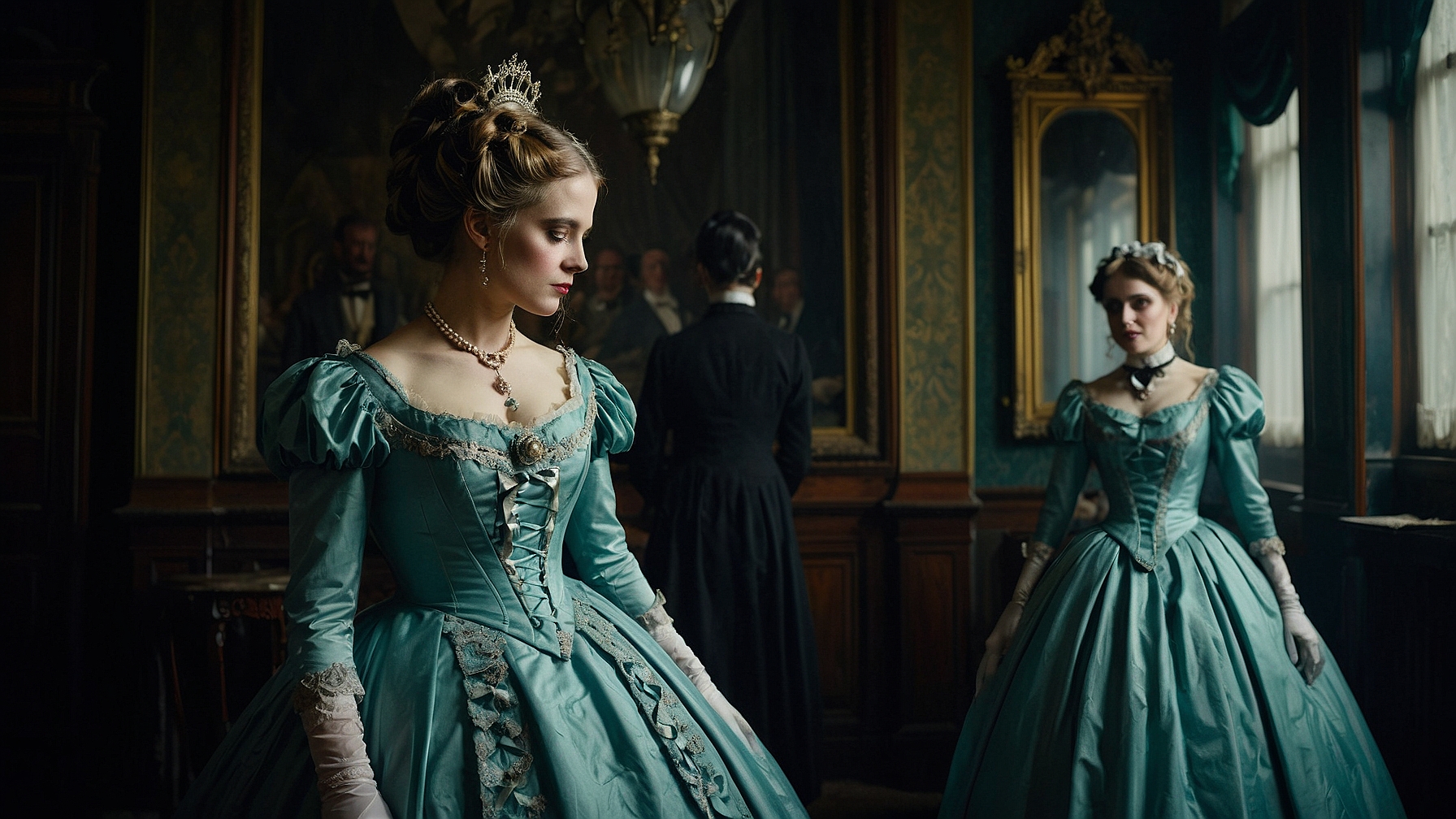
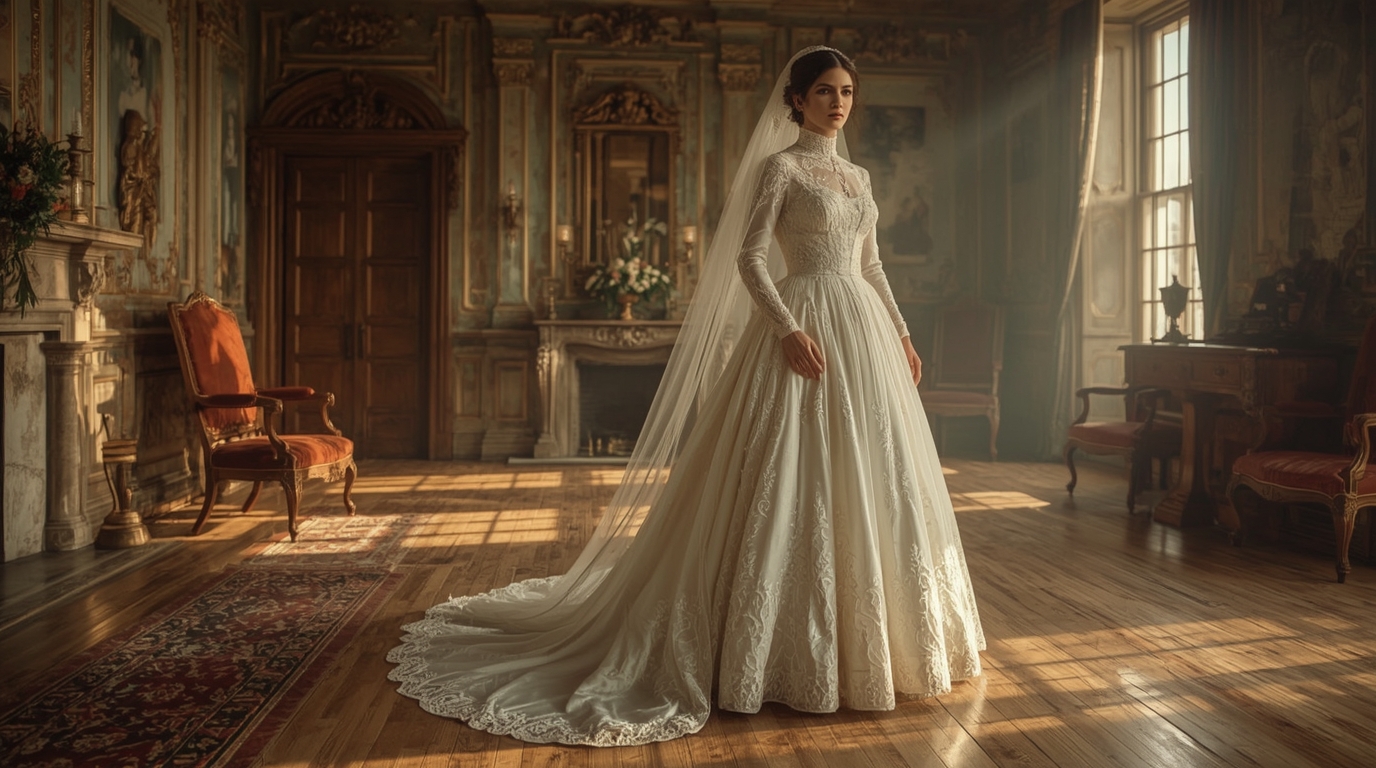
In the Victorian era (1837–1901), the petticoat was not a single, fixed garment but a constantly evolving foundation layer that responded to changing silhouettes. Early Victorian fashion favored bell-shaped skirts, which were created by wearing several starched cotton petticoats one over another. By the mid-19th century, this layering could become so extreme that women might wear five or more petticoats to achieve the necessary volume. The petticoat, therefore, functioned as a structural device as much as a modesty layer, creating the dome-like skirts we associate with the 1840s and 1850s.
Can You Name the Masterpiece?
Ten masterpieces. Ten questions. How well do you know the history of art?
With the introduction of the cage crinoline in the late 1850s, the petticoat’s role shifted from primary structure to refinement and concealment. The new steel-hooped crinolines, widely documented in collections like those of the Victoria and Albert Museum, provided bulk without heavy fabric layers, but they were skeletal and mechanical in appearance. Petticoats were still worn over these frameworks to soften the outline, prevent the hoops from showing through, and protect the main dress from abrasion and sweat. A single well-cut petticoat could transform the clatter of steel hoops into a smooth, elegant line.
Even when the crinoline gave way to the bustle in the 1870s and 1880s, petticoats remained essential. They were cut and shaped to emphasize the projection at the back, sometimes heavily flounced or padded in that area alone. As fashion gravitated toward narrower skirts in the 1890s, petticoats became slimmer but stiffer, often incorporating corded hems or brush braids to keep skirts from catching under the feet. From start to finish of Queen Victoria’s reign, the petticoat was never merely an extra skirt; it was a carefully considered tool in the dressmaker’s arsenal.
Materials, Construction, and Craftsmanship
Victorian petticoats were commonly made from sturdy yet washable fabrics such as cotton, linen, and, for wealthier women, fine cambric or silk taffeta. Early in the century, white cotton remained the standard for day-to-day wear, as it could be boiled and bleached. The Metropolitan Museum of Art’s Costume Institute notes that by the mid-century, starched white petticoats with tucks and flounces were typical beneath day dresses, while colored or black silk petticoats might be worn beneath more luxurious evening gowns. Silk petticoats were particularly prized for their rustle and lighter weight, providing volume without the mass of multiple cotton layers.
Can You Guess the Artist?
Three clues. One artist. How quickly can you identify the painter?
Construction details reveal both practicality and decorative ambition. Seams were often flat-felled for durability and comfort, reducing bulk at the waist. Waistbands were generally straight bands of cotton or linen, fastening with buttons or ties; some petticoats were cut with gores to reduce fullness at the waist while allowing volume at the hem. To create stiffness and flare, makers used starched flounces, cording stitched into channels near the hem, or even quilted linings. Quilted petticoats, particularly in earlier decades and in colder climates, served as both insulation and structure, a fact well documented in collections at institutions like the Smithsonian’s National Museum of American History.

Decoration varied according to class and purpose. Working women typically wore plain petticoats, focusing on long wear and ease of laundering. Middle- and upper-class women, however, sometimes indulged in intricate tucks, broderie anglaise, lace insertions, and embroidery—even though these embellishments were rarely seen in public. The Victoria and Albert Museum holds several such examples, demonstrating what curator Valerie Cumming describes as the “hidden luxury” of Victorian underwear: beauty reserved for the wearer and her intimate circle, rather than the street.
Everyday Wear vs. Elite Fashion
The difference between the petticoats of working-class women and those of the elite was more than a matter of ornament—it was a question of weight, number, and function. A factory worker in Manchester or a maid in a London townhouse could not afford to wear numerous starched petticoats; they would be impractical, heavy, and risky around machinery or open flames. Instead, many working women wore one or two sturdy, often dark-colored petticoats for warmth, modesty, and protection of the outer dress. These garments were functional tools, sometimes patched and re-patched, and were laundered as infrequently as circumstances allowed to save time and effort.
By contrast, middle- and upper-class women, relieved of heavy manual labor, were expected to conform more closely to fashionable silhouettes. Diaries and fashion journals of the period, such as those cited in the collections of the Smithsonian Institution, make clear that respectable women were judged by the shape and movement of their skirts. The wealthy could commission petticoats to match their new dresses, adjusting fullness, length, and decoration according to the fashion of the season. They also had access to professional laundresses and dressmakers, making the maintenance of multiple starched petticoats viable.
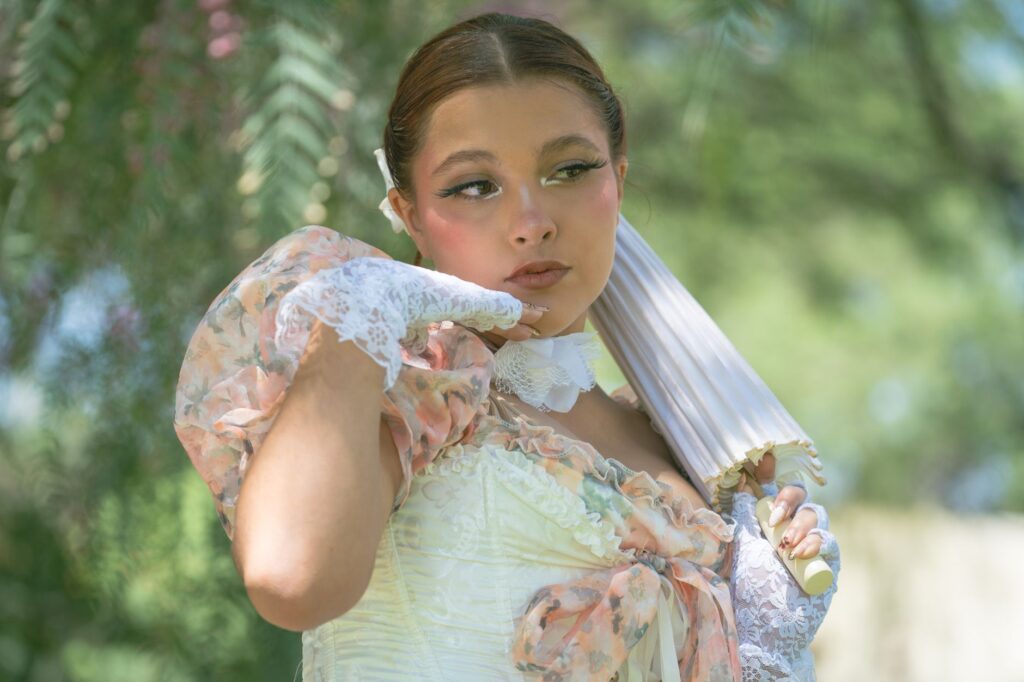
These differences were visible in public spaces. In the commercial arcades of Paris or the promenades of London’s Hyde Park, elite women’s skirts swept in wide arcs, supported by sophisticated understructures. In working-class districts and industrial towns, skirts tended to be narrower, shorter, and less dramatically shaped. As fashion historian C. Willett Cunnington observed, quoted in many museum catalogues, “The petticoat tells more truth about a woman’s position than her hat.” The visual drama of the Victorian silhouette was thus intertwined with questions of labor, time, and access to specialized services.
Health, Comfort, and Controversy
Throughout the 19th century, doctors, social commentators, and women themselves debated the health implications of heavy and restrictive clothing. Before the widespread use of the cage crinoline, multiple starched petticoats were criticized for their weight and heat. Reports in period medical journals, preserved in collections like the Wellcome Library and referenced by museum scholars, describe women fainting from the combination of tight corsets, heavy skirts, and overheated rooms. The addition of more and more petticoats in pursuit of fashion could mean carrying several extra kilograms of fabric throughout the day.
The crinoline, introduced in the 1850s, was hailed by some as a health improvement because it replaced many layers of petticoats with a single steel frame. Yet it brought new problems. The structure could be cumbersome in crowds, dangerous near open fires, and prone to accidents on stairs or in carriages. Petticoats worn over the crinoline could help stabilize it and protect the wearer from the chill of metal hoops, but they could not eliminate all hazards. The Smithsonian Institution’s archives include tragic accounts of women whose voluminous skirts contributed to fatal accidents, fueling moral and medical critiques of contemporary fashion.

By the late 19th century, dress reformers in Britain and the United States began arguing for simpler, lighter undergarments. The Rational Dress Society, founded in London in 1881, campaigned against “any article of dress which deforms the figure, impedes the movements of the body, or in any way tends to injure the health.” Although their focus often fell more on corsets, petticoats were implicated in the broader critique of excessive and irrational clothing. Slowly, the number and weight of petticoats declined, even as some structural elements remained in modified form. Comfort and mobility became more acceptable priorities, particularly for women engaged in education, sports, or paid work.
Regional and Social Variations
Victorian petticoats were not identical across Europe and North America. Climate, regional textile industries, and local customs all influenced their form. In colder regions such as Scotland or northern Germany, quilted wool or wool-mix petticoats were common, providing insulation as well as shape. In warmer parts of the British Empire, like India or the Caribbean, lighter cottons and fewer layers were necessary, even if this meant compromises in achieving the full fashionable silhouette. Collections at the Louvre and other European museums occasionally show how French petticoats differed slightly from British ones, tending toward finer fabrics and more delicate ornamentation in elite circles.
Urban and rural distinctions were equally significant. In rural areas of England or the American Midwest, petticoats had to be practical for farm work and long days outdoors. Hem lengths might be shortened to avoid mud, and fabrics chosen for durability rather than finesse. Urban women, especially in cities like London, Paris, and New York, could more easily follow fashion plates from magazines such as Godey’s Lady’s Book or The Englishwoman’s Domestic Magazine, which often specified the ideal dimensions and trims of petticoats for the latest skirt shapes.

Religious and cultural communities also shaped petticoat use. More conservative groups might insist on additional layers for modesty, particularly under lighter summer fabrics or when riding in carriages where skirts could shift. In contrast, artistic and bohemian circles in late Victorian London experimented with looser, Aesthetic-style gowns that required fewer or differently cut petticoats. As the Victoria and Albert Museum notes in its discussion of the Aesthetic movement, these alternative fashions deliberately challenged mainstream tastes in both outerwear and underwear, reflecting broader debates about art, nature, and authenticity.
Key Characteristics of Victorian Petticoats
The table below summarizes some of the most important features of Victorian petticoats across the century:
| Feature | Early Victorian (c. 1837–1855) | Mid-Victorian Crinoline Era (c. 1856–1869) | Late Victorian / Bustle & 1890s (c. 1870–1901) |
|---|---|---|---|
| Primary Function | Provide volume via multiple layers; warmth; modesty | Soften and conceal cage crinoline; refine silhouette | Emphasize bustle or flare hem; provide smooth line under narrower skirts |
| Typical Fabrics | White cotton, linen, quilted cotton | Cotton, glazed cotton, silk, sometimes colored or black | Cotton, silk taffeta, sateen; more colored and black petticoats |
| Structure Techniques | Heavy starching, multiple layers, quilting, cording | Light starch, flounces, ruffles, occasional cording | Targeted padding at back (bustle), hem stiffening, brush braids |
| Number of Petticoats | Often several (3–6) for fashionable dress | Usually 1–2 over cage crinoline | 1–2, cut to suit bustle or bell-shaped hem |
| Decoration Level | Modest tucks, some embroidery in wealthier classes | Increasingly decorative; lace, broderie anglaise, flounces | Refined but often less elaborate; emphasis on color and finish |
| Class Distinctions | Clear contrast between plain working and ornate elite | Elite: lighter, more decorative; working: practical, fewer | Wider variety; boutique and ready-made options emerging |
Victorian Petticoats in Museum Collections
Major museums around the world hold and interpret Victorian petticoats, providing invaluable primary evidence of their construction and use. The Metropolitan Museum of Art in New York, for example, has multiple 19th‑century petticoats in its Costume Institute collection, some of which are accessible through its online database. These objects often reveal wear patterns, alterations, and laundering marks, all of which help historians reconstruct everyday clothing practices.
The Victoria and Albert Museum in London, with its rich holdings of British and European dress, offers detailed catalog entries on Victorian undergarments, including petticoats, crinolines, and bustles. Curators there emphasize the technical ingenuity behind these garments. As the V&A has noted in its publications on Victorian fashion, “the under-structures of the dress were feats of engineering as much as of needlework,” a statement well supported by the complex amalgam of fabrics, steels, and stitching seen in surviving examples.
Other institutions also contribute to our understanding. The Louvre Museum in Paris, while better known for fine art, includes depictions of 19th-century dress in its painting collections, offering visual context for how petticoats shaped the outer appearance of clothing. The Smithsonian Institution, particularly through its National Museum of American History, preserves American-made petticoats, pattern books, and period advertising. These sources document the spread of ready‑made undergarments and the role of new technologies—such as the sewing machine and synthetic dyes—in transforming both the aesthetics and availability of petticoats in the latter half of the century.
Authoritative Quotes and Sources
Scholarly work and museum catalogues provide clear insight into the importance of Victorian petticoats. The Metropolitan Museum of Art’s Costume Institute frequently emphasizes the architectural function of undergarments, noting in its essay “Women’s Fashion in the Nineteenth Century” that “the silhouette of the period depended almost entirely on the elaborate foundations concealed beneath the dress.” Petticoats played a leading role in these foundations.
The Victoria and Albert Museum similarly underlines the social meaning of such garments. In its publications on 19th-century underwear, the V&A observes that “far from being simple or purely utilitarian, undergarments reflected contemporary ideas about propriety, cleanliness and class.” Petticoats signaled not just shape, but the wearer’s access to laundering, time, and domestic help—resources that were unequally distributed across Victorian society.
Fashion historian Valerie Steele, director of the Museum at the Fashion Institute of Technology, has summarized this dynamic succinctly: “What was hidden was hardly unimportant. Underclothes were central to the creation of fashionable bodies and to the experience of those who wore them.” This assessment, widely cited in museum exhibitions and academic studies, reinforces the view that the Victorian petticoat was a central, not peripheral, element of the period’s material culture.
Frequently Asked Questions about Victorian Petticoats
Were Victorian women really wearing six or more petticoats at once?
In some early- and mid-Victorian contexts, especially before the cage crinoline, fashionable women did wear multiple heavily starched petticoats—sometimes three to six layers—to achieve the desired skirt volume. However, this was more typical of middle- and upper-class women on formal occasions. Working-class women and those concerned with practicality generally wore far fewer layers.
Did petticoats replace crinolines, or were they worn together?
They were worn together. Once cage crinolines became common in the late 1850s, women still wore at least one petticoat over the metal frame. This top petticoat smoothed the silhouette, concealed the hoops, and protected both skin and outer dress from rubbing against the metal. Crinolines reduced the number of petticoats required but did not eliminate them.
Were Victorian petticoats always white?
No. While white cotton petticoats were standard, especially for daywear in earlier decades, colored and black petticoats became increasingly common, particularly in silk. Black silk petticoats were favored for their perceived practicality (they showed less dirt), elegance, and suitability under dark skirts. Surviving examples in museum collections show both plain and richly decorated versions in various colors.
Did men ever wear petticoats in the Victorian era?
Adult men in mainstream Western society did not wear petticoats as part of everyday dress. However, very young boys, like girls, were often dressed in gowns and petticoats before being “breeched” (put into trousers) around the age of four to six. Museum collections, such as those at the V&A, contain petticoats associated with both boy and girl infants, reflecting a shared early-childhood wardrobe.
How did the washing and starching of petticoats affect domestic life?
Laundering and starching petticoats were labor-intensive tasks. Boiling, scrubbing, rinsing, drying, and then starching and ironing multiple large garments demanded time, fuel, and space. In middle- and upper-class households, servants or professional laundresses usually undertook this work. For working-class women managing their own laundry, the number and heaviness of petticoats had a direct impact on weekly labor and expenses.
Can we still see original Victorian petticoats today?
Yes. Original Victorian petticoats are preserved and displayed in institutions such as The Metropolitan Museum of Art (New York), the Victoria and Albert Museum (London), the Smithsonian Institution (Washington, D.C.), and many regional museums. Some are regularly exhibited; others can be viewed online through digital collections, where detailed photographs and scholarly descriptions offer close insight into construction and wear.
Conclusion
Hidden beneath the grandeur of Victorian dresses, the petticoat quietly shaped one of fashion history’s most distinctive silhouettes. It carried the weight of social expectations, class distinctions, technological change, and debates over health and propriety. Far from being a trivial frill, the Victorian petticoat was an engineered, labor-intensive, and symbolically charged garment that touched nearly every aspect of women’s daily lives. Studying these humble foundations—as preserved in the collections of the Met, the V&A, the Smithsonian, and others—allows us to see the 19th century not just as a parade of elegant outerwear, but as a complex world of hidden structures and the women who navigated them.
AI Notice: Some visual content in this article may have been created or enhanced using artificial intelligence (AI) for artistic, editorial or illustrative purposes. Learn more about our approach in our AI & Editorial Principles.