Victorian Gloves: The Surprising Secrets Hidden in These Elegant Relics
Few accessories capture the spirit of the nineteenth century as completely as Victorian gloves. They were more than mere coverings for the hands; gloves in Victorian Britain—and across Europe and North America—helped define class, gender, morality, and even desire. To step out in London’s West End, stroll the gardens of Paris, or attend a ball in New York without the proper gloves was to risk social embarrassment and silent censure. From the drawing rooms of Mayfair to the opera houses of Milan, every crease and button of a glove carried meaning.
The Social Significance of Gloves in the Victorian Era
In the Victorian era (roughly 1837–1901, under Queen Victoria’s reign), gloves became an essential marker of respectability. They served as a visual shorthand for class and propriety in Britain and beyond, particularly among the expanding middle classes. To be “bare‑handed” in polite society—especially if you were a woman—was often perceived as careless or even indecent. Gloves signified that you understood and respected social codes. As the V&A notes in its fashion collections, nineteenth‑century accessories were “markers of taste, wealth and propriety,” and gloves were central among them.
Can You Name the Masterpiece?
Ten masterpieces. Ten questions. How well do you know the history of art?
Depending on the situation, masked hands also defined daily doing. Men, for example, took off their gloves for a handshake either when they wanted to be more intimate or on more formal occasions, when signaled that spoke singleness and equality. Female gloves, on the other hand, tended to stay on mostly in public, unless in private room or at a table and on appropriate occasion specified in “order of ceremonies” and city country custom. In the city parlor of London, Edinburgh and Boston, glove customs were part of a moral space, where ungloved skin identified behaved file. Based on current costume, the Metropolitan Museum of Art‘s Costume Institute argued that gloves “differ from their model”.

But gloves were also cleverly laden with emotional and romantic signals, as well as social. A glove where it was dropped (which could have been at the hand of a man lying beneath a female…); a glove was handed back by a gentleman to a lady; the glove which was cast discreetly aside, could all indicate flirtation, a welcome or a rebuff. Manuals of etiquette published in London (midnineteenth century) and Philadelphia (c.1840) also advised on when to wear, or remove, gloves and how to do so with skill. Historian C. Willett Cunnington records that ’… of all accessories, the glove most delicately registers the mood and morals of Victorian society’
Materials, Craftsmanship, and the Global Trade in Gloves
Victorian gloves reflected a complex web of global trade and artisanal skill. Fine kid leather—often from young goats—was the gold standard for fashionable women’s gloves. Soft, thin, and supple, kid leather allowed gloves to fit tightly and mold to the hand, creating the smooth silhouettes prized in the 1850s–1890s. The Louvre Museum’s fashion‑related collections and archives of French glove‑making highlight centers like Grenoble and Millau in France, renowned for their high‑quality leather gloves exported across Europe and to Britain.
Can You Guess the Artist?
Three clues. One artist. How quickly can you identify the painter?
It was not only leather gloves; there were also cotton, silk and, later in the period, partial elastic weaves and crochet work that could be worn in summer and by those who could not afford more costly coverings. In many cities, including Brussels and Venice, the two largest glove-producing centers, lace gloves were also popular combining the light-ness of fine lacework and the regard for covered hands. Among items in the holdings of the Smithsonian Institution are American made knitted gloves, and imported lace and silk gloves, revealing the variation of products according to time of year, formalness, and purchasing power. Less expensive gloves were also on offer again in coarser leather or simply in cotton and could be bought in department stores, such as London‘s Whiteley‘s or Paris‘s Le Bon Marche.

A high specialization of skills. Gloves were cut from well-selected hides, according to a series of patterns that could serve all kinds of hands, glued and sewn into all kinds of shapes by women working in workshops or at home. Buttonholes, embroidery and decorative points (raised lines on the back of the hand) displayed dexterity and experience. In the words of the Victoria & Albert Museum, nineteenth-century glove-making ‘was laborintensive, relying on skilled cutters and seamstresses whose work was largely invisible but which was essential to the finished article.” 225 The best pairs had seams sewn by hand using such a fine stitch that they were almost invisible, in a culture where the perfect form of subtlety was the ideal.
Styles, Lengths, and the Language of Design
Victorian glove styles evolved dramatically over the century, mirroring broader shifts in women’s and men’s fashion. In the early Victorian period, shorter wrist‑length gloves were common for daywear, often in subdued colors such as brown, fawn, and black. As women’s sleeves narrowed and evening bodices left shoulders and arms bare, longer opera or “mousquetaire” gloves—extending to the elbow or above—became fashionable. The Met’s collections include striking examples of white kidskin evening gloves with multiple buttons at the wrist or forearm, designed to be opened for ease while still showcasing a continuous, elegant line.
Color and surface decoration provided more discreet clues as to the wearer‘s social standing and taste. White or very light cream gloves were linked to evening social occasions, presentation at court at Buckingham Palace, or high ceremonies in Vienna or Petersburg. The more tarnished, possible embroidered or edged gloves suited day wear or travel use. Much older, more studiedly elegant cashes had to be more inodolent! Dull black, tan, buff, gray and grayish-brown shades predominate for men, where a more restrained approach was necessary, usually in the form of discreet side-stitching, rather than filigree decoration. The Smithsonian museum holds men‘s gloves for riding, military and high dress.
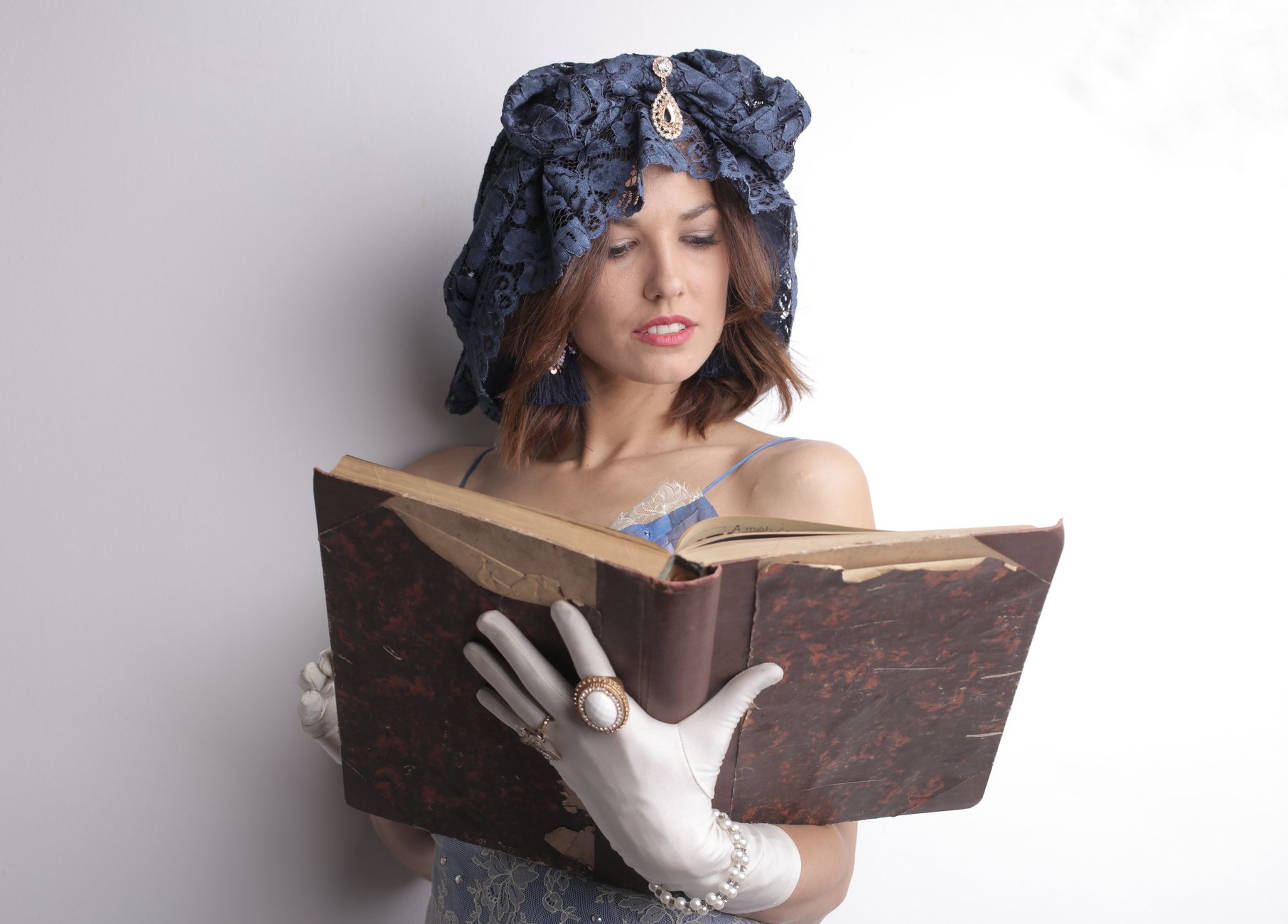
Details like buttons, slits and gussets were also functional and symbolic. The mousquetaire opening, a slit at the wrist or forearm closed by decorative buttons meant a lady might reach through her glove without removing it while at dinner or playing the piano. Decors of lace overlays, beading and embroidery could match fashionable gowns from Paris fashion houses such as the House of Worth, director of global couture from the 1860s. As the V&A writes of Worth and his rivals, gloves – complex accessories as well as ostentatiously functional–were “an essential part of the finished overall effect [and] would reinforce the outline, tone and social status the wearer was conveying.
Glove Etiquette: Rules, Rituals, and Moral Codes
Victorian life was heavily codified, and glove etiquette formed a detailed subset of social rules. Etiquette manuals published in London, New York, and Boston laid out precise instructions: which gloves to wear, when to remove them, and how to behave while gloved. In many middle‑ and upper‑class circles, a woman was expected to wear gloves outdoors, at church, and when paying social calls. Removing gloves was an intimate gesture, generally reserved for private domestic spaces or for specific activities such as dining.
Eating manners were especially elaborate. By the mid-century, established flinched at anyone who dined without removing his gloves (until the late nineteenth century he could keep them on at the fairly relaxed occasions of afternoon tea and garden-party receptions). Fashion journals in Paris and London, La Mode Illustree and The Englishwoman‘s Domestic Magazine among others that carried instructions on “the correct glove for every occasion” counselled that “the gloved hand is the social hand; the bare hand belongs to the self and to the home,” as one of a handful of late Victorian etiquette authors noted.

Glove etiquette also related to morality and ideas about cleanliness. Bare hands, even female ungloved arms and hands in public, could be understood as forward or badly behaved in conservative contexts. The Smithsonian‘s analysis of nineteenth-century American dress states “clothing and accessories… Were intimately linked to notions of virtue, modesty and national identity.” Covering or uncovering certain parts of the body via gloves expressed control of the degree of skin exposure and consequently the limitation of the self. To do otherwise was not just a slight to fashion convention but a subtle indication of disrespect to the moral standards of middle class respectability.
Gloves in Work, Travel, and Everyday Life
Beyond the world of balls and drawing rooms, gloves were also tools of work and protection. In industrializing Britain, France, and the United States, working‑class men and women wore practical gloves made from sturdy leather, wool, or cotton to protect their hands in factories, on farms, and in domestic service. These were not fashion statements but necessities, shielding against cold, abrasion, and dirt. The Smithsonian’s industrial collections and the Met’s examples of workwear show that utilitarian gloves coexisted with elite fashion gloves, often under very different conditions.
Travel also changed rules of glove usage as railways and steamships came into operation. Middleclass tourists visiting spa towns such as Bath, tourist resorts on the Riviera or en route cultural centres like Paris, Florence or Vienna required travel gloves, which, while tolerating the sooty environments of the train carriages also looked presentable in hotel dining rooms. Travel gloves, sturdy enough to withstand the train journeys yet elegant enough for hotels, became an officially acknowledged class of glove. Sometimes fingerless mittens or convertible gloves would feature regularly in fashion magazines as easy-to-wear gloves for women reading, writing or drawing.
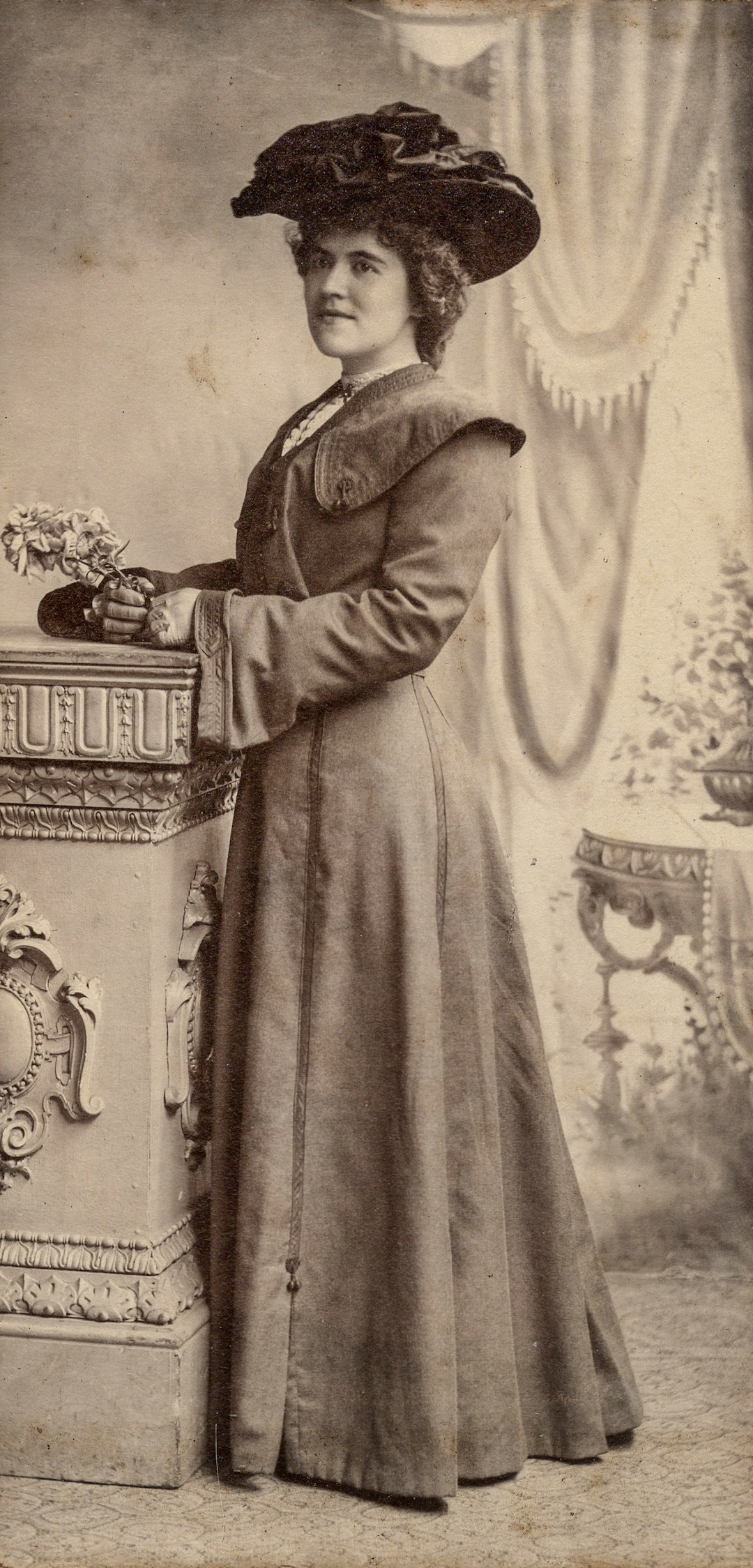
The practicalities of everyday glove wearing were also determined by climate and geography. Heavy knitted woollen or lined leather gloves were necessary during winter in cities such as Edinburgh, Berlin or Boston, while in more temperate areas, lighter cotton or silk mitts would be adequate. They also exemplified the Victorian values of cleanliness and decorum. As at the Victoria and Albert museum found that ‘respectability demanded a certain tidiness and completeness of dress’ (such as gloves, clean, whole and well fitting) at a stop in theLondon omnibus or a country parish church.
Table: Key Characteristics of Victorian Gloves
| Aspect | Typical Features (c. 1837–1901) | Notes / Sources* |
|---|---|---|
| Primary materials | Kidskin leather, other leathers, silk, cotton, lace, wool | V&A, Met, Smithsonian collections |
| Common lengths | Wrist‑length for day; elbow‑length or above for evening/ball wear | Met Costume Institute examples |
| Typical colors (women) | Day: brown, fawn, gray, black; Evening: white, cream, pale tints | Fashion periodicals, V&A fashion collections |
| Typical colors (men) | Tan, buff, gray, black; white for very formal occasions | Met, Smithsonian menswear |
| Decoration | Points (stitched lines), embroidery, lace overlays, buttons, beading | Louvre and V&A decorative arts |
| Closures | Buttoned wrists, mousquetaire openings with multiple buttons, occasionally lacing | French and British glove‑making traditions |
| Social function | Markers of class, modesty, etiquette, respectability | Etiquette manuals, museum commentary |
| Geographic production hubs | Grenoble, Millau (France); London; workshops in Italy, Germany, U.S. | European industrial history, museum notes |
*Drawn from published catalog notes and essays by: The Victoria and Albert Museum, The Metropolitan Museum of Art, the Louvre Museum, and the Smithsonian Institution.
Voices from the Past: Authoritative Perspectives
Curatorial and scholarly work at major institutions has helped clarify why Victorian gloves mattered. The Victoria and Albert Museum, in discussing nineteenth‑century fashion accessories, notes that gloves were “an essential component of public dress, signaling both refinement and conformity to social codes.” This emphasis on public display helps explain why glove etiquette was so meticulously policed in cities such as London and Manchester.
Even the technical and cultural significance of gloves have been demonstrated in the Costume Institute of the Metropolitan Museum of Art. As the curators noted in their catalog essay on accessories of the nineteenth century, “gloves mediated the relationship between body and world, at once protecting the skin and projecting the wearer‘s status.” Upon reflection, the word “mediated” is especially appropriate; gloves shielded the hands from not just dirt and cold but also inappropriate proximity as a physical and metaphorical barrier.
The Smithsonian Institution, an authority on American dress at this time, sees gloves as contributing to wider social ideals: ‘Accessories such as gloves, fans, and parasols were modest objects with great significance that signified ideals of gender, class, and decorum in a society in flux.” In sum, just because Victorian gloves seem quaint by today s standards does not mean they are simply nostalgic relics from the past, but rather they shed light on a rapidly changing society.
Frequently Asked Questions About Victorian Gloves
1. Did everyone in the Victorian era wear gloves, or only the upper classes?
Gloves were most strictly required and elaborately styled among the middle and upper classes, who had the means and social pressure to follow detailed etiquette. However, gloves were also worn by many working‑class people for practical reasons—protection in factories, on farms, and in domestic service. Fashionable kid leather gloves might be beyond the reach of poorer households, but sturdy wool or leather gloves were common across classes, especially in cold climates.
2. Were women ever allowed to go out without gloves?
Yes, but context mattered. In many urban middle‑class settings in Britain, France, and the United States, it was strongly expected that a woman would wear gloves when out in public—particularly in city streets, at church, or at social gatherings. In informal rural settings or within the home, bare hands were normal. Over time and depending on region, rules relaxed somewhat, especially toward the very end of the nineteenth century, but gloves remained standard for formal and semi‑formal occasions.
3. How did people keep white gloves clean?
White kid gloves were notoriously difficult to maintain. Some could be lightly cleaned with special powders or liquids sold by glove merchants, but many soiled gloves were simply replaced, reflecting the expense and waste inherent in elite fashion. Middle‑class wearers might reserve a single pair of white gloves for special events and handle them carefully, while relying on darker gloves for everyday use. Surviving examples in museum collections, such as those at the Met and V&A, often show signs of wear that testify to the challenges of keeping them pristine.
4. Did Victorian men have glove etiquette rules as complicated as women’s?
Men’s etiquette was somewhat simpler but still codified. Gentlemen were expected to own gloves suitable for walking, riding, and formal events. They generally removed gloves when dining and sometimes when greeting close acquaintances with a handshake. At very formal occasions—such as balls or court events—men might wear white gloves and keep them on except during particular interactions. Manuals of etiquette published in London and New York included sections on men’s gloves, though women’s glove use was more heavily scrutinized because it was tied to ideals of feminine modesty.
5. When and why did gloves fall out of everyday fashion?
Gloves began to lose their everyday, near‑mandatory status in the early twentieth century, especially after World War I. Social norms relaxed, women’s roles changed, and practical concerns often outweighed elaborate etiquette. By the mid‑twentieth century, gloves were still worn for some formal occasions—church, weddings, certain social events—but they no longer carried the near‑universal moral imperative they held in Victorian times. Today, gloves are primarily functional (for warmth or work) or fashion statements, rather than moral necessities.
The Many Types of Victorian Gloves
Victorian gloves were anything but standard. The length, material, color, adornment, and make of the gloves all varied depending on the time of day, time of year, event, and the overall ensemble in which they were worn. A pair of unadorned, cotton gloves for walking in the park and a pair of intricately embroidered, short gloves worn with a ball gown broadcasted two very different messages.
So, day gloves tended to be made from kid leather (which was soft and text both delicate yet resilient was highly valued), fabric, cotton or similar; the more luxurious leather, the better the fit. This close fit of a skillfully made glove was said to be akin to a second skin, and you could see instantly, by the quality of the seams and fingers, how professional the glove-maker was.
Longer, more fragile evening gloves were common. When women wore evening, low-necked dresses, they could pull gloves up their length, reaching over the wrist, and in certain times reaching closer to the elbow. The long gloves elongated the arm and contributed to the balanced proportions required for evening dress.
The narrow fit of fashionable gloves was one of their charms, but could be unexpectedly difficult: fine gloves in leather were designed to fit tightly, and it took patience to don them successfully without tearing the leather.
Occasionally women would employ a glove stretcher or small implements to aid with the fitting. The placement of the fingers was crucial, aggressive pulling could ruin the tender leather or distort the seams. On social visits gloves could also be set on and off repeatedly; their care therefore formed part of the task of maintaining dignity.
The snug fit wasn‘t just about comfort. A glossy, crease less glove signalled quality and sophistication. Gloves with creases, stains or a poor fit could be the saving grace of a well thought out costume.
Gloves adhered to etiquettes that in the mind today may appear overly complex. Different mannerisms adhered to different countries, over different decades, over different social classes and over different circumstances. There‘s never been a single Victorian glove code. Yet some commonly practiced manners were the following:
Women associates gloves with appearing in public. This was particularly true for formal social occasions. This was demonstrated at dances when a woman would usually wear gloves in the company of other courteous society; she would normally judge the suitability of her gloves by their condition.
The wearing of gloves pervaded almost every outside activity and was important for all types of evening dress. Leather gloves were worn with walking dress, driving dress, with the general issue of military uniform and both morning and evening gear. Gloves were sometimes removed for eating but not always, the acceptability of doing so varying by circumstances.
The crucial point is that the wearing and removal of gloves was not sporadic and random but was deliberately orchestrated as part of the performance that was Victorian social life.
AI Notice: Some visual content in this article may have been created or enhanced using artificial intelligence (AI) for artistic, editorial or illustrative purposes. Learn more about our approach in our AI & Editorial Principles.