
Victorian Undergarments Exposed: Shocking Secrets Beneath the Gowns
Victorian undergarments shaped far more than the silhouettes of the nineteenth century—they molded bodies, signaled morality, and encoded class, gender, and technology into every seam. To step into a Victorian woman’s wardrobe is to enter a world of whalebone and steel, bleached linen and fragile lace, where what could not be seen was often more structurally important than the gowns on display. Today, surviving corsets and crinolines in the Victoria and Albert Museum or the Metropolitan Museum of Art don’t just tell us what women wore; they reveal how Victorians thought about health, beauty, industrial progress, and the body itself.
Historical Context: The Victorian Body and Social Expectations
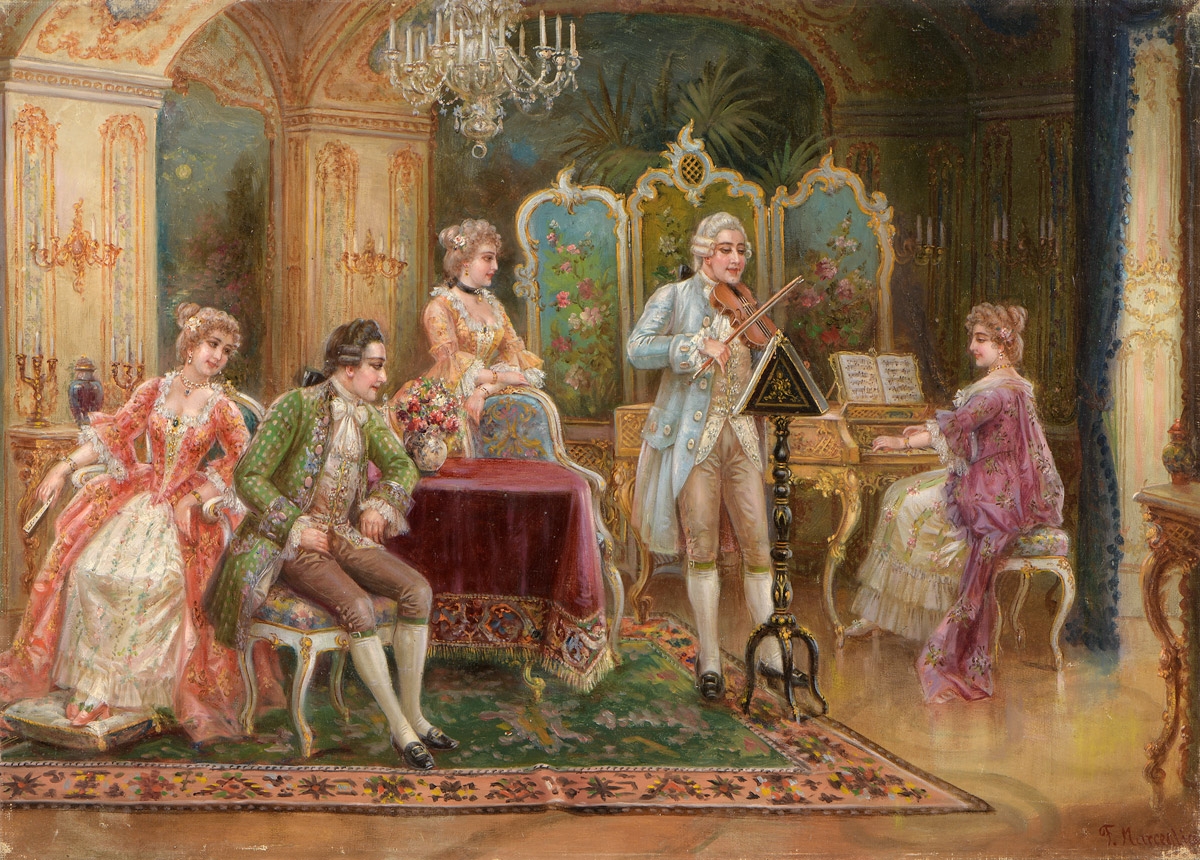
Victorian undergarments cannot be understood outside the broader culture of the nineteenth century. Queen Victoria’s reign (1837–1901) coincided with dramatic social changes in Britain and across Europe: rapid industrialization, the expansion of the middle classes, and powerful ideas about respectability and gender. In London, Paris, and New York, women’s fashion became a visual language of status and virtue, with undergarments acting as the grammar that made dramatic silhouettes possible. As the Victoria and Albert Museum notes, “dress in the 19th century was an expression of identity, morality and social order,” and this began with what was worn next to the skin.
Can You Name the Masterpiece?
Ten masterpieces. Ten questions. How well do you know the history of art?
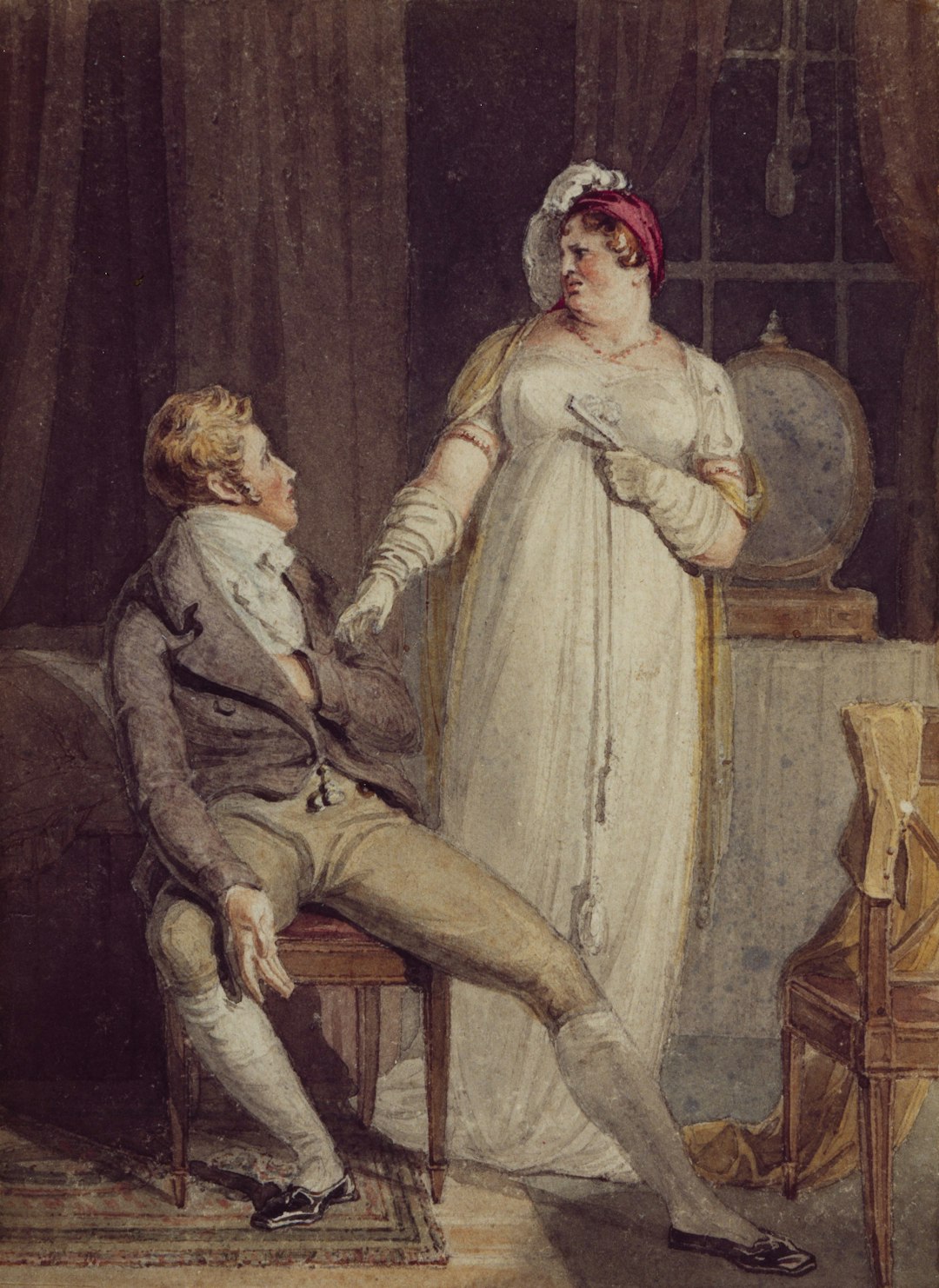
Throughout the period, criteria of femininity were to be modest and self-controlled. The body had to be kept in, kept smooth, reshaped into the current fashionable silhouette whether it be the bell-shaped skirts of the 1850s or the hyper-narrow waists of the 1880s. Underclothing was at the heart of this process of reshaping. Far from being just “unmentionables” chemises, corsets, and crinolines were acknowledged if discreetly in both fashion magazines and at the clinical festivals of the medical press in London, The Lancet, and in Paris, the medical clubs. Doctors, dress reformers, and moralists all deliberated on what these undergarments purportedly did to the body and character of women.
And simultaneously, technological innovations were literally woven into garments. The Industrial Revolution introduced power looms and sewing machines, as well as steel cage crinolines, elasticized fabrics, and new ways of constructing as well as producing clothing, leading to mass production and an unprecedented structural complexity. Entities like the Smithsonian’s National Museum of American History archive the 1850s entry of crinoline frameworks patents and the booming international trade in corset steels, busks and stays. Victorian underwear was both conservative following long traditions of corsetry and modern affected and produced in factories around the globe.
The Foundation: Chemise, Drawers, and Stockings
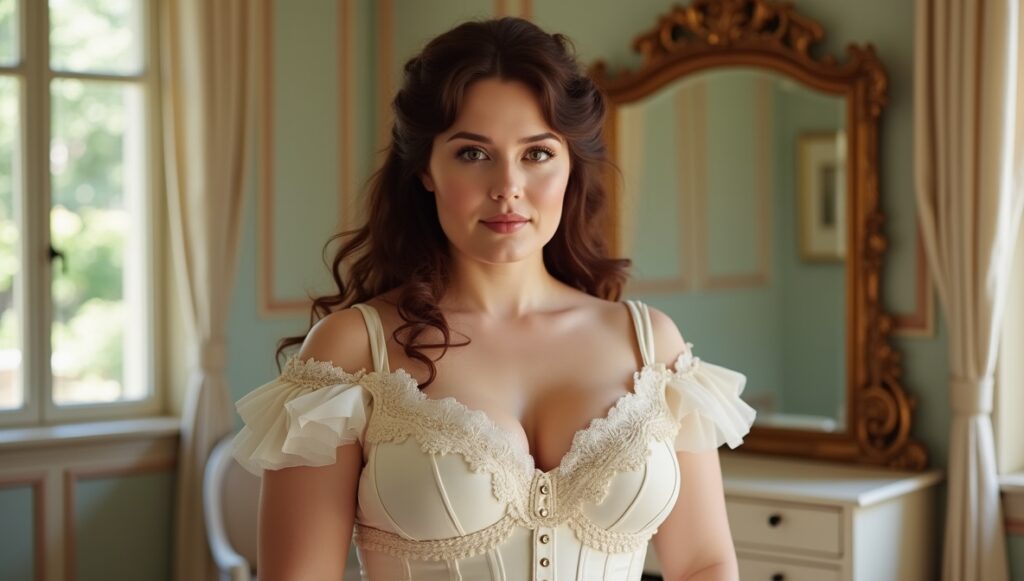
At the base of the Victorian dressing sequence was the chemise, a simple, usually white underdress worn next to the skin. Cut from linen or cotton, the chemise protected outer clothing from sweat and oils and was one of the few garments washed frequently. The Metropolitan Museum of Art notes that by the mid‑nineteenth century, improvements in cotton processing and bleaching made finely woven, machine‑made underlinen more affordable, even for the growing middle classes. Despite its simplicity, the chemise could carry delicate tucks, lace, and embroidery that hinted at status and taste, especially in urban centers like London and Paris.
Can You Guess the Artist?
Three clues. One artist. How quickly can you identify the painter?
Drawers loose, kneelength underpants were a fairly recent invention by Victorian standards. Though many women in the early nineteenth century had been accustomed to wearing a chemise only underneath their stays, drawers began to be seen more frequently in Britain, France, and America during the 1840s and 1850s. Usually of white cotton and open at the crotch so as to comfortably accommodate multiple petticoats and the heavy skirts they supported these garments also often sported embellishments along the hemline, as seen in collections of midnineteenth-century undergarments at the Smithsonian Institution.
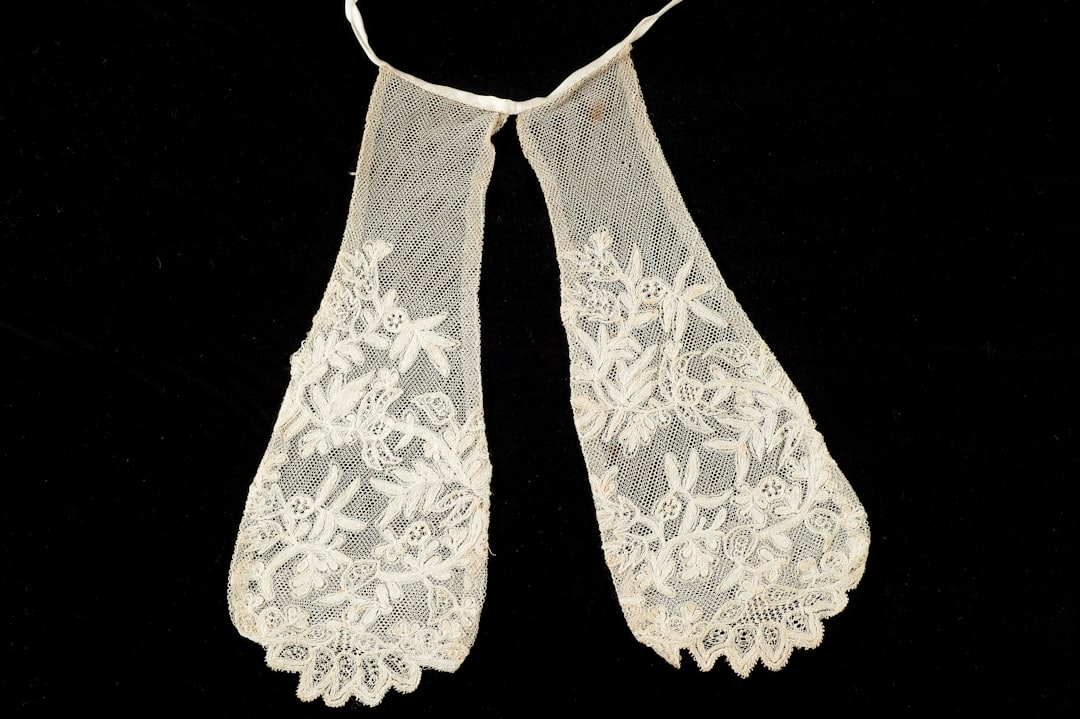
Stockings made up the underbase. Popular since the Middle Ages, stockings had become a typical luxury of the wealthy classes well before Queen Victoria came to the throne. Usually made of wool, silk, or cotton, stockings were worn above the knee, supported by suspenders, garters, or later by elastic. Archived materials from European collections such as the Louvre‘s Musee des Arts Decoratifs evidenced a variety of colors ranging from the soberest dark hues to pale and fragile pastels although with outward modest cloathing few would ever be allowed to see them. Frequently made of inexpensive materials such as chemise, drawers, and stockings formed the hygienic heart of Victorian dressing; this underlayer kept the essential body, and separate from the complex and rigid undergarments and cloakings that followed.
The Corset: Structure, Myth, and Reality
No Victorian undergarment is as iconic—or as misunderstood—as the corset. Building on earlier stays from the eighteenth century, the Victorian corset of roughly 1830–1900 evolved significantly in shape and construction. Early in the period, corsets created a conical torso; by the 1850s and 1860s they supported the bust and defined the waist, and by the 1880s they emphasized a dramatic hourglass line. Typical materials included tightly woven cotton coutil, whalebone (baleen) or steel boning, and a metal busk at the center front. The Victoria and Albert Museum emphasizes that “corsets were not simply devices of oppression, but essential support garments within the context of the fashionable silhouette.”
Many contemporary accounts sensationalize the severity of Victorian tightlacing. Museum corsets, including those in the collections at the Met and the V&A, display waist measurements below average but rarely reach the hyper-slim measurements circulated so widely in popular media. But as dress historian Valerie Steele deduced from years of studying period photographs and clothing, “most women did not tightlace to the extent of causing the body injury; the corset more often served as a structural bra and back support.” Period medical documentation accounts for the occurrences of injury, from compromised respiration to internal dislocation, which seemed to result from a confluence of fashion, inadequate fit, and chronic, firm tightlacing.
Came into contact with class and health reform as well. Working- class women engaged in physically demanding labor tended to wear lighter or fewer stays, and some, particularly those engaged in heavy manual labor, did away with corsets altogether. Meanwhile, fashionable women in London and Paris could have the custom-designed stays from specialized corsetmakers, whose labels are stored in museum collections. By the 1880s and 1890s, dress reform movements in Great Britain, on the continent, and the United States had the tentative support of some doctors and women‘s organizations and feared heavy corsetry as well as promoted “rational dress.” Through pamphlets, patented “health corsets,” and advertisements collected by the Smithsonian, we can observe how a society began to negotiate between a traditional world and the new “scientific” world of women‘s health.
Skirts, Crinolines, and Bustles: Engineering the Silhouette
Beneath the sweeping skirts of mid‑Victorian fashion lay a surprising amount of engineering. Early in the reign, the fashionable bell‑shaped skirt was achieved with layers of petticoats—sometimes heavily starched—worn one over another. This was hot, heavy, and awkward. The breakthrough came in the 1850s with the cage crinoline: a skeleton skirt of concentric steel hoops, suspended from a waistband. The invention and rapid popularization of these structures, documented in patents and trade catalogues held by institutions like the Smithsonian, transformed both fashion and industry.
Here the Metropolitan Museum of Art succinctly describes the benefit of crinolines in giving women the freedom of wide skirts without the cumbersome weight of thick petticoats beneath. ”[Steel] crinolines made it possible to have a very wide bell-shaped skirt without the excess weight of several cloth petticoats [and enabled] women to walk quite easily”. Their draw back were their dangers getting caught in the wheels of a carriage, collapsing in flames in the presence of open fire, knocking objects onto the ground as they swirled about a table for in caricature they used to take up the entire pavement London Punch defined this brand of ease as ‘walking comfortably with a godzilla on your head’. They were, however, associated with the modern and the new: manufactured with steel hoops and tapes, a steel grid of holes, clipped tacks and painted steel rings a wholly modern invention, as mass produced as a tin-opener or an electric massager, originating in Manchester, purchasing districts of Paris, the United States of America and everywhere else in the world.
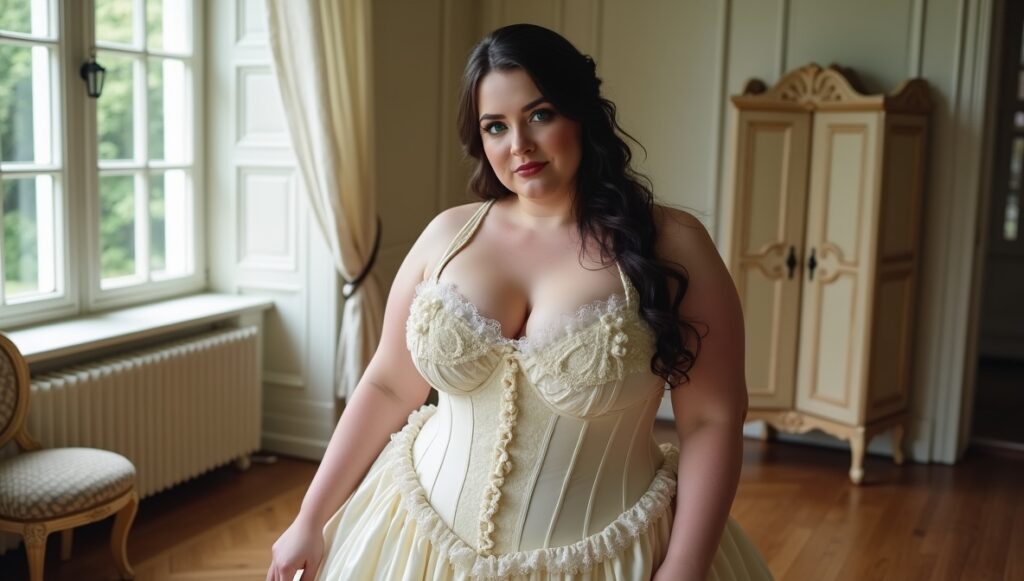
Skirt shapes reverted as early as the late 1860s. The crinoline dome simply flattened in front and ballooned out the back, heralding the transition to the bustle period. Bustles were now padded or sprung frameworks worn at the back to support drapery and trains. Some of the Victoria and Albert Museums impressive collection of 1870s and 80s dresses show a startling array of bustle types from fairly simple pad shapes through elaborate metal ‘shelves’. Here garments affected not just shape but even the way the body held itself, subtly altering the way a woman sat, stood and used space.
Materials, Technology, and the Laundry Question
Victorian undergarments are an excellent lens on nineteenth‑century material culture. For most of the period, base layers like chemises and drawers were of linen or cotton; structured garments used coutil, twill, or jean weaves, and stiffeners like whalebone or steel. Whalebone—actually baleen from filter‑feeding whales—was prized for its flexibility, and its extraction was tied to transatlantic whaling industries documented by institutions like the Smithsonian. As whaling declined and steel production improved, flat and spiral steel boning replaced baleen, bringing both cost reductions and new possibilities for shaping.
Fashions in bleaching and fabric finishing emerged in Manchester and Rouen providing the Victorian obsession with white underlinen as emblematic of cleanliness and moral rectitude. The collection of decorative arts at the Louvre houses undergarments embroidered in sumptuous thread, lacetrimmed and trimmed, purchased by high-end customers of Parisian contracstrie the industrial rawmaterial stored in warehouses awaiting processing. White cotton clothing endured harsh cleaning (boiling, scrubbing, heavy soap or ‘blue’ whitening), by domestic servants or at commercial laundries.
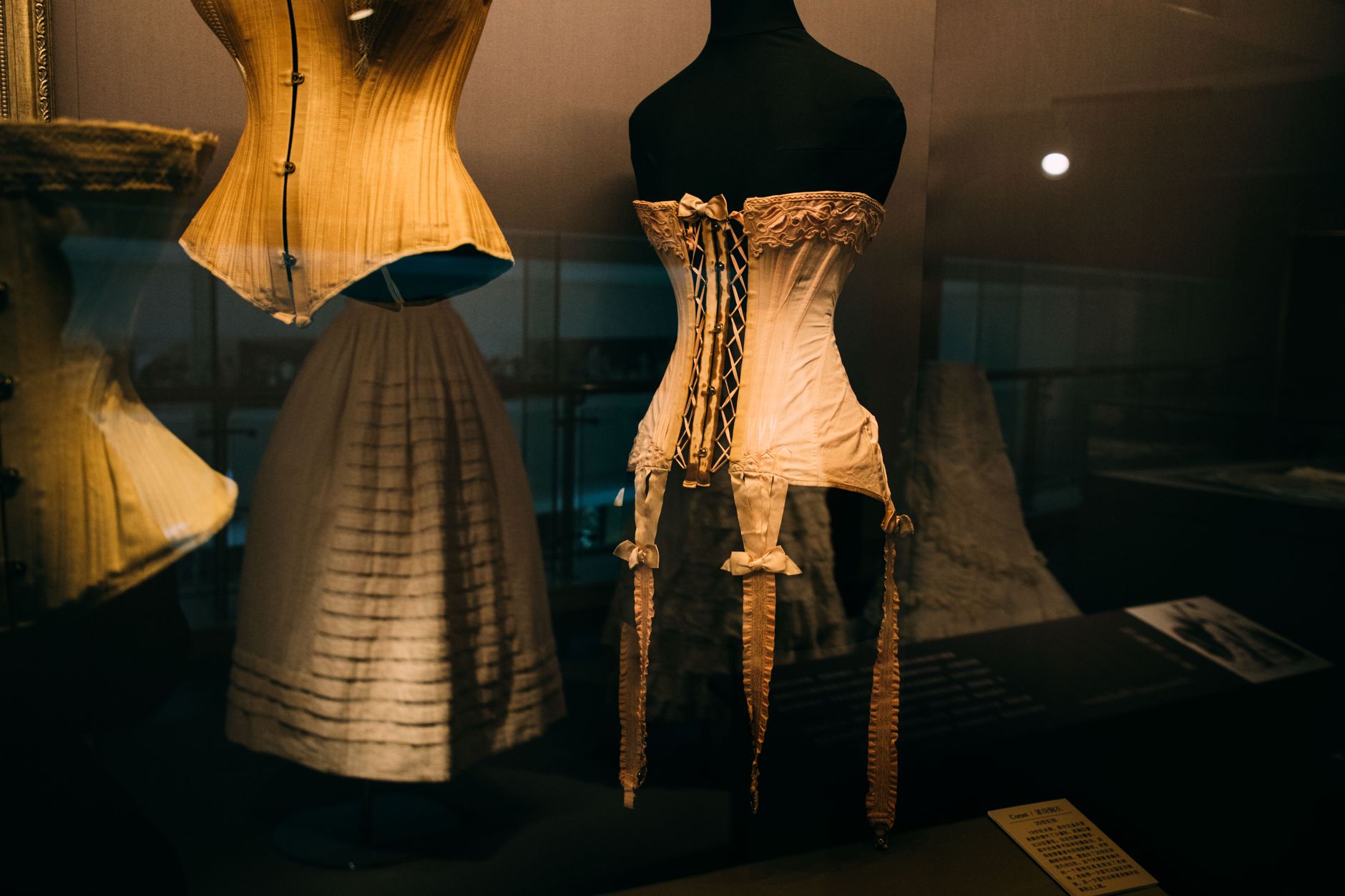
Therefore, laundry had a significant impact on the design and wear of undergarments. The chemise and drawers were regularly washed, but the more difficult-to-clean corset, crinolette or bustle was not. The lingerie wore most directly against the body in effect taken the brunt of accumulated body moisture and oils, whereas the structural lingerie functioned as a semirigid exoskeleton, donned again and again. The broad adoption of the sewing machine in the 1850s and 1860s detailing in the holdings of the Smithsonian‘s National Museum of American History spurred the development of sturdier, faster seams, making larger-scale manufacture of undergarments more practical. By the late Victorian era catalogues for London‘s department stores, such as Liberty & Co., and for Paris expositions and grands magasins, finally offered corsets and underclothing at standardized value for the first time alongside those still carefully fitted to the individual.
Table: Key Characteristics of Major Victorian Undergarments
| Garment | Typical Materials | Primary Function | Period of Peak Use | Notable Features |
|---|---|---|---|---|
| Chemise | Linen, cotton | Protect outer clothes; hygiene | Entire Victorian era | Simple T‑shape, often white, lightly decorated |
| Drawers | Cotton, linen | Modesty, warmth, hygiene | 1840s–1900 | Open crotch; knee‑length; lace or tucks at hems |
| Corset | Coutil, whalebone, steel | Bust support; shape waist/torso | 1830s–1900 | Boning, front busk, lacing; evolving silhouettes |
| Petticoats | Cotton, linen, sometimes wool | Build skirt volume; warmth | 1830s–1860s; 1890s | Worn in layers; sometimes quilted or starched |
| Cage crinoline | Steel hoops, cotton tape | Support wide skirts without weight | 1850s–1860s | Hoop frame; industrially manufactured |
| Bustle | Steel, horsehair, padding | Project back of skirt; support drapery | 1870s–1880s | Pad or frame at rear; various patented designs |
Authority, Evidence, and Interpretation
Understanding Victorian undergarments requires careful reading of surviving artifacts alongside written and visual sources. Museums such as the Metropolitan Museum of Art and the Victoria and Albert Museum provide detailed object records, including fiber analysis, maker’s labels, and provenance, allowing historians to reconstruct the social life of these garments. For example, a c. 1875 corset in the Met’s Costume Institute can be tied to a specific Parisian maker, date, and probable class of wearer, anchoring broader claims in verifiable evidence.
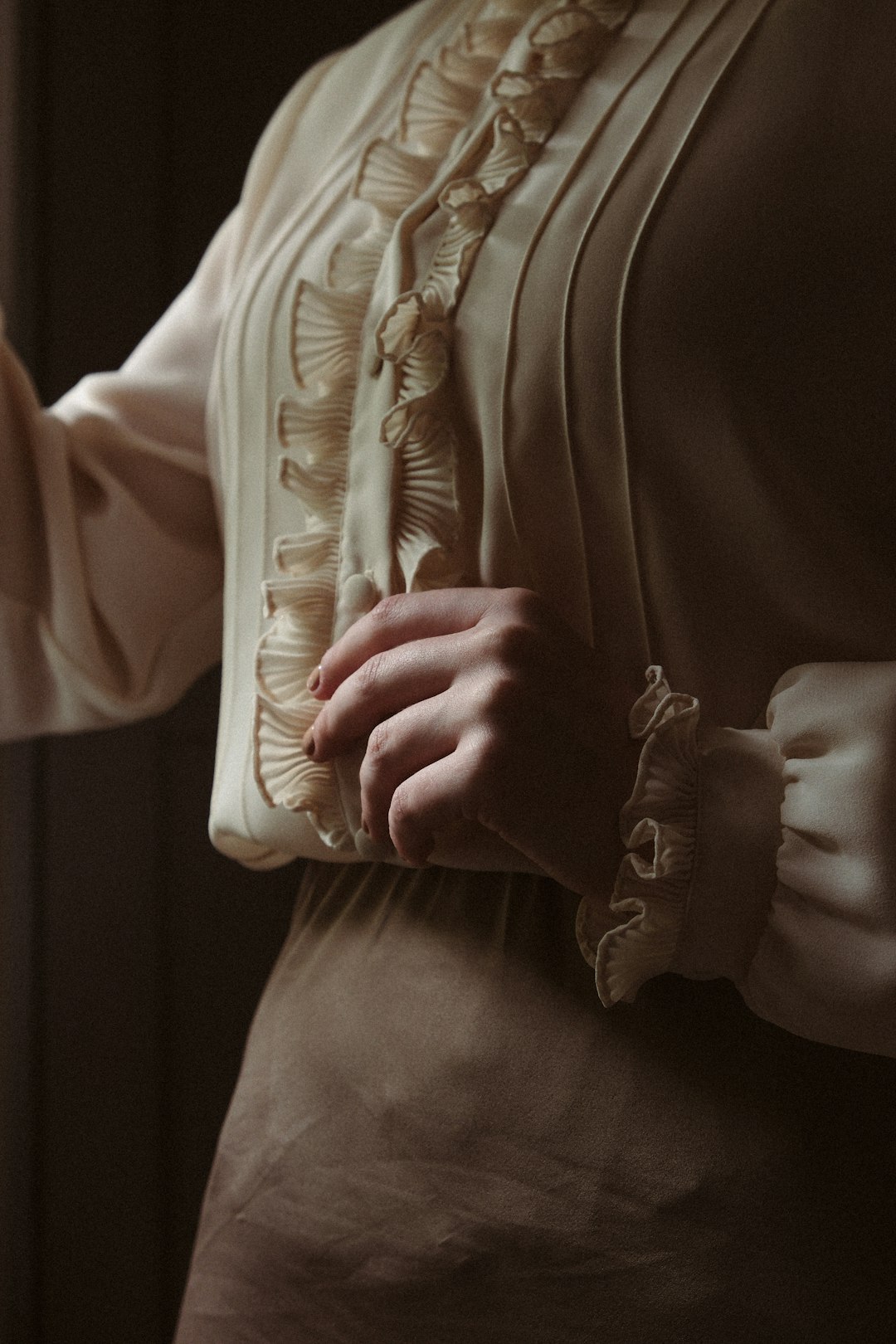
Primary sources—from fashion magazines like Godey’s Lady’s Book in the United States to British publications such as The Englishwoman’s Domestic Magazine—add texture. They describe how garments were worn, advertised, and discussed in their own time. Medical journals and dress reform tracts held in archives of institutions like the Smithsonian illuminate the health debates. One British dress reform advocate, Dr. Thomas Allbutt, famously remarked in an 1888 lecture that “the corset, in its worst forms, is less a garment than an instrument of torture,” a pointed quote often cited in modern histories. Yet, as the V&A’s curators emphasize, “most women chose to wear corsets, and their experiences range from discomfort to appreciation for the support they provided.”
Interpreting these materials also means correcting myths. The notion that all Victorian women were helplessly fainting from their corsets is not borne out by the practical lives of factory workers, domestic servants, and rural women, many of whom pared down or adapted fashionable norms. Nor were all undergarments uniformly oppressive; some innovations, like the cage crinoline, were initially welcomed as liberating from the weight of multiple petticoats.
Frequently Asked Questions about Victorian Undergarments
Were all Victorian women tightly laced into tiny corsets?
No. While small waists were fashionable, most women did not tight‑lace to extreme degrees. Surviving corsets in the Met and V&A collections typically indicate reductions of a few inches from natural waist size, not the drastic measurements often repeated in popular media. Tight‑lacing to extremes did occur, but it was neither universal nor constant.
Did Victorian women actually wear underwear like drawers and panties?
Yes, but styles differed from modern panties. From the mid‑nineteenth century, many women in Britain, France, and the U.S. wore knee‑length, open‑crotch drawers under their chemises and over stockings. Fully closed, brief‑style underwear for women became common only in the late nineteenth and early twentieth centuries.
Were corsets medically harmful?
They could be, especially when worn too tightly over long periods or when poorly fitted. Nineteenth‑century medical literature documents cases of deformed ribs, restricted breathing, and digestive issues. However, many women experienced corsets as supportive garments, especially for the bust and back. Modern historians and institutions like the Smithsonian emphasize that health effects varied widely by degree of lacing, age, activity level, and individual anatomy.
How often were undergarments washed?
Base layers like chemises, drawers, and stockings were laundered frequently—weekly or more often in well‑resourced households. Structured garments like corsets and cage crinolines were rarely washed, if at all. The reliance on white cotton underlinen, which could withstand hot, vigorous washing, was integral to Victorian hygiene practices.
Did working‑class women wear the same undergarments as upper‑class women?
They wore similar types of garments—chemise, stays or lighter corsets, petticoats—but typically in simpler, more durable fabrics and fewer layers. Working women often adapted fashion to the demands of labor: they might wear shorter petticoats, fewer hoops, or less restrictive stays. Surviving garments in regional and national museum collections reveal these practical modifications.
When did Victorian undergarments begin to disappear?
The foundational sequence of chemise, corset, petticoat, and supportive skirt structures began to change in the early twentieth century. By the 1910s and 1920s, new ideas about health, sport, and freedom of movement, combined with the rise of elasticated fabrics and brassieres, led to the gradual decline of traditional corsetry and heavy understructures.
Conclusion
Victorian undergarments formed the hidden architecture of nineteenth‑century fashion, turning cultural ideals into physical reality. From the humble chemise to the engineered cage crinoline, these garments chart a story of technology, morality, class, and the lived experience of women’s bodies. The corsets and crinolines preserved today in institutions such as the Metropolitan Museum of Art, the Victoria and Albert Museum, the Louvre, and the Smithsonian do more than show how Victorians dressed—they demonstrate how intimately clothing, culture, and power were stitched together beneath the surface.
AI Notice: Some visual content in this article may have been created or enhanced using artificial intelligence (AI) for artistic, editorial or illustrative purposes. Learn more about our approach in our AI & Editorial Principles.