
Goth Wedding Dress Ideas That Turn Dark Fantasy Into Breathtaking Reality
A goth wedding dress is not just a garment; it is a declaration that love can be dark, dramatic, romantic, and defiantly individual. While mainstream bridal fashion leans toward white tulle and soft pastels, goth brides and grooms embrace deep blacks, blood reds, rich velvets, and silhouettes that evoke ruined castles and midnight chapels. Far from being a novelty, this aesthetic taps into centuries of European fashion history, literary Gothicism, and modern subculture—creating wedding attire that is both visually arresting and layered with meaning.
The Historical Roots of Goth Bridal Style
Goth wedding style did not emerge in a vacuum—it’s the latest chapter in a long story of dark, romantic fashion. The Gothic subculture, crystallizing in Britain in the late 1970s and early 1980s around bands like Bauhaus and Siouxsie and the Banshees, drew heavily on Victorian mourning dress, medieval imagery, and horror cinema. As these influences filtered into everyday wardrobes, it was only a matter of time before couples started applying them to their most formal ritual: the wedding. A goth wedding dress is, in many ways, a continuation of 19th‑century romanticism, with its obsession with beauty, death, and the sublime.
Can You Name the Masterpiece?
Ten masterpieces. Ten questions. How well do you know the history of art?
The color black—now virtually synonymous with goth weddings—has a long history in Western fashion. In 16th‑century Spain, black was an elite, expensive dye associated with royal and aristocratic courts. The Metropolitan Museum of Art notes that “by the second half of the sixteenth century, black had become the color of choice for Spanish courtiers,” signaling wealth and serious piety. Centuries later, during the Victorian era, black was codified as the color of mourning, with Queen Victoria’s lifelong black wardrobe after Prince Albert’s death becoming iconic. A goth bride wearing black taps into both this aristocratic formality and the resonant symbolism of grief and devotion.
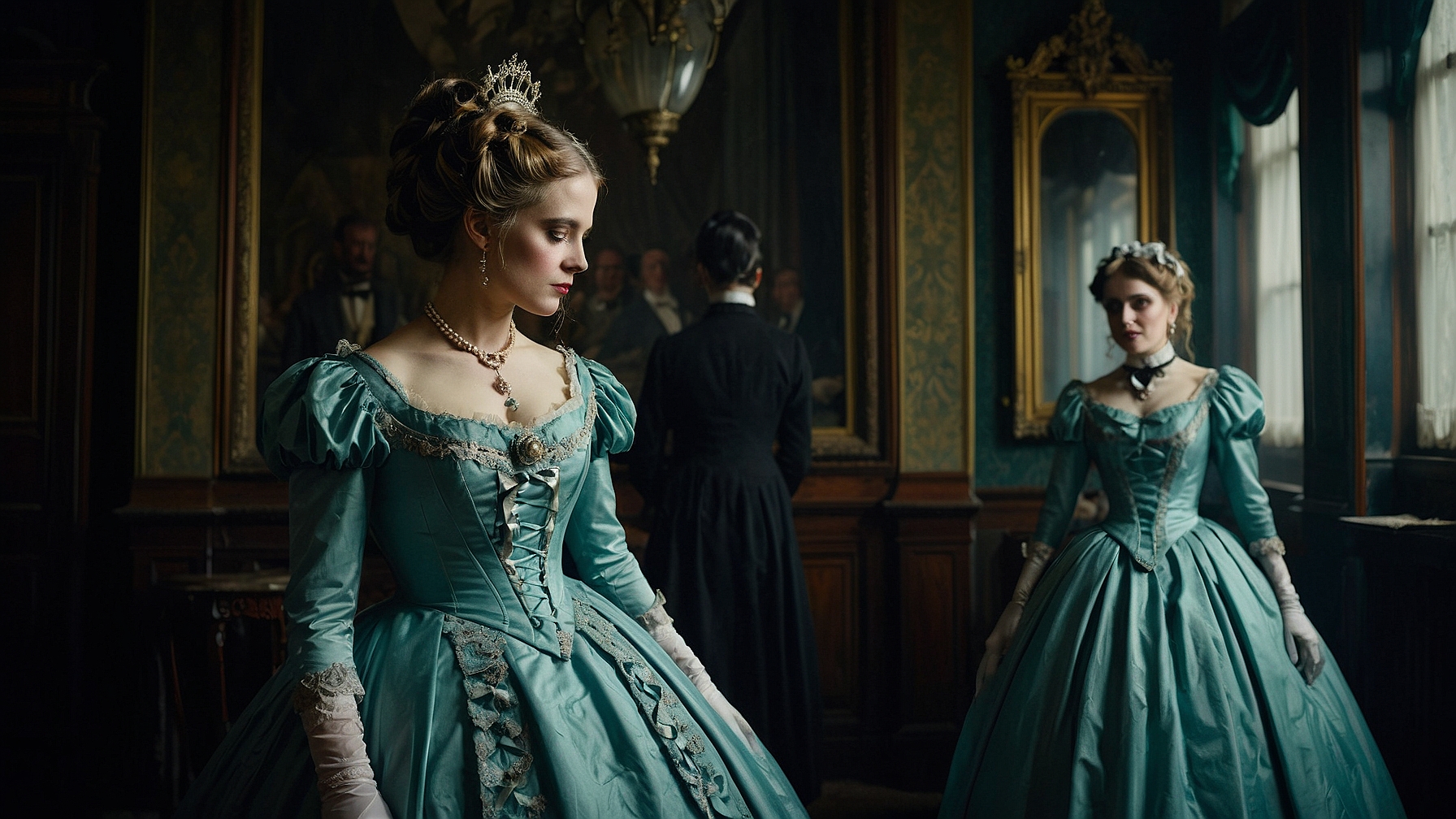
Historical silhouettes also play a key role. Corseted bodices, voluminous skirts, leg‑of‑mutton sleeves, and cathedral‑length trains echo garments preserved in institutions such as the Victoria and Albert Museum (V&A) in London and the Costume Institute at The Met. Designers of goth wedding dresses often study 18th‑ and 19th‑century patterns, Victorian mourning gowns, and even medieval reliquary imagery to create pieces that feel timeless yet subversive. The result is a wedding look that is firmly grounded in fashion history while signaling that the couple is writing their own rules.
What Defines a Goth Wedding Dress?
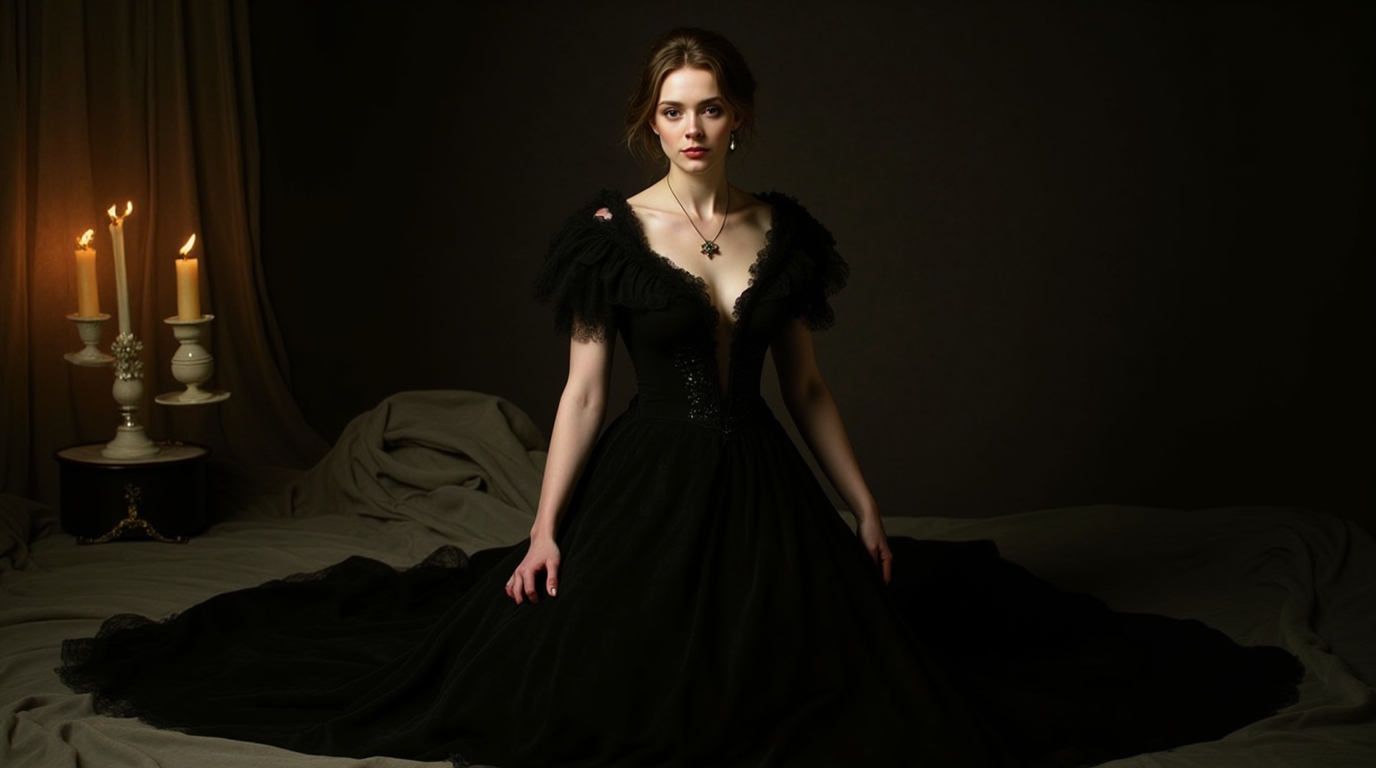
A goth wedding dress is defined less by a single shape than by its mood: darkly romantic, theatrical, and unapologetically expressive. Color is typically the first signal. Black is predominant, but deep jewel tones—burgundy, wine, forest green, midnight blue, and even dark metallics—are common. Unlike a standard white gown with a black sash, a true goth design treats darkness as the primary palette and often juxtaposes it with lace, beading, or subtle sheens that catch the light like moonlight on water.
Can You Guess the Artist?
Three clues. One artist. How quickly can you identify the painter?
Silhouette is the second hallmark. Many goth wedding dresses draw on historical cuts: corseted ball gowns reminiscent of 19th‑century France, fishtail skirts inspired by early 20th‑century evening wear, or empire waists echoing Regency and early Romantic styles. The Louvre’s collections of 18th‑ and 19th‑century French costume, for example, show how structured corsetry and dramatic skirts can create a powerful, statuesque presence—an effect goth brides often seek. Others may opt for slim, columnar dresses with trailing trains and exaggerated sleeves that recall medieval or Pre‑Raphaelite imagery.
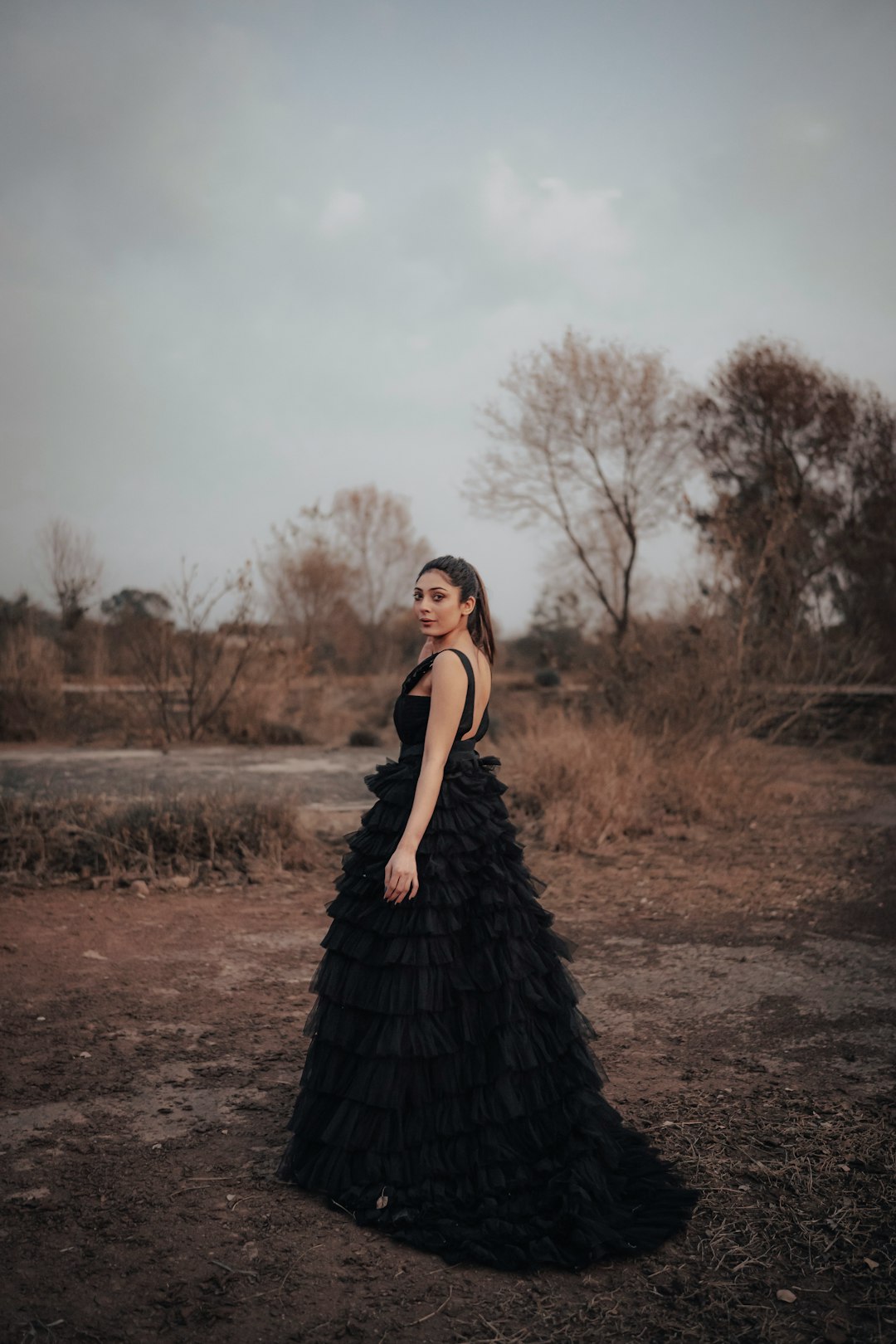
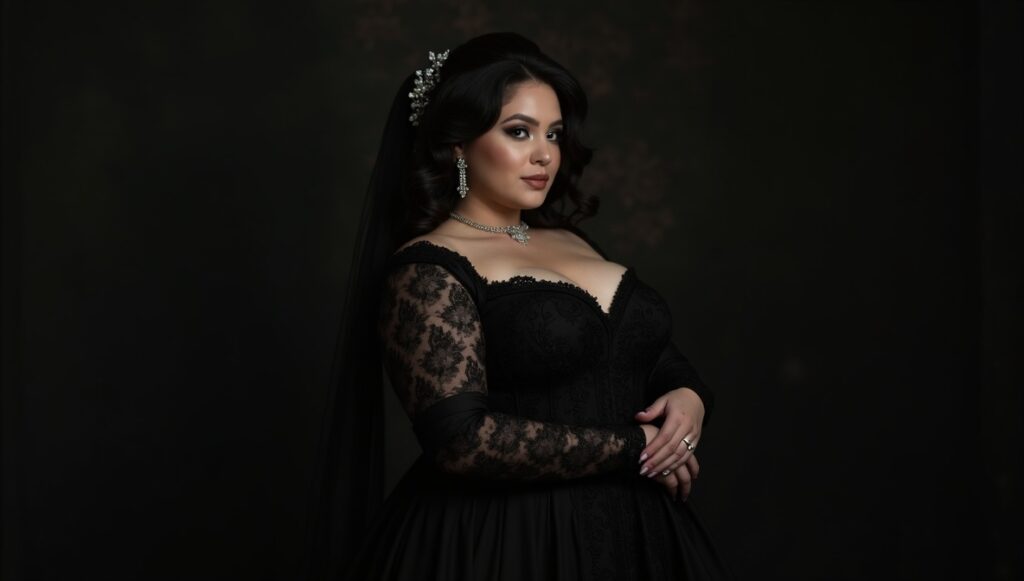
Details complete the picture. Goth bridal gowns often include elements such as spider‑web lace, high Victorian necklines, corset lacing, bell sleeves, appliquéd roses, and jewelry‑like embellishments in jet, onyx, or oxidized silver. Layered veils, sometimes in black tulle or net, can be cut to cathedral length or styled as mantillas, referencing Catholic Spain or Italian Renaissance portraits. The Smithsonian Institution’s costume holdings demonstrate how lace, trim, and accessories historically signaled status and personality; goth designers draw from this legacy, using elaborate details to convey narrative, mood, and identity.
Fabric, Color, and Silhouette: Building the Look
Fabric is foundational to the goth wedding aesthetic. Velvet, with its deep pile and ability to absorb and reflect light, is a favorite for autumn and winter ceremonies, recalling Renaissance and Baroque portraits. The V&A’s textiles collection includes numerous examples of silk velvets used in ecclesiastical and aristocratic garments, emphasizing their association with luxury and solemnity. Taffeta and satin are chosen for their sculptural quality, allowing gowns to hold dramatic shapes, while chiffon and organza introduce ghostly, translucent layers that can suggest veils, smoke, or wings.
Color choice is both aesthetic and symbolic. Black, in a goth context, is rarely about negativity; it is about mystery, power, and depth. As fashion historian Valerie Steele has observed, “Black is simultaneously modest and arrogant, traditional and rebellious.” Deep reds invoke blood, passion, and the roses central to Gothic literature and imagery. Purples historically denoted royalty and high clergy, referencing Byzantine and medieval court dress preserved in European museum collections. A goth bride might choose an all‑black gown with a blood‑red petticoat, or a wine‑colored dress overlaid with black lace to balance intensity with nuance.

Silhouette is often used to balance drama with wearability. Full skirts with crinolines create the grand, haunted‑ballroom effect, while fitted mermaid styles emphasize the body’s curves in a way that can feel both romantic and dangerous. High‑low hems and detachable trains offer movement and practicality, especially for outdoor or non‑traditional venues like historic cemeteries, Victorian conservatories, or repurposed industrial spaces. In all cases, the silhouette should serve the bride’s comfort and personality—no amount of visual drama compensates for a dress that feels unmanageable or inauthentic.
Table: Key Characteristics of a Goth Wedding Dress
| Element | Typical Choices | Effect on Overall Look |
|---|---|---|
| Primary Color | Black, burgundy, deep purple, midnight blue | Sets the dark, dramatic mood |
| Fabrics | Velvet, satin, taffeta, lace, chiffon | Velvet/satin for structure; lace/chiffon for ethereal layering |
| Silhouette | Corseted ball gown, mermaid, A‑line, high‑low | Ranges from grand and historical to sleek and modern |
| Neckline | Sweetheart, off‑shoulder, high Victorian, illusion | Frames face; can emphasize romance or severity |
| Sleeves | Bell, bishop, cap, long lace, off‑shoulder | Adds historical or witchy/romantic character |
| Details | Corset lacing, appliquéd roses, beading, embroidery | Adds narrative, texture, and focal points |
| Veil/Headpiece | Black veil, mantilla, crown, tiara, hat | Completes the gothic story and silhouette |
Influences from Art, Architecture, and Museum Collections
Goth wedding fashion is deeply intertwined with Gothic architecture and art. Pointed arches, tracery, and stained‑glass windows from cathedrals such as Notre‑Dame de Paris or Cologne Cathedral inspire lace patterns and cut‑out motifs. Designers may echo the vertical lines of flying buttresses in paneling and seaming, or draw from rose windows for circular appliqués and beaded medallions. The interplay of light and shadow in a candlelit church or a Neo‑Gothic hall mirrors how black satin and lace behave under dim lighting at a reception.
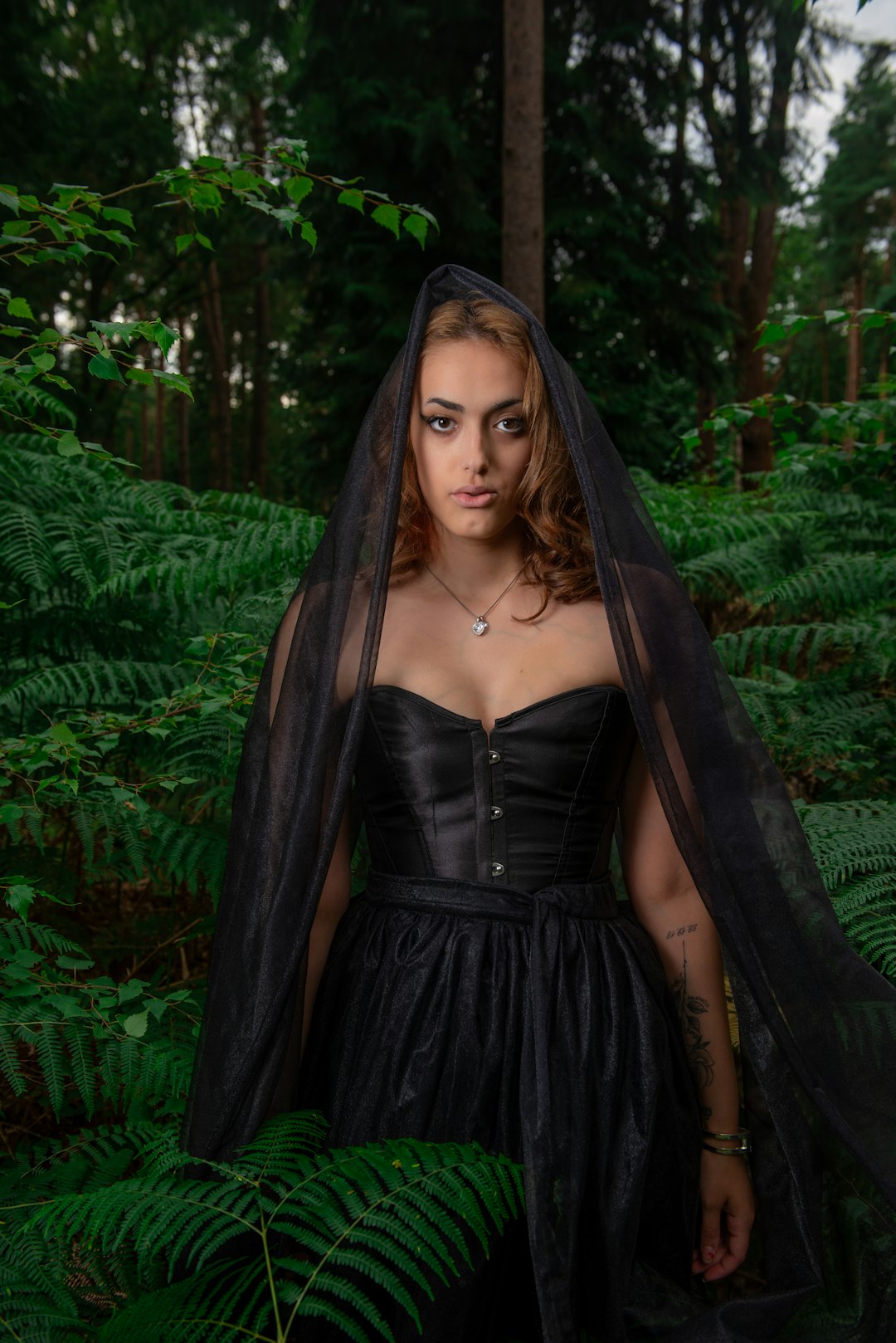
Museum collections provide an invaluable visual archive. The Metropolitan Museum of Art’s Costume Institute, the Victoria and Albert Museum’s Fashion gallery, and the Musée des Arts Décoratifs in Paris hold gowns and accessories spanning centuries. These institutions offer open‑access images and detailed descriptions that goth brides and designers can consult when seeking authentic historical references. A Victorian mourning dress at The Met, with its structured bodice and layered black crêpe, can directly inform a contemporary bridal design that honors the past while avoiding literal reenactment.
Art history also feeds the goth bridal imagination. Pre‑Raphaelite paintings by artists such as Dante Gabriel Rossetti and John Everett Millais depict women in flowing, jewel‑toned gowns with loose hair, flowers, and an air of tragic romance—imagery that resonates deeply within goth culture. Similarly, the dark elegance of Spanish Golden Age portraiture, much of it housed in institutions like the Prado and referenced in The Louvre’s scholarship, provides templates for black‑clad nobility, ruffs, and lace mantillas. These historic visual languages offer a wellspring of ideas for brides who want their wedding photographs to look like frames from an old master painting.
The Smithsonian Institution, through its National Museum of American History and Cooper Hewitt, Smithsonian Design Museum, documents the evolution of American bridal wear and subcultural fashion. Their archives show that non‑white wedding dresses were common before the 19th century popularization of white gowns following Queen Victoria’s 1840 wedding. Understanding that white is a relatively modern convention can be freeing for goth couples, affirming that choosing a black or colored dress is not a rejection of tradition but a return to a broader historical norm.
Designing or Sourcing the Perfect Goth Wedding Dress
Creating a goth wedding dress begins with clarity of vision. Some brides arrive with specific historical references—“late Victorian silhouette, but with 1920s beading”—while others start from an emotion or setting: “forest at dusk,” “abandoned cathedral,” or “vampiric royal court.” Writing down the desired mood, chosen colors, and level of formality can guide all further decisions. Saving reference images from museum archives, historical dramas, and fashion editorials helps articulate that vision to designers, seamstresses, or boutiques.
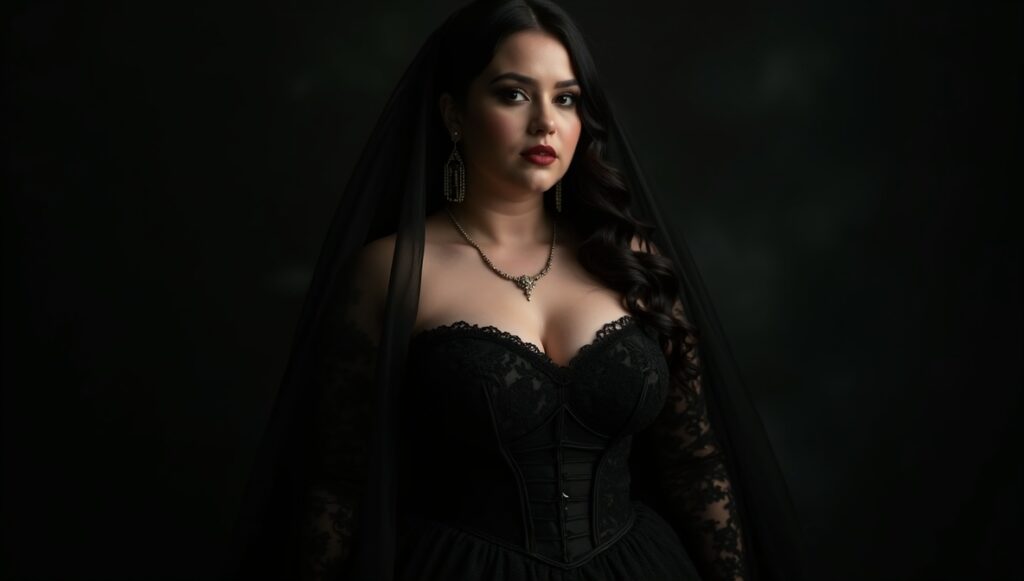
Sourcing the dress can involve multiple paths. Specialized alternative bridal designers, often based in cities with strong subcultural histories such as London, Berlin, and New York, create custom or semi‑custom goth wedding gowns. Many take direct inspiration from institutions like The Met and the V&A; some even note specific pieces or periods in their design notes. Vintage and second‑hand gowns are another option: a 1980s or 1990s black evening dress can be reworked with corsetry and added lace, while a white vintage gown can be professionally dyed or overlaid with black elements.
Fit and construction matter as much as aesthetics. Corsetry, a staple of many goth dresses, must be well‑made to be comfortable for long wear; consulting a trained corsetier or an experienced bridal tailor is advisable. Multiple fittings ensure the dress supports posture, allows dancing, and works with chosen footwear. Many goth brides wear substantial jewelry, dramatic makeup, and elaborate hair or headpieces; planning the dress with these in mind (neckline height, sleeve style, back detailing) ensures the final look is cohesive rather than crowded.
Styling, Accessories, and the Ceremony Context
Accessories often transform a goth gown from “evening dress” to “wedding dress.” Veils remain powerful symbols; black or dark red tulle veils can be cut in Juliet, mantilla, or cathedral styles, while some brides opt for lace‑edged creations echoing those seen in Spanish religious processions. Crowns and tiaras—sometimes featuring black crystals, silver filigree, or motifs like bats and thorns—invoke dark royalty. Gloves, chokers, and statement earrings draw directly from Victorian, Baroque, or Art Nouveau pieces found in European and American museum collections.
Footwear ranges from Victorian‑style lace‑up boots to platform heels inspired by punk and industrial fashion. Practical considerations—cobblestone streets in historic European towns, woodland paths, or repurposed factory floors—may dictate heel height and sole grip. Makeup and hair further articulate the aesthetic: dark lipstick, dramatic eyeliner reminiscent of silent‑era film stars, or intricate braids and updos adorned with dried flowers, jet beads, or metal combs. Each element reinforces the narrative of the dress and the couple’s shared identity.
The ceremony setting influences the dress as well. A candlelit chapel, a Neo‑Gothic university hall such as those at Oxford or Yale, or a historic cemetery with appropriate permissions all underscore the drama of goth bridal fashion. Couples marrying in secular or modern venues can still create atmosphere with lighting, music, and floral choices—black dahlias, deep red roses, dark foliage, and even dried botanicals echo the dress’s aesthetic. Ultimately, a goth wedding dress works best when it feels woven into the ceremony’s entire visual and emotional landscape.
Authoritative Perspectives and Sources
Fashion historians and curators emphasize that alternative wedding attire is part of a larger pattern of bridal self‑expression. The Victoria and Albert Museum’s curatorial texts note that “bridal dress has always reflected social status, personal taste, and changing fashion, rather than a fixed tradition.” This perspective legitimizes the goth wedding dress as a natural evolution rather than a novelty. It situates the style within centuries of brides using clothing to signal individuality, wealth, belief, or rebellion.
The Metropolitan Museum of Art’s essays on black in fashion further ground goth bridal style in serious scholarship. In its “Death Becomes Her: A Century of Mourning Attire” exhibition, The Met highlighted how 19th‑century mourning dress balanced strict social codes with opportunities for stylistic innovation. The exhibition catalog demonstrates that black garments were sites of technical and aesthetic experimentation—much like contemporary goth wedding dresses, which use darkness as a canvas for creativity.
Institutions like the Smithsonian and The Louvre offer broader context on how art and clothing intersect with ritual and identity. By consulting their digital archives and reading curatorial essays, brides, grooms, and designers can make informed choices that resonate historically and personally. This research‑based approach reflects the E‑E‑A‑T principles—combining lived aesthetic experience (the goth subculture), deep knowledge of fashion history, and careful sourcing from credible, authoritative institutions.
Frequently Asked Questions About Goth Wedding Dresses
Is it bad luck to wear black at a wedding?
No. The idea that brides must wear white is relatively recent, popularized in the 19th century, particularly after Queen Victoria’s 1840 wedding dress. Historically, brides wore their best dress in any color, including black. There is no universal superstition against black wedding gowns; meanings vary by culture and personal belief.
Can a goth wedding dress still look “bridal”?
Yes. Elements such as a train, veil, high‑quality fabrics, refined construction, and thoughtful accessories signal that a gown is bridal rather than simply evening wear. Silhouette and detailing, rather than color alone, usually determine whether a dress reads as a wedding dress.
How can I make a goth wedding dress appropriate for a religious or conservative venue?
Opt for a more covered silhouette—higher neckline, sleeves, and relatively modest back. Choose rich fabrics and subtle detailing rather than overtly provocative designs. Dark jewel tones or black with understated lace can look solemn and respectful in churches, synagogues, or historic civic buildings, especially when paired with classic accessories.
Is a custom dress necessary, or can I adapt an existing gown?
Both approaches work. Custom designs allow full control over silhouette, color, and details. However, many brides successfully adapt black evening gowns, prom dresses, or traditional wedding dresses through dyeing, adding lace overlays, changing sleeves, or accessorizing with veils and jewelry.
How do I ensure my goth dress will photograph well?
Black can absorb light, making details harder to capture. Work with a photographer experienced in low‑key and high‑contrast photography. Choose fabrics with some sheen (like satin) or texture (like lace and velvet) and incorporate layers or subtle color contrasts so the camera can pick up depth and structure.
What if my family dislikes the idea of a black wedding dress?
Open, respectful communication helps. Explain the historical background, personal significance, and aesthetic reasons for your choice. Offering compromises—such as a black dress with traditional white elements, or wearing white for the ceremony and black for the reception—can ease concerns while honoring your identity.
Conclusion
A goth wedding dress is an intensely personal fusion of history, art, and subcultural identity. Rooted in centuries of dark elegance—from Spanish court black to Victorian mourning and Pre‑Raphaelite romanticism—it transforms the modern wedding into a deliberate act of storytelling. By drawing on authoritative sources, understanding historical contexts, and making thoughtful design choices, couples can create bridal looks that feel both deeply authentic and visually unforgettable: proof that love thrives just as powerfully in twilight as it does in daylight.
AI Notice: Some visual content in this article may have been created or enhanced using artificial intelligence (AI) for artistic, editorial or illustrative purposes. Learn more about our approach in our AI & Editorial Principles.