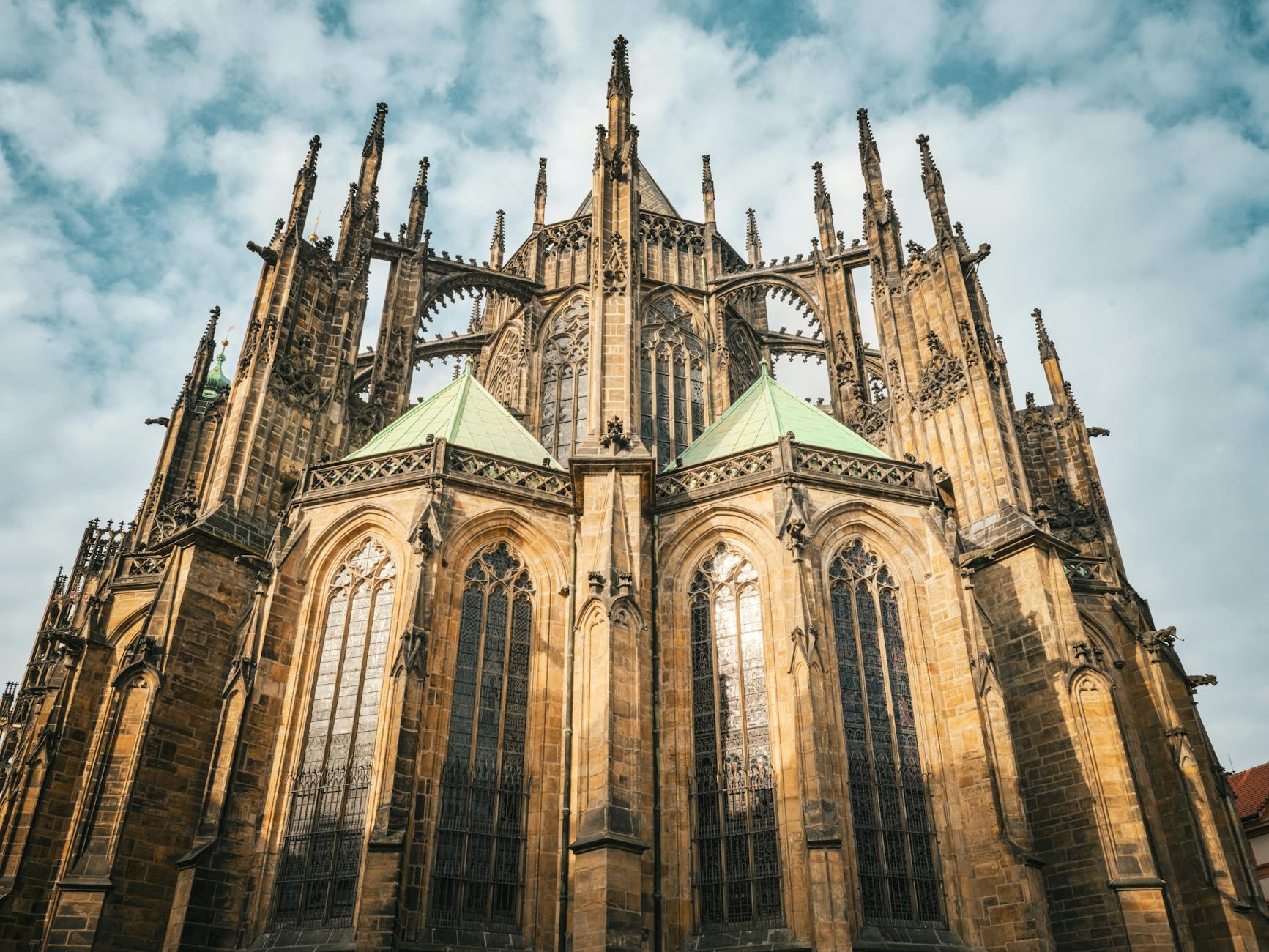
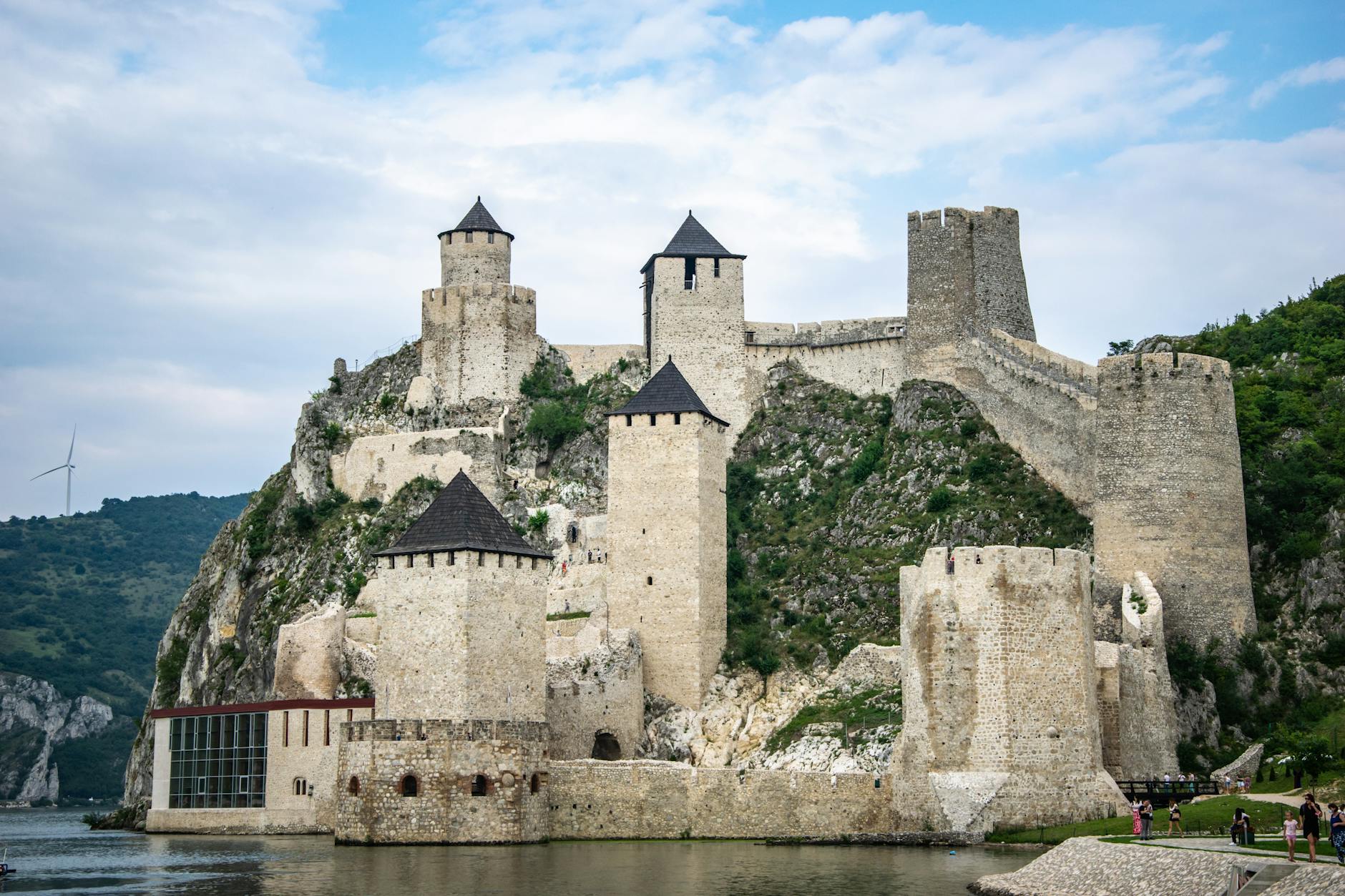
Within Stone and Shadow: The Enduring Spell of Castle Interiors
There is a particular kind of silence that lives inside a castle.
Not the empty hush of a modern minimalist apartment, but a thickened, attentive quiet—one that seems to listen back. Footsteps sound different here. Voices carry strangely in stairwells worn down by centuries of passage. Light arrives late and leaves early. It is in this charged stillness, somewhere between stone and shadow, that the enduring fascination with castle interiors truly begins.
Can You Name the Masterpiece?
Ten masterpieces. Ten questions. How well do you know the history of art?
We may live surrounded by screens and steel and glass, yet images of vaulted halls, tapestried chambers, and spiral staircases slipping into darkness continue to haunt our collective imagination. Castles are not just historical monuments; their interiors are emotional architectures—spaces built not only to protect bodies, but to stage power, desire, faith, and fear. When modern audiences obsess over castle interiors, they are not merely admiring old stones; they are reading a psychological script written into walls, windows, and worn thresholds.
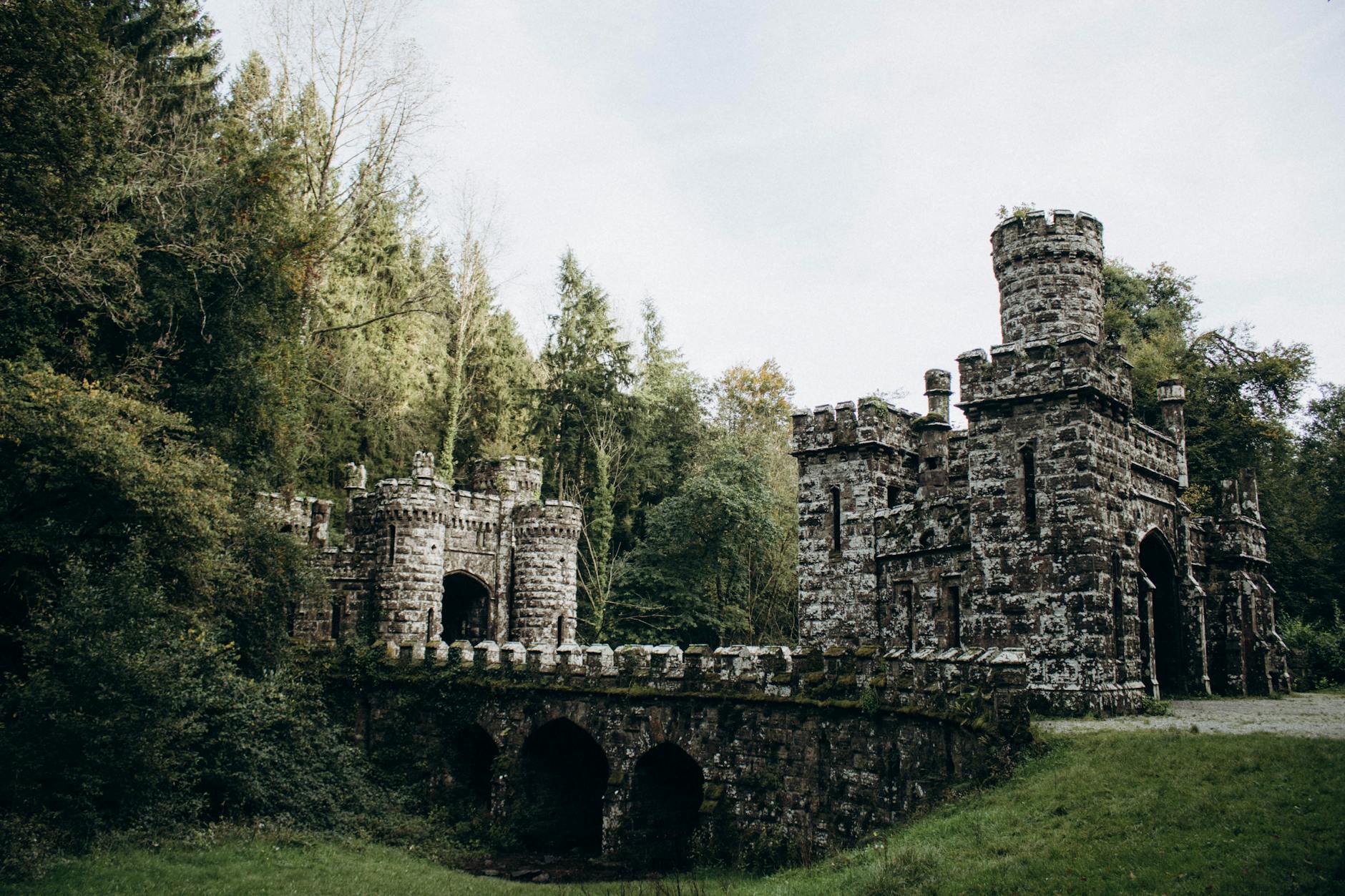
To enter a castle interior—on a museum visit, in a period drama, or through the lens of a photographer—is to step into an elaborate theatre of memory, symbolism, and unspoken feeling.
Rooms That Remember: The Atmosphere of Contained Time
Every castle interior is a deliberate arrangement of time.
Can You Guess the Artist?
Three clues. One artist. How quickly can you identify the painter?
Unlike contemporary spaces that chase novelty, these rooms have endured eras. The result is a layered atmosphere that modern viewers instinctively feel, even before they know the history. A pane of glass slightly warped by age, a floor that tilts almost imperceptibly, a door that never quite closes cleanly—each irregularity is evidence that the room has been here long enough to outlast its original purpose.
This is part of the spell. Castle interiors hold time in suspension.
A great hall, now visited by tourists in soft rubber soles, was once a social engine: feasts, alliances, sermons, and verdicts echoing under the same timbered roof. A solar, once intimate and dim, now displayed under careful museum lighting, still holds the scale of privacy. Even emptied of original furnishings, these rooms carry what might be called atmospheric memory: a kind of invisible residue of use.
Cinematically, we recognize it immediately. We react not only to the grandeur, but to the tension between then and now. The thick walls and high ceilings feel like the lungs of another century, still breathing, just slower. The sense that life unfolded here under different rules makes the space itself feel like an artifact of emotion.
In a world obsessed with speed and disposability, castle interiors represent the opposite: continuity, density, patience. Their enduring allure lies in this promise that some places can hold onto time rather than flee from it.
Stone as Psychology: Power, Vulnerability, and the Human Scale
The architecture of a castle is usually explained in terms of defense—battlements, arrow slits, murder holes. Yet inside, that same language of protection becomes deeply psychological.
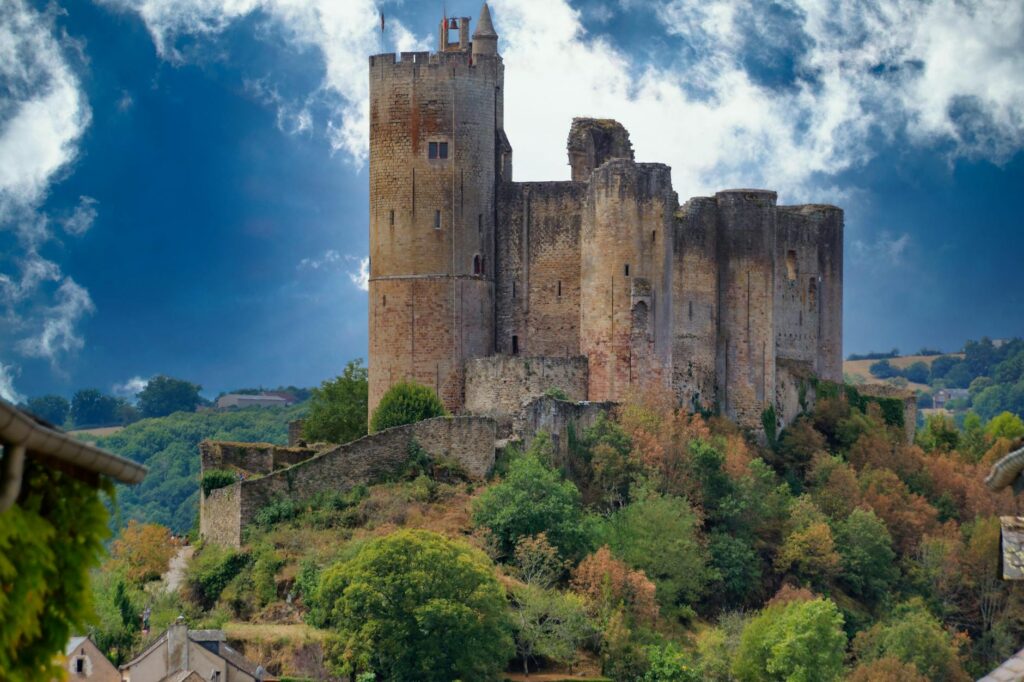
Thick walls reassure and oppress at once. They create a paradoxical intimacy: you are safe, yet trapped; protected, yet watched. This tension is central to our cultural fascination. Castle interiors are the physical expression of a mindset that believed security could be built like armor, layer by layer, door by door, wall by wall. Every threshold is a decision: who may pass, who must remain outside.
Modern audiences, used to open-plan living, are quietly transfixed by such compartmentalization. Corridors that narrow suddenly, staircases that coil tightly, rooms that require several right turns to access—these are not inconveniences, but spatial narratives about secrecy and control.
- The solar, tucked away from the public hall, whispers of intimate conversations, concealed alliances, private grief.
- The great hall, with its axial arrangement of lord’s table overseeing the room, still stages the geometry of power—who faces whom, who is visible, who remains in shadow.
- The chapel, often astonishingly small compared to the rest of the complex, reveals the inner vulnerability of those who built fortresses of stone yet knelt in fragile spiritual hope.
We are not simply intrigued by the architecture; we are drawn to the human psychology it encodes. To walk through a castle interior is to move through the emotional logic of an age: fear translated into thickness, hierarchy etched into staircases, desire for permanence frozen in stone.
Light as Storyteller: Windows, Shadows, and the Drama of Illumination
Few interiors understand light the way castles do.
Their walls were conceived in an era before electricity, when illumination was a struggle, an expense, and a symbol. Candles were luxury, torches theatrical, and sunlight—when it managed to pierce the small, recessed windows—became a kind of visitation.
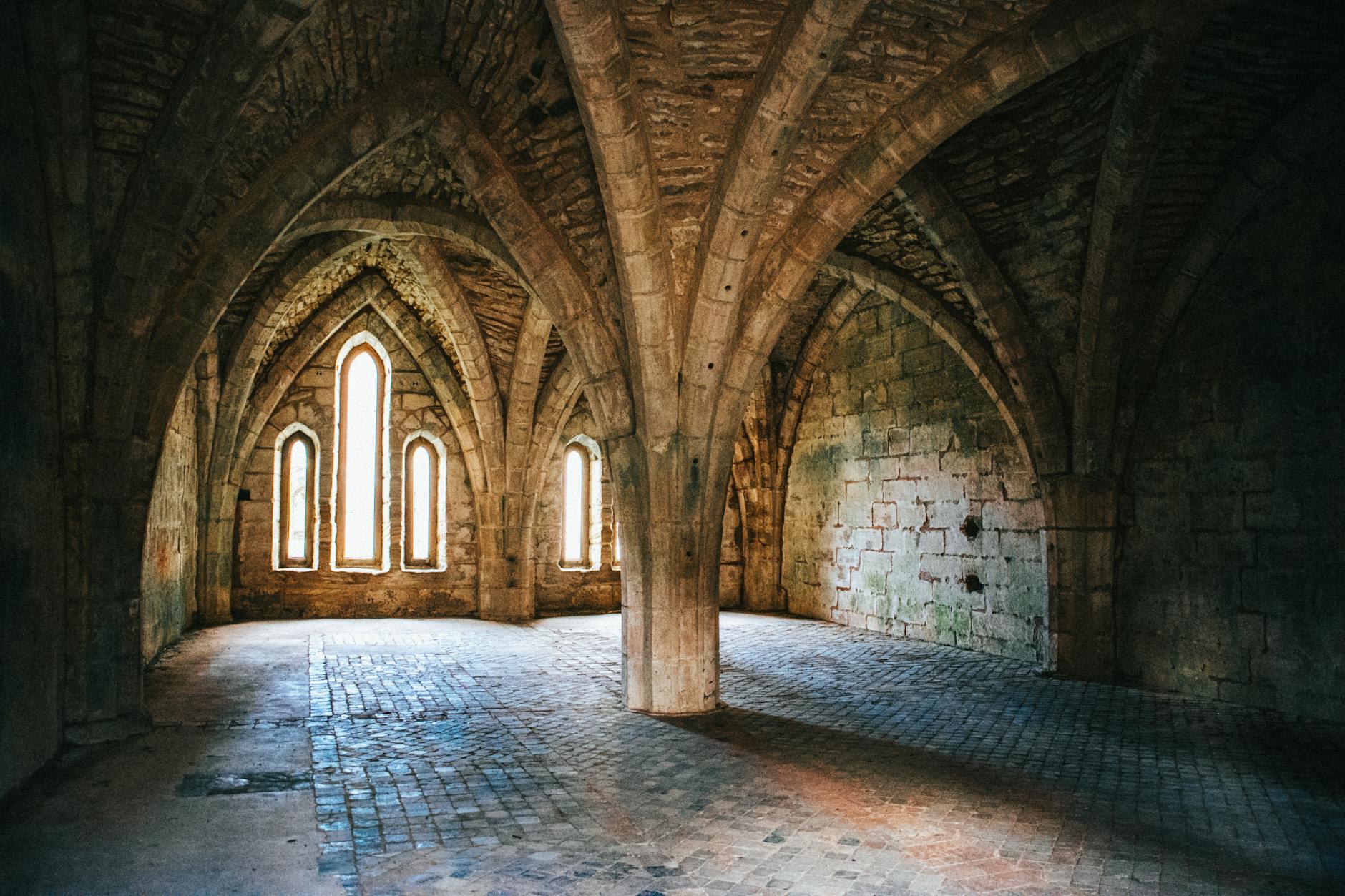
Modern cinema borrows heavily from this aesthetic. Long corridors lit by a single window at the far end, faces half-illuminated by firelight, stained glass scattering color onto stone: these are visual tropes we instantly recognize. But their power is deeper than stylistic nostalgia. In castle interiors, light is moral and emotional vocabulary.
- Light from above, such as in a chapel or high clerestory, reads as grace, an axis between earth and the divine.
- Side light slicing across a stone floor turns dust into evidence of constant, quiet movement—lives once lived, now suspended.
- Shadow is not emptiness, but potential: a place where secrets could have been whispered, where someone might be listening.
When we look at photographs or films of castle interiors, we are captivated not only by the objects within them, but by the choreography of illumination. The darkness is never absolute; it is punctuated, carefully managed. This interplay of the seen and unseen taps into a fundamental psychological thrill: the awareness that what we perceive is partial, that meaning lives in what we can’t quite make out.
In a digital age where brightness is total and constant, the selective light of castle interiors feels luxurious—an invitation to look slowly, to accept that mystery still exists between the shadows.
Objects as Oracles: Symbolism and Silent Narratives
Every object in a castle interior—whether original or carefully reconstructed—operates like a symbol. Long before interior design became a lifestyle industry, domestic spaces were encoded with meaning. Modern audiences, used to reading visual culture at speed, gravitate easily toward these symbols, even if the historical specifics are hazy.
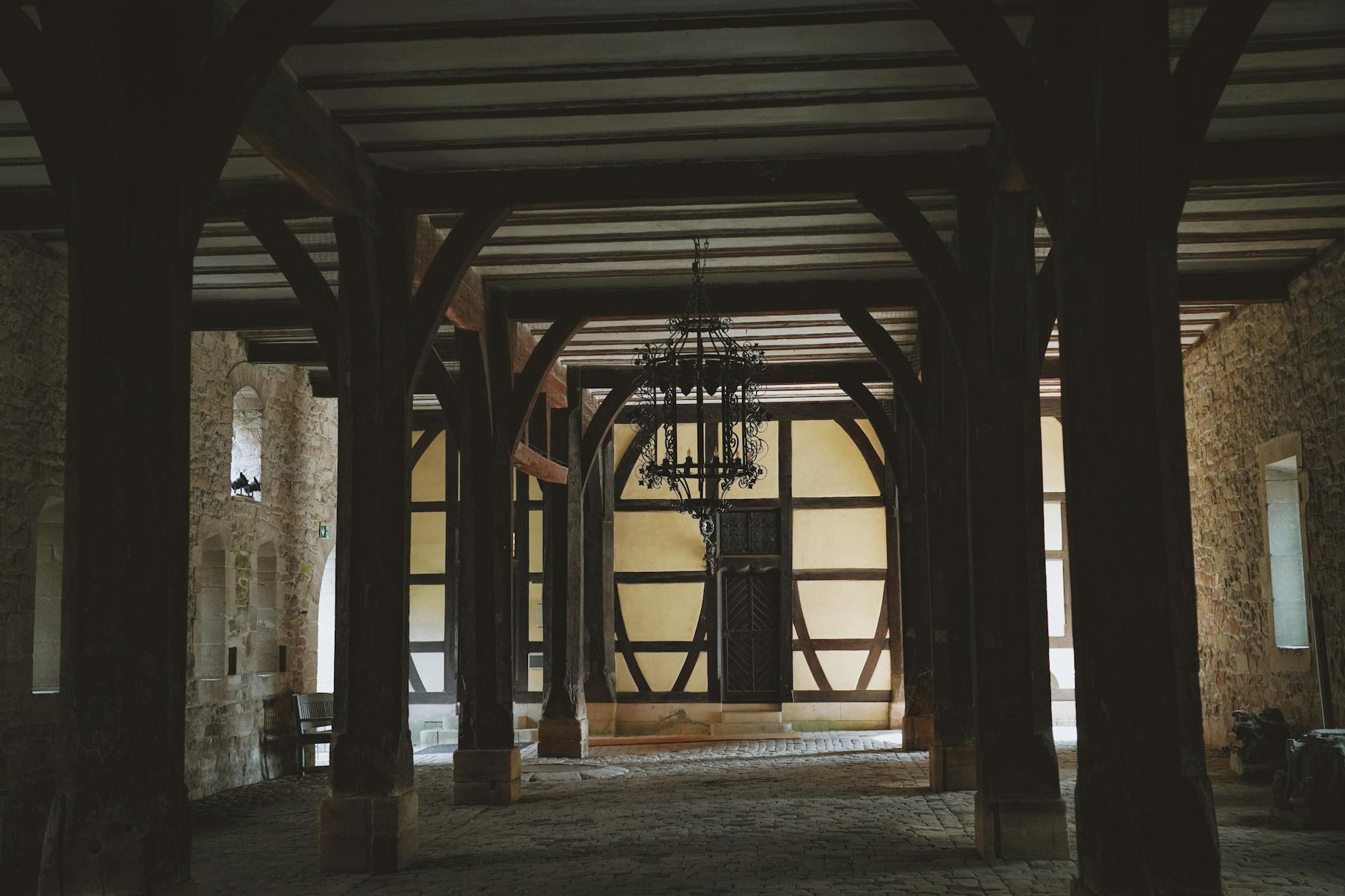
A few recurring presences:
The hearth as heart: A monumental fireplace anchors a room not just thermally, but socially. Its scale declares the household’s wealth; its carvings offer allegory, coats of arms, moral scenes. The hearth is permanence in an unstable world—fire contained within stone, warmth framed by risk.
The bed as stage: In royal or noble chambers, beds are often architectural in themselves: canopied, curtained, carved. They are less furniture than theatres of power, birth, sex, and death. They suggest vulnerability publicly acknowledged yet carefully veiled.
The tapestry as whispered narrative: Hung on cold walls, tapestries served as insulation, propaganda, and storytelling all at once. Scenes of hunting, myth, devotion, or conquest covered stone with woven narrative. To modern eyes, they are mood-boards of a world’s aspirations and anxieties, threaded into cloth.
The staircase as biography: A narrow spiral stair inside a turret, constructed clockwise to advantage right-handed defenders, becomes an emblem of latent danger. A broad ceremonial staircase, on the other hand, stages status; one ascends into view, performing importance with every step.
We may no longer recognize every heraldic device or religious allegory, but the instinctive reading remains. Castle interiors invite us to decode. They promise that nothing here is entirely neutral, that every surface has something to say if we look closely enough.
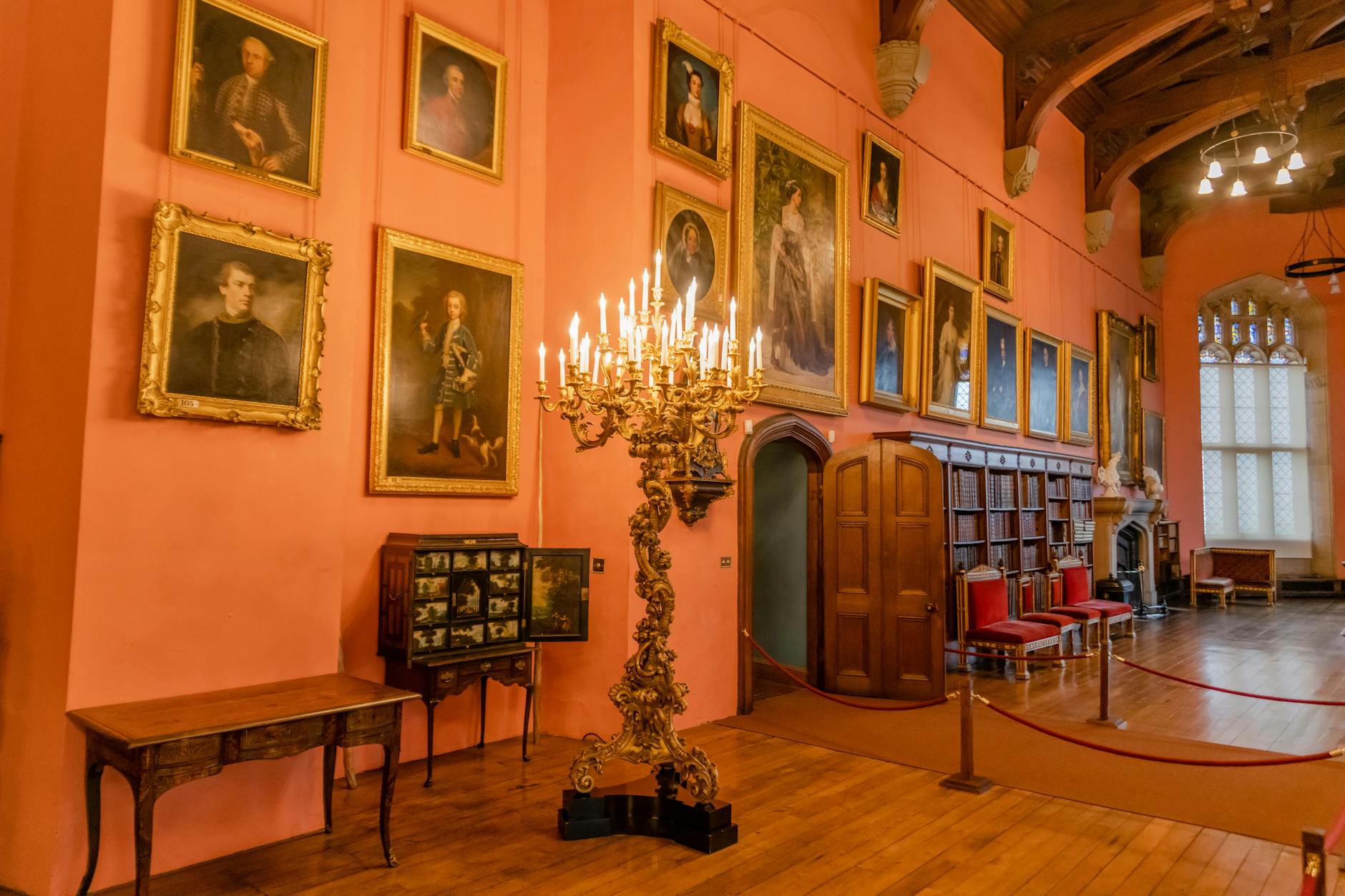
In this sense, castle interiors function like three-dimensional manuscripts of a culture, written in plaster, oak, linenfold, and stone. Our continued fascination is, in part, the thrill of being an uninvited reader of someone else’s most private text.
The Emotional Weather of Stone: Romance, Melancholy, and Ghosts
Castles always carry an emotional climate. Even in broad daylight, there is the suspicion of ghosts—not necessarily specters in the literal sense, but emotional presences that cling to certain corners.
We often speak of castles in the language of romanticism: brooding, dramatic, lonely. Yet the interiors complicate this mythology. A fortress wall seen from a distance can look severe; a small window seat carved into that same wall feels tender. There is a surprising intimacy throughout: niches for candles, recesses for devotional statues, secret doors, small chambers off vast halls. These details re-humanize what might otherwise be an architecture of intimidation.
Modern audiences are drawn to this tension. Castle interiors allow us to experience a curated melancholy; to indulge in the bittersweet awareness that lives passed intensely here and have left only traces. There is solace in this. Our own anxieties about impermanence and legacy find a mirror in stones that have endured, bearing silent witness to countless forgotten joys and catastrophes.
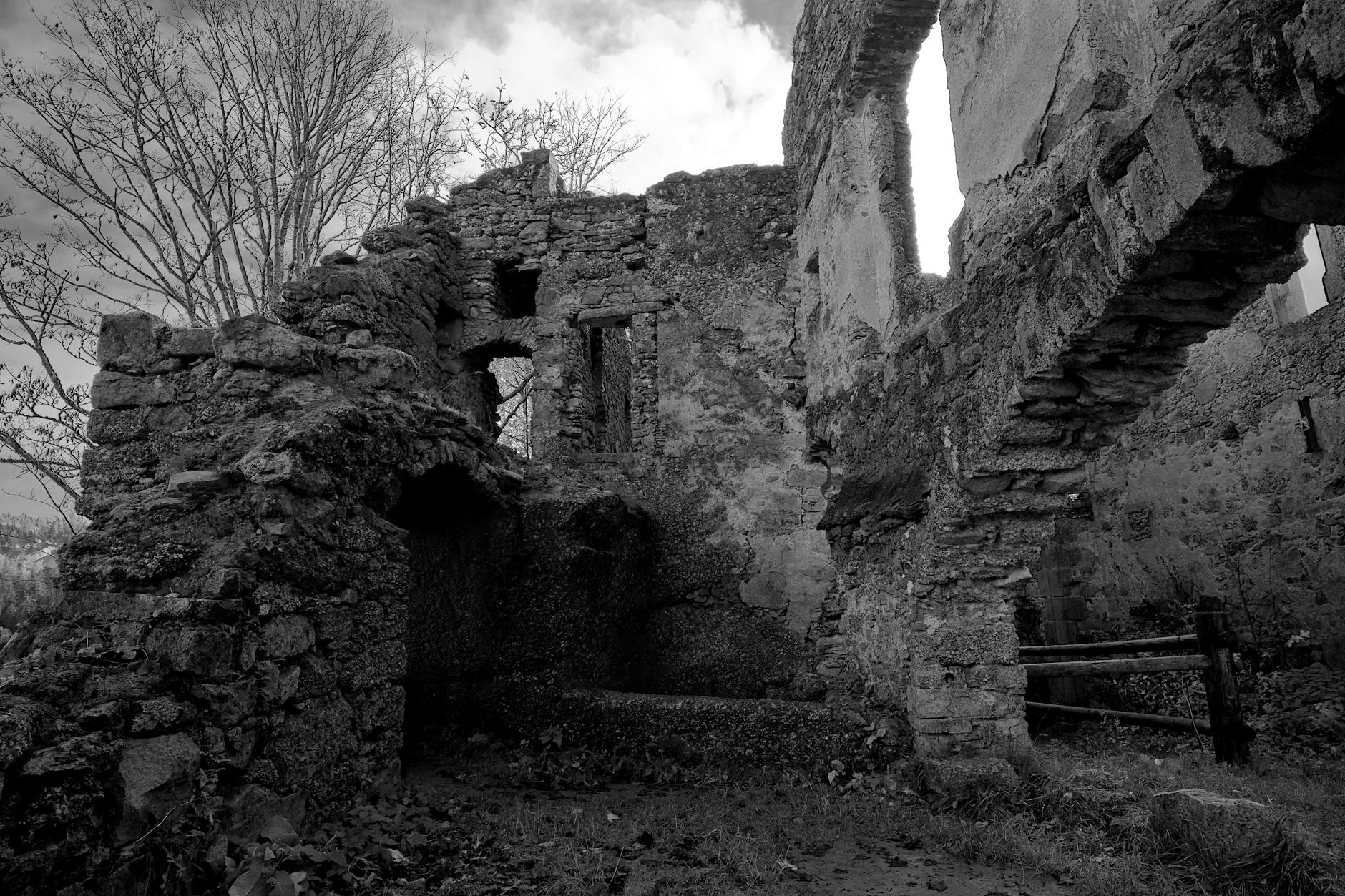
No wonder films and series return to these spaces whenever they need emotional density without a word of dialogue. A character standing alone in a castle window, a corridor stretching behind them into darkness, expresses isolation, ambition, or doubt more vividly than exposition ever could. The castle interior itself becomes a co-star, lending its gravity to the human story.
Even those who experience these spaces only through imagery online feel that gravitational pull. The emotional weather of castle interiors—half drama, half elegy—offers a space in which our own private longings can safely wander.
Castles as Cultural Mirrors: What We Seek in Their Interiors Today
If the Middle Ages and early modern periods built castles to survive physical assaults, we visit them today to grapple with subtler vulnerabilities: the erosion of continuity, the thinning of mystery, the flattening of experience into pixels.
Castle interiors provide something contemporary life rarely does: a sense of thickness—of material, of history, of meaning. In an age of lightweight construction and rapid obsolescence, heavy timber beams and meter-thick walls carry an almost moral reassurance. They are not simply old; they are invested. Labor, time, belief: all poured into building something intended to outlive its makers.
We respond to this ethically as much as aesthetically. There is a longing, however unconscious, for spaces that feel committed, that refuse to vanish with the next design cycle. The worn threshold becomes a promise: people have passed this way for centuries; you are not the first, you will not be the last. In a fragmenting world, that continuity has a quiet, luxurious comfort.
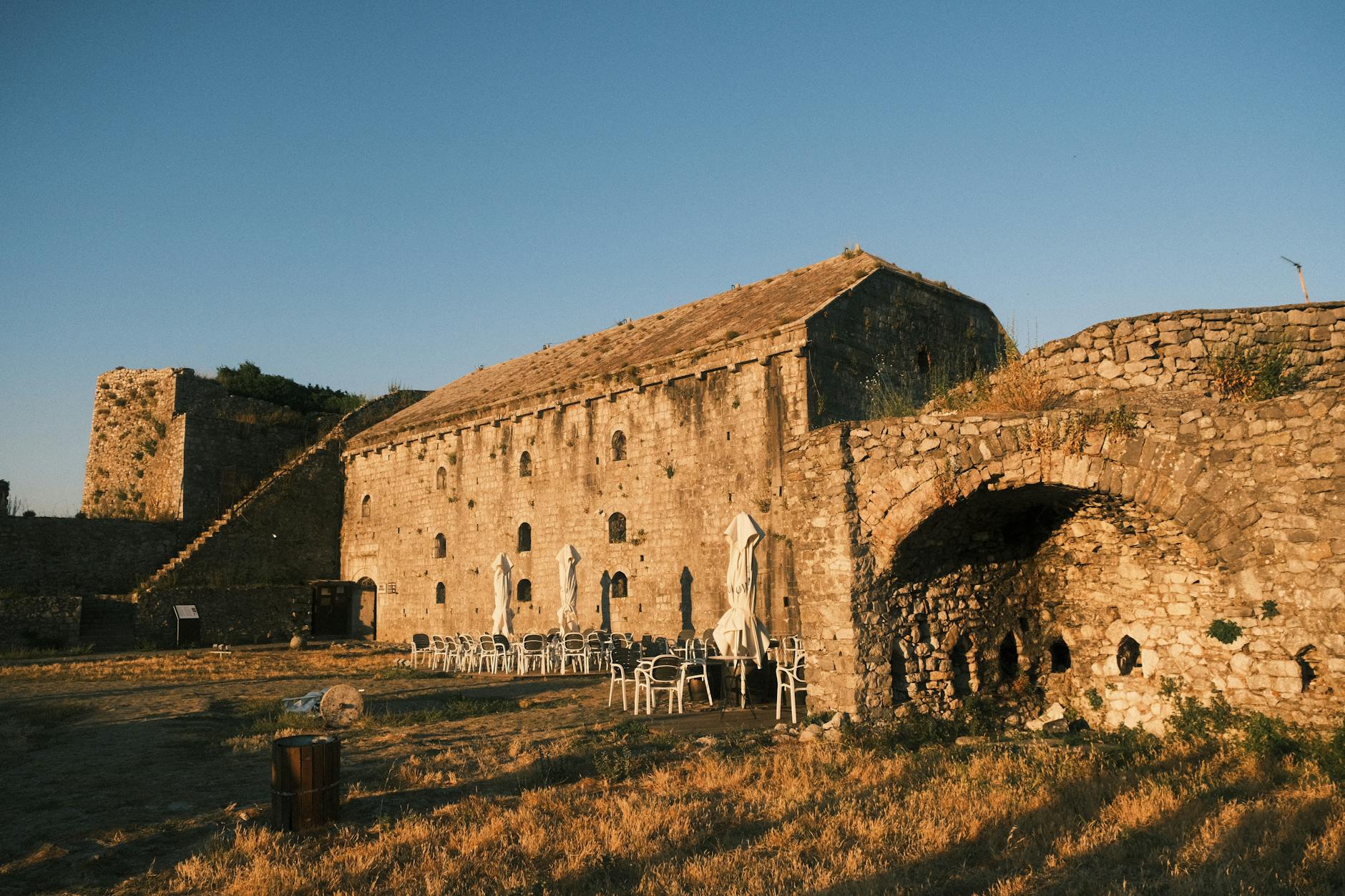
At the same time, castle interiors are culturally charged fantasies. They allow us to project alternative selves: a version of us who could live at a different pace, inhabit ritual more fully, feel feelings less mediated. The lure is not only “what life was like then,” but “what life could be like if it were denser, slower, more symbolic.”
Streaming platforms have recognized this longing and built entire empires of content upon it. From high-budget historical dramas to fantasy epics, castle interiors have become visual shorthand for depth, gravitas, and stakes. We might not know the exact century of that ribbed vault or those paneled walls, but we feel that what happens there matters. The setting signals emotional seriousness.
This is perhaps castle interiors’ greatest contemporary power: they confer significance. Characters in jeans or in doublets, under LED rigs or candlelight—it barely matters. Put them in a castle, and the audience feels an immediate elevation of narrative weight. The stone insists: this is not trivial.
The Intimacy of Looking: Why We Still Return
The enduring allure of castle interiors is not only about grandeur; it is about intimacy of encounter. When we linger over a photograph of a vaulted chamber or a narrow passage, we are doing more than admiring architecture. We are imagining presence—our own.
We imagine the sensation of a cool stone wall under our fingertips, the muffled acoustics of a room thick with tapestries, the uneven cadence of a spiral stair. We mentally inhabit the space. That act of imagined occupation is deeply personal: Who would I be in such a room? What version of myself awakens here?
Within this question lies the real spell. Castle interiors are, quite simply, exquisite machines for self-projection. Their atmosphere invites us to step out of contemporary time, not as tourists but as temporary inhabitants of another emotional register. We are allowed, for a moment, to feel our own lives refracted through stone and shadow, ritual and risk.
The fascination persists because these interiors meet us at a human level that remains unchanged: our craving for meaning in spaces, our sensitivity to light and enclosure, our susceptibility to stories written into surfaces. They remind us that buildings can be more than shelters or investments; they can be repositories of feeling, stages for the invisible dramas of power, devotion, fear, and love.
Within vaulted ceilings and low doorways, within arrow slits and hidden staircases, within the worn dip of a stone step and the soot-darkened lip of an old fireplace, we find not only the past, but a heightened version of ourselves—attuned, alert, imaginatively alive.
In the end, the magic of castle interiors is simple and inexhaustible: they allow us to feel that we are not just looking at history, but moving through it, breathing its air, sharing its shadows. And in a world that often feels frictionless and weightless, that experience—of weight, of shadow, of time made tangible—is a luxury we are not yet ready to give up.
AI Notice: Some visual content in this article may have been created or enhanced using artificial intelligence (AI) for artistic, editorial or illustrative purposes. Learn more about our approach in our AI & Editorial Principles.