

Gothic Wedding Attire Ideas You’ll Secretly Wish You Chose Instead
Gothic wedding attire transforms the conventional white‑lace celebration into something darker, more opulent, and unmistakably dramatic. Instead of pastel bouquets and airy tulle, think candlelit stone halls, black silk trains, antique jet jewelry, and velvets that seem to drink in the light. This is not just “Halloween in a tux”—it’s a style rooted in centuries of art, architecture, and dress history, from the cathedrals of medieval Europe to the subcultural fashion of late‑20th‑century London. Done well, a gothic wedding look is less about costume and more about crafting a deeply romantic, historically informed aesthetic that still feels modern and wearable.
What “Gothic” Really Means in Wedding Attire
Gothic wedding attire draws from two intertwined sources: historical Gothic art and architecture (12th–16th centuries) and the modern goth subculture that emerged in the late 1970s and early 1980s. The original Gothic style—seen in places like Notre‑Dame de Paris and Chartres Cathedral—was defined by soaring vertical lines, pointed arches, stained glass, and an emphasis on the spiritual and the sublime. The Victoria and Albert Museum describes Gothic architecture as “reaching towards heaven through height, light, and intricate decoration,” an idea that translates surprisingly well into bridal silhouettes, veils, and ornate detailing.
Can You Name the Masterpiece?
Ten masterpieces. Ten questions. How well do you know the history of art?
The modern goth movement, centered in cities such as London and Berlin, added a darker color palette, theatrical makeup, and a fascination with Victorian and Edwardian mourning wear. Bands like Bauhaus and Siouxsie and the Banshees helped define the early look: black clothing, lace, leather, dramatic eyeliner, and religious or occult symbols. The Smithsonian Institution notes that late‑20th‑century subcultures frequently “repurposed historical dress elements as visual identity statements,” which is exactly what many gothic brides and grooms do today—borrowing from medieval, Renaissance, and Victorian references to construct something new.
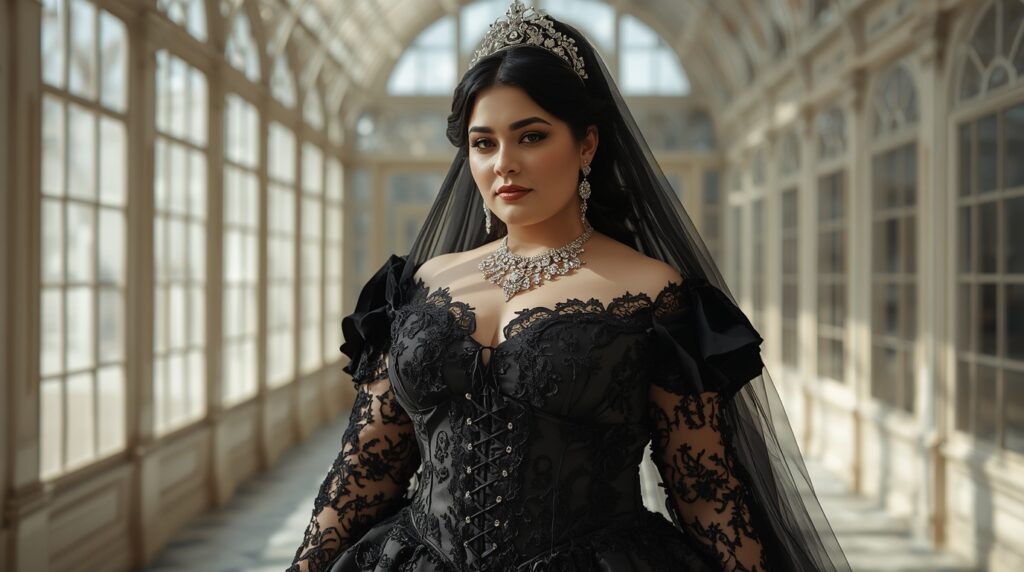
In practical terms, “gothic” in wedding attire usually means rich, dark colors (black, deep burgundy, midnight blue), luxurious and tactile fabrics (velvet, heavy satin, brocade, lace), and strong silhouettes (corseted bodices, sweeping skirts, structured jackets). It often includes symbolic jewelry—crosses, cameos, lockets, or motifs like bats, ravens, and thorns. The result is an aesthetic that feels romantic, mysterious, and theatrical, yet can be tailored from softly moody to fully dramatic depending on individual taste.
Historical Inspirations: From Medieval Cathedrals to Victorian Mourning
For couples who love history, gothic wedding attire is an opportunity to reference specific eras and places. Early inspiration comes from medieval Europe, particularly the 12th–15th centuries, when the Gothic style flourished in cities such as Paris, Cologne, and Florence. The Metropolitan Museum of Art’s collections show how medieval dress relied on layering, long sleeves, and flowing lines. Brides who favor this period might choose trumpet sleeves, high necklines, and hooded or mantilla‑style veils reminiscent of religious imagery and illuminated manuscripts.
Can You Guess the Artist?
Three clues. One artist. How quickly can you identify the painter?
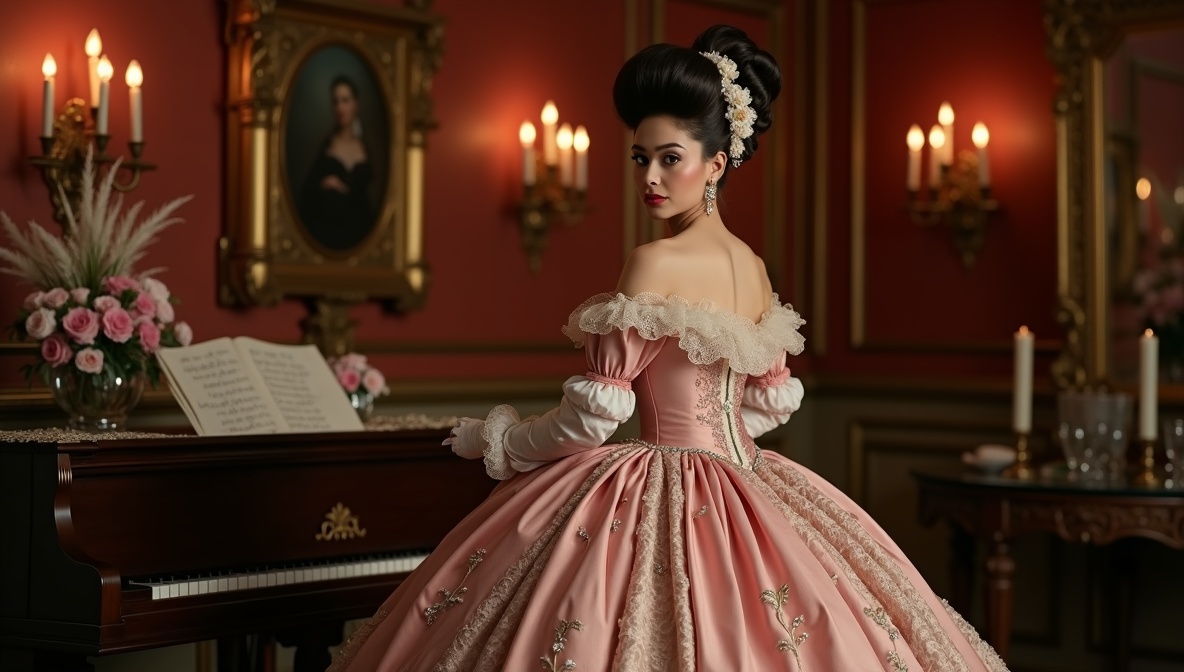
The late 18th and 19th centuries introduced Gothic Revival, a movement that deliberately looked back to the Middle Ages. In Britain, architect Augustus Pugin and landmarks like the Palace of Westminster helped popularize pointed arches and tracery once again. Fashion followed: the 19th century saw a proliferation of dark, intricate garments, especially in mourning wear. The Victoria and Albert Museum’s holdings of Victorian mourning dress show black crepe, jet beadwork, and strict silhouettes—details that modern gothic brides often reinterpret in more fluid, romantic ways, substituting severe lines with softer corsetry and draping.
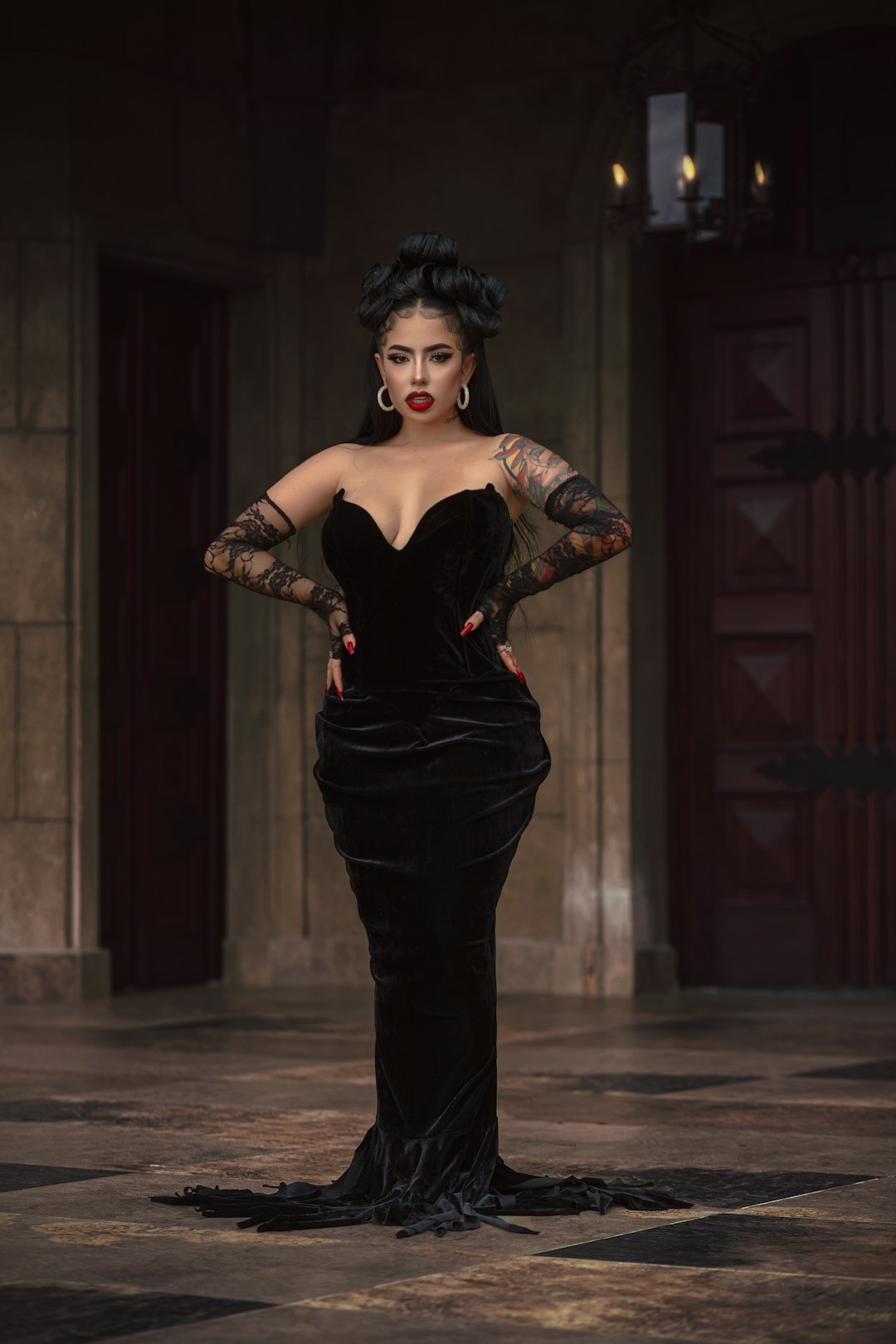
Victorian and Edwardian funerary customs in places like London, Paris, and New York also contributed motifs such as black veils, lockets containing hair, and elaborate jewelry made of jet or onyx. The Louvre Museum’s collections of 19th‑century decorative arts reveal how black glass and onyx were prized for their somber beauty. Today’s gothic weddings may echo these references through black veils, heirloom jewelry, and antique‑inspired accessories, but typically reframe them as symbols of eternal love and loyalty rather than grief.
Key Characteristics of Gothic Wedding Attire
Gothic wedding fashion balances drama and elegance through a combination of silhouette, fabric, and color. Silhouettes are often structured at the torso and expansive at the hem: corseted or tailored bodices paired with full skirts, fishtail hems, or capes and train extensions. These shapes echo both medieval gowns and Victorian evening dress, emphasizing the body while allowing for grand, architectural movement. The Smithsonian notes that historical formal dress frequently used volume and train length to signal status and occasion; gothic weddings revive this vocabulary to convey a sense of grandeur.
Fabric choice is crucial. Velvet, taffeta, heavy satin, brocade, and fine lace appear repeatedly in museum collections as markers of luxury. The Metropolitan Museum of Art points out that “sumptuous textiles were statements of wealth and taste” from the Renaissance courts of Italy to the salons of 19th‑century Paris. In a gothic context, these same fabrics become tools for atmosphere: velvet absorbs light for a moody effect, while lace can be layered to create depth and shadow. Even lighter materials like chiffon or organza can be rendered gothic through color and detailing.
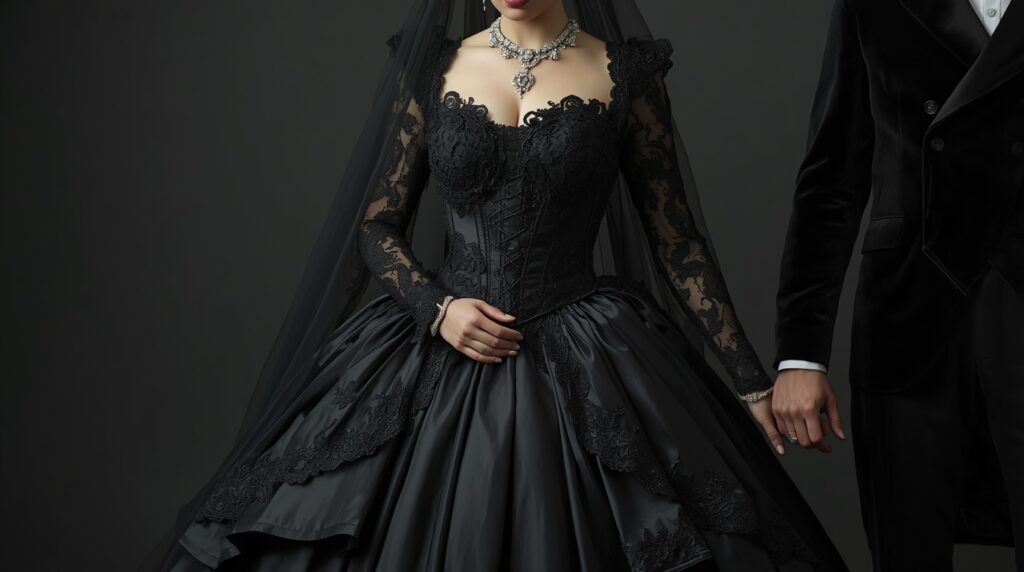
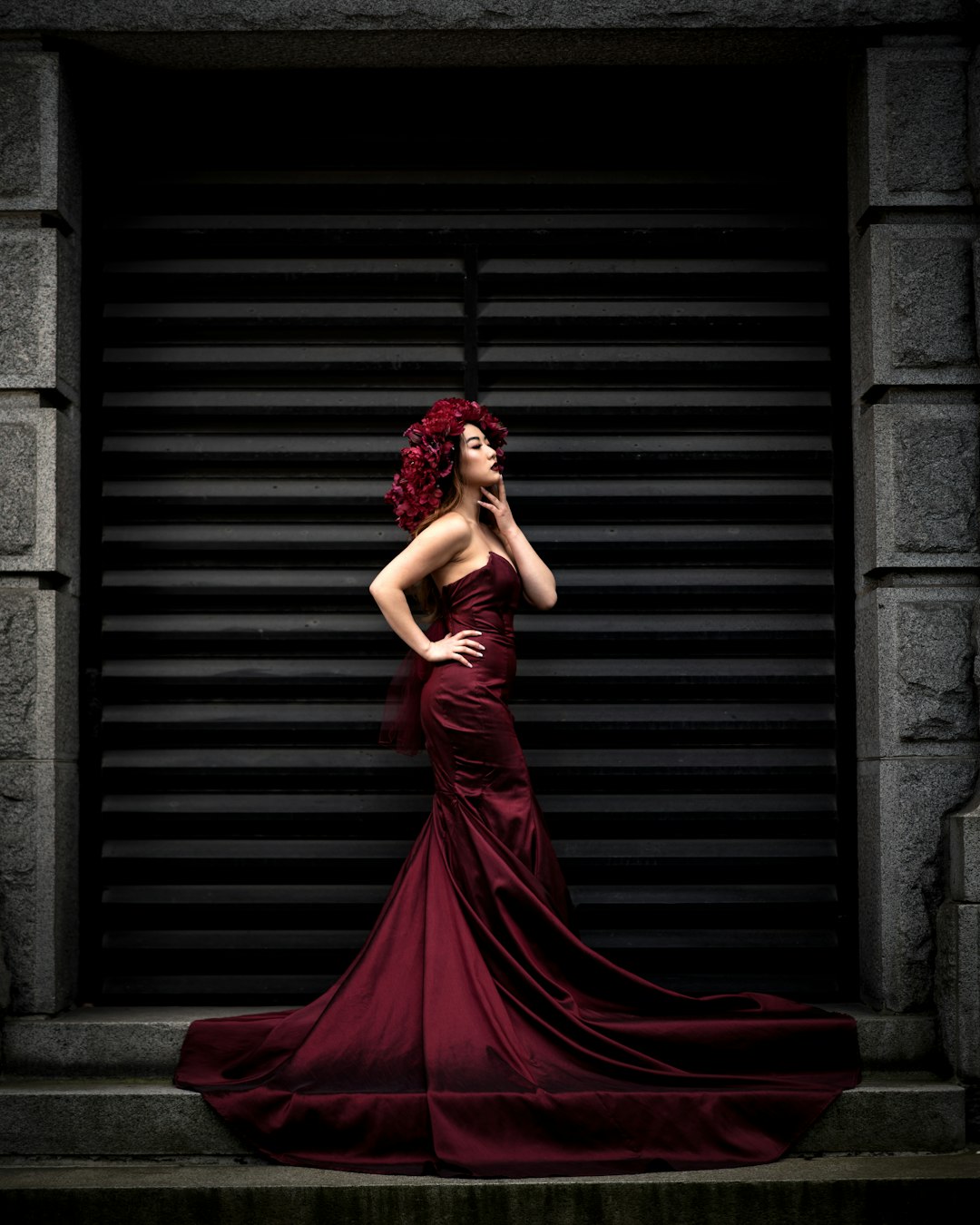
Color is the most immediately recognizable feature. While black is iconic, deep jewel tones—burgundy, oxblood, emerald, sapphire, amethyst—are just as historically grounded. Before the 19th century, brides in Europe and North America often married in their best colored dress, not white. The Victoria and Albert Museum notes that white only became dominant after Queen Victoria’s 1840 wedding, and even then, it was initially an elite fashion. A contemporary gothic bride might choose black entirely, mix black with white for contrast, or opt for a dark red or purple gown with black lace overlay, honoring both pre‑Victorian practices and gothic aesthetics.
Table: Core Elements of Gothic Wedding Attire
| Element | Typical Gothic Choices | Historical / Cultural Reference |
|---|---|---|
| Color Palette | Black, deep burgundy, plum, emerald, midnight blue | Medieval and Renaissance luxury fabrics; Victorian mourning dress |
| Silhouette | Corseted bodice, full skirt, fishtail hem, capes/trains | Medieval gowns; Victorian and Edwardian evening wear |
| Fabrics | Velvet, brocade, heavy satin, lace, taffeta | Court dress in Renaissance Italy and France; 19th‑century formal dress |
| Details | Lace appliqué, beading, embroidery, metal clasps | Gothic Revival ornamentation; ecclesiastical vestments |
| Accessories | Veils, chokers, crosses, cameos, jet/onyx jewelry | Victorian mourning jewelry; religious iconography |
| Footwear | Lace‑up boots, heeled ankle boots, embellished pumps | 19th‑century boots; punk/goth subculture adaptation |
| Groom/Partner | Tailcoats, frock coats, brocade vests, cravats, canes | 19th‑century menswear; Gothic Revival dandyism |
The Gothic Bride: Dress, Veil, and Accessories
The gothic bridal gown is usually the centerpiece of the entire aesthetic. Many brides opt for a black or near‑black dress, but others choose a dramatic colored gown with gothic detailing. Silhouettes can range from ballgown to mermaid, but what unites them is structure in the bodice and drama in the hem or sleeves. Corsetry—whether built‑in or external—can reference both historical stays and the modern fetish‑influenced goth scene, so it is worth deciding how overt you want that connection to be. The Metropolitan Museum’s Costume Institute shows examples of 19th‑century corseted evening gowns that feel surprisingly contemporary when imagined in black or burgundy.
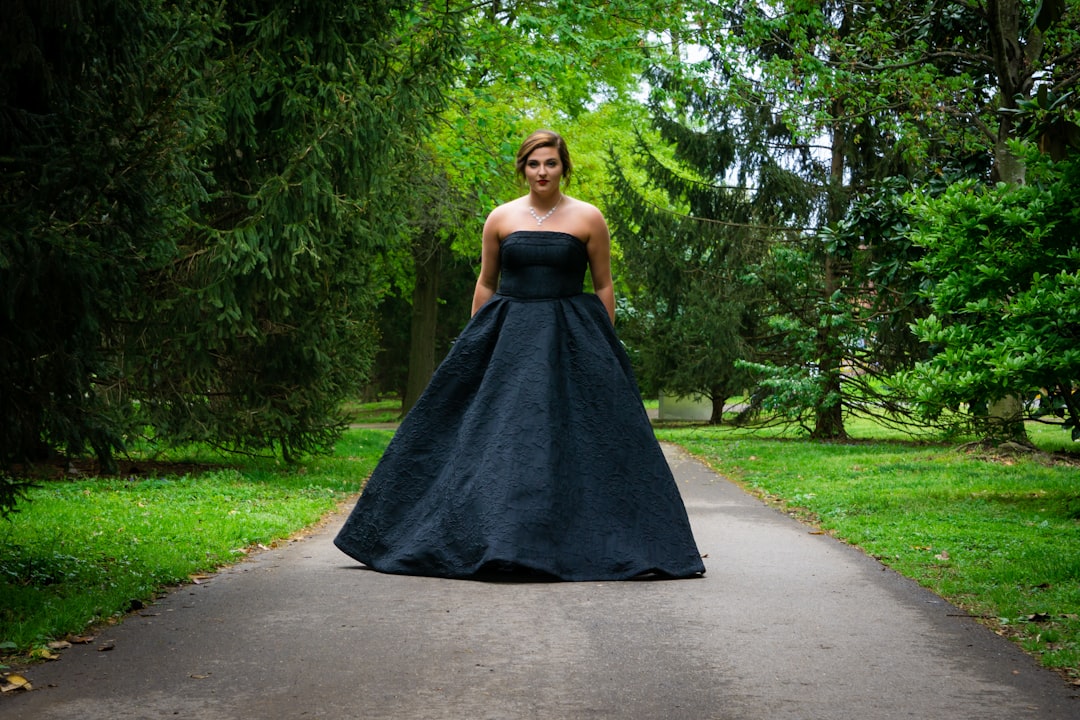
Veils in gothic weddings tend to be longer and more theatrical. Cathedral‑length black veils, mantilla‑style lace edged pieces, or even hooded capes with attached veils all work beautifully. Black veiling echoes Victorian mourning traditions, but in a wedding context, it often signals a kind of solemn devotion. The Victoria and Albert Museum notes that veiling historically carried multiple meanings—modesty, mystery, status—so modern brides can choose which message they want to emphasize through length, opacity, and trim.
Accessories complete the gothic bridal look. Chokers, crosses, rosary‑style necklaces, and antique‑inspired rings or bracelets are common. In some cases, brides incorporate genuine vintage or heirloom pieces sourced from antique shops or estate sales in cities like Paris, London, or New York, adding authenticity and personal history. Authentic Victorian jet jewelry—often on display in institutions such as the V&A—is fragile and rare, but modern reproductions in onyx, glass, or resin can recreate the look without the conservation concerns, allowing the bride to wear something that feels historically grounded yet practical.
The Gothic Groom and Partners: Beyond the Standard Tuxedo
Gothic wedding attire is not just for brides. Grooms and other partners have a wide range of options that move beyond the usual black tuxedo into territory that feels tailored, romantic, and intricately detailed. A common route is the Victorian‑inspired suit: think frock coat or tailcoat, brocade waistcoat, high‑collared shirt, and cravat or jabot. This style draws directly on 19th‑century menswear seen in the collections of institutions like the Smithsonian and the Metropolitan Museum of Art, updated through slimmer cuts and contemporary tailoring.
Color and texture make a significant impact. A groom might wear a black velvet jacket with satin lapels, a deep red brocade waistcoat, or even a midnight‑blue suit with black piping. Embroidered cuffs, ornate buttons, and contrasting linings add subtle gothic flair without rendering the outfit costume‑like. As with the bridal attire, cohesion in fabric and color helps the couple look like part of the same visual story. Matching or complementary elements—such as shared lace motifs, similar jewelry metals, or coordinated boutonnieres—bind the outfits together.
Footwear and accessories complete the ensemble. Lace‑up boots, polished ankle boots, or Victorian‑inspired dress shoes pair well with gothic tailoring. Canes, pocket watches, signet rings, and cufflinks featuring skulls, ravens, or religious iconography are common choices. The Louvre’s decorative arts collections illustrate how such small metal objects historically conveyed identity and status; in a gothic wedding, they serve a similar function, offering subtle clues about the couple’s tastes and symbolic language.
Fabrics, Colors, and Symbolism: Designing a Cohesive Look
Selecting fabrics and colors for a gothic wedding is not just an aesthetic decision; it also creates a symbolic language that runs through the event. Black, often associated with death in modern Western cultures, also has a long history as a color of formality, dignity, and elegance. In 16th‑century Spain and the courts of the Habsburgs, documented by both the Louvre and the Met, black was prized as a costly, prestigious dye. When chosen deliberately for a wedding, black can signal seriousness of commitment, timelessness, and resistance to the purely commercial aspects of contemporary bridal culture.
Deep reds—burgundy, oxblood, garnet—symbolize passion, vitality, and blood as a metaphor for life and lineage. Historically, red appeared in wedding attire in many cultures, from Renaissance Italy to traditional Chinese ceremonies. Dark greens and blues can suggest nature, loyalty, and depth, linking the wedding to forests, night skies, and oceans—themes that suit a romantic, gothic narrative. Metallic accents in gold, silver, or antiqued brass evoke church reliquaries, medieval chalices, and Victorian jewelry, echoing objects studied and preserved in museums worldwide.
Texture is equally important. Combining matte and glossy surfaces—velvet against satin, lace over opaque fabric—creates visual depth in candlelight or low‑lit venues like converted churches, historic mansions, or stone barns. The Smithsonian’s textile collections highlight how historical garments used contrasting weaves and fibers to catch and manipulate light; a gothic wedding can use similar strategies. When planning, gather fabric swatches and view them under the actual lighting conditions of the venue to ensure that the mood feels intentional rather than simply dark.
Frequently Asked Questions About Gothic Wedding Attire
Is it appropriate to wear black for a wedding dress?
Yes. Historically, brides did not always wear white, and in many cultures, they still don’t. As the Victoria and Albert Museum notes, “white became popular only after Queen Victoria’s wedding in 1840 and was initially a mark of wealth rather than purity.” In a gothic wedding, black can be a deliberate, meaningful choice that aligns with the couple’s aesthetic and values.
How do I make sure my gothic wedding attire doesn’t look like a costume?
Focus on quality fabrics, good tailoring, and subtle historical references rather than literal replicas. Use gothic elements—like corsetry, lace, and dark colors—in modern cuts. The Metropolitan Museum of Art’s fashion collections show how designers like Alexander McQueen and John Galliano incorporated historical and gothic motifs into high fashion without lapsing into fancy dress.
Can a gothic wedding still include traditional elements like veils and bouquets?
Absolutely. Many couples choose classic bridal symbols but reinterpret them. A black lace veil, a bouquet of deep red and purple flowers with trailing greenery, or a traditional ring exchange in a candlelit historic venue can feel both familiar and hauntingly beautiful. Tradition and subculture are not mutually exclusive; they can coexist in a thoughtful design.
What should guests wear to a gothic wedding?
Unless otherwise specified, guests can wear darker formal or semi‑formal attire. Jewel tones, black suits or dresses, and subtle lace or velvet are appropriate. Host couples might include a brief dress code explanation on their invitations or website to help guests avoid arriving in casual or overly bright clothing that clashes with the atmosphere.
Are there cultural or religious concerns with using crosses or religious imagery?
Yes, and they deserve serious consideration. If you’re using Christian iconography like crosses, rosaries, or saint medals primarily as fashion, be aware these symbols hold deep spiritual meaning for many. When in doubt, discuss with family or religious leaders, or opt for non‑religious gothic motifs like ravens, moons, or floral patterns reminiscent of medieval manuscripts displayed in institutions like the Louvre or the British Library.
Conclusion
Gothic wedding attire invites couples to step outside conventional bridal norms and create something richly atmospheric, historically informed, and deeply personal. Rooted in medieval cathedrals, Victorian salons, and late‑20th‑century subculture, it blends romance with darkness and spectacle with sincerity. By drawing thoughtfully on credible historical sources—such as the Metropolitan Museum of Art, the Victoria and Albert Museum, the Louvre, and the Smithsonian Institution—and prioritizing quality fabrics, strong silhouettes, and cohesive symbolism, you can design a wedding look that feels less like a costume and more like a timeless, living work of art.
AI Notice: Some visual content in this article may have been created or enhanced using artificial intelligence (AI) for artistic, editorial or illustrative purposes. Learn more about our approach in our AI & Editorial Principles.


My co-worker Bryton has one of these. He says it looks ragged.