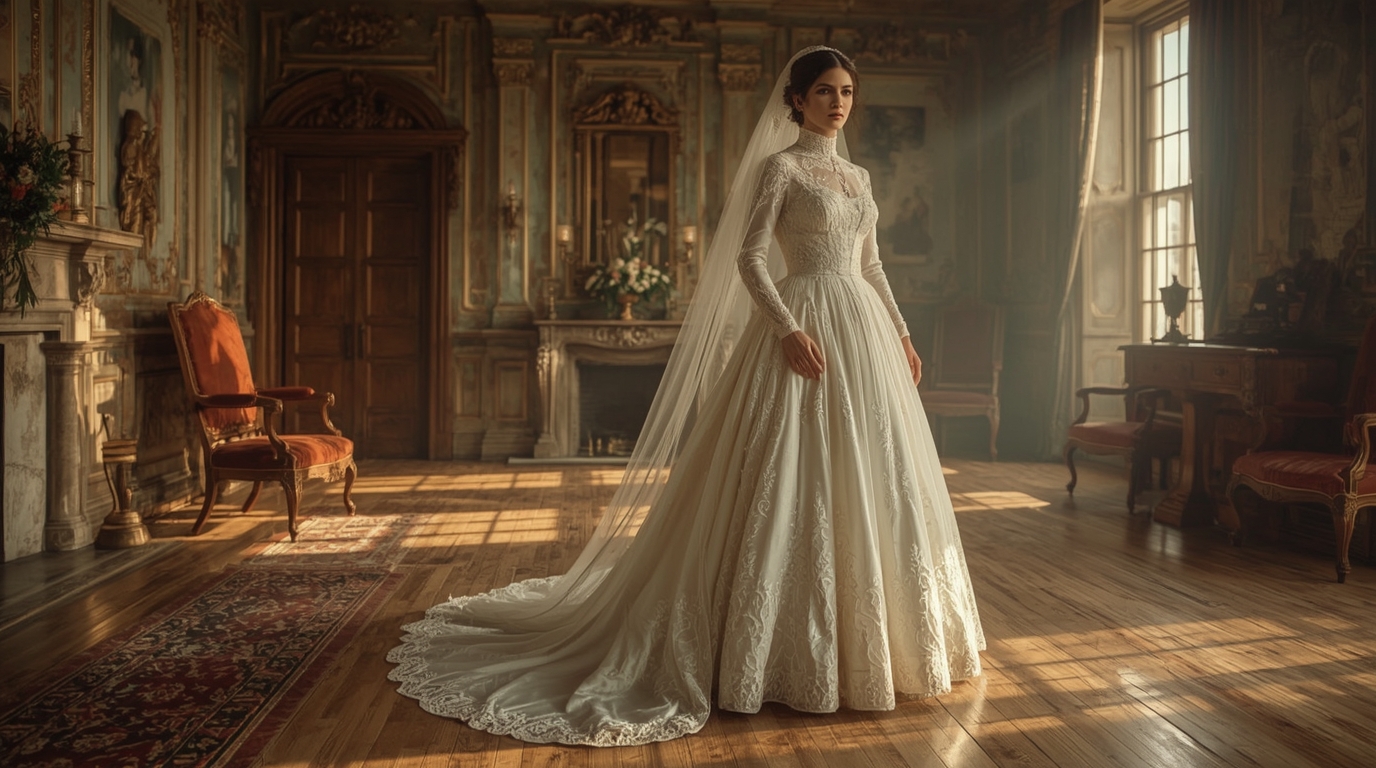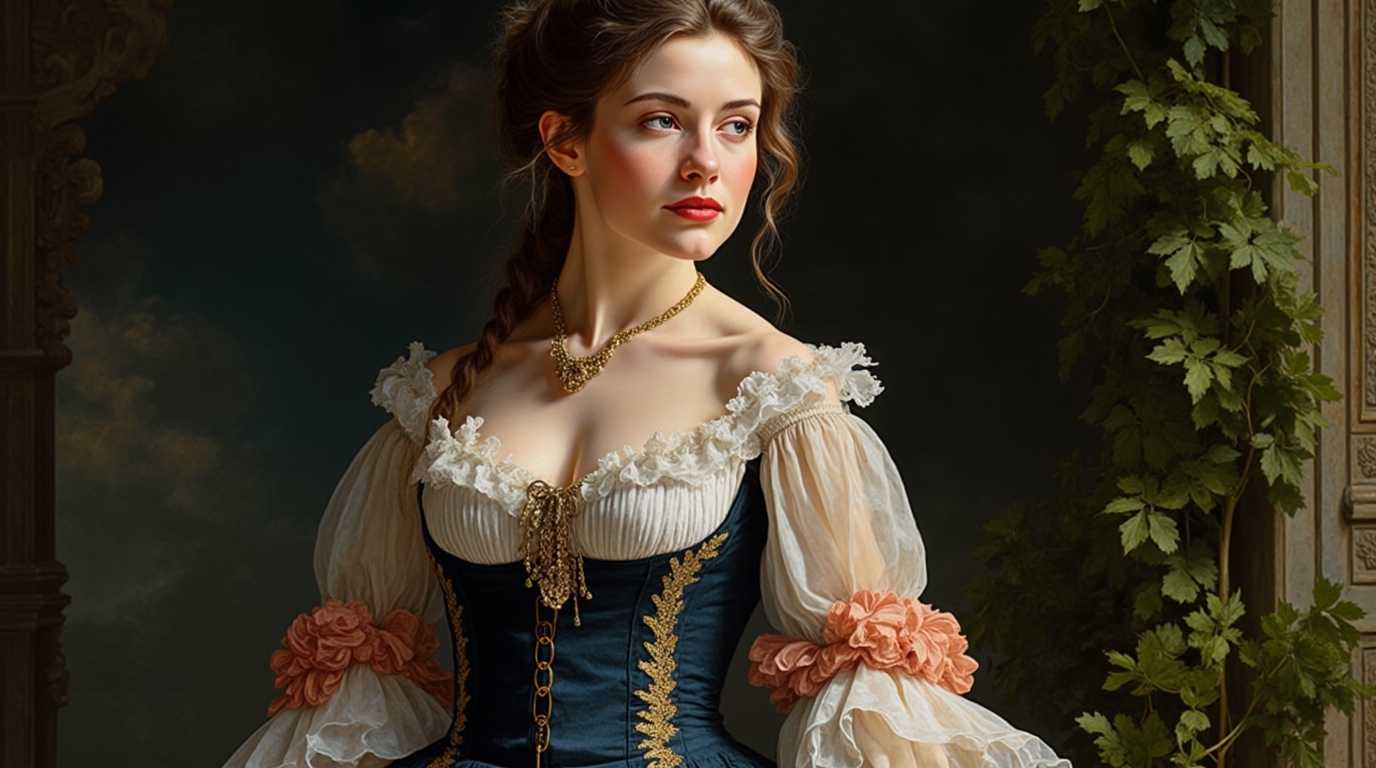

Gothic Wedding Dresses Are the Darkly Romantic Trend Brides Crave
Gothic wedding dresses are no longer a niche curiosity or a Halloween cliché—they’ve become a powerful statement of individuality, history, and romance. Brides who choose a gothic gown are not simply “going dark”; they’re drawing on centuries of European art, medieval architecture, Victorian mourning rituals, and subcultural style to craft a wedding look rich with symbolism. From inky black velvets to blood‑red satin, from cathedral‑length lace veils to corseted bodices inspired by 19th‑century fashion plates, gothic wedding dresses offer a striking alternative to the standard ivory ball gown—and they do so with deep historical roots and artistic credibility.
What Makes a Wedding Dress Truly “Gothic”?
Gothic style in wedding fashion is more than just wearing black. At its core, it’s about mood: dramatic, romantic, and slightly otherworldly. A gothic wedding dress often emphasizes strong contrasts—light and shadow, delicacy and structure, beauty and melancholy. This mood is translated into clothing through deep color palettes, elaborate silhouettes, and ornate details that echo the arches of Gothic cathedrals or the intricate ironwork of Victorian cemeteries.
Can You Name the Masterpiece?
Ten masterpieces. Ten questions. How well do you know the history of art?
Historically, the term “Gothic” described a medieval architectural style prominent from the 12th to the 16th century in places like Notre‑Dame de Paris and Chartres Cathedral in France. According to The Metropolitan Museum of Art, Gothic architecture is characterized by “pointed arches, rib vaults, and flying buttresses,” which allowed structures to reach new heights and be filled with stained glass and light. Fashion designers frequently translate these forms into dressmaking—think pointed bodice seams, structured shoulders, and lace patterns reminiscent of window tracery.
Modern gothic wedding dresses bring together elements from multiple eras: the sweeping skirts of the late Middle Ages, the corsetry of the Victorian period, and the dark romanticism of 19th‑century Gothic literature by authors like Mary Shelley and Edgar Allan Poe. The result is a style that feels simultaneously historical and modern; it’s rooted in specific periods but not confined to reenactment or costume. Instead, it is a curated aesthetic that uses the past to tell a very personal story in the present.

Historical Roots: From Medieval Courts to Victorian Mourning
The earliest visual echoes of what we now call “gothic” bridal wear can be found in medieval court dress. In illuminated manuscripts and sculptures from the 14th and 15th centuries—many of which can be explored through the collections of the Louvre Museum and The Metropolitan Museum of Art—noble women are depicted in long, flowing gowns with fitted bodices and trailing sleeves. These silhouettes, especially when rendered in deep jewel tones, are a direct inspiration for many modern gothic gowns.
Can You Guess the Artist?
Three clues. One artist. How quickly can you identify the painter?
Victorian fashion layered on new meanings. The 19th century saw the codification of mourning attire, particularly in Britain, where Queen Victoria’s lifelong mourning for Prince Albert deeply influenced societal norms. The Victoria and Albert Museum notes that “mourning dress was governed by strict etiquette,” with black crepe and jet jewelry signaling grief and respect. While a wedding is the opposite of a funeral, the visual language of Victorian mourning—black lace, high collars, veils—has been reinterpreted in gothic bridal fashion as a symbol of enduring love, the passage of time, and the beauty found in sorrow.
Gothic subculture of the late 20th century, emerging from the post‑punk music scene in places like London, Berlin, and New York, added yet another layer. Black clothing, dramatic makeup, and references to historical styles became a form of cultural resistance and self‑expression. The Smithsonian Institution, in its documentation of subcultures, notes how dress codes can function as “visual shorthand for shared values and identity.” Gothic wedding dresses draw from this subcultural heritage, signaling not just a taste for darkness but also an alignment with alternative music, literature, and art.
Key Characteristics of Gothic Wedding Dresses
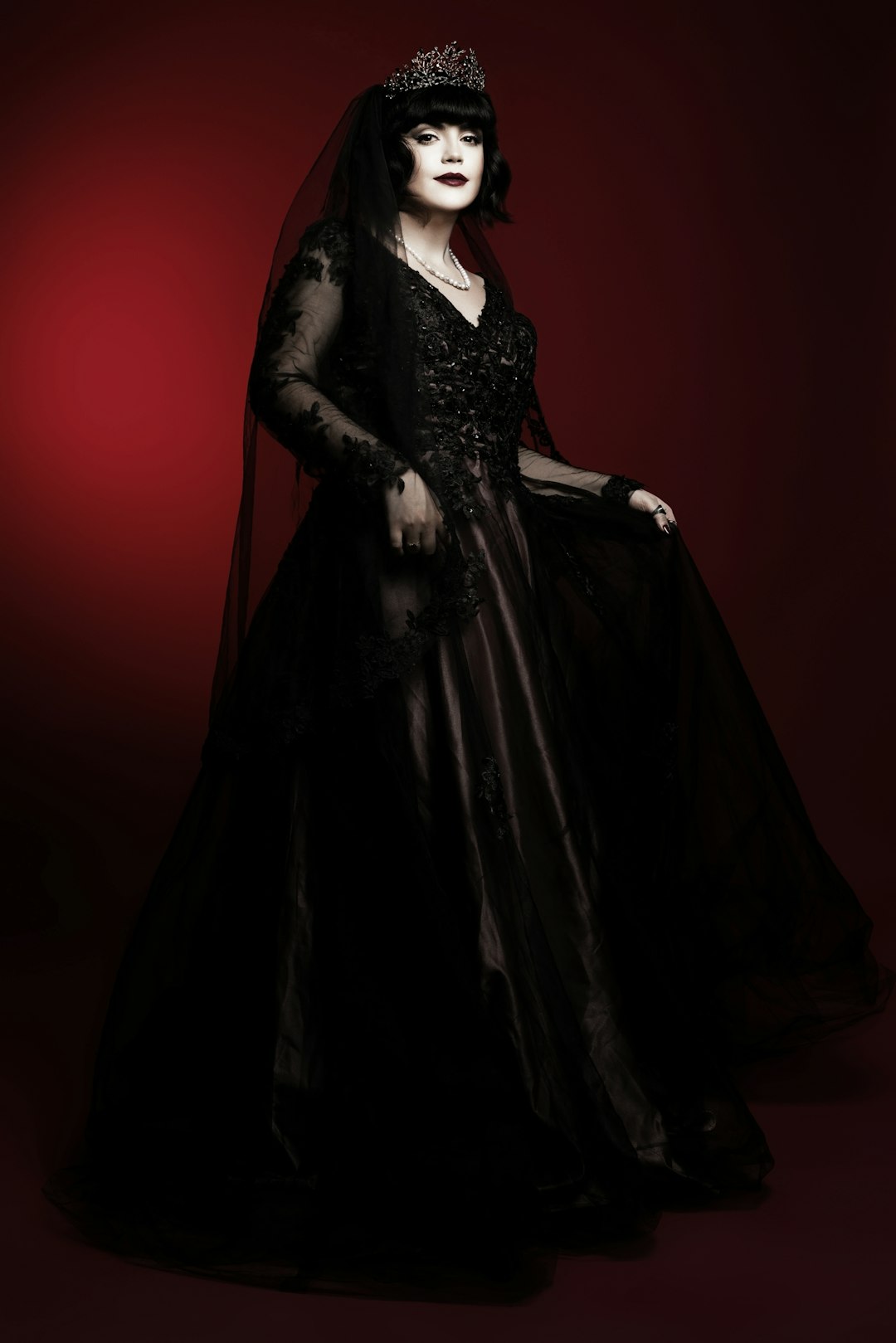
Gothic wedding gowns tend to share several core design features: rich, often darker colors; ornate surface decoration; and silhouettes that emphasize drama and structure. Black is the most iconic shade, but designers also use deep wine, burgundy, midnight blue, forest green, and metallic accents like pewter or antique gold. These colors recall the dim interiors of Gothic cathedrals and the saturated tones of Pre‑Raphaelite paintings housed in institutions like the Tate Britain.
Fabric choice is critical. Velvet, brocade, heavy satin, and layered tulle create weight and depth, while lace and chiffon add a spectral lightness. The contrast between sturdy fabrics and diaphanous overlays mirrors the interplay of stone and stained glass in Gothic architecture. The Victoria and Albert Museum’s collections of 19th‑century evening dress show how designers historically paired rich base fabrics with delicate lace to express both status and romance; gothic bridal designers continue this tradition with an added emphasis on shadow and silhouette.
Details complete the picture: corset lacing, dramatic trains, bell or poet sleeves, high necklines, and elaborate embellishments like beading, embroidery, and appliqué motifs of roses, ravens, bats, or crosses. Jewelry and accessories—chokers, cameos, jet beads, and cathedral‑length veils edged in black lace—help to frame the face and reinforce the theme. When executed well, these elements don’t feel theatrical; they feel cohesive, like a visual narrative spanning centuries of art and design.

Table: Key Characteristics of Gothic Wedding Dresses
| Element | Typical Gothic Features | Historical / Institutional Reference |
|---|---|---|
| Color Palette | Black, deep red, burgundy, midnight blue, dark green | Victorian mourning dress (Victoria and Albert Museum) |
| Silhouette | Corseted bodices, full or mermaid skirts, long trains | Medieval and 19th‑c. fashion (The Metropolitan Museum of Art) |
| Fabrics | Velvet, brocade, heavy satin, layered tulle, lace | 19th‑c. evening wear (Victoria and Albert Museum collections) |
| Sleeves & Necklines | Bell sleeves, poet sleeves, high necks, off‑shoulder | Medieval court dress, Romantic era fashion |
| Embellishment | Black lace, embroidery, beading, symbolic motifs | Ecclesiastical textiles, cathedral ornament (Louvre, Met) |
| Accessories | Veils with black lace, chokers, jet jewelry, gloves | Victorian jewelry & mourning customs (Victoria and Albert Museum) |
| Mood / Aesthetic | Darkly romantic, dramatic, historical, architectural | Gothic architecture & art (Met, Louvre, Smithsonian resources) |
Color and Symbolism: Beyond the Black Dress
While black is the visual shorthand for gothic style, its use in bridal wear is nuanced and symbolic. Historically, white wasn’t the universal norm for Western weddings until the 19th century, after Queen Victoria’s 1840 wedding dress popularized white as a symbol of purity and status. Before that, brides across Europe often wore their best dress, regardless of color. The Metropolitan Museum of Art notes that “wedding dresses were often simply the bride’s finest gown, in any color, to be worn again.” Choosing black today can be seen as both a rejection of restrictive modern bridal conventions and a return to earlier, more pragmatic traditions.
Black, in a gothic context, is not only associated with death or mourning; it is also linked with mystery, protection, and elegance. In color symbolism, black absorbs light, which some brides interpret as absorbing and holding the intensity of their vows. Deep red gowns or accents reference passion, life, and blood ties—fitting for a day focused on binding two lives together. Dark green or blue can invoke nature, night skies, or the sea, connecting the ceremony to broader cycles of time and the natural world.
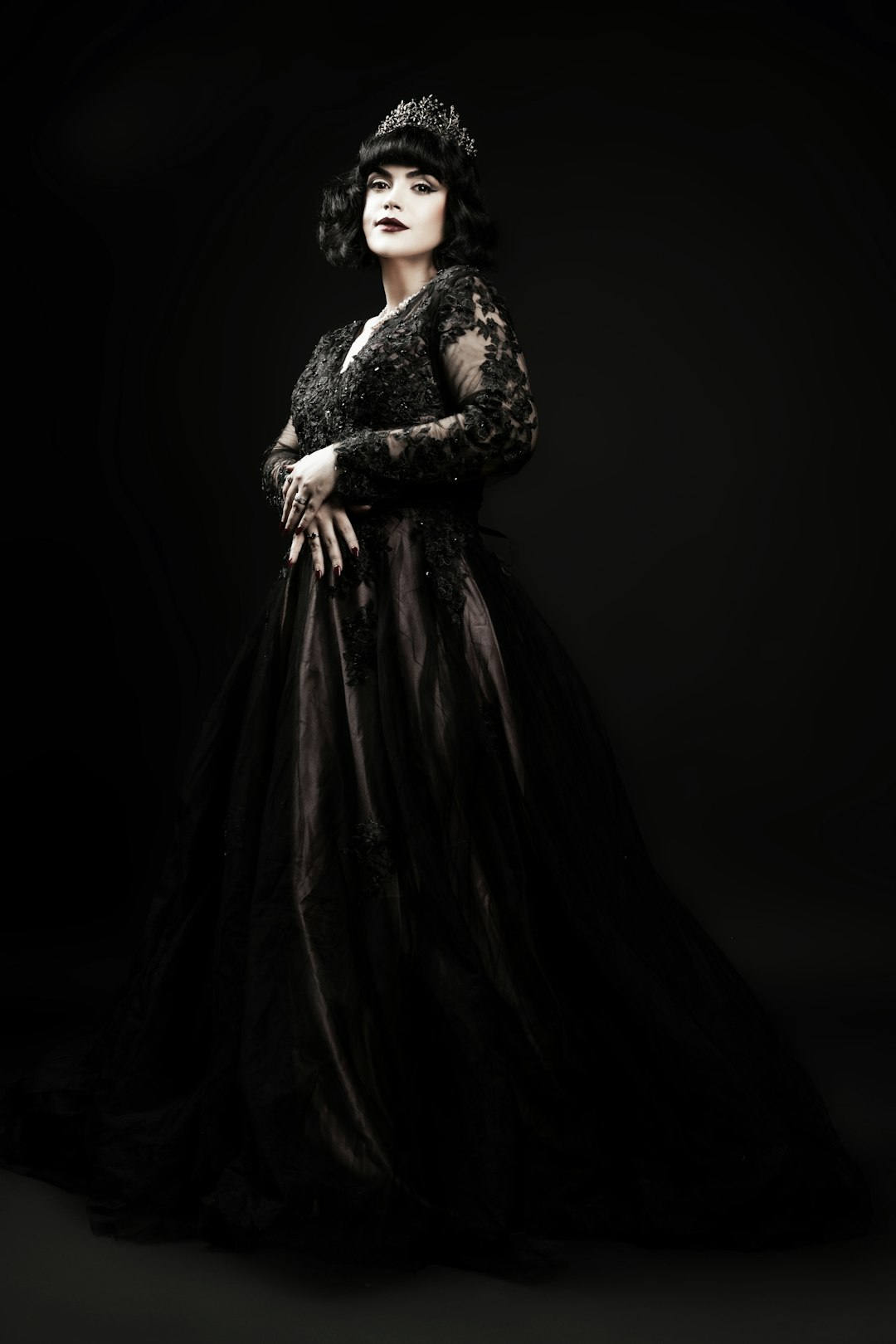
Designers often play with duality: an ivory dress with black lace appliqué, a red gown under a sheer black overlay, or a black dress with metallic silver embroidery. This interplay of colors reflects one of the core themes of Gothic art, described by The Louvre Museum in its explorations of medieval religious imagery: the coexistence of earthly life and spiritual mystery. On a wedding day, that becomes the coexistence of joy and solemnity, celebration and lifelong commitment.
Silhouettes and Structure: Architecture in Fabric
The architecture of the Gothic era directly influences the shapes of many gothic wedding dresses. The dramatic vertical lines of a cathedral nave translate into gowns with elongated bodices, high waistlines that visually lengthen the body, and skirts that cascade to the floor like stone columns. Designers frequently emphasize the waist with corsetry, echoing both Victorian undergarments and the structural ribs of a vaulted ceiling.
Corseted gowns, when made by skilled professionals, can be supportive rather than restrictive. The Smithsonian Institution has highlighted in its fashion exhibitions how historical corsets evolved from rigid, health‑compromising garments into more flexible structures by the late 19th and early 20th centuries. Modern bridal corsetry typically uses spiral steel or synthetic boning, cushioned modesty panels, and carefully placed lacing to create an hourglass silhouette without excessive discomfort. This structure enhances posture and presence, amplifying the bride’s sense of ceremony.
Sleeves and trains contribute to the “architectural” feel. Exaggerated bell sleeves recall medieval surcotes, while long fitted sleeves with pointed cuffs nod to both medieval and early Renaissance fashion. Cathedral‑length trains mirror the processional aisles of Gothic churches such as Reims Cathedral or Westminster Abbey. When the bride walks, the dress moves like a living extension of that architecture, turning her entrance into a carefully choreographed performance.
Fabrics and Details: Texture, Light, and Shadow
Texture is central to gothic bridal design. Velvet absorbs light, creating deep, almost shadow‑like areas that contrast with the reflective sheen of satin or metallic thread. Lace, especially when layered, animates the surface of a gown with shifting patterns. The Victoria and Albert Museum’s extensive lace collections demonstrate how lace historically functioned as both a display of wealth and a tool for creating visual complexity; gothic wedding designers leverage this property to suggest intricacy and depth.
Details such as appliquéd roses, embroidered crosses, or alchemical symbols can personalize a gown with private meanings. For example, a bride might incorporate motifs inspired by the rose windows of Chartres Cathedral or the quatrefoil patterns seen in Gothic cloisters. The Metropolitan Museum of Art’s digital archives offer countless historical references for such details, from religious vestments to medieval tapestries. Thoughtful designers avoid overwhelming the dress; instead, they place these details strategically at the neckline, cuffs, or hem to draw the eye and tell a visual story.
Accessories complete the atmospheric effect. Black or blood‑red veils, often edged with Chantilly or Venetian lace, frame the face in shadow and light. Jet jewelry, which the Victoria and Albert Museum associates strongly with Victorian mourning culture, has been reimagined as bridal adornment: jet chokers, drop earrings, and combs can complement both high‑necked and off‑shoulder gowns. Gloves in tulle, satin, or lace add a final note of vintage formality, tying the ensemble firmly into the world of historical romance.
Designing or Choosing Your Gothic Wedding Dress
For brides seeking a gothic gown, one of the first decisions is whether to buy off‑the‑rack, commission a custom piece from an independent designer, or work with a traditional bridal boutique that can adapt an existing pattern. Custom design allows for deep historical and personal references—perhaps drawing on a specific painting from the Louvre, a favorite Gothic novel, or the architecture of the wedding venue itself. Bringing visual references from museum collections can help the designer understand the exact mood and era you want to evoke.
Fit and comfort should be treated as non‑negotiable, even when the priority is dramatic effect. A gown that draws on medieval or Victorian aesthetics doesn’t need to reproduce their less comfortable elements. Multiple fittings, breathable linings, and thoughtful corsetry can ensure that the bride moves confidently and can fully participate in the ceremony and reception. As curators at the Smithsonian Institution have noted in fashion exhibitions, historical garments were often far more adaptable and practical than modern viewers assume; that lesson can inform how contemporary gothic gowns are constructed.
It is also wise to think about context: the formality of the venue, cultural expectations, and any religious guidelines. Some brides opt for a more traditional silhouette in a dark color as a compromise; others wear a black or red gown for the reception and a lighter dress for the ceremony. Collaborating with photographers who understand low‑light and dramatic contrast is essential, as gothic dresses photograph best when their play of light and shadow is respected. Sharing visual references—such as museum photographs of Gothic interiors—can guide the photographer’s approach.
Authoritative Quotes and Sources
The Metropolitan Museum of Art on Gothic architecture: “The Gothic style… was characterized by the use of the pointed arch, the ribbed vault, and the flying buttress, which together allowed the height of buildings to increase and walls to be thinner and filled with glass.” (Heilbrunn Timeline of Art History, The Met)
The Victoria and Albert Museum on Victorian mourning: “For many families, particularly the royal family, mourning became highly ritualised, with detailed etiquette governing appropriate dress.” (V&A, “Mourning Dress”)
The Smithsonian Institution on fashion and identity: “Clothing operates as a visual language that communicates identity, status, and allegiance long before any words are spoken.” (Smithsonian collections and exhibition texts on dress and culture)
These institutions—The Metropolitan Museum of Art in New York, the Victoria and Albert Museum in London, the Louvre Museum in Paris, and the Smithsonian Institution in Washington, D.C.—provide rich, rigorously researched context for understanding the historical references behind gothic bridal style.
Frequently Asked Questions about Gothic Wedding Dresses
1. Is it acceptable to wear a black wedding dress?
Yes. Historically, white was not always the standard for brides, and black is increasingly recognized as a legitimate, elegant choice. As long as it aligns with your personal values and any religious or cultural expectations, a black gown can be both appropriate and meaningful.
2. Are gothic wedding dresses only for themed or “alternative” weddings?
No. Many gothic gowns are subtle enough to suit formal or traditional venues—especially those with historic architecture. A dark, elegantly cut dress with refined lace and minimal motifs can read simply as sophisticated, not “costume.”
3. Can I combine gothic elements with a more classic bridal look?
Absolutely. Common hybrids include ivory gowns with black lace detailing, classic A‑line silhouettes in deep colors, or traditional dresses paired with gothic accessories like a black veil or jet jewelry. This approach lets you honor both conventional expectations and your personal aesthetic.
4. Are corseted gothic dresses uncomfortable?
Not necessarily. Well‑made modern corsetry uses flexible boning, breathable linings, and adjustable lacing. With proper fittings, a corseted gown can be supportive rather than restrictive. Communicate clearly with your designer about comfort and mobility requirements.
5. How can I ensure my gothic dress photographs well?
Work with a photographer experienced in handling dark fabrics and high contrast. Request test shots, pay attention to lighting (avoiding harsh midday sun), and consider locations with architectural or natural backdrops that complement the dress—such as historic buildings or wooded landscapes.
6. Where can I find historical inspiration for my gown?
Explore the online collections of The Metropolitan Museum of Art, the Victoria and Albert Museum, the Louvre Museum, and the Smithsonian Institution. Look at medieval sculpture, Gothic architecture, Victorian mourning dress, and 19th‑century evening wear for shapes, colors, and details to adapt.
Conclusion
Gothic wedding dresses stand at a crossroads of history, art, and personal expression. They draw on medieval cathedrals, Victorian rituals, subcultural style, and museum‑preserved garments to create a bridal look that is intensely romantic, intellectually grounded, and visually unforgettable. Whether you choose a full black velvet gown with cathedral train or a subtle ivory dress with gothic lace and jewelry, embracing this aesthetic means stepping into a living tradition—one that honors the past while declaring, in the strongest possible terms, who you are in the present.
AI Notice: Some visual content in this article may have been created or enhanced using artificial intelligence (AI) for artistic, editorial or illustrative purposes. Learn more about our approach in our AI & Editorial Principles.