
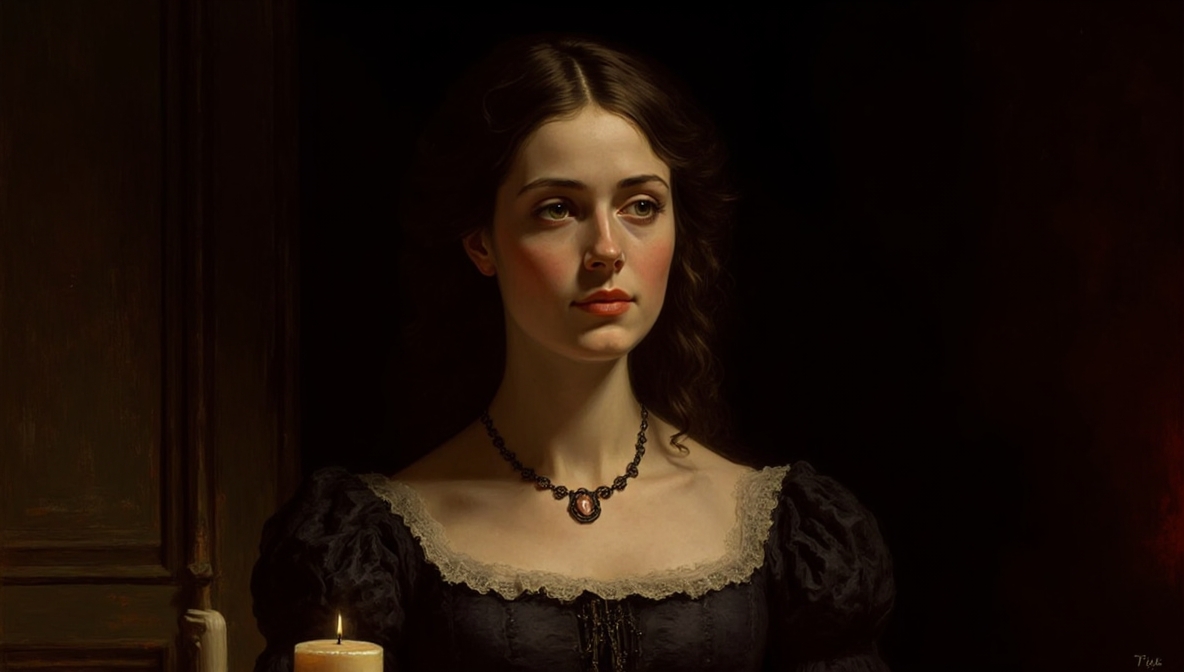
Mary Shelley: The Dark True Story Behind Frankenstein and Her Extraordinary Life
Everyone has heard of Frankenstein, a suspenseful novel about a deranged scientist and the creation he unleashed. Only a handful are aware that the author of this work, Mary Shelley, was a woman whose life was full of tragedy, amorality and endless imagination. Knowing her true story not only changes the perspective of the novel, it shows how suffering can be used to produce compelling genius, relevant even in modern times.
Even though Mary Shelley was only a teenager when she published Frankenstein; her story deals with themes of death, rejection and responsibility which are based on far more genuine situations. Throughout her life, the “monster” can be seen to extend to society, prejudice and even reckless ambition.
Can You Name the Masterpiece?
Ten masterpieces. Ten questions. How well do you know the history of art?
Knowing what Mary endured can help you see the novel not as a dusty school text, but as a guide to understanding fear, loss, and what it means to be human.
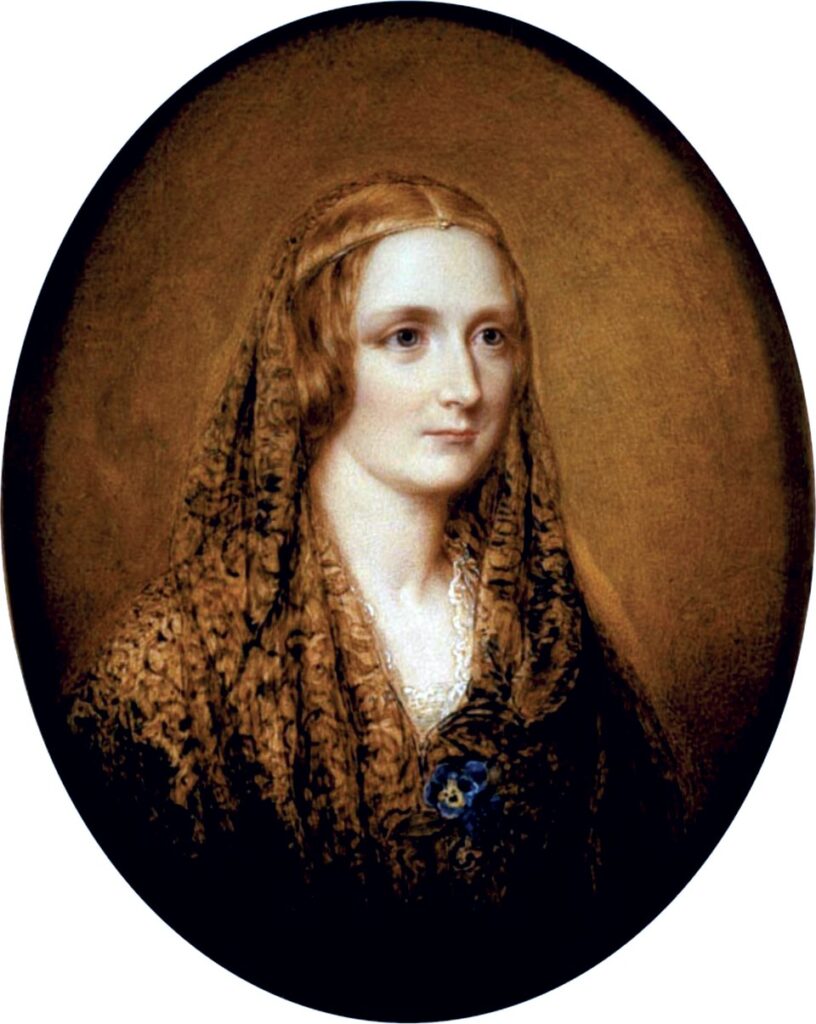
Mary Shelley’s Tragic Beginnings
Born in 1797 Mary Wollstonecraft Godwin was brought up in a family of radical intellect. Her mother (also called Mary Wollstonecraft) was a writer and one of the earliest feminists. Her father William Godwin was a political philosopher. But she was not to have an easy start in life, as her mother died from complications two days after Mary was born.
This death was not just a biography, but a foretaste of what would be with her throughout her life struggling with grief and guilt. Instead of rejection like in Frankenstein, her first experience was to have a mother she never knew disappear. Those who have experienced parental loss or unparenthood may identify with these early injuries to the self.
Can You Guess the Artist?
Three clues. One artist. How quickly can you identify the painter?
What this means for people:
- Early trauma can leave deep emotional marks that resurface in creative work, choices, and relationships.
- Reading Mary’s story can normalize grief and show that intense emotions can be transformed into meaningful work, not simply suppressed.
When to be concerned in your own life:
- If thoughts about early loss, guilt, or abandonment make daily life hard to manage
- If you find yourself overwhelmed by grief or stuck in the past
What to do:
- Consider speaking with a mental health professional (for evidence-based support, organizations like the World Health Organization emphasize the value of psychological care and community support in managing grief).
- Use creative outlets—journaling, drawing, music—to process emotions, much as Mary used storytelling.
Forbidden Love, Scandal, and Emotional Turmoil
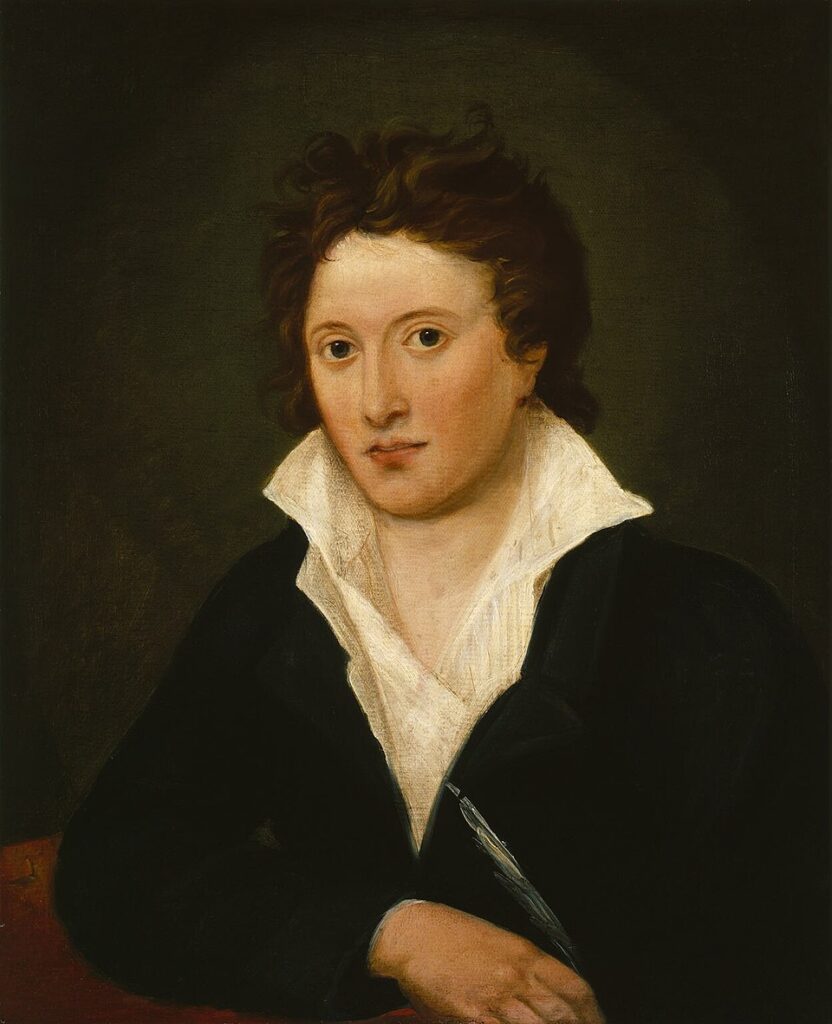
When she was 16, Mary fell in love with pacifist, atheist poet Percy Bysshe Shelley, then married to another woman. The couple eloped to Europe. The experience caused scandal, acrimony, and financial crisis. Mary was plunged into instability, bereavement and the disapproval of society:
Their relationship was passionate, but painful. Mary endured numerous pregnancies and the deaths of many of her children, Percy’s infidlities, financial problems and frequent travel. Although we like to think of the Shelley circle as a glamorous and romantic group of poets, for Mary it was desperate, tragic, and relentless. She had to be strong and carry huge burdens.
What this means for people:
- Romantic relationships that look dramatic or “romantic” from the outside can be emotionally damaging from the inside.
- Social rejection and family conflict can intensify feelings of isolation and worthlessness.
Practical advice:
- Be wary of relationships that demand you cut yourself off from all support.
- Try to maintain at least one trusted connection—friend, family, therapist—outside your relationship.
- Notice if “romantic sacrifice” is actually causing serious harm to your mental or physical health.
When to be concerned:
- If your relationship leaves you constantly anxious, isolated, or unsafe
- If your partner encourages you to abandon all other connections or makes help-seeking difficult
What to do:
- Contact a trusted person or professional helpline to talk honestly about your situation.
- Use resources from reputable organizations (for example, national mental health agencies and public health bodies often provide free, confidential advice and links to local services).
The Birth of Frankenstein During a Dark Summer
In 1816, Mary, Percy, Lord Byron, and others spent a cold, stormy summer in Switzerland. A volcanic eruption the previous year had darkened skies and disrupted weather across Europe—history remembers it as “the year without a summer.” Stuck indoors, Byron proposed they each write a ghost story.
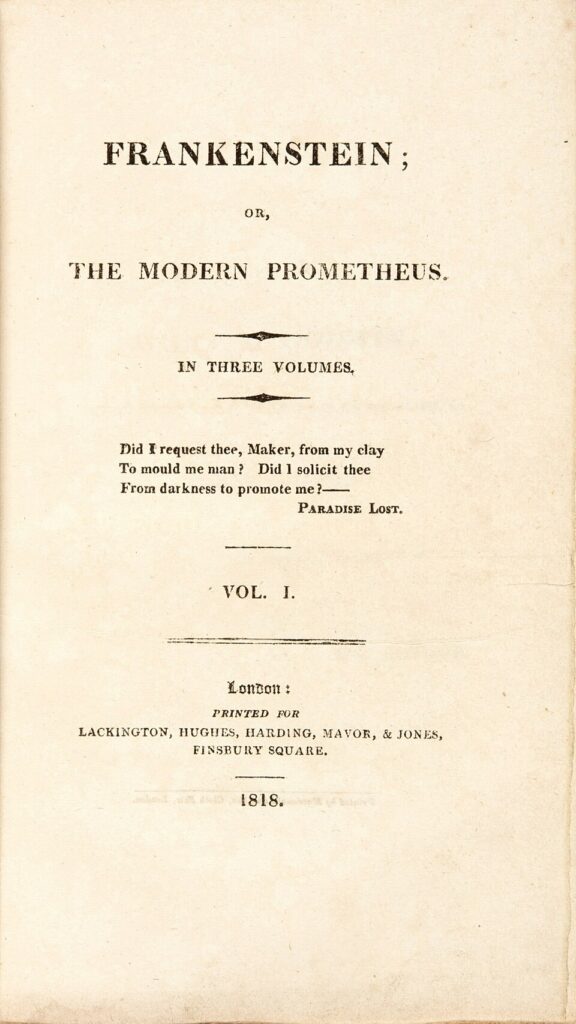
Mary, surrounded by talk of science, electricity, and the possibility of reanimating dead tissue, had a vivid “waking dream” of a scientist who gives life to a creature and recoils in horror at his own creation. From this came Frankenstein; or, The Modern Prometheus, which she began at 18 and completed in her early twenties.
On the surface, Frankenstein is a horror tale. Underneath, it is a record of Mary’s worst fears:
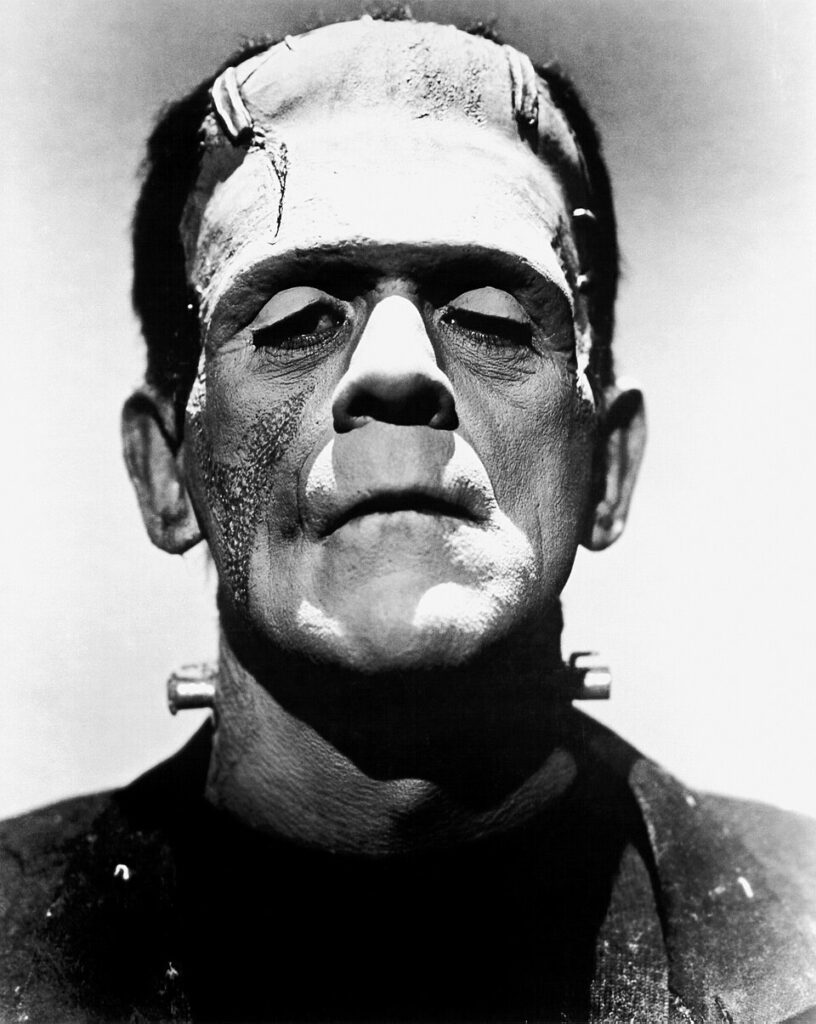
- The terror of childbirth and death (Mary had already lost a baby and would lose more children).
- The fear of being rejected and unloved, like the creature abandoned by its creator.
- The consequences of irresponsible power—Victor Frankenstein creates life but refuses responsibility for it.
What this means for people:
- Creativity can be a powerful way to make sense of fear.
- Horror stories often carry real anxieties about family, loss, and identity that readers share.
Practical value for readers and students:
- When reading Frankenstein, look for parallels with real-life issues:
- Scientific ethics (genetics, AI, medical experiments)
- Parenting and responsibility
- Social exclusion and prejudice
- Use Mary’s story to frame class essays, book club discussions, or personal reflection. You’re not just analyzing a novel—you’re exploring how humans cope with fear and loss.
When to be concerned:
- If creative work (writing, art, gaming, or online activity) becomes your only escape and makes you withdraw entirely from real-life responsibilities
- If your creativity is driven solely by distress and leaves you feeling worse afterward
What to do:
- Balance intense creative work with basic care: sleep, movement, social contact.
- If creative expression brings up overwhelming feelings, consider sharing it in a supportive setting (a writing group, therapist, or trusted friend).
Grief, Depression, and Resilience
Throughout her adult life, Mary was a woman beset by tragedy. Many of her children never reached adulthood. Her half-sister Fanny committed suicide. Percy Shelley was drowned at 29. Mary coped with illness and, as many contemporary readers will identify with, depression.
So overwhelmed by grief, she might have been, yet she persisted in writing and do the utmost to preserve the literary reputation of her husband, editing Percy as well as both writing her own novels and stories, supporting herself and their surviving son at a time when women had little rights of inheritance or custody.
Modern mental health guidelines, including those discussed by organizations like the World Health Organization and national health services, highlight that:
- Ongoing exposure to loss and trauma greatly increases the risk of depression and anxiety.
- Social support, meaningful activity, and a sense of purpose can help people endure intense hardship.
What this means for people:
- Feeling broken after repeated losses is a human response, not a personal failure.
- Continuing to create, work, or care for others while grieving is not about “moving on” but about finding ways to live with pain.
Practical advice for managing grief and mental strain:
- Keep small routines—reading, walking, journaling—to provide structure.
- Seek groups (online or local) for people who share similar losses; peer support has been shown to help many people.
- If sadness, numbness, or hopelessness last most days for weeks, or if you think about self-harm, it’s important to seek professional help.
When to be concerned:
- Persistent loss of interest in everything you once enjoyed
- Sleep and appetite changes, or physical symptoms with no clear medical cause
- Thoughts that life is not worth living
What to do:
- Speak with a healthcare professional. Evidence-based treatments such as therapy and, in some cases, medication can reduce symptoms.
- Use verified health resources (for example, public health agencies and reputable medical institutions) to find accurate information and support services.
Legacy: What Mary Shelley’s Life and Novel Teach Us Today
Mary Shelley died in 1851, but her creation, Frankenstein, has become one of the most recognized stories in the world. Films, TV shows, and books have turned her monster into an icon. Yet the popular image (bolts in the neck, lumbering horror) often hides the moral questions Mary raised: Who is responsible for what we create? What happens when society rejects those who are different? How do we live with grief and failure?
For modern readers, Mary’s life offers several practical lessons:
- Question unchecked innovation. From artificial intelligence to genetic engineering, Mary’s warning about making something powerful and then abandoning responsibility is more relevant than ever.
- Recognize the “monsters” we create. Prejudice, bullying, and social exclusion can turn vulnerable people into isolated, angry outsiders—much like the creature in the novel.
- Value women’s voices. Mary’s contribution was nearly hidden behind her husband’s fame; recognizing her work helps redress historical erasure of women’s achievements.
How to use this in your own life:
- When you encounter new technology or social trends, ask: Who is responsible if this causes harm?
- Look for people around you who may be isolated or rejected and consider small ways to include them.
- Give credit to those whose work or support is often overlooked, especially women, caregivers, and behind-the-scenes contributors.
When to be concerned:
- If you notice situations—at work, school, or online—where people are being treated as less than human or pushed aside
- If you feel you are becoming “the monster” in your own story, unfairly labeled or excluded
What to do:
- Speak up when you safely can; even small acts of advocacy or inclusion matter.
- Seek communities aligned with your values—reading groups, activist circles, or creative communities can help you feel seen.
The Human Heart Behind the Monster
Mary Shelley’s Frankenstein is not just a tale of horror; it is the product of a young woman shaped by loss, love, scandal, and persistence. Her “monster” carries her fears about death, abandonment, and the dangers of power without responsibility. Knowing her true story turns the novel into a mirror for our own anxieties about science, relationships, and belonging.
The practical takeaway is simple: behind every story—especially the famous ones—stands a complex human life. Mary Shelley shows how pain can be transformed into art that challenges society and gives others language for their own struggles. When you next hear the name Frankenstein, remember the woman who created him, and consider what powerful creations your own experiences, even the darkest ones, might help you bring into the world.
AI Notice: Some visual content in this article may have been created or enhanced using artificial intelligence (AI) for artistic, editorial or illustrative purposes. Learn more about our approach in our AI & Editorial Principles.