
Victorian Traveling Dresses: The Surprising Secrets Behind Elegant Journeys
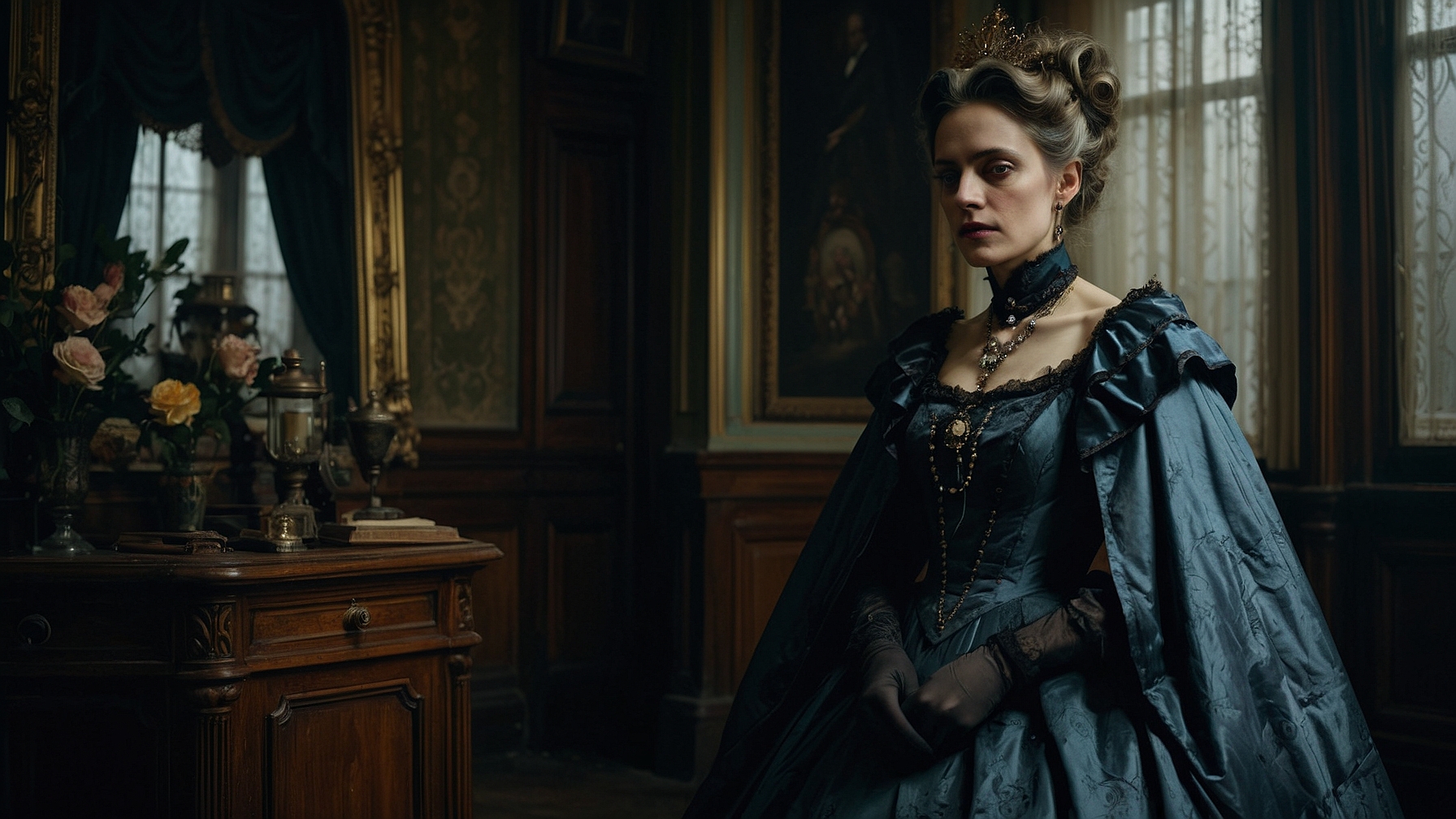
When the first steam trains thundered out of London’s stations in the 1830s and transatlantic steamships began shrinking oceans, clothing had to adapt to a new reality: people were moving faster and farther than ever before. For Victorian women, the “traveling dress” became a practical yet status‑laden uniform for a mobile age. Designed to withstand soot, dust, cramped compartments, and watchful public eyes, these garments were more than outfits—they were tools for negotiating technology, class, gender expectations, and comfort in motion.
The Birth of the Traveling Dress: Railways, Steamships, and Social Change
The traveling dress was developing in the mid19th century, at the height of the railway building boom and the transatlantic shipping boom. In Britain, the arrival of the Great Western Railway and other lines in the 1840s and 1850s greatly expanded middleclass travel, and in the US, more widespread railroad construction after the 1850s meant more longdistancetravel was available. As the Victoria and Albert Museum explains, ‘the nineteenth century saw an unprecedented movement of people, and clothing evolved to meet the demands of new forms of transport’ (VandA, London).
Can You Name the Masterpiece?
Ten masterpieces. Ten questions. How well do you know the history of art?
Pre-rail and steam, some of the wealthiest women might commission robust “riding habits” or carriage dresses, but travel was intermittently slower, and more discreet, with compartments on stagecoaches exposing occupants to less road dirt, and fewer strangers. Steam travel altered the terms of this equationwith its acrid smoke and grime-covered seats, shared compartments and clock-watching timetablescame the need for preservation in tightly woven, discrete, durable wear. A number of these appear in the costume collections of the Museum of Fine Arts, Boston and the Metropolitan Museum of Art, sometimes described in period references as “travelling costumes” or “railway dresses.”.
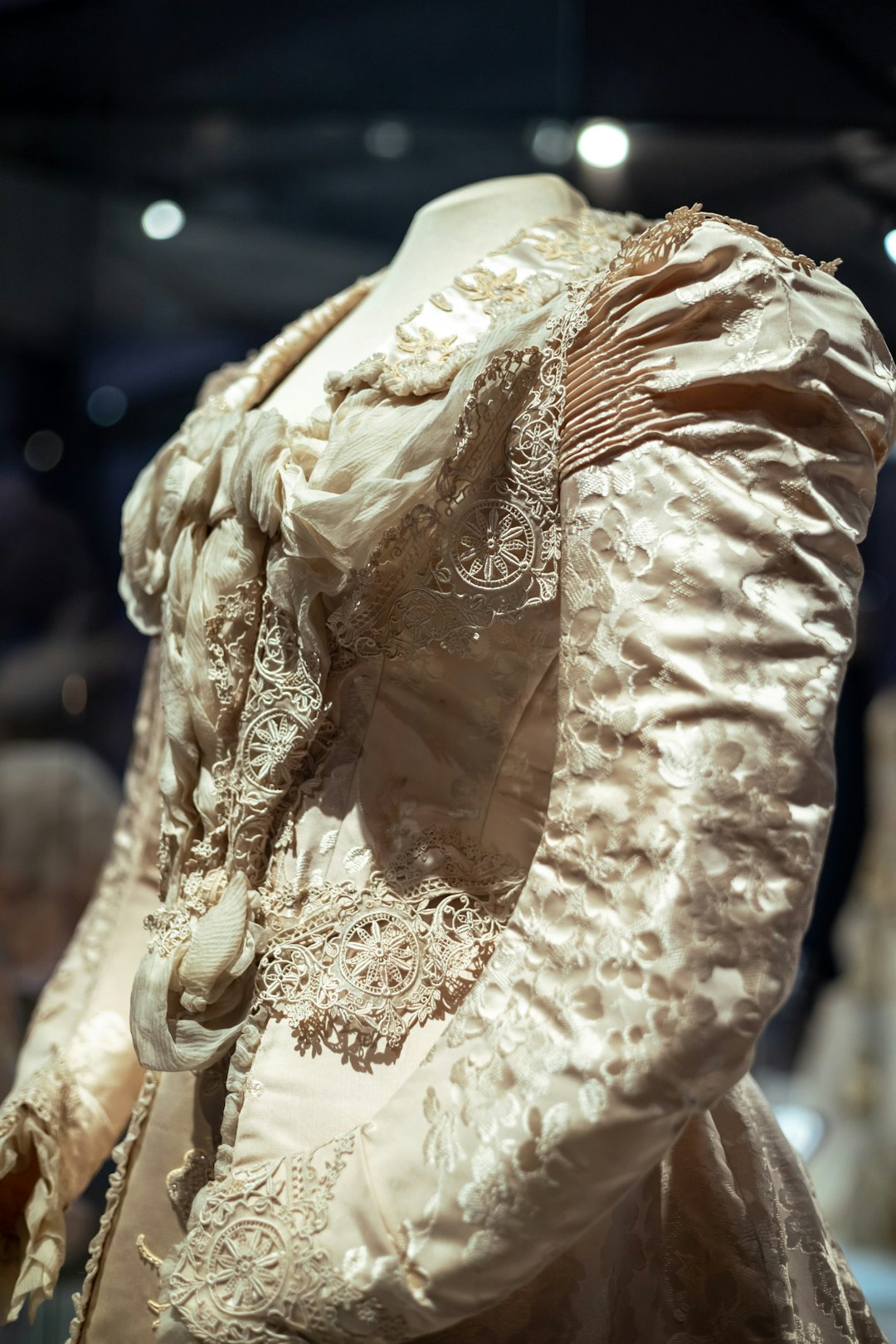
This development reflected social pressures, too. Victorian society was preoccupied with correct clothing and what to wear from morning calls to seaside holidays all demanded different structures. Travel, and particularly unchaperoned or semi-public travel, became a further source of anxiety, as a woman alone in a railway carriage risked being judged a fallen woman. Travel clothing, more modest and functional than a promenade costume, became an indicator both of seriousness and respectability, middle-class virtue and modesty, as well as of the wearer‘s personal style and wealth.
Fabrics, Colors, and Cuts: What Made a Dress “For Traveling”?
The core characteristics of Victorian traveling dresses were durability, modesty, and relative simplicity. Heavy, tightly woven wools, sturdy worsteds, serges, and later, practical mixtures like wool‑silk blends were typical. These fabrics resisted creasing, concealed dirt, and provided warmth in drafty carriages. Lightweight cottons and delicate silks were generally reserved for indoor or fair‑weather wear. As the Smithsonian’s National Museum of American History notes, “travel clothing in the mid‑nineteenth century favored dark colors and firm textiles to withstand dust, soot, and frequent handling.”
Can You Guess the Artist?
Three clues. One artist. How quickly can you identify the painter?
Use of color was crucial. Dark browns, navy blues, deep greens and charcoal grays predominated, often with little decoration. Such subdued pigments helped to conceal the dirt from soot and station floors. By contrast, the bright aniline dyes introduced from the late 1850s a dazzling array of pinks, fuchsias and bright yellows were not to be seen in practical travel dress, where “to be seen plainly, and yet not to offend, is the sum of the art of traveling dress.” (And this was a goal almost universal in the Victorian era, when an underplayed silhouette and muted colors were deemed marks of respectability).
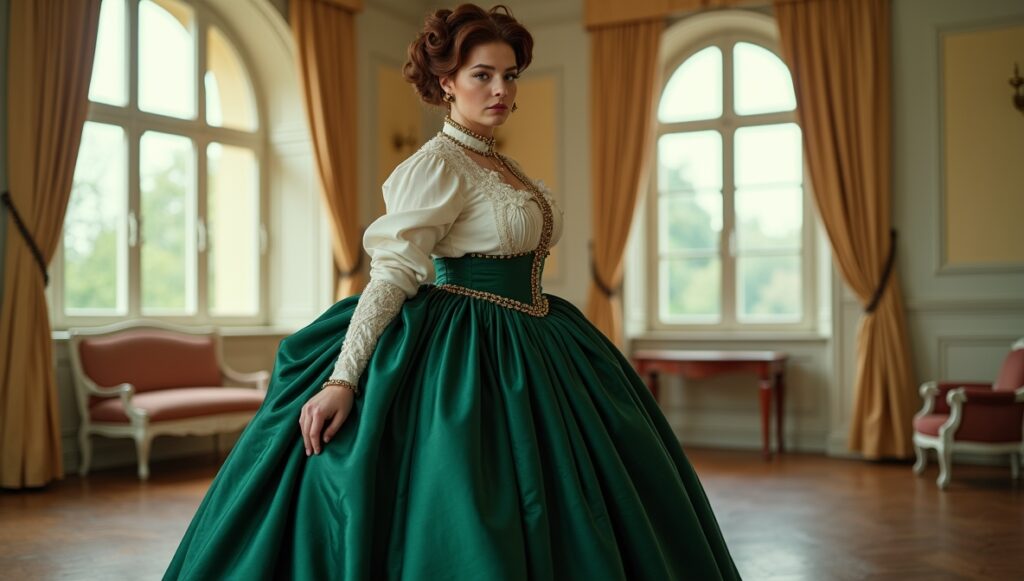
In cut, travelling dresses tended to mirror contemporary fashionable silhouettes earlier in the century (full skirts in the 1850s, crinolines and later bustles in the 1860s– 80s). However, instead of ornate trimming and excessive flounces, creations were to be pared down. Crushed or fragile decoration was too delicate to risk damage during use on station platforms and in carriages. Bodices in travelling dresses were likely to be high necked, with long sleeves and minimal decoration. Skirts were also slightly shorter than formal, indoor dresses in order to maintain cleanliness. The Victoria and Albert Museum mentions a travelling dress of the 1860s in durable wool, with ‘a simple frontbuttoning bodice and limited trimming’, indicative of garments that survived long-term use.
Accessories of Mobility: Cloaks, Hats, Veils, and Practical Details
Victorian traveling ensembles were rarely just a single dress; they formed a coordinated system of garments and accessories optimized for movement. A traveling cloak or paletot (a loose overcoat) was almost indispensable, especially for sea voyages or overnight rail journeys. Often made of thick wool or cashmere, these cloaks provided warmth and an extra layer against dirt. The Metropolitan Museum of Art preserves several “railway cloaks” from the 1860s and 1870s, cut generously to accommodate the fashionable skirts beneath.
Headwear was just as important. Stout bonnets or, later, small hats, replaced delicate and heavily trimmed varieties. Most women also wore a veil frequently a brown or black net to keep the face clear of coal dust and the wind. As a mid-century travel guide recommended, “A thick veil is more necessary to the lady traveler than the most elaborate hat, for it preserves both complexion and privacy.” And gloves served not only as social barriers but also to keep hands clear of dirty rails, door handles and luggage straps.
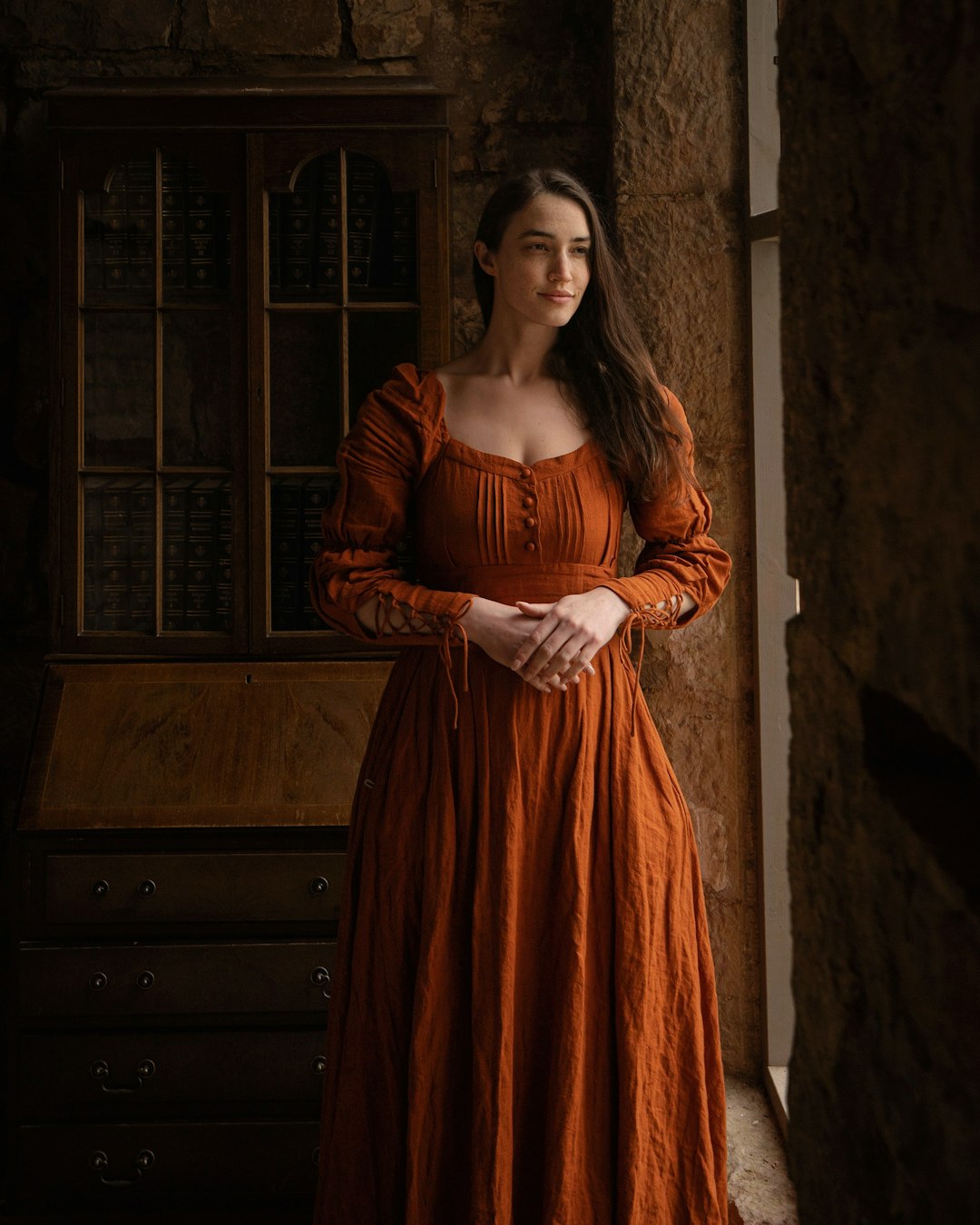
The ways in which the garments were constructed also differentiated traveling garments from those worn in the home. While unseen pockets for tickets, handkerchiefs, and other small possessions were a feature on many travelling garments, they were much more frequent on travel wear than in day wear. Belts, hooks or tapes inside the skirts could be hooked up, so as to keep hems from dragging on the dirty platforms. Some bodices or jackets had specialized hooks and eyes concealed behind buttons, as they would have to stay fastened in crowded ship decks and station platforms. These small and rather utilitarian decisions illustrate how closely clothing was designed to fit the realities of 19thcentury transport.
Class, Gender, and Respectability on the Move
Traveling dresses also tell a story about class and gender. Middle‑ and upper‑class women were most likely to own specialized travel wardrobes, while working‑class women adapted their best day dresses for journeys. As the Victoria and Albert Museum notes in its discussions of 19th‑century dress, extensive “wardrobe specialization” was a hallmark of bourgeois life: separate garments for morning, afternoon, evening, sport, and travel quietly advertised economic stability and cultural refinement.
Women‘s travel clothing was also part of the larger Victorian preoccupation with female virtue in the public sphere. The advent of railways and steamships made it possible for women to travel away from the safeguarding presence of another member of her family. Increased mobility led to widespread moral panic about the safety and reputation of women, who had to have their modest and unadventurous fashion not only insure their safety but also shield them from suspicion. A veil, a high class bodice and long skirt banded the female body and for modern onlookers, walling her off from the eyes of the other. As cultural historian Judith Flanders writes in her recent history of Victorian life, dress was “a visual shorthand for character” and one which women travelers needed to present.

Gendered expectations also influenced the requirement that women keep wearing corsets (though even on the toughest of traverses), while men could wear looser sack suits and functional coats. Some reform campaigns, however, wanted more comfortable (and healthy) clothing for women on the move. American reformist dress reformers inspired by, among others, late19thcentury proponents of the Rational Dress Society found heavy skirts and tight-laced corsets unsuitable for travelers, essentially making the same ergonomic arguments used in the 20 th century that too-Reeve corsetry was inappropriate in moving cars, airplanes, and on high sets of stairs.
Regional and Period Variations: Britain, France, and America
Though the underlying function was similar, traveling dresses took on distinct regional flavors in Britain, France, and the United States. In Britain, where the railway network was dense by the 1860s, guidebooks and ladies’ magazines frequently discussed “railway dress” as a category. The Victoria and Albert Museum’s collections show English examples that favor sober tailoring, muted colors, and wool fabrics—practical choices in a damp climate and heavily used rail corridors.
Leading the way 19th century Parisian couture houses such as Worth traveled extensively wearing fashion on trips to Italy, France and the United Kingdom. The Louvre Museum records 19th century costuming shows French traveling dresses to be more tailored and stylish with travel friendly details jacket styling, trim details, fashionable accessories. Polo and country wear for their Parisian clients, the purchased a ‘costume de voyage’ for trips to Britain or the Mediterranean, often including matching cloaks, travel hats and covers for luggage.
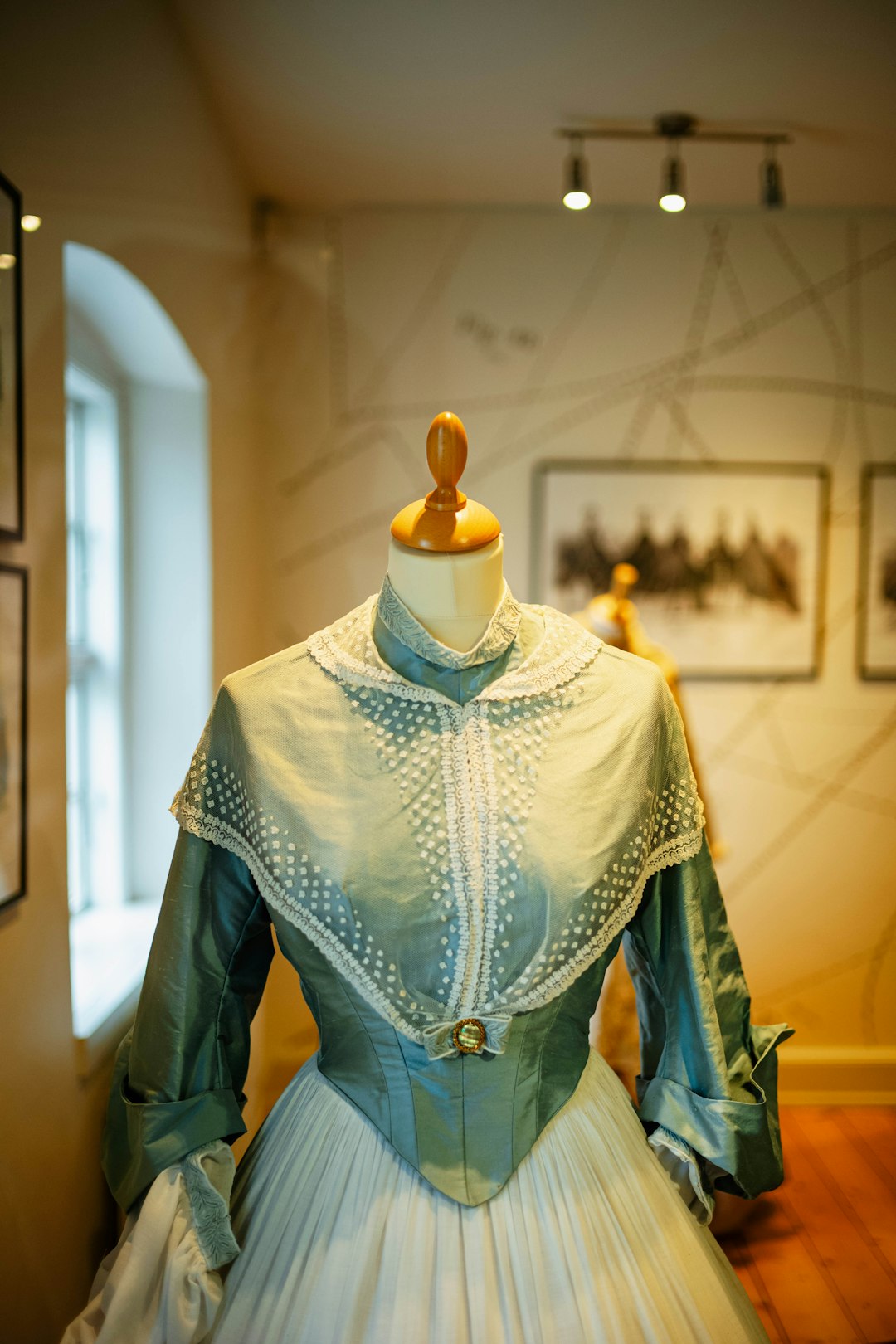
In the more expansive and not so easily settled United States the journeys were likely to be even longer and the circumstances less predictable, notably before railway services became more standardized. The Smithsonian Institution‘s American holdings of traveling troupes indicate American reality heavyweight textiles and heavy garments dressed with the service in mind to cope with a frontier-like more arduous journey and longdistances across a very large country. European forms were adapted and made “sensible” and “serviceable” in American fashion writers opinions ready for crosscountry journeys on rail, and boat across the Atlantic.
Evolution Over the Century: From Crinolines to Tailor‑Made Suits
Traveling dress design changed dramatically between 1837 and 1901, tracking broader shifts in fashion. In the 1850s and 1860s, the crinoline—those wide hoop skirts—created awkward silhouettes for narrow railway compartments and crowded stations. Contemporary cartoons in British magazines like Punch mocked women struggling to board trains with enormous skirts. Designers responded by slightly reducing skirt width for travel wear and emphasizing sturdy fabrics and overskirts that could be lifted.
By the 1870s and 1880s, however, the bustle had superseded the crinoline, pushing volume to the rear. Traveling costumes of this period often consisted of fitted jackets and overskirts and a manageable skirt silhouette. The increasingly widespread ‘tailormade’ suit in the 1880s and 1890s of a coordinated skirt and jacket, based on formal menswear garments transformed women travel wardrobe. As the Museum of Art writes of such garments, ‘these suits provided women with unprecedented agility and practicality,’ suitable for rail voyages, bicycling, and overseas travel.
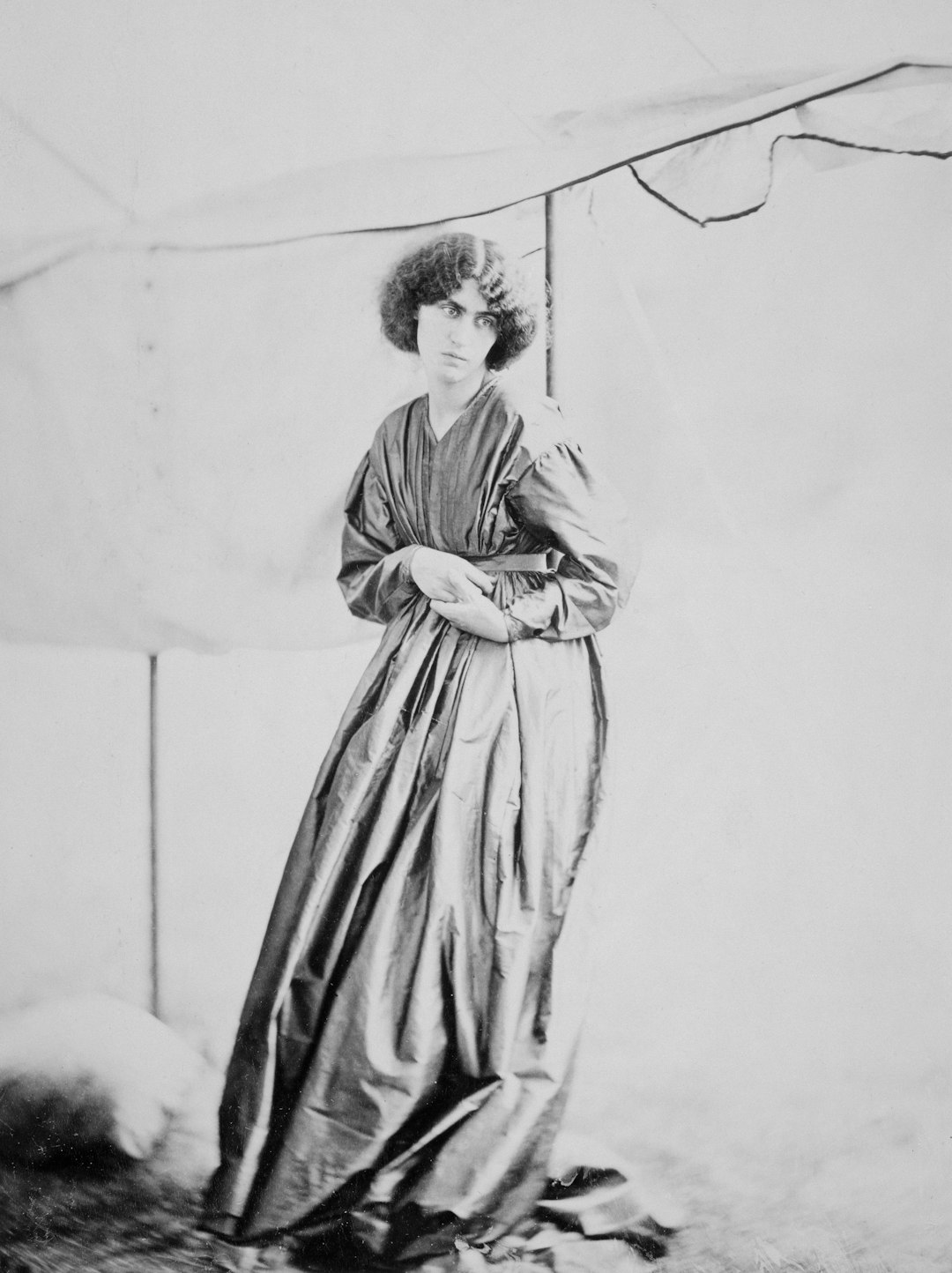
By the late Victorian and early Edwardian eras, traveling dresses had tended to dissolve into the general field of “walking” or “outing” costumes. The distinction between a specialized travelling dress and the other, more constitutive forms of daywear was not always explicit, especially as innovations in transport technology (cleaner trains and enclosed, ventillated carriages) decreased the level of dirt and exertion involved in travel. Nevertheless, the logic of durability, comfort, restraint continued to persevere and set the scene for 20thcentury ‘travel’ suits and, further on, travel clothes.
Key Characteristics at a Glance
| Feature | Typical Victorian Traveling Dress | Purpose / Rationale |
|---|---|---|
| Primary Fabrics | Wool, serge, worsted, wool‑silk blends | Durability, warmth, resistance to dirt |
| Dominant Colors | Dark brown, navy, gray, dark green | Conceal soot and dust; convey modest respectability |
| Silhouette | Follows mainstream fashion (crinoline, bustle), simplified | Balance fashion with practicality |
| Bodice Style | High‑necked, long sleeves, minimal decoration | Modesty, reduced snagging and damage |
| Skirt Features | Slightly shorter, sometimes with loops to lift hem | Prevent soiling and tripping |
| Outerwear | Wool cloaks, paletots, capes | Protection from weather and dirt |
| Accessories | Veils, sturdy hats/bonnets, gloves | Protect face and hands; offer privacy |
| Functional Details | Pockets, secure fastenings, hook‑up tapes | Carry essentials; withstand movement |
| Social Role | Mark of middle‑class propriety and preparedness | Signaled respectability in public travel spaces |
Voices from the Period and Modern Scholarship
Contemporary advice literature frequently stressed the balance between practicality and decorum. An 1862 issue of Godey’s Lady’s Book counseled, “A lady’s travelling dress should be as quiet and unpretending as possible…but by no means slovenly,” capturing the constant tension between utility and social codes. Similarly, the British writer Mrs. C. S. Peel later recalled in her early‑20th‑century memoirs that “the experienced traveller was known at once by her plain gown and serviceable cloak.”
Modern museum curators and historians have brought an analytical lens to these garments. The Victoria and Albert Museum observes that “travel outfits demonstrate both the impact of industrialisation on dress and the ways in which women negotiated new freedoms within restrictive social conventions.” The Smithsonian’s curatorial notes on travel clothing emphasize the intersection of technology and gender: “As railroads and steamships changed the pace of life, women’s clothing reflected both new opportunities for mobility and persistent expectations of modesty and refinement.”
Frequently Asked Questions about Victorian Traveling Dresses
Did every Victorian woman own a special traveling dress?
No. Dedicated traveling dresses were primarily a middle‑ and upper‑class phenomenon. Working‑class women usually adapted their best day dresses or Sunday garments for travel, sometimes adding a shawl, apron, or cloak for protection.
Were traveling dresses comfortable?
They were more practical than many fashionable gowns but still constrained by corsets, heavy fabrics, and long skirts. Compared with ball gowns or elaborate promenade dresses, traveling dresses offered greater durability and slightly more ease, especially toward the late 19th century with the rise of tailored suits.
How did Victorian women pack for long journeys?
Wealthier travelers often carried trunks with multiple dresses: a traveling dress for the journey, a visiting or promenade dress for town, and evening wear for social occasions. Luggage might be managed by porters or servants. Travel guides advised minimizing delicate fabrics and favoring garments that could be brushed clean or spot‑washed easily.
Were traveling dresses different from riding habits or walking dresses?
Yes, though there was overlap. Riding habits were cut specifically for horseback riding, with skirts arranged for side‑saddle and often more overtly masculine tailoring. Walking dresses were meant for outdoor promenades. Traveling dresses prioritized resistance to dirt and the realities of vehicles—railway carriages, coaches, and ships.
What did men wear for travel in the Victorian era?
Men generally wore suits—often sturdy frock coats or, later in the century, lounge suits—with overcoats and hats. Their clothing was already more standardized and practical, so they did not require as specialized a “travel wardrobe” category as women, though they might have specific “travelling coats” or capes.
Are there surviving examples I can see today?
Yes. The Metropolitan Museum of Art in New York, the Victoria and Albert Museum in London, and the Smithsonian Institution in Washington, D.C. all hold examples of 19th‑century traveling garments. Many are accessible via their online collections, often labeled as “travelling dress,” “railway costume,” or “tailor‑made suit.”
What Did a Victorian Traveling Dress Actually Look Like?
The travelling dress of Victorian times may not have actually been a specific ‘type’ of dress at all. It could be used to refer to a particular outfit made-up for travel, comprising a smart but functional dress or skirt worn with a jacket, cloak, bonnet, gloves and other protective adornments. The look of travelling dresses altered dramatically from the 1840s to the 1890s in line with the trajectory of women‘s dress the alterations of which evolved from broad crinolined forms to those that were more abbreviated and tailored.
However, dark colours proved to be very useful. Browns, charcoal, dark greens, navy, and black concealed the dust and dirt that was prevalent on the railway better than the fashionable light coloured apparel. Wool was an excellent fabric to use; it was warm and quite resilient, and protected the individual against the drafts of railway carriages and steamships. Some outfits used glazed, tightly woven material or underskirts or outer coatings to act as a barrier to the under-dress.
Which shapes also played a role. Traveling clothes needed to look sufficiently up-to-date for arrival at a hotel, train station, or elsewhere, but if they were to be worn for hours on end, would need to accommodate the sitting and moving that this required. And hence the garments produced would often look quite similar to fashionable day dresses, while offering less fragile construction and extra layers.
The Importance of the Traveling Cloak
Another valuable item now found in a Victorian woman‘s kit was a travelling cloak or outer covering. A loosely fitting, well-cut travelling cloak, rather than a shallow shawl, would help to keep the dust away from the dress and would also be warm during the journey, especially on unheated train coaches or at stations.
Cloaks somewhat answered a social conundrum too. Victorian women needed to keep up a sense of decorum when out and about, and wearing a coat such as this could conceal certain areas of an exceedingly elaborate dress. Some of these cloaks were cut quite loose so they could be worn over the ever-expanding skirts of the mid-century.
During the latter parts of the Victorian era, there came a challenge to the dominance of the cloak in the form of the tailored coat and jacket. This was just part of the trend during this time for the lazy, lounging garments associated with travel, work, sport and mobility to come to resemble the more practical fashions of the early twentieth century.
AI Notice: Some visual content in this article may have been created or enhanced using artificial intelligence (AI) for artistic, editorial or illustrative purposes. Learn more about our approach in our AI & Editorial Principles.