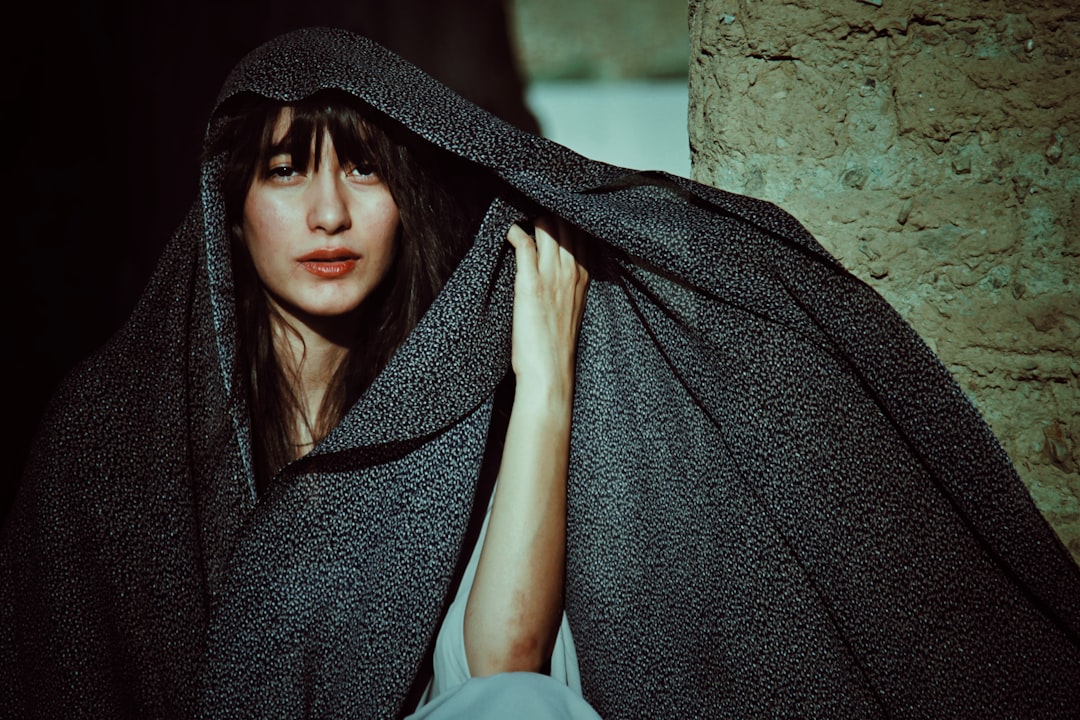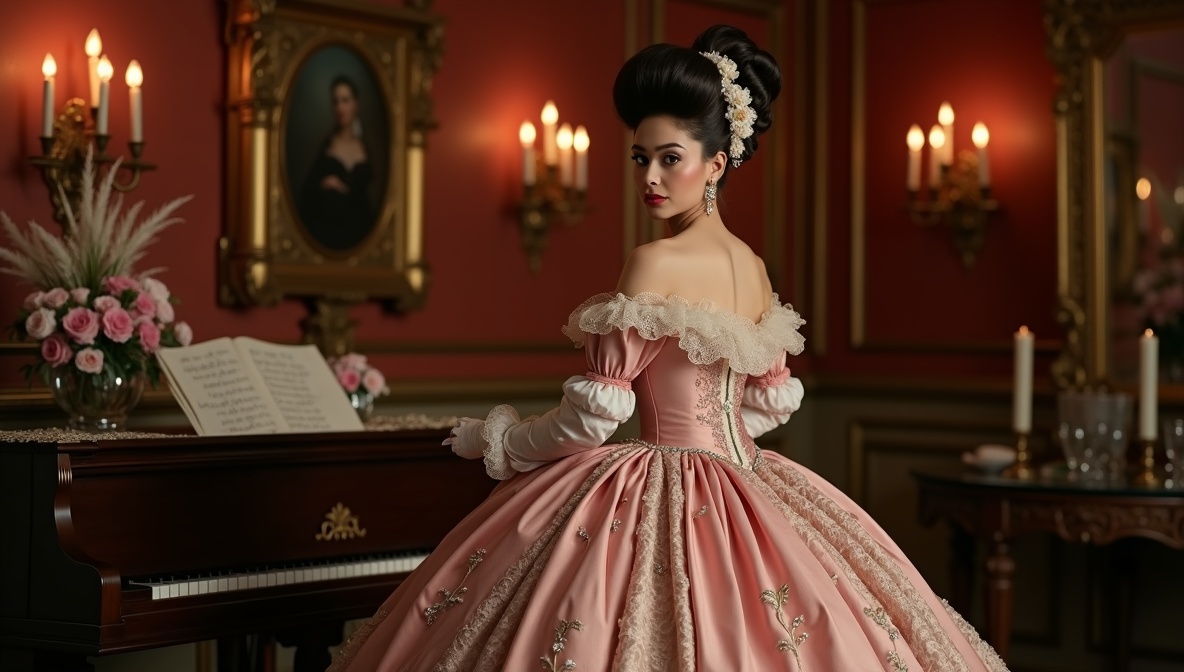
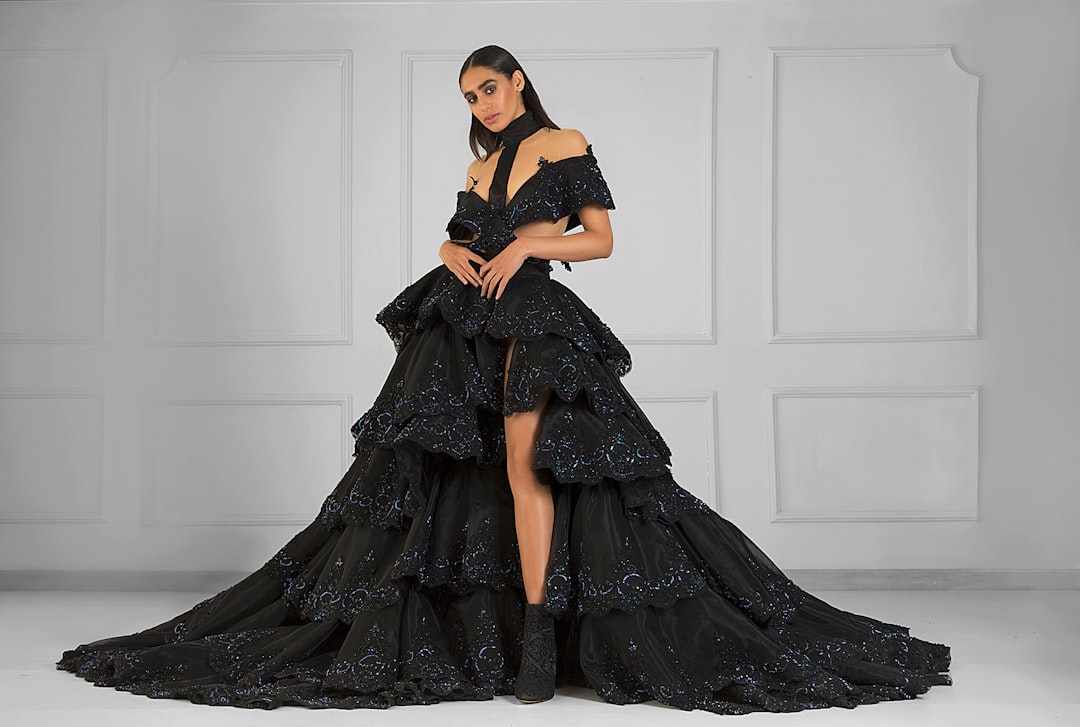
Gothic Wedding Outfits: 17 Hauntingly Beautiful Looks to Copy
Gothic wedding outfits are where romance collides with the sublime: lace veils edged like cathedral windows, corseted bodices that recall medieval courts, and shadows of black tulle that look at home beneath stained glass. For couples who gravitate toward the dramatic and the poetic, a gothic wedding isn’t about gloom—it’s about intensity. It’s a way to say “I do” wrapped in centuries of art, architecture, and fashion history, from the soaring spires of Notre-Dame to the corsetry of the Victorian era. Far from costume-play, well‑designed gothic wedding attire can be as sophisticated and timeless as any classic white gown or tuxedo, provided it’s rooted in an understanding of the style’s real historical and artistic foundations.
What “Gothic” Really Means in Fashion
In popular culture, “gothic” is often reduced to black clothing and heavy eyeliner, but the term is far older and richer. Historically, “Gothic” first described a European architectural style that flourished from the 12th to the 16th century, visible in monuments like Notre-Dame de Paris and Chartres Cathedral. The Metropolitan Museum of Art notes that Gothic architecture is characterized by pointed arches, ribbed vaults, and soaring verticality that aimed to “evoke the presence of the divine.” This sense of height, drama, and intricate detail forms the emotional bedrock of gothic style in fashion as well.
Can You Name the Masterpiece?
Ten masterpieces. Ten questions. How well do you know the history of art?
By the 18th and 19th centuries, the Gothic Revival transformed this architectural language into a broader cultural movement. The Victoria and Albert Museum in London explains that the Gothic Revival in Britain infused interiors, furnishings, and clothing with medieval motifs, religious imagery, and intricate ornament. Later, this sensibility bled into subcultural dress—from the black‑clad Romantics of the 19th century to the post‑punk goths of the late 20th century. Today’s gothic wedding outfits draw threads from all of these eras rather than copying any single period.

That historical context matters because it differentiates a thoughtful gothic wedding from a simple “Halloween” aesthetic. Fashion scholars point out that genuine gothic style emphasizes texture, silhouette, and symbolism. Deep colors, rich fabrics, and references to medieval and Victorian design are combined with contemporary tailoring. As the Smithsonian Institution has observed in its exhibitions on subcultural fashion, goth is “less a costume than a visual language of emotion, nostalgia, and intensity.” A gothic wedding outfit, at its best, speaks that language fluently.
Historical Inspirations: From Medieval Courts to Victorian Mourning
Many gothic wedding outfits reach back to medieval Europe for inspiration. The late Middle Ages and early Renaissance saw elaborate garments in courts from Paris to Florence, with long trailing sleeves, fitted bodices, and heavy brocades. The Louvre Museum’s collections of medieval textiles and illuminated manuscripts show noblewomen in gowns with high waistlines, ornate belts, and headwear like hennins (the iconic conical hats) and veils—a wealth of reference for modern brides wanting a fairy‑tale‑meets‑cathedral look. Translating that to today might mean long bell sleeves, rich velvet, and embroidered heraldic or floral motifs.
Can You Guess the Artist?
Three clues. One artist. How quickly can you identify the painter?
Equally influential is Victorian fashion (c. 1837–1901), particularly its fascination with mourning dress and romantic melancholy. The Victoria and Albert Museum’s collection of 19th‑century garments illustrates how black silk, jet beading, lace, and tightly laced corsets came to symbolize both grief and elegance. Though Queen Victoria herself married in white, her long period of mourning for Prince Albert popularized black as a legitimate color of social ritual. Modern gothic bridalwear borrows Victorian corsetry, bustles, high necklines, and lace gloves, but reimagines them for comfort and modern silhouettes.
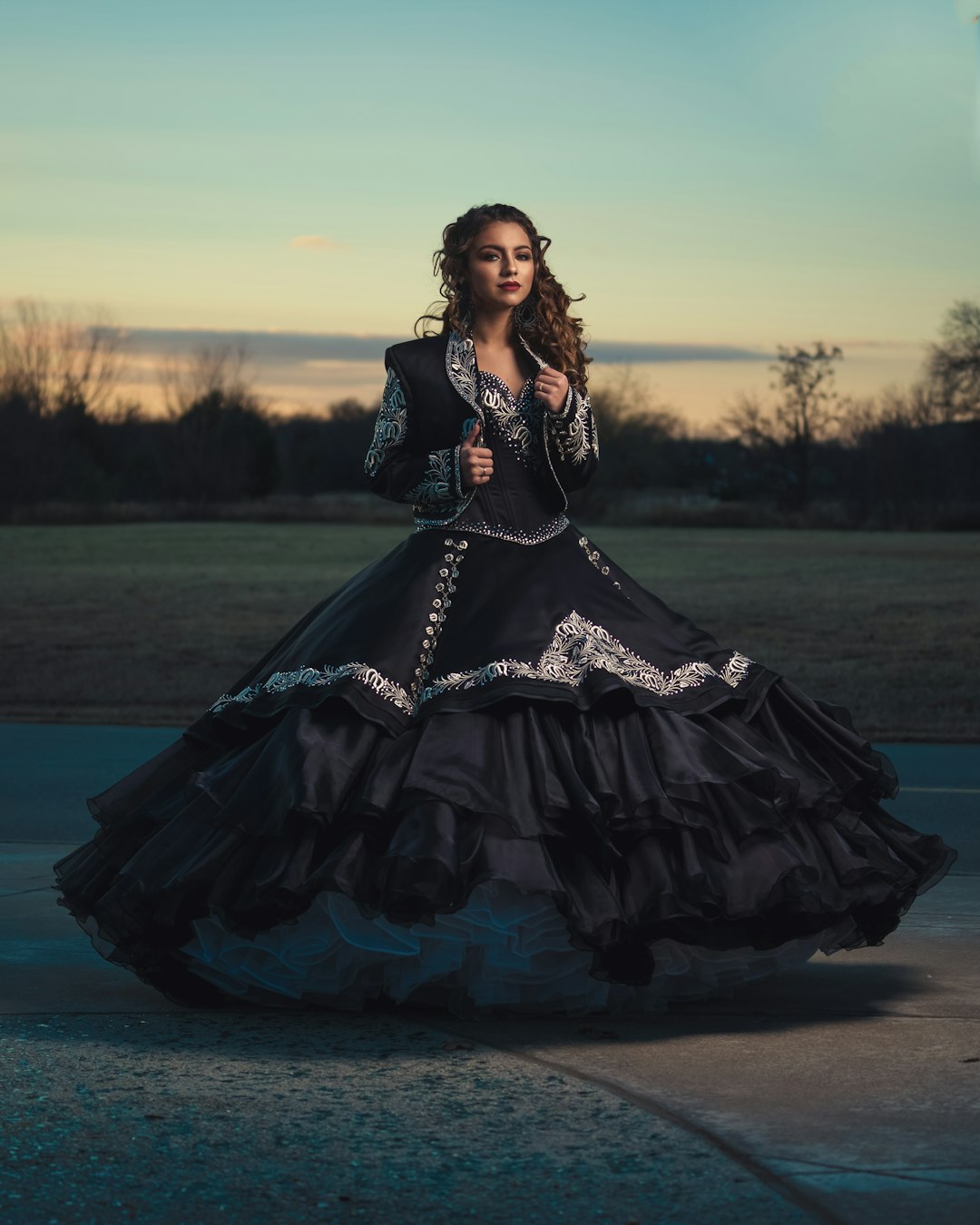
Edwardian and early 20th‑century styles also feed the gothic aesthetic. High lace collars, S‑curve corsets, and delicate embroidery from the early 1900s combine with later 1920s bias‑cut gowns to offer softer, more fluid options. The Metropolitan Museum of Art’s Costume Institute shows how these successive periods layered romanticism onto dress, culminating in the darker reinterpretations favored by gothic subcultures from the 1980s onward. A gothic wedding outfit might merge a 15th‑century sleeve, a Victorian corset line, and a 1930s skirt drape—historically informed, but distinctly modern.
Key Elements of Gothic Wedding Outfits
A gothic wedding look is defined less by any single piece and more by the combination of color, silhouette, and detail. Color tends toward the dramatic: black, deep burgundy, midnight blue, and rich jewel tones like amethyst or emerald. Even when the base gown is ivory, accessories—corset belts, veils, capes, or gloves—might be black or crimson to create visual contrast. As the V&A notes in its discussions of color symbolism, black has historically signified not only mourning but also dignity and power, making it a meaningful choice rather than a “negative” one.
Silhouette is equally crucial. Structured bodices, nipped waists, and full skirts echo both medieval and Victorian lines. Many gothic wedding dresses feature corsetry, whether functional or decorative, to sculpt the torso. Sleeves are a playground for drama: bishop sleeves, fluted cuffs, off‑the‑shoulder laces, or structured shoulders reminiscent of armor. Trains and capes introduce the kind of sweeping motion that recalls cathedral aisles and frescoed chapels. For more androgynous or masculine outfits, sharply tailored frock coats, longline vests, and narrow trousers echo 19th‑century menswear with a dark twist.
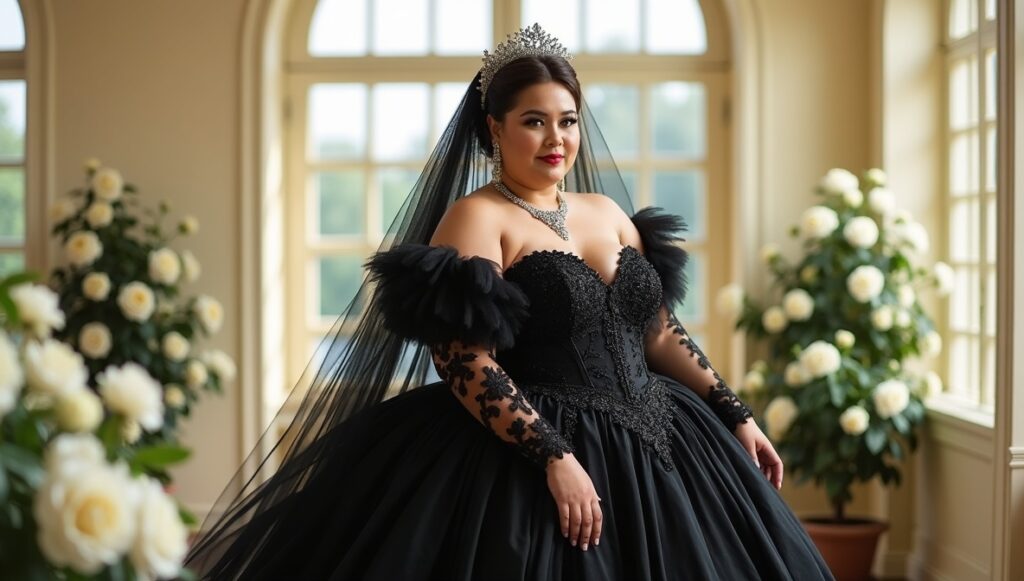
Detailing is where gothic outfits truly come alive. Think intricate lace reminiscent of stone tracery, embroidery inspired by medieval manuscripts, or beadwork that catches candlelight like stained glass. The Smithsonian Institution’s fashion exhibits highlight the importance of surface decoration in signaling status and mood in historical dress; gothic fashion amplifies this principle. Metal hardware (buckles, chains, corset busks), jewelry featuring crosses, crescents, or antique settings, and textural layering (velvet over chiffon, leather with lace) all contribute to a sense of depth and narrative.
Fabrics and Colors: Building Atmosphere Through Material
Fabric choice is one of the most powerful tools for creating a credible gothic wedding ensemble. Velvet—both silk and high‑quality synthetic—is a staple for its rich depth of color and historical associations with luxury. Brocade and damask, often seen in Renaissance and Baroque portraits preserved in institutions like the Louvre, add a palatial weight to gowns and jackets. These denser fabrics can be balanced with lighter materials like chiffon or tulle to introduce movement and prevent the outfit from feeling visually heavy or seasonally inappropriate.
Lace is almost synonymous with gothic romance. Black Chantilly lace, with its delicate floral patterns, can soften sharp silhouettes, while heavier guipure lace provides a more architectural effect. The V&A’s extensive lace collections show how, from the 16th century onward, lace signaled refinement and craftsmanship. In a gothic wedding setting, lace may appear in veils, sleeves, necklines, or even as an overlay over colored satin, creating the illusion of shadow and depth. Strategically placed lace can convey modesty, seduction, or both.
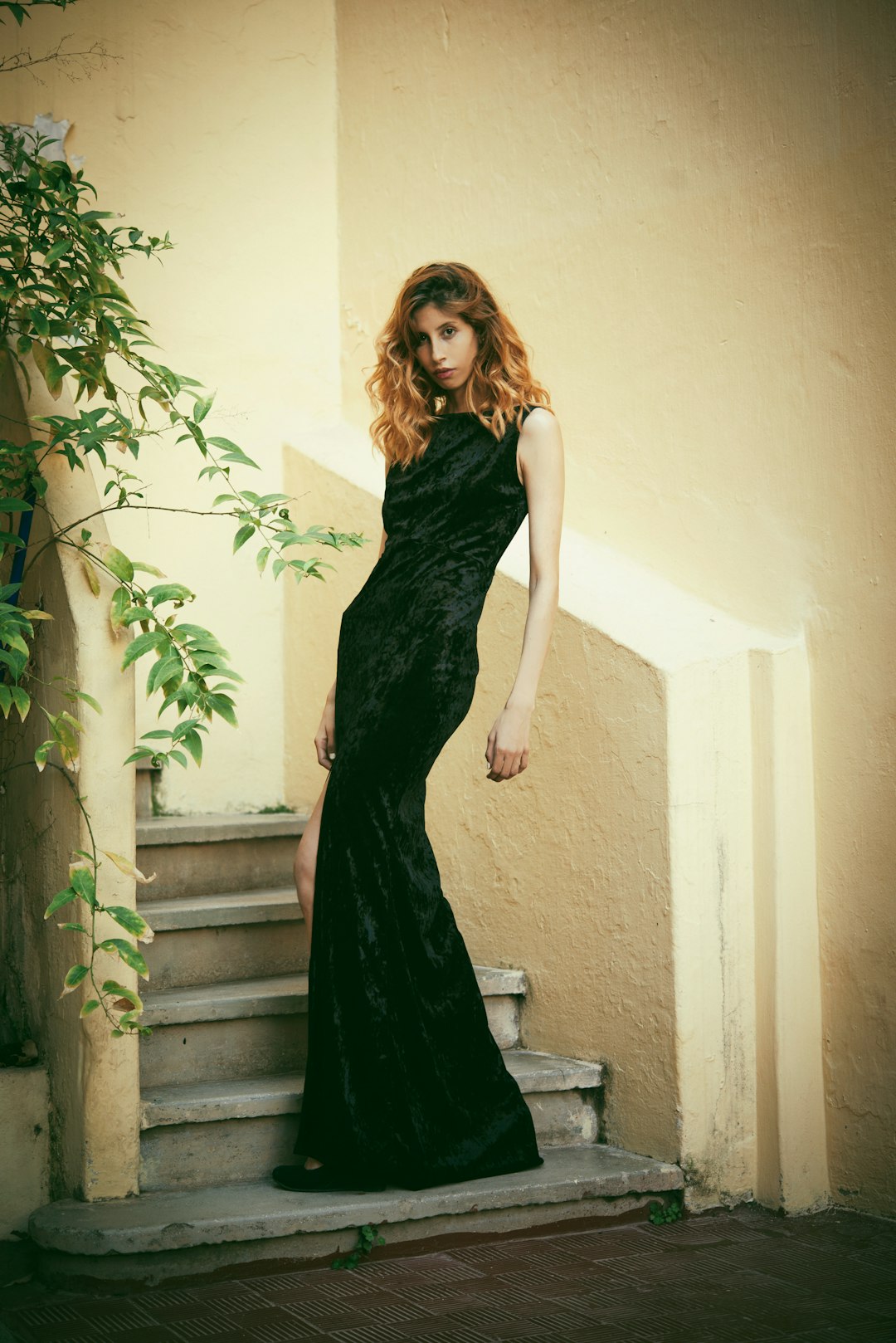
Color theory matters deeply in gothic design. Black remains central, but pairing it with other tones creates layers of meaning: crimson suggests passion and blood, deep purple hints at royal and ecclesiastical history, and silver or pewter accents evoke moonlight and armor. Even within black, mixing matte and glossy textures—like matte crepe with glossy satin or sequins—adds visual sophistication. As The Metropolitan Museum of Art has noted in discussions of mourning dress, “subtle variations in texture and sheen become a language of their own” when color is restrained.
Gothic Wedding Outfits: Key Characteristics
Below is a concise overview of core elements that define sophisticated gothic wedding attire:
| Element | Key Characteristics | Historical / Institutional Reference |
|---|---|---|
| Silhouette | Corseted bodices, full skirts, dramatic sleeves, capes | Victorian corsetry, medieval gowns (Met, V&A collections) |
| Fabrics | Velvet, lace, brocade, chiffon, tulle | Renaissance and Baroque textiles (Louvre, V&A textile archives) |
| Colors | Black, burgundy, midnight blue, jewel tones, ivory + black | 19th‑century mourning dress, ecclesiastical robes (Met, V&A) |
| Details | Embroidery, beading, metal hardware, symbolic motifs | Medieval and Gothic Revival ornament (Met Cloisters, V&A) |
| Accessories | Veils, chokers, gloves, canes, hats, jewelry with crosses, cameos | Subcultural fashion & historical jewelry (Smithsonian, V&A) |
| Mood | Romantic, dramatic, melancholic yet elegant | Gothic literature & Romantic era culture (Smithsonian collections) |
Styling the Gothic Bride
For brides, the most iconic choice is the black wedding dress, yet “iconic” does not mean obligatory. Many gothic brides choose deep red or purple gowns, or ivory dresses with black detailing, to soften the impact while retaining the aesthetic. Silhouettes vary from ballgowns with cathedral trains to sleek mermaid styles with lace sleeves. The Metropolitan Museum of Art’s Costume Institute has emphasized how bridalwear has always reflected cultural values; choosing a non‑white gothic gown can thus be a statement about individuality and a broader view of romance.

Veils and headpieces play a central role in framing the face and tying the look to historical reference points. Cathedral‑length black veils edged in lace evoke Victorian mourning and Gothic architecture simultaneously. Alternatives include metal circlets inspired by medieval crowns, crystal‑encrusted tiaras, or flower crowns made from dark roses, thistles, and trailing greenery. These details echo the halo‑like headpieces seen in medieval and Renaissance paintings at the Louvre, where brides and saints alike are depicted with elaborate headdresses.
Makeup and hair complete the transformation but need not be theatrical to be gothic. A classic approach might combine porcelain‑like skin, a defined dark eye, and a rich lip color—burgundy, deep berry, or classic red. Hair can be worn in structured updos to showcase the neckline and jewelry, or in loose waves for a Pre‑Raphaelite feel reminiscent of the 19th‑century British art movement documented at the V&A. The key is coherence: each styling choice should support the gown’s mood, rather than compete with it.
Styling the Gothic Groom and Partners
Gothic style for grooms and masculine‑presenting partners often centers on tailoring with historical echoes. Long frock coats, tailcoats, or high‑collared jackets in black brocade, velvet, or wool can nod to 19th‑century menswear without feeling like costumes. Paired with a waistcoat in a contrasting texture and a crisp shirt—often with a stand collar or subtle ruffle—this look suggests a Victorian or Gothic Revival gentleman. The Smithsonian Institution’s collections of 19th‑century menswear show how such garments once communicated status and restraint; in a gothic wedding, they signal timeless drama.
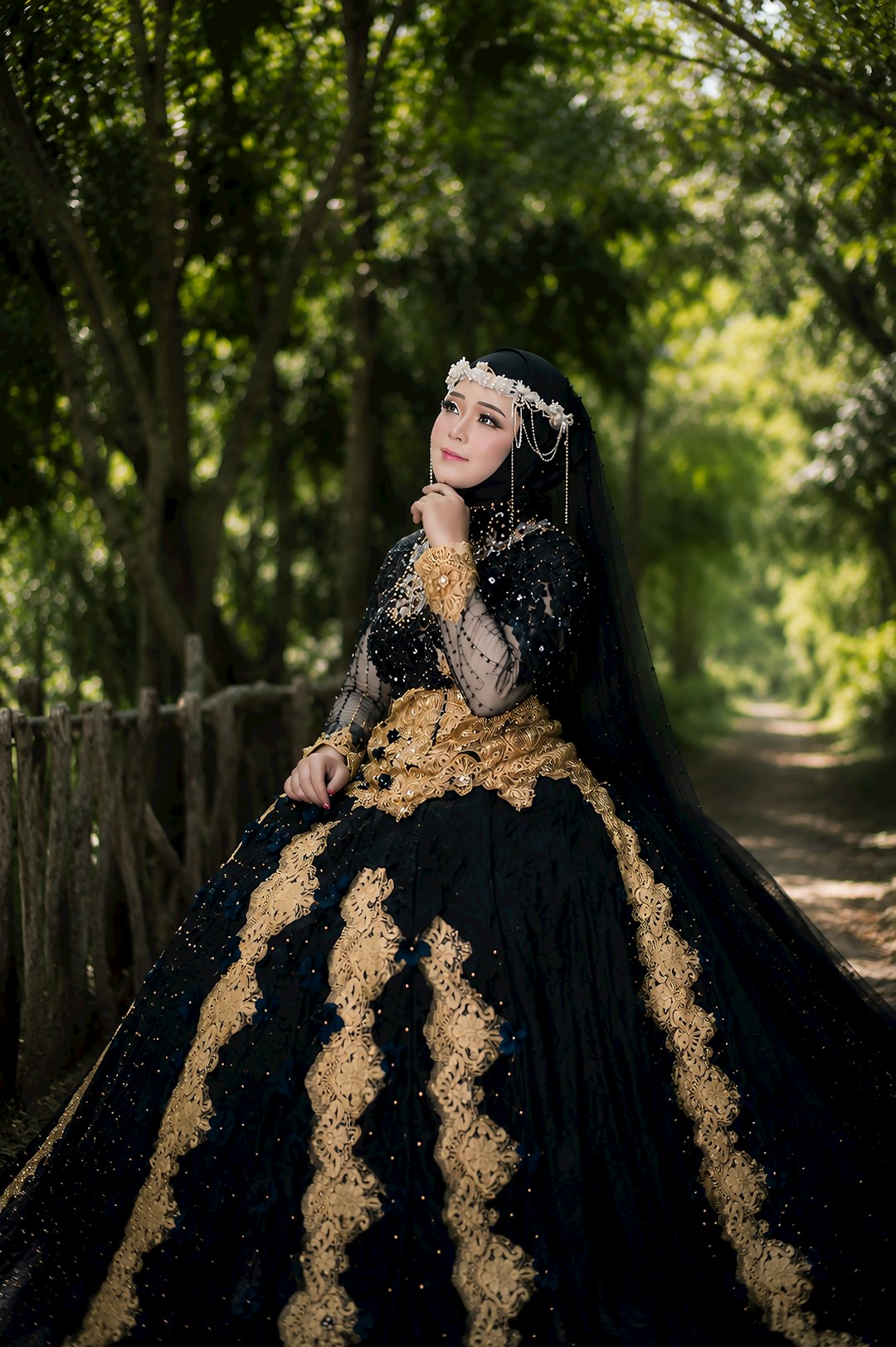
Accessories are powerful tools here. Cravats or ascot ties in silk, brocade waistcoats, antique‑style cufflinks, and pocket watches all introduce depth. Dark boutonnieres—black calla lilies, deep red roses, sprigs of rosemary—continue the aesthetic. For those wanting a slightly more subcultural or rock‑inspired feel, elements like discreet leather harnesses, subtle chains, or boots with metal hardware can be incorporated, so long as they’re executed with quality materials and good fit.
Androgynous or non‑binary partners might blend elements traditionally labeled as “bridal” and “groom’s” wear. A black velvet suit with a lace blouse, a tailored jacket over a corseted bodice, or a high‑waisted skirt paired with a structured waistcoat all embody the gothic play with contrasts—hard and soft, masculine and feminine, historical and modern. Museums like the V&A and the Met have increasingly showcased gender‑fluid fashion, underscoring that historical references are tools, not constraints.
Accessories and Symbolism: Jewelry, Veils, and Beyond
Gothic weddings thrive on symbolism, and accessories are where this becomes explicit. Crosses, rosaries, and ecclesiastical motifs draw on the religious art and architecture preserved in institutions like The Cloisters (part of The Metropolitan Museum of Art). Moon phases, stars, and celestial imagery connect to Romantic and occult traditions. Cameos, lockets, and Victorian‑style mourning jewelry—sometimes containing locks of hair or miniature portraits—speak to enduring love and memory, reframed for a joyful occasion.
Gloves, capes, and cloaks add theatricality. Elbow‑length lace gloves can reference both Victorian etiquette and 1980s goth fashion, while full‑length cloaks in velvet or lined with contrasting satin recall medieval and fantasy imagery. When chosen carefully, these pieces photograph beautifully and frame ceremonial moments such as the processional or the first dance. The key is proportion: dramatic pieces should not obscure the foundational lines of the outfit.
Footwear, often overlooked, is a practical and symbolic anchor. Victorian‑inspired boots with buttons or lace‑up fronts, embellished heels, or sleek Chelsea boots in polished leather all align with gothic aesthetics. Historically, as museum collections frequently show, shoes have been markers of class and occasion; in the gothic context, they ground the ensemble in the present while nodding to the past. Comfort should not be sacrificed: a confident stride is more gothic than the tallest, least walkable heel.
Frequently Asked Questions About Gothic Wedding Outfits
Is a black wedding dress “acceptable” for a formal wedding?
Yes. Historically, white only became dominant in Western bridal fashion after Queen Victoria’s 1840 wedding, as documented by the V&A. Before that, brides often wore their “best dress” in a variety of colors, including black. In many cultures today, non‑white bridalwear is standard. A well‑tailored black gown in fine materials is entirely appropriate for a formal ceremony.
How can I make a gothic outfit look elegant rather than costume‑like?
Focus on quality fabrics, good tailoring, and restraint in thematic elements. Let one or two historical or symbolic motifs dominate (e.g., medieval sleeves and lace, or Victorian corsetry and jet‑like beads) instead of piling on every gothic reference at once. Reviewing historical garments in museum collections online (Met, V&A, Louvre) can help calibrate your eye for proportion and detail.
Do I have to wear historical silhouettes to be “gothic”?
No. Gothic is an aesthetic language, not a strict historical reenactment. A minimalist, contemporary gown in black satin with architectural lines can be as gothic as a full medieval‑inspired dress, especially when styled with appropriate jewelry, makeup, and accessories. The Smithsonian’s explorations of subcultures emphasize this flexibility: what matters is the mood and symbolism, not literal period accuracy.
Can gothic elements work in a daytime or outdoor wedding?
Absolutely. Lighter fabrics, slightly brighter jewel tones, and botanical motifs can soften the intensity for daytime. Consider forest or garden themes—deep greens, florals, and natural textures—rather than purely urban or cathedral imagery. A lace‑edged black veil over an ivory or muted blush gown can read more “enchanted woodland” than overtly somber.
What if my family is skeptical about gothic wedding attire?
Sharing historical context often helps. Explain that dark colors and elaborate dress have long been associated with solemnity, celebration, and artistry in European history. You might show them pieces from the Met or V&A online collections to demonstrate that gothic styling can be refined, not merely subcultural. Compromise options include mixing traditional white or ivory with subtle gothic accessories.
Conclusion
Gothic wedding outfits are not just about wearing black; they are about weaving together art history, architecture, literature, and personal symbolism into something intensely romantic. Grounded in real medieval and Victorian references, enriched by the visual drama celebrated in institutions like The Metropolitan Museum of Art, the Victoria and Albert Museum, the Louvre, and the Smithsonian, a gothic ensemble can be profoundly elegant. When color, fabric, silhouette, and accessories are chosen with knowledge and intention, the result is a wedding look that feels less like a trend and more like a legend written in velvet, lace, and shadow.
AI Notice: Some visual content in this article may have been created or enhanced using artificial intelligence (AI) for artistic, editorial or illustrative purposes. Learn more about our approach in our AI & Editorial Principles.