Victorian Tea Dress Revival: The Timeless Trend Everyone’s Wearing Now
The phrase “Victorian tea dress” conjures images of lace-trimmed gowns, sunlit drawing rooms, and the soft chime of porcelain cups. Yet behind this seemingly romantic stereotype lies a very specific garment with a distinct role in 19th‑century social life, technology, and gender politics. Far from being a generic “old-time dress,” the Victorian tea dress (or tea gown) reflects a pivotal moment when women’s fashion began to loosen—literally and symbolically—from the strictures of the corseted day dress. Understanding the tea dress means understanding how middle‑ and upper‑class women in Britain and beyond navigated comfort, respectability, and modernity at a time of rapid change.
Origins of the Victorian Tea Dress
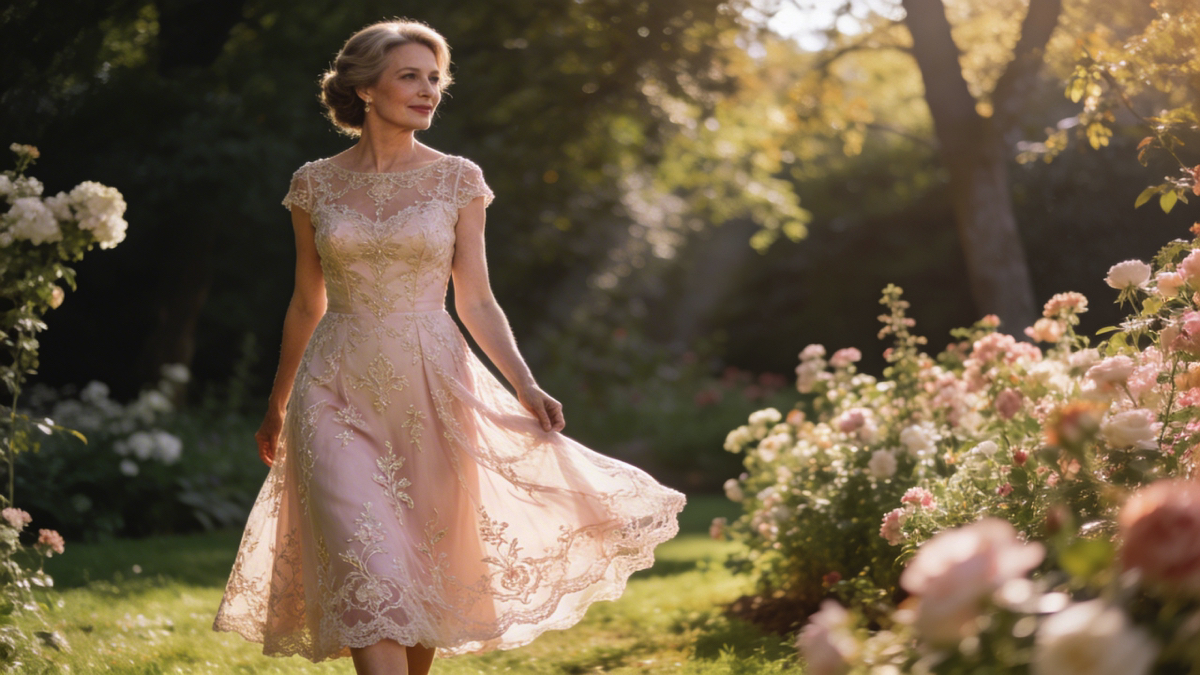
The Victorian tea dress emerged in the latter half of the 19th century, particularly from the 1870s onward, as taking afternoon tea became a codified domestic ritual among the British middle and upper classes. Tea itself had long been popular, but the “afternoon tea” as a structured social event—often attributed to Anna Russell, Duchess of Bedford, in the 1840s—created a new semi-private occasion that called for clothing distinct from both informal morning wear and full evening dress. The tea dress filled this niche: elegant enough for receiving guests, yet relaxed enough for the privacy of the home.
Can You Name the Masterpiece?
Ten masterpieces. Ten questions. How well do you know the history of art?
Historians of fashion have recorded that tea gowns emerged from drawing rooms of the well to do houses in London, Bath and elsewhere in ‘polite’ society. According to the V&A, tea gowns were ‘worn for entertaining at home’ and were ‘envisaged to ‘bring together comfort and chic’ in a way that less relaxed day dresses could not achieve.’ Where walking dresses were prepared for consumers to perform on the Hyde Park front or city pavement, the tea dress inhabited the intermediate space between public appearing and private leisure within the Victorian home.
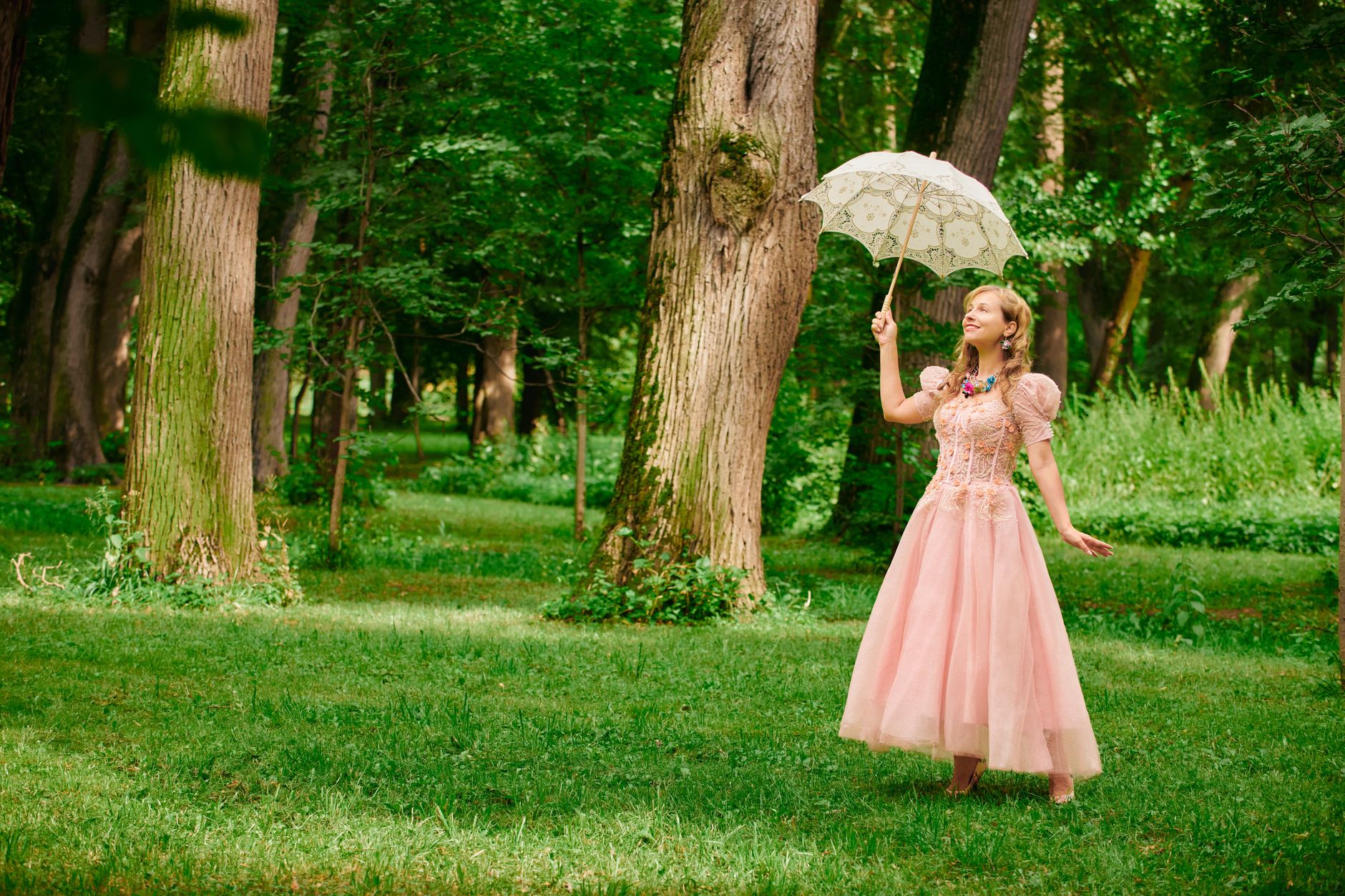
The international reach of British culture, during the heyday of the British empire, facilitated the spread of the tea dress beyond the limits of the British Isles to other countries within the western sphere. By the 1880s and 1890s such items of apparel could be found within the couture houses of Paris, and in the department stores of America, and it is also represented within the collections at the Smithsonian Institution.[27] Tea gowns of American provenance within the collection can also be seen to demonstrate the transatlantic appeal of the style, although it was adapted to American tastes it is based around the domestic ritual of Victorian Britain.
Design Features and Silhouette
Victorian tea dresses are notable for their relatively relaxed silhouette compared to the highly structured bodices and tightly laced waists of typical day and evening gowns. While many tea dresses still incorporated internal structure—such as light boning or partial corsetry—the overall effect was softer and less constraining. The Metropolitan Museum of Art notes in its costume collection that tea gowns often featured “looser fits, flowing lines, and an emphasis on drape,” anticipating later developments in Edwardian and early 20th‑century dress.
Can You Guess the Artist?
Three clues. One artist. How quickly can you identify the painter?
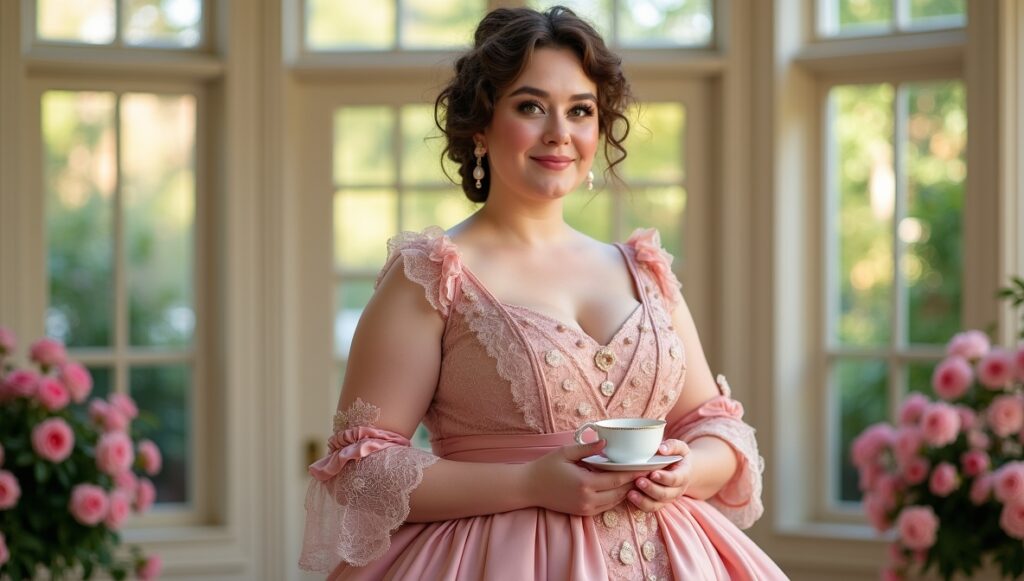
The sleeves and necklines in the tea dresses were more relaxed than those of the formal dress. Whereas the high collars prevailed in the early years, by the 1890s they were replaced by softer, sometimes open necklines. The sleeves may have been three quarter length, puffed at the shoulder or flounced with lace. The hem lengths remained full- length, concealing the ankles, which complied with Victorian standards of modesty when the lady was in the presence of guests. However, internally the wedding dress felt different (less stiff; less heavily corseted) and she would have been aware of it immediately, even if a casual observer saw just another long dress.
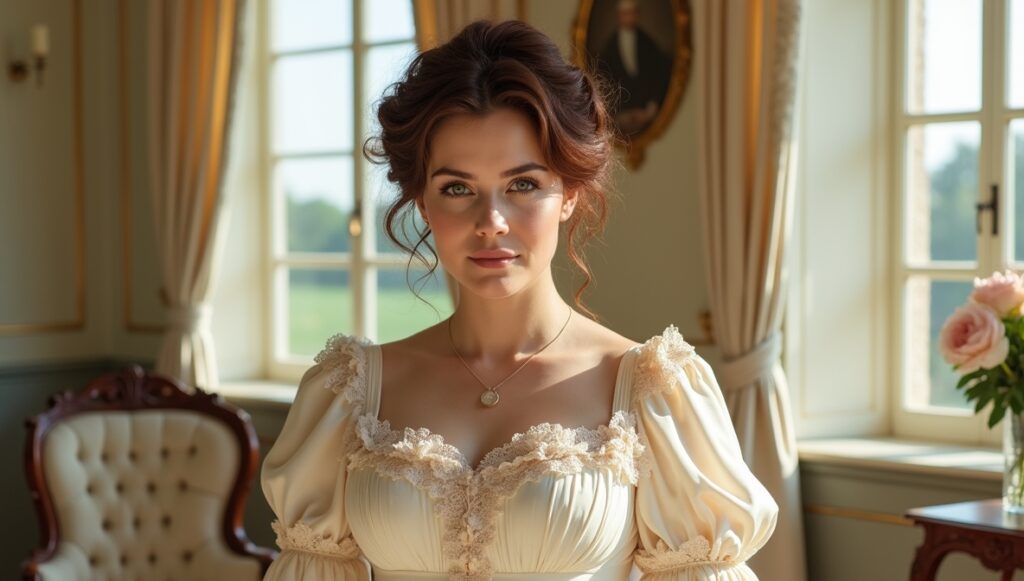
Decoration was often abundant but concentrated: lace in insertions, embroidered bands, flimsy trimming on the cuffs, collar and the front bolstered a miniature design. Unlike the evening dresses created for the formidable glow of gas chandeliers found in the London theater or the Paris salons, tea dresses used less flamboyant fabric colors, for example pastel shades, ivory, muted floral designs and light weight wools or silks perfect for indoor clothes. The textile and costume collections of the Louvre Museum, though more centered in French fashion, include garments, similar to the English tea gown, which tease the eye with limited, understated but luxurious design created for the viewer who utilizes the taste of the humble traveler.
Fabrics, Colors, and Materials
The choice of fabrics for Victorian tea dresses reflected both seasonal needs and the symbolic functions of the garment. Light, breathable materials such as cotton lawn, muslin, and fine linen were popular for spring and summer, allowing air circulation in warm drawing rooms and conservatories. Silk taffeta, satin, and lightweight woolens appeared in cooler months, sometimes interlined for warmth. These textiles balanced comfort and display: pleasant to wear while also silently signaling the wearer’s economic means through quality and finish.
Color palettes were generally more delicate and homey. Whites and creams, out of pale pastels roses and lavenders, pale blues and greens abounded, fitted with florals, usually found from the English garden tradition. The V&A often contributed documentation of florals and nature to their chronicling of late 19thcentury British dress, which reviewed how it so often was in unison with the tea dress and its ceremony of the afternoon tea ritual, interrupted by potted palms and the common embroidered cushion. Brighter, darker colors often perceived as more street or evening elegant were less available to tea dresses, save for more refined, oft-muted versions, like a dark mauve, or a olive green.
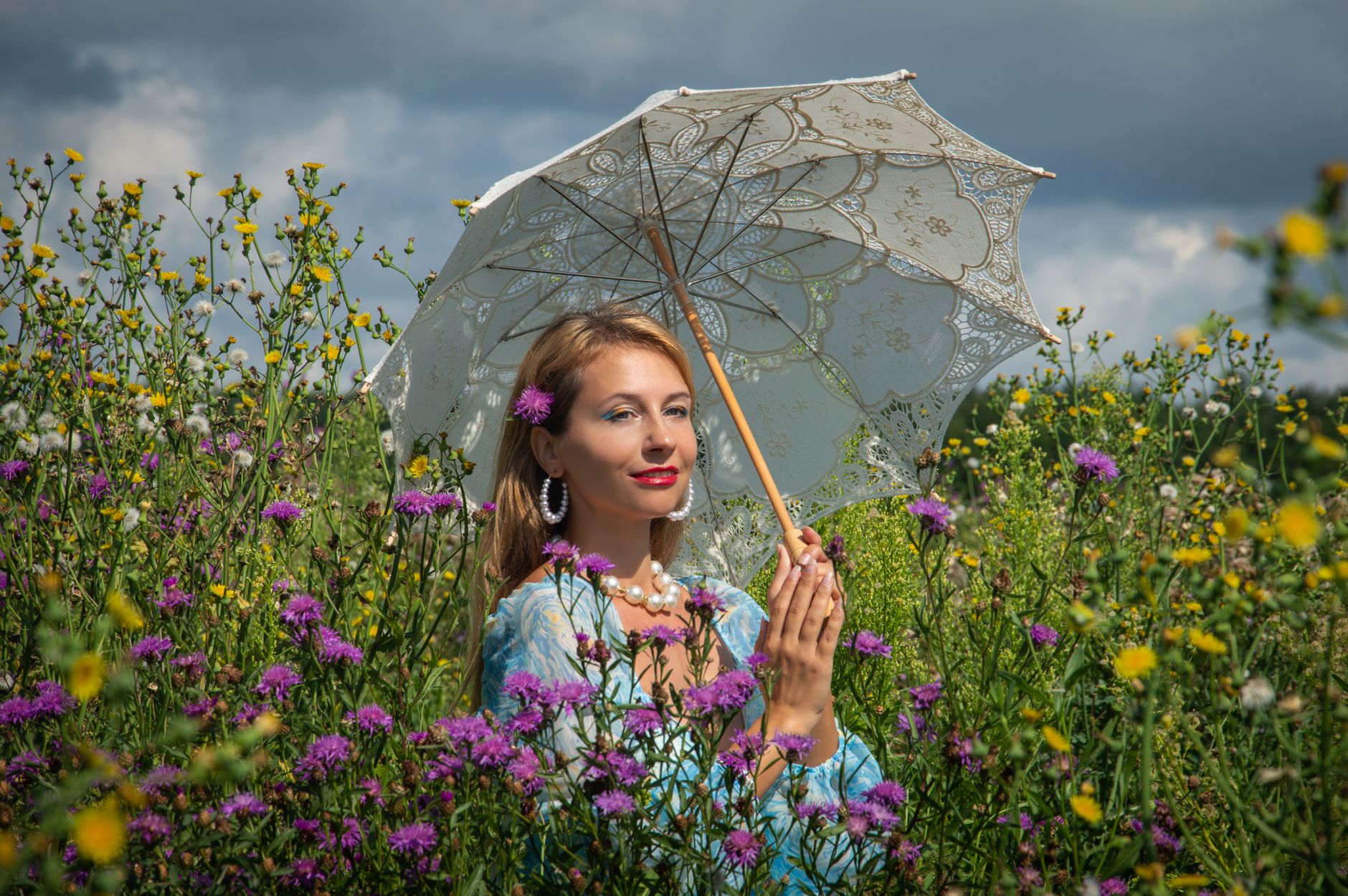
Surface decoration and trimmings created other signs. The tea dress was notorious for it; hand or machine lace was a typical feature, particularly on the necklines, cuffs and yokes of the garment. Fine embroidery, often hand, sometimes by the wearer or her mother, enhanced this and reinforced the association of femininity, domesticity and craft. Beading and fringed or metallic trim were also evident but predominantly on the more luxurious tea gowns, nearing a reception or ‘at home’ garment. As the Met Museum curatorial essays on 19 thcentury dress declares, ‘the perfection of surface detail was as much a signifier of class as the choice of quality fabric itself’.
Social Function and Domestic Ritual
The tea dress cannot be fully understood without considering its social context. It was a garment designed for a specific time of day and a specific set of activities: receiving friends, reading letters, engaging in polite conversation, playing the piano, or simply appearing appropriately dressed in the semi-public spaces of the home. In late Victorian London, afternoon tea had become an important social institution, often serving as a more intimate alternative to large evening gatherings. The tea dress dressed this ritual, shaping how women moved, sat, and interacted within it.
Significantly, tea gowns de-sexed the distinction between the private and the public. They were more informal than visiting dresses but not quite as informal as undress or negligee. Numerous etiquette books made distinctions between the kind of clothing one might wear when one might quite possibly be seen by callers, and what was only suitable in the privacy of one‘s own home. The Smithsonian website looks at the role that garments such as the tea gown played in affirming the proprietor as hostess within the authentic private sphere as one of modesty, taste and comfort.
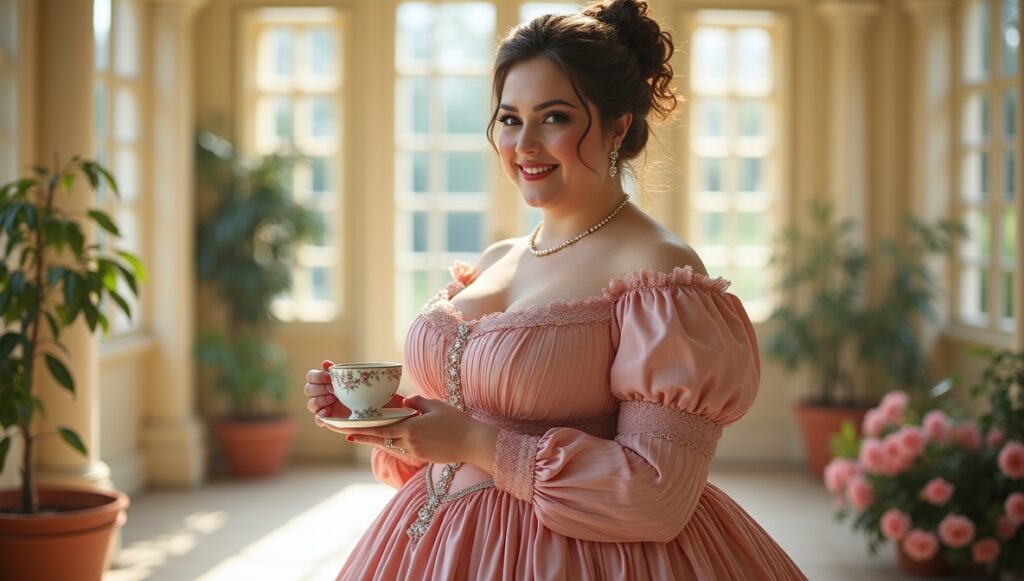
Simultaneously, the tea dress enacted a modest protest against the more extreme restrictions of Victorian dress. Although not generally comfortable, the tea dress, by virtue of its comparative looseness at the waistband and bosom, was part of a general critique of tight-lacing and heavy understructures. One late 19th-century fashion statement admits this, excerpted in V&Aclothes research, “The tea gown allows a lady to receive her guests with grace without the tyranny of the full corset”. Although very few tea gowns achieved this maximum level of supportdressing them the same as any other gown, with the exception of the closingsthey symbolized an era when fashionable comfort became ante for the world of respectable leisurewear.
Tea Dresses in Different Victorian Decades
Though we speak of the “Victorian tea dress” as a single category, its appearance and construction changed significantly from the 1870s to the end of Queen Victoria’s reign in 1901. Early tea gowns of the 1870s and early 1880s often retained clear echoes of the earlier crinoline and bustle eras: back fullness, draped overskirts, and a distinct waistline. These garments could resemble slightly softened versions of full day dresses, differentiated more by context of wear and internal comfort than by dramatically different silhouettes.
This new vertical shape was defining of the late Victorian and early Edwardian style, by the 1890s. In the 1890s boater or legofmutton sleeves caused a ballooning or fullness on the upper part of the sleeve, while the back fullness moved downward resulting in a much sleeker line. Several tea gowns of this date such art nouveau inspired lines and nature motifs. The Met Museum has numerous tea gowns from the 1890s which illustrate a long, elegant, almost flowing bodice, and soft skirts that set the stage for the loose, natural line of the 20th century, and reflect that the easy off-hand attitude could now reflected in more fashionable attire.
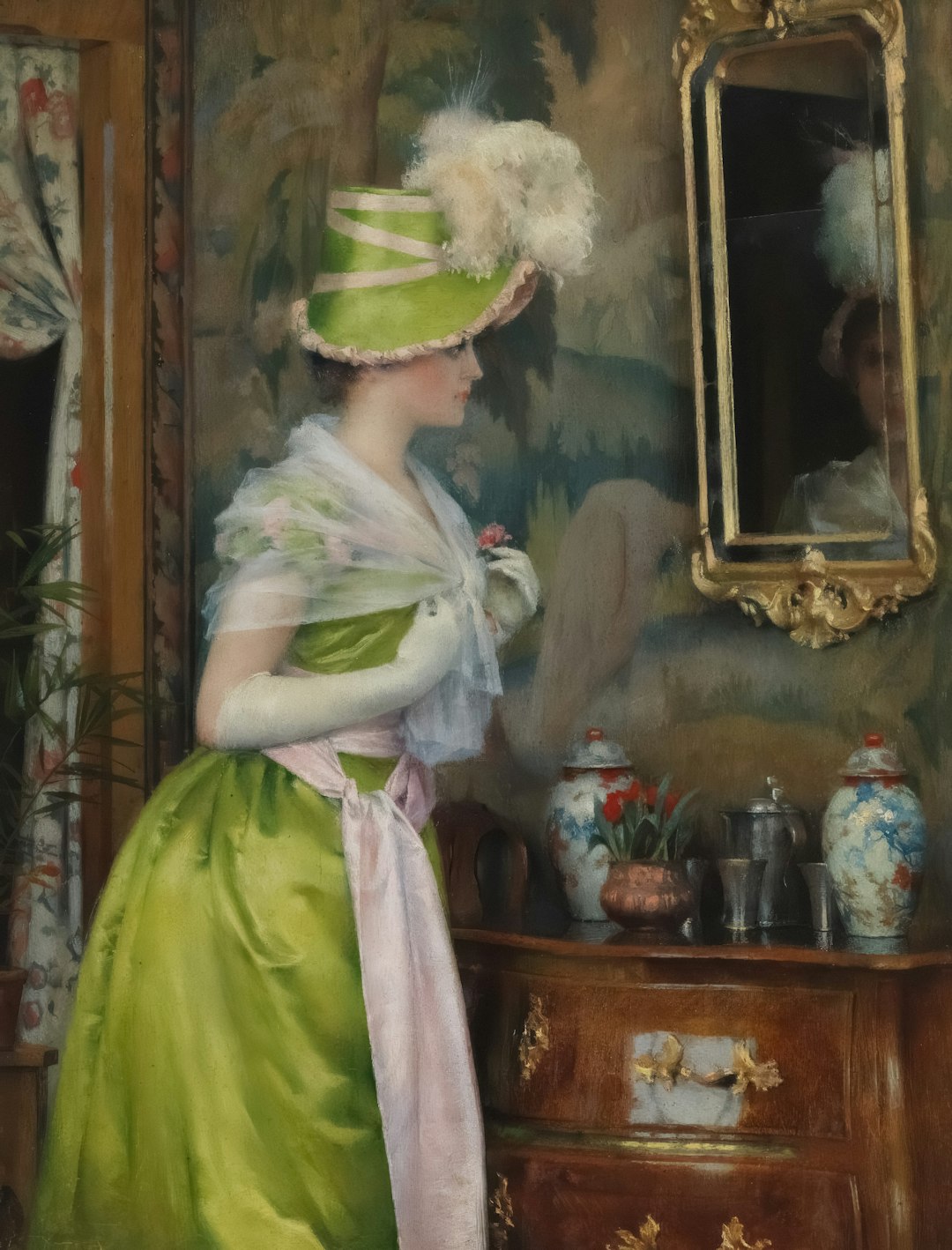
Geography affected the choice of style as well. Tea dresses in British colonies, for example, India or some parts of Africa, were adapted to hotter climates, made of lighter materials and occasionally reflecting a local textile style. It seems likely that the American selection of tea gowns was more Parisian in its inspirations, with many possibly coming directly from the Parisian couture houses such as Worth (the Parisian equivalent of the London BCA). There are numerous drawings of similar French “robes d‘interieur” and informal gowns that compare well with their English counterparts in the Louvre costume archives, although they also display slight differences in cut, trimming and decoration.
Comparative Overview of Key Characteristics
The following table summarizes some of the most important characteristics that distinguish Victorian tea dresses from other contemporary garments:
| Feature | Tea Dress / Tea Gown | Day Dress (Visiting/Walking) | Evening Dress |
|---|---|---|---|
| Primary setting | Home, afternoon tea, informal receiving | Public streets, visits, errands | Balls, dinners, theater |
| Silhouette | Softer, partly relaxed | Structured bodice, defined waist | Highly structured, often more extreme |
| Corsetry | Reduced or lighter internal structure | Full corset and boning standard | Full corset; tightly fitted |
| Fabrics | Lightweight silks, cottons, muslins, wools | More durable wools, silks, cottons | Luxurious silks, satins, velvets |
| Colors | Light, pastel, floral, domestic | Wider range; often darker or more practical | Rich, intense, sometimes dark or jewel tones |
| Ornamentation | Lace, embroidery, subtle trims | Fashionable but practical decoration | Beading, metallic trims, elaborate ornament |
| Sleeve/neckline formality | Moderately informal, variable | Moderate; higher necklines for day | Low necklines, shorter sleeves common |
| Social visibility | Semi-private, domestic visitors | Fully public | Public, high-status social events |
| Comfort level | Designed for relative ease and movement | Moderately comfortable but structured | Often least comfortable; prioritizes display |
Expert Perspectives and Authoritative Sources
Modern scholarship and museum collections have been essential in reconstructing the history of the tea dress, which existed in a largely domestic context and was not always preserved as carefully as court or evening dress. Institutions such as the Metropolitan Museum of Art, the Victoria and Albert Museum, and the Smithsonian Institution have played a leading role in documenting, conserving, and interpreting these garments.
The Metropolitan Museum’s Costume Institute catalogues multiple examples of late 19th‑century tea gowns, often accompanied by detailed curatorial notes. One Met curator writes that the tea gown “served as a garment of transition, mediating between the rigid sartorial codes of the mid‑Victorian era and the more fluid silhouettes of the early 20th century.” This interpretation underscores the tea dress’s role in fashion evolution, not just its place in domestic ritual.
It has to be remembered that as a widely collecting museum, the V&A focuses attention on tea gowns as a means of raising larger points about gendered, classed and fashionable consumption, noting in its online collections on the history of textiles that tea gowns were indicative of ‘the rising significance of the home as a display space for middleclass women, where the consumer was able to bring together taste in interior accessory and dress to reflect moral and social judgements. Here the tea gown is seen as just one element of a domestic aesthetic that encompassed furniture, wallpaper and china-objects that feature considerably in both V&A and Louvre collections.’
The Smithsonian Institution enriches the exhibition with its transatlantic- American stories of the tea gown‘s American adaptations and its relation to concepts of roles for women and domesticity in America. The curators are frequently quoting contemporary fashion/ etiquette/magazines, which provide an entry into how the gown was marketed to the consumer. An oft-heard refrain is the perceived contradictions of comfort and propriety- ‘The tea gown permits an ease in dress, but never an ease that forgets the presence of society,’ as one American magazine in the 1890s has been cited by Smithsonian research.
Frequently Asked Questions About Victorian Tea Dresses
Were Victorian tea dresses worn with corsets?
In most cases, yes—but usually with lighter or less tightly laced corsetry than formal day or eveningwear. Some tea gowns incorporated internal boning or built‑in support so that a separate corset could be loosened or omitted in very private settings. Completely uncorseted wear was rare in mixed company, given Victorian standards of propriety.
Did working‑class women wear tea dresses?
The tea dress was primarily a middle‑ and upper‑class garment, associated with homes that had the space, time, and resources for formalized afternoon tea. Working‑class women might adopt simplified, inexpensive versions, but the full expression of the tea gown—fine fabrics, elaborate trimming, dedicated use for leisure—was tied to wealth and social status, as reflected in museum collections from the V&A and Smithsonian.
How is a tea dress different from a modern “tea-length” dress?
“Tea-length” today refers to hem length (mid-calf), while the Victorian tea dress referred to function and context rather than a specific hem measurement. Victorian tea dresses were usually floor-length and defined by their role in afternoon domestic rituals and their relatively relaxed construction, not by being shorter than other garments.
Did tea dresses influence 20th‑century fashion?
Yes. Historians at institutions like the Metropolitan Museum of Art argue that the tea gown’s softer silhouettes and emphasis on comfort helped pave the way for the less structured styles of the early 1900s, including the designs of Paul Poiret and the eventual move away from heavy corsetry. The concept of elegant yet relaxed indoor wear was an important precursor to modern loungewear and informal dresses.
Were tea dresses always worn indoors?
Mostly, but not exclusively. Tea gowns were primarily indoor garments; however, in some cases they might have been worn on verandas, in private gardens, or to very informal, home-centered gatherings. For more public outings—even to tearooms in cities like London—women typically wore more formal day dresses or reception gowns.
Conclusion
The Victorian tea dress occupies a fascinating place in fashion history: neither fully private nor fully public, both constrained and subtly liberating, rooted in strict social codes yet anticipating future freedoms. Through surviving garments in the collections of the Metropolitan Museum of Art, the Victoria and Albert Museum, the Louvre, and the Smithsonian Institution, we can read the tea dress as a textile document of its time—one that records shifts in domestic life, women’s roles, and aesthetic ideals. To study the tea dress is to glimpse a moment when the rituals of the drawing room quietly reshaped what it meant to be well dressed, comfortable, and modern.
AI Notice: Some visual content in this article may have been created or enhanced using artificial intelligence (AI) for artistic, editorial or illustrative purposes. Learn more about our approach in our AI & Editorial Principles.