
Plus Size Gothic Wedding Dresses You’ll Obsess Over
A plus size gothic wedding dress is more than a garment—it’s a declaration. It tells the world that you reject the idea that bridal beauty comes in only one color (white) and one size (tiny). Instead, you align yourself with centuries of dramatic fashion, rich symbolism, and unapologetic individuality. Rooted in medieval cathedrals, Victorian mourning rituals, and the rebellious fashions of 20th‑century subcultures, the gothic aesthetic offers plus size brides a vocabulary of lace, velvet, corsetry, and shadow that can be shaped into something powerfully romantic and deeply personal.
The Historical Roots of Gothic Bridal Style
Gothic style is not a recent invention of alternative fashion communities; it is a revival and reinterpretation of medieval and early Renaissance aesthetics. Architectural “Gothic” emerged in 12th‑century France, in churches like the Basilica of Saint‑Denis and later masterpieces such as Notre‑Dame de Paris, marked by pointed arches, ribbed vaults, and stained glass that turned stone and glass into drama and light. As the Metropolitan Museum of Art notes, late medieval dress often featured long, flowing silhouettes and deep, saturated colors—crimson, midnight blue, and black—echoing the solemn grandeur of the architecture around them (The Met, “Fashion in Medieval Europe”).
Can You Name the Masterpiece?
Ten masterpieces. Ten questions. How well do you know the history of art?
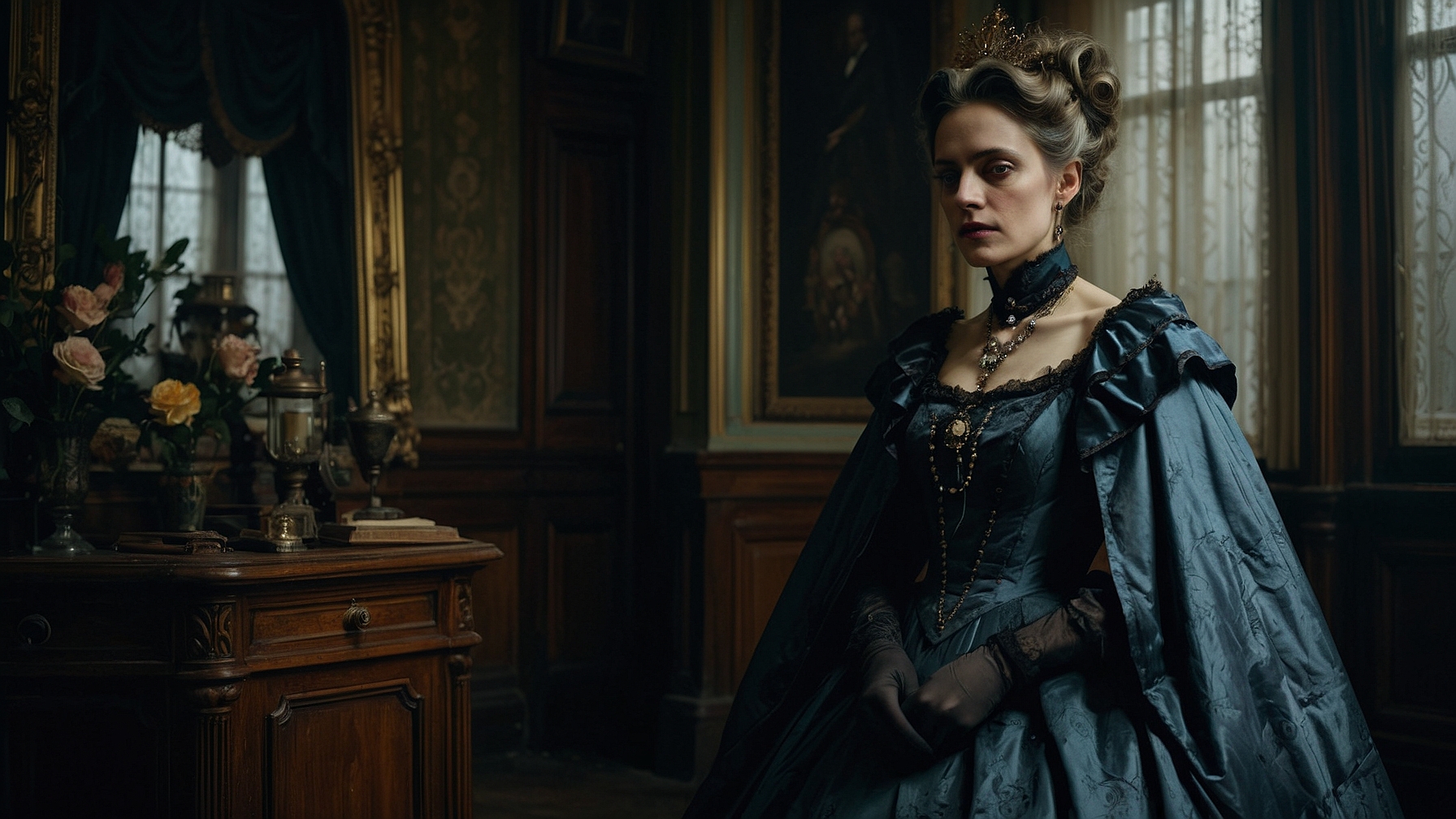
By the 19th century, the Gothic Revival swept through Britain and Europe, influencing everything from literature to church design to dress. The Victoria and Albert Museum has documented how Victorian women adopted dark silks, elaborate lace, and jet beading for mourning and evening wear, particularly under Queen Victoria’s long period of mourning after Prince Albert’s death in 1861. These garments set many of the visual cues contemporary gothic brides love: dramatic silhouettes, black veils, and ornate embellishment that flirted with the macabre while remaining undeniably elegant.

Modern gothic wedding fashion is also indebted to 1980s and 1990s subcultures—particularly goth, punk, and metal scenes—where black clothing, corsets, and lace became symbols of resistance to mainstream beauty norms. Yet even here, the echoes of history are clear. The Smithsonian Institution’s collections show how corseted bodices and structured skirts have cycled in and out of fashion since at least the 16th century, proving that what today feels “alternative” is often a reimagining of traditions centuries old.
Why Plus Size Gothic Wedding Dresses Matter
For plus size brides, the gothic wedding dress can be a powerful tool of self-definition. Traditional bridal marketing still centers a narrow image: slim, white, strapless, and conventionally “feminine.” A gothic gown rejects those constraints. In embracing darkness, drama, and nonstandard silhouettes, it also implicitly challenges the idea that only one kind of body deserves to be celebrated in lace and tulle. The dress becomes a way of saying: “I am not here to disappear. I am here to be seen.”
Can You Guess the Artist?
Three clues. One artist. How quickly can you identify the painter?
Importantly, gothic style lends itself beautifully to plus size design. Historic silhouettes that inspired the gothic aesthetic—such as the late medieval houppelande or the Victorian bustle gown—were not built around modern thinness. These garments draped, flowed, and carved dramatic shapes around the body. When translated into plus size bridal wear, details like structured bodices, strategic seaming, and full skirts can create balance, support, and comfort without erasing curves. As the V&A’s exhibitions on corsetry and structured dress demonstrate, shaping garments were historically about sculpting the silhouette, not about making bodies smaller or invisible.
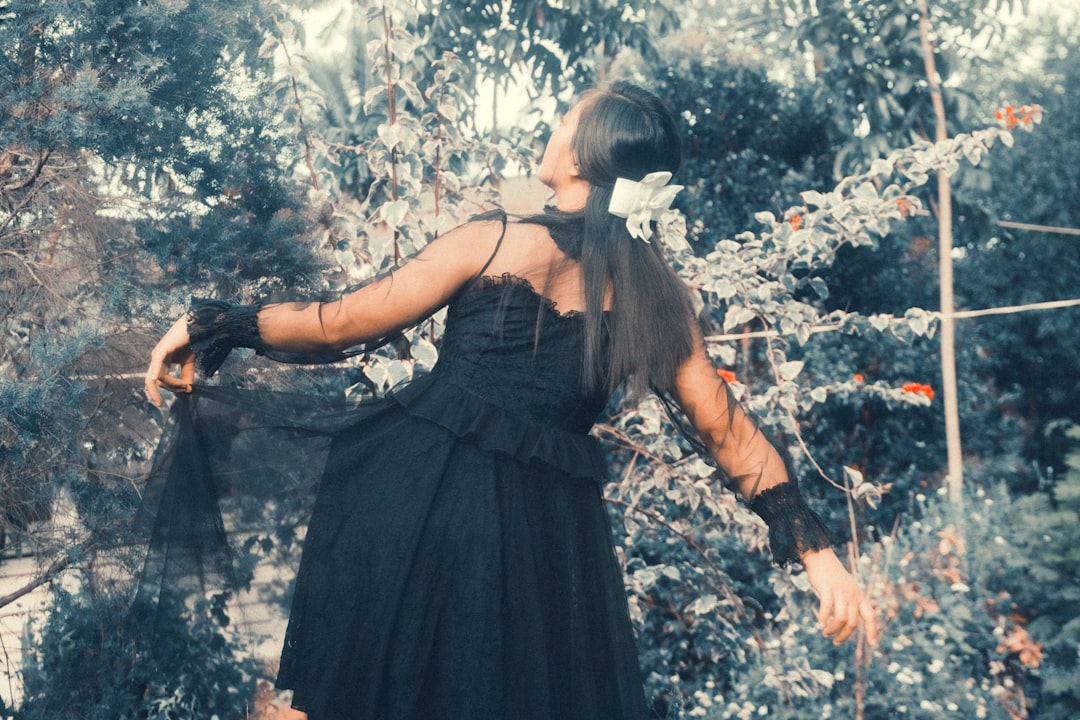
There is also an emotional dimension. Many plus size brides have experienced years of clothing that “hides” them, in neutral colors and apologetic cuts. A plus size gothic wedding dress—with its black velvet, crimson lining, or cathedral-length lace train—does the opposite. It asks for the full theater of a grand entrance. That gesture aligns with the core of gothic romanticism: the idea that beauty can be found in darkness, intensity, and the unconventional.
Key Design Elements of Plus Size Gothic Wedding Dresses
Three elements tend to define gothic bridal design: color, texture, and silhouette. Color is the most obvious. Black remains the archetypal choice, evoking Victorian mourning dresses, ecclesiastical garments, and the darkness of candlelit cathedrals. Deep jewel tones like burgundy, emerald, and amethyst draw on medieval court dress and religious vestments, many of which can be seen in the collections of The Louvre and The Metropolitan Museum of Art. Some brides choose black-over-nude illusion lace or ombré skirts that fade from ivory into charcoal to blend tradition with gothic flair.
Texture is equally crucial. The gothic aesthetic favors rich, light-catching fabrics—velvet, satin, brocade—paired with delicate, often sheer materials such as Chantilly or Alençon lace. These combinations recall historic garments preserved in institutions like the V&A, where 19th‑century evening gowns feature black lace overlays on colored silk. For plus size brides, thoughtful layering of textures can soften or emphasize curves in intentional ways: matte fabrics can minimize glare, while lace appliqués can draw the eye toward favorite features like the décolletage or shoulders.

Silhouette ties these elements together. Popular goth‑leaning shapes for plus size brides include A-line gowns, fit‑and‑flare designs with strategic structure, and dramatic ballgowns that echo 18th‑ and 19th‑century court dress. Long, flowing sleeves—bishop, bell, or poet sleeves—are a hallmark of medieval-inspired fashion and can add both comfort and movement. Trains and capes reference ecclesiastical vestments and royal regalia; many pieces in the Met’s and Louvre’s collections show how length and volume are used historically to signal importance, status, and solemnity—qualities many brides want on their wedding day.
Flattering Silhouettes and Structural Support for Curvier Figures
A thoughtful plus size gothic gown starts with engineering, not ornament. Supportive foundations—built-in bra cups, boning, supportive waistbands, and properly fitted corsetry—create comfort and stability. Historical garments often used a combination of boned bodices and layered petticoats to distribute weight; contemporary designers can adapt that logic with modern materials, using power mesh, soft boning, and adjustable lacing to provide shape without pain. As the Smithsonian’s costume collections illustrate, successful structured garments rely on fit and proportion, not tightness alone.
For many plus size brides, a modified A-line is the most versatile silhouette. It skims rather than clings, balancing hips and bust while offering drama in the skirt. In a gothic context, this shape pairs beautifully with long trains, lace overlays, or detachable overskirts that create a cathedral-worthy presence. Fit‑and‑flare styles can also work well when the “flare” begins higher on the body—mid-thigh rather than knee—ensuring that movement is comfortable and the dress doesn’t grip too tightly around the legs.
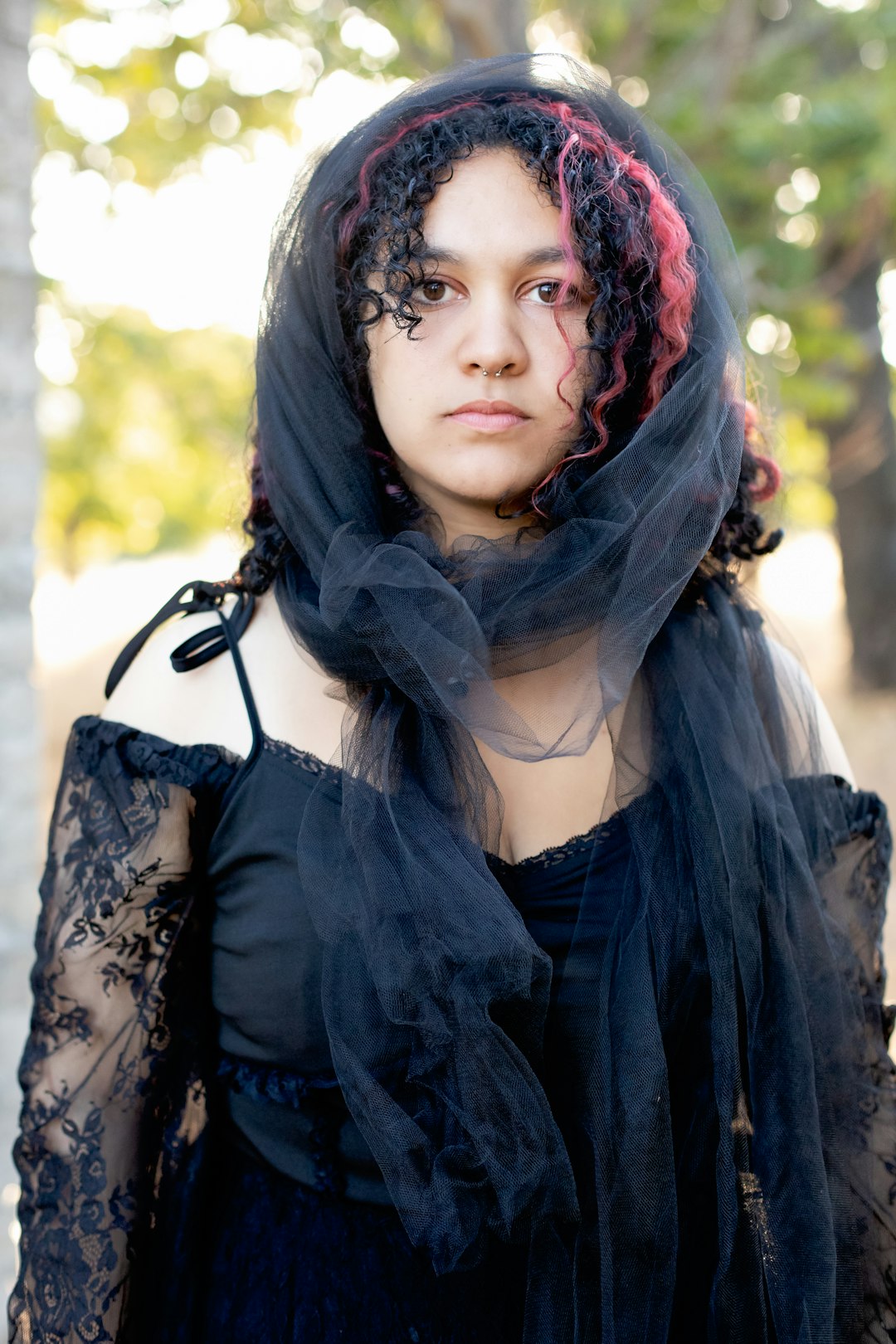
Sleeves deserve particular attention. Off-the-shoulder necklines with structured sleeves, illusion long sleeves with lace motifs, and flowing bell sleeves can all complement fuller arms without sacrificing style. These echoes of medieval and Renaissance dress, frequently seen in paintings and extant garments in The Louvre and V&A, feel inherently gothic. The key is balance: pairing a dramatic sleeve with a more contained skirt, or vice versa, to avoid overwhelming the figure while still honoring the maximalist spirit of gothic style.
Fabric, Color, and Detail: Translating Gothic Aesthetics to Bridal Wear
Fabric choice can transform a simple silhouette into something unmistakably gothic. Velvet, long associated with royalty and ecclesiastical luxury, adds depth and weight that photographs beautifully in low light—perfect for candlelit ceremonies in historic venues. Satin and mikado offer a more structured, sculptural look, suitable for architectural pleats or origami-inspired folds that echo the angles of Gothic cathedrals. Chiffon and tulle, when layered in dark hues, create a misty, romantic atmosphere reminiscent of Victorian spiritualist portraits and Symbolist paintings preserved in major European collections.
Color symbolism is woven deeply into gothic design. Black can signify power, mystery, and the blending of love and mortality—a nod to the Victorian notion that “mourning is for those we love most.” Deep red invokes passion and the medieval connection between red garments and both wealth and sin, a duality often explored in art at The Met and The Louvre. Some brides choose accents in metallic gold or silver embroidery, referencing liturgical robes and altar frontals, to suggest sacredness and ceremony.

Details bring the dress fully into the gothic realm. Think jet beading, reminiscent of 19th‑century mourning jewelry in the V&A’s collections; guipure lace with botanical or baroque motifs; corset-style back lacing framed by grommets; or appliquéd black roses trailing down a train. Accessories extend the story: cathedral-length black lace veils, chokers evoking Victorian portraits, or tiaras that could have stepped out of a Pre-Raphaelite painting. As fashion historian Valerie Steele has observed, “Gothic dress uses historic elements not to recreate the past, but to dramatize the present.” The same principle applies to your wedding look.
Choosing the Right Designer or Boutique
Finding a plus size gothic wedding dress often means seeking out designers and boutiques that understand both alternative aesthetics and inclusive sizing. Many mainstream bridal shops now carry a limited range of darker or more dramatic gowns, but their sample sizes often stop at size 12 or 14. Look for boutiques that explicitly advertise plus size samples and stock ranges up to at least size 26–30. This ensures you can actually try on dresses, rather than being asked to “imagine” how a gown several sizes too small will look.
Research designers who specialize in gothic, fantasy, or historically inspired bridalwear and check whether they show plus size models wearing their designs. Institutions like the Metropolitan Museum of Art’s Costume Institute and the V&A’s fashion collections can be helpful reference points; many designers open about their influences will name these museums in their own promotional materials or design notes. That transparency is often a good sign that they understand the historical language of gothic design and can translate it into something wearable and supportive.
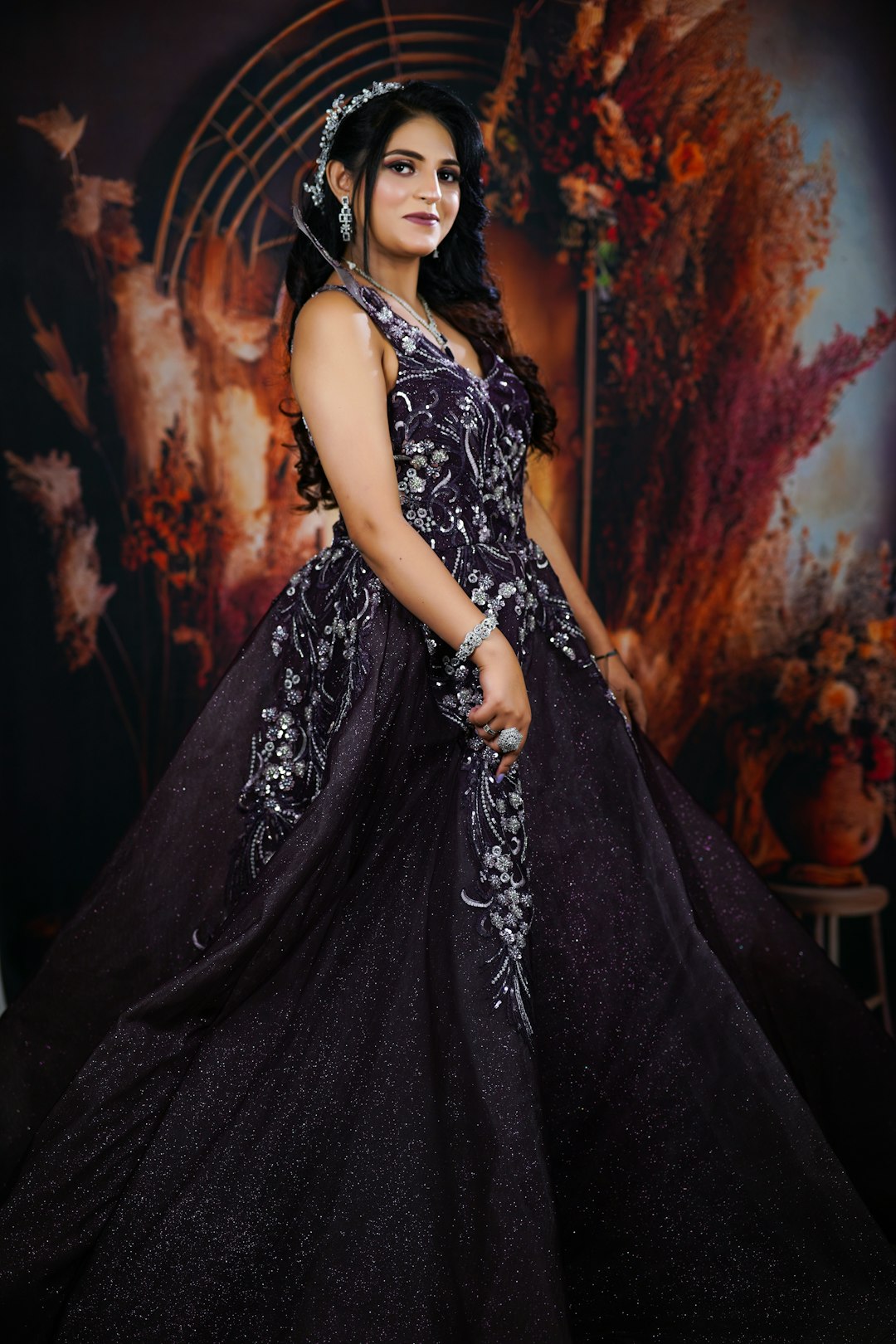
Customization is particularly important for plus size brides. Ask about pattern adjustments, extra structure in the bodice, wider straps, or additional fabric in the train for balance. A good designer will be willing to adjust proportions—lowering or raising a waist seam, modifying sleeve fullness, or tailoring the neckline—to fit your body rather than forcing your body to fit a standard pattern. In the spirit of historic couture documented by institutions like the Smithsonian, where garments were created for individual bodies, your gown should be a collaboration.
Practical Styling Tips for Plus Size Gothic Brides
Styling a gothic wedding look is about cohesion, not costume. Start with your venue and ceremony style. A cathedral-length black lace gown might feel perfectly at home in a Gothic Revival church or historic mansion but could overwhelm a small, minimalist space. Conversely, a sleek black satin mermaid dress with minimal embellishment can bring gothic elegance into more contemporary settings while still feeling true to the aesthetic.
Underpinnings matter. Many plus size brides benefit from professional bra fitting and guidance on shapewear that prioritizes comfort. Unlike the rigid corsetry of the 18th and 19th centuries—examples of which you can see at the V&A—modern solutions can offer smoothing and support without restricting breathing or movement. Ensure that any corset-style lacing on your dress is decorative or lightly supportive, not your main structural support, particularly for long ceremonies or dancing.
Hair and makeup complete the narrative. Gothic bridal makeup does not have to mean heavy black lipstick or extreme contouring. Think of Pre-Raphaelite paintings in The Louvre or the National Gallery: luminous skin, defined eyes, and berry or wine-toned lips can feel both timeless and subtly gothic. Hair adorned with black or deep red flowers, antique-inspired combs, or veils edged in lace nods to history without overwhelming your features. The goal is to look like yourself—just turned up to the level of a 14th‑century altarpiece or a Victorian portrait.
Summary of Key Characteristics
| Feature | Gothic Influence & History | Plus Size Considerations |
|---|---|---|
| Color Palette | Black, burgundy, jewel tones echo medieval and Victorian dress (Met, V&A) | Use deep hues for drama; consider black-over-nude for dimension |
| Silhouette | Medieval gowns, Victorian ballgowns, Gothic Revival fashion | A-line, fit‑and‑flare, and ballgowns with balanced proportions |
| Fabrics | Velvet, satin, brocade, lace seen in historic court dress | Combine structured and soft fabrics for support and drape |
| Structure | Corseted bodices, layered skirts (Smithsonian examples) | Modern boning, cups, and waist stays for comfort and fit |
| Sleeves & Necklines | Bell sleeves, high necks, off-the-shoulder from historic garments | Adjust volume and coverage; use illusion lace strategically |
| Embellishment | Jet beading, embroidery, appliqué seen in 19th‑c. fashion | Place details to highlight features, avoid heavy beading at stress points |
| Accessories | Veils, chokers, tiaras echo portraits in Louvre, V&A | Scale pieces to body and gown volume for harmonious balance |
Authoritative Perspectives and Sources
Multiple respected institutions have documented the historical lineages that underpin gothic bridal style. The Metropolitan Museum of Art’s Heilbrunn Timeline of Art History describes late medieval and early Renaissance clothing as “highly structured, with rich fabrics and dark, saturated colors for formal occasions.” This description maps directly onto contemporary gothic wedding gowns that favor architectural bodices and deep hues.
The Victoria and Albert Museum’s extensive collections of mourning dress and 19th‑century eveningwear reveal how black became associated with luxury as well as grief. As curator Lou Taylor has written, “Black silk and jet beading in the 19th century were not only symbols of mourning, but of status and refinement.” That dual symbolism—sorrow and splendor—lies at the heart of the gothic aesthetic that many brides find so compelling.
The Smithsonian Institution and The Louvre offer additional context through their holdings of historic corsetry, ecclesiastical garments, and court dress. These sources make clear that what seems radically alternative today—a black, corseted wedding gown with a sweeping train—has deep roots in visual traditions associated with power, spirituality, and ceremony. Grounding your dress choice in this history can make it feel not only expressive but also connected to centuries of art and culture.
Frequently Asked Questions about Plus Size Gothic Wedding Dresses
1. Can I wear a black wedding dress and still look “bridal”?
Yes. Historically, white did not dominate Western weddings until the 19th century, as The Met notes in its discussions of bridal fashion. Black, red, and colored gowns were common. Bridal-ness comes from context—ceremony, styling, and intention—not a specific color.
2. Are corsets uncomfortable for plus size brides?
They don’t have to be. Modern bridal corsetry uses flexible boning and soft linings. Comfort depends on correct sizing, quality construction, and not over-tightening. A well-fitted bodice should feel secure, not painful.
3. What if my family dislikes the idea of a gothic dress?
Consider compromise through color (e.g., black lace over ivory), or choose a more traditional silhouette in dark hues. Sharing references from institutions like the V&A or Met can also show that your choice has historical precedent and elegance.
4. How far in advance should I order a plus size gothic gown?
Ideally 8–12 months before the wedding. Custom or alternative designs often take longer, and plus size pattern adjustments can require extra fittings.
5. Can I find gothic dresses in standard bridal shops?
Some mainstream designers now include darker or more dramatic gowns, but selection varies. Look for boutiques known for inclusive sizing and alternative aesthetics, and call ahead to confirm they have plus size samples.
6. What accessories work best with a gothic gown for a fuller figure?
Scale is key. Medium-to-large hairpieces, substantial jewelry (not too tiny), and veils that match the drama of your dress help maintain balance. Avoid pieces that are too small or too oversized relative to your silhouette.
Conclusion
A plus size gothic wedding dress is a convergence of history, aesthetics, and self-respect. It draws on medieval cathedrals, Victorian rituals, and subcultural rebellion to offer a visual language that honors both your body and your individuality. Backed by centuries of art and fashion history preserved in institutions like The Metropolitan Museum of Art, The Victoria and Albert Museum, The Louvre, and the Smithsonian, your choice is not a departure from tradition—it is a bolder, more honest engagement with it. In embracing the shadows, you create a moment of striking, unforgettable light.
AI Notice: Some visual content in this article may have been created or enhanced using artificial intelligence (AI) for artistic, editorial or illustrative purposes. Learn more about our approach in our AI & Editorial Principles.