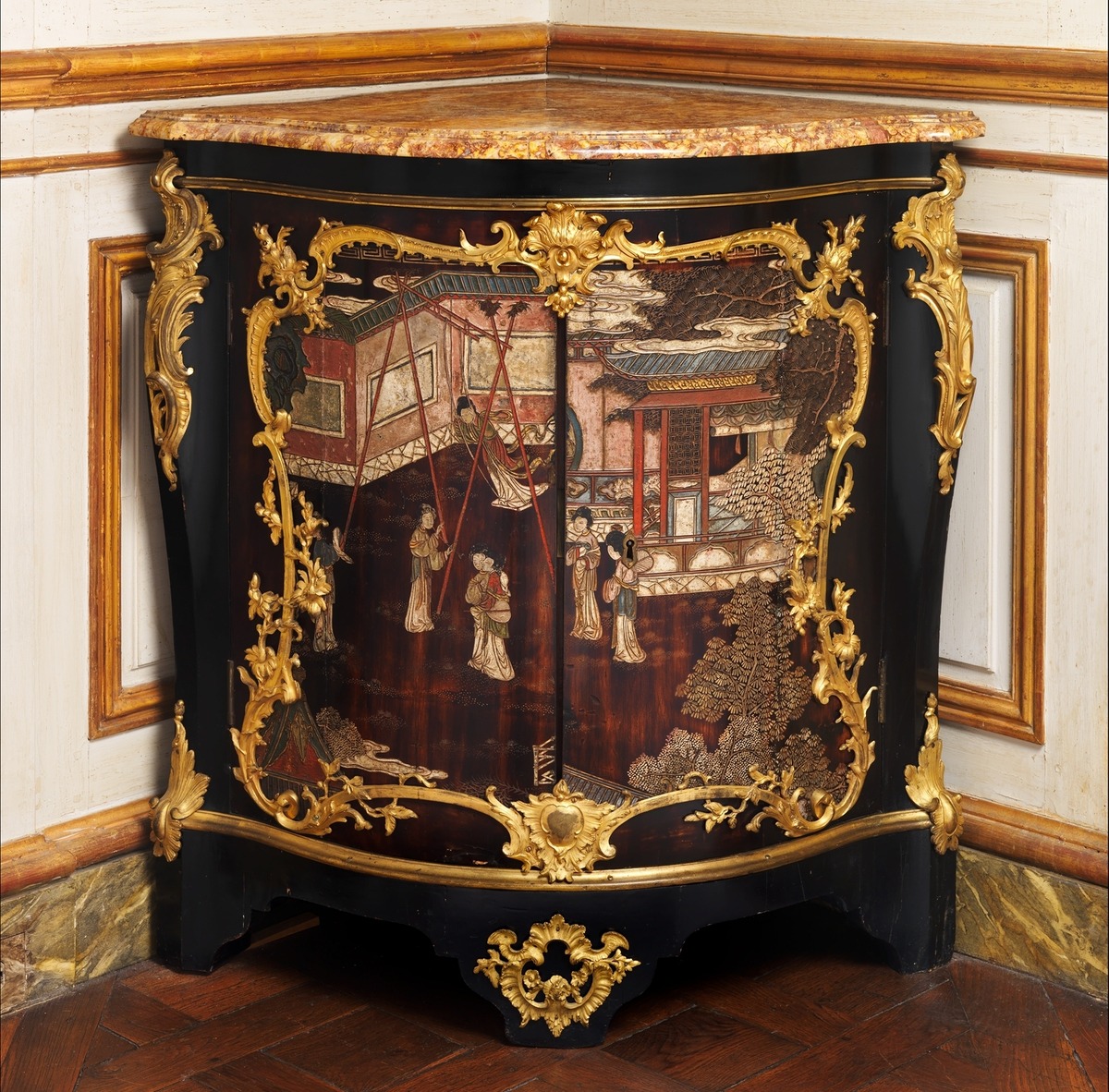

Vintage couture wedding gowns brides regret not discovering
Vintage couture wedding gowns are the dresses many brides wish they had found earlier in their planning. While racks of modern styles compete for attention, exquisite one‑of‑a‑kind pieces often sit quietly in archives, specialist boutiques, or relatives’ closets. By the time some brides learn what’s really possible with vintage couture, their dress is already bought, altered, and worn.
Understanding what makes these gowns so special can help you avoid post‑wedding dress regret, and instead choose something that feels deeply personal, historically rich, and surprisingly flattering.
What “Vintage Couture” Really Means
Can You Name the Masterpiece?
Ten masterpieces. Ten questions. How well do you know the history of art?
Before you start searching, it helps to understand the terms. “Vintage” and “couture” are often used loosely, but together they describe a very specific category of gown.
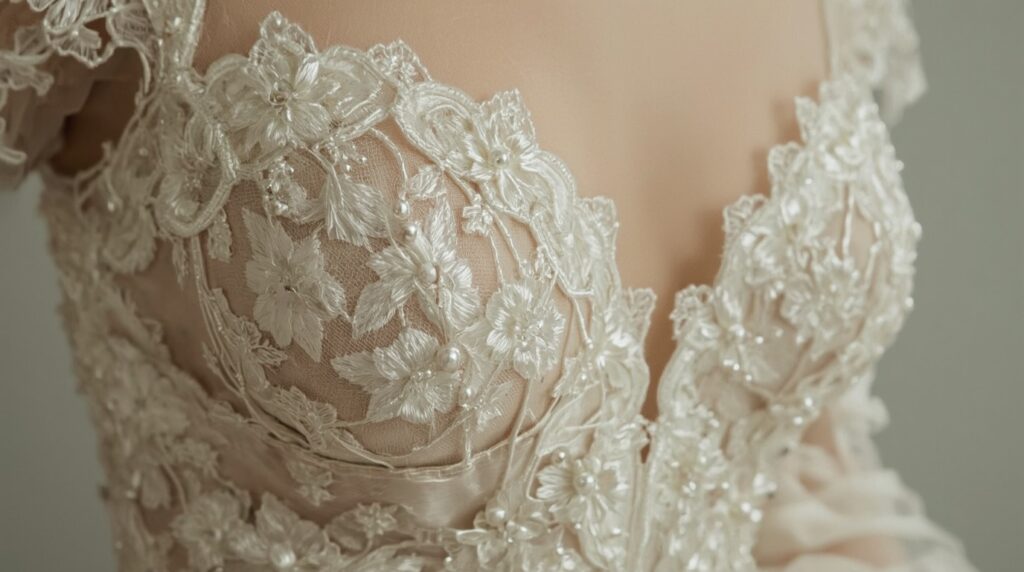
Vintage typically means:
- At least 20 years old (many specialists use 20–30 years as a guideline)
- From a past era with distinct design details
- Not a modern reproduction of an old style
Couture typically means:
- Designed and made to extremely high standards
- Often handcrafted, with meticulous hand-sewn details
- Produced in limited quantities or made-to-measure
- Made from luxury fabrics and inner structures, not just what’s visible
Can You Guess the Artist?
Three clues. One artist. How quickly can you identify the painter?
In fashion history resources and museum archives, garments described as couture are usually documented with careful attention to technique, fabric, and construction. Institutions that study textiles and historical dress, such as major museum costume institutes, emphasize that couture garments are structurally different inside from mass-market pieces: multiple layers, hand-finished seams, and precise tailoring.
What this means for brides
- You’re not just buying a dress; you’re wearing a piece of design history.
- The gown often fits and falls differently from standard modern bridal wear because of its internal structure.
- Even simple designs feel more “expensive” due to drape, weight, and movement.
When to be cautious:
If a shop labels every older dress as “vintage couture” without clear information about designer, era, or construction, that’s a sign to ask questions. A truly couture piece usually has some traceable background or evidence of high‑end workmanship.
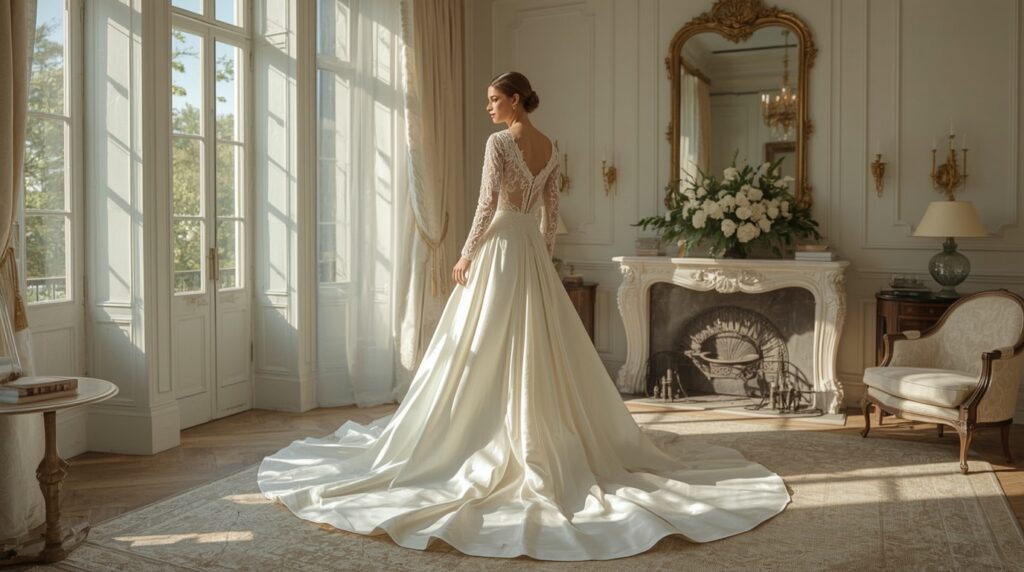
Why Brides Regret Not Discovering Vintage Couture
Many brides only learn about vintage couture wedding gowns after the wedding—through photos of others, documentaries about fashion houses, or museum exhibitions—and suddenly realize what they missed.
Reasons for regret
Uniqueness they couldn’t find in stores
Modern bridal shops often repeat similar silhouettes and fabrics. Vintage couture offers:- Unusual necklines and sleeve shapes
- Fabrics and laces that are no longer produced
- Hand beading or embroidery that feels alive in photos
Unexpectedly flattering structures
Older couture gowns were often designed around realistic body shapes, then fine‑tuned by hand. This means:- Better bust support without heavy padding
- Waistlines that visually lengthen the body
- Skirts that move gracefully instead of feeling stiff or bulky
Emotional depth and story
Wearing a gown with history can feel emotionally grounding on a big, high‑pressure day. Brides often describe vintage couture as:- Making them feel “like themselves, but elevated”
- Giving a sense of continuity with women from previous generations
What this means for you
If you value individuality, craftsmanship, and meaning, ignoring vintage couture may narrow your options more than you realize. You don’t have to love all things “old” to appreciate:
- A better fit
- More interesting design
- A stronger personal connection to what you’re wearing
When to be concerned:
If you feel lukewarm about every contemporary dress you try on, or you keep saving photos of older, classic styles, that’s a strong signal: your ideal gown might not be on current-season racks.
Styles of Vintage Couture Gowns Worth Seeking Out
Certain eras and design houses produced wedding gowns that still feel fresh and relevant. Many brides don’t realize how modern some vintage silhouettes can look once properly styled.
Key eras and what they offer
1. 1930s bias-cut gowns
- Fluid silk that skims the body
- Low backs, subtle trains, softly draped sleeves
- Romantic but minimal, ideal for city weddings or smaller ceremonies
2. 1950s structured silhouettes
- Nipped waists and full skirts, often with petticoats
- Fitted bodices that support without obvious boning
- Perfect if you love a “cinched” look with gentle drama
3. 1960s and 1970s minimalist or bohemian styles
- Clean sheath dresses or empire waists
- Lace details that feel airy rather than heavy
- Great for outdoor weddings or brides who dislike big skirts
4. 1980s and 1990s understated couture
- Not just puff sleeves—many couture houses made sleek, architectural gowns
- Square necklines, strong shoulders, and clean lines
- Surprisingly modern for industrial, gallery, or urban venues
Designers to research
While you don’t need a famous label, learning about historic couture houses can guide your search. Museum collections, reputable fashion histories, and archival photos from major fashion capitals (Paris, Milan, New York, London) show how these designers built gowns meant to last.
Look into:
- French couture houses known for bridal lines
- Historical British or Italian designers with strong tailoring traditions
What this means for brides
If you’re overwhelmed by options, choose an era or silhouette that matches your venue and personality. Then search within that narrow band, rather than skimming everything.
Sourcing Vintage Couture Safely and Smartly
The biggest barrier between brides and vintage couture is not taste—it’s confusion about where and how to buy. Done carelessly, shopping vintage can lead to disappointment; done carefully, it can be one of the most rewarding parts of wedding planning.
Where to look
- Specialist vintage bridal boutiques
- Curated selections, often cleaned and stabilized
- Staff familiar with period details, fabrics, and alterations
- Reputable online vintage dealers
- Detailed measurements and close-up photos of seams and labels
- Clear condition grading and return policies
- Family pieces (mother’s, grandmother’s, or other relatives’)
- Emotional value and often higher-quality older materials
- Opportunity to redesign while keeping key elements
- Museum deaccession sales / charity events
- Occasionally, institutions release duplicate or non‑collection items
- Can be a source of unusual or historically interesting garments
How to evaluate condition
Textile researchers and conservation groups consistently highlight that older fabrics can be fragile, especially silk, lace, and tulle. You don’t need to be an expert, but you should look for:
- Fabric that tears easily when gently tugged
- Yellowing, stiff lace, or crumbling netting
- Rusted zippers or corroded metal fastenings
- Uneven discoloration or odors that suggest poor storage
When to be concerned:
If the fabric breaks under very light pressure, or the seller can’t show clear close‑ups of seams and stress points, be ready to walk away. Some issues can be repaired; structural decay usually cannot.
Fitting and Altering Vintage Couture Gowns
A common fear is “Can this even be altered to fit me?” With the right professional, often yes—but there are limits.
Choosing the right alterations specialist
Look for:
- Seamstresses or tailors who regularly work on vintage clothing or theater costumes
- Bridal alteration specialists with experience in corsetry and hand finishing
- Professionals recommended by vintage boutiques rather than general dry cleaners
Many conservation and garment-care organizations emphasize that working on older fabrics requires slower, more delicate techniques and sometimes partial internal reinforcement.
What can usually be done
- Taking in or letting out side seams (if seam allowance exists)
- Adjusting straps, sleeves, and hems
- Replacing damaged zippers with invisible closures
- Adding discreet support layers (bodice lining, bust cups)
What’s risky
- Drastically changing the size (more than 1–2 sizes difference)
- Removing complex beading or lace panels
- Cutting away original internal structure
What this means for brides
Choose a dress that’s close to your current measurements rather than hoping for major alterations. When trying on, move naturally:
- Sit down
- Raise your arms
- Walk quickly
If it feels fragile during normal movement, ask an expert whether reinforcement is possible before you commit.
Caring for a Vintage Couture Wedding Gown
Once you find your dress, caring for it properly protects both your investment and its historical value.
Before the wedding
- Store in a breathable garment bag, never plastic
- Keep it in a cool, dry, dark place away from direct sunlight
- Use a padded hanger for light gowns; heavier dresses may need to be stored flat
Textile conservation guidelines from museums and heritage organizations consistently recommend cool, stable environments and breathable materials to prevent mold growth and fiber weakening.
After the wedding
- Have it cleaned by a specialist familiar with older fabrics
- Avoid spot‑treating stains with household products; some chemicals can damage silk or lace
- If preserving long-term:
- Use acid‑free tissue paper
- Store in an archival box
- Check it periodically rather than forgetting it in a basement or attic
When to be concerned:
If the gown gets wet outdoors, stained with red wine, or exposed to heavy perspiration, cleaning sooner is better. Extended contact with moisture and acids can cause permanent discoloration or weakening of fibers.
How to Decide if Vintage Couture Is Right for You
Not every bride needs or wants a vintage couture gown, and that’s okay. The important thing is to make a conscious, informed choice—not to discover the possibility years later and feel you missed out.
Vintage couture tends to suit brides who:
- Feel underwhelmed by most new dresses
- Care about craftsmanship and story as much as appearance
- Don’t mind a slower, more involved search
- Are open to working closely with an alterations specialist
You might skip it if:
- You want a very specific, current-trend look
- You’re on a tight timeline with no room for alterations
- The idea of wearing a previously owned or older garment makes you uncomfortable
Practical next step
Before finalizing a modern gown, dedicate one afternoon to visiting a reputable vintage bridal boutique or exploring online vintage bridal collections with careful measurements. Even if you decide against it, you’ll know your choice was made with full awareness of what’s available.
Conclusion: Avoiding Dress Regret by Expanding Your Options
Vintage couture wedding gowns are the hidden chapter of bridal fashion—full of remarkable craftsmanship, flattering silhouettes, and emotional depth. Many brides only discover them in photos or exhibitions long after their own wedding, and realize they never truly saw the full range of possibilities.
For you, the takeaway is simple:
- Learn what “vintage couture” really means.
- Explore at least a few options from earlier eras.
- Consult professionals for condition, alterations, and care.
Even if you ultimately choose a modern gown, you’ll do so knowing you didn’t overlook dresses that might have suited you better. And if a vintage couture piece turns out to be “the one,” you’ll be wearing not just a wedding dress, but a carefully crafted part of fashion history—with no regrets later.
AI Notice: Some visual content in this article may have been created or enhanced using artificial intelligence (AI) for artistic, editorial or illustrative purposes. Learn more about our approach in our AI & Editorial Principles.