
Victorian Peasant Clothing: The Surprising Truth About What They Wore
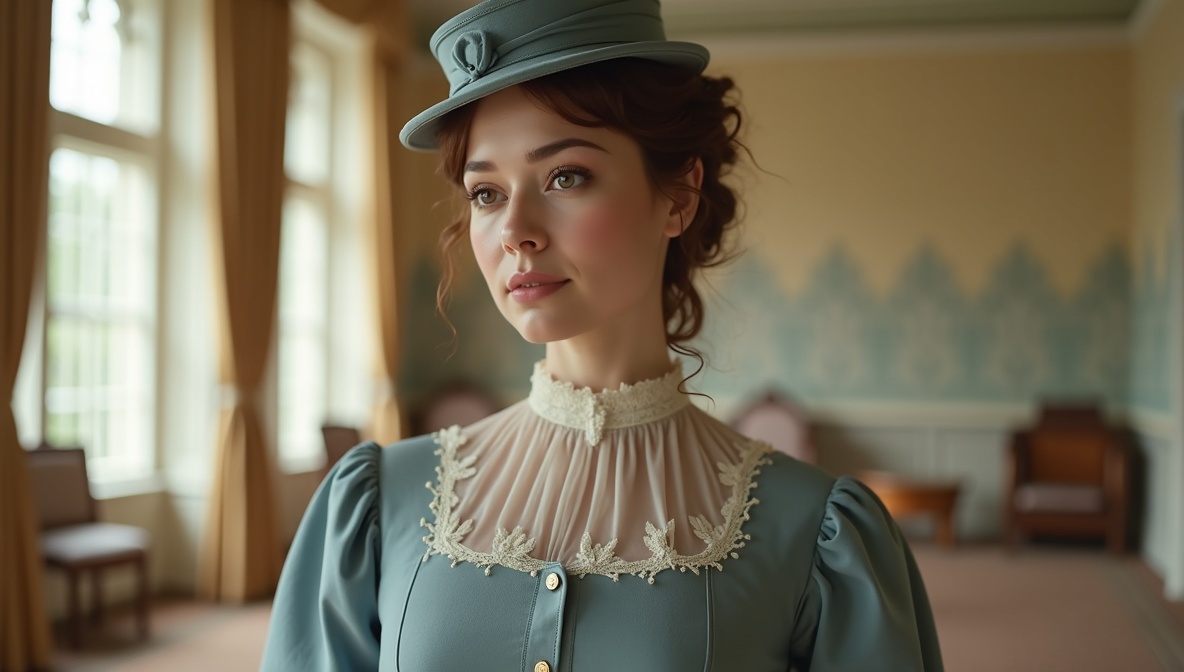
Victorian Britain is usually imagined as a world of crinolines, silk top hats and tightly laced corsets. Costume dramas have trained us to think in terms of glittering drawing rooms and foggy London streets populated by well‑dressed gentlemen. Yet for most people living between 1837 and 1901, clothing was not about fashion—it was about survival, modesty and work. Away from the gaslit boulevards, agricultural labourers, rural servants and urban poor struggled to clothe themselves in garments that would last through long days in the fields, the laundry room or the factory. To understand Victorian life, we must step out of the ballroom and into the farmyard, the back court and the kitchen, and look at what ordinary people really wore.
Historians, curators, conservators have long been warning that our museum displays of preserved garments seldom show us the accumulation of clothes worn by the poorest. The garments that do survive are generally distinguished: wedding gowns, Sunday best or freshly laundered “good” clothes from the lower middle classes. The clothing of peasants, cottagers and laborers would have been worn down to nothing, disposed of, cut up as children‘s hand-me-downs, turned into rags, or left to the rats. As the Victoria and Albert Museum comments, “Clothing for working people was not often preserved; it was altered, reused and finally worn to destruction.” This makes the task of reconstructing peasant dress a matter of reading behind the fragments: a task that involves written and visual sources alike.
Can You Name the Masterpiece?
Ten masterpieces. Ten questions. How well do you know the history of art?
Thankfully social history has created a surprisingly vivid image through the surviving garments, photographs, record books, parish archives, and even court transcripts. Collate the evidence and a consistent story appears: it is a story of durable fabrics, inventive recombination, regional traditions, and slow, tentative progression. It was not shapeless “ragga” but Victorian peasant clothing was constructed within obvious rules of gender and region and standards of decency merely driven by caprice of expensive fashion designs from Paris and London.
Who Were “Peasants” in the Victorian Era?
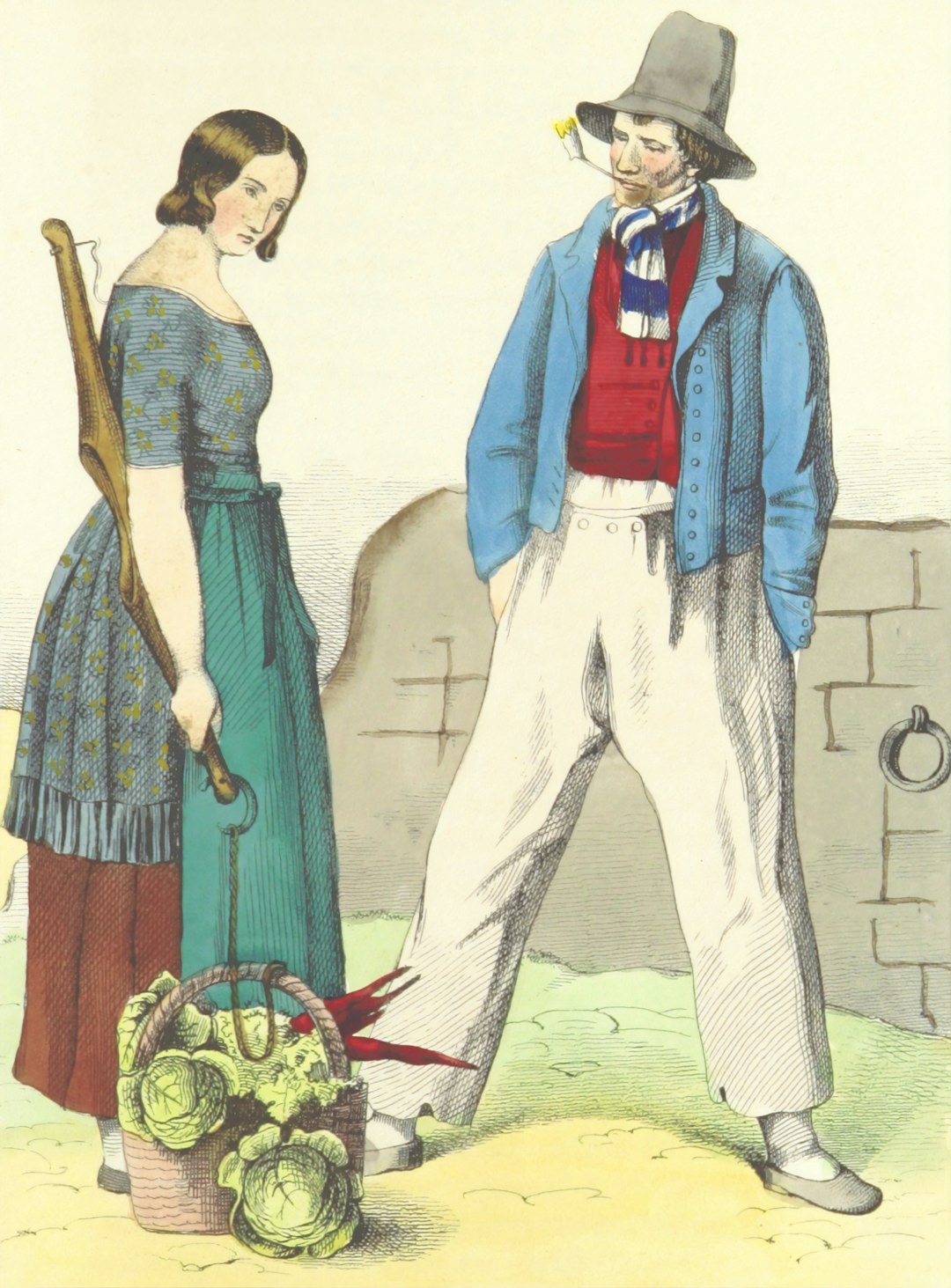
By the time Queen Victoria came to the throne in 1837, the classic medieval peasant tied to a feudal lord was long gone in Britain. Yet millions of people still lived and worked in ways we readily recognize as “peasant”: small tenant farmers, agricultural labourers, cottagers who combined seasonal field work with hand‑crafts, and rural servants “living in” on farms or estates. In counties such as Norfolk, Devon, Yorkshire and the Scottish Highlands, these workers formed the backbone of food production well into the late 19th century.
The boom of the Industrial Revolution and the enclosure movement robbed hundreds of old and established rural economy sectors of their traditional means of income, forcing families to move from marginal land into wage labour. An 1874 publication by the Smithsonian Institution, for example, notes that ‘farming work-people, we may add, have also been known to labore at some of the longest hours and for some of the lowest wages in the Victorian economy’. Clothing must be contextualised as one of acres of chronic insecurity: the clothing was a capital asset, handed down, pawned, sold and re-appropriated. When we refer to Victorian peasant clothing, then, we mean people incapable of wasting.
Can You Guess the Artist?
Three clues. One artist. How quickly can you identify the painter?
The term ‘peasant’ in Victorian Britain gradually conflated with the ‘rural poor’ but not all those who worked the land necessarily lived rurally. It was also the case that many people moved back and forth between rural and urban environments, migrating to the industrial cities of London, Manchester and Glasgow on a seasonal basis, often maintaining rural styles of clothing when working or attending Sunday service. Simultaneously there existed regional and ethnic diversities: Irish migrants, families of Welsh coal-miners, Highland crofters and English farm hands all possessed their own idiosyncrasies and variations in behaviour and dress. Therefore it is difficult to identify anything specific to identify as a ‘rule’ but the basic ideas of wear, mend, temperance and economy can be identified as borrowing across the board.

Fabrics and Materials: Durability First, Comfort Second
For the Victorian working poor, fabric choice was driven by availability and price, not comfort. Wool, linen and later cotton formed the basic wardrobe. In colder parts of Britain, such as the Scottish Lowlands or northern England, coarse wool—often homespun in earlier decades—remained crucial for outer garments. The Metropolitan Museum of Art points out that “wool’s warmth and durability made it the material of choice for working garments well into the industrial age,” even as finer woolens became a marker of middle‑class respectability.
Linen, made from flax, had a long tradition in rural Britain as the fabric of shirts, shifts and undergarments. By the mid-19th century machine-woven cotton was replacing linen across a wide spectrum of household use as it was less expensive and available everywhere through industrial spinning and weaving in Lancashire. Alas, cheap printed cottons so-called ‘calicoes’ had begun to appear in the dresses and aprons of town and country women alike. But the ‘diffusion of cheap cloth’ meant that the very poorest still depended on coarse, unbleached or simply dyed fabric. The Victoria and Albert Museum itself, in its collection of working-class dress, describes ‘plain, dark and serviceable colours’ that ‘disguise dirt and wear well between washes’.
Leather was accounted a luxury, but strictly rationed. Men’s boots were a costly purchase; few farmers in northern England could afford them, rural Irish and Welsh labourers were in tatters and actively in the habit of going without shoes altogether, indeed many workers’ working-men’s belts, braces or even the odd jerkin were Welsh or Irish leather strapped on where it could be spared, though many worked it into rectilinear cloth replacements. The story of available materials, then, is of postmetallic, postpetroleumed manufactory steadily replacing earlier base of sheep, flax and local repair.
Men’s Everyday Clothing: From Field to Forge
A male agricultural labourer in 1850s Norfolk or Kent would typically wear a linen or cotton shirt as his base layer, often collarless and fastening at the neck with a simple button or tie. Over this came a waistcoat (often called a “weskit”), sometimes his only warm layer if he did not own a coat. Trousers—replacing earlier knee‑breeches in most regions by the 1830s–40s—were of sturdy fustian, corduroy or coarse wool. The Metropolitan Museum’s catalogue of 19th‑century menswear notes that “corduroy remained associated with manual labour long after its adoption, its ribbed surface valued for warmth and abrasion resistance.”
Outer layers were region- and climate-dependent. Smocks full, over-the-head garments, smocked at the chest and cuffs were still a typical item for farm labourers in eastern and southern England and Essex during the mid-19 th century. These were usually made of sturdy linen or linen/cotton mixture, often tinted blue or brown and heavily darned. In the northern counties, the short woollen “monkey jacket” (a waistcoat/jacket) could be worn instead. Coarse felt hats and caps and, for men who could afford it, a greatcoat provided some degree of rain and wind protection.
Accessories had a practical function. A neckerchief protected the shirt from sweat and could be transformed into a crumpled bandage in an emergency or a filter. Suspender belts were widespread; elastic waist belts lighter belts were less fashionable with the poorest early in the century. Pockets also had a high value: the addition of pockets meant that one‘s waistcoat or jacket could be used to carry cigarettes, tools and even treasured small objects from place to place. One can see from many early engravings and photographs of rural or factory workers in rags that every inch of the recipient‘s clothing was stained with mud or covered in holes, not through neglect, but because of constant use and relinquishing of older garments. “The labours coat is his book-keeping ledger; every season is noted in seams and patches” a writer in the 1840s wrote.
Women’s Everyday Clothing: Layers, Labour and Respectability
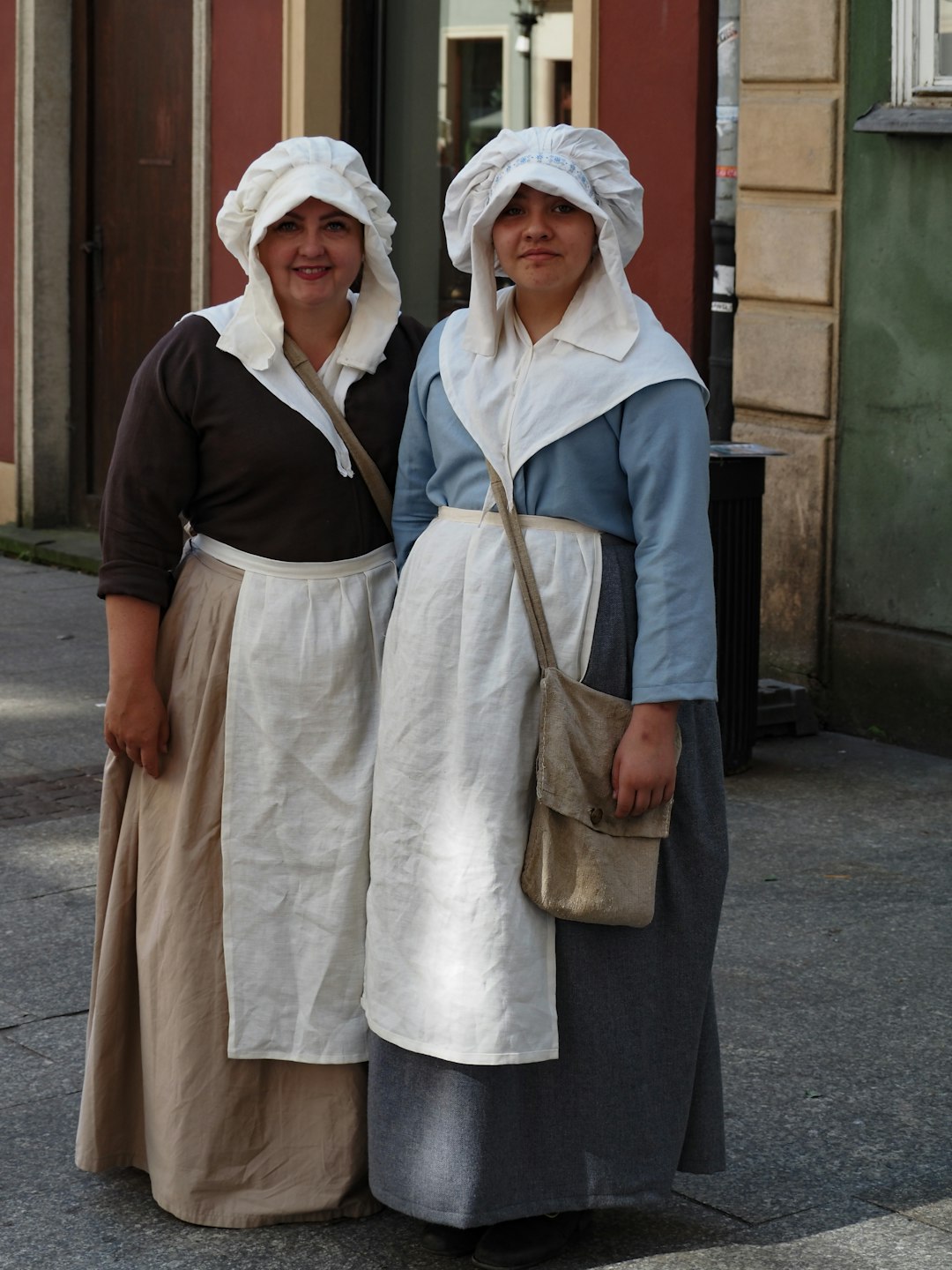
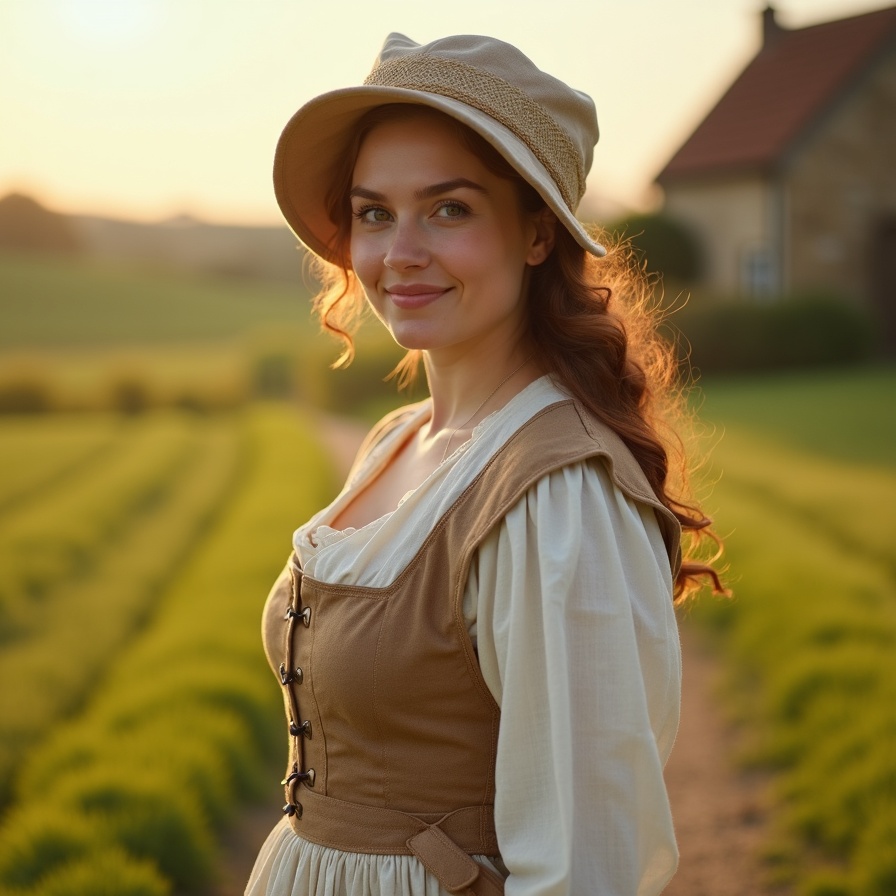
For Victorian working women, from farm wives in Devon to washerwomen along the Thames, clothing had to reconcile heavy physical labour with stringent standards of modesty and “respectability.” The basic layer was the shift or chemise, typically of linen or coarse cotton. Over this came stays or a lightly boned corset—not the waist‑crushing devices of high fashion, but supportive undergarments that helped distribute the weight of outer clothing and, importantly, signaled moral propriety. The Victoria and Albert Museum emphasizes that “even for working women, some form of stay was considered essential to proper dress” well into the late 19th century.
The most obvious article of clothing was the gown or, more often, some combination of skirt and bodice. Material choices were generally dark; printed cottons or massed wool blends were most common. Skirts, although designed to reach ankle length, had to be expedient and were often raised, or pinned high, during outdoor work or household cleaning. Nearly every woman wore an apron; domestic households, from laundresses to cooks, relied on them for both practical and symbolic reasons. Similarity of wearing habits extended across Europe, with costumberelated collections of 19 thcentury country France depicting “dresses cut for ease of movement, with aprons essential to protect the few garments”.
Almost everyone wore head coverings in the street and most women wore them indoors. Caps and kerchiefs or no more than simple brimmed or rounded bonnets both designed to keep the hair in place, provided a defined form of protection against the sun; and in a Catholic country like Ireland or western Britain, a prescribed manner of a woman‘s modesty. Shawls, as opposed to tailored coats, formed the outer garment for many poor women. If a woman could afford a good, strong woollen shawl, it could be worn for years, in, out, wrapped around the body in many different ways for warmth, feeding or carrying babies. The value placed on such garments is evident in the wills and inventories where a “best” shawl may be specifically left in a will.
Children’s Clothing and Hand‑Me‑Down Culture
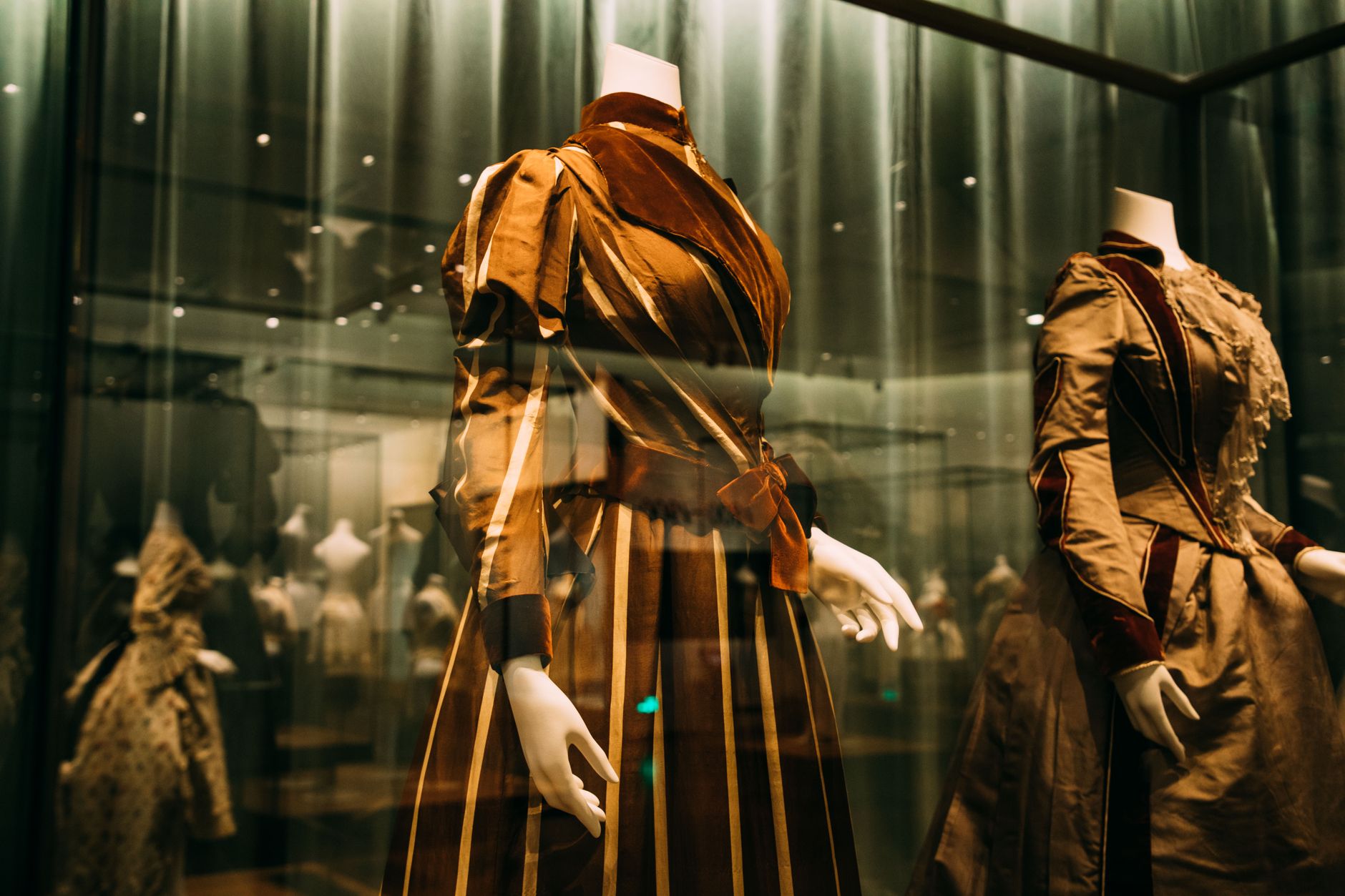
Victorian peasant children were rarely dressed in purpose‑made “children’s fashions” of the sort seen in elite portraiture. Instead, they wore cut‑down or altered adult garments. Infants of both sexes began life in long gowns and simple shirts; once toddling, they were put into shorter dresses or tunics that allowed freer movement and made toilet‑training easier. As the Smithsonian’s educational materials on childhood in the 19th century note, “gender differentiation in working‑class children’s clothing tended to appear later than among the elite, driven more by practicality than by style.”
Boys might transition to trousers or breeches at breeching, (a typical age being five or seven) and often looked to well-worn hand-me-down garments from elder brothers or even their fathers. Girls continued in their skirts, with pinafore or apron for everyday wear. Footwear was gathered from time to time, with children in many rural areas barefoot in the summer and in winter in pinched, mismatched shoes or clogs, or sometimes not at all. With children constantly growing, and the high cost of material, garments might be expanded by tucks that were let out, patched, or, finally, cannibalized by their younger siblings.
The handmedown culture stretched beyond the family, with parish relief, charitable institutions and employers occasionally providing cloth or clothing part of a payment, particularly for orphans and ‘parish apprentices’. Workhouses, where the pauper population resided and laboured, provided pared-down uniforms made from cheap, standardized fabric for the residents of Britain and Ireland (although they were not necessarily ‘peasant’ dress). The uniform of the workhouse had an influence on the appearance of the rural poor, although they were frequently in and out of such institutions. Data from the Poor Law Commissioners reports these clothes to be ‘serviceable but coarse’, commonly dyed dull blues and browns to disguise signs of dirt to prevent theft.
Clothing, Class and Identity: What Clothes Communicated
Even at the lowest economic levels, clothing carried meaning beyond mere warmth. A clean, if patched, shirt or apron signaled respectability and moral worth, crucial in communities where charity, employment and even legal judgments could hinge on perceived character. As the social historian E.P. Thompson observed, “The working man or woman, in the face of destitution, still contrived a Sunday suit which stood as a material pledge of dignity.” Sunday or “best” clothes might be only marginally better than weekday garments, but they were treated with reverence.

Regional identities were also expressed through dress, though less flamboyantly than in earlier centuries. Distinctive caps, shawl‑tying styles, or preferences for certain fabrics could mark a woman as Welsh, Irish or from a particular English county. In the Scottish Highlands and Islands, elements of traditional tartan and homespun cloaks persisted among crofters longer than in urban centers, although the highly stylized “clan tartans” we associate with Scotland today belonged more to romantic reinvention than to everyday peasant life.
At the same time, the spread of mass‑produced clothing from the 1870s onward slowly blurred some distinctions. Ready‑made shirts, cheap boots and factory‑dyed fabrics reached rural Britain via peddlers and small shops. Yet the gap in quality between what a farm labourer and a city banker could buy remained enormous. The Metropolitan Museum of Art underscores this in its digital exhibition on 19th‑century dress: “Industrialization democratized access to clothing, but not to the same fabrics, finishes or fits enjoyed by the wealthy.”
Summary of Key Characteristics of Victorian Peasant Clothing
| Aspect | Men (Rural / Working Poor) | Women (Rural / Working Poor) | Children (Working Families) |
|---|---|---|---|
| Base garments | Linen/cotton shirts, often collarless | Linen/cotton shifts or chemises | Gowns/tunics for infants; cut‑down adult garments |
| Main outerwear | Trousers of corduroy, fustian or coarse wool; smocks or short jackets | Gowns or skirt‑and‑bodice in dark cottons/wools; aprons | Miniature versions of adult styles, heavily altered |
| Fabrics | Wool, linen, later cotton; some leather | Cotton prints, wool blends, linen undergarments | Whatever was available; mostly cotton and wool |
| Footwear | Heavy boots, clogs, sometimes barefoot | Boots or shoes if affordable; often re‑soled | Frequently barefoot; worn shoes/clogs if available |
| Colours | Dark, dull tones (brown, blue, grey) | Dark or small‑pattern prints; dark aprons | Similar to adults; little white except for infants |
| Outer protection | Greatcoats if affordable; caps, felt hats | Shawls more common than coats; bonnets, caps | Shawls and scarves; caps or bare heads |
| Maintenance & lifespan | Extensive patching and darning; garments worn to destruction | Constant repair; garments repurposed for children | Continuous hand‑me‑downs and alterations |
| Social symbolism | Smocks, corduroy associated with manual labour | Clean apron and shawl signaled respectability | “Best” garment for Sunday or school, if attended |
Sources and Evidence: How We Know What They Wore
As we don‘t own many garments from this period (most have been used too extensively and are now torn or frayed) curators and historians have to use many different sources when researching Victorian peasant dress. For instance in the Victoria and Albert Museum and the Metropolitan Museum of Art there is a wide range of garments, garments such as smocks, workshirts or plain simple dresses have survived and are these garments are dissected by curators and shown how they would have been made, worn and repaired.
Visual sources are just as significant. Photographs as early as the 1850s accompany engravings featured in newspapers and illustrated periodicals depicting men and women at work, hoisting hay, selling fish, washing city steps. Although stereotyping by artists was notorious, the uniformity of the images throughout many areas makes them seem plausible. Realist paintings in the Louvre Museum, such as the work of JeanFrancois Millet, portraying amongst others French villagers at work, are helpful in that his heavy, lagged shrouds are comparable with both the British material and panEuropean dressing of the rural poor.
The written record provides the evidence on which we can flesh out our knowledge. Workhouse rules, charity records, inspector‘s reports on factories and even proceedings of criminal courts record clothing rarely when talking about the poor, the dead or the accused. Social reformers in London (such as Henry Mayhew), or official commissions in Ireland or Scotland took note of clothing as a telling sign of poverty. When the Smithsonian Institution curates exhibitions of the 19th century, it will quote examples of documentary evidence to show that ‘clothing is one of the most immediate and legible signs of class and occupation in historical images and texts.’
Frequently Asked Questions
Did Victorian peasants really wear “rags”?
Not in the literal sense of loose strips of cloth, except in the most extreme destitution. Most rural and working‑poor people wore heavily patched but structurally intact garments. Clothing was repaired repeatedly, and only when no longer wearable was it reduced to rags for cleaning, papermaking or stuffing.
Did women of the rural poor wear corsets?
Many did wear some form of stays or light corsets, especially in mid‑century Britain. These were usually shorter, less rigid and cheaper than those of the middle classes. They offered support and shaped the body to fit the cut of dresses, but were not primarily instruments of tight‑lacing among working women.
How different was peasant clothing from that of the urban poor?
There was overlap, particularly among migrants who moved between countryside and city. Rural dress tended to retain smocks, shawls and some regional features longer, while urban poor more quickly adopted factory‑made garments and cast‑offs from wealthier employers. However, the basic principles of thrift, repair and modesty applied to both.
Were there real “folk costumes” in Victorian Britain?
Certain regions (such as parts of Wales, the Scottish Highlands and some English counties) had distinctive traditional elements—particular caps, shawl styles or fabric patterns. By the Victorian era, these were already changing under industrial and market pressures. What we now call “folk costume” is often a stylized or later revival rather than an exact copy of everyday 19th‑century peasant dress.
How often did ordinary people change or wash their clothes?
Underwear and shirts were washed more frequently than outer garments, but “frequent” is relative—weekly or fortnightly, not daily. Outer garments might be brushed and spot‑cleaned, with full washing done only when necessary because it was laborious and could damage fabrics. The scarcity of clothing meant people could not rotate wardrobes as we do today.
Conclusion
Victorian peasant clothing was the material expression of a hard‑pressed society: practical, durable, endlessly repaired and deeply embedded in local economies and identities. Far removed from the silk and satin of the drawing room, it tells a story of labour, resilience and aspiration—a world in which a clean apron or a carefully preserved Sunday coat carried as much emotional weight as any fashion‑house gown. By reading the few surviving garments alongside images and documents preserved in institutions such as the Victoria and Albert Museum, the Metropolitan Museum of Art, the Louvre and the Smithsonian, we gain a clearer, more honest view of what most Victorians actually wore, and what those clothes meant in the struggle for dignity and survival.
AI Notice: Some visual content in this article may have been created or enhanced using artificial intelligence (AI) for artistic, editorial or illustrative purposes. Learn more about our approach in our AI & Editorial Principles.