A Victorian vanity set is far more than a cluster of brushes and bottles on a dressing table. It is a snapshot of 19th‑century life—where industrial innovation, strict social codes and expanding global trade converged on the intimate ritual of personal grooming. From silver‑handled hairbrushes engraved with monograms to cut‑glass perfume bottles nestled in velvet‑lined cases, these objects reflect the aspirations and anxieties of the Victorian era. To understand a Victorian vanity set is to glimpse the daily routines of women (and occasionally men) in drawing rooms from London’s Belgravia to New York’s Fifth Avenue, as well as the artisans and factories that supplied them.
What Is a Victorian Vanity Set?
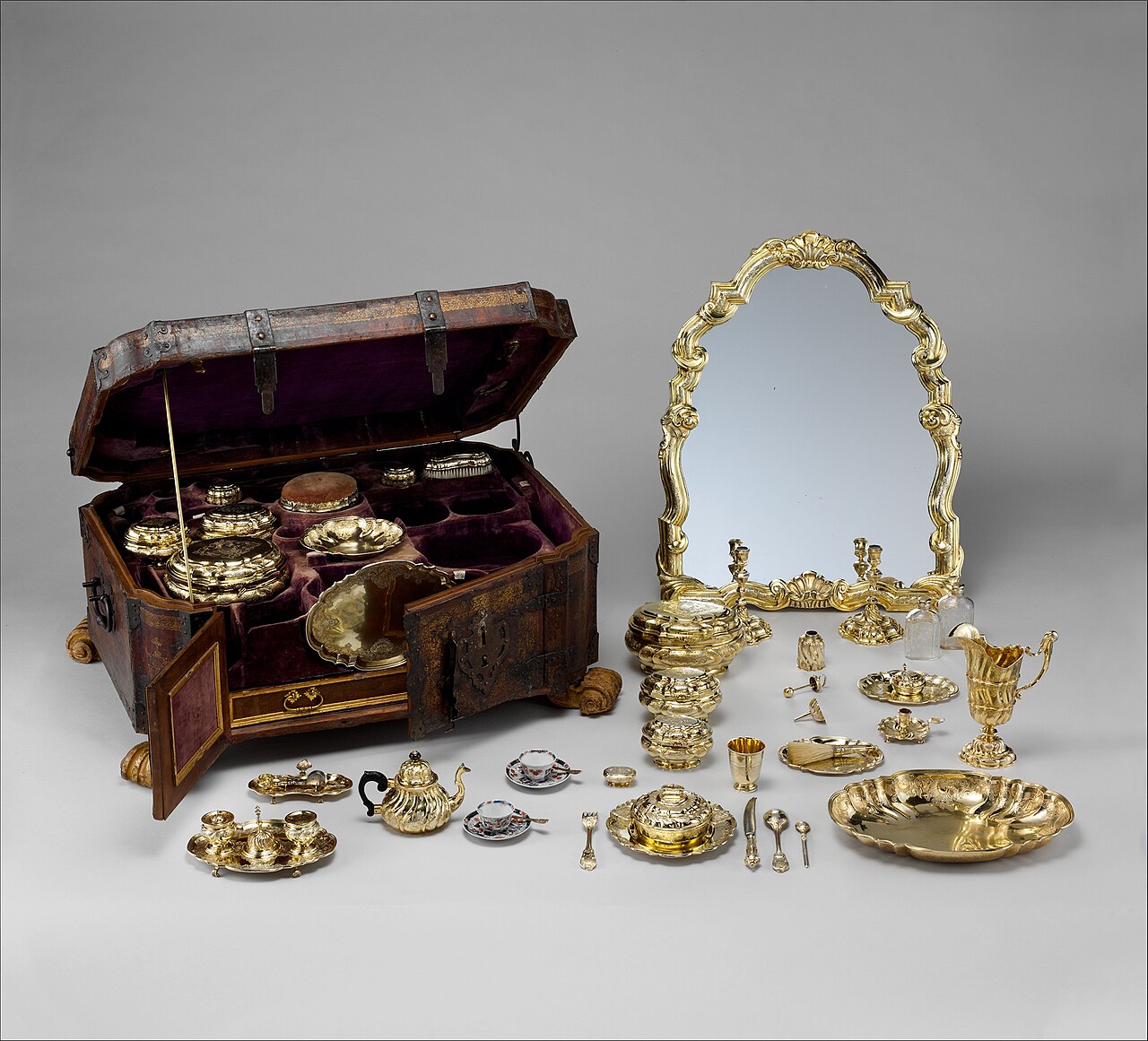
In its most classic form, a Victorian vanity set is a coordinated group of grooming and toiletry objects designed for use at a dressing table or in a fitted traveling case. Typical pieces include a hand mirror, hairbrush and comb, along with perfume bottles, powder jars, nail tools, and sometimes writing accessories. These sets could range from modest necessities in simple metals to lavish assemblages in sterling silver, gilded brass, tortoiseshell and hand‑cut crystal. What unified them was not only their function, but their presentation as a coherent ensemble of daily luxury.
Vanity sets were part of a larger tray tradition of the 18 th and early 19 th century dressing table accessories; however, it was during the period between approximately 1837 and 1901, the Victorian era, that they became most elaborate. The middle and upper classes of London, Paris, Vienna and American cities like Boston and Philadelphia saw the use of accessories for personal grooming as a display of respectability. As the Metropolitan Museum of Art remarks, “the dressing table and its accessories became central to the performance of gentility in the 19 th century.”

Importantly, the Victorian conceit of the vanity set was very different from the no-meaning frivolities of the often cheap everyday trinkets. They were possessions meant for use in the home, which could be personalized with a monogram or family crest. The transition of an item into a specified space on the dressing table within a bedroom/boudoir reflected not only a display of money, but an adherence to the Victorian principle and cultivation of a culture of cleanliness, order, and a theatricality in an individual‘s depiction of their persona. As the Victoria and Albert Museum (V&A) and other museum collections and reports indicate, beginning in the mid-nineteenth century “domestic objects and furniture…offer extensive evidence of the changing customs of dress, self-grooming and presentation.
Historical Origins and Social Context
The Victorian vanity set did not appear in a vacuum. It emerged at a time of radical economic and social transformation in Britain and across Europe. Industrialization, particularly in manufacturing centers such as Birmingham and Sheffield, made previously elite materials—like silver plate, pressed glass and machine‑engraved metal—available to a growing middle class. Firms specializing in silverware and toiletry goods produced standardized parts that could be assembled into coordinated sets and exported to markets from Paris to New York. The Smithsonian Institution’s collections of 19th‑century personal care objects show how rapidly such items became part of everyday bourgeois life.

Simultaneously, Victorian culture demanded extreme “respectable” appearance, cleanliness, and hygiene. Thanks to Medicine and similar public health campaigns prevalent in London and Manchester, personal cleanliness gained moral significance. Vanity sets contributed to these expectations by helping maintain the array of implements necessary for fastidious grooming. A young lady in Boston in the late 19 th century, for example, could have devoted some of her morning time at her dressing table to tithing 100 strokes of a comb through her hair, fixing her corset or bodice, applying rice powder all with implements from her vanity set.
Gender roles further dictated use and form. While certain grooming implements such as razors, combs and cologne bottles were owned by men, the lavish, ogive vanity sets seem to have lived in female parlors. Examples from the Louvre Museum of French dressing accessories of the 19thcentury demonstrate these gendered distinctions: men’s dressing support seem more austere, with not quite as much decoration as their frothy floral and curvilinear filled female counterparts, including such accessories as nappy boxes. Victorian manuals of etiquette from organizations such as the British Library teach that the woman’s dressing-table was a semi-private yet significant space, and contains references to it in guides to women’s engagement to become wives, as well as domestics.
Design Evolution Across the Victorian Era
The design of vanity sets evolved markedly over the six decades of the Victorian era. Early Victorian sets (1837–1860) often embraced the Romantic and Rococo Revival styles, with flowing curves, floral scrollwork and naturalistic motifs. Silver‑plated brass, tortoiseshell inlay and hand‑cut crystal were common, especially in London and Paris. Makers in Sheffield and Birmingham produced silver‑mounted brushes and mirrors using electroplating technologies that had been perfected in the 1840s, making ornate designs more affordable than ever before.

By the mid-Victorian years (1860–80) Gothic Revival and Renaissance Revival motifs started to be employed. Vanity sets could thus have elements such as pointed arches, strapwork or heraldic symbols, echoing Gothic revival influences in architecture and decoration, for example in the Palace of Westminster, London, or Edinburgh’s New Town. The V&A has reproduced how companies such as Elkington & Co. in Birmingham, capitalised on innovations in mass production to blend historic symbolism with the fast-paced industrial processes, producing sets of highly burnished surfaces and elaborately textured decoration.
Vanity sets from late Victorian era (1880–1901) shifted toward the aesthetics for Aesthetic and the beginning of Art Nouveau. The profile of these sets became undulating, the flowers more stylized and elegant and the Japanese influence common runny Chinese brushstrokes, understated backgrounds, and asymmetrical groups. This glamour-ware, as Sotheby’s called it, was marketed to London’s West End and department stores like Paris’ Le Bon Marche. The Metropolitan Museum of Art described the salon as “a more enthusiast with…an increasing appreciation of the dressing table as an artistic group,” where “fabrics, furniture and accessories were designed as a singular, interior statement.”
Materials and Craftsmanship
A notable element of the Victorian vanity set is the range and hierarchy of materials. At the high end, there were sterling silver sets, often hallmarked in London, Birmingham or Sheffield. These could have repousse (hammered), engineturning (guilloche) and hand engraving. As the V&A explains, silversmiths of the period develop a, ‘a sophisticated vocabulary of ornament that could be adapted to an ever-expanding range of domestic objects…such as dressing table accessories.’ High end sets like this would be a typical wedding present for upperclass families in Britain and America.

In addition to silver, bodycare accessories in the vanity set were made of glass and crystal. Perfume bottles, powder jars and companion items could be lead crystal with cut facets, starburst bases or wheelengraved decoration. Both the Corning Museum of Glass and The Louvre have preserved records of French and Bohemian glass including bottles, jars, powder boxes and other accessories dating from this period that clearly had a function in body care. Sets that cost less contained pressed glass that was decorated to give the appearance of handcut crystal at a lower price, this was one of the advantages of modern industrial manufacturing.
Also in evidence are numerous organic materials. Natural tortoiseshell, ivory, motherofpearl and horn were used for the backs and handles of brushes and combs in France and Britain. The sale and transportation of some modern day materials such as these is now limited under certain ethical and legal guidelines. For the enthusiast or scholar however, such once-privileged materials are still an essential part of a Victorian collection, provided one is aware of legal restrictions in one‘s own country about antiques incorporating ivory or tortoiseshell. The Smithsonian Institution notes that ‘many historic personal care items are now subject to conservation and trade restrictions because of the materials from which they were made”.
Key Characteristics of Victorian Vanity Sets
The following table summarizes key characteristics frequently seen in authentic Victorian vanity sets, especially those produced in Britain, France and the United States.
| Feature | Typical Victorian Examples | Notes for Collectors |
|---|---|---|
| Core Components | Hand mirror, hairbrush, comb, small lidded jars, perfume bottles | A “complete” set varies; travel sets may add manicure and sewing tools |
| Materials | Sterling silver, silver plate, brass, tortoiseshell, glass, ivory | Check for hallmarks; be aware of modern restrictions on ivory/tortoiseshell |
| Decoration Styles | Rococo Revival, Gothic Revival, Aesthetic, early Art Nouveau | Style can help date pieces within the Victorian period |
| Common Motifs | Floral scrolls, cartouches, shells, classical figures, monograms | Personalized engraving frequent in wedding and presentation sets |
| Manufacturing Centers | Birmingham, Sheffield, London, Paris, New York | Marks may indicate city and maker; consult hallmark guides |
| Typical Dates | c. 1837–1901 | Late Victorian sets can anticipate Edwardian lightness |
| Associated Furniture | Dressing tables, washstands, fitted traveling cases | Complete ensembles increase historical and market value |
Vanity Sets, Etiquette and Daily Ritual
Victorian vanity sets sat at the intersection of etiquette and intimacy. Grooming rituals were codified in advice literature and etiquette manuals widely circulated in Britain, the United States and across the British Empire. Morning routines often involved extended time at the dressing table—brushing hair, washing, applying powders and arranging clothing layers. These acts were seen as a moral duty as much as personal preference. As the V&A notes in commentary on Victorian domestic life, “cleanliness and orderliness were read as visible signs of inner discipline and respectability.”

Specifically for women, the vanity set both perpetuated and reflected femininity and the domestic sphere. As items like the embroidery hoop or the instrument for playing the piano in the parlour, the dressing table and its utensils communicated a girl or woman’s acceptance of her role in the social order. In middleclass homes of the cities of Manchester, Glasgow or Philadelphia, each new bride might find modest, sometimes inherited, new or secondhand silver-mounted brushes and mirrors in her trousseau. These often inscribed marriage gifts appear in household inventories and probate inventories in the archives of Britain and North America.
However, these objects provided a means of personal independence. Secreted away in the bedroom or boudoir, women were free to try out hairstyles, fragrances or make-up. The Met Museum‘s online essays inform us, ‘the dressing table was one of the few spaces in the Victorian household in which a woman might practice some element of personal choice free from prying eyes’. In such a way, a vanity set served both as a means of social obedience and a vehicle of individual taste.
Collecting and Authenticating Victorian Vanity Sets Today
For contemporary collectors, Victorian vanity sets present both rich opportunities and notable challenges. On the positive side, these objects are relatively well‑documented; hallmarks on silver, manufacturer’s marks on glass, and archival advertisements from firms in London, Paris and New York help date and authenticate pieces. Reference works produced by institutions such as the V&A and The Metropolitan Museum of Art provide detailed images and provenance information that can be used for comparison when assessing items in the market.

Nevertheless, the theses of condition and completeness are usually debated. As the brushes were used everyday many surviving examples show signs of wear with missing bristles, mirror silvering that has gone cloudy, broken glass and replaced parts. It is up to the collector to decide whether they wish to maintain the brushes authenticity or accept restorations. Museums will usually prefer original condition while a private collector may like to accept sympathetic restoration to enable the hat brush, for example, to stay in use.
Details are important. Authentic late Victorian sets will often have the appropriate hallmarks, types of screws, and construction and wear patterns. If a mirror back in a late Art Nouveau style is combined with a Rococo-revival brush, it suggests that the pieces have been mixed from different sets. It is useful to view or examine catalogue images from auction houses, reference books and museum online collections such as the V& A and the Met. Provenance provenance evidence such as old invoices, letters or photographs of the set in situ are very helpful.
Care, Preservation and Ethical Considerations
The subject of ownership and use opens up a whole can of worms, with regards to the IPRM. For instance, ‘Victorian’ vanity sets are generally manufactured from materials that do not always respond well within present day environments. Museums including The Louvre and The Smithsonian Institution suggest that their pieces are kept within low humidity, low light environments and recommend heavy duty cleaning or polishing is avoided so as to prevent removal of original surface and patination.
Maintaining private owners possession: A number of basic effects will greatly prolong the life of a vanity set: maintaining a stable climate for the room, keeping objects away from direct sunlight, dusting with soft brushes and careful removal of dirt of any sort by the minimum amount of cleaning possible using non abrasive techniques. Silver should only be professionally polished when tarnish becomes visually intrusive and by methods approved by a conservator. The glass support for items such as the hand cut crystal perfume bottles should be handled with great care to avoid microchipping the corners of the edges.
Ethical issues more relevant than ever. Items made of ivory, tortoiseshell or some endanged woods, may be particularly difficult to trade or transport across borders, and owners should research the appropriate laws (for example, CITES – the Convention on International Trade in Endangered Species) before buying, selling or transporting objects of this nature. Owners of objects made with such materials should be aware of the need to seek permits or advice as required, remembering that the Smithsonian Institution states in its Ethics, Ecology and Historic Collections information: “the preservation of historic objects is also related to the responsible stewardship of the environment.”
Frequently Asked Questions
How can I tell if my vanity set is truly Victorian?
Look for hallmarks or maker’s marks on metal components, especially silver. British silver should carry a series of stamps indicating purity, city (e.g., London, Birmingham, Sheffield) and date letter. Stylistic cues—Rococo Revival flourishes, Gothic Revival details or early Art Nouveau lines—can help narrow the period. Compare your pieces with authenticated examples in online collections of The Metropolitan Museum of Art or the Victoria and Albert Museum.
Are Victorian vanity sets valuable?
Values vary widely. Factors include material (sterling silver vs. plate), completeness (full sets with original cases bring premiums), condition, maker and provenance. A modest silver‑plated brush and mirror set might fetch a few hundred dollars, whereas a complete sterling silver and crystal set from a notable London maker in original fitted case can reach into the thousands at reputable auction houses.
Can I still use an antique Victorian vanity set?
Yes, but with care. Brushes, mirrors and glass jars can often be used gently. Avoid putting modern, potentially corrosive cosmetic products directly into antique containers, and be cautious with fragile materials like tortoiseshell and ivory. Many collectors prefer to display sets while using modern tools for daily grooming, preserving the antique items for occasional, careful use.
Where can I research the maker or origin of my set?
Start with hallmarks and inscriptions. Then consult hallmark reference books and online databases from institutions such as the V&A, The Met and national silver hallmark registries. Auction catalogues, especially from London and Paris firms, are useful for identifying common patterns and makers.
Is it legal to buy a Victorian set with ivory or tortoiseshell?
It depends on your jurisdiction. Many countries allow limited trade in pre‑1947 or pre‑1940 ivory under strict conditions, but export and import can be tightly controlled or banned. Tortoiseshell has similar restrictions. Always check current national and international regulations, and request documentation from sellers where applicable.
The Dressing Table as a Private Stage
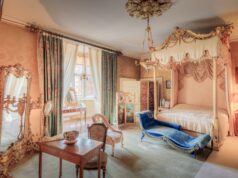
The Victorian dressing table was a strange bridge between privacy and display.
Although personal grooming took place in a fairly private location, the objects that accompanied it could tell you a lot about someone‘s wealth and taste. A silver-backed hand-mirror, brush, fragrance bottle, powder container and comb conjured an overall sense of elegance, even if the individual objects were nothing special:
In wealthy households the dressing table might have become virtually a small domestic display cabinet.
It was also a space of extensive administration. much more elaborate than the current twenty minute routine of a quick wash, brush of the hair and slap on of a few cosmetics, Victorian grooming entailed dealing with hair, getting the clothes out, aromatising, attending to the state of my hands and nails and ensuring the pen, cigar, pipe and anything else appropriate was within reach.
The vanity set facilitated these activities, and made them a visible ritual. There was not a single, standard Victorian vanity set. Manufacturers, sellers of all sorts provided appropriate combinations for various purposes and audiences.
A more basic set would be a mirror, brush, comb, and occasionally, a clothes brush. Further luxury would be a matching assortment of pots for powder, cold-cream, cosmetics, scent, hair preparations, manicurist‘s gear….
A few set have been designed to travel. The sets could been assembled in fitted leather or fabric cases with individual pouches to ensure the bottles and instruments would not move during travelling.
This proved especially relevant in a time when travelling was becoming more frequent through the improvements to both the railways and the steamship.
A well-furnished travelling case was practically a tocome dressing table.
The contrast evinces to the first set of distinctions a very telling point about late-Victorian consumer culture: that the sphere of personal care was becoming more portable.
Silver, Glass, and the Language of Luxury
I don‘t think I can stress how important Materials were.
Silver also played an important role in the decoration of those items that we use as adornments and embellishments to our appearance. Among the most exalted of materials used for this purpose was sterling silver. Silver fittings and frames held and capped, gilded and gilt, ordinary objects, rendering them conspicuously luxurious.
A good number of objects of British silver also have hallmarks that can determine their date and place of origin; for modern collectors these small signs can be more useful indicators than mere decoration.
Different task.
Couture perfume bottles and cosmetic jars were frequently manufactured from cut or pressed glass, enabling the contained product and its aesthetic properties to contribute to the visual aesthetics. Cut glass had a dispersive effect on light around a dressing table, increasing the visual effect of a modest object.
Materials such as ivory, bone, mother-of-pearl, tortoiseshell, enamel and plated metals could also be used. The choice of these materials were due to fashion, or availability of materials from around the world.
Contemporary collectors should also be aware that certain historic materials have more significant conservation and ethical issues today. Items made from endangered or controlled natural materials need to be identified and tracked rather than just collected as a display curiosity. Perhaps the most attractive items from Victorian vane culture are the perfume bottles.
Perfume was familiar to consumers long before Victoria reign, but life in the nineteenth century marked an evolution in its production, packaging and retailing. As glass technology was developed, manufacturers were able to produce bottles which were more and more elaborately decorated, and during which time, and through developments in chemical knowledge, the variant aromas available to users also increased.
Now it was the bottle that was part of the product.
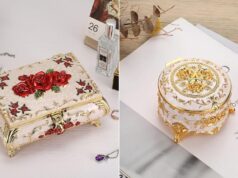
A perfume box might incorporate cut glass, coloured glass, silver mounts, engraved decoration, elaborate stoppers, or miniature sculptural shapes. Some were designed to serve as ornaments on the dressing table when their contents had finished.
Hence, perfumes revolutionised from being just used on the substance itself into the designed opulent experience.
The Victorian vanity table was thus the culmination of a number of industries developing rapidly: perfumery, glass, metals, packaging, retail and fashion.
AI Notice: Some visual content in this article may have been created or enhanced using artificial intelligence (AI) for artistic, editorial or illustrative purposes. Learn more about our approach in our AI & Editorial Principles.