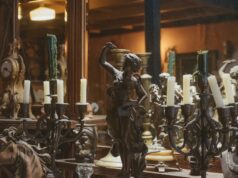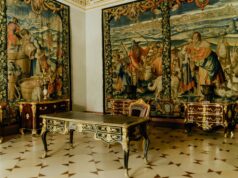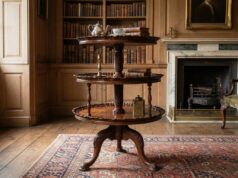
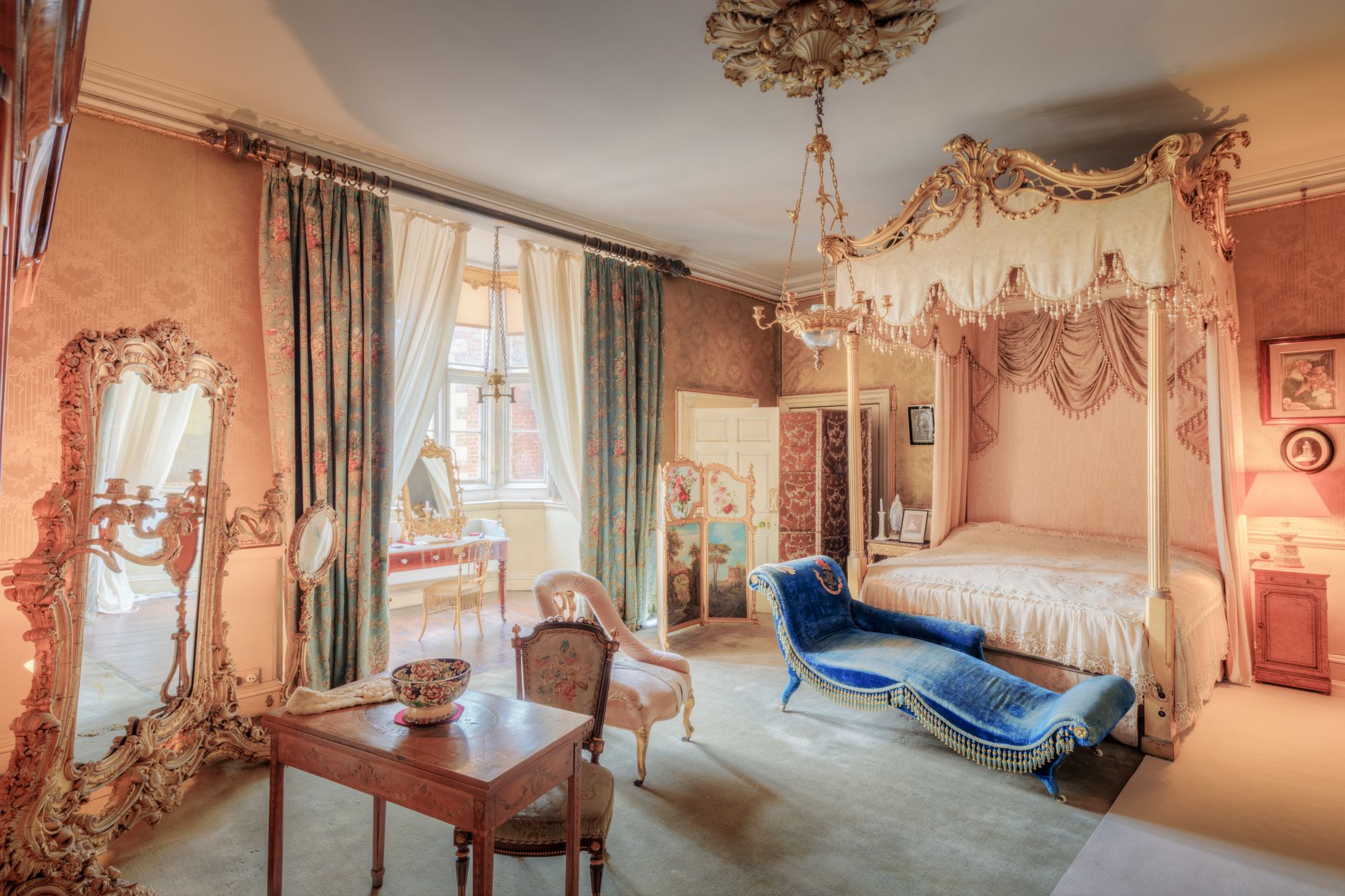
A genuinely convincing French provincial bedroom does something quite subversive: it looks as if it has been there for ever. The armoire tilts a little, the marble-topped commode bears the faint smear of centuries of candle-drip, while the carved crest of the bed is softened by generations of polishing and handling. Nothing jars, but the room vibrates with a subtle, cultivated luxury. It is not the gaudy glitter of Versailles, but its elegant echo out in the provinces where the royal model was expressed in limewash, walnut and home-spun linen. In a culture obsessed with hyper-reality, the French Provincial furniture bedroom can seem little short of a counter-revolution: an interior where flaws are always edited not erased, and where grandeur is expressed in proportion, patina and, above all, a celebration of the beauty of familiarity.
Tracing French Provincial Roots from Court to Countryside
French Provincial style is inseparable from a particular tension in 18th‑century France: the gravitational pull of Versailles against the autonomy of the regions. As Louis XIV and his successors orchestrated an ever more theatrical court, noble and affluent bourgeois families in Burgundy, Normandy, Provence and the Loire began absorbing Parisian fashions and quietly translating them into local idioms.
Cabinetmakers in cities such as Lyon or Aix‑en‑Provence studied engravings of court furniture by ébénistes like Boulle or Cressent, then reinterpreted the vocabulary in solid fruitwoods instead of costly exotic veneers. Curvaceous Louis XV lines, cabriole legs, and rocaille motifs persisted, but they were simplified, scaled for stone farmhouses and townhouses with lower ceilings and thicker walls.

The bedroom was crucial to this adaptation. In the provinces, it remained a multifunctional space: a setting for receiving visitors, conducting business, even safeguarding valuables. The monumental armoire, the upholstered bed, the writing table—each piece carried Parisian DNA, yet gained a more grounded, rural presence. This quiet domestication of courtly style is what modern collectors and designers recognise as the essence of French Provincial furniture.
Anatomy of a Provincial Bedroom: Lines, Curves, Proportions
A French Provincial furniture bedroom is governed by proportion rather than display. The silhouettes derive from Louis XV and early Louis XVI models, but softened. Beds often feature moderately arched or shaped headboards, with less exaggerated scrolls than their Parisian counterparts. The curve is generous yet contained, designed to sit comfortably against rough‑plastered walls.
The armoire typically becomes the room’s architectural anchor. Tall but not intimidating, its cornice echoes a village roofline, while paneled doors introduce rhythm and shadow. Instead of marble‑heavy, bombe commodes pushed out from gilded boiseries, Provincial chests tend to be shallower, in walnut or cherry, with serpentine or gently bowed fronts that preserve valuable floor space.

Proportion is calibrated for human use, not palace spectacle. Table heights feel natural for writing by lamplight; bedside tables carry just enough surface for a candle, book, and a glass carafe. When assembled, the ensemble forms a quiet choreography of S‑curves and rectilinear solids. That interplay of curve and calm plane is a major reason these rooms feel inherently restful—and why they photograph exquisitely in natural light.
Patina, Palette, and Textile: The Romance of Wear
If line and silhouette provide structure, patina provides emotion. The surfaces in a French Provincial bedroom are seldom pristine. They are gently abraded by time: waxed walnut with a mellow sheen; beech chairs painted in ochre or dove grey, with edges where the underlayer peeks through; drawer pulls darkened by generations of hands. Wear is not damage; it is narrative.
The palette is typically pulled from the surrounding landscape. In the north, cool greys, chalky whites and soft blues recall slate roofs and misty skies. In the south, sun‑bleached ochres, sage greens and faded terracottas echo shutters, stone, and fields. Painted furniture—often in casein or early oil paints—was sometimes lightly distressed long before that became a commercial finish: rural life simply did the work.

Textiles complete the sensory experience. Ticking stripes on mattresses, quilted boutis from Provence, linen sheets with hand‑embroidered monograms, or fragments of indienne prints bring pattern and touch. The fabrics are rarely glossy. Instead, they breathe: open‑weave linen, matt cotton, perhaps a single velvet cushion to catch the light. The overall effect is a kind of visual softness that modern “quiet luxury” interiors strive to emulate, yet rarely match in authenticity.
Craftsmanship and Ornament: Reading the Carved Details
French Provincial ornament is best read at close range. Unlike high Rococo, which announces itself from across a gilded salon, provincial carving often whispers. Look at the corner of a bedside table: a modest shell, a tulip, a sprig of wheat. These motifs connect the furniture to agricultural life and local flora rather than to mythological court allegories.
Joinery is usually honest and robust—through tenons, pegged mortise‑and‑tenon joints, dovetailed drawers. Imported kingwood and tortoiseshell were rare; instead, makers used local walnut, cherry, oak, and sometimes fruitwoods like pear. Surfaces were finished with hand‑applied wax or oil; where lacquer appears, it tends to be more restrained than in Paris pieces.
The carving vocabulary varies by region. In Normandy, bold scallop shells and heart motifs might appear on armoire doors; in Provence, stylised olive branches and rosettes are common. These regional signatures turn the bedroom into a map of cultural identity. To live with such furniture is to engage daily with the intelligence of unnamed craftsmen who balanced structure and ornament so that even a humble footboard carries a quiet sculptural presence.
Living with French Provincial Today: Poise Without Pastiche
Translating French Provincial furniture bedrooms into contemporary life is less about copying than about attitude. The temptation is to create a stage set—a room filled with curved walnut and toile de Jouy. Yet the original spirit of the style was adaptive and pragmatic. It absorbed urban luxury into real life, not the other way around.
In modern interiors, a single provincial armoire can function almost as a sculptural installation, its weight and patina offsetting minimalist architecture. A gently arched bed, framed with crisp white linen rather than overloaded draperies, can feel unexpectedly fresh. The key is restraint: allow negative space, plain plaster, or simple sisal flooring to converse with the historical pieces.
Quiet luxury today is less about visible expense than about discernment: the comfort of solid wood rather than veneered MDF, hand‑stitched seams instead of flamboyant logos, light that grazes an uneven paneled door. French Provincial style aligns naturally with this sensibility. Its success lies in that calibrated tension between refinement and austerity, ornament and use. When curated thoughtfully, a provincial bedroom reads not as nostalgia, but as a highly sophisticated statement about what kind of beauty is worth keeping close.
French Provincial furniture bedrooms endure because they reconcile opposites that still preoccupy us: city and countryside, luxury and modesty, ceremony and daily life. Born from the shadow of Versailles yet anchored in stone farmhouses and regional towns, this aesthetic proves that grandeur can be translated, softened, made intimate. The carved shell on a wardrobe, the worn edge of a commode, the quiet glow of beeswaxed walnut—all become forms of art experienced at the scale of the hand and the body. In an era of accelerating novelty, these rooms remind us that true richness may lie in the measured curve of a cabriole leg and the slow accumulation of patina, rather than in anything that arrives overnight.
AI Notice: Some visual content in this article may have been created or enhanced using artificial intelligence (AI) for artistic, editorial or illustrative purposes. Learn more about our approach in our AI & Editorial Principles.