
Step off the wet cobblestones and into the room.
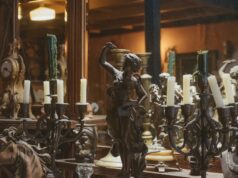
And the air parts before the otherworldly tinkle. Scent of ylang ylang jasmine nose smoke; the most delicate trace of candlewax, or pale wool. Outside, not everything has been shut away by the shutters; the gloaming bleeds like blood through the open shutters onto the ceiling, a jagged strip by flames flickering candles. Cacophonous, voices blend and merge forming a hybrid speech, an untold discussion between seventy-two strings that will not begin until a concert. Crystal shimmers. Page turns. A brash laugh suddenly softens
This is no ordinary space. This is an engine of possibility: a kind of hatmaker‘s salon at the height of its powers.
This is where reputation, both good and bad, will be set in stone all within one paragraph. The notion will catch fire like dry silk. And just underneath the shining smirks and porcelain cups, a quieter, silent war will be fought: a fight for taste‘s survival, for heft, for comprehension, for life; a life other than the one which the pavements outside are offering her.
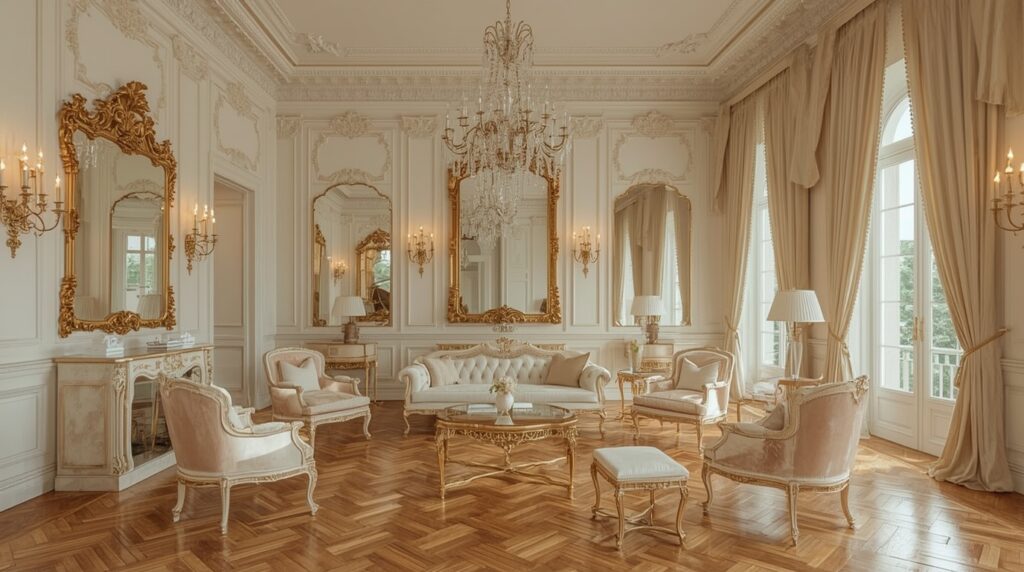
The salon is where Paris learns to dream aloud.
A City That Needed a Room
Paris in the seventeenth, eighteenth, and nineteenth centuries is a city of spectacle and surveillance. Streets are public theater; cafés are smoky republics of argument; the boulevards belong to the flâneur, drifting and observing. Yet for more than two centuries, some of the city’s most radical, refined, and dangerous thoughts preferred the intimacy of private rooms.
The salon was a paradox from the beginning: a space at once secluded and porous. A polished living room, sometimes little more than a well-appointed apartment, became a stage on which the century performed itself. You stepped inside to step, momentarily, outside the official order of things.
If the caf of Paris was the city ‘s heart, loud, open, free and democratic, then the salon was its nervous system. Quiet, refined and picky. It was here that the conversations were not only held, but arranged, choreographed and directed. In the salon, the grande dame, Madame, or most often Madame, was both the host and the producer who called in one genius here, a ponderous young painter there, and stuck in one aging politician into a room with a poet, a pornographer and an evangelist.
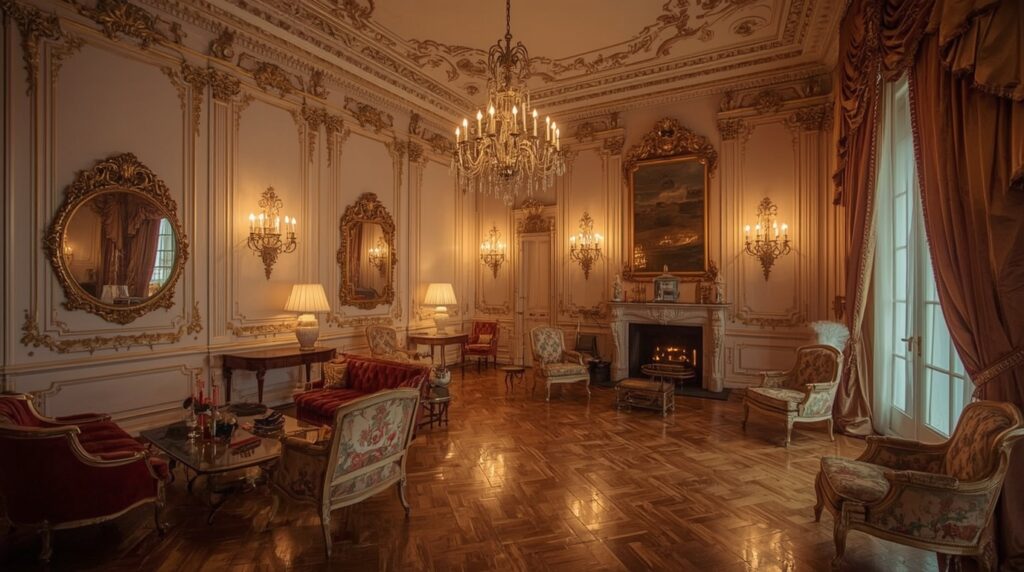
The salon met a psychological need which still seems of today–a space where the brain could be a social organ, where ideas could be transmitted foot to foot in the space of a room as a suddenly tuned instrument.
Before Instagram feeds and private WhatsApp groups, there were gilded mirrors and velvet sofas. The same instincts—curation, performance, intimacy, spectacle—found their first full expression here.
The Room as Stage, the Hostess as Spellcaster
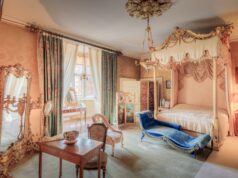
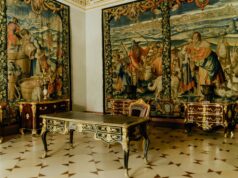
Getting into a renowned Parisian salon was like entering a total work of art. The décor was significant, but not in the superficial sense. Every object quietly played its strategic part.
Deep armchairs in conspiratorial knots; a few scattered unsteady chairs, palpable, designed to cajole us closer; tables only big enough to hold a writhing mass of books, a porcelain bowl, and a glass ashtray. Candlelit reflects in the mirrors, les into every gesture; thick curtains quieting the city below so that it feels another age.
The hostess understood something fundamental about human psychology: atmosphere is not a luxuryit is an argument.
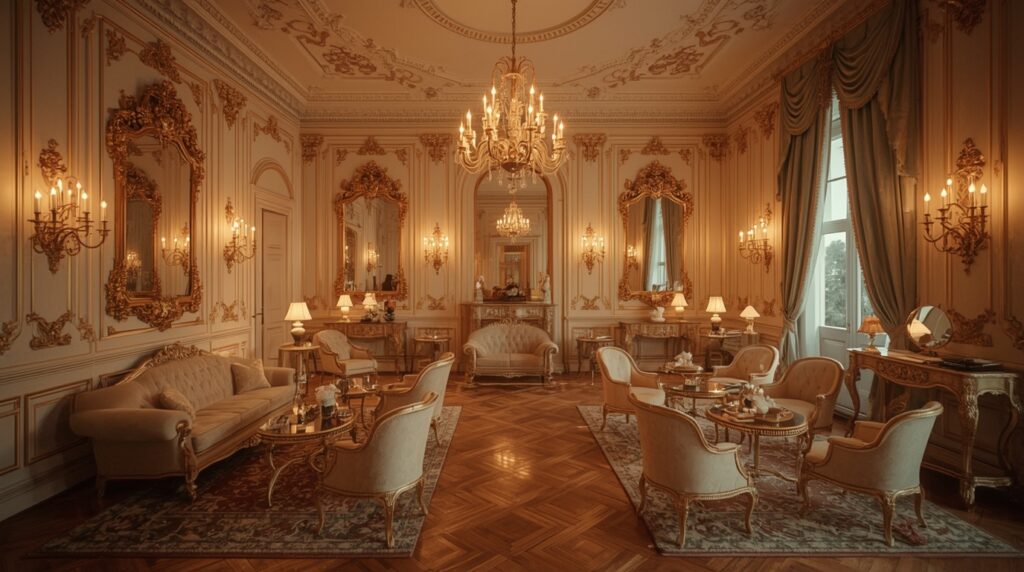
Madame de Stael in the late 18th, or Madame Recamier in the 19th, or the fiercely independent Gertrude Stein in the early 20 th each enacted a form of domestic dramaturgy. Who was ushered in early and made to wait, who was situated near the hearth (the warmest gravity), who was positioned closer to the door (for rotation out) that was choreography.
A salon was never neutral space. It was an arena of subtle tests:
- Would the young writer withstand the gentle contradictions of the elder critic?
- Could the radical thinker learn to phrase their audacities with sufficient elegance?
- Would the visiting foreigner understand the codes—neither too deferential nor too bold?
Rules but never rules you could put your finger on. But the mainone was known as esprit the spirit, or the quickness the electricity of the mind. The intelligence in the salons of Paris was not only what you knew, but how you knew it.
A salutary remark in the salon was almost like a social sculpture. Accurate, transient, created for that moment and the ear present. It had to sparkle without sharpness, agitate without vulgarity and challenge without upsetting the fragile balance of the salon.
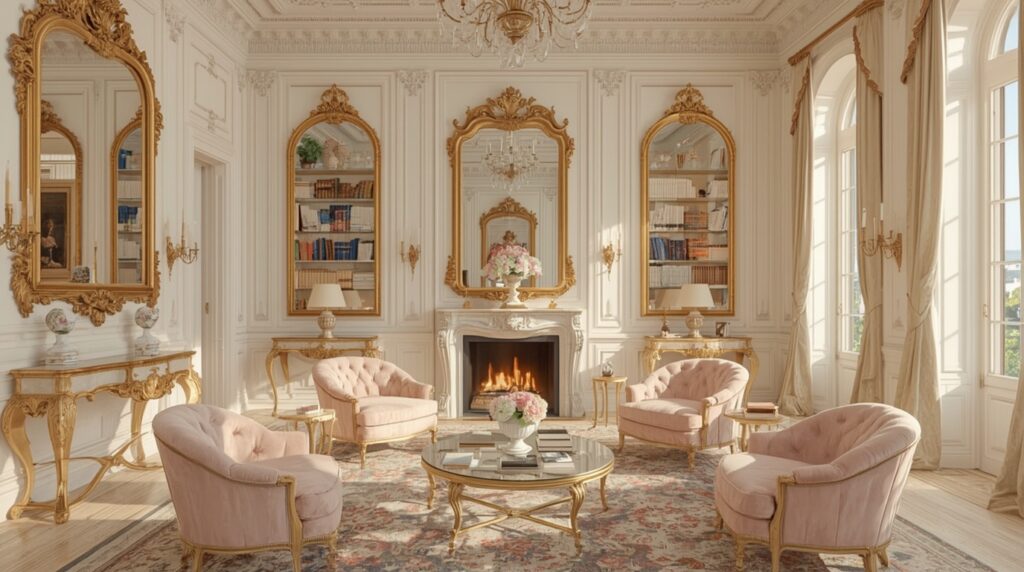
In this respect the hostess was more than just offering tea. She was administering one of those fragile economies of attention that prevents one voice from predominating, and shapes all talk into some aggregate rather than sum of its parts. She was less “hostess” than “alchemist, transforming individual egos into talk, distance into community, ambition into cooperative creativity.
Portraits in Candlelight: The Emotional Lives of the Salons
We tend to imagine salons in terms of names and dates—Voltaire, Diderot, Proust, Stein—but what made them unforgettable were the emotional textures that thrummed beneath the intellect.
There was this nervous thrill of initial entrance: the new poet with their folded bundle of poems, introduced by a sponsor, feeling the collective gaze of the room run its eyes over their clothes, their seat, their silence. Their beginning words. Would their voice fall into the tone of the room as it might, or ring out?
There was the ache of near-invisibility: the painter who had been coming for months without ever having exactly the right opportunity to say that he was there, seeing the names of others waft like incenses around the room, while his own slipped by unuttered. The salon could be exquisite kindness. It could be exquisite cruelty.
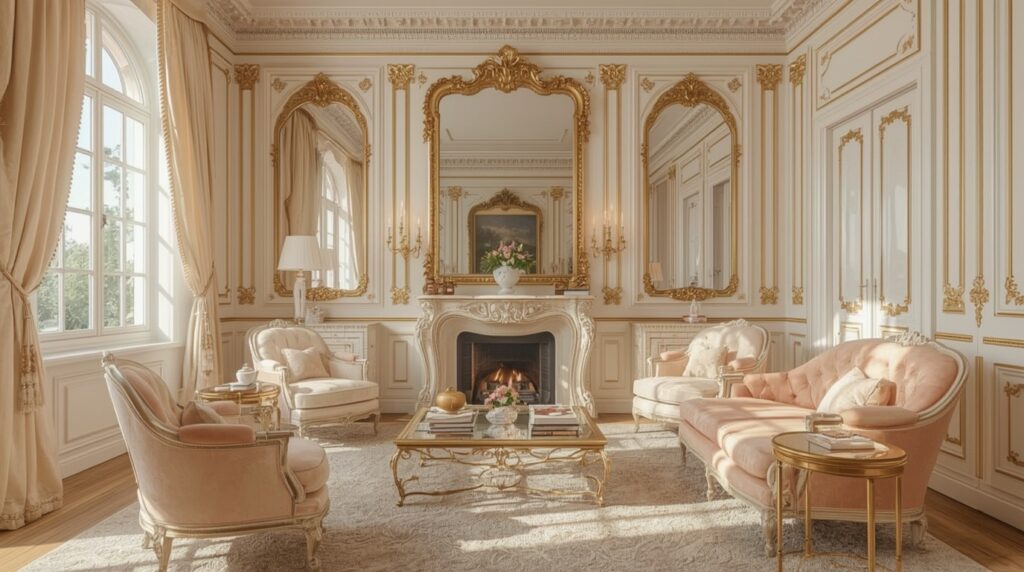
Were the charged electricity of artistic approval. Two unknown people exchanging a knowing glance across the room after a specific comment: the feeling of being authenticated intellectually, aesthetically, even spiritually by an individual who gets the subtler tone to your words. Friendships, alliances, brilliant collaborations commenced as passing flashes of mutual perception in that crowded candlelit space.
And always, quietly, there was longing. Longing to be brilliant. To be loved for a mind that might have felt too large—or too unruly—for the constraints of marriage, office, or family. Longing to step, if only for a few hours, into a version of Paris where conversation was currency and personality a form of art.
The salon was an emotional laboratory where people tried on more expansive versions of themselves. In the half-shadow of velvet curtains, a shy provincial might discover they were capable of a kind of daring they’d never shown at home. A respectable gentleman, freed from the stiff carapace of public office, could confess doubts, enthusiasms, even fears.
The candlelit room made adults feel, again, like students. Everyone, no matter how acclaimed, came here to be surprised—by others, and by themselves.
Symbols in Silk and Smoke
For all its apparent frivolity—lace cuffs, miniature spoons, handwritten calling cards—the Parisian salon was thick with symbolism.
The arrangement of chairs was a map of influence. To sit too far from the hostess, or from the principal conversationalists, was to be gently demoted. To be drawn into the inner circle, even once, was a sign that one’s words had landed.
The tea service was more than a refreshment. There was something almost liturgical about it: the passing of the cup, the offering of sugar, the refilling of glasses. This quiet choreography created pauses, little pockets of suspension in which a remark might linger or a conversation pivot. The object world of the salon—porcelain, silver, crystal—was an orchestra of small intermissions and invitations.
A mirror filled the more intimate room in every apartment. It was another loaded symbol. The mirror did not reveal only faces; it revealed postures andpartnershipsandbit of the way bodies leaned towards or away from others. People found themselves watching themselves watch themselves: the people‘s constant reminder that in the salon one was always performing to some extent.
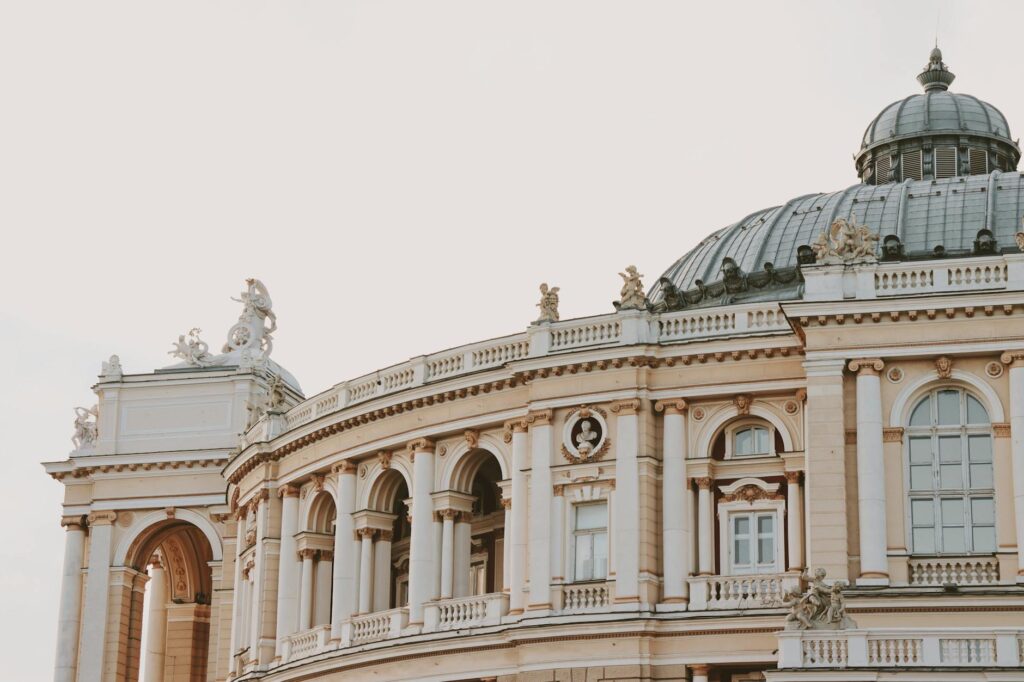
The curtain, like Jacob‘s, also had effect. Separate from the outside world, muffling sound and filtering light, it delineated the edge of the emulsion-scratched stadium: the space governed by ideas and where the noise and nuance of the city could not enter.
Even this gathering was a sign. The handwritten note spidery ink on stiff paper that came calling you to a specific place at a specific time, was an invitation. You were being welcomed: your body, your intellect, your presence that voice has a role in this world.
In an age without digital profiles or follower counts, the salon was the algorithm: a living, breathing system deciding whose thoughts should circulate, whose words would be repeated tomorrow in other rooms.
The Hidden Rebellion of a Well-Set Table
The polished manners, the careful flattery, the delicate bon mots can make salons appear as mere courtly games. Yet woven into their elegance was a kind of insurgency.
In a society still deeply stratified by birth, wealth, and gender, the salon was one of the earliest places where conversation could occasionally outrun hierarchy. A brilliant phrase could, for a moment, outweigh a title. A woman who could not vote or hold office could gather the minds who would shape public life.
Madame Geoffrin, Madame de Staël, Madame Récamier—these figures weren’t simply social butterflies. They were artists of influence, bending the architecture of power from inside their living rooms. The salon gave them a paradoxical kind of agency: they could not write laws, but they could shape the people who would.
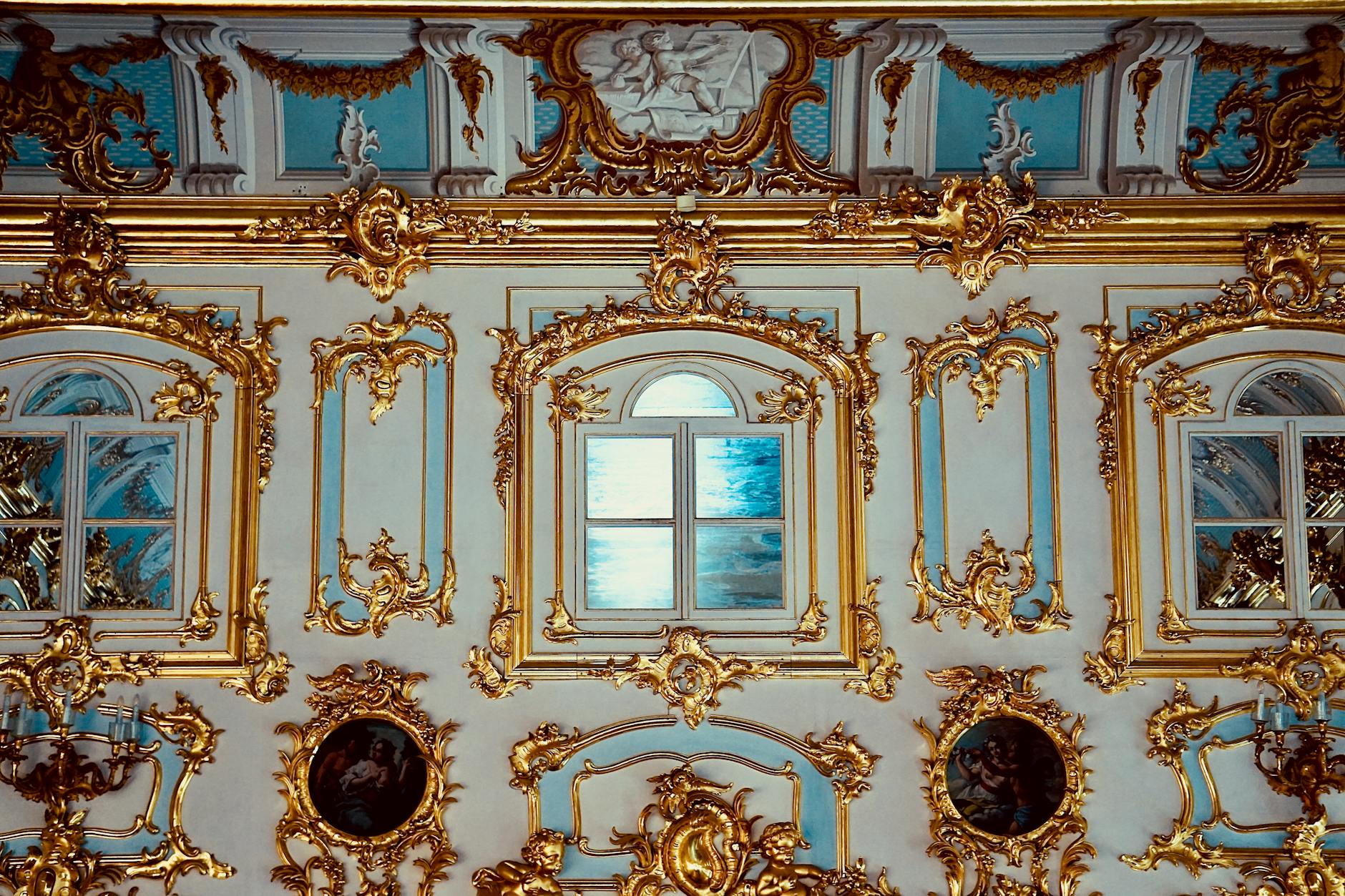
The idea that space itself the furnitures, lighting, aromas, and inhabitants (present in a way it could be) could be a vehicle of politics has an underlying kind of radicalism. The salon was one of the places where conversations could be held that were too unruly, too experimental, or too delicate to be hosted at a larger, more visible forum.
The Revolution, the collapse of empires, the Dreyfus affray, the emergence of modernism all these things, somewhere in Paris, had their echo in a salon. Not propagandistically, but intimately tested as true or false to the human heart.
What was it like for an argument to be said aloud? What was a new picture like when held under candle light then gas light then early electric bulbs with living eyeupon it. The salon was where ideology met empathy, where beauty met conscience.
Seeing with Ears, Thinking with Eyes
One of the most seductive aspects of the Parisian salon is how synesthetic it was. It asked participants to listen visually and look emotionally.
The painter listened to a philosopher and began to see colors in their abstractions. The composer watched the nervous tremor in a young writer’s hands and heard, subconsciously, a new kind of rhythm. Proust, sitting in a corner, turned glances and half-finished sentences into entire psychologies.
In most salons for the study of the arts, pictures were not just decoration – they were co-conspirators of the night. A still life above the fireplace may be the trigger for a haphazard discussion of life, death, plenty and time, or a portrait of any of our grandfather‘s predecessors vie for supremacy in our argument, quaking at us.
Light itself entered the conversation. Electric or no the flicker of candles dictated the tone of the night: with the water wore threadbare and the voices sounded darker and more confessional. The shadows played more boldly on the wall. Later the lighting of the salon changed again: gas and electric light illuminated the space. It is possible to envisage the erotics of the secret turning into a new, analytical bracing.
The salon beckoned not only opinions but sensibilities about the pace, about the tone, about the mood. Participants learned to feel the miasma shift with the ghost of an emotive expression, the ghost of a humor touching a wound, the ghost of an idea whooshing just out of clutching reach.
This training in calibrated responsiveness—this education in subtlety—is one of the most elusive yet enduring legacies of salon culture. It taught people to inhabit thought with their whole bodies.
Why the Spell Still Holds
In an age of endless connectivity, the Parisian salon holds our imagination with a peculiar, almost aching intensity. It feels, simultaneously, impossibly distant and painfully relevant.
Partly, it is nostalgia—for a slower tempo of thought, for the tactile pleasures of correspondence, for evenings given over not to screens but to shared presence. But the fascination goes deeper.
The salon is a kind of social technology we haven‘t adapted: the well-guarded space where mind, emotion, and beauty all have their equal voice. No comments, no algorithm, and no group chat can capture the nuanced richness of a dozen people immersed in the same sentence.
The psychology of contemporary creative existence the insecurity coupled with bravado, the need for ‘being seen,’ the longing for intimate but curated communities was practiced in those rooms of Paris. Influencers, curators, podcasters, cultural entrepreneurs they are, in a way, salonniere‘s children: cues attention, sums up atmospheres, gather minds.
Of course, there also lingers in our minds what the salon promised but so very seldom delivered: authentic equality of voices, somewhere to escape the cruelties of the outside world. Class, gender, race, and money continued to determine who entered and left our salons. Our current obsession is infused with a critique, with an urge to envision a space that was more porous, less exclusionary, more truly diverse.
However, the heart of the dream still stands: that talk, in the intimate space of a room the shared product of caring, can transform us.. That a certain combination of people, objects, lighting, and words can create not only clever social rounds but an extension of ourselves.
The Echo of Footsteps, Still
Imagine the room again, now emptied.
The candles are stumps. The chairs are slightly tipped, a ghost in the empty room without bodies. A scarf, once woven into someone, lies abandoned on the back of a sofa. A glass, left on the small table, bears the ghost of a lipstick kiss. A book, abandoned on a page, made someone quit talking in the middle of a sentence.
If you hold very still, you can almost hear them the muted talk, the sniggers, the long, tense silences. The whispers, the secrets confided after the door was closed on the last guest. The time it took for someone to finally call her what she was frightened to say.
This is the after-image that keeps salon life alive in our collective minds: a sensation that, inside four walls and beneath velvet light, a shining group of human beings ephemeral as the breath ofobjectives, ofaspiration, andinstructionthat they exhaled generated a field of consciousness, fluttering and own-able.
Since then, the Parisian environment has been re-blinds, re-carpeted, re- stripped, re-spot-lit, re-glazed, re-embossed. And the furnishings have been to the dust of the winds, the furniture to the rub of the winds; the sharpened clocks and uncoidered clocks, have gone further out a living room, the numberless music-cases and strange roundabouts.
Still then, each time a host sets a table, not only with plates, but with people, each time a handful of people evoke a living room, and the air sings the obsessive joyousness of understanding other minds, a subtle, virtuosic echo of memory still.
It is the whisper of the old salons: a reminder that culture does not only happen on stages and in museums, but also—and perhaps first of all—in rooms where people look at each other and dare, gently, beautifully, dangerously, to think aloud.
AI Notice: Some visual content in this article may have been created or enhanced using artificial intelligence (AI) for artistic, editorial or illustrative purposes. Learn more about our approach in our AI & Editorial Principles.