What Is Dark Romanticism Fashion: Style, Elements And Influences
Dark romanticism fashion is more than “goth with lace.” It is a deliberate aesthetic language that turns yearning, melancholy, and the sublime into clothing—silhouettes that echo candlelit portraits, stormy landscapes, and ink-black poetry. Where fast trends chase novelty, dark romanticism draws power from history: the mourning rituals of Victorian Britain, the dramatic drapery of Renaissance painting, and the shadowed grandeur preserved in museums from Paris to London to New York. What makes it compelling today is its paradox—softness rendered severe, beauty edged with unease—an approach to dressing that feels both timeless and fiercely modern.
What “Dark Romanticism Fashion” Means (and What It Isn’t)
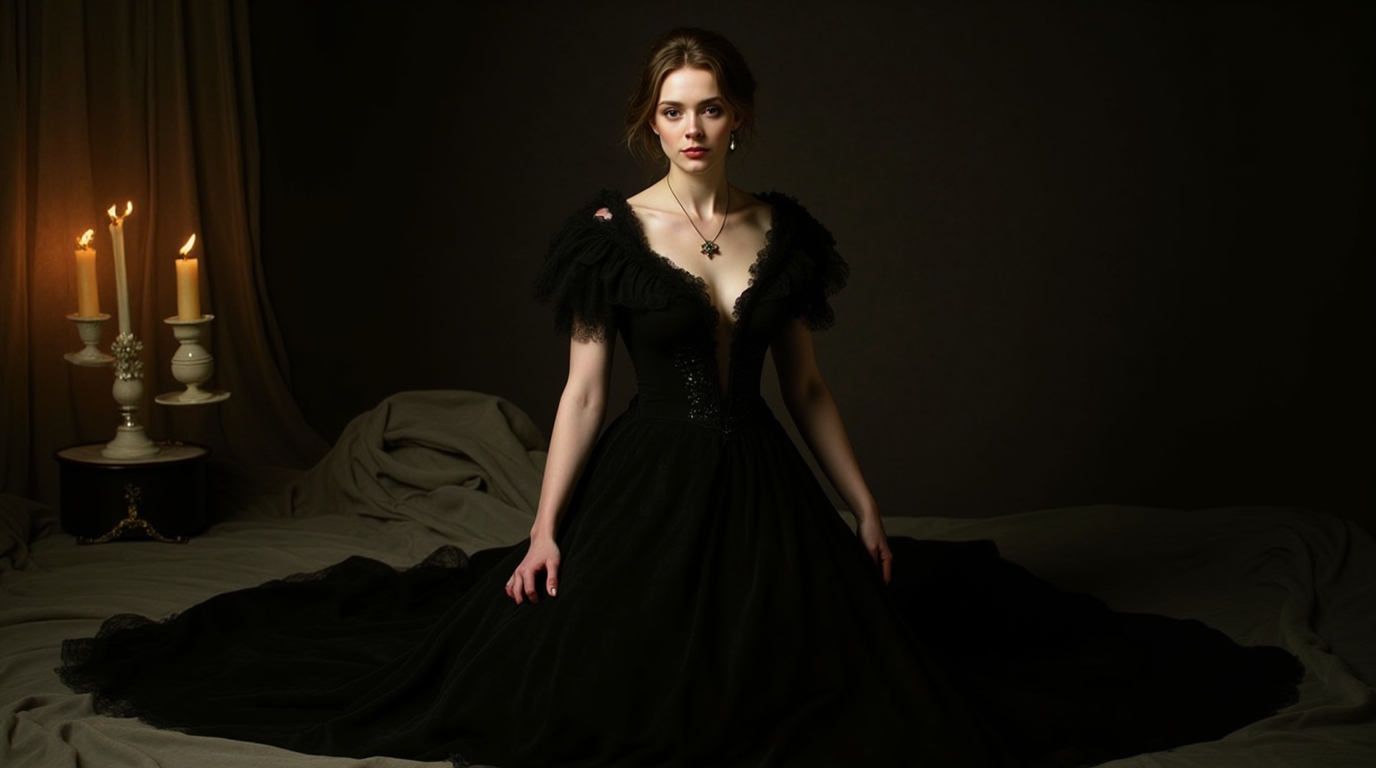
Dark romanticism fashion combines Romantic-era ideals—emotion, nature, individuality, and the sublime—with a darker palette and mood: black, oxblood, midnight blue, smoke gray, and candle-warm neutrals. The look favors poetic materials (velvet, lace, silk, chiffon) and historical references (corsetry, high collars, billowed sleeves), but it’s not strictly costume. The goal is an atmosphere: tender, dramatic, and slightly haunted.
Can You Name the Masterpiece?
Ten masterpieces. Ten questions. How well do you know the history of art?
It isn‘t really the same as goth, though there‘s considerable overlap. The style of gothic subculture tends to revolve around subcultural signifiers, music lineage and more pointed contrasts (punk hardware, fetish elements, clubwear silhouettes). Dark romanticism may be more understated and painterly more like a Pre-Raphaelite portrait or even a 19th Century mourning dress than an outfit for the dancefloor.

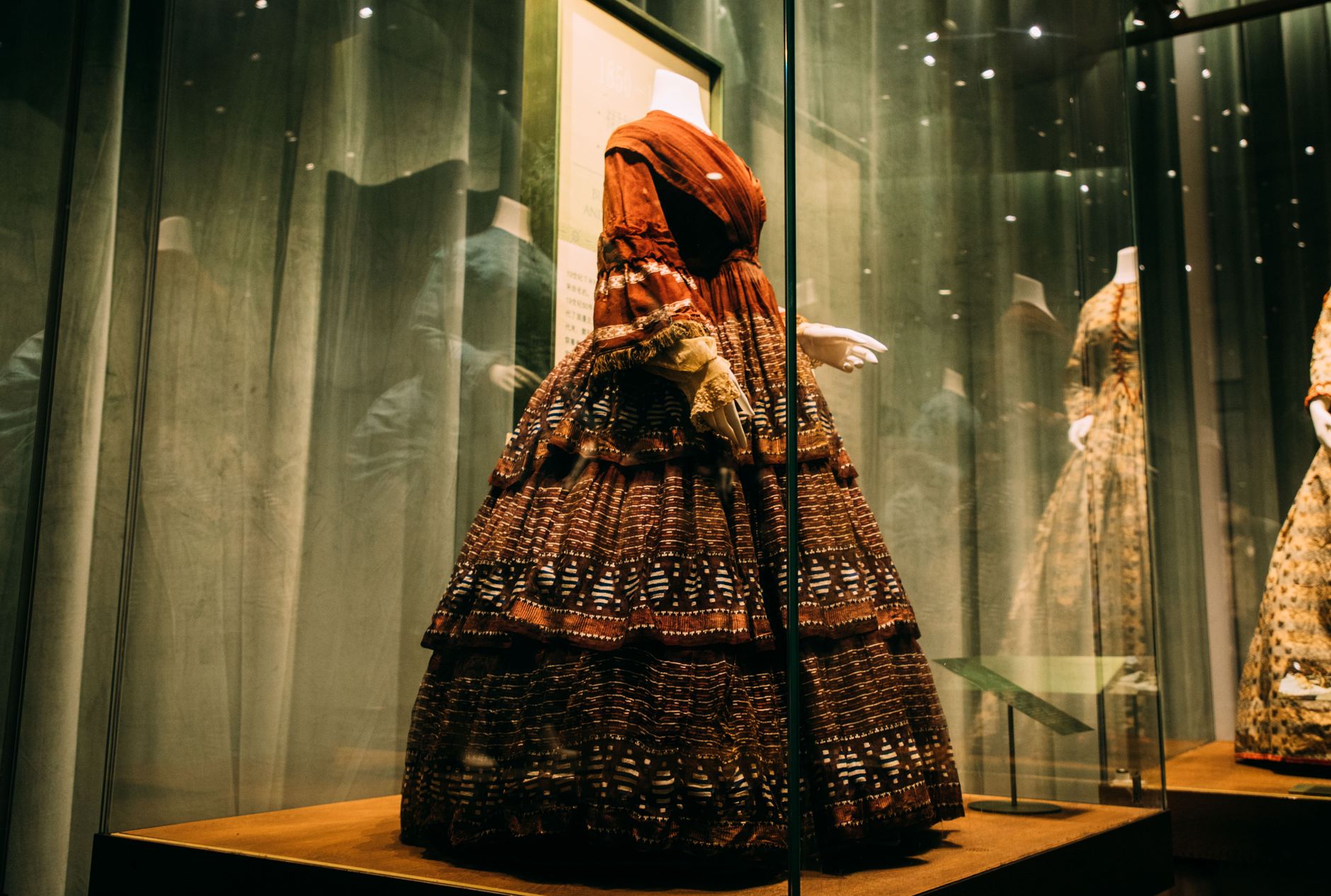
Clarity is the museum‘s contribution. Museums like the Costume Institute at The Metropolitan Museum of Art and the Victoria and Albert Museum house clothing that demonstrates black and dark-colored cloth as emblematic of the dignity, hierarchy, and ceremony of rebellion. In other words, “the dark” of dark romanticism has an historical basis.
Historical Roots: From Romanticism to Victorian Mourning
The Romantic movement flourished in late 18th- and early 19th-century Europe, particularly in Britain, France, and Germany, elevating emotion and the sublime—beauty mixed with fear and awe. In fashion, Romantic-era silhouettes emphasized the body’s expressive line: puff sleeves, cinched waists, and fluid drapery. These shapes matter today because dark romanticism borrows their theatrical proportion to convey feeling.
Can You Guess the Artist?
Three clues. One artist. How quickly can you identify the painter?
In Britain, Victorians’ mourning culture, particularly after the death of Prince Albert in 1861, provided the visual language of ‘dark’ dress. Black was understood as a social language realized in textile, and time was of the essence in the system of mourning dress. Between the V&A illustrates the use of matte black fabrics such as crape in the system of mourning dress, which thereafter moved to the lighter half-mourning colours of lavender or gray an effect interpreted by dark romantics today tonal layering.

The Metropolitan Museum of Art in New York points out, the color black also gained connotations of refinement, power, and stateliness when dyes came into use and aesthetics transitioned. It is important to remember that this past is relevant now: the dark romanticism costume does not make black beautiful again it brings it back with a modern touch.
Core Aesthetic Codes: Silhouette, Fabric, Color, and Detail
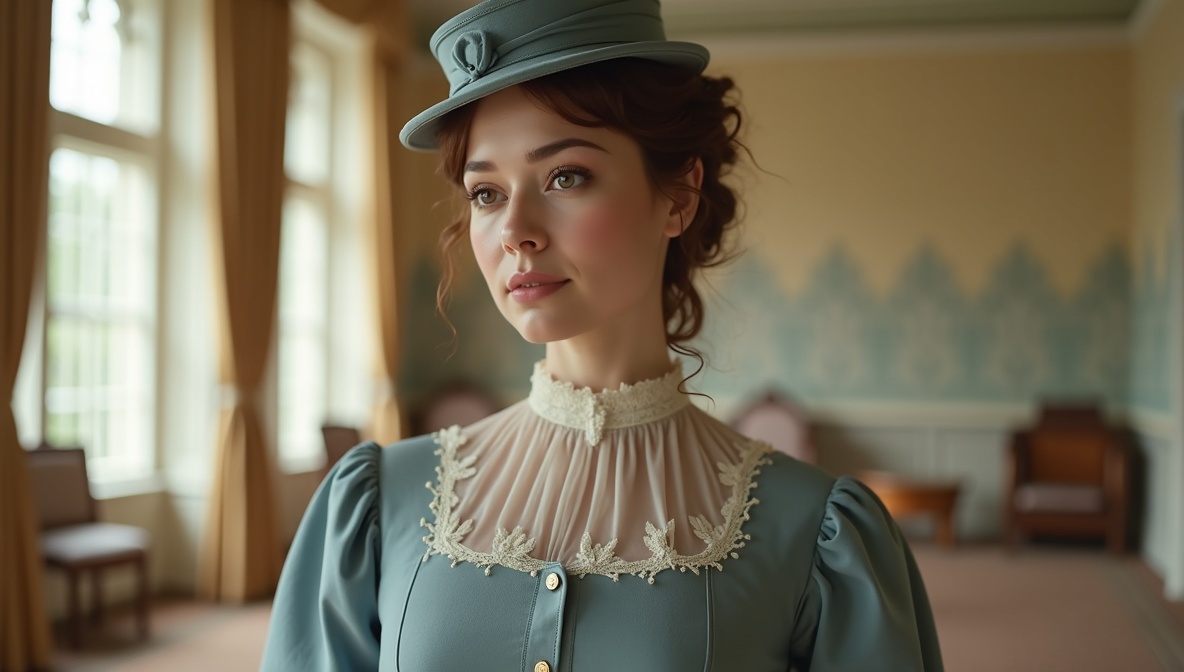
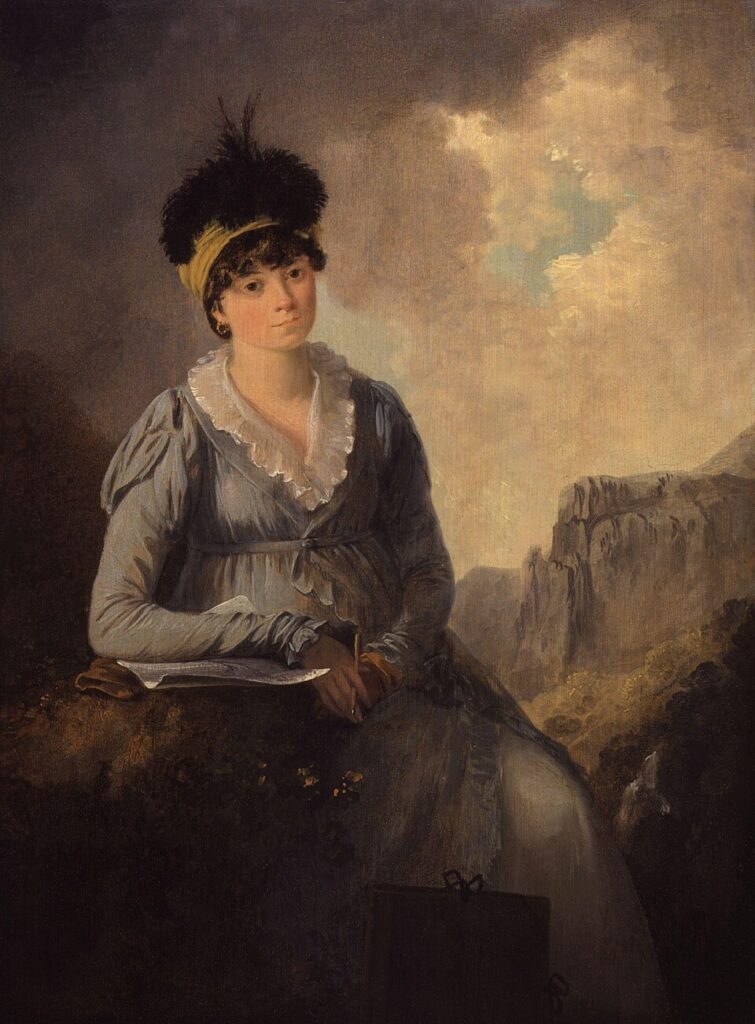
Silhouette is the first “tell.” Dark romanticism favors elongated lines (maxi skirts, sweeping coats), structured waists (corset belts, seaming, tailored bodices), and statement sleeves (leg-of-mutton, bishop, poet). High necklines, lace collars, and dramatic cuffs frame the face, evoking historical portraiture found across collections at The Louvre Museum and the Met, where clothing and painting together reveal how dress shaped social presence.
All fabric are equal. Satin and silk provide candle magic reflections; velvet has depth in darkness; lace brings fragility and closeness; chiffon and tulle for “fog”; contrasting surfaces: matte versus shine, thick versus transparent… Are keys to keep romantic tension alive versus dull monotony.
Accessories must be narrative, not cluttered: covered buttons, cameo brooches, jet-bead embellishments, ribbon ties, discreet shaping, antique-style embellishments. As the designer Yojhi Yamamoto once remarked, ‘Black is modest and arrogant at the same time. Black is lazy and easy but mysterious. But above all, black says this: I don‘t bother you don‘t bother me.’ In dark romanticism, that mysteriousness is balanced with softer touches and a feeling of the past.
Key Characteristics at a Glance
| Element | Dark Romanticism Fashion Traits | Practical Examples |
|---|---|---|
| Color palette | Black, charcoal, oxblood, deep green, twilight navy, antique cream | Monochrome black with one “blood” accent |
| Silhouette | Cinched waist, long lines, dramatic sleeves, high necks | Corset belt over a maxi dress |
| Fabrics | Velvet, lace, silk, chiffon, wool | Velvet blazer + lace blouse |
| Details | Cameos, ribbon ties, covered buttons, subtle hardware | Ribbon choker, antique brooch |
| Mood | Poetic, melancholic, sublime, intimate | Soft layers + structured outerwear |
| Beauty/accessories | Dark berry lips, pale glow, pearls/jet, gloves | Sheer black gloves, pearl drops |
Museums and Material Evidence: Why Authenticity Matters
Museums provide the “receipts” for dark romanticism fashion. The Metropolitan Museum of Art and the Victoria and Albert Museum offer digitized collections that show construction methods—boning, hand finishing, period fastenings—that modern brands often imitate. Studying these pieces improves authenticity: you learn why a collar sits a certain way, how sleeves are balanced, and how drape is engineered.
The Smithsonian Institution is also a key resource for understanding fashion as social history. Its collections and scholarship connect garments to technology, labor, and cultural meaning—reminding us that dark romanticism isn’t only an aesthetic, but a conversation with the past. When you know what mourning crepe signified, or how industrial dye advances affected black textiles, your styling becomes informed rather than purely decorative.
Art history reinforces the mood. The Louvre’s holdings—especially portraiture—demonstrate how dark fabrics were used to stage power, piety, restraint, or seduction. Dark romanticism fashion draws from that visual strategy: controlling light, framing the face, and creating a silhouette that reads like a story.
How to Wear Dark Romanticism Fashion Today (Without Costume)
Start with one historically influenced anchor piece and build around it. A high-neck lace blouse, a velvet blazer, a long black skirt, or a corset-inspired belt can signal the aesthetic immediately. Keep the rest modern—sleek boots, minimal jewelry, contemporary tailoring—so the look reads as fashion rather than reenactment.
Work in layers to create depth. Dark romanticism is at its best when the outfit has “atmosphere”: a sheer layer over an opaque base, a matte skirt with a satin camisole, or a structured coat over soft drape. Use a limited palette—two to three tones—so texture becomes the main visual interest.
Finally, pay attention to grooming and accessories. Romanticism is intimate: a ribbon tie, a cameo, a pearl drop earring, or a delicate glove can be more effective than heavy hardware everywhere. As Christian Dior put it, “Individuality will always be one of the conditions of real elegance.” Dark romanticism succeeds when it looks personal—like you stepped out of your own novel, not someone else’s template.
Frequently Asked Questions
1) Is dark romanticism fashion the same as gothic fashion?
No. They overlap in dark palettes and historical references, but goth is a subculture with specific music and style lineages. Dark romanticism is a broader aesthetic rooted in Romantic-era mood, Victorian influence, and painterly softness.
2) What are the easiest starter pieces?
A black velvet blazer, a high-neck lace blouse, a long skirt, or a dress with poet sleeves. Add one “antique” accessory (cameo, ribbon, pearls) and keep everything else clean and modern.
3) Can dark romanticism include color?
Yes. Oxblood, deep green, midnight blue, and antique ivory work well. Many historical wardrobes used tonal variation rather than pure black, especially in transitional mourning palettes documented by museums like the V&A.
4) How do I avoid looking like I’m wearing a costume?
Limit overtly historical items to one or two per outfit, prioritize modern fit, and keep materials high quality. Choose subtle references (collars, sleeves, velvet) over head-to-toe period replication.
5) Where can I research authentic references?
Start with online collections and essays from The Metropolitan Museum of Art, the Victoria and Albert Museum, the Louvre Museum, and the Smithsonian Institution. Their object photography and catalog notes are invaluable for silhouettes and materials.
Dark romanticism fashion endures because it is built on real historical language—Romantic emotion, Victorian ritual, and museum-preserved craft—reimagined for modern life. When you understand its roots and apply its codes with restraint, the style becomes not just “dark,” but expressive: a wearable form of poetry that turns silhouette, texture, and shadow into meaning.
Authoritative sources referenced: The Metropolitan Museum of Art (Costume Institute and collection essays), Victoria and Albert Museum (fashion and mourning dress holdings), Louvre Museum (portrait and decorative arts context), Smithsonian Institution (dress and social history scholarship).
Romanticism Fashion and the Language of Emotion
One of the most fascinating aspects of Romanticism fashion is the way clothing became a visual expression of personal feeling. Unlike the more rigid and formal styles that preceded it, Romantic-era dress embraced individuality, imagination, and emotional depth. Fashion was no longer merely about social status; it also communicated ideals, artistic sensibilities, and even philosophical beliefs.
Women’s fashion during the Romantic period often emphasized softness and femininity. Flowing silhouettes, delicate fabrics, puffed sleeves, and decorative details created an appearance that reflected the era’s fascination with beauty and sentiment. Floral motifs, embroidered accents, ribbons, and lace were commonly used to evoke a sense of nature and poetic elegance. Many garments were designed to create an almost dreamlike appearance, mirroring the themes found in Romantic literature and painting.
Men’s fashion also evolved in interesting ways. Tailored coats, fitted waistcoats, high collars, and carefully selected accessories became important elements of a gentleman’s wardrobe. While men’s clothing remained more restrained than women’s attire, Romanticism encouraged a greater appreciation for refinement and artistic self-expression. Influential writers, painters, and intellectuals often developed distinctive styles that reflected their personalities, helping to shape broader fashion trends.
The Influence of Nature on Romanticism Fashion
Nature was one of the defining inspirations of the Romantic movement, and its influence can be seen throughout Romanticism fashion. Designers and dressmakers frequently incorporated botanical patterns, floral embroidery, and organic color palettes into their creations. Soft greens, pale blues, rose tones, ivory shades, and earthy browns echoed the landscapes celebrated by Romantic artists and poets.
This connection to nature extended beyond decorative elements. Fabrics themselves were chosen for their natural beauty and movement. Lightweight cottons, silks, muslins, and fine wools allowed garments to flow gracefully, creating silhouettes that appeared more organic and less rigid than earlier fashions. Such choices reflected the Romantic belief that beauty should be inspired by the natural world rather than strict classical rules.
Romanticism Fashion in Portrait Art
Many of the finest examples of Romanticism fashion survive today through portrait paintings. Artists of the period carefully documented contemporary dress while simultaneously emphasizing the emotional and symbolic qualities of their subjects. Portraits often feature women wearing flowing gowns, elaborate hairstyles, shawls, and jewelry that enhanced the romantic atmosphere of the composition.
Painters such as Eugène Delacroix and Francisco Goya captured the spirit of the age through dramatic use of color, texture, and costume. These works provide valuable insights into how fashion functioned not only as clothing but also as a form of artistic storytelling. Today, historians frequently study such portraits to better understand the evolution of Romantic-era style.
The Lasting Legacy of Romanticism Fashion
Although the Romantic period eventually gave way to new artistic and cultural movements, its influence remains visible in contemporary fashion. Modern designers continue to revisit Romantic themes, drawing inspiration from historical silhouettes, lace details, floral patterns, and flowing fabrics. Runway collections often reinterpret Romantic aesthetics through a modern lens, demonstrating the enduring appeal of elegance, emotion, and individuality.
The popularity of cottagecore, vintage-inspired fashion, and historical costume design further illustrates the lasting relevance of Romantic ideals. Many people are drawn to garments that evoke nostalgia, craftsmanship, and a connection to nature—values that were central to Romanticism itself.
For collectors, historians, and design enthusiasts, Romanticism fashion offers more than a glimpse into nineteenth-century clothing. It reveals how people used dress to express their emotions, aspirations, and worldview. By exploring these garments, we gain a deeper understanding of a cultural movement that celebrated imagination, beauty, and the power of personal expression.
AI Notice: Some visual content in this article may have been created or enhanced using artificial intelligence (AI) for artistic, editorial or illustrative purposes. Learn more about our approach in our AI & Editorial Principles.