
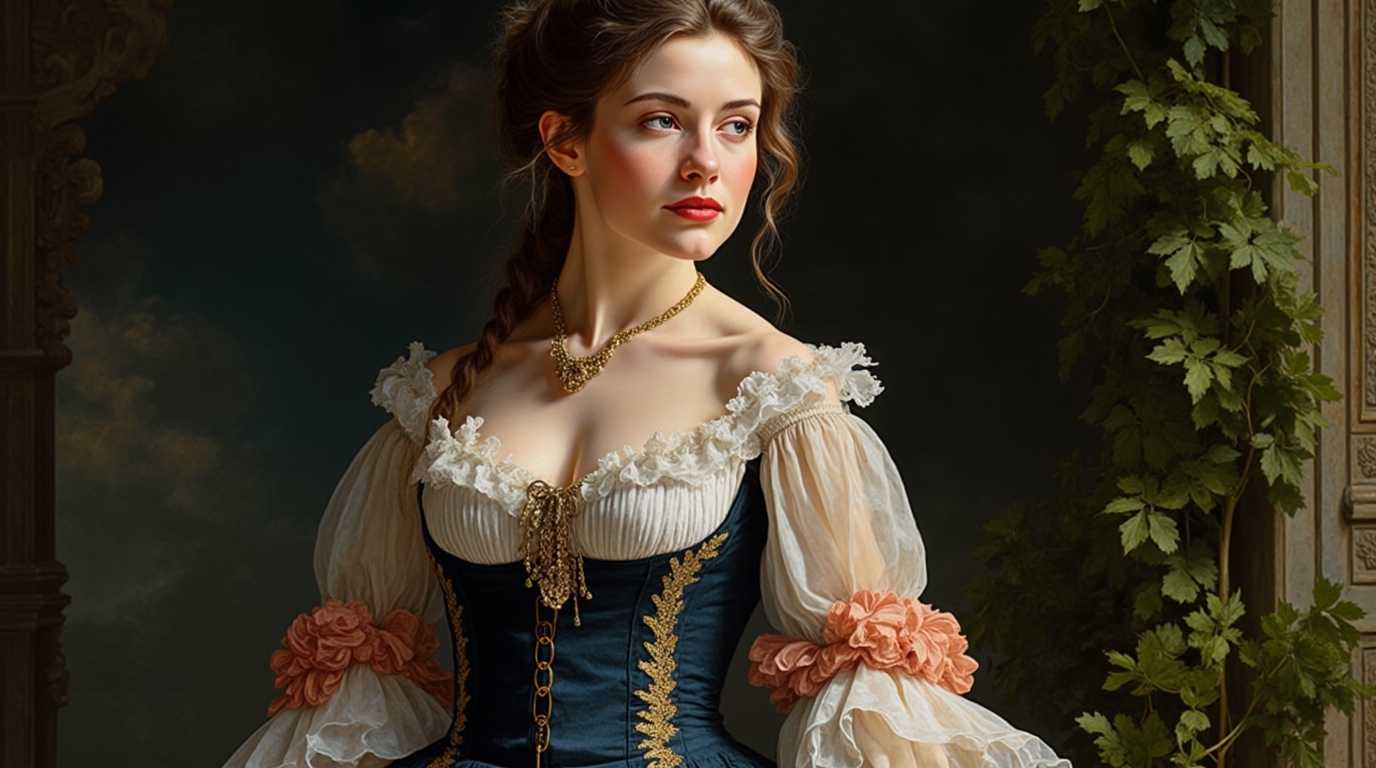
Romantic Era Dress Secrets: How to Wear the Look Without Looking Costume
Few styles in Western fashion communicate feeling as powerfully as the romantic era dress. Emerging in the early 19th century, it transformed the body into a poetic image—soft shoulders, a narrowed waist, and swelling skirts that seemed to move like a sigh. This was not merely a change of hemlines; it was a visual language shaped by revolution, industrialization, and a new cultural obsession with nature, sentiment, and the individual.
The romantic era dress came at an already expanded moment of documentation of dress, and even writing about dress, through fashion plates, garments held in museums, and surviving portraits. We can see how women in Paris, London, and to many other places, adopted, adapted, and even rejected the look. Its influence can still be seen today in fashion and costume design and even women‘s contemporary shape of “romantic” silhouettes.
Can You Name the Masterpiece?
Ten masterpieces. Ten questions. How well do you know the history of art?
To know the contemporary era robe dictée with knowledge, you find it in real institutions and privately. Garments of The Metropolitan Museum of Art, the V&A, and big cultural archive collections reveal not a mythical look of “old-world”, but exact construction of choices-sleeves, bodice, furnishings, textile.
Historical Context: From Regency Simplicity to Romantic Volume (c. 1820–1840)
The romantic era dress is most strongly associated with the period roughly 1820 to 1840, bridging late Regency fashion and the early Victorian period. In contrast to the high-waisted, classical column of the 1790s–1810s, waistlines dropped toward the natural waist, and skirts expanded. This shift mirrors broader cultural currents: Romanticism in literature and art valued emotion, imagination, and the sublimity of nature—qualities that designers translated into rounded forms and decorative abundance.
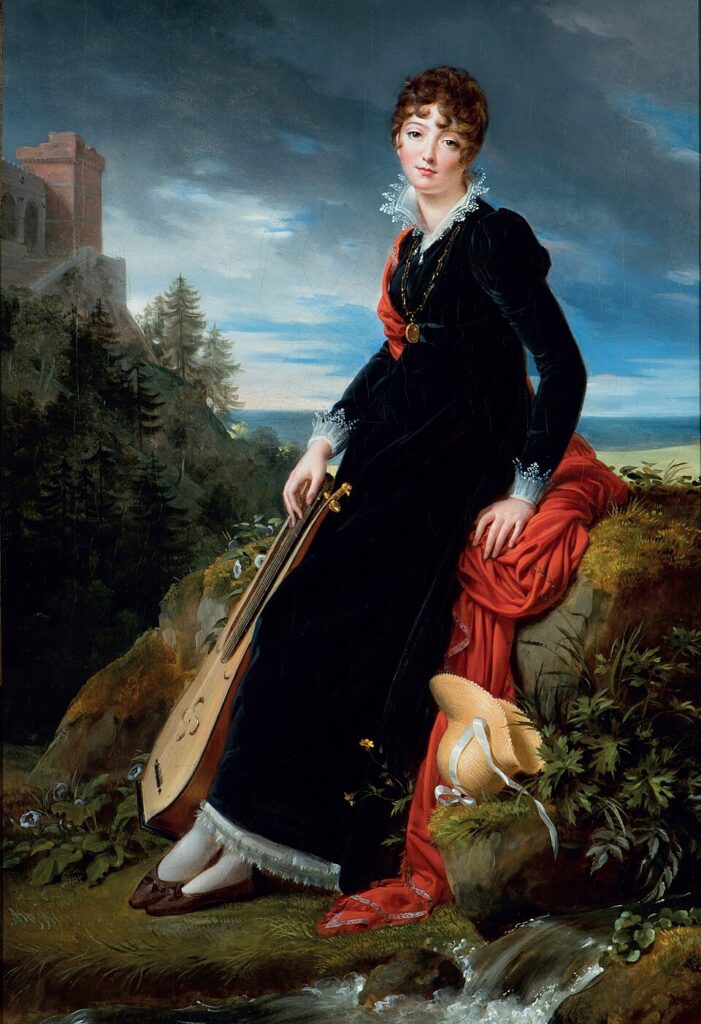
Paris and London great seats of style were both informed by their elite courts as well as urban society. In France, the culture of fashion gained momentum following the upheavals of the Revolution and Napoleonic period, and it was not until the 1830s that Paris re-established its dominance on the subject of dress. In Britain, the early Queen Victoria reign (from 1837) strengthened the importance of respectability in addition to domestic virtuewhich was reflected in bodices, sleeve treatments and renewed conscientiousness on the success of the understructure.
Can You Guess the Artist?
Three clues. One artist. How quickly can you identify the painter?
Museum collections support the materiality of this history. The Costume Institute at the Metropolitan Museum of Art has retains of those 1830s and 1840s dresses that mark the full-shoulder (i.e., strappy) sleeve and buskynarrow silhouette shift that these years saw in comparison to the previous decade. And the Victoria and Albert Museum has clothing and accessories that log how both day and evening dress started separating from one another (by height, ornament, fabric, use of sleeves), a story prone to diminish in popular historical retellings.
Anatomy of a Romantic Era Dress: Silhouette, Fabrics, and Construction
At the heart of the romantic era dress is the silhouette: a defined waist, a fitted bodice, and a skirt supported to appear generously rounded. The 1830s are especially recognized for dramatic sleeves—often called gigot (or leg-of-mutton) sleeves—creating a powerful shoulder line. This emphasis on the upper arm balanced the widened skirt, producing an hourglass impression without relying on late-Victorian corsetry extremes.
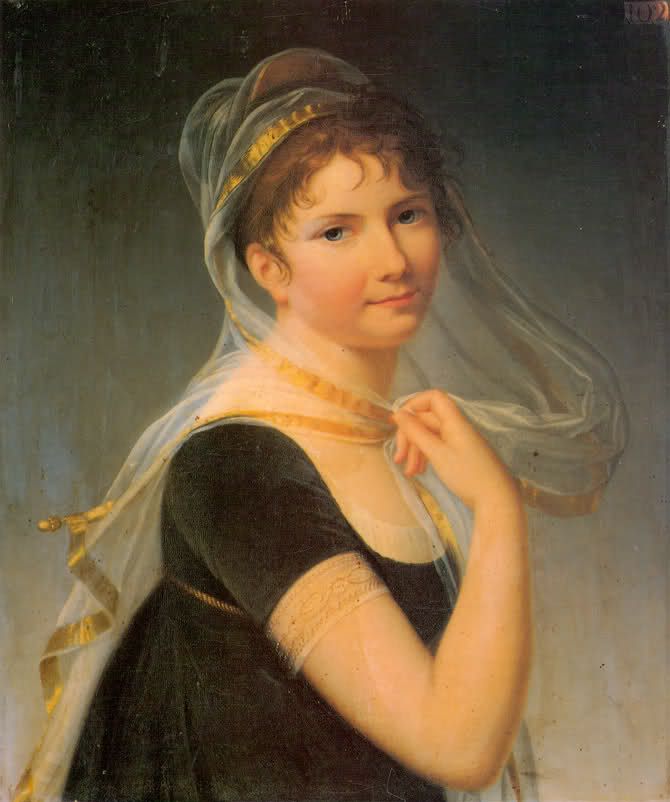
The silks (taffeta, satin), fine cottons and summer weight wools used in these dresses were typical of the aesthetic of textiles. The ornamentation of the clothes, the “ruches, pleating, lace, ribbons” and the floral trims applied to the waists would reflect theromantic obsession with feeling and sentimentality. Despite the large variety of gowns extant it is clear that the general quality of the fabric used was soft and luxurious rather than bare and stark.
Construction is evidence of the technical skill of the period. Bodices were tailored in with seams and darts, sleeves were cut full and in the round, while hooks, eyelets and ties were positioned to give a neatly finished front. Museums focus on such points because they prove that Romantic fashion was designed, not created randomly. As the Victoria and Albert Museum stresses in their interpretation of fashion and textiles, original garments are best understood through cut, fabric and construction not by paintings or replica dresses.
Key Characteristics at a Glance
| Feature | Common Romantic Era Dress Traits (c. 1820–1840) | Why It Mattered |
|---|---|---|
| Waistline | Drops from high Regency to near-natural waist | Signals a return to structured shaping |
| Sleeves | Large gigot sleeves (especially 1830s) | Creates fashionable breadth and drama |
| Skirts | Fuller, often cartridge-pleated or gathered | Enhances movement and “romantic” volume |
| Necklines | Wide for evening; higher for day | Reinforces social codes and occasion dressing |
| Fabrics | Silk, cotton, fine wool; lace and ribbon trims | Displays status and taste; supports drape |
| Undergarments | Stays/corsets, petticoats, sleeve supports | Provides the architecture behind the look |
Society, Art, and Meaning: What Romantic Dress Communicated
Romantic era dress was never just “pretty.” It communicated class, propriety, and cultural identity in a period when social roles were under pressure from industrial change and political unrest. A wide neckline and elaborate sleeves in an evening gown signaled participation in elite social life—balls, salons, and formal gatherings—especially in cities like Paris and London where fashion operated as social currency.
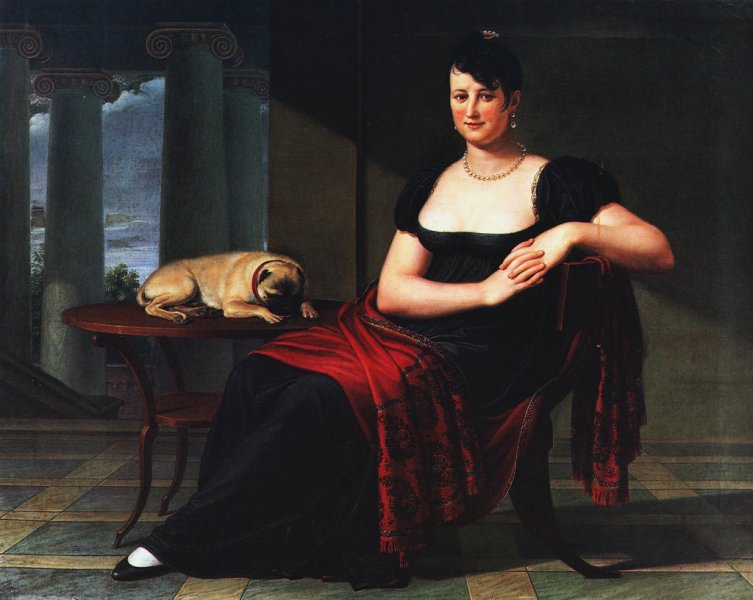
Art and literature reinforced this aesthetic. Romantic painting favored dramatic feeling and historical or natural themes, and dress followed suit with lush trimmings and expressive silhouettes. The style’s emphasis on the “idealized feminine” also reveals the era’s gender expectations: a carefully shaped body and visibly refined materials projected respectability. As a corrective to simplistic nostalgia, museum scholarship often stresses that these garments were part of a system—made by skilled workers, shaped by commerce, and worn within strict etiquette.
Organizations like the Smithsonian (by collecting and interpreting American and transatlantic material culture) place the spread of European styles into a global context. Garments from the romantic era affected American dress too, though more so in urban, wealthy circles. This leads us to remember that romantic era clothing was also group of styles circulating throughout the entire 19th century.
Museum Evidence and Scholarly Authority: What Collections Reveal
Museums provide the most reliable evidence for romantic era dress because they preserve garments as three-dimensional objects—showing scale, wear, alteration, and craftsmanship. The Metropolitan Museum of Art is widely cited for its rigorous object-based study of costume, and its holdings demonstrate how quickly details could change even within a decade: sleeve shapes expand and contract, skirt fullness shifts, and bodices become more pointed or more softly rounded depending on year and locale.
The V&A is similarly foundational, particularly for textiles and construction details. Its fashion holdings help distinguish between daywear and eveningwear and show how trimmings—lace, gauze overlays, applied rouleaux, and ribbon work—were used to create depth and movement. These objects challenge modern assumptions that 19th-century dresses were uniform; instead, they reveal a spectrum of taste and technical solutions.
The Louvre Museum, while best known for fine art, is relevant as a reference point for the broader Romantic movement’s visual culture and its European epicenter in France. Paintings, decorative arts, and portraiture in major museums support garment evidence by documenting how dresses were worn and styled. As a principle of historical method, object evidence (surviving dress) and visual evidence (portraiture and fashion plates) work best together—each correcting the limits of the other.
Authoritative perspective is also captured in how museums define fashion’s role in culture. The Met has emphasized fashion’s direct relationship to social life and art; as the museum has stated in its fashion programming and collection interpretation, fashion is “an essential dimension of cultural history,” not a footnote. This aligns with the scholarly consensus that dress history is a serious lens for studying identity, economy, and aesthetics.
Frequently Asked Questions (FAQ)
1) What years define the romantic era dress?
Most fashion historians associate the romantic era dress with c. 1820–1840, with the 1830s as the peak for dramatic gigot sleeves and fuller skirts. Elements continue into the early Victorian period, but proportions shift again by the mid-1840s.
2) How is a romantic era dress different from a Regency dress?
Regency dresses (c. 1795–1815) typically feature high Empire waistlines and a narrow, column-like silhouette. Romantic era dresses return to a lower waist, more structured bodices, and greater sleeve and skirt volume.
3) Did women wear corsets with romantic era dresses?
Yes, though the form varies. Many wore stays or corsets to shape the torso, along with petticoats (and sometimes sleeve supports) to achieve fashionable proportions. The look depends on understructure as much as the outer gown.
4) What fabrics were most common?
For affluent wardrobes, silk taffeta and satin were common for evening, while cottons and lighter blends were used for day. Trims such as lace, ribbon, and gauze overlays were popular across social contexts, depending on budget.
5) Where can I see authentic romantic era dresses?
Start with the Metropolitan Museum of Art (Costume Institute) and the Victoria and Albert Museum, both of which hold early-19th-century garments and provide scholarly cataloging. The Smithsonian also offers strong context for transatlantic dress history through its collections and exhibitions.
The romantic era dress is best understood as a precisely engineered silhouette built to express the early 19th century’s ideals—emotion, beauty, and cultural refinement—while reflecting real social structures in Paris, London, and beyond. With surviving garments in institutions like the Met, the V&A, and interpretive context supported by major museums and archives, the romantic era dress stands not as costume fantasy but as documented cultural history—one that still shapes how we imagine romance in fashion today.
AI Notice: Some visual content in this article may have been created or enhanced using artificial intelligence (AI) for artistic, editorial or illustrative purposes. Learn more about our approach in our AI & Editorial Principles.


