
Modern and classic interior design has become one of the most popular approaches in residential interiors because it solves a common problem: how do you create a home that feels stylish today without looking outdated tomorrow?
Many homeowners struggle between choosing clean modern spaces or traditional interiors full of decorative details. One often feels too cold. The other sometimes feels too heavy. The solution is combining both.
Modern and classic interior design creates balance. It mixes contemporary functionality with timeless design principles, allowing interiors to feel elegant, comfortable, and practical at the same time.
Whether you are designing an apartment, renovating a house, or planning a complete interior transformation, understanding how modern and classic interior design works can help you avoid expensive mistakes and create spaces that remain attractive for years.
What Is Modern and Classic Interior Design?
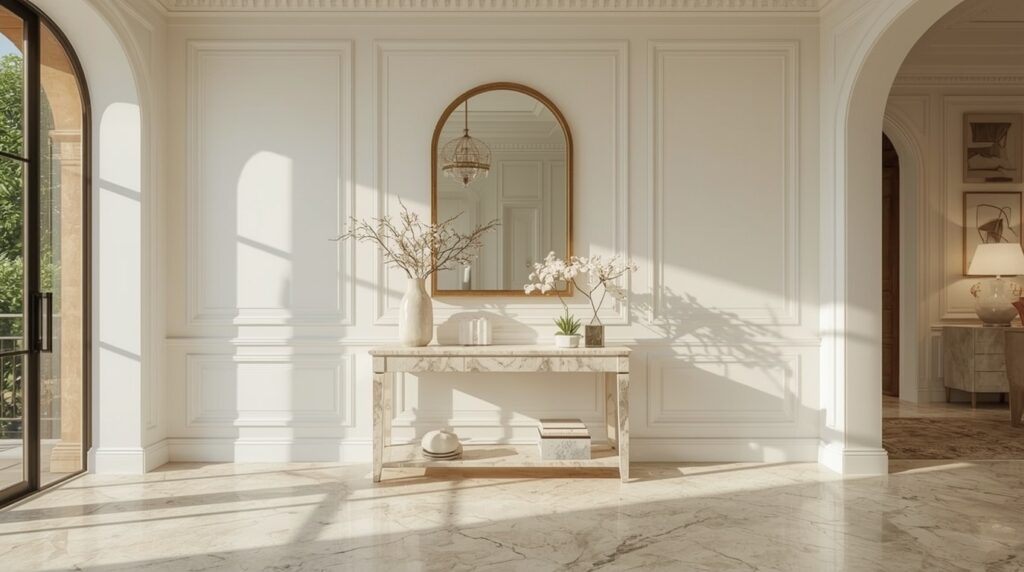
Modern and classic interior design is an interior approach that combines contemporary aesthetics with traditional design elements.
The style is not about mixing random old and new furniture.
Instead, it creates harmony between:
- Clean modern layouts
- Traditional architectural details
- Functional furniture
- Timeless materials
- Elegant proportions
- Comfortable living spaces
A successful modern and classic interior design project creates interiors that feel sophisticated rather than trendy.
You should be able to walk into the room and feel that it could have been designed today—or ten years ago.
That timeless quality is what makes this style valuable.
Why Modern and Classic Interior Design Is So Popular
There are several reasons homeowners increasingly choose modern and classic interior design.
It Creates Timeless Interiors
Some design trends disappear quickly.
Very industrial interiors become dated.
Ultra-minimal spaces can feel sterile.
Strong trend-based colors eventually lose popularity.
Modern and classic interior design avoids these issues because it focuses on long-term principles.
It Works With Different Property Types
This style works surprisingly well in:
- Small apartments
- Luxury homes
- Townhouses
- Renovations
- New construction properties
Because the style is flexible, it adapts easily.
It Improves Resale Appeal
Neutral, balanced interiors generally attract wider audiences.
Modern and classic interior design often performs well because it avoids extreme design decisions.
Core Principles Behind Modern and Classic Interior Design
Before selecting furniture or colors, understanding the core principles matters more.
Balance Is Everything
The biggest mistake people make is creating interiors that are:
Too modern.
Or too traditional.
Modern and classic interior design succeeds because neither style dominates.
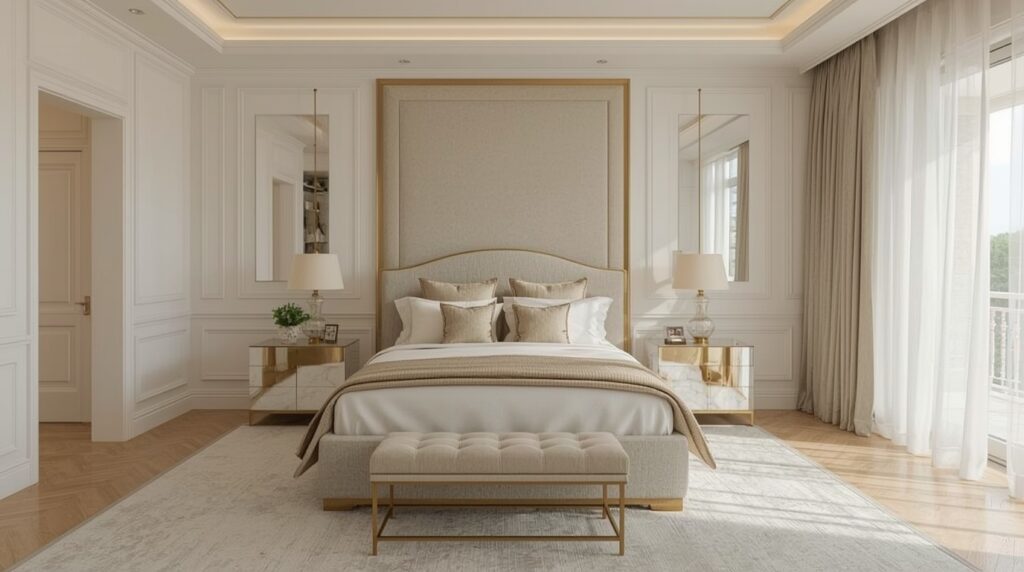
Symmetry Creates Luxury
Many elegant interiors use symmetry.
Examples include:
- Matching nightstands
- Centered lighting
- Balanced furniture layouts
- Equal visual weight
Symmetry creates calm and order.
Quality Matters More Than Quantity
Expensive interiors rarely rely on filling rooms.
Instead, they rely on:
- Better materials
- Better proportions
- Better lighting
- Better finishes
Best Color Palettes for Modern and Classic Interior Design
Color choices determine whether interiors feel timeless or temporary.
Neutral Colors Usually Work Best
Popular colors include:
- Warm white
- Soft gray
- Beige
- Cream
- Taupe
- Greige
- Stone tones
These colors create flexibility.
Popular Color Combinations
| Main Color | Secondary Color | Accent |
|---|---|---|
| Warm white | Beige | Brass |
| Cream | Taupe | Black |
| Soft gray | White oak | Bronze |
| Greige | Stone | Walnut |
Avoid Overly Trendy Colors
Extremely strong colors can quickly date interiors.
Modern and classic interior design usually works better with subtle contrast rather than dramatic contrast.
Materials That Work Best
Materials largely determine whether interiors feel premium.
Natural Stone
Popular choices include:
- Marble
- Travertine
- Quartz surfaces
- Limestone-inspired materials
Stone adds visual weight and timeless appeal.
Wood Finishes
Wood provides warmth.
Common choices:
- Oak
- Walnut
- Ash
- Dark stained woods
Wood textures often soften modern spaces.
Metal Finishes
Popular options:
- Brass
- Bronze
- Matte black
- Brushed nickel
Too many finishes can create visual confusion.
Furniture Selection for Modern and Classic Interior Design
Furniture should support both comfort and elegance.
Sofas
Look for:
- Neutral fabrics
- Comfortable depth
- Soft curves
- Clean lines
Avoid:
- Extremely futuristic shapes
- Excessive ornamentation
- Overly trendy forms
Tables
Coffee tables and side tables should feel substantial.
Popular materials:
- Wood
- Stone
- Glass combined with metal
- Mixed materials
Accent Furniture
Accent pieces create personality.
Examples:
- Occasional chairs
- Console tables
- Storage cabinets
- Sculptural seating
Modern and classic interior design benefits from carefully selected statement pieces.
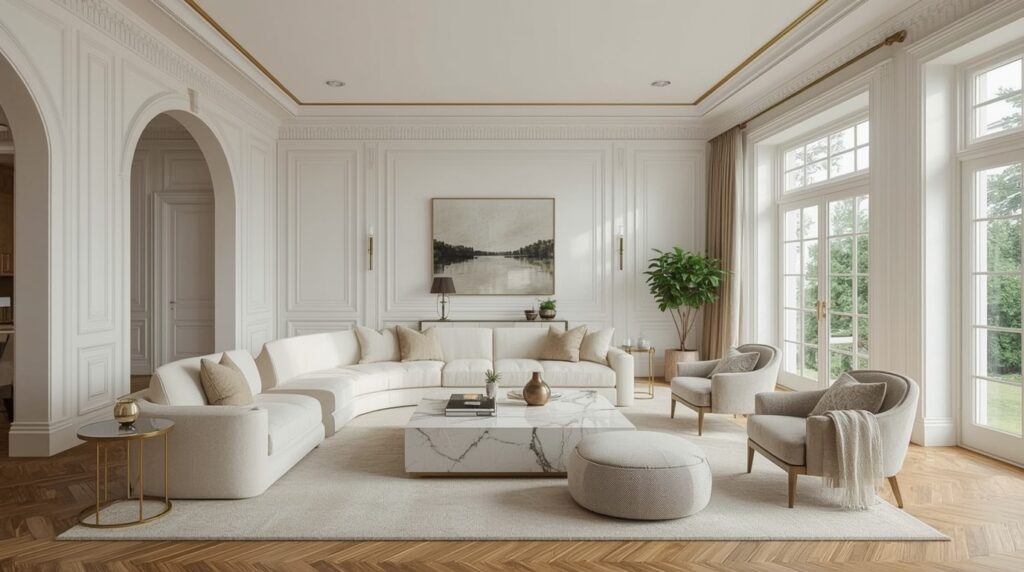
Modern and Classic Living Room Design Ideas
The living room usually defines the style.
A simple formula often works:
Step 1: Create Neutral Foundations
Walls.
Floors.
Large furniture.
Keep these neutral.
Step 2: Add Architectural Detail
Examples:
- Wall molding
- Decorative ceiling details
- Large baseboards
- Paneling
Step 3: Introduce Texture
Mix:
- Linen
- Wood
- Stone
- Soft textiles
Texture creates depth without visual clutter.
Step 4: Use Layered Lighting
Avoid relying on one ceiling light.
Instead combine:
- Pendants
- Table lamps
- Wall lighting
- Floor lamps
Modern and Classic Bedroom Design
Bedrooms should feel calm.
Upholstered Headboards
Large headboards work especially well.
They create softness and visual focus.
Layered Bedding
Use:
- Linen
- Cotton
- Throws
- Textured pillows
Warm Lighting
Cool lighting often makes bedrooms uncomfortable.
Warm lighting generally works better.
Modern and classic interior design bedrooms often resemble luxury hotels because they prioritize comfort.
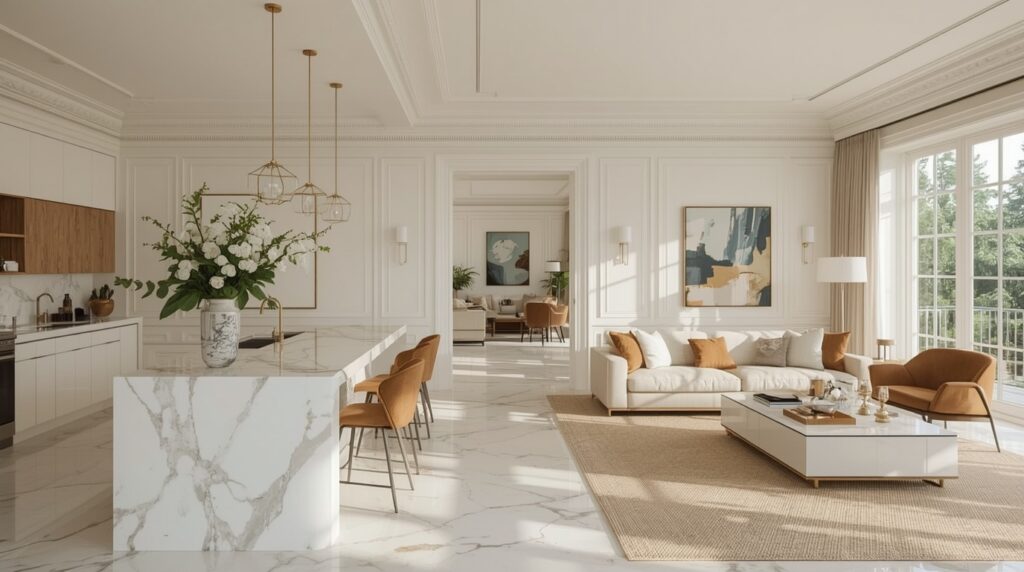
Modern and Classic Kitchen Design
Kitchens combine functionality with aesthetics.
Popular characteristics include:
- Neutral cabinets
- Stone countertops
- Integrated appliances
- Traditional-inspired detailing
- Clean layouts
Shaker-style cabinets are especially common because they bridge both worlds effectively.
Kitchen Mistakes to Avoid
Avoid:
- Too many materials
- Overly decorative hardware
- Excessive open shelving
- Trend-driven color schemes
Bathroom Design Principles
Bathrooms benefit heavily from simplicity.
Common features:
- Large mirrors
- Stone surfaces
- Soft lighting
- Warm metal finishes
- Minimal clutter
Luxury bathrooms usually focus more on materials than decoration.
How to Make Small Spaces Feel More Elegant
Modern and classic interior design works even in small apartments.
Use Larger Pieces
Too many small pieces create clutter.
Add Vertical Elements
Examples:
- Tall curtains
- Larger mirrors
- Higher shelving
Reduce Visual Noise
Keep decorations controlled.
Minimal clutter makes spaces appear larger.
Common Mistakes People Make
Mixing Too Many Styles
Adding industrial.
Farmhouse.
Traditional.
All together creates confusion.
Ignoring Proportions
Furniture size matters more than furniture price.
Following Social Media Too Closely
Short-term trends rarely create long-term interiors.
Overdecorating
Luxury usually looks intentional.
Not crowded.
Is Modern and Classic Interior Design Expensive?
The answer depends on execution.
You can achieve this style on smaller budgets by focusing on:
- Paint
- Lighting
- Layout improvements
- Better furniture selection
- Architectural details
Higher budgets usually allow:
- Custom joinery
- Premium materials
- Natural stone
- Bespoke furniture
Modern and classic interior design does not require luxury spending.
It requires consistency.
Who Should Choose This Style?
This style works especially well for:
- Families
- First-time homeowners
- Luxury renovations
- Apartment owners
- People wanting timeless interiors
It may not suit people who prefer:
- Extremely colorful interiors
- Highly experimental spaces
- Ultra-minimal aesthetics
- Constant redesigns
Future Trends in Modern and Classic Interior Design
The style continues evolving.
Current directions include:
- Warmer neutrals
- More texture
- Sustainable materials
- Softer shapes
- Increased comfort
The underlying principles remain the same.
Balance.
Quality.
Timelessness.
Final Thoughts
Modern and classic interior design remains popular because it avoids extremes.
Instead of choosing between contemporary functionality and traditional elegance, it combines both.
The result is usually a home that feels:
- Comfortable
- Sophisticated
- Practical
- Long-lasting
If your goal is creating interiors that still look beautiful years from now, modern and classic interior design remains one of the safest and most effective approaches available.
AI Notice: Some visual content in this article may have been created or enhanced using artificial intelligence (AI) for artistic, editorial or illustrative purposes. Learn more about our approach in our AI & Editorial Principles.