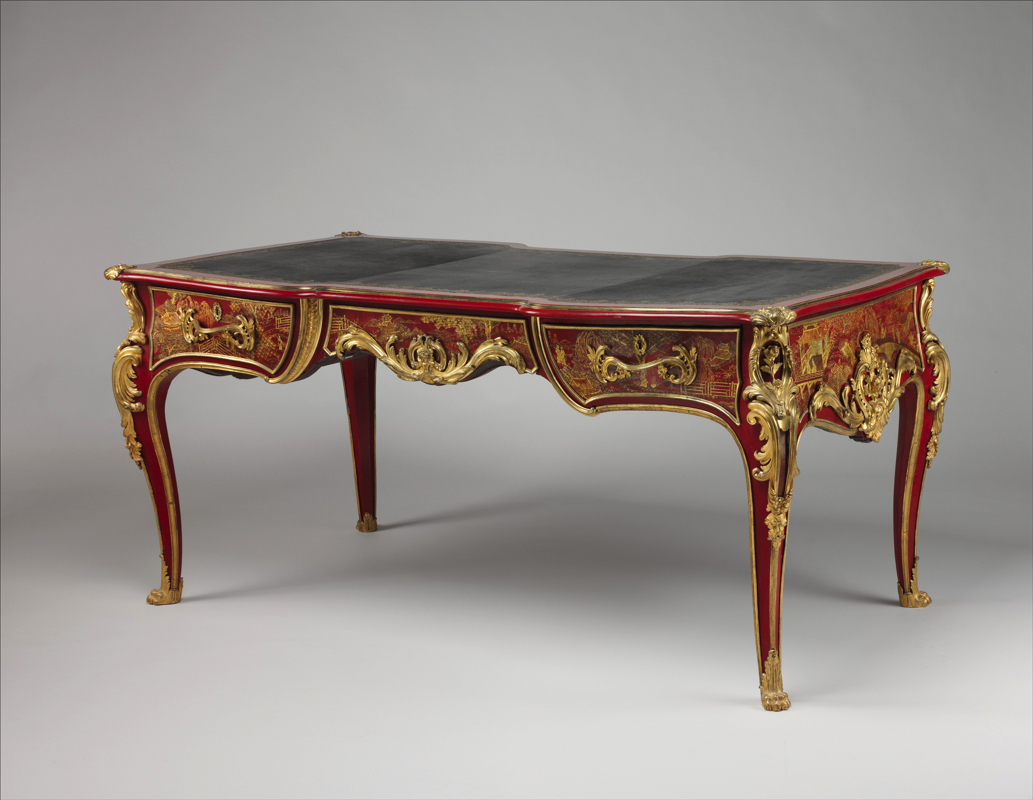

Rococo Style Sofas Are Back: The Luxe Trend Designers Swear By
A rococo style sofa is more than a place to sit; it’s a piece of theatrical architecture for the living room—an object that instantly signals luxury, history and a love of ornate detail. With its sweeping curves, floral carvings, gilded wood and often sensuous, asymmetrical lines, the rococo sofa embodies the height of 18th‑century European taste. Today, it’s equally at home as a museum masterpiece, a statement piece in a modern interior, or a carefully researched reproduction for lovers of historic design. Understanding what makes a rococo sofa “authentic”—in form, decoration, and cultural context—can help you recognize quality, avoid common mistakes, and integrate this opulent style intelligently into contemporary spaces.
Quick Answer: What Is a Rococo Style Sofa?
A rococo style sofa is an 18th‑century–inspired seating piece characterized by curving, asymmetrical lines; richly carved wood frames; floral and shell motifs; and sumptuous upholstery, often in silk or velvet. Originating in France during the early 1700s—especially under the reign of Louis XV—it reflects the playful, intimate and decorative spirit of Rococo art and interior design. Unlike the more rigid Baroque style that came before, rococo sofas emphasize lightness, elegance, and comfort, often with cabriole legs, scrolling arms and elaborate crest rails.
Can You Name the Masterpiece?
Ten masterpieces. Ten questions. How well do you know the history of art?
Though a luxury of aristocratic and royal interiors in Paris, Versailles and throughout Europe, the rococo style found sofas in salons, boudoirs and private suites rather than the halls of state. Modern reconstructions of rococo sofas vary from highly detailed, authentic antiques and museum-quality reproductions to contemporary interpretations which take the characteristic types of curves and carvings with fewer of the intricacies of decoration. However, regardless of era, a rococosofa should balance the ornate with the elegant, and decoration with a sense of flow.

When considering a piece of furniture such as a rococo style sofa whether from a dealer in their showroom, an auction house catalog or on the Internet there are certain prescriptive features to look for: the eloquently carved wooden frame (likely beech or walnut in original woods), feature cabriole legs and festoon carvings, slices of organic motifs such as shells, acanthus leaves, and flowers and bright upholstery that supports rather than clashes with the intricate sculpturing. Provenance, quality of construction and stylistic integrity should also be taken into account: a sofa that merely provides “curvy legs” or a touch of gold paint is not the same as one based on well-studied rococo models of the 18thcentury.
Historical Origins of the Rococo Sofa
The style was developed in France, during the early 1700s, largely between the Regency (1715-1723) and the reign of Louis XV into the mid-1700s, as a less grand interpretation, a more light and playful alternative to the majestic mantle of Louis Xiv and the grand formality of the Baroque Court. Interior design at Versailles and Parisian hotels particuliers grew less rigid and symmetrical and ornate, and grew more gentle, private, light, bright and colorful with large bulbs of light fixtures, detailed ornament, new entertainment spaces, and new furnishings.1 Seating also varied. Art historian, Donna Cohen, suggests that for the Rococo in France, furniture was linked to the “art of living” in private salons, boudoirs and drawing rooms, and not so much in public reception and state rooms, therefore the furniture consisted of more pleasing-to-the-eye and better upholstered comfortable seating that could be moved with a greater emphasis on conversation and relaxation.

Can You Guess the Artist?
Three clues. One artist. How quickly can you identify the painter?
The Metropolitan Museum of Art (which has some fine examples of the French furniture of the eighteenth century) calls Rococo furniture quite simply ‘the lightness, asymmetry, and the ascendancy of curving forms from nature.’ Upholstered furniture such as sofas (called canapes or causeuses, which again translates as ‘conversation pieces’) were designed for entertaining and subtly coquetting by the fire and chat with friends. They would generally be found with a bergeres (upholstered armchairs), small tables and consoles, the whole punctuated by the movement of the interior painted walls with carved woodwork paneling called boiseries.
The style proliferated elsewhere in Europe within a matter of years. While rococo in Germany and Austria had its origins in exuberant Catholic church furnishings and palace décor (at Wurzburg Residence, Schonbrunn Palace, etc.), seating furniture tended to be somewhat tamer than French models (though seating pieces are slightly more daring than the chairs). A rococo tinge to mid 18 th century Britain is evidenced in the work of cabinet-makers such as Thomas Chippendale who designed “French chairs” and sofas with characteristic rococo ornament. Known examples of the canonical North African, Chippendale, Victoria and Albert Museum, London, and the Louvre Museum, Paris serve as points of reference for the art-historical and conservation textual understanding of “true” rococo furniture.
Defining Characteristics of Rococo Style Sofas
A rococo style sofa announces itself first through its silhouette. Instead of straight rails and rectilinear forms, you find a sweeping serpentine front, curving back, and often scalloped or arched crest rail. The arms may scroll outward or curve inward in an S‑shape, inviting the sitter to recline casually. Legs are almost always cabriole—curved outward at the knee and inward toward the foot—often ending in scroll or hoof‑like feet. The result is a sense of movement, as if the sofa were animated or gently flowing.

Ornament was opulent but tightly controlled. Motifs were carved for gold and not lost in surface decoration shells (the whelk shell in rococo provides the name), acanthus, C and S scrolls, floral and vegetal, Even rocaille cartouches most tend to concentrate at structural points knees of table or chair legs, end points of arms, crest rails for stability and to intensify the effect of the gilt. Gilding (gold leaf) was more typical of the high status French pieces than regions that might have prefer stained or painted wood to show off the grain. Fabric (silk damask or brocade, tapestry or printed cottons) might have been used for covered cushions, with sewn or tacked on upholstery, in harmony with wall panels and curtains.
Comfort was, however, a real concern of rococo designers, not just a flourish on the surface of the furniture. The sofas were normally padded, with a sprung or webbed seat, a upholstred back, and rolled or padded arms – sofa meant to cocoon the sitter in comfort. The Smithsonian Institution describe the sense of 18Century life as reflected in the furniture: the design of furniture to serve as an extension of the body sought to allow the owner a relaxed, comfortable seating position, a facet echoed by many, sometimes highly ornate, rococo sofas, manufactured in a number of variations (such as canapes a confidents, which would have a side seat or two, canapes a joue, which were winglike sides, and “marquises,” wide armchairs which bordered half or two thirds a sofa).
Materials, Craftsmanship and Construction
Design and execution were therefore closely linked for 18 thcentury rococo sofa production. Such workshops relied on very tight guild Networks of specialists eg in Paris Ebeniste (cabinet maker) made case furniture and a menuissie (chair maker) made carved seating frames, working alongside designers and architects such as Juste Aurele Meissonnier or Nicolas Pineau whose drawings circulated widely. The Victoria and Albert Museum describes this dynamic between designer and maker as a particular characteristic of French rococo furniture: the widely circulated drawing was one thing, the sofa was a three- dimensional implementation of it.

Frames were, generally, made of dry, fine-grained woods – e.g. Beech, walnut or fruit woods, affording good carving. From thecarvingand shaping stage, the frame would be gessoed and either ormarmor gilded or painted. Upholstery was applied with webs, stuffing (horsehair, moss or feathers being natural traditional stuffing materials) and fabric stretched, or smoothed, and tacked around the edges so that the padding, but not the fabric, was taut. Fine detail, hand-stitched edges, hand-tied springs (in later pieces) and tight patternmatching of textiles all reveal high quality work.
In museumquality antiques the joinery is invisible but strong and the two types commonely used are the mortiseand-tenon. These joints may have been repaired or reinforced in the two or three hundred years since manufacture and but for the sake of the collector and conservator everything must be structurally sound while respecting the integrity of the original production technique. As an example, the conservation department at the Louvre and the Metropolitan Museum have published case studies on the conservation of eighteenth-century seating, in which reversible procedures, sympathic reupholstery and sensitive documentation are most important in an effort to retain as much of the original materials as possible.
Rococo Revival and Modern Reinterpretations
The craze for rococo did not end with the 18th century. The 19th century saw major revival phases, particularly during the Second Empire in France (under Napoleon III) and the Victorian era in Britain. These “neo‑rococo” sofas adopted familiar motifs—shells, scrolls, floral carving—but often amplified them, adding heavier frames, deeper button‑tufting and more saturated colors. Industrialization also meant that some decorative elements could be standardized or machine‑carved, reducing costs but sometimes diluting finesse.

However many so called ‘rococo’ sofas on the market today are actually 19 th century or 20 th century revival pieces. These can be just as decorative and desirable, but are not as significant to arthistory as authentic 18 th century examples. It is important to identify the subtle nuances in the quality of the carving, proportions, construction techniques and finish to distinguish revival furniture from the real thing. Auction houses and museum catalogues are a excellent sources of reference: the Metropolitan Museum of Art and the Victoria and Albert Museum both have online archives allowing visual comparisons of originals and later interpretations.
Modernday designers continue the practice of translating the rococo into contemporary furnishings. Contemporary interpretations include simple, sleek frames that suggest rococo’s curves; monochrome designs that emphasize silhouette rather than gilding; and forward-looking postmodern counterparts that play with rococo decorative elements to create humorous and attention-grabbing shapes. Many design schools and museum programs such as the Smithsonian Cooper Hewitt, Smithsonian Design Museum examine how historical influences such as rococo are integral to their modernday language of design. For the typical homeowner or decorator then, the choice is clear: do you want a historic machine-like rip-off, a colorful and endearing revival, or the blue-ribbons that evoke rococo’s tactile, patinated elegance in a new, contemporary form?
How to Identify an Authentic or High‑Quality Rococo Style Sofa
Don‘t forget to check the proportions when choosing a rococo or rococo style sofa. A genuine rococo piece should be quite light in feel, with the seat height, back height and overall length proportionate with one another. Heavy looking arms, or squat looking legs are signs of a later, inferior copy. Check the flow of the legs’ and arms’ curves; true rococo lines are elegant, with no jagged or clumsy sections.

Then, look at the carving. Good quality old or high end replicas will have sharp detail, hollow mouldings and a consistent decorative language seashells, acanthus leaves and scrollwork that intermesh convincingly rather than plethoras of random shapes. On lesser copies, the designs may be flat, overly symmetrical or unfocused. The gilding, if any, should have a gentle tonal shift, and, on older pieces, some signs of use at the more frequently cleaned areas. An all over “spray gold” coating is more characteristic of modern mass produced furniture.
Construction counts. Flip the sofa (or at least turn it over) for a look at the frame. Classic joints, and good, thick, hardwood rails, webbing, (rather than elastic straps) and a trace of hand-tying are all good indicators. If you are contemplating a big buy, it would be wise to get an expert appraiser or furniture conservator to advise. As the Victoria and Albert Museum reminds us in its guidance on furniture collecting: “Condition, authenticity and provenance are key to assessing both the historical significance and the market value of a piece.”
Integrating a Rococo Sofa into Contemporary Interiors
Rococo style sofas can adapt surprisingly well to modern spaces when handled thoughtfully. One strategy is contrast: place a richly carved, perhaps gilded sofa against a calm, neutral backdrop—white or pale grey walls, simple flooring, minimal accessories. This allows the piece to function as a sculptural focal point rather than competing with other ornaments. Upholstery in a solid, desaturated color such as cream, dove grey or deep teal can update the look while respecting the form.

An alternative method is eclectic layering. Introduce a rococo sofa with some contemporary artwork on the walls, simpler shaped coffee tables and contemporary illumination. This clash of eras adds visual anticipation and interest, an idea frequently employed in the most forward thinking interiors and exclusive hotel design. The Smithsonian‘s displays of the development of design and art illustrate how historical and modern items can work together vibrantly, when related in color range or general Aesthetic.
In more traditional environments historic buildings, classical apartments, conventional sitting rooms think of a composition; a rococo style sofa, surrounding it with appropriate period-influenced seating, maybe on a marble topped table and on the wall a selection of eighteenth century pictures. The key is balance; too many elaborate pieces in a single room soon begin to resemble a stage set. Well spaced, well considered fabrics and restrained palettes make a rococo style sofa sophisticated without alarming.
Key Characteristics of a Rococo Style Sofa (Summary Table)
| Feature | Typical Rococo Trait | What to Look For in Quality Pieces |
|---|---|---|
| Silhouette | Curving, serpentine front; arched or scalloped back | Fluid, harmonious curves without awkward angles |
| Legs | Cabriole (S‑shaped), often with scroll or hoof feet | Well‑proportioned legs with crisp carving at knees and feet |
| Ornamentation | Shells, acanthus leaves, C‑ and S‑scrolls, floral motifs | Deep, detailed carving; coherent, not random, decorative scheme |
| Frame Material | Beech, walnut, other fine‑grained hardwoods | Solid wood frame; visible grain where not painted or gilded |
| Finish | Gilded, painted, or stained wood | Quality gilding or paint with subtle aging (for antiques) |
| Upholstery | Silk damask, brocade, velvet, tapestry | High‑grade fabric, good padding, neat edges and pattern matching |
| Comfort & Proportion | Generous padding, supportive back, inviting arms | Balanced seat height/depth; comfortable yet refined sit |
| Historical Authenticity | Mid‑18th‑century design; documented provenance | Museum or scholarly references; expert appraisal |
Authoritative Perspectives and Sources
Leading museums and university publications offer the strongest reference for the details of rococo furniture. The Heilbrunn Timeline of Art History at the Metropolitan Museum of Art characterizes the French Rococo as “an artistic style and decoration of interiors characterized by asymmetry, scrolling curves, gilding, white and pastel colors, sculpted moldings, and Trompe l‘oeil fresco paintings.” This description accurately coincides with the general appearance of rococo seating, which interprets the building program into bird‘s eye views.
In the Victoria and Albert Museum‘s furniture displays, the history of Parisian gilders and royal patronage pointing towards luxury giving a benchmark of acceptable quality and range. As their curatorial essays state, ‘the furniture of the Louis XV period is considered among the most refined ever produced’ and this helps to understand why the sale of surviving rococo sofas are so highly regarded. The Louvre contains many examples from the French decorative arts including those from the royal collections, to use for physical comparisons.
In the US the Smithsonian Institution and its Cooper Hewitt, Smithsonian Design Museum provide wider historical frameworks for rococo and rococo revival furniture, such as international trade in luxury goods and materials, and evolving social practices concerning comfort and the domestic sphere. They regularly produce catalogues, conference papers and web resources which serve as reference tools for serious collectors and design experts.
Frequently Asked Questions About Rococo Style Sofas
1. What’s the difference between Baroque and Rococo sofas?
Baroque sofas (or earlier 17th‑century seating) tend to be more massive, symmetrical and architecturally rigid, with straighter lines and bolder, more sculptural ornament. Rococo sofas are lighter, more intimate and playful, with pronounced curves, asymmetry, and naturalistic motifs. If a piece feels imposing and heavy, it’s likely more Baroque in spirit; if it looks delicate, fluid and decorative, it’s closer to Rococo.
2. Are all gilded, curvy sofas “rococo”?
No. Many 19th‑century and later styles borrowed curves and gold finishes. A truly rococo style sofa will combine consistent motifs (shells, scrolls, acanthus), flowing cabriole legs, and historically coherent proportions. Some Louis XVI, Empire, Victorian and Hollywood Regency pieces are gilded and ornate but belong to different stylistic families.
3. How can I tell if a rococo sofa is an 18th‑century original or a later reproduction?
Indicators include carving quality, wood type, joinery, patina and provenance. True 18th‑century examples typically show hand‑carved details, traditional mortise‑and‑tenon joints, signs of age in the wood and finish, and often a documented history. Later reproductions may rely on machine carving, modern screws or staples, and more uniform finishes. Consulting an expert or referencing museum comparables is highly recommended.
4. Is it practical to use an antique rococo sofa as everyday seating?
It can be, but with caveats. Structurally sound, professionally restored pieces can function well, provided they’re not subjected to rough treatment, humidity fluctuations or direct sunlight. Many owners reserve museum‑quality antiques for more formal rooms and choose high‑quality reproductions for heavy use. Conservation guidelines from major museums stress controlled environments and gentle cleaning.
5. What upholstery works best on a rococo style sofa today?
Historically appropriate options include silk damask, brocade, and fine wool or silk velvets. For a contemporary twist, designers often choose solid‑colored linens, cotton‑velvets or performance fabrics in muted tones. The goal is to complement the frame rather than overshadow it. Avoid patterns that clash with the carving or read as overly busy in combination with ornate woodwork.
Conclusion
The rococo style sofa sits at the intersection of art, craftsmanship and social history. Originating in the refined salons of 18th‑century France and refined by generations of artisans, it remains one of the most recognizable and evocative pieces of historic furniture design. Whether you’re drawn to its flowing silhouette, its gilded exuberance or its connection to a specific moment in European culture, understanding its origins, materials and variations will help you choose, care for and enjoy these remarkable objects with discernment. In the hands of an informed owner or designer, a rococo style sofa is not just a decorative flourish; it is a living link to centuries of design innovation and the evolving art of domestic comfort.
AI Notice: Some visual content in this article may have been created or enhanced using artificial intelligence (AI) for artistic, editorial or illustrative purposes. Learn more about our approach in our AI & Editorial Principles.