
Why Antique Wood Apothecary Cabinets Are Suddenly Worth Hunting Down
Antique wood apothecary cabinets are among the most evocative surviving furnishings from the age when medicine was compounded by hand—when remedies were measured, ground, and bottled in back rooms scented with camphor, lavender, and resin. Their many small drawers, hand-cut dovetails, worn pulls, and inked labels speak to a working history rather than a purely decorative past. Today, collectors prize these cabinets not only for their craftsmanship and patina but also because they are physical documents of early pharmacy, trade networks, and changing ideas about health.
What Is an Antique Wood Apothecary Cabinet?
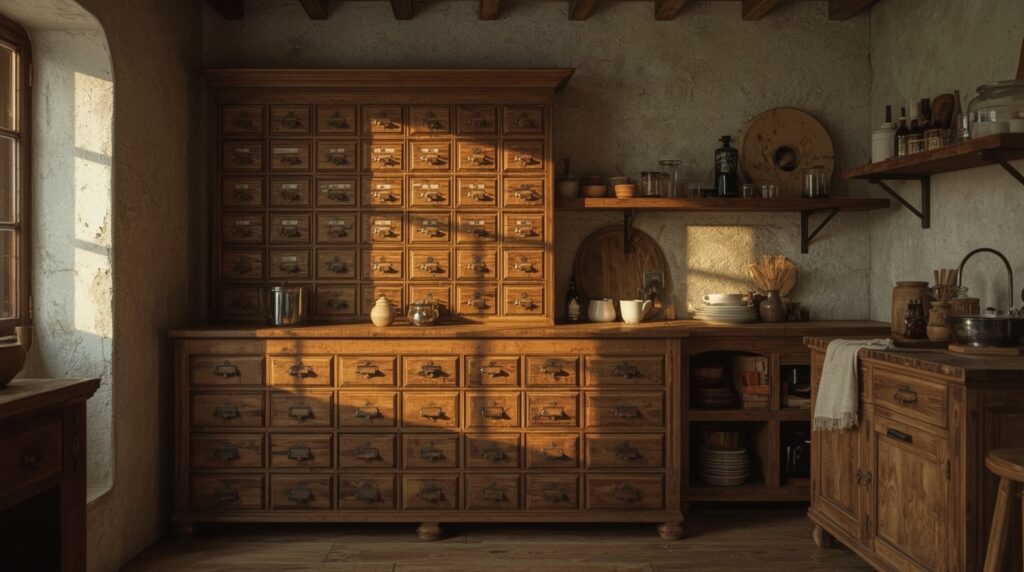
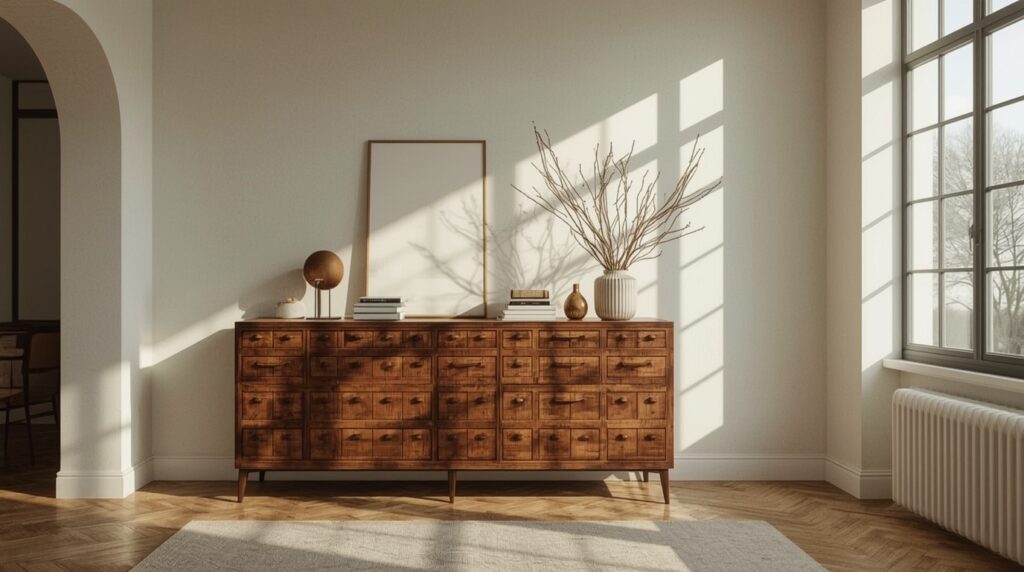
An antique wood apothecary cabinet is a purpose-built storage case—often a counter cabinet, wall unit, or freestanding chest—designed to organize medicinal ingredients and preparations. Historically, apothecaries needed secure, compartmentalized storage for botanicals, minerals, resins, and compounded medicines, and cabinetry evolved to meet those practical requirements. The hallmark is a grid of small drawers (sometimes dozens or hundreds) sized for paper packets, jars, and tools.
Can You Name the Masterpiece?
Ten masterpieces. Ten questions. How well do you know the history of art?
The period most of the extant remains represent range from the late 18 th to early 20 th centuries, encapsulating the Georgian and Regency period in Britain, the late Ancien Regime and 19 th century in France, and the Federal to Victorian period in America. Design styles are also diverse, from the restrained neoclassical frontages to simple, pragmatic shopfittings, but the functional efficiency is much the same: good circulation, Labeling and hardwearing design for continuous use.
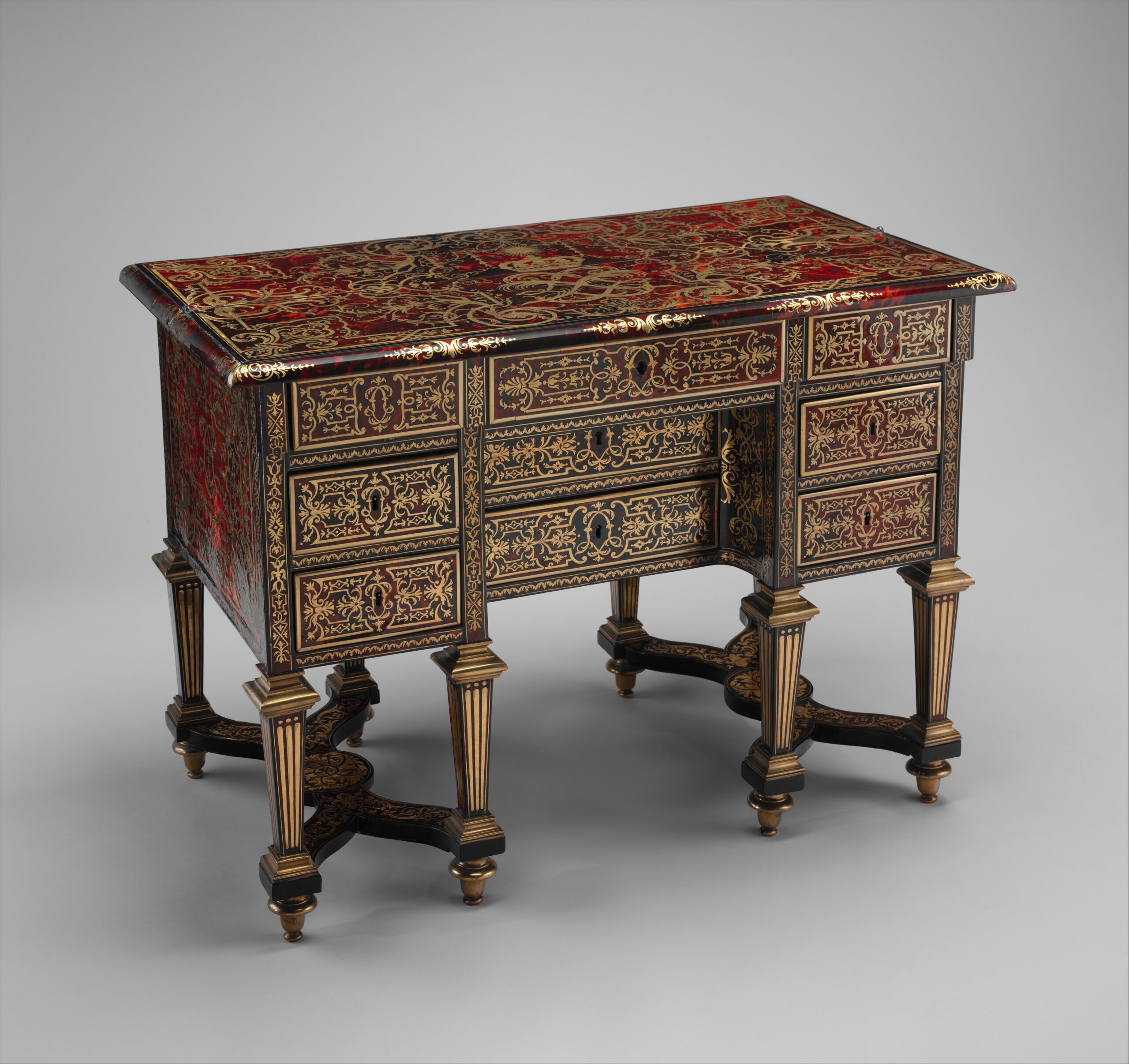
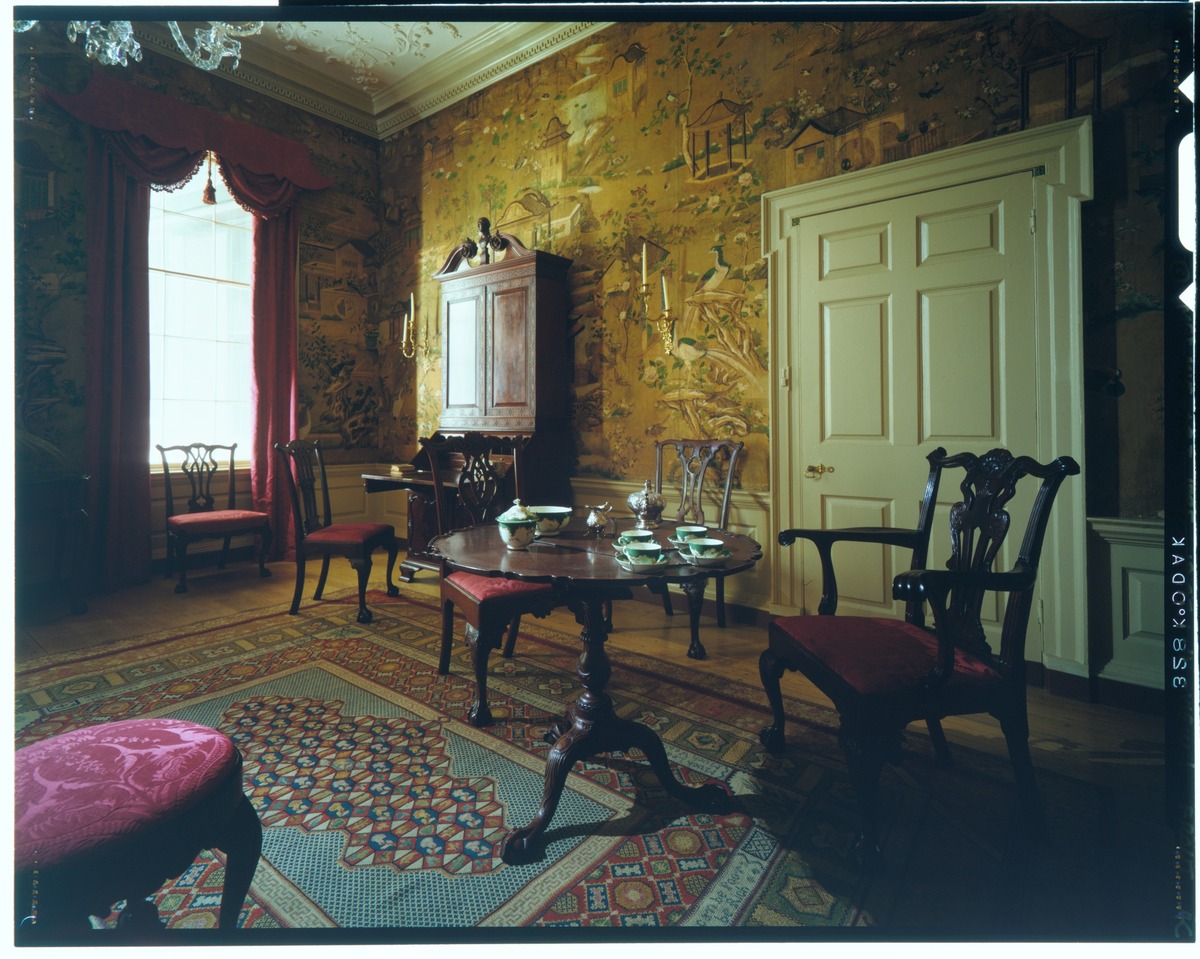
Much of the research in museum collections contributes to understanding the term “apothecary cabinet” in a larger design perspective. The Victoria and Albert Museum (V&A) and the Metropolitan Museum of Art hold records of period furniture details joinery, veneers, hardware and decorative movements that directly informed shop interiors and storage furniture. Even if a case is not registered under the heading “apothecary,” its construction details can be interpreted through resources in these well documented collections.
Historical Context: From Guild Apothecaries to Modern Pharmacies
Apothecary practice in Europe was shaped by guild systems and urban regulation from the late medieval period into the early modern era. In London, for example, the Worshipful Society of Apothecaries (founded 1617) formalized professional standards and training, reinforcing the need for orderly storage, reliable labeling, and controlled access to ingredients. In Paris and other French cities, apothecaries operated within tightly governed commercial and medical ecosystems during the Ancien Régime, while colonial trade expanded the pharmacopeia through imported spices, barks, and botanicals.
Can You Guess the Artist?
Three clues. One artist. How quickly can you identify the painter?
During the 18th and 19th centuries, developments in scientific taxonomy and industrial production altered both the contents and function of the cabinet. The increasing standardization of medicines and commercial packaging meant that the cabinet moved from holding raw materia medica to displaying ready-made medicines, implements, and stationery. By the late 19th century, many pharmacy interiors embodied the discursive space of a modern shop glass-fronted displays, conspicuous branding, and a tidy shop floor while storage was still effectively handled by a capacious drawer cabinet.
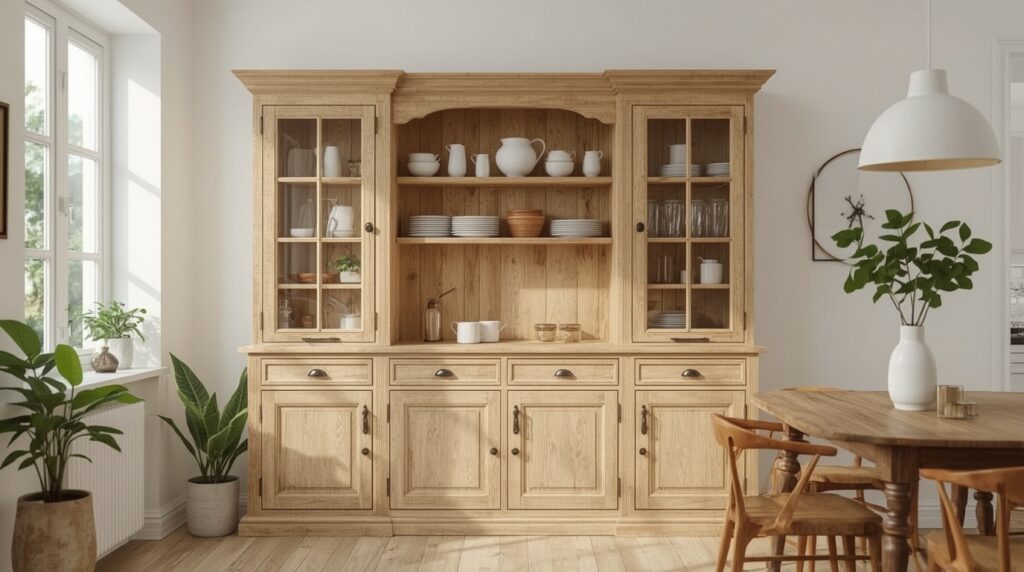
All say that furniture is part of social practice and material culture. The Smithsonian Institution, for example, collects and interprets objects relating to American life, including trends in the medical and pharmaceutical trades, helping to explain how mundane objects history professionalization and technological evolution. The Met, the V&A, the Louvre and museums of that ilk place decorative objects in context with large historical movements trade, the emanicipation of China and India, and the emergence of specialist crafts which most certainly help to explain the shape and character of apothecary cabinets.
Materials, Craftsmanship, and Identifying Features
Antique wood apothecary cabinets were typically made from durable hardwoods: oak, walnut, mahogany, and sometimes pine or other local timbers for secondary components. The best examples show time-tested joinery—dovetailed drawers, mortise-and-tenon frames, and hand-planed interior surfaces. Tool marks, shrinkage lines, and the unevenness of early hardware can be clues to age, but they must be interpreted carefully because later reproductions often imitate these traits.
The drawers are the most important feature of the cabinet, and their details are quite interesting. Original drawer pulls may be turned wood knobs, brass swan-neck pulls, iron ring pulls, etc. Depending on the region and date. While not always authentic, labelling can be very information, whether hand-written, stencilled or printed. Be mindful however that labels are often replaced. Look for signs of wear, such as used edges to the runners, replacement bottoms, ink stains, and old repairs. These repairs may be significant in showing a piece was in use, not merely kept as an exhibit.
Authoritative curatorial writing on decorative arts privilege closely informed looking construction, materials, provenance over styling on the surface. As the V&A advocates in their advice on furniture and woodwork, examining the method of construction is essential to dating and attribution. And in the same vein, The Met is consistently told that construction can be a vital signifier: the unseen drawer sides, backs, and joins in fact indicates more than the visible.
Key Characteristics at a Glance
| Feature | What to Look For | Why It Matters |
|---|---|---|
| Drawer count & layout | Dense grid of small drawers; occasional larger drawers below | Indicates apothecary-style organization and workflow |
| Wood species | Oak/walnut/mahogany; secondary woods inside | Regional availability, period taste, durability |
| Joinery | Hand-cut dovetails, pegged joints, early nails | Helps date and distinguish from later reproductions |
| Hardware | Period-appropriate pulls, lock plates, escutcheons | Originality affects historical integrity and value |
| Labels | Handwritten/stenciled names of botanicals/chemicals | Can support provenance; often altered—verify |
| Patina & wear | Runner wear, softened edges, old repairs | Evidence of authentic use; avoid “fake distressing” |
Provenance, Authenticity, and Collecting Responsibly
Provenance is the most persuasive form of authentication: documentation linking the cabinet to a specific pharmacy, region, or family. Receipts, photographs of the cabinet in situ, estate inventories, or business records can elevate a piece from “old cabinet” to “historical artifact.” Where documentation is thin, careful evaluation becomes essential—construction, tool marks, wood oxidation, and consistent wear patterns should align with the claimed date.
Collectors need to be alert to “marriages” assemblages of unrelated parts and to cabinets altered into curiosities. Examples include drawer fronts from one carcass installed into another, replaced backs or newly added labels to enhance market appeal. There is nothing wrong with some restoration, but being honest about it is crucial: some honest dealers acknowledge replacements and refinishing, but any excessive sanding, harsh stripping or uniform staining hides the evidence and robs the object of academic and market value.
Museum standards offer an ethical framework. The Louvre and V&A both stress the importance of documentation, condition reporting and conservation techniques designed to retain original surfaces where possible. A good guide comes from far more widespread conservation practice: do as little as necessary, document everything and retain proof marks; it is often attributed to the ethics of conservation but it is the same premise that underpins the care of decorative arts in many major institutions: treatment should be as reversible as possible, should not simulate history.
Display, Care, and Modern Use in Interiors
In contemporary interiors, an antique wood apothecary cabinet can function beautifully without losing its historical dignity. Many owners use drawers for stationery, sewing notions, jewelry, tea sachets, or small tools—applications that echo the cabinet’s original purpose: organized storage of small items. If you plan to store food or cosmetics, consider lining drawers with inert, removable materials and avoid introducing moisture or oils that could stain aged wood.
Care should prioritize stability over shine. Keep the cabinet out of direct sunlight and away from radiators or HVAC vents to reduce cracking and veneer lifting. Dust with a soft cloth or brush, and avoid silicone-based polishes that can contaminate surfaces and complicate future conservation. If the cabinet has active woodworm or structural instability, consult a qualified conservator rather than attempting home treatments that can cause additional harm.
For interpretation and display, context elevates appreciation. Pairing the cabinet with period-appropriate objects—apothecary jars, scales, glass bottles—can be compelling, but avoid presenting reproductions as originals. Museums such as the Smithsonian Institution demonstrate how layered interpretation (object + label + context) turns furniture into history you can read. If you know the cabinet’s region or era, a small placard citing that information can transform it from décor into a conversation with the past.
Frequently Asked Questions
How can I tell if an apothecary cabinet is truly antique?
Look beyond the front. Check drawer construction (hand-cut dovetails vs. machine-cut), secondary woods, wear on runners, oxidation on backboards, and period-appropriate hardware. Strong provenance—photos, receipts, pharmacy history—adds the most credibility.
What time period are most antique wood apothecary cabinets from?
Many surviving examples are from the 19th century, when retail pharmacy expanded in Europe and North America. Earlier 18th-century pieces exist but are scarcer and often more regional in style and construction.
Does refinishing reduce value?
Often, yes—especially if it removes original surface, patina, or tool marks. Light conservation cleaning is usually preferable to stripping and re-staining. Collectors and museums generally value intact surfaces because they carry historical evidence.
Are apothecary cabinets always associated with pharmacies?
Not always. Some multi-drawer cabinets were used in workshops, watchmaking, haberdashery, or offices. An “apothecary” label is sometimes applied broadly in the market, so construction and provenance matter.
What are credible references for learning about period furniture and decorative arts?
Start with museum scholarship and collection resources from the Metropolitan Museum of Art, the Victoria and Albert Museum, the Louvre Museum, and the Smithsonian Institution. Their collections and essays model evidence-based dating, attribution, and conservation thinking.
An antique wood apothecary cabinet is more than a charming grid of drawers: it is a durable witness to the history of medicine, craft, and commerce from the guild era through industrial modernity. When assessed with careful attention to construction, provenance, and responsible conservation—guided by the standards modeled by major museums—it can be collected and lived with in a way that preserves both its beauty and its historical truth.
Authoritative sources referenced (institutional): The Metropolitan Museum of Art; Victoria and Albert Museum; Louvre Museum; Smithsonian Institution.
AI Notice: Some visual content in this article may have been created or enhanced using artificial intelligence (AI) for artistic, editorial or illustrative purposes. Learn more about our approach in our AI & Editorial Principles.