Vintage Look Mother of the Bride Dresses: Timeless Styles That Wow
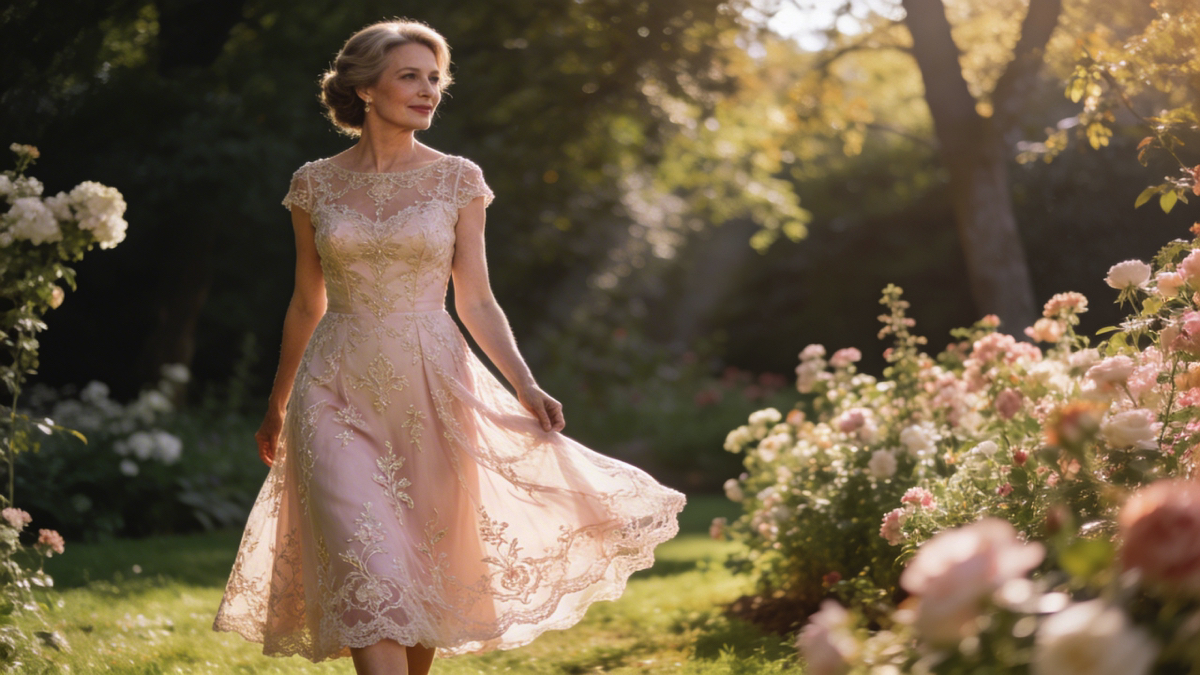
Vintage look mother of the bride dresses are having a moment—not as costume, but as considered style. Today’s mothers of the bride increasingly want garments with character: silhouettes that flatter in photographs, fabrics with depth, and details that feel meaningful rather than trendy. Done well, a vintage-inspired dress can honor family history and elevate the wedding’s aesthetic while still feeling current, comfortable, and appropriate for the role.
Why Vintage Look Mother of the Bride Dresses Feel Timeless
Vintage-inspired dressing resonates because it’s anchored in real design language developed across distinct eras. The early 20th century emphasized refined tailoring and decorative handiwork; the 1930s popularized fluid bias cuts; postwar 1950s fashion celebrated structured waists and full skirts; and the 1960s introduced cleaner lines and elegant minimalism. Museums preserve these garments not simply as “old clothes,” but as design artifacts that reflect craft, technology, and social change.
Can You Name the Masterpiece?
Ten masterpieces. Ten questions. How well do you know the history of art?
Museums like The Metropolitan Museum of Art’s Costume Institute, London‘s Victoria and Albert Museum (V&A), and the Smithsonian Institution‘s National Museum of American History track the progression of textiles, understructures, and couture methods. The collections there explain why some vintage codes photograph well: the flattering manipulation of the human silhouette by way of precise stitching on certain sections of the bodice, the way denser woven fabrics hold light differently than many modern synthetics, or the kind of architectural necklines that were cut so that you don‘t just see skin, you see structure.

Dress is about material and making as reflected in the V&A’s fashion and textile collections which is where “occasionwear” shines. The mother of the bride selecting a vintage dress, is in effect, selecting craft-forward design: a sleeve that creates balance, a waistline that elongates, details (covered buttons, hand-painted beading, couture pleating) that exude luxury at a glance.
Key Vintage Eras That Inspire Mother of the Bride Style
The 1920s–1930s offer sophisticated options for women who prefer graceful movement and a softer waist. Think 1920s column shapes with delicate beading or 1930s bias-cut gowns that skim rather than cling. The bias technique—famously associated with French couturier Madeleine Vionnet in interwar Paris—creates drape that feels modern and forgiving. For formal evening weddings, a 1930s-inspired satin or crepe gown with a modest cowl back can look both classic and contemporary.
Can You Guess the Artist?
Three clues. One artist. How quickly can you identify the painter?
1940s is perfect for moms who like structure but not rigidity. World War II tailoring yielded broad shoulders, narrow waists, and a clear focus shapes we find particularly flattering in photographs. A 1940s-inspired dress in a mat crepe, with a fitted bodice, gentle peplum, or draped knot design element can provide a sense of “put-togetherness.” Add a hat or a fascinator, for that extra dash of day-dress etiquette British-American style.
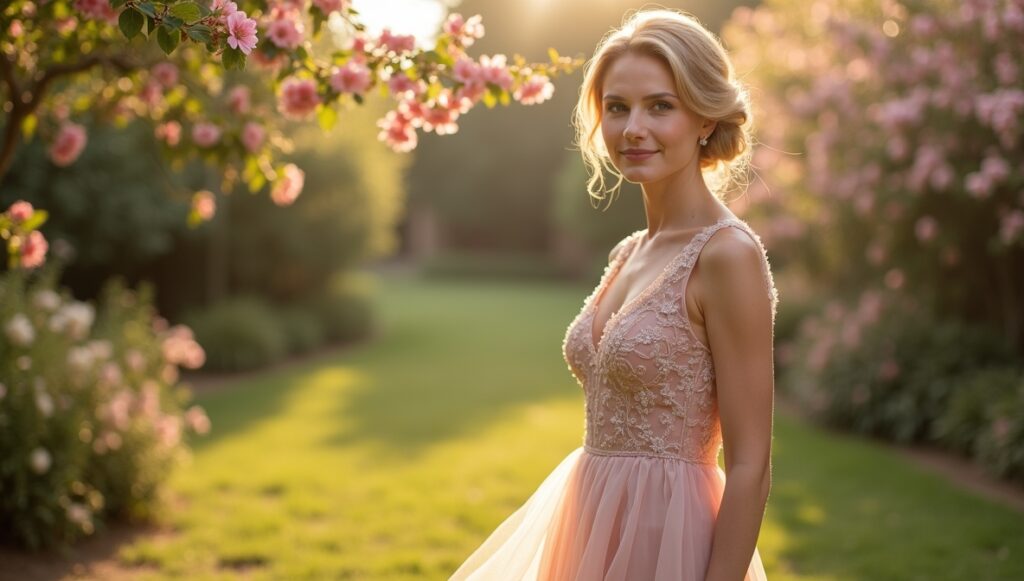
The most popular inspiration for mother-of-the-bride dresses remains the 1950s and early 1960s, which strike a balance between festivities and formality. Mid-century styles (based on Paris couture following the WWII years) create an hourglass that is perfect for photos via styles like the fit-and-flare, tea-length dress, and the tailored neckline. Earlier, 1960s styles bring simple sheath dresses and boat-necked gowns suitable for church, city hall, or museum wedding settings. According to The Metropolitan Museum of Art‘s fashion programs, dresses reflect the standards of society at the time: Mid-century dresses convey stability and ceremonial rites.
How to Choose the Right Vintage Look for Your Wedding Role
Start with the wedding’s formality, location, and time of day. A black-tie evening event can support a 1930s-inspired floor-length bias gown or a 1950s satin cocktail dress with couture detailing; a garden ceremony may suit tea-length silhouettes, lace overlays, or pastel brocades. If the venue is historically rich—say a ceremony near the Louvre Museum in Paris, or a reception in a heritage hotel—vintage references can harmonize beautifully with the architecture and ambiance.
After that, put proportion and comfort ahead of strict era accuracy. The top vintage mother of the bride dresses strategically incorporate clues from different eras perhaps a neckline from the 1960s, 1940s sleeves, or the waistline of the 1950s but skip the unmentionables or tight construction that defined the era. Look at exhibits in museums like the Smithsonian Institution, which illustrate how clothing back then required specific foundations; these modern garments can retain the silhouette while taking advantage of modern stretch linings, lightweight interfacing, and easy-care fabrics.
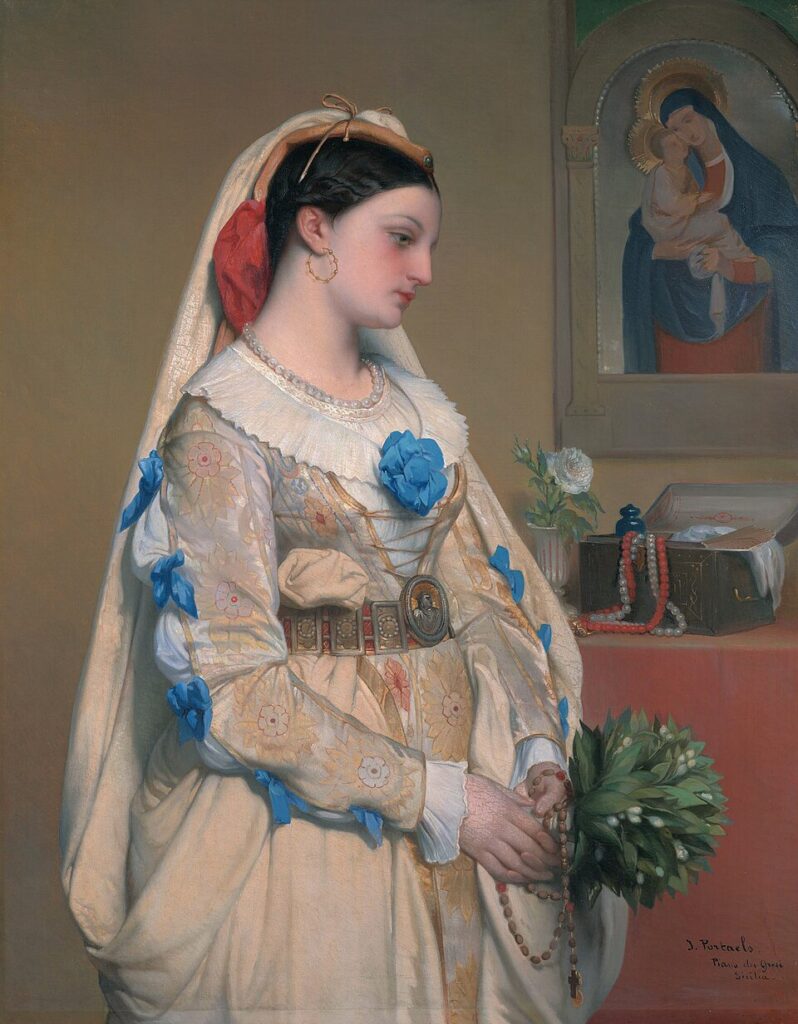
Last, think hard about color and embellishments. Most families eschew bright white and sometimes even a wedding-white palette, but this is a matter of preference (or family history) talk to one another. Vintage palettes are often a great fit; champagne, dove grey, dusty rose, midnight blue, and deep green conjure old dyes and dress styles. Material integrity is a good guiding principle, as The Met‘s Costume Institute advises that clothes are perceived through cut and material. Your beads should look intentional, your lace should have body, and your dress should behave in flash photography.
Fabrics, Details, and Accessories That Create a True Vintage Look
Fabric choice is the quickest path to authenticity. Period-evocative materials include silk faille, crepe, satin-back crepe, velvet, brocade, chiffon, and substantial lace. The Victoria and Albert Museum is internationally recognized for its textiles collection, illustrating how weave and fiber content affect drape, sheen, and longevity. In practice, a matte crepe reads “quiet luxury,” while silk satin reads “old Hollywood.” For daytime weddings, jacquard or brocade can feel historically grounded and photograph with texture.
Details do all the work. Covered buttons, tucked waistlines, cascading pleats, hand beading, scallop-laced hems, and strategically placed princess seams make a vintage-style wedding dress feel and look just that vintage style, not merely outdated. Look for historically appropriate elements: a self-belt that nods to the 40‘s, a bateau neckline reminiscent of the 50‘s, or a 60‘s bracelet sleeve. And keep embellishment contained to the bodice, neckline, or cuffs enough to make an impact without being garish.
You want the accouterments to enhance, not clash, with the silhouette. Think structured clutch, satin pumps, or a low-heeled slingback to reinforce the mid-century formalism. You can get away with jewelry that hints at the era, though it can all lean toward costume if you‘re not careful pearls for the ‘50s minimalist effect, or Art Deco-leaning geometric statement pieces for the ‘20s effect. As one museum curator friend often tells me, things exist in context. (I think about the Louvre, which collects decorative arts along with paintings. See how a little embellishment can lift your evening looks? Do that.) Pick one or two things to emphasize, and let the dress do the rest.
Table: Key Characteristics of Popular Vintage-Inspired Mother of the Bride Looks
| Era inspiration | Signature silhouette | Typical fabrics | Best for | Modern update to request |
|---|---|---|---|---|
| 1920s | Column, dropped waist, beaded overlay | Chiffon, silk, beading | Evening, art-deco venues | Reduce heavy bead weight; add supportive lining |
| 1930s | Bias-cut, fluid drape, soft cowl | Satin, crepe | Black-tie, formal dinners | Add stretch lining; stabilize seams for comfort |
| 1940s | Tailored waist, defined shoulders, neat skirt | Crepe, wool blends (modern crepe) | Church, city ceremonies | Softer shoulder structure; breathable fabric |
| 1950s | Fit-and-flare, tea length, cinched waist | Faille, taffeta, lace | Garden, ballroom, classic venues | Add pockets; lighter petticoat for ease |
| 1960s | Sheath, bateau neck, bracelet sleeves | Brocade, crepe, silk blends | Modern venues, museums, civil ceremonies | Slightly higher waist shaping; refined stretch |
Frequently Asked Questions
1) How can I look vintage without looking like I’m wearing a costume?
Choose one dominant era cue (silhouette or neckline or detailing) and keep the rest contemporary—modern shoes, minimal jewelry, and current hair styling. Quality fabric and good tailoring prevent “theatrical” results.
2) Are authentic vintage dresses a good idea for a mother of the bride?
They can be, but be cautious: older garments may have fragile seams, perspiration marks, or fabric shattering (especially in weighted silk from the early 20th century). Consider a vintage-inspired new dress or work with a skilled alterations specialist if you buy true vintage.
3) What lengths are most flattering for vintage look mother of the bride dresses?
Tea length is especially versatile for 1950s-inspired looks and daytime formality; floor length suits 1930s glamour and black-tie weddings; a refined knee-to-midi sheath channels the early 1960s and works well in modern venues.
4) What colors feel “vintage” but still wedding-appropriate?
Champagne, antique rose, dusty blue, pewter, navy, forest green, and burgundy are classic. If the bridal party has strong colors, choose a harmonious tone rather than an exact match.
5) Where can I find reliable visual references?
Consult museum collections and exhibition archives. Start with The Metropolitan Museum of Art (Costume Institute), the Victoria and Albert Museum fashion collections, the Smithsonian Institution online collections, and decorative arts references associated with the Louvre Museum to understand proportion, surface detail, and period styling.
Vintage look mother of the bride dresses succeed when they borrow the best of fashion history—beautiful textiles, disciplined tailoring, and proportion—without sacrificing modern comfort. Using museum-backed era references and choosing quality materials, you can create a look that feels personal, dignified, and unforgettable in photographs for decades to come.
AI Notice: Some visual content in this article may have been created or enhanced using artificial intelligence (AI) for artistic, editorial or illustrative purposes. Learn more about our approach in our AI & Editorial Principles.