Vintage Mother of the Bride Dresses: Timeless Picks That Steal the Show
Vintage mother of the bride dresses are more than “older styles”—they are wearable pieces of design history that can instantly elevate a wedding’s tone, photography, and emotional resonance. Whether you’re drawn to the sculpted elegance of 1950s couture, the fluid glamour of 1930s bias-cut gowns, or the optimistic color and texture of the 1960s, choosing vintage (or vintage-inspired) is a way to honor the day with craft, provenance, and unmistakable character.
What “Vintage” Means for Mother of the Bride Style—and Why It Matters
True vintage generally refers to garments at least 20 years old, with “antique” often reserved for pieces 100 years and older. In mother of the bride dressing, “vintage” can mean an authenticated original garment (for example, a 1960s silk shantung cocktail dress) or a carefully made reproduction using historically faithful silhouettes and textiles. The distinction matters because it affects everything from fit expectations to care requirements and budget.
Can You Name the Masterpiece?
Ten masterpieces. Ten questions. How well do you know the history of art?
The strongest reason behind vintage‘s appeal to bride‘s mothers is that it looks polished, without competing with fashion. Classic shapes were designed to be universally flattering, with highwaisted skirts, artful draping, mastery over darts, and form-fittingelements of undergarments. Museum examples speak volumes of how designed these dresses were garments dictated fall and form through the cut and construction, not the stretch of the fabric.
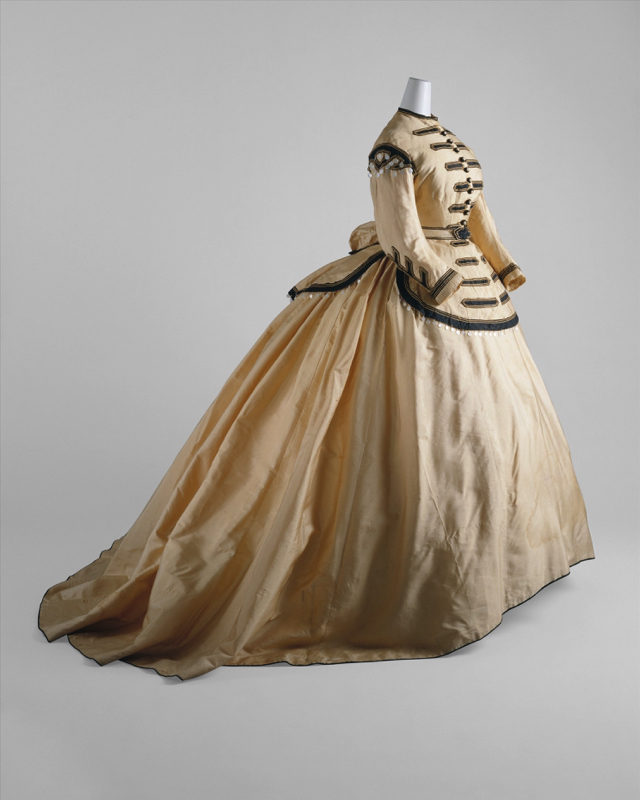
Museums and costume institutions more generally also serve as an accurate gauge for what is ‘period-correct.’ The Victoria and Albert Museum and the Costume Institute at the Metropolitan Museum of Art have thousands of pieces in their collections dating from hundreds of years, illustrating how proportion, fabric technology and formal protocol shifts over time.
A Brief History of Vintage Mother of the Bride Dresses (1920s–1970s)
1920s–1930s (Paris, London, New York): In the 1920s, fashion embraced a youthful, relaxed silhouette—drop waists, beading, and lighter understructures. By the 1930s, the pendulum swung toward body-skimming elegance, especially with bias-cut gowns that flowed over curves. The V&A notes how Madeleine Vionnet’s pioneering bias techniques shaped modern dressmaking; her influence is central to understanding 1930s eveningwear and its refined movement.
Can You Guess the Artist?
Three clues. One artist. How quickly can you identify the painter?
1940s–1950s (wartime utility to postwar couture): The 1940s were marked by material restrictions and practical tailoring—strong shoulders, narrow skirts, and structured suits that photograph beautifully even today. Postwar, Christian Dior’s 1947 “New Look” reintroduced a cinched waist and full skirt, becoming a defining reference point for formal dressing in the 1950s. The Met and the V&A both document how couture houses drove these silhouettes through exceptional construction and luxurious textiles.
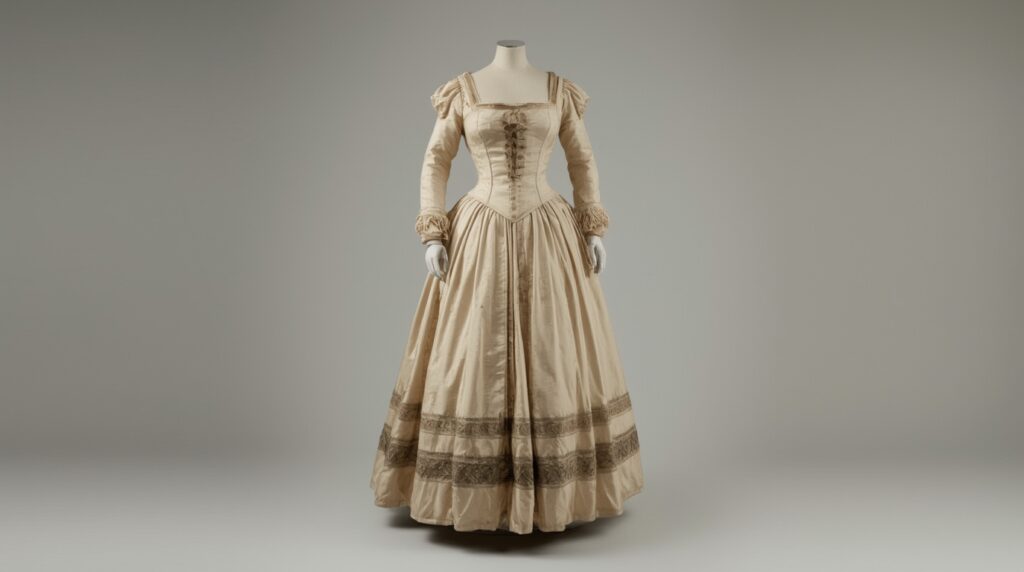
1960s–1970s (modernism to bohemian ease): The 1960s popularized streamlined sheath dresses, bateau necklines, and refined day-to-evening cocktail styles—excellent for mothers who want sophistication without heavy embellishment. In the 1970s, styles grew softer and more romantic: flowing sleeves, chiffon layers, and relaxed glamour. Institutions like the Smithsonian preserve American fashion examples that show how social change and textile innovation (including synthetics) reshaped occasion dressing and accessibility.
Key Characteristics to Look for in Vintage Mother of the Bride Dresses
Most vintage authenticity is in the construction details. Metal zippers (mid-century), hand-stiched hems, bias seams, couture lining, deep seam allowances (to allow for alterations) all give authentic vintage. Vintage fabric silk faille, shantung, velvet, lace, wool crepe generally has a richness that photographs well.
So are color and surface decoration (1950‘s preferred jewel colors and elegant pastels, 1960‘s preferred more intense brighter hues and graphic shapes, 1930‘s preferred softer, more luxurious and liquid neutrals). Beading and embroidery work is often beautiful–look for loose threads, missing stones, and tightness of fabric (particularly over the underarms and side seams).
Finally, consider period-appropriate modesty and comfort. Many mothers want sleeves, refined necklines, and supportive structure. Vintage offers beautiful solutions: matching boleros, three-quarter sleeves, portrait necklines, and expertly placed drape. The best approach is to choose an era whose engineering matches your needs rather than forcing a silhouette to behave in a way it was never designed to.
Table: Quick Guide to Popular Vintage Eras for Mother of the Bride Dresses
| Era | Signature Silhouette | Common Fabrics | Best For | Watch Outs |
|---|---|---|---|---|
| 1920s | Straight, drop waist, beaded | Silk, chiffon, beading | Art Deco weddings, evening elegance | Beads can be heavy; fragile netting |
| 1930s | Bias-cut, fluid, long lines | Silk satin, crepe | Glamorous formal weddings | Requires precise fit; delicate seams |
| 1940s | Tailored, structured suit-dresses | Wool crepe, rayon | Day weddings, church ceremonies | Shoulder fit; limited seam allowance |
| 1950s | Cinched waist, full or pencil skirt | Taffeta, faille, lace | Classic formal weddings | Needs proper undergarments |
| 1960s | Sheath, A-line, clean necklines | Shantung, silk blends | Modern venues, cocktails | Shorter hems; size variations |
| 1970s | Soft, romantic, flowing | Chiffon, jersey | Garden/boho, destination weddings | Snags, sheer layers, elastic fatigue |
How to Choose the Right Vintage Dress for a Modern Wedding
Take a cue from the formality and location of the wedding, and go back in time. Black tie evening wedding at a luxury hotel will complement 1930s satin or 1950s tailoring; garden noon wedding lends itself to 1960s chic sheath or breezy 1970s chiffon. Vintage is most enticing when it synergizes with the wedding, not clashes.
Fit will make or break the item. Vintage sizing is not consistent with modern measurements, and older garments may have been cut for differing understructures. Expect to have the item altered by a discerning tailor familiar with fine fabrics, and tell me to building in several adjustments and fittings. If you’re buying for a collection look into the “wearable with minimal alteration” method major modifications may diminish value and cause damage.
Finally, ground your aesthetic choices in reliable references. Museum collections provide accurate visual vocabulary for each decade. The Met’s Costume Institute, the V&A’s Fashion collection, the Louvre’s decorative arts context (particularly for textiles and craftsmanship traditions), and Smithsonian fashion holdings help you identify what details truly belong to an era—necklines, sleeve shapes, closures, and fabric behavior—so your look reads as authentically vintage, not costume.
Authenticity, Care, and Ethical Sourcing
Buy from reputable vintage dealers who disclose condition, repairs, fiber content, and measurements taken flat. Ask about odor, storage history, and whether any treatments were used (some older pieces were cleaned with methods that can weaken fibers). If possible, request photos in natural light of seams, closures, and underarm areas—these reveal the garment’s real condition.
Care is not optional; it’s preservation. Many vintage garments should not be routinely dry cleaned, particularly pieces with fragile dyes, metallic threads, or old adhesives. Consult a specialist cleaner familiar with historic textiles. The Smithsonian’s conservation work underscores a key principle echoed by textile conservators: prevention is best—gentle handling, proper storage, and minimal interventions protect longevity.
Ethically, vintage is often a strong sustainability choice: you’re extending the life of an existing garment rather than commissioning new production. But “ethical” also means avoiding misrepresented items and supporting transparent sellers. If you’re borrowing heirloom pieces, document the garment’s condition and handle it like an artifact—because in a meaningful sense, it is.
Authoritative Quotes to Guide Your Choice
Curator-approved fashion history can be surprisingly practical. The V&A has emphasized the importance of cut and technique in landmark designers—especially relevant for 1930s bias and mid-century tailoring. As a widely cited maxim attributed to Madeleine Vionnet puts it: “When a woman smiles, her dress should smile with her.” The spirit of that idea—movement, comfort, and harmony—captures what mothers of the bride often seek.
The Metropolitan Museum of Art frequently frames fashion as both art and social document. A useful guiding principle drawn from museum interpretation is that dress reflects its time through materials, technology, and taste—meaning the “right” vintage choice is one that suits your role, setting, and comfort while respecting the garment’s original design logic.
And from conservation practice, institutions such as the Smithsonian repeatedly highlight that textiles are among the most fragile heritage objects; careful handling is central. In practical terms: if a dress is rare, brittle, or heavily beaded, consider wearing it only for the ceremony and portraits—and changing for dancing.
Frequently Asked Questions
1) What colors work best for vintage mother of the bride dresses?
Jewel tones (sapphire, emerald, burgundy) photograph beautifully across decades, while champagne, silver, and soft blues feel especially period-appropriate for 1950s–1960s formalwear. Avoid pure white or ivory unless explicitly requested by the couple.
2) Can a vintage dress be altered without ruining it?
Yes, but proceed carefully. Seek a tailor experienced in vintage textiles, preserve original elements (closures, trims), and prioritize reversible alterations when possible. Major resizing can stress old seams and reduce collector value.
3) Where can I find trustworthy era references?
Start with museum collections and exhibitions: The Metropolitan Museum of Art (Costume Institute), Victoria and Albert Museum (Fashion), Smithsonian fashion and textile resources, and broader decorative arts context from institutions like the Louvre.
4) What’s the safest era for comfort and movement?
1960s sheaths and many 1970s flowing styles can be the most comfortable. 1950s looks can be comfortable too, but often require structured undergarments for the intended silhouette.
5) How far in advance should I shop for vintage?
Ideally 3–6 months before the wedding to allow time for authentication questions, careful cleaning, tailoring, and a backup plan if the fabric proves too fragile.
Vintage mother of the bride dresses offer a rare combination of elegance, heritage, and craftsmanship—especially when chosen with an eye informed by museum-level history and textile realities. Select an era that complements the wedding’s formality, insist on proper fit and conservation-minded care, and you’ll wear something that feels personal, authoritative, and timeless on a day meant to be remembered.
AI Notice: Some visual content in this article may have been created or enhanced using artificial intelligence (AI) for artistic, editorial or illustrative purposes. Learn more about our approach in our AI & Editorial Principles.