Ball Gowns from the Victorian Era: Inside the Glamour, Structure & Secrets of 19th Century Fashion
Ball gowns from the Victorian era were not merely beautiful dresses—they were carefully engineered social instruments. In the gaslit glow of London assembly rooms and the grand ballrooms of Paris, a woman’s gown signaled her family’s status, her adherence to etiquette, and her fluency in fashion’s fast-changing language. The sweep of a skirt, the sheen of silk, the placement of lace, and even the width of a crinoline could announce wealth, modernity, or conservatism before a single dance began. To understand these gowns is to understand the ambitions, anxieties, and artistry of the 19th century itself.
What Defined Ball Gowns from the Victorian Era?
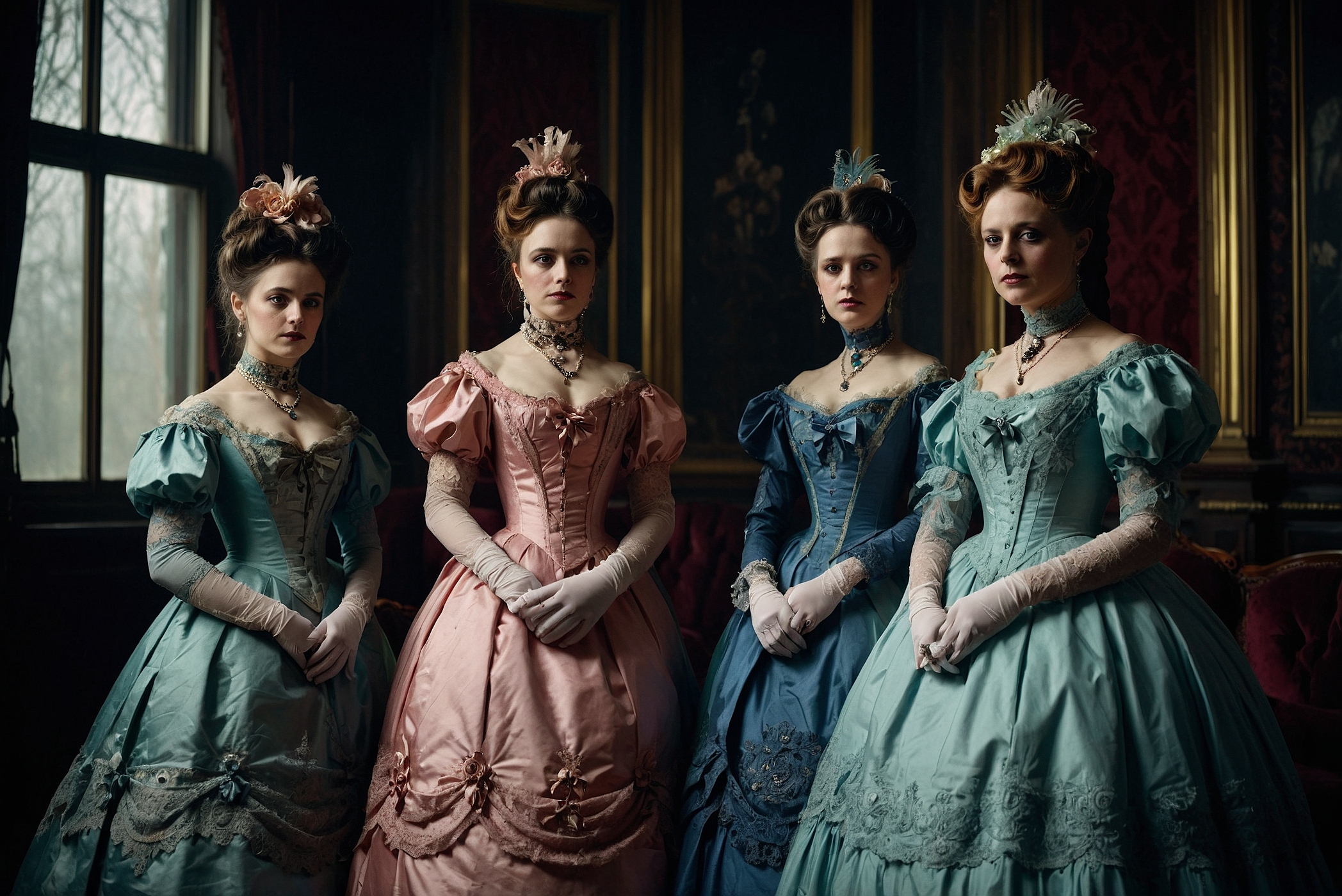
Victorian ball gowns were formal evening dresses designed specifically for dances and court presentations during Queen Victoria’s reign (1837–1901). Their defining features were exposed décolletage (for married women in many settings), short sleeves, and a full skirt supported by structured undergarments. Surviving examples in museum collections—including the Victoria and Albert Museum (V&A) and The Metropolitan Museum of Art (The Met)—show how consistent the basic “ball silhouette” remained, even as construction and decoration evolved dramatically.
Can You Name the Masterpiece?
Ten masterpieces. Ten questions. How well do you know the history of art?
The ball gown was inextricably tied to etiquette. In Britain the pinnacle of formality could be a state event associated with the Court of St James‘s; in France it was the Second Empire (1852–1870) that popularized displays of opulence at imperial occasions. Guide books and preserved records of wardrobe show that these dresses could be worn for only a few seasons before being adapted, leased or inherited; fashions changed rapidly and a gown‘s glamour was what mattered.
Technical achievements were also manifest in the Victorian ball gowns. The advent of the sewing machine, the international trade in textiles, and innovations in chemical dyes changed the scope of design. Museums hold evidence of technique as well as the silhouette hand-finishing, complex pleating, and luxuriant trimming that testify to the technical sophistication of London‘s and Paris‘s dressmaking firms.
The Evolution of Victorian Ball Gowns (1837–1901)
Early Victorian ball gowns (late 1830s–1840s) favored a sloping shoulder line, tight bodices, and wide skirts created through layers of petticoats. The look aimed for an idealized, rounded femininity, and fabrics such as silk satin, taffeta, and gauze were common. Decoration often included applied floral motifs, ribbonwork, and lace—ornament that read clearly in candlelight and early gaslight.
Can You Guess the Artist?
Three clues. One artist. How quickly can you identify the painter?
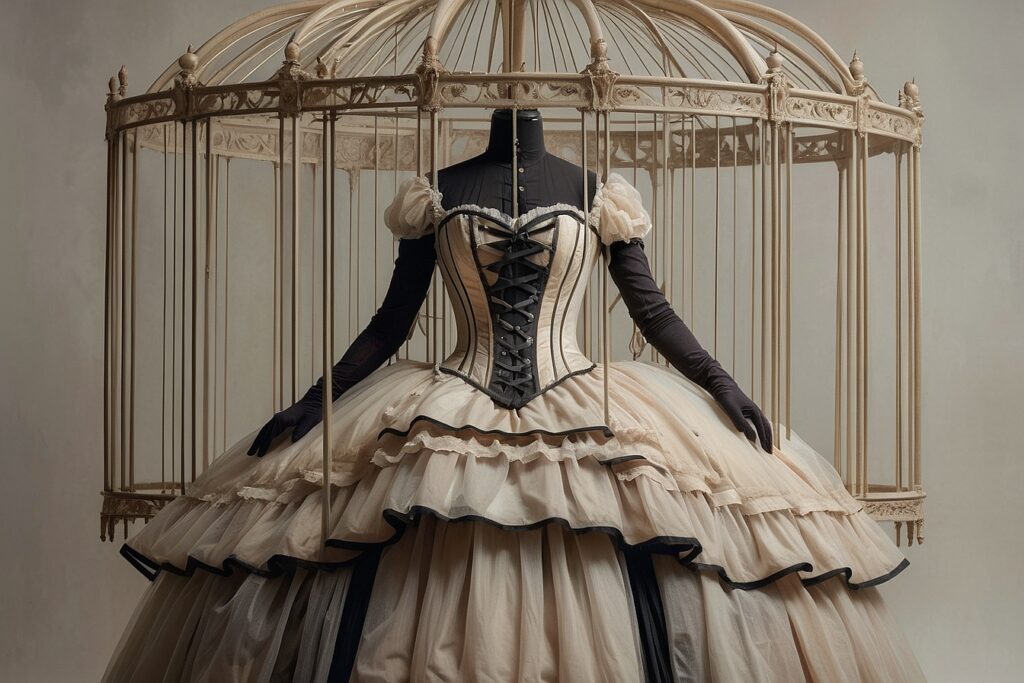
It was the mid-Victorian period (1850s–1860s) in which the crinoline revolution occurred. Steel cage crinolines permitted enormous expansion of skirts which prevented a ceiling to the groomed and woven mass without the weight of dozens of petticoats. The effect altered not only the female way of moving but how the ballroom could be, It was also the period that saw the arrival of the “flounced” skirt (V&A, no date: 8), rows of ruffles, lace, passementerie and braid laid in band to create sumptuous depth and reflective shimmer. You can see how the structural innovation affected these fashionable proportions and exploited the breadth of the skirts on both the V&A and The Met.
With late Victorian fashion (1870s–1890s) the silhouette changed from the extreme of sheer width to a more sculpted volume initially with the bustle (pushing the focus to the back of the skirt) and then towards the smooth, bell-shaped outline of the 1890s. Bodices became more tight fitting and there was a evolution in neckline shapes, as well as all manner of different sleeve styles, from the barest of evening sleeves, to the larger designs of the later years. And, as the century was about to end, the ballgown reflected an increasingly modern world: electric lighting in high societies venues, spreading department stores, increasing amounts of media coverage about society functions.
Fabrics, Craftsmanship, and the Hidden Architecture
A Victorian ball gown’s splendor depended on fabric choice. Silks dominated—satin for glow, taffeta for crisp rustle, velvet for depth—often combined with delicate overlays like tulle or net. Museums such as the V&A and The Met frequently note how fabric selection served both aesthetics and performance: a ball gown had to catch light, endure hours of wear, and maintain its silhouette through dancing.
Below the outer layer was the full gamut of foundation, including corsets, chemises, crinoline, petticoats and, later, bustles. They supported the way you carried yourself and the way your gown looked. As the Smithsonian study of their costume collection shows, dress can be both a reflection of its social and technological world as well as a reflection of its wearer: “fashion” is quite literally the engineering of clothing.
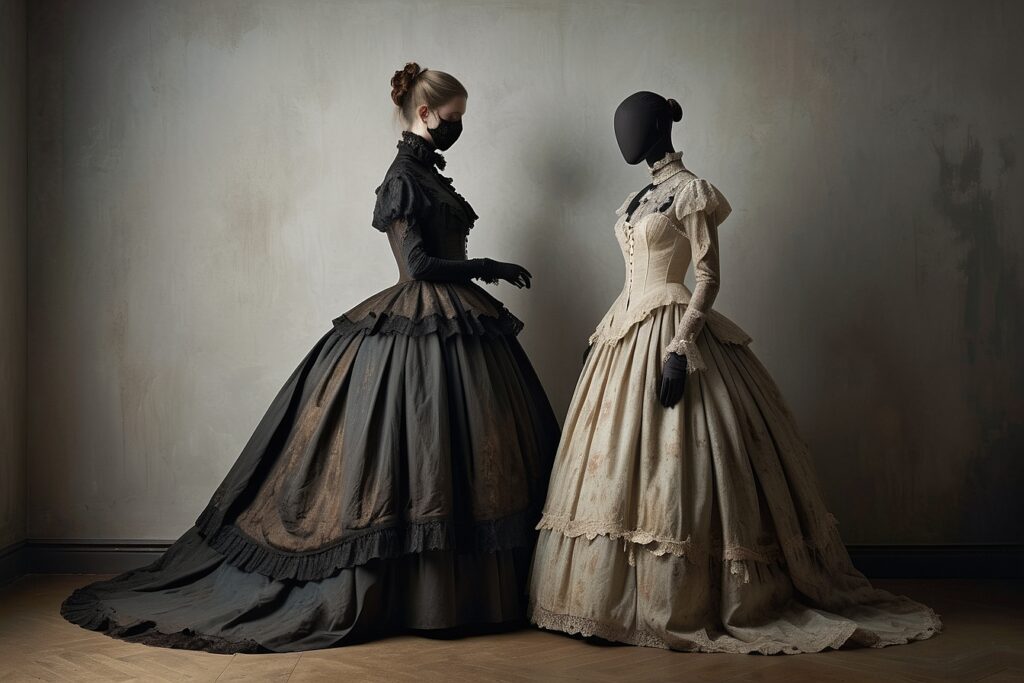
Although construction details reveal mixture of industry and handwork, several steps, such as hand finishing, trimming and fitting, still saved the disposal of expensive staff and the skill of artisans despite introduction of sewing machines. As the Metropolitan Museum pointed out in its fashion research, that the couture level of 19 th century dress-making was related to the highly laborious cutting and tailoring: visible from stay channels, sawtooth seams and evenness of skirt panels.
Social Meaning: Status, Etiquette, and the Ballroom
Ball gowns from the Victorian era communicated rank and respectability in a period highly attuned to social display. In London, Paris, and Vienna, elite gatherings were choreographed environments where dress codes mattered. A gown’s cost could be extraordinary, and the ability to commission new dresses for a season signaled financial stability and social confidence.
Etiquette dictated design. Evening dresses dictated bare shoulders and lower necklines than daytime wear while accessories gloves, fans, jewelry and coiffure accompanied the message. As the V&A‘s fashion scholarship frequently emphasizes, dress followed rigid rules: distinguish the “evening dress”, “ball dress” and “court dress” was fine line.
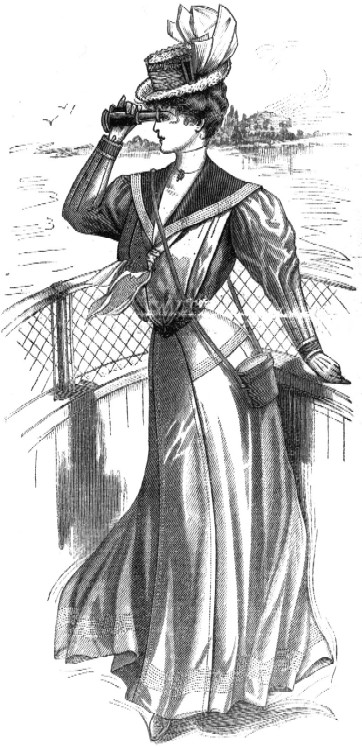
At once, I think, the gowns reflect a paradox inherent in Victorian culture–that of moderation versus excess, the morality versus the spectacle and the old versus the new. As the museums of the Louvre or the study of decorative arts show, 19 th century Europe valued craft, fine materials and accuracy ball dress was a clear opportunity for that craft to be demonstrated.
Museum Evidence and What Surviving Gowns Reveal
Museums provide the most reliable window into authentic Victorian ball gowns. The Victoria and Albert Museum in London preserves significant 19th-century dress holdings, allowing close study of fabrics, labels, alterations, and wear patterns. The Met’s Costume Institute likewise documents how fashion intersected with art, industry, and society—showing not just “styles” but objects that were lived in.
Surviving gowns often show alterations: bodices taken in, skirts re-trimmed, necklines adjusted. This evidence corrects modern assumptions that historic clothing was static or purely ceremonial. It also highlights sustainability practices of the period—reworking expensive textiles rather than discarding them—especially among households that needed to balance appearances with budgets.
Authoritative voices from museum professionals reinforce the cultural weight of these garments. As a guiding principle echoed across leading collections, the V&A’s mission statement describes its purpose as to “promote the study of the history of design and architecture.” In practice, that means treating a ball gown not as costume alone, but as designed material culture—an artifact shaped by technology, taste, and social structures. Similarly, The Met states that it “collects, studies, conserves, and presents significant works of art across time and cultures,” a mandate under which historic dress is analyzed with the same seriousness as painting or sculpture.
Key Characteristics at a Glance
| Aspect | Early Victorian (1837–1849) | Mid Victorian (1850–1869) | Late Victorian (1870–1901) |
|---|---|---|---|
| Silhouette | Full skirt via petticoats; tight bodice | Very wide skirt via cage crinoline | Bustle shapes (1870s–80s), then smoother bell (1890s) |
| Neckline & sleeves | Lower evening necklines; short sleeves | Similar; often lavish trims | Varies widely; bodice lines become more structured |
| Fabrics | Silk satin/taffeta; lace | Silk plus heavy trimming; layered textures | Rich silks, velvet; sophisticated drapery |
| Decoration | Floral appliqué, ribbon, lace | Flounces, fringe, passementerie | Asymmetry (bustle era), then refined embellishment |
| Undergarments | Corset + petticoats | Corset + cage crinoline | Corset + bustle supports/petticoats |
Frequently Asked Questions
Were all Victorian ball gowns white?
No. While white and pale shades were popular—especially for youthful or highly formal occasions—museum collections show many colors, including vivid hues made possible by expanding dye technologies in the 19th century. Pastels, jewel tones, and patterned silks appear frequently in surviving garments.
Did Victorian women really dance in huge crinolines?
Yes. The cage crinoline was specifically designed to make large skirts more wearable than stacks of heavy petticoats. It still required careful movement and spatial awareness, but it enabled the fashionable breadth seen in mid-century ball dress.
What is the difference between a ball gown and a court gown in the Victorian era?
A ball gown was designed for dancing and evening social events; a court gown followed stricter protocol for royal presentations and could include specific elements (such as trains and prescribed embellishments) depending on time and place. Court requirements varied and were tied to institutions like the British royal court.
Where can I see authentic Victorian ball gowns today?
Major collections include the Victoria and Albert Museum (London), The Metropolitan Museum of Art (New York), the Smithsonian Institution (Washington, D.C.), and dress holdings connected to decorative arts collections such as the Louvre Museum (Paris). Many provide online collection databases with images and curatorial notes.
How were Victorian ball gowns made—by hand or machine?
Both. By the mid-19th century, sewing machines were increasingly used for long seams, but high-end gowns still relied heavily on hand finishing and complex decorative work. Surviving garments show a hybrid of machine stitching and meticulous hand techniques.
Sources and Further Reading (Authoritative Institutions)
- The Metropolitan Museum of Art (The Met), Costume Institute and collection research on 19th-century fashion: https://www.metmuseum.org/
- Victoria and Albert Museum (V&A), Fashion and dress collections and scholarship: https://www.vam.ac.uk/
- Smithsonian Institution, museum collections and research on dress history: https://www.si.edu/
- The Louvre Museum, decorative arts context for 19th-century luxury and material culture: https://www.louvre.fr/
Ball gowns from the Victorian era were masterpieces of design, engineering, and social meaning—garments built on silk and structure, etiquette and innovation. Studied through the evidence preserved by institutions like the V&A, The Met, the Smithsonian, and the Louvre, these dresses reveal a century negotiating modernity while staging tradition at its most glittering. They endure because they are more than fashion: they are history, made wearable.
AI Notice: Some visual content in this article may have been created or enhanced using artificial intelligence (AI) for artistic, editorial or illustrative purposes. Learn more about our approach in our AI & Editorial Principles.