
Empire style interior design embracing Napoleonic grandeur
If empire style is the muted echo of the Napoleonic era adapted for the modern world, then this is it: the imposing forms, luxurious fabrics and theatrical glamour that can be preserved without seeming over the top if you keep the design under control. In this handbook, you’ll learn how to pull off that imperial look using just a few essential objects a gilded mirror, a mahogany console, a bronze-embellished lamp and a deeply padded armchair.
All these items are selected for quality, their provenance and how they hold their own in contemporary surroundings, from sleek city apartments to estate mansions. They are not items that follow a passing fashion; they are pieces that will last a lifetime of use, contribute strongly to a room and would enhance most tastefully appointed homes. The intention is not to duplicate a museum, but to distilled the most everlasting Empire influences into a quietly luxurious, very individual home.
Gilded Empire Mirrors: Architectural Light Catchers
Can You Name the Masterpiece?
Ten masterpieces. Ten questions. How well do you know the history of art?
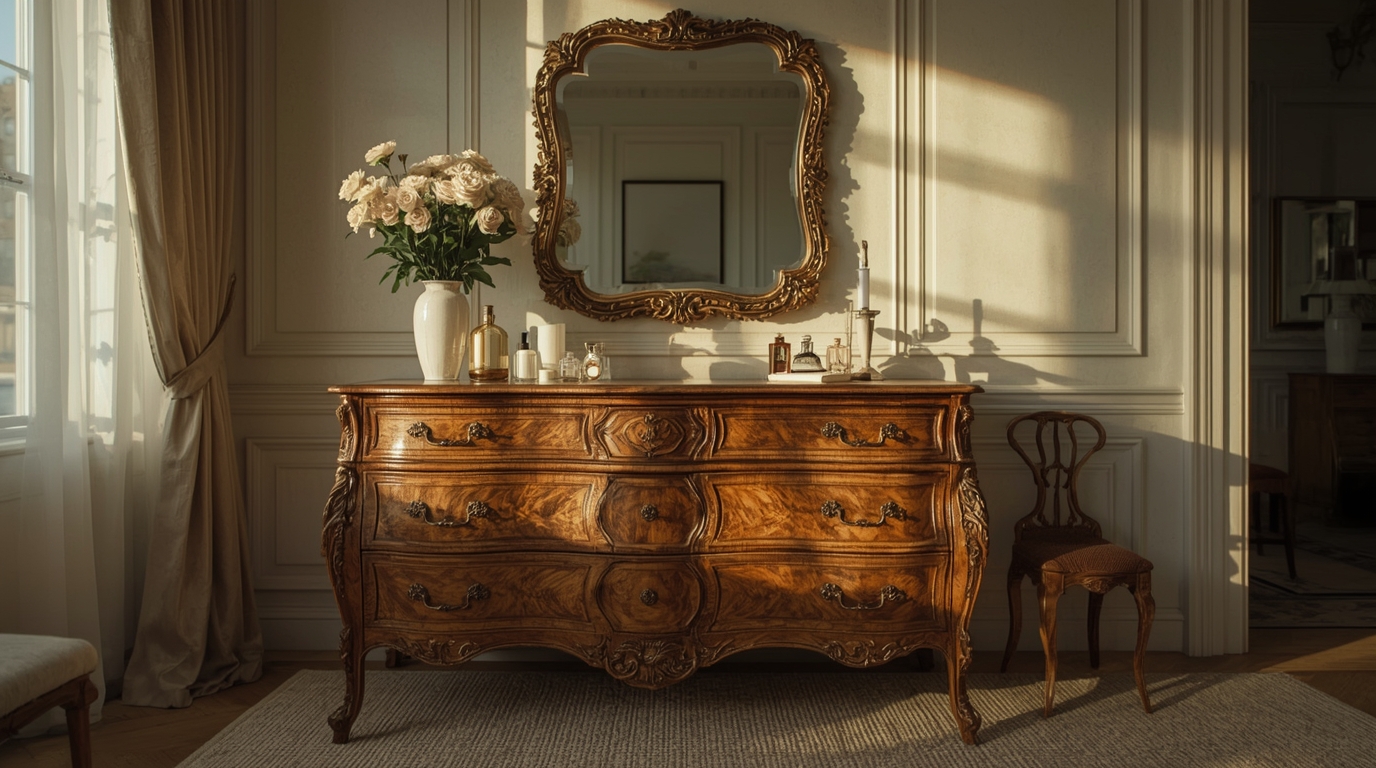
A very highly decorative, gilded edge Empire mirror also puts across its message straight away. Seek textured, rectangular and slightly bowed gilded surrounds with a clean, architectural feel with laurel wreaths, eagles, star symbols and a warm, dull, gold leaf rather than a shiny, shiny brass.

Modern and lively, they are at their best in the entry hall, on the hearth, and behind a console; they reflect, bounce, fold and diffuse candle light into the room. Modernists thrill to the bold geometry; classical collectors echo the imperial allusions. Now is the time for crisp, superb modern miniatures to shine: packed solid, sharply detailed, balanced, and in excellent control, not frantic.
Styling Tip
Pair an ornate Empire mirror with a simple limestone mantel or a flat-weave rug to keep the look current and prevent visual overload.
Mahogany Consoles with Bronze Mounts
Can You Guess the Artist?
Three clues. One artist. How quickly can you identify the painter?
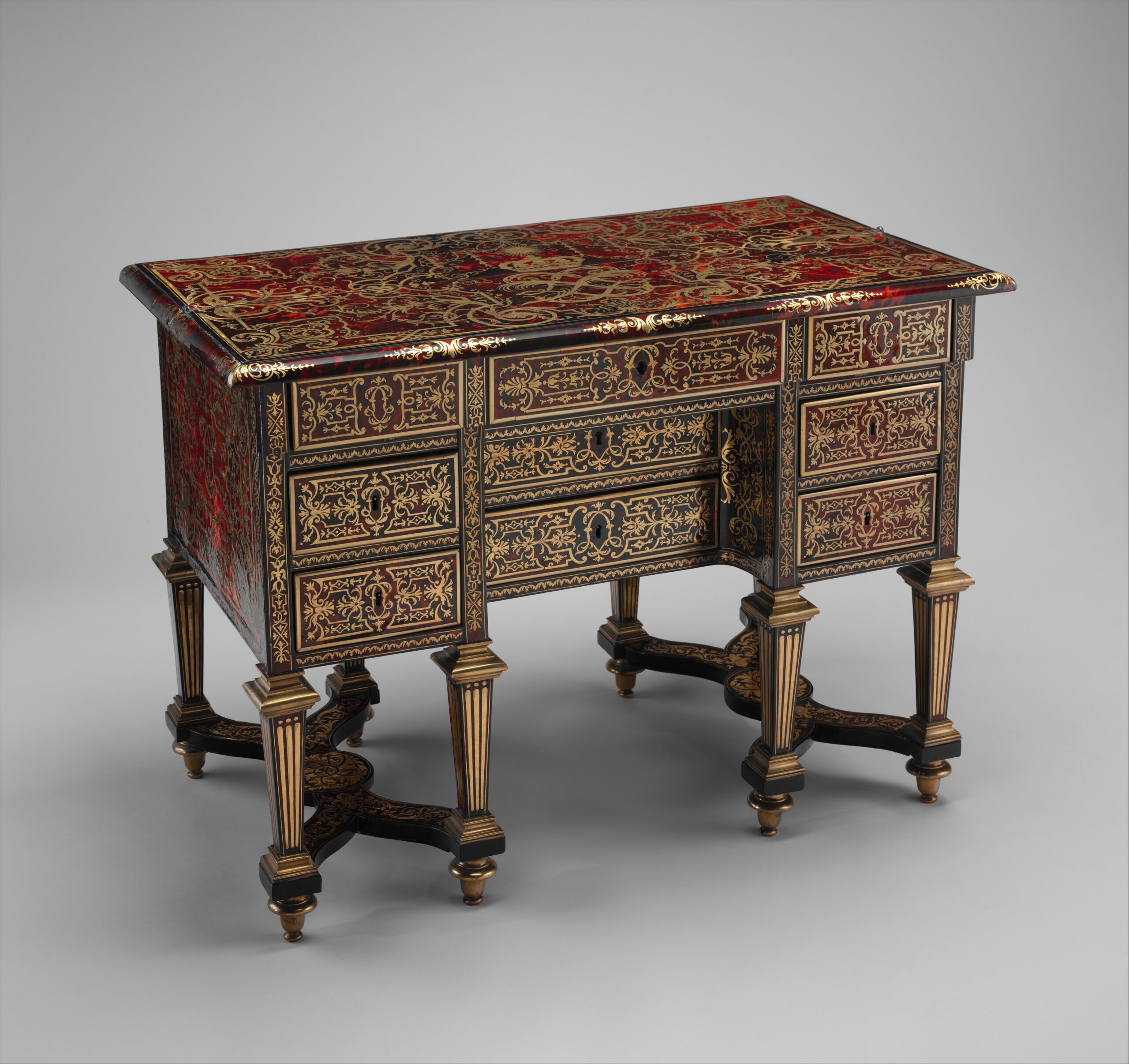
This Empire console table is a study in elegance. Its dark, highly polished, polished mahogany, its tapered and columnar legs and its ordered gilt-bronze mounts speak of common grace. Highly sculptural, it nonetheless takes up very little room. A perfect space-efficient addition to a hallway, dining room or the back of a sofa.

What elevates the finest examples is the veneer, the depth of French polish and sophistication of the ormolu think of acanthus leaves, palmettes and rosettes applied, not overbearing. Look to collectors’ how these consoles hold up the wall and set off paintings, mirrors or pair of candelabra with unforced authority.
Buying Guidance
Prioritise:
- Solid or expertly veneered hardwood (usually mahogany)
- Hand-applied finishes with a soft sheen
- Cast, finely chased bronze mounts rather than stamped metal
Empire Chandeliers & Candelabra: Formal Glow
Empire lighting, comfortable with ceremony waterfall crystal baskets, gilt bronze arms, or classical candelabra that seem as if they really belong to the space. In modern rooms, a single dramatic chandelier or a pair of soaring candelabra often does the trick:

Examine fixtures for even proportions (a drop that fits your ceiling height) and that they are in patinated or hammered metal rather than a brash high gloss. It is incredibly uplifting to choose things that show up your good skin tone, reflect sunlight off dark woods, and lift a space.
Why We Love It
By day, an Empire chandelier reads as sculpture; by night, it becomes the room’s jewellery, throwing soft, flattering light across fabrics and finishes.
Empire Seating: Klismos, Sabre Legs & Tufted Grandeur
Seating is the point where Empire style really becomes comfortable. Consider the klismos or gondola chairs with sabre legs, or the deep settees finished with trim and disciplined, bolstered tufting rather than loose cushions. The forms are confident and, with modern upholstery and structure, very comfortable.

Velvets, wool sateens and fine leathers with a richness of deep jade, imperial blue, garnet or tobacco sit very happily with dark woods. They are comfortable around a dining table, as side chairs in a library, or sitting either side of a console.
Collector’s Insight
Originals are prized for:
- Clean, sweeping sabre legs
- Well-balanced backs that support without engulfing
- Delicate, not bulky, profiles—an indicator of fine cabinetmaking
Inlaid Tables & Writing Desks
Empire-style gueridons or small round tables and bureau plats or flat writing desks give a touch of refinement without dominating the space. Typical features are the pattern of radial veneer designs, brass stringing and moderate moulded decorative inlays in contrasting woodarchitraves.

These work well in the study, a reading corner or as additional tables in a sitting room. The designers love adding a note of authority and gravity to the home working space, but in a style that is not unapproachable. A firm, leather or tooled top offers a detailed, hushed luxury that ages well.
Design Inspiration
Mix an Empire writing desk with a contemporary, sculptural desk chair and a clean-lined task lamp for a sophisticated, layered look that avoids period pastiche.
Textiles: Drapery, Trimmings & Empire Motifs
Empire-leading fabrics provide the comfort of sumptuousness. Seek sumptuous wool/silk blend or 100% wool with beautiful linings they‘ll often be lined in silk, and tend toward the darker jewel-like shades or less vibrant, regal neutrals with tastefully woven designs Greek key patterns, laurel scotch, star embroideries.
Imaginatively, they make windows and beds appear like stages. The trick is moderation: a single dramatic intervention per room is often ideal. Enthusiasts of period detail like the way trims, braids and tassels whisper of imperial finery without overwhelming.
Key Takeaway
Higher-quality textiles are evident in:
- Dense, even weave
- Subtle, not shiny, lustre
- Well-finished hems and linings that give curtains proper weight and fall
Decorative Bronzes & Sculptural Accents
No Empire interior is entirely without a few finely cast bronzes classical busts, winged victories, sphinxes or mythic figures on a humble plinth. Where selected with parcimony they are compelling devices of analysis and punctuation on consoles, bookshelves and mantles.
Select objects that have sharp details and a subtle patina overbright pigmentation can often date an object, and appears less convincing. People are generally attracted to bronze sculptures because they combined the levels of art, history and ornament into one object and because they complement both antique and modern art.
Editor’s Choice
One substantial bronze on a console surrounded by negative space is far more luxurious than a crowded assortment of smaller objects.
Rugs & Flooring: Grounding the Grandeur
The Empire style emphasizes the play of design underfoot, hand-knotted with borders or medallions or muted neoclassical decoration to “set the scene” of the room. Draw on tones of stone, marble and military wear cream, anthracite, dark crimson, navy and dull-gilt.
Today, an appropriate rug can soften dark woods and gildings in a contemporary setting, making it warmer and acoustically more “mellow”. Designers frequently use the rug as a starting point from which to decide on the size of furniture and the pattern of the room.
Styling Tip
Allow a generous rug border around furniture groups. Empire pieces benefit from breathing room; crowding them diminishes their architectural clarity.
Balancing Empire Elements in Contemporary Rooms
The real luxury is moderation. Instead of trying to create a Napoleonic salon, handle Empire as a set of sculptural loads in a lighter, more edited setting. One or two commanding pieces – a console and mirror, a chandelier with a pair of chairs – and their complements in more understated modern upholstery, pale walls and spared surfaces.
This contrast ensures the look remains fresh. Designers keep returning to Empire shapes, because their orderly geometry, high-grade materials and conventional symbols provide a reassuring sense of timelessness.
Why We Love It
Empire style brings narrative and gravitas, yet when curated thoughtfully, it still allows for calm, modern living—a rare equilibrium in interior design.
Empire style, at its best, is less about historical reenactment and more about distilling the essence of grandeur: strong architecture, noble materials and thoughtful ornament. When you select a mirror, console or chandelier, let your own rooms and routines guide you rather than any rigid rule book.
Choose pieces that genuinely resonate—whether that’s a single bronze bust on a bookshelf or a full, candlelit dining tableau. Edited with care, these elements will age gracefully, adapt to evolving tastes and quietly remind you, every day, that elegance is a matter of intention, not excess.
References
- Musée du Louvre – Decorative Arts: Empire Period
- The Metropolitan Museum of Art – Heilbrunn Timeline: The Empire Style, 1800–1815
- Victoria and Albert Museum – Furniture Styles: Neoclassicism and Empire
- Mobilier National (France) – Collections: Empire Furniture
AI Notice: Some visual content in this article may have been created or enhanced using artificial intelligence (AI) for artistic, editorial or illustrative purposes. Learn more about our approach in our AI & Editorial Principles.