Victorian Brooch: A Tiny Jewel That Tells a Grand Story
Pinned to a silk bodice or fastened at the throat of a high-necked dress, the Victorian brooch was far more than an ornament—it was a signal. It spoke of love and loss, of social status and moral values, of industrial progress and artistic revival. In 19th‑century Britain, when Queen Victoria’s long reign (1837–1901) coincided with rapid change in industry, empire, and society, the brooch became one of the most revealing objects a person could wear. Today, studying these small, intricate jewels opens a window onto the Victorian mind: sentimental and restrained, yet fascinated by innovation and the romance of the past.
Origins and Historical Context of the Victorian Brooch
The Victorian brooch emerged from a world in transition. Queen Victoria ascended the British throne in 1837, and her personal tastes strongly influenced fashion and jewelry. Early Victorian years (often called the Romantic Period, c.1837–1860) were shaped by her deep affection for Prince Albert, visible in the exchange of sentimental jewels, including brooches containing miniature portraits and locks of hair. The Metropolitan Museum of Art notes that the 19th century saw an “unprecedented expansion of jewelry production,” and brooches were at the center of that boom as both everyday items and heirlooms.
Can You Name the Masterpiece?
Ten masterpieces. Ten questions. How well do you know the history of art?
Technological and social changes drove the brooch’s popularity. The Industrial Revolution, already underway, accelerated in cities like Birmingham, Sheffield, and London, enabling mass production of metal findings and standardized clasps. At the same time, a growing middle class sought jewelry that imitated aristocratic taste at affordable prices. The Great Exhibition of 1851 at the Crystal Palace showcased new techniques and international styles; brooches in electroplated silver, rolled gold, and machine-engraved designs became widely available. Institutions like the Victoria and Albert Museum (V&A), founded in 1852, were established partly to improve design standards in the decorative arts, including jewelry.
Britain’s global empire profoundly shaped brooch design and materials. Gold from California and Australia, diamonds from South Africa, and coral and cameos from Italy fed a complex international supply chain. The Louvre Museum’s collections of classical antiquities, widely reproduced in prints and plaster casts, fueled a Europe‑wide fascination with ancient Greek and Roman motifs. This classical revival filtered into Victorian jewelry workshops in London’s Hatton Garden, Birmingham’s Jewellery Quarter, and Parisian ateliers, ensuring that even a modest brooch could reference far‑flung histories and cultures.
Design Periods: Early, Mid, and Late Victorian Styles
Jewelry historians typically divide Victorian design into three broad phases—Early (Romantic), Mid (High), and Late (Aesthetic/Fin‑de‑siècle)—each of which left a distinct mark on brooch design. Early Victorian brooches (c.1837–1860) favored soft, sentimental motifs: hearts, bows, flowers, and hands. Gold was usually warm and low‑karat (9–15 carat), often textured or chased rather than highly polished. Miniature portrait brooches and hairwork jewelry—containing strands or woven locks of a loved one’s hair under glass—were both love tokens and memorials, reflecting Victorian culture’s intense focus on domestic affection and remembrance.
Can You Guess the Artist?
Three clues. One artist. How quickly can you identify the painter?
MidVictorian brooches( c.1860–1885) a period often associated with the High Victorian, grew more boldly structural and became heavier and more architectural in design. According to the Victoria and Albert Museum theVictorian age(1837–1901) was one of dramatic historical revivals, (gothic, renaissance, archaeological) based in part on archaeological discoveries at Pompeii and Egypt. Revivalist broochesmight be interpreted as miniature reliquaries in the medieval tradition, similar to renaissance plaquesor resemble cracked open ancient fibulae; gold was worked in granulation or Etruscan style and coloured stones in bright green, red and purple shades such as garnet, turquoise and amethyst. Large en tremblant floral brooches, which quivered on tiny springs, proved particularly fetching evening forms.

Late Victorian brooches (c.1885–1901) responded to both aesthetic and social changes. As fashion moved toward lighter fabrics and cleaner lines, brooches took on a more delicate, stylized appearance. The influence of the Aesthetic Movement was visible in natural and Japanese-influenced motifs: birds, bamboo and chrysanthemums, and irregular, asymmetrical shapes. Meanwhile, high-end brooches, set with brilliant-cut diamonds in platinum, prefigured the Edwardian era. However, cheap silver and glass paste brooches flooded the market, allowing decoration to be affordable to shopgirls and factory workers as well as the aristocracy. According to the Smithsonian Institution, by the late 19th century the American and British jewelry industries had become interconnected; designs and finishes crossed the Atlantic in either direction.
Symbolism, Sentiment, and Mourning
“Victorian jewelry is above all a language of sentiment,” as jewelry historians often remark, and brooches were among its most expressive forms. Flowers conveyed messages: a forget‑me‑not promised remembrance; a pansy symbolized “thoughts”; ivy whispered fidelity. Snakes, to modern eyes slightly unsettling, were in the 19th century symbols of eternal love and wisdom—Queen Victoria’s engagement ring was a snake motif. The Metropolitan Museum of Art points out that “jewelry encoded complex social and emotional meanings,” and brooches, worn front and center, were ideal carriers of those meanings.
Mourning brooches were among the most celebrated and defining of Victorian categories. After the death of Prince Albert in 1861, Queen Victoria mourned for decades, establishing mourning practices that became widespread throughout the British Empire and elsewhere. Blackenameled gold brooches engraved “In Memory Of” or similar sentiment housed plaits of hair, photographs or tiny replicas of the dearly departed. Jet (fossilized wood sourced from Whitby in North Yorkshire) was the all-time traditional mourning material, crafted into satisfying jet-black brooches and decorated with Gothic or classical designs. According to the V&A, there were regulations around what could be worn for mourning, e.g., “deep mourning necessitated black dull matte materials, no shimmer or gleam.”
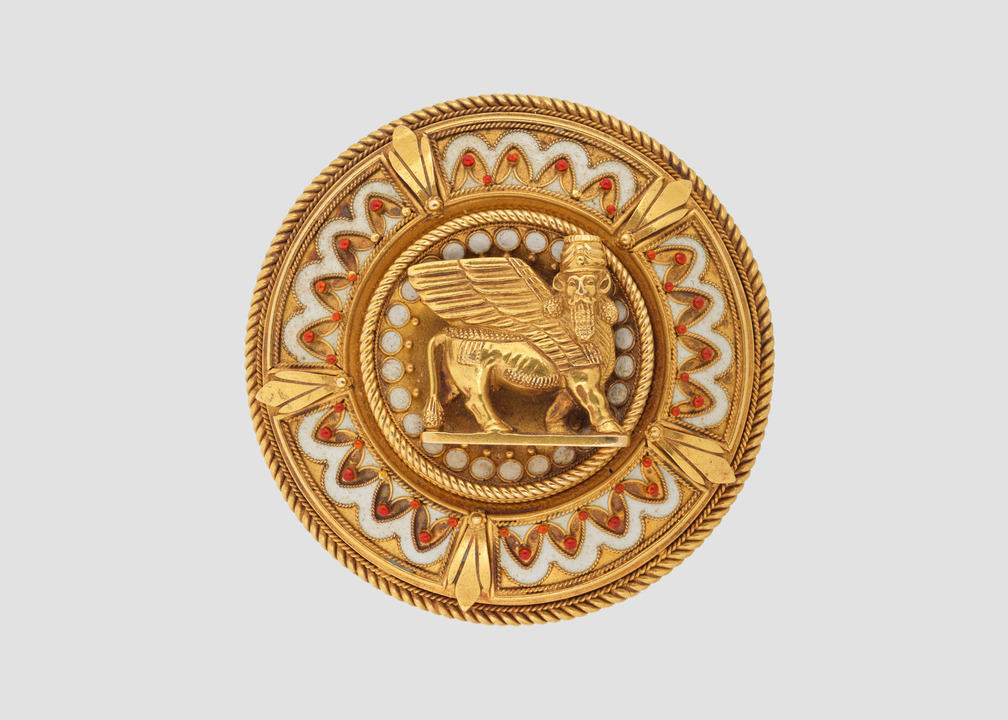
Not all dark brooches suggested mourning; onyx, vulcanite and guttapercha will all imitate jet and be used for fashionable non-mourning pieces. Such distinctions are important to historians, collectors and museum curators. The collections of 19thcentury American mourning jewelry at the Smithsonian Institution reveal a well-attested parallel from the other side of the Atlantic, which was informed by, but not an exact copy of British custom. Whether as an expression of love, loss or faith (cross brooches were a common confirmation/first communion gift), Victoriaite jewelry demonstrates that personal adornment was completely entangled with the emotional life of the period.
Materials, Techniques, and Innovation
The materials used in Victorian brooches reflect both technological innovation and shifting tastes. Early in the period, gold and silver dominated, often alloyed to produce specific colors (rose, yellow) and to improve durability. By mid‑century, lower‑cost alloys and rolled gold (a thick sheet of gold bonded to base metal) allowed jewelers to imitate the appearance of solid gold. Silver became especially fashionable for brooches in the 1860s–1880s, often set with diamonds or colorless paste stones to mimic the sparkle of higher‑end pieces. Coral, pearls, turquoise, and garnet were common accent stones, chosen as much for symbolism and availability as for beauty.
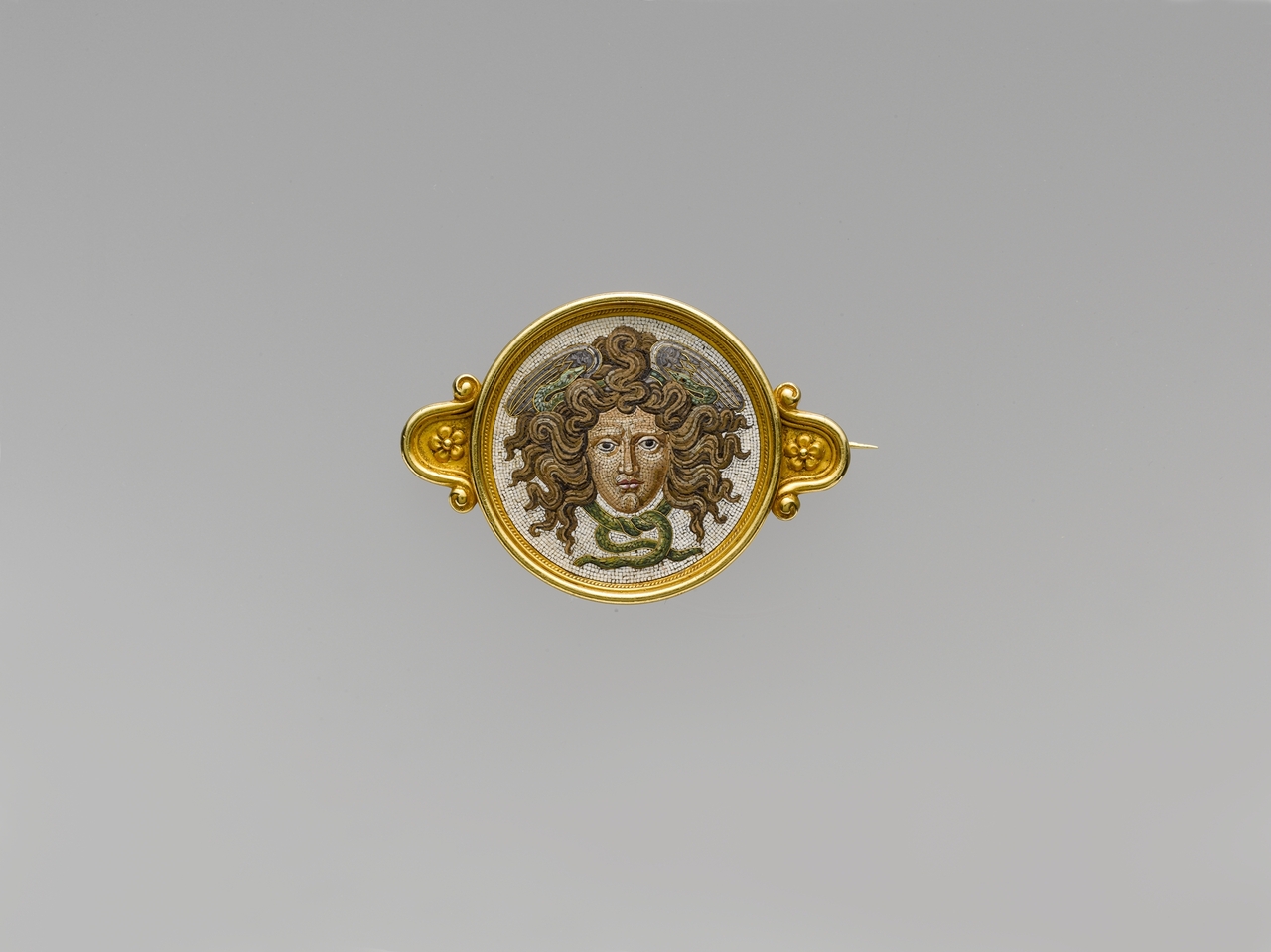
Technical breakthroughs in brooch construction were also significant. The 19th-century development of the modern safety catch and more sophisticated hinge mechanisms improved brooch security and adaptability. However, characteristics such as the ubiquitous use of machinemade wire, chain and stamped metal parts meant that brooches could be produced cheaply and in large numbers, while the highest quality workshops in London, Paris and Vienna were often concerned with pristine enamel painting, micromosaic and Etruscanstyle granulation that took hours to produce (fig. 8). Notable contributions made by the Louvre Museum to those identifying the work of 19th-century French jewelers have found that the highest degrees of excellence or mastery of technique were achieved when ancientworking including enamels was incorporated into revivalist jewelry, which was adopted by the British jewelers.

Brooches also tell a story of imitation and innovation in materials. “French jet” (black glass), vulcanite and guttapercha were manufactured or made popular as more affordable/exotic alternatives to genuine jet and onyx. Electroplating, invented in the mid 19th century in UK centres such as Birmingham, meant a thin layer of silver or gold could be deposited on base metals, enabling striking brooches at affordable prices. The online catalogue of 19thcentury jewelry at The Met Museum reveals many such examples where avantgarde industrial techniques sat side by side with handwork, displaying the Victorian preoccupation with the new and the traditional.
Types and Functions of Victorian Brooches
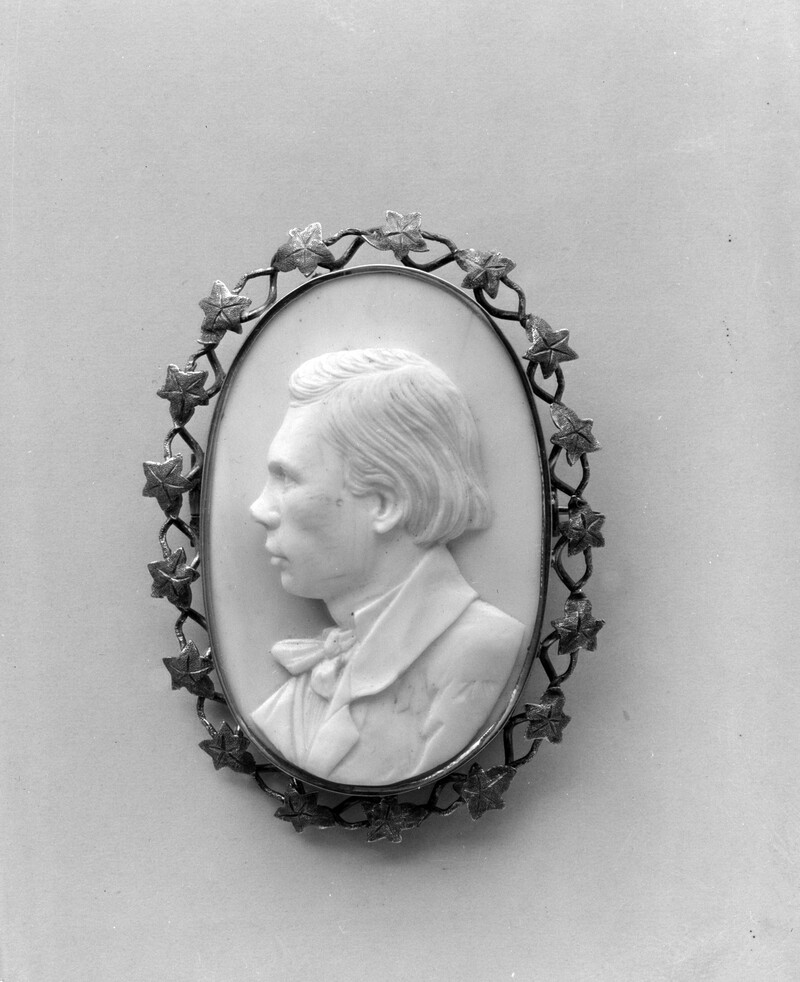
Victorian brooches took many forms, corresponding closely to the clothing and social customs of the day. Simple bar brooches, sometimes set with seed pearls or a single gemstone, pinned lace collars, men’s cravats, or baby garments. Larger cluster or spray brooches decorated the center front of bodices or anchored shawls. Portrait and miniature brooches framed hand‑painted likenesses or early photographs under glass, carried close to the heart. Cameo brooches, carved in shell or hardstone, depicted classical deities, historical figures, or idealized female profiles, reflecting the 19th‑century fascination with antiquity and the collections of institutions like the Louvre and the British Museum.
There were also specialized forms for travel and souvenir culture. Micromosaic and pietra dura brooches many of which were imported back from Italy were decorated with miniature scenes or even arrangements of flowers, fashioned from segments of glass or stone. Scottie pebble brooches (adorned with agate, jasper and cairngorm) were popular after the acquisition of Balmoral Castle by Queen Victoria in 1848 and her subsequent “evangelism” of Highland dress. As the V&A relate, the “Scottish” brooch may be made in England (or even elsewhere in Europe), a reminder that national styles were often made on the global stage.
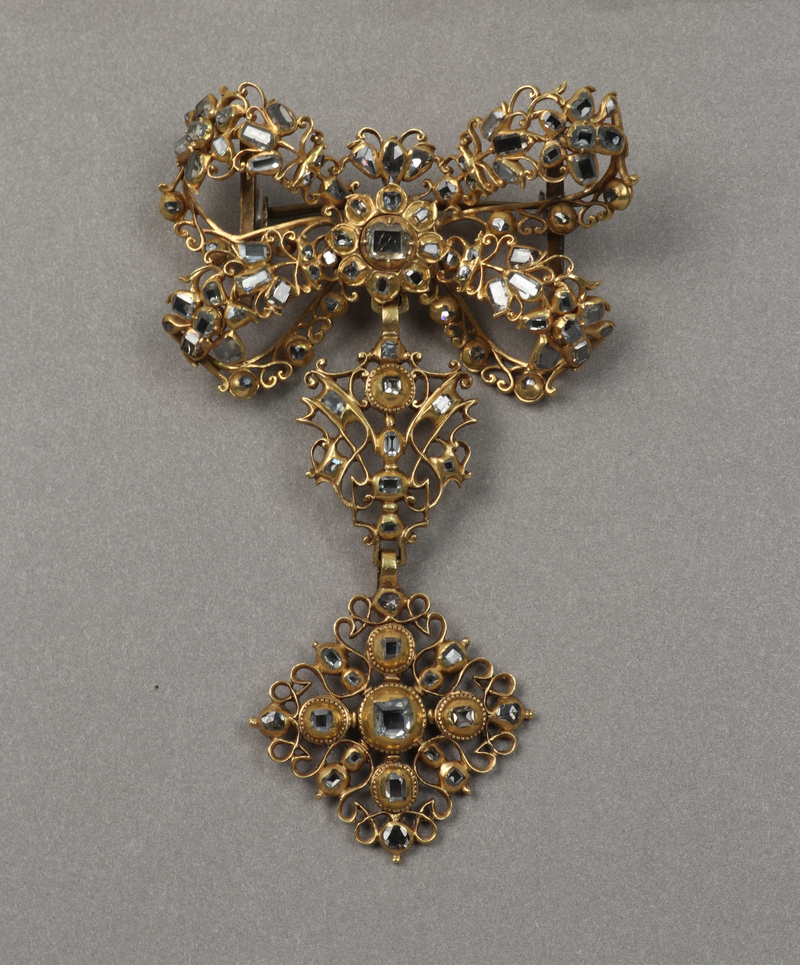
They were not solely decorative. Cape clasps, cloak pins, sash brooches had a practical use in holding multiple layers of clothing together in pre-zip and elastic days. Hair brooches and tiara brooches had the practical function of being transformed from a piece of hair ornament to a garment jewel. Many were multi-functional with interchangeable pendants and screwoff fittings or detachable converts so they could be worn as a pendant or bracelet centerpiece. Victorian practicality meant one good brooch was suitable for day, evening and mourning wear with simple modification.
Key Characteristics at a Glance
| Feature | Early Victorian (c.1837–1860) | Mid Victorian (c.1860–1885) | Late Victorian (c.1885–1901) |
|---|---|---|---|
| Overall Style | Romantic, sentimental, delicate | Bold, historicist, architectural | Light, refined, often naturalistic or Aesthetic |
| Common Motifs | Hearts, bows, flowers, hands, snakes | Gothic, Renaissance, Etruscan, large florals, crosses | Birds, insects, Japanese motifs, stars, crescents |
| Typical Materials | Warm gold, hair, enamel, seed pearls | Gold, silver, jet, garnet, coral, turquoise | Silver, diamonds, platinum, paste, low‑karat gold |
| Mourning Jewelry | Personal hairwork, modest black enamel | Elaborate jet, “In Memory Of” inscriptions, strict codes | Lighter black jewelry, more symbolic than prescriptive |
| Construction & Techniques | Hand‑chased gold, simple pin fittings | Granulation, repoussé, early safety catches | Refined hinges, advanced clasps, mass‑production |
| Influences | Royal romance, sentimental art | Archaeology, medieval revival, imperial expansion | Aestheticism, Japonisme, emerging Art Nouveau |
Collecting, Authentication, and Conservation
Wear patina and the quality of engraving or stone setting are diagnostic features that can be used to differentiate 19 th century from 20 th century reproductions. (For visual comparison, reference collections at Victoria and Albert Museum and the Metropolitan Museum of Art are invaluable.)
Authentication should also take into account modifications that are prevalent. Many Victorian brooches have been made into pendants, or refitted and these alterations should not drastically detract from value if fully disclaimed. The advice of knowledgeable jewelers and conservators is crucial when assessing more expensive articles (signed works of great national firms, or brooches of royal or noble provenance.) The Smithsonian Institution’s conservation advice recommends noninvasive identification techniques microphotography, X-ray photography, and elemental analysis that will examine fragile historic objects without damage.
Conservation is about stability, not restoration to an ideal ‘like new’. Cleaning must be as gentle as possible and specific for particular materials: strong solutions can erode enamels, destroy patina and damage organic materials like hair or guttapercha. Gels are suitable for combs, but don‘t use excessive heat or solvent on old jet and shell cameos. Museums such as the V&A and the Louvre try to keep their jewelry away from too much light and moisture, and away from the smog, but personal owners can do similar things by storing brooches in inert situations and avoiding exposure to direct sunlight or use of the ultrasonic or vigorous polishing.
Frequently Asked Questions about Victorian Brooches
How can I tell if a brooch is genuinely Victorian?
Look first at construction: many early and mid‑Victorian brooches use a simple C‑shaped clasp and a long pin that extends beyond the brooch edge. Materials such as jet, vulcanite, and hand‑chased low‑karat gold are common. Compare your piece to documented examples in museum collections (for example, the online catalogs of the V&A or the Met). If in doubt, consult a qualified antique jewelry specialist—precise dating often requires professional expertise.
Were Victorian brooches only worn by women?
No. Men also wore brooches and pins, especially in the form of cravat pins, stickpins, and small bar brooches. Military and fraternal organizations used badge‑like brooches to signify rank or membership. However, the most elaborate sentimental and mourning brooches were more commonly associated with women’s dress, reflecting gendered expectations about emotional display and domestic roles in the 19th century.
Is it appropriate to wear antique mourning brooches today?
Yes, many people wear Victorian mourning brooches as historical artifacts and design objects rather than as active symbols of grief. Museums and scholars generally regard respectful modern wear as acceptable, provided the pieces are not damaged and their context is understood. If a brooch contains hair or a clear personal inscription, some collectors prefer to treat it as a memorial object and wear it only on certain occasions, but this is a matter of personal ethics rather than a strict rule.
Conclusion
Victorian brooches distill an era’s anxieties, aspirations, and affections into an object that fits in the palm of a hand. They are at once products of industrialization and of intensely personal craftsmanship; they reflect global trade routes and intimate family histories; they embody strict social codes and private rebellion. Studied alongside the collections of major institutions like the Metropolitan Museum of Art, the Victoria and Albert Museum, the Louvre, and the Smithsonian, these small ornaments become powerful primary sources for understanding the 19th century. To pin on a Victorian brooch today is to fasten yourself, however briefly, to that rich tapestry of history, sentiment, and style.
AI Notice: Some visual content in this article may have been created or enhanced using artificial intelligence (AI) for artistic, editorial or illustrative purposes. Learn more about our approach in our AI & Editorial Principles.