Vintage Corner Curio Cabinets: 7 Hidden Details That Affect Value
A vintage corner curio cabinet is more than a clever way to use an awkward corner—it’s a small stage where history, craftsmanship, and personal collecting come together. These cabinets were designed to frame objects: porcelain, silver, crystal, souvenirs from travel, heirloom photographs, or the kinds of “curiosities” that once fueled the great collecting traditions of Europe and America. When chosen well, a vintage corner curio cabinet can feel as intentional and architectural as built-in furniture, while still offering the romance of age, patina, and period design.
Origins and Historical Context: From Curiosity Cabinets to Corner Displays
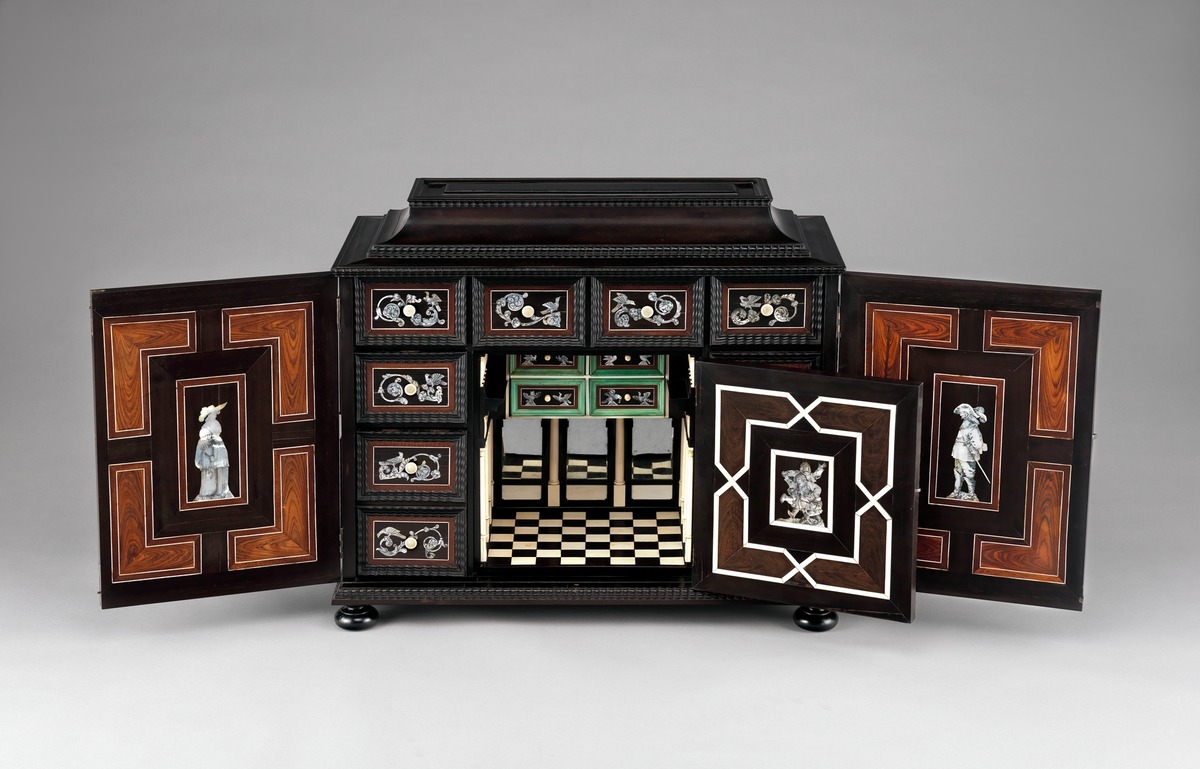
The idea of dedicating furniture to treasured objects has deep roots. Early modern Europe saw the rise of the cabinet of curiosities (Kunstkammer/Wunderkammer), especially in the 16th and 17th centuries, when collectors assembled natural specimens, antiquities, scientific instruments, and art. The Metropolitan Museum of Art notes that such “cabinets” were foundational to later museums, reflecting an encyclopedic impulse to classify and display the world. While those early cabinets were not necessarily corner forms, they established the logic of a specialized display enclosure.
Can You Name the Masterpiece?
Ten masterpieces. Ten questions. How well do you know the history of art?
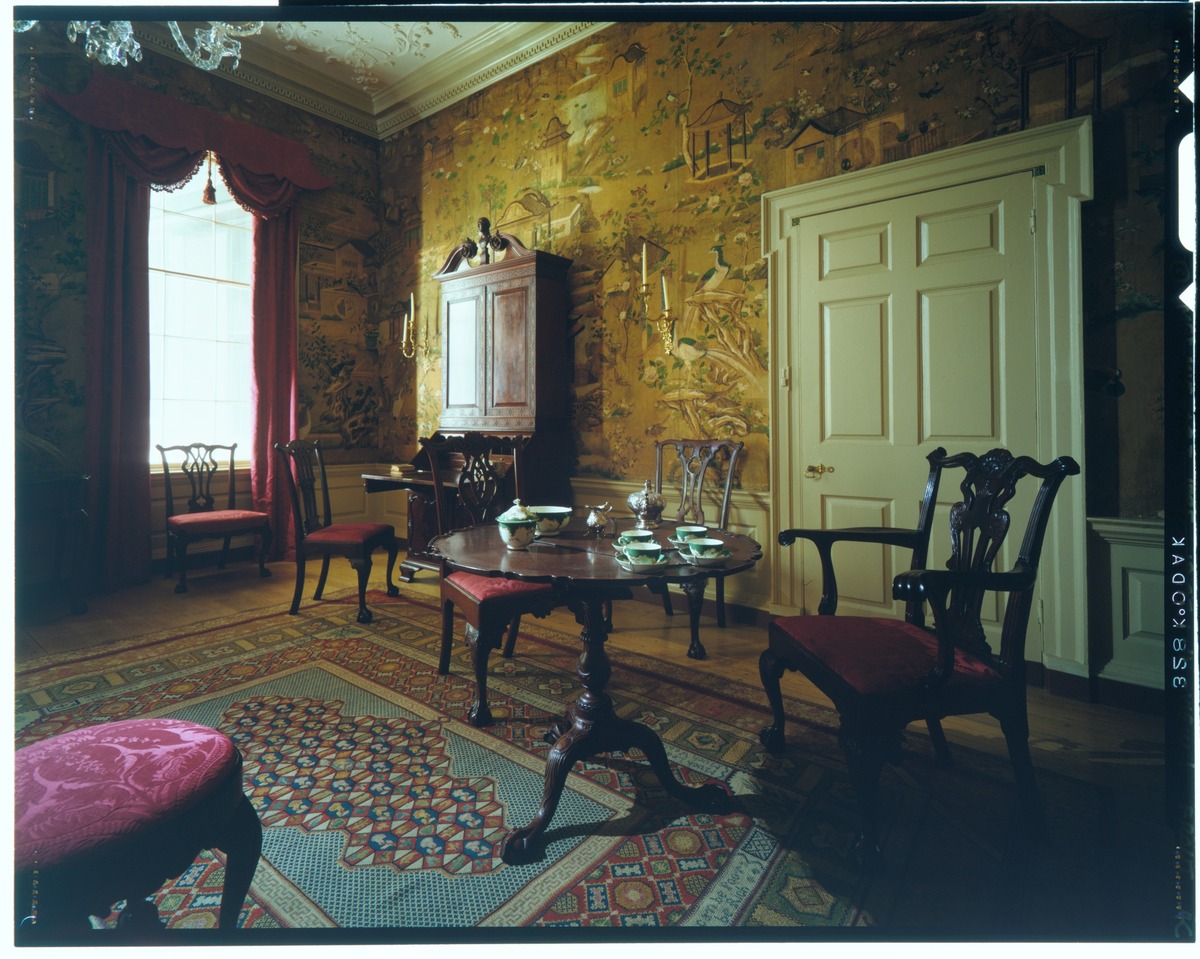
Polished presentation and ornament especially so in Britain and France in the interior had become a dominate concern by the 18th century. Corner cupboards and vitrines were functional treasures for spaces fitted with heavily decorated wall coverings and restricted clear wall areas. The Victoria and Albert Museum (V&A) outlines how the interior in the Georgian period and onward used furniture to demonstrate taste, where display and the “improvement” of the home was of particular social concern. A corner cabinet symbolized this with the addition of symmetrical and economic symmetry; it provided either a balance for a fireplace wall or finished a dining room composition through occupying the length of not a single room wall.
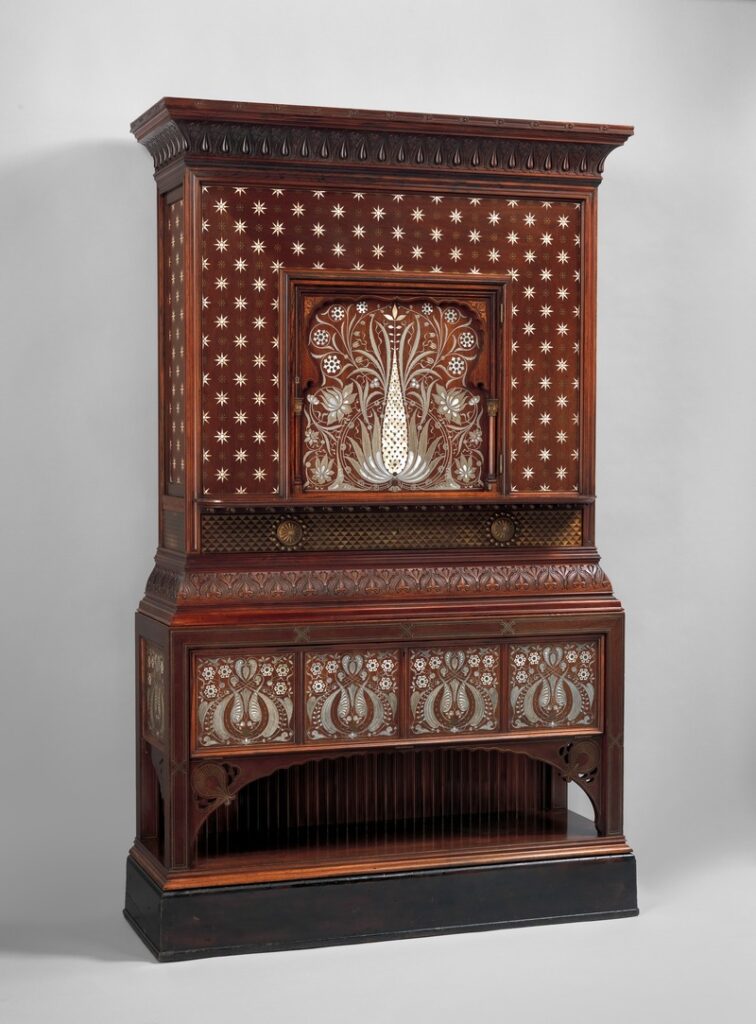
In nineteenth and early twentieth century America and Europe, the curio cabinet emerged as a popular finished consumer product. The Smithsonian Institution has done seminal work interpreting twentieth-century American decorative arts and the Victorian domestic ideal, where the parlor and dining room was a stage of respectability. Glass-fronted cabinetry sometimes decorated with elaborately carved ornament, mirrored backs, and primitive electric lighting facilitated a new mass culture of collecting: commemorative china, souvenir glass, family silver, even exotic objects acquired through the demands of expanding travel and world trade.
Identifying Authentic Vintage Styles: Materials, Forms, and Craftsmanship
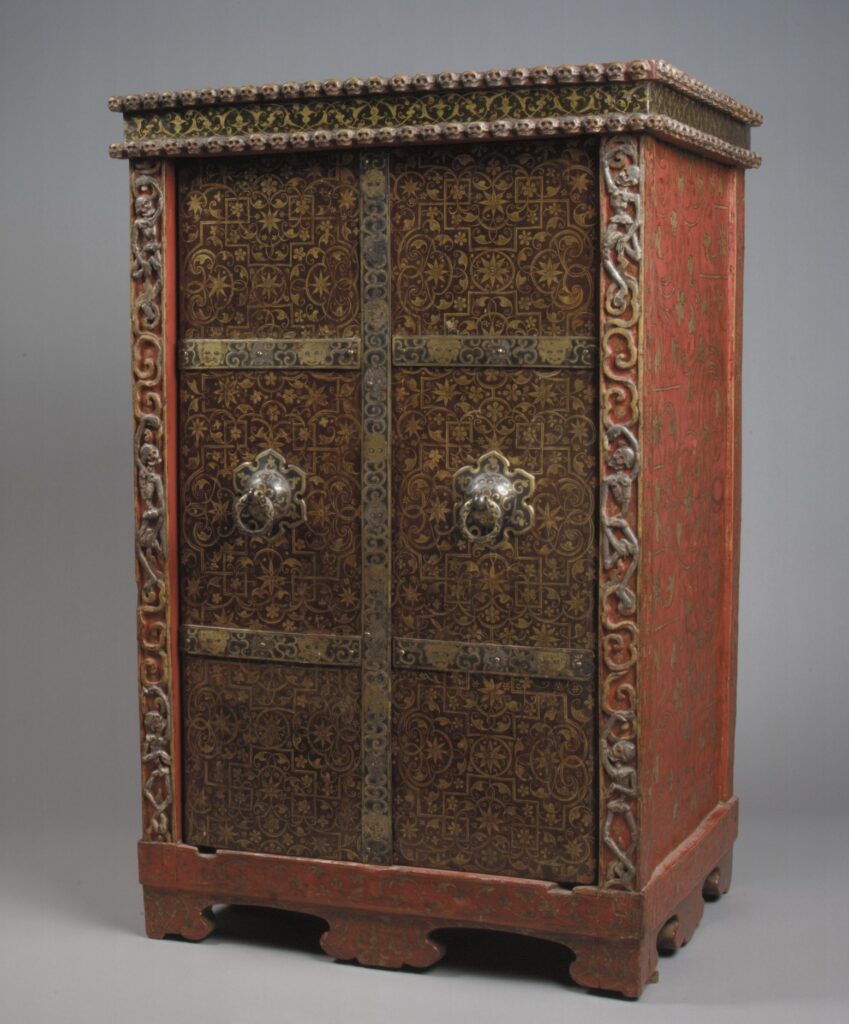
A true vintage corner curio cabinet typically announces itself through its materials and construction. Earlier examples often feature solid hardwoods (oak, walnut, mahogany) with mortise-and-tenon joinery, hand-finished surfaces, and period-appropriate hardware. Look for signs of age that make sense: oxidation on brass, wear on contact points, and consistent patina rather than uniform “distressing.” The V&A and the Met both emphasize close looking—tool marks, construction methods, and surface history are key to understanding authenticity.
Can You Guess the Artist?
Three clues. One artist. How quickly can you identify the painter?
In many instances, style clues will enable a cabinet to be placed within a particular recognizable design language. For example, a Victorian (c. 1837–1901) cabinet is likely to demonstrate pronounced carving, with Gothic or Rococo revival details, and arched and curved glazing. An Edwardian (c. 1901–1910) cabinet is likely to appear far lighter in detail and have a brighter interior, with more restrained ornament. Art Deco (1920s–1930s) cabinetry might suggest the use of geometric glazing designs, stepped forms and contrasting veneer shades. Pieces dating from the mid-century (1940s–1960s) may imply a tendency towards minimal framing and simple, clean lines, often with sculptural style plinths and unadorned cornices.
Glass and interior treatment are just as important as wood. Numerous corner curioss feature bevelled glass, mirrored sides and shelves which are designed to reflect as much light as possible so that the displays shine out. The long tradition of displaying decorative art in the Louvre reveals a fundamental truth about display: reflection and presentation of light enhances perceived value and focus. In a cabinet of curiosities the same method mirror, glass and calculated ratios transforms small objects into a lesson in display design.
Key Characteristics at a Glance
| Feature | What to Look For | Why It Matters |
|---|---|---|
| Corner footprint | Triangular or curved-front form designed to nest into corners | Maximizes floor space while creating a built-in effect |
| Joinery & build | Mortise-and-tenon, dovetails, solid frames | Signals quality and often earlier manufacture |
| Glazing | Curved, beveled, or leaded glass; tight-fitting doors | Impacts both authenticity and display clarity |
| Interior | Mirrored back, glass shelves, felt/wood base | Enhances light, visibility, and perceived depth |
| Hardware | Period-appropriate hinges/locks; aged brass | Replacement hardware can reduce value |
| Style markers | Victorian carving, Edwardian lightness, Art Deco geometry | Helps date the piece and match interiors |
Display, Lighting, and Conservation: Caring Like a Curator
A vintage corner curio cabinet performs best when styled with a curator’s discipline. Museums prioritize legibility: fewer objects, more space, and coherent grouping. The Smithsonian and other major institutions consistently model this approach in their exhibitions—objects read more clearly when not crowded. A practical rule at home is to leave at least 20–30% of shelf space open, and group items by material (glass with glass, ceramics with ceramics) or theme (travel, family, craft).
Lighting should be introduced with caution. Many owners retrofit flat-pack cabinets with strips of LEDs; that can work beautifully, but heat and UV are enemies of sensitive materials. The Met and the V&A publish conservation handbooks stressing that the effects of light (particularly on textiles, paper and some pigments) add to fading and deterioration. Use low-UV LEDs, keep brightness down and never place the cabinet in direct sunlight especially if you are displaying photographs, documents, dyed textiles or organic materials.
Cleaning and conservation should always be sympathetic to any original surfaces. This means avoiding silicone sprays and aggressive commercial polishes that will leave a film of residue which makes future conservation more difficult. Regular light dusting with a soft cloth, mild cleaning of glass with a paste-like cleaner smudged on to a cloth (not dry sprayed into joints), and keeping indoor humidity regular all help. ‘Conservation work from the V & A perspective also indicates that the maintenance of original finishes often ensures better value and integrity of a piece than making it look “new”.
Buying and Valuing: What Makes a Vintage Corner Curio Cabinet Worthwhile
Value comes from a combination of provenance, condition, design quality, and rarity. A signed maker or documented origin can elevate a cabinet significantly, as can exceptional glazing (curved or beveled glass is costly) and fine veneers. Conversely, clouded mirrors, sagging shelves, significant veneer loss, or structural wobble can reduce value because repair is specialized. Seek cabinets with doors that close cleanly and shelves that sit level—corner pieces are particularly sensitive to racking if joints are loose.
When dating a cabinet, use multiple signals: hardware type, glass thickness, joinery, and stylistic motifs. If possible, compare to reference collections. Institutions like the Metropolitan Museum of Art, the V&A, and the Smithsonian provide online access to decorative arts objects and period furniture, which can help you identify whether a piece aligns with late Victorian mass production, early 20th-century revival styles, or later reproductions.
As an anchoring principle, remember what the Met expresses about decorative arts: objects and furnishings are historical documents of taste, technology, and society—not just décor. Put differently, a great vintage corner curio cabinet is worth buying when it has sound construction, coherent period character, and the ability to present your collection with clarity and dignity.
“Light is the agent that makes things visible.” — Johann Wolfgang von Goethe, Theory of Colours (1810)
This is precisely why mirrored backs, glass shelves, and careful lighting define the curio cabinet’s enduring appeal.“The purpose of an exhibition is to communicate.” — American Alliance of Museums (AAM), collections and exhibition guidance (institutional principle)
A curio cabinet is a home exhibition; the same communication rule applies.
Frequently Asked Questions
What is the difference between a curio cabinet and a china cabinet?
A curio cabinet prioritizes display: more glass, often mirrored backs, and slimmer shelves. China cabinets are often deeper and designed for dining service storage, sometimes with closed lower cupboards.
How can I tell if a vintage corner curio cabinet is truly old or a reproduction?
Check joinery (dovetails/mortise-and-tenon), hardware wear, consistent patina, and glass type. Machine-perfect “aging,” modern staples, or overly uniform finishes can indicate reproduction.
Is it safe to add lighting inside a vintage cabinet?
Yes, if you use low-heat, low-UV LED lighting and avoid drilling that damages structure. Keep sensitive items out of bright light, echoing museum conservation guidance from institutions like the Met and V&A.
What should I display in a corner curio cabinet?
Stable items like ceramics, glass, metalwork, and small sculptures are ideal. Avoid prolonged display of light-sensitive paper, textiles, or fragile organic materials unless lighting is carefully controlled.
How do I move a corner curio cabinet without damage?
Remove shelves, secure doors, and lift from the base frame (not the door frame). Wrap glass and corners; transport upright whenever possible to prevent racking and glass stress.
A vintage corner curio cabinet brings together smart architectural utility and centuries of display tradition—from early modern curiosity culture to Victorian domestic collecting and beyond. Chosen with an eye for construction, period cues, and conservation-friendly display, it becomes both a functional storage solution and a personal mini-gallery—one that honors the museum principle that objects gain meaning when they are thoughtfully seen.
Authoritative sources referenced: The Metropolitan Museum of Art (metmuseum.org), Victoria and Albert Museum (vam.ac.uk), Smithsonian Institution (si.edu), Louvre Museum collections context (louvre.fr), and American Alliance of Museums (aam-us.org).
AI Notice: Some visual content in this article may have been created or enhanced using artificial intelligence (AI) for artistic, editorial or illustrative purposes. Learn more about our approach in our AI & Editorial Principles.