Vintage Pine Welsh Dresser: A Timeless Workhorse of British Country Craft
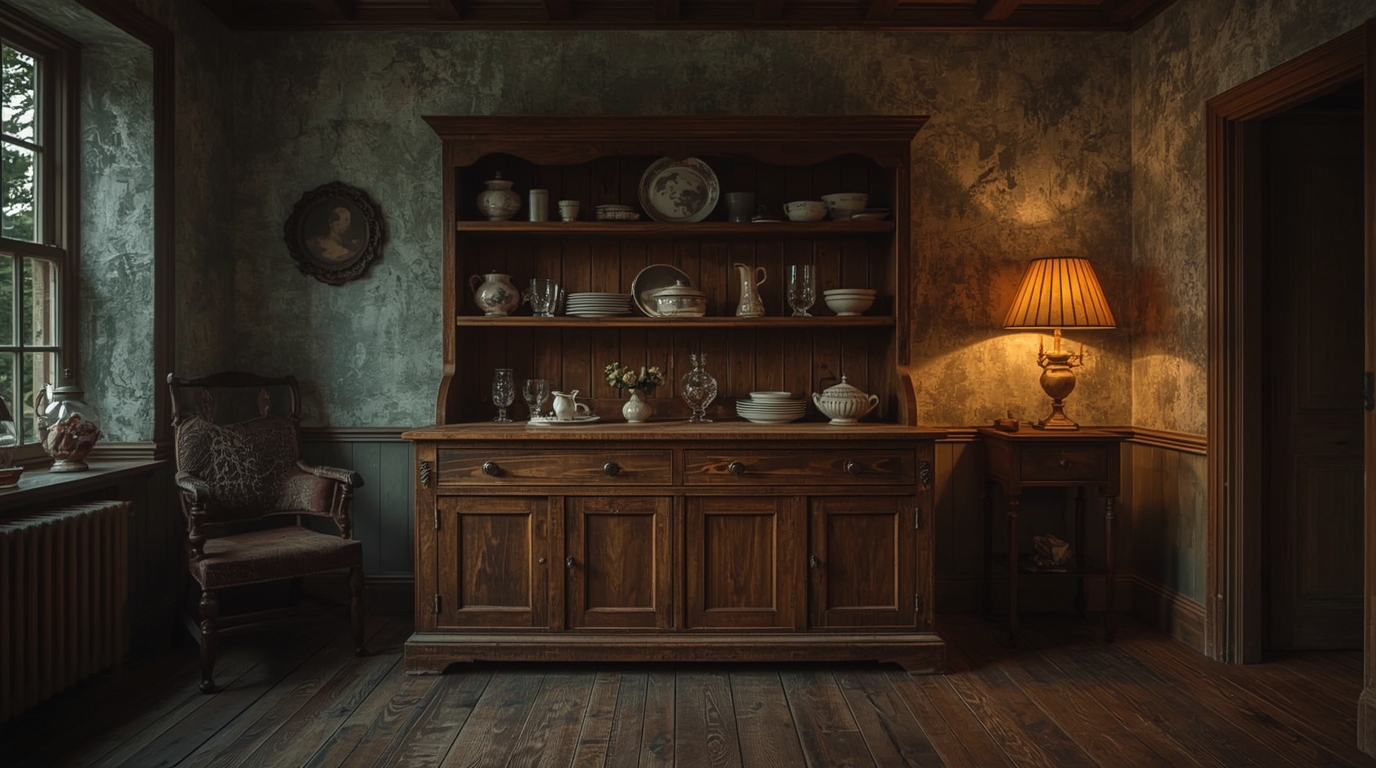
A vintage pine Welsh dresser is more than a charming piece of kitchen furniture—it is a surviving record of daily life in Britain, where practicality and display lived side by side. With its open plate rack, sturdy base cupboards, and warm honeyed patina, the Welsh dresser embodies the domestic ideals of the 18th and 19th centuries: order, thrift, and pride in household goods. For collectors, decorators, and historians alike, it offers a rare combination of utility and authenticity—an object that can still do its original job while anchoring a room with unmistakable character
What Is a Vintage Pine Welsh Dresser?
A Welsh dresser is traditionally a two-part cabinet: a lower “dresser base” (often with drawers and cupboards) and an upper rack or hutch designed to display ceramics. This format became common in Britain in the Georgian period (1714–1830) and matured through the Victorian era (1837–1901) as pottery ownership expanded across classes and regions. In Wales and the bordering counties, dressers frequently emphasized generous plate display—an everyday visual statement of housekeeping and respectability.
Can You Name the Masterpiece?
Ten masterpieces. Ten questions. How well do you know the history of art?
“Vintage pine” usually communicates two levels of information: source (pine, a desirable workable timber, and inexpensive as a locally readily available commodity) and date (most frequently late 19th/early 20th century, but some examples such as the Bauhaus shaped chair reference older models). Pine, a light, soft, but easily working species, was the most popular wood for furniture in the home, especially farming and rural dwelling, as imports of harder woods were very expensive. Over the course of many decades, pine takes on a patina of darkened knots, soft edges and gentle wear, which is difficult to artificially re-produce.
Collections can demonstrate why objects are important. The Victoria and Albert Museum (V&A) for example, has sustained its accumulation of British and European furniture by reinforcing the importance of furniture as historical record of social history and craftsmanship. In the same way domestic objects are used by the Smithsonian Institution to interpret house-hold practice how the home was arranged, how goods were stored and even taste articulated above high society.
From Georgian Homes to Victorian Kitchens
Can You Guess the Artist?
Three clues. One artist. How quickly can you identify the painter?
The Welsh dresser belongs to a broader European tradition of storage-and-display furniture. While France developed elaborate cabinets and buffets for formal dining rooms, Britain’s rural and small-town households favored hardworking forms that served as pantry, sideboard, and showcase in one. In this sense, the dresser parallels themes visible in major collections such as The Louvre Museum, where furniture is often presented not only as art but as a marker of evolving domestic customs and dining practices.
During the Industrial Revolution (late 18th–19th century), Britain saw major shifts in manufacturing, transport, and consumer goods. Ceramics became more accessible through improvements in production and distribution—particularly from Staffordshire—increasing the desire for display storage at home. The upper rack of a Welsh dresser, with its plate grooves and stepped shelves, turns daily crockery into a visible asset: clean, organized, and ready.
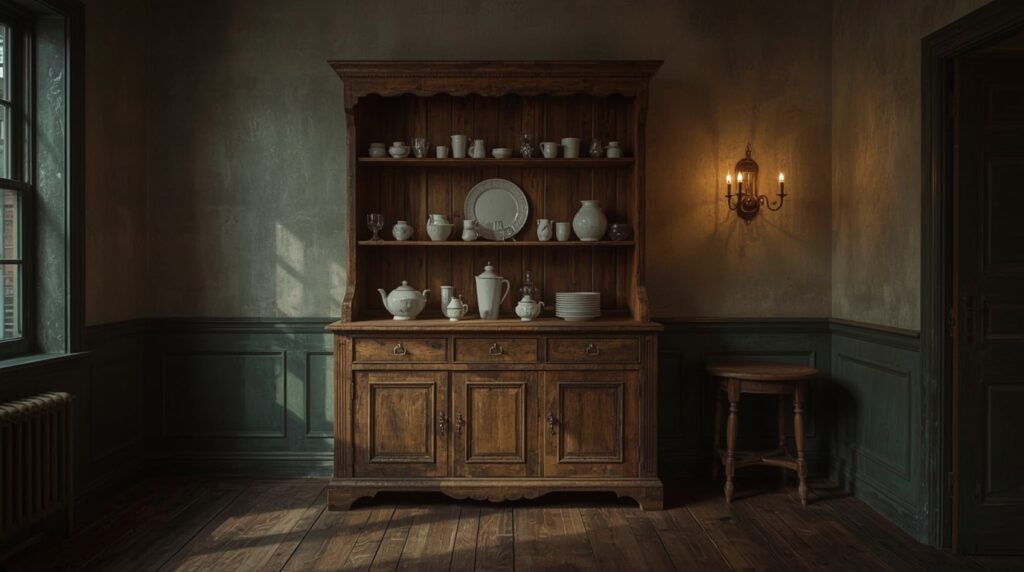
In Wales, local identity also shaped furniture. Regional joinery traditions—often practical and robust—favored straightforward construction and repairability. A vintage pine Welsh dresser frequently shows evidence of long use: replaced hinges, old nail holes from plate supports, or later paint layers. Far from diminishing value, these traces can strengthen provenance by demonstrating a life lived in service.
Defining Features and How to Identify Quality
A high-quality vintage pine Welsh dresser is best judged by proportion, construction, and integrity. Proportion matters because these dressers were designed to work in real rooms: the base deep enough for storage, the rack tall enough for display without overwhelming the space. Integrity means the piece still “reads” as a dresser—its top and base suit each other in scale, color, and wear, rather than being a mismatched marriage of parts.
The best hints will be in the construction details. Seek solid joins (like dovetailed drawers), uniform tool marks, and backboards dating and moving (pines expand and shrink) old furniture often shows hairline cracks or gently sagging boards, all normal natural ageing. New reproductions may have a too-even appearance, distressed or damaged surface finish, an even texture and machine-like symmetry.
Museum standards are useful. Museums such as the Metropolitan Museum of Art and the V&A describe furniture in terms of materials, construction and surface because these are indicative of an object’s fabrication, and usage. The Met describes ‘Examination of the construction and finishing details provides clues that allow one to identify original features as well as constructions which have been altered or repaired’. That lesson is directly applicable to assessing the vintage dresser: look under the drawers, and check the rear and interior of the drawers all places that are less likely to have been cosmetically reworked.
Key Characteristics at a Glance
| Feature | Typical in a Vintage Pine Welsh Dresser | What It Suggests |
|---|---|---|
| Material | Softwood pine, often knotty | Regional practicality; warm patina over time |
| Form | Two-part: base + plate rack | Storage plus display; kitchen-centered use |
| Joinery | Dovetails, pegged joints, nailed backboards | Period-appropriate construction methods |
| Surface | Aged varnish, wax, or remnants of paint | Honest wear; possible later refinishes |
| Hardware | Iron/steel pulls, simple hinges | Functional design; replacements are common |
| Interior wear | Scratches, shelf marks, drawer polish | Long-term domestic use |
Styling and Use Today (Without Losing Authenticity)
In modern interiors, a vintage pine Welsh dresser works because it solves current problems—storage and display—without feeling trendy. In a kitchen, it can hold plates, glassware, linens, and pantry items while keeping frequently used pieces within reach. In a dining room, it functions like a sideboard plus hutch, ideal for serving pieces, wine glasses, and table linens.
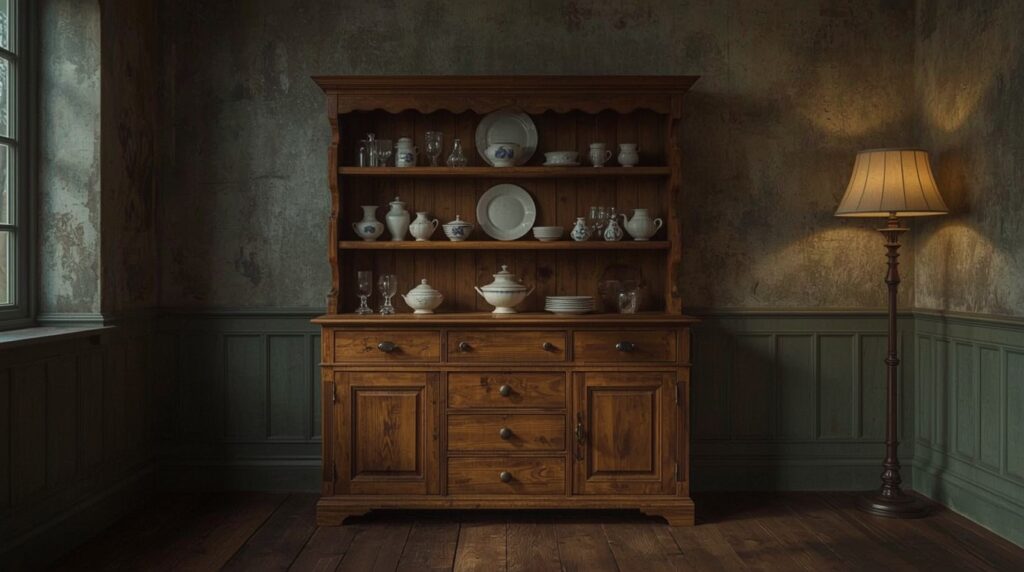
Try not to overly sand as this will loose the patina and make edges look rounded. The general procedure is to wax or to apply a reversible consversion friendly finish, rather than go for the heavy varnish route. If you wish to give it a painted appearance: remember, if the dresser already bears historic layers of paint, the stripping process may remove evidence of its past. Most avid collectors now accept untreated aged finishes, especially paint, as history in themselves.
For private ownership, the conservators message remains one of restraint, frequently heard in V&A and other major museums’ conservation advice original surface, and as little intervention as possible. This transfers to the private situation they would say stabliise any looseness, wash carefully, and carry out repairs in an honest and documented fashion.
Buying Advice, Provenance, and Responsible Restoration
When purchasing a vintage pine Welsh dresser, start by confirming it is genuinely older and not a newly made “vintage-style” piece. Ask for seller documentation, look for consistent oxidation on interior boards, and check whether wormholes (if present) are old and inactive rather than fresh. A reputable dealer should be able to discuss age estimates and any restoration work performed.
Provenance can be modest and still meaningful. A dresser that remained in one family farmhouse in Carmarthenshire or Gwynedd for generations may not come with archival papers, but it might have local oral history, photographs, or consistent wear patterns. Keep records of your purchase, any repairs, and where the piece came from—future owners (and insurers) value this.
For restoration, prioritize structural safety: secure the top to the base, ensure shelves are stable, and address active woodworm with professional treatment. Replace missing handles only if necessary, and choose period-appropriate hardware. The goal is not to make the dresser look new, but to keep it functional while respecting what time has already written into the wood.
“Furniture…is among the most revealing of all art forms, reflecting not only aesthetic ideals but also social history and daily life.” — Victoria and Albert Museum, furniture and decorative arts interpretation (V&A collection scholarship)
“Close examination of materials and techniques is essential to understanding an object’s origin and meaning.” — The Metropolitan Museum of Art, decorative arts educational approach (Met collection and learning resources)
These perspectives align with how leading institutions—including the Smithsonian Institution, the V&A, the Met, and the Louvre Museum—frame furniture: as functional craft, historical evidence, and design legacy.
Credible sources to consult:
- Victoria and Albert Museum (V&A), Furniture & Woodwork collections and conservation resources
- The Metropolitan Museum of Art, Decorative Arts collection essays and object records
- Smithsonian Institution, material culture and domestic life interpretation
- The Louvre Museum, decorative arts and furniture collections (historical context on European domestic furnishings)
Frequently Asked Questions
Is a vintage pine Welsh dresser valuable?
Value depends on age, condition, regional character, and originality. Early examples and well-proportioned pieces with intact racks and minimal over-restoration tend to command higher prices than heavily altered or composite examples.
How can I tell if it’s antique, vintage, or a reproduction?
Check joinery, backboards, drawer construction, and wear in hidden areas. Uniform “distressing,” perfectly identical hardware, and modern screws throughout can indicate a reproduction. A knowledgeable dealer or furniture conservator can provide an informed assessment.
Should I strip and refinish a pine Welsh dresser?
Usually, no—especially if it has an attractive aged surface or historic paint. Stripping can erase patina and reduce character (and sometimes value). Gentle cleaning, waxing, and minimal repairs are typically better.
Can I use it in a modern kitchen safely?
Yes, with practical steps: anchor tall pieces to the wall if needed, ensure shelves are secure, and avoid placing it directly next to high heat or damp sources. Use shelf liners to protect both the dresser and your ceramics.
What wood is best: pine or oak?
Oak is harder and often more formal; pine is lighter, warmer, and historically common in working households. Neither is “better” universally—pine dressers are prized for their patina and country authenticity, while oak often signals a different budget and aesthetic
A vintage pine Welsh dresser endures because it unites craftsmanship, domestic history, and daily usefulness in one unmistakable silhouette. Rooted in Georgian and Victorian household life and echoed in how museums interpret furniture as cultural evidence, it remains a practical, honest centerpiece for contemporary homes. Choose one with integrity, preserve its surface with restraint, and it will continue doing what it has always done: storing, displaying, and quietly telling a story.
AI Notice: Some visual content in this article may have been created or enhanced using artificial intelligence (AI) for artistic, editorial or illustrative purposes. Learn more about our approach in our AI & Editorial Principles.