Antiques That Sell Fast in 2026 (Check Your Attic for These Finds)
Antiques that sell fast aren’t just “old things”—they’re objects with recognizable design, reliable attribution, and a buyer base that already knows what it wants. In today’s market, speed comes from clarity: clear age markers, known makers, desirable materials, and categories collectors can compare quickly across auctions, dealer sites, and museum collections. If you’re selling, the goal is to match your item to an established demand stream—one where buyers feel confident making decisions fast because references and pricing data already exist.
1) Why Some Antiques Sell Fast (and Others Stall)
Antiques move quickly when they sit at the intersection of high demand and low uncertainty. Categories with steady collector communities—such as Victorian jewelry, mid-century modern design, or certain Asian ceramics—benefit from decades of scholarship, abundant comparables, and documented hallmarks. That confidence reduces buyer hesitation, especially online, where purchasers can’t handle objects in person.
Can You Name the Masterpiece?
Ten masterpieces. Ten questions. How well do you know the history of art?
History helps. Objects connected to specific time periods like the Georgian (1714–1837), Victorian (1837–1901), Art Nouveau (c. 1890–1910), Art Deco (c. 1920s–1930s), and Mid-Century Modern (c. 1945–1960s) sell more quickly as their stylistic attributes become more identifiable. The collections of major museums such as the Victoria and Albert Museum, the Met, and the Smithsonian are often documented and available in a digital format, assisting buyers in determining materials, construction methods, and style.
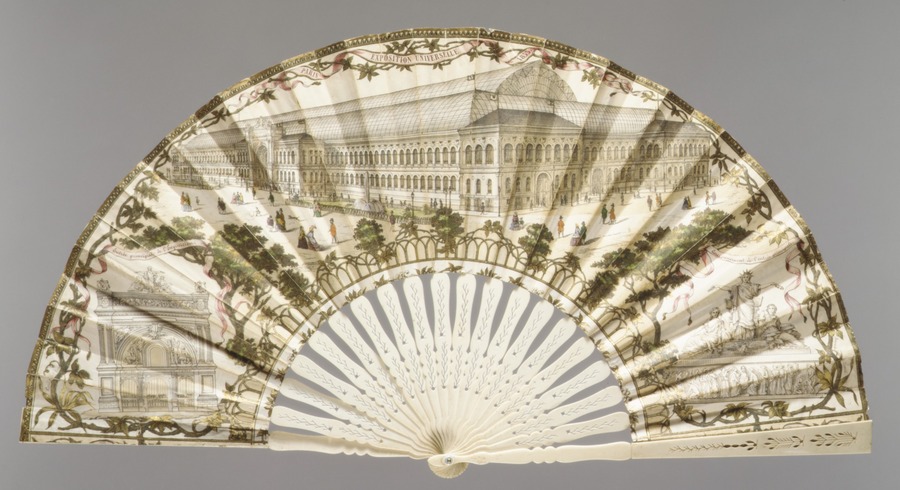
Provenance and condition are the accelerants. A humble provenance letter, an identifying maker’s signature, or even an intact case can move a piece from the “we‘ll circle back to it” list to a “sold” status. For example, as The Smithsonian Institution recommends in their collections care advice, “maintaining the original material and provenance ensures a collection can be interpreted and its value maintained in the long term.”
2) Antiques That Sell Fast: Categories with Proven Demand
Fine jewelry and small luxury objects are perennial fast sellers because they’re portable, broadly appealing, and easy to price against comparables. Victorian and Edwardian pieces—lockets, mourning jewelry, seed pearl work, and old-mine/old-European cut diamonds—often move quickly when hallmarks are visible and stones are intact. Demand is global and cross-generational, especially for wearable items in precious metals.
Can You Guess the Artist?
Three clues. One artist. How quickly can you identify the painter?
Well-designed decorative arts items, such as Art Deco-era cocktail shakers and bar glasses, high-quality sterling flatware produced by the biggest design workshops, pieces of cut crystal and “studio pottery” bearing artists’ signatures, also change hands quickly. These are items that not only look good in photos but also slot neatly into a contemporary home. The V&A‘s department of design and decorative art gives us an authoritative guide in identifying stylistic features and materials so sellers can describe goods accurately and buyers can bid with confidence.
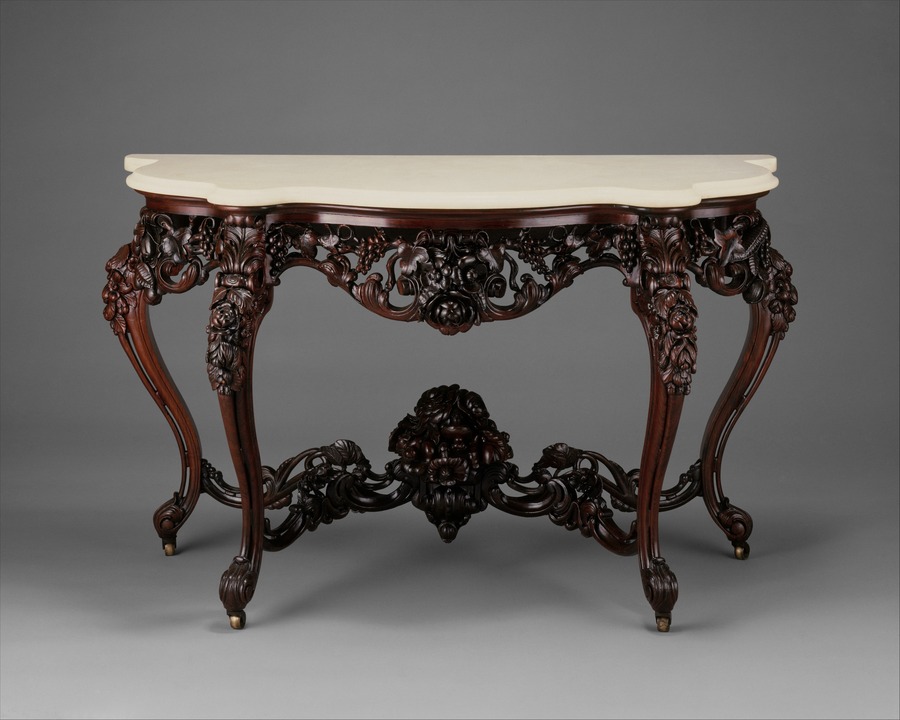
Lastly, some antique furniture is fast, provided it‘s the right size for the space and style. Small Georgian side tables, Arts and Crafts stools, and mid-century teak cabinets may easily beat heavy wardrobes and fancy bedroom suites costly to move. The French and British furniture traditions are both referenced by the Louvre and The Met, and learning about them makes it easier to tell a latter-day knockoff from one built in the 1800s.
Table: Key Characteristics of Antiques That Sell Fast
| Category | High-demand periods | What buyers check first | Why it sells fast |
|---|---|---|---|
| Jewelry (gold, silver, gems) | Georgian, Victorian, Edwardian, Art Deco | Hallmarks, stone condition, weight, maker | Wearable, easy shipping, strong comps |
| Ceramics & porcelain | 18th–19th c. Europe; Meiji/Taishō Japan; Qing/Republic China | Marks, glaze, chips/restoration | Global collector base, museum-referenced styles |
| Silver & vertu | Georgian–Edwardian; Art Deco | Maker’s marks, dents, monograms | Recognized standards, bullion floor, giftability |
| Prints, posters, works on paper | 19th–20th c. | Edition, signature, condition, framing | Affordable entry point, easy to ship |
| Small furniture | Georgian, Arts & Crafts, Mid-century | Joinery, veneers, dimensions | Functional, fits modern homes |
3) The Fast-Sale Formula: Authenticity, Condition, and Provenance
The first hurdle is authenticity. The most collectible and easiest items to sell fast usually are the ones which can be easily dated or identified (based on maker’s marks, construction, pattern) as original antique. In ceramics, this could be manufacturer‘s marks (like the English registry numbers) or regional characteristics; silver bears a Hallmark system; furniture will show joinery and tool marks. The collection databases at the Met, the V&A or the Louvre are excellent for visual comparison and nomenclature.
The second door is condition, and buyers are rarely romantic in these situations. It‘s okay even expected if a piece shows some age-related wear and tear, but if there are major repairs, missing pieces or a broken structure, it will likely sell slower and with less trust. Institutions adhere to conservation methods emphasizing reversibility and documentation. Private buyers prefer to do the same, as hidden repairs can be costly to undo.
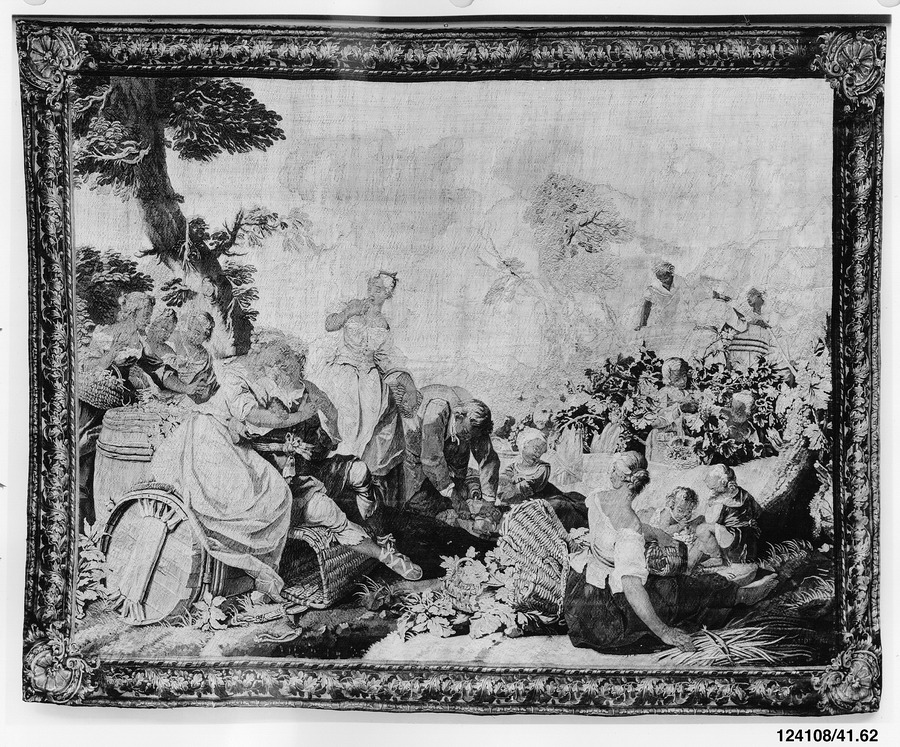
Provenance is the third gate, and it doesn’t need to be dramatic to be effective. A simple paper trail—old receipts, estate notes, or a documented collection—can speed decisions. The Met’s curatorial approach illustrates why: credible object histories support attribution and context, which in turn supports value. Even a brief, honest ownership note can separate your listing from dozens of similar items.
4) How to Price and Present Antiques for a Quick Sale
Pricing for speed is about pricing to your real marketplace. If you‘re selling through dealer networks or classified ads, make your decision based on sales data, not asking prices. Buyers are driven by price and when they‘re presented with market value based on comparable sales, high-resolution photos and precise measurements, things happen faster. Too high a price means someone is going to want to negotiate, and that slows down the sale.
Visuals have to be museum-standard: neutral lighting, clear close-ups of marks, scale references. Use precise period jargon (Edwardian, Aesthetic movement, Meiji period) only if and where supported by features and marks. As you can see from the V&A’s cataloguing standards, accurately identifying objects isn‘t stylistic flair, it is how trust is established in the object market.
Use authoritative language, not hype. A useful guideline from the auction world is simple: state what you know, show what you see, and avoid what you can’t prove. As the Smithsonian’s collections stewardship ethos reflects, careful documentation and transparency protect both the object and the public’s understanding—exactly what your buyer wants when purchasing quickly.
5) Red Flags That Slow Sales (and How to Avoid Them)
Reproductions and “revivals” are not inherently bad, but they must be labeled correctly. Many fast-sale categories—Art Nouveau jewelry, Chinese export porcelain, mid-century furniture—are heavily reproduced. Misattribution triggers returns, disputes, or negative reviews, which can damage a seller’s ability to move inventory quickly.
Vague listings also slow sales. Phrases like “possibly antique” or “I don’t know much about it” raise buyer uncertainty, especially at higher price points. Instead, provide concrete facts: dimensions, weight, material tests (when appropriate), marks, and clear condition notes. Even when the maker is unknown, you can still describe construction and stylistic indicators responsibly.
Finally, poor shipping plans kill deals. Fast-selling antiques are often those that ship safely and affordably—another reason jewelry, silver, and works on paper outperform oversized furniture. Offer professional packing, insurance, and realistic dispatch times. Buyers pay quickly when they believe the object will arrive intact.
“The first duty of the museum is to preserve the objects in its custody.” — The Metropolitan Museum of Art, collections and conservation mission statements emphasize preservation and documentation (see The Met’s official site and conservation department resources).
“Conservation is the means by which cultural heritage is preserved for the future.” — Victoria and Albert Museum, conservation and collections-care guidance (see V&A collections and conservation resources).
These institutional perspectives reinforce what the market already knows: objects with intact materials, responsible care, and clear documentation are easier to buy—and therefore sell faster.
Frequently Asked Questions
1) What antiques sell the fastest online?
Jewelry (especially Victorian/Art Deco), sterling silver items with clear hallmarks, small ceramics with identifiable marks, and prints/posters generally sell fastest because they’re easy to ship and easy to compare against sold listings.
2) Do museum references actually help my sale?
Yes—using museum collection databases (Met, V&A, Louvre, Smithsonian) helps you describe style and materials accurately. Buyers move faster when your terminology aligns with established references.
3) Is restoration always bad for fast sales?
Not always, but undisclosed or heavy restoration slows sales. Light, well-documented conservation can be acceptable. The key is transparency and quality.
4) Which historical periods are most “liquid” right now?
Victorian and Edwardian jewelry, Art Deco decorative arts, and Mid-Century Modern design tend to have broad, active buyer bases. Liquidity varies by region and platform.
5) How can I tell if something is a reproduction?
Look for inconsistent wear, modern screws/glues, incorrect marks, or styles that mix periods. Cross-check with museum examples and, for higher-value objects, consult a qualified appraiser or specialist.
Antiques that sell fast share a simple profile: recognizable period or maker, verifiable details, good condition, and a buyer community already hunting for them. Ground your listing in evidence—marks, measurements, provenance, and clear photography—using reputable references like the Met, V&A, Louvre, and Smithsonian to support accurate descriptions. When uncertainty drops, buyer confidence rises—and speed follows.
AI Notice: Some visual content in this article may have been created or enhanced using artificial intelligence (AI) for artistic, editorial or illustrative purposes. Learn more about our approach in our AI & Editorial Principles.