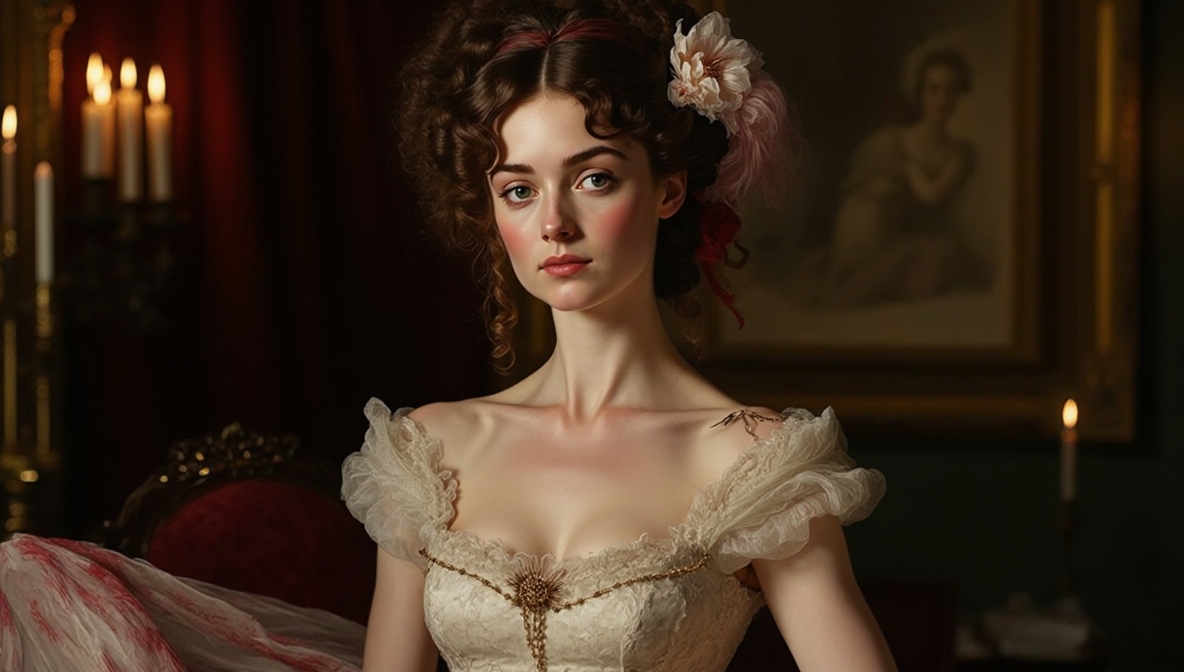
Romanticism clothes are having a quiet comeback, and it’s more than just wearing ruffles and lace. Many people feel that modern style is too hard, minimal, and fast. Romantic fashion offers the opposite: softness, nostalgia, and emotion. If you want your clothes to feel more like a story than a uniform, this style can reshape how you get dressed every day.
This guide explains what romanticism clothes are, how to wear them in real life, and how to balance beauty with comfort and practicality. You’ll learn simple steps to add romantic details to your wardrobe without feeling like you’re in a costume or spending a fortune.
What Is Romanticism Clothing?
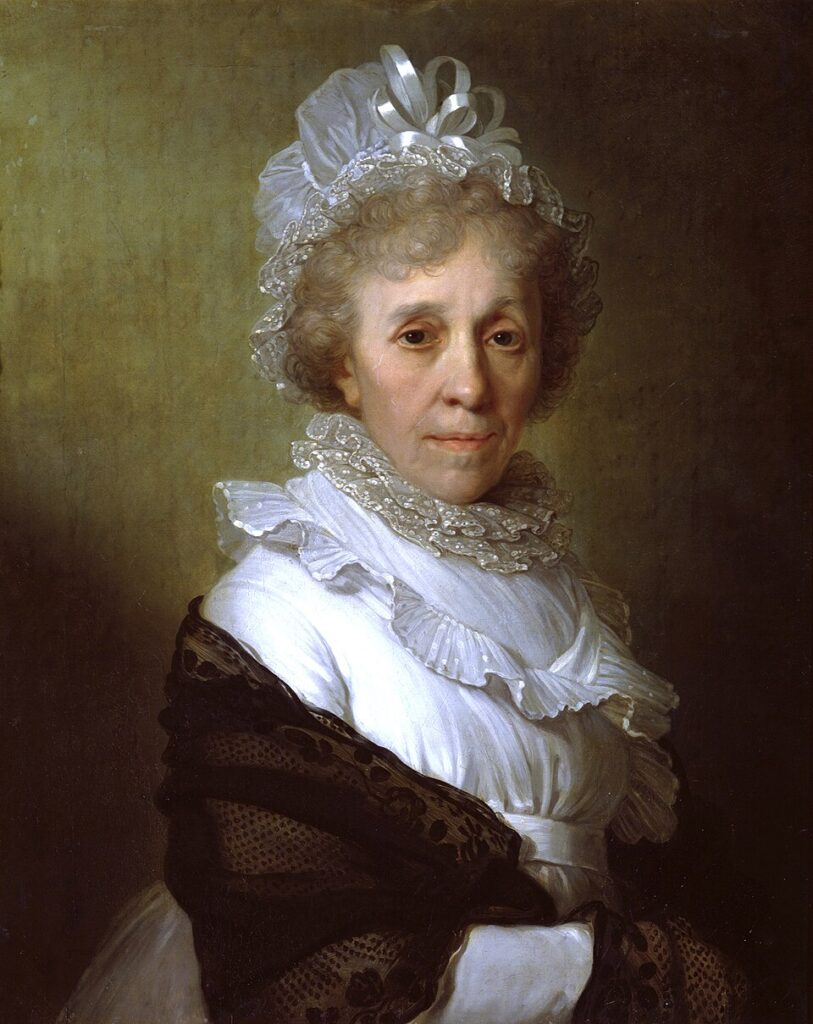
Romanticism in fashion is inspired by the Romantic era of the late 18th and early 19th centuries. Painters, poets, and composers from that time focused on emotion, nature, individuality, and dreams. Clothes reflected that mood with flowing shapes, soft fabrics, and historical details.
Today, “romanticism clothes” usually means:
- Soft, flowing silhouettes instead of sharp lines
- Delicate fabrics like chiffon, voile, soft cotton, or silk
- Details such as ruffles, gathers, lace, and pleats
- Historical touches like puff sleeves, corset-style tops, and long skirts
- Nature‑inspired colors and patterns: florals, leaves, sky tones, pastels
What this means for people is simple: if minimal, sporty, or streetwear looks don’t fully feel like you, romantic fashion gives you a different “language” to express yourself—gentle, nostalgic, and emotional rather than strictly modern.
Core Elements of Romantic Style (And How To Wear Them Daily)
Romantic fashion looks dramatic in editorials, but you can break it down into simple building blocks.
1. Soft Silhouettes
Instead of tight or very structured shapes, romantic clothes often skim or float around the body.
Common silhouettes include:
- A‑line skirts and dresses
- Empire waistlines (seam under the bust)
- Midi and maxi lengths
- Blouses with volume in the sleeves, not the shoulders
How to wear this every day:
- Swap skinny jeans for straight or wide‑leg trousers with a soft drape.
- Choose a midi skirt with an elastic waist and pair with a simple T‑shirt.
- Pick one flowy piece per outfit and keep the rest simple to avoid feeling “too much.”
2. Romantic Fabrics
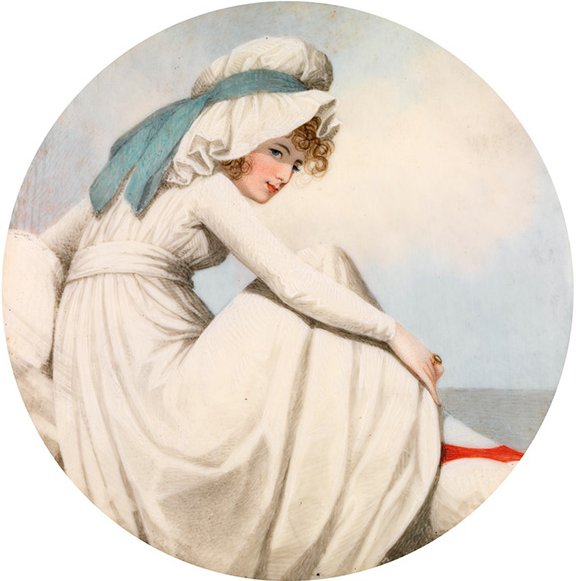
The fabric does half the work. Even a basic cut can look romantic in the right material.
Look for:
- Lightweight cotton, linen, or viscose
- Chiffon, georgette, or soft tulle
- Soft knits with a fine gauge rather than chunky, stiff yarns
Practical advice:
- If you have sensitive skin, check fiber content and avoid scratchy synthetics.
- For comfort and skin health, dermatology sources often suggest breathable, natural fibers like cotton to reduce irritation and sweating, which can aggravate skin conditions.
- If you’re concerned about allergies or eczema, consider information from organizations such as the American Academy of Dermatology or CDC guidelines on skin irritation when choosing fabrics.
Romantic Details: Ruffles, Lace, And Beyond
Romantic clothing is often defined by the details. You don’t need a full period-style dress; one or two elements are enough.
1. Ruffles, Frills, And Pleats
These add movement and softness.
Ways to add them:
- A blouse with a ruffled collar or cuffs
- A skirt with a ruffled hem
- A dress with a pleated skirt but simple top
What this means for you:
- Place volume where you want attention: ruffled cuffs highlight hands; a ruffled neckline draws the eye to the face.
- If you’re petite or prefer a sleek look, choose small, flat ruffles rather than large, layered ones.
2. Lace And Embroidery
These details instantly romanticize even basic shapes.
Simple uses:
- A cotton blouse with lace trim
- A cardigan with subtle embroidered flowers
- A camisole with lace at the neckline under a blazer
When to be concerned:
- Some lace and trims are made from rough synthetics that can irritate the skin. If you experience redness, itching, or dermatitis, the World Health Organization and other health authorities advise limiting prolonged contact with irritating textiles and seeing a health professional if symptoms persist.
- Avoid scratchy lace at pressure points (underarms, waistbands, collars). Line those areas with soft fabric or choose better-quality pieces.
Colors And Prints For A Romantic Wardrobe
You don’t have to wear only pastels, but color is key to a romantic mood.
1. Romantic Color Palette
Common romantic colors:
- Soft neutrals: cream, ivory, beige, dove gray
- Pastels: blush pink, lavender, powder blue, mint
- Nature tones: moss green, sky blue, dusty rose, soft brown
Daily styling tips:
- Start with one romantic color in a familiar piece (e.g., dusty rose T‑shirt with jeans).
- Use neutrals to ground the look: cream blouse + black trousers feels romantic but still office‑ready.
- If you love dark colors, choose deep, muted shades like burgundy, forest green, or midnight blue instead of harsh black head‑to‑toe.
2. Prints With A Story
Romantic prints feel organic, not geometric.
Try:
- Florals (tiny ditsy prints or loose painterly ones)
- Toile‑inspired scenes, subtle stripes, or delicate dots
- Botanical or nature drawings
What to do if prints overwhelm you:
- Keep prints small and low-contrast (e.g., white flowers on light blue).
- Wear prints only on one item—like a skirt—paired with plain pieces.
- Use printed accessories first: a scarf, headband, or hair ribbon.
Romanticism Clothes For Different Body Types
Romantic fashion can work for any body, but volume and placement matter.
Balancing Volume
To avoid drowning in fabric:
- Pair a loose, ruffled top with slim or straight bottoms.
- Wear a full skirt with a fitted or tucked‑in top to define your waist.
- Use belts to shape flowy dresses if you want more structure.
Highlighting Your Favorite Features
Think in terms of focus:
- Love your shoulders? Try off‑the‑shoulder or square‑neck tops.
- Prefer to highlight your face? Choose romantic collars, bows, or earrings.
- Want a longer leg line? Midi skirts that hit mid‑calf and shoes close to your skin tone can visually lengthen the legs.
When to be concerned:
- If clothing feels restrictive around your ribs, waist, or chest (for example, tight corset-inspired tops), pay attention to discomfort. Health organizations like the WHO and major clinical guidelines emphasize that garments that interfere with natural breathing or circulation should be avoided.
- If you feel light‑headed, short of breath, or have marks and pain from tight clothing, loosen or remove the item and choose softer, more flexible garments.
Romantic Style And Comfort: Health And Practical Considerations
Romantic clothes can be comfortable, but you need to be realistic about daily life, mobility, and climate.
1. Mobility And Posture
Very long skirts, restrictive bodices, or heavy embellishment might affect how you move.
Practical advice:
- Test walking up stairs, sitting, and reaching overhead before committing to a piece.
- Avoid extremely tight corset‑style tops for long periods; they can affect posture, breathing, and even digestion if overused. Clinical sources and historical research on corsetry note that prolonged compression can contribute to discomfort and musculoskeletal strain.
- If you work at a desk, make sure sleeves and ruffles don’t constantly catch on equipment.
2. Temperature And Skin Health
Layers, lace, and synthetic linings can trap heat.
What to keep in mind:
- In hot weather, prioritize breathable fabrics (cotton, linen, lightweight viscose). Public health agencies such as the CDC stress the importance of light, breathable clothing to avoid overheating.
- If you sweat a lot, change damp clothes quickly to reduce the risk of skin irritation or fungal infections, especially in humid climates.
- If a garment causes itching, rashes, or strong synthetic odor, wash it before wearing or avoid it. If symptoms persist, consult a healthcare professional.
Simple Ways To Add Romanticism To Your Everyday Outfits
You don’t have to start from zero. Build slowly on what you already own.
Step 1: Start With One Romantic Piece
Add just one item at a time:
- A blouse with puff sleeves
- A floral midi skirt
- A lace‑trim camisole under a cardigan
- A soft, bow‑tied hair ribbon
Wear it with your existing basics: jeans, plain trousers, simple sneakers or loafers.
Step 2: Build A Mini Romantic Capsule
Once you know what you like, create a small set of mix‑and‑match items:
- 1–2 romantic blouses
- 1 soft skirt or dress
- 1 cardigan or light knit with delicate detail
- 1–2 accessories (scarf, earrings, hair bow, or vintage‑style bag)
Focus on a cohesive color palette so everything works together.
Step 3: Balance Romance With Modern Pieces
To keep things wearable and current:
- Pair a romantic blouse with tailored trousers and loafers.
- Wear a long, flowy dress with a clean, minimal jacket (like a denim or leather jacket).
- Mix romantic tops with sneakers or simple sandals for a casual day look.
When Romantic Style Might Not Fit The Situation
Romantic clothing is expressive, but sometimes you need to adjust.
Be cautious when:
- Your workplace has a strict or formal dress code. Opt for subtle touches: a ruffled collar, delicate jewelry, or soft colors instead of full ruffles and long skirts.
- You’re in environments where long, loose clothing is a safety hazard (labs, factories, kitchens). Follow safety rules first—tie back loose sleeves and avoid trailing hems. Occupational guidelines, including those referenced by WHO and national health agencies, prioritize fitted, safe clothing in such settings.
- Weather is extreme. Heavy layers in heat or thin, airy fabrics in cold can harm your comfort and health.
In these cases, use small romantic elements rather than full outfits.
Let Romanticism Transform, Not Control, Your Style
Romanticism clothes are about more than lace and puff sleeves. At their core, they bring emotion, softness, and a sense of story into what you wear every day.You can take away the condition of practicality and make a wardrobe that becomes subtly expressive by concentrating on soft silhouettes, intelligent use of fabric, and a handful of carefully selected details.
So the advice: go slow. Introducing one more romantic item, see how that goes, and then introduce more with respect to your body, your feeling of well-being, and your everyday life. With awareness of the familiar your body, your life, your world romantic dress can be a beautiful, wearable part of your life.
AI Notice: Some visual content in this article may have been created or enhanced using artificial intelligence (AI) for artistic, editorial or illustrative purposes. Learn more about our approach in our AI & Editorial Principles.