
Console table ideas that elevate every corner of your home
A well-chosen console table has a quiet kind of glamour: it doesn’t dominate a room, yet it can transform an entry, a hallway or an overlooked corner into something considered. This guide explores console table ideas that balance function with refinement—pieces that frame art, anchor lighting and create rhythm in your home rather than simply filling space.
Each section highlights a style or standout design direction, from sculptural stone to whisper-thin metal frames. The focus is on craftsmanship, proportion and materials that age gracefully—consoles you could live with for decades, not merely seasons. Thoughtful styling tips help you translate these ideas into your own rooms, whether your taste leans classic, contemporary or quietly eclectic. Consider this a curated walk-through of consoles that lend elegance, depth and a sense of completion to every corner they touch.
Slender marble consoles for gallery-like hallways
Can You Name the Masterpiece?
Ten masterpieces. Ten questions. How well do you know the history of art?
A slim marble console instantly gives a corridor or entry the gravitas of a small gallery. Look for narrow, finely honed tops in Calacatta, Arabescato or Nero Marquina, paired with a discreet metal base. The cool weight of stone feels luxurious, while veining adds subtle drama without visual bulk.

These pieces shine in long hallways, under a statement mirror or above a low dado rail. Minimalists and art collectors will appreciate how marble consoles recede just enough to let artwork, sculpture or an oversized vase take center stage.
Styling Tip
Keep the top edited: one sculptural lamp, a single vessel with branches and a favourite book stack is often enough. Let negative space do part of the talking.
Warm wood consoles with crafted joinery
Can You Guess the Artist?
Three clues. One artist. How quickly can you identify the painter?
A well-made timber console introduces warmth and tactility, especially in living rooms and bedrooms. Seek out solid oak, walnut or ash with visible joinery—through tenons, dovetails or beautifully detailed edges. These quiet details signal craftsmanship and longevity.

Softly rounded corners, tapered legs and a matte, hand-rubbed finish bring a mid‑century ease that never dates. Wood consoles work particularly well beneath a large artwork or television, visually grounding a wall. Those who love understated luxury and natural materials will gravitate to these pieces.
Collector’s Insight
Designers prize consoles where the underside and back are as carefully finished as the front: it’s a reliable indicator of quality and a piece meant to live for generations.
Sculptural consoles as functional art
Some consoles read almost as sculpture: think asymmetrical stone blocks, curved plinth bases or ribbon-like metal forms. These are statement pieces best used where they can be appreciated in the round—an open-plan living space, a wide landing or the end of a vista.

The magic lies in balance: strong geometry paired with a restrained palette—plaster, limestone, patinated bronze. They appeal to design-forward homeowners who see furniture as collectible art rather than mere utility.
Why We Love It
A sculptural console can quietly correct awkward architecture, drawing the eye away from a door alignment or off-center window, and giving the room a deliberate focal point.
Console desks for elegant small-space work zones
The console-as-desk is ideal for city apartments or bedrooms where a full office setup would feel intrusive. Look for slightly deeper tops (around 45–55 cm) with a single slim drawer or discreet cable management.

In pale woods, lacquer or leather-wrapped finishes, these pieces read as refined consoles first, workstations second. Paired with a beautiful chair, they suit anyone who works from home occasionally but refuses to let technical clutter dominate.
Design Inspiration
Float a console desk beneath a window, with a narrow bench that tucks completely underneath. By evening, it transforms into a drinks station or a place for flowers and candles.
Mirrored and high-gloss consoles for glamorous entries
Mirrored or lacquered consoles are the quickest way to inject a touch of old-Hollywood glamour into a foyer. Think bevelled mirror panels, smoked glass or piano-gloss lacquer in deep navy, ivory or charcoal. The reflective surfaces bounce light beautifully in spaces that might otherwise feel flat.

These consoles pair well with statement lamps, crystal or silver accessories and bold floral arrangements. They are perfect for those who enjoy a little drama and aren’t afraid of a polished, dressed feel.
Styling Tip
Balance shine with texture: add a linen-shaded lamp, a stack of cloth-bound books or a rough ceramic vessel to keep the look sophisticated, not showy.
Minimal metal frames for contemporary calm
Ultra-slim metal consoles—powder-coated steel, bronze or brushed nickel—offer a beautifully quiet presence. Their linear frames and thin tops (stone, timber or glass) suit contemporary or transitional interiors where you want function without visual heaviness.
These are ideal behind sofas, in narrow entryways or under low windows. Design purists and lovers of modern architecture appreciate the disciplined simplicity and the way these pieces visually “float” against a wall.

Key Takeaway
When choosing metal, focus on tone. Soft bronze and brushed brass read warmer and more forgiving than bright chrome, especially under evening lighting.
Vintage and antique consoles with soul
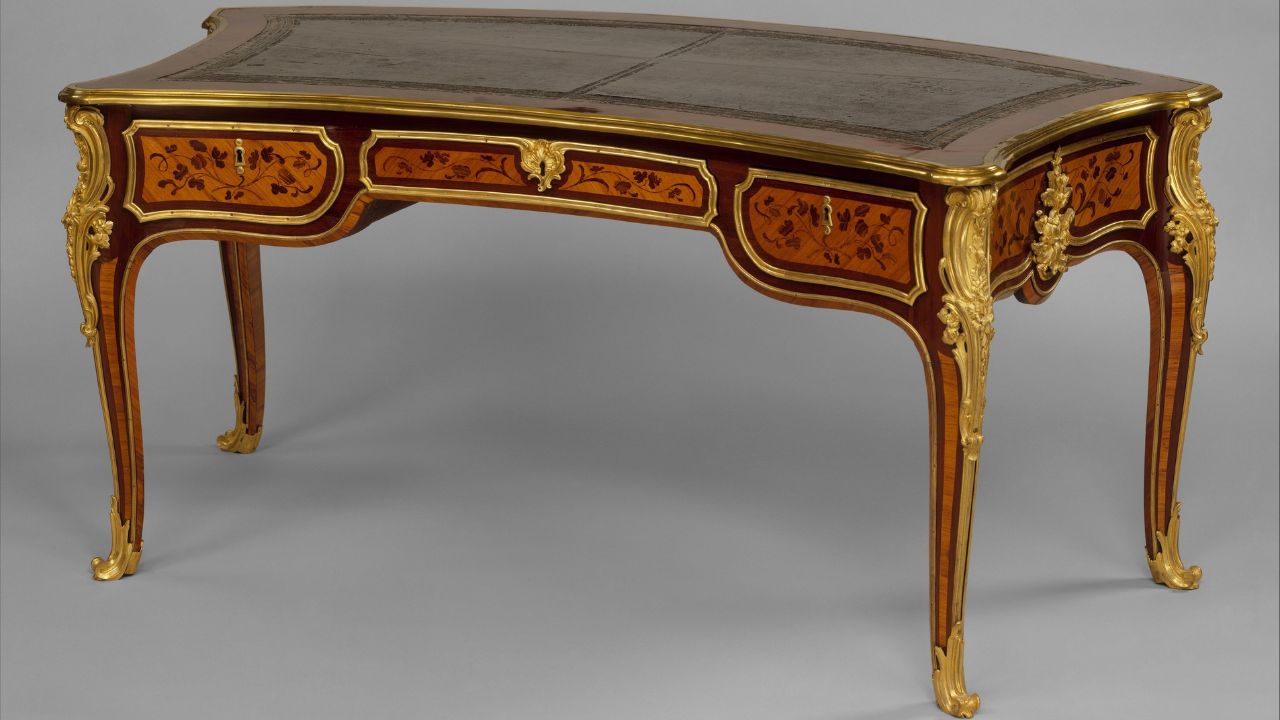
Antique demi-lunes, Louis-style consoles and Italian giltwood pieces bring patina and narrative to a room. Expect hand-carved details, aged marble tops and finishes that show the gentle wear of time. These consoles lend instant gravitas to otherwise new-build spaces.
They work beautifully in dining rooms, under classical mirrors or in formal entries. Collectors and romantics will appreciate their irregularities and the way they soften an overly polished interior.

Editor’s Choice
If budget allows, let at least one console in your home be vintage or antique. Its imperfections will make everything around it feel more layered and intentional.
Hidden-storage consoles for discreet order
For family homes or compact apartments, consoles with integrated storage—drawers, drop-down fronts or slim cabinets—earn their place. Look for well-fitted doors, neatly aligned hardware and interiors as refined as the exterior.
In an entry, they swallow keys and mail; in a living room, they hide remotes and chargers. Minimalists and tidy aesthetes will value how these consoles keep surfaces clear while maintaining a clean, architectural silhouette.
Buying Guidance
Check that drawers glide smoothly, doors close flush and hinges are concealed. Good hardware is a prime indicator of overall quality.
Stone and travertine consoles for quiet luxury
Travertine and limestone consoles bring an almost architectural calm. Their soft, honed surfaces and subtle porosity feel particularly at home in sunlit spaces or against linen-draped windows.
Blocky monolithic forms suit modern interiors, while lighter, more delicate bases can work in transitional rooms. Those who love the “quiet luxury” aesthetic will appreciate how these pieces whisper rather than shout, yet set an unmistakably elevated tone.
Why We Love It
Natural stone improves with age: small marks and variations simply add to the lived-in, gallery-like atmosphere.
A console table is less about filling an empty wall and more about drawing a line of intention through your home. Whether you’re drawn to marble minimalism, crafted timber, sculptural statements or storied antiques, the best consoles feel proportionate, well made and quietly aligned with how you actually live.
Use the ideas above as a framework, not a formula: notice which materials you’re consistently attracted to, how much storage you genuinely need and where a strong focal point could elevate an overlooked corner. When you choose consoles that reflect your own rhythm and taste rather than the latest trend, they become the pieces that make every arrival, every passing glance, feel just a little more considered.
References
- Victoria and Albert Museum – Furniture Collection
- The Metropolitan Museum of Art – European Furniture, 1400–1800
- Cooper Hewitt, Smithsonian Design Museum – Product Design and Decorative Arts
- Harvard Graduate School of Design – Materials Collection
AI Notice: Some visual content in this article may have been created or enhanced using artificial intelligence (AI) for artistic, editorial or illustrative purposes. Learn more about our approach in our AI & Editorial Principles.