SourcesThe Musée National Picasso-Paris has shortlisted five architecture and landscape-design teams for a major transformation of its historic site in the Marais. The project, known as Picasso 2030, will create a public sculpture garden featuring around ten major Picasso bronzes, a new 800-square-metre exhibition space and redesigned visitor facilities. The winner is expected to be selected in January 2027, with the completed project planned for 2030.
Five Teams Have Been Selected
The Musée National Picasso-Paris has revealed the five teams competing to redesign the grounds of the historic Hôtel Salé in Paris.
The shortlisted teams are:
- Antoine Dufour and Wagon Landscaping
- Lina Ghotmeh, Pierre-Antoine Gatier and Florence Mercier Paysagiste
- NeM Niney et Marca Architectes and Atelier Jacqueline Osty & Associés
- Stanton Williams, Atelier PNG and Vogt, with Francesca Torzo
- Drubigny Architecte and Sarah Price Landscapes
The international competition attracted 156 applications, according to the museum and French press reports.
An international jury will select the winning team in January 2027.
The project is scheduled to begin in 2028, with the museum expected to remain open during the works, and completion planned for the end of 2030.
A New Sculpture Garden for Paris
At the heart of the project is a new public garden dedicated to Picasso’s sculpture.
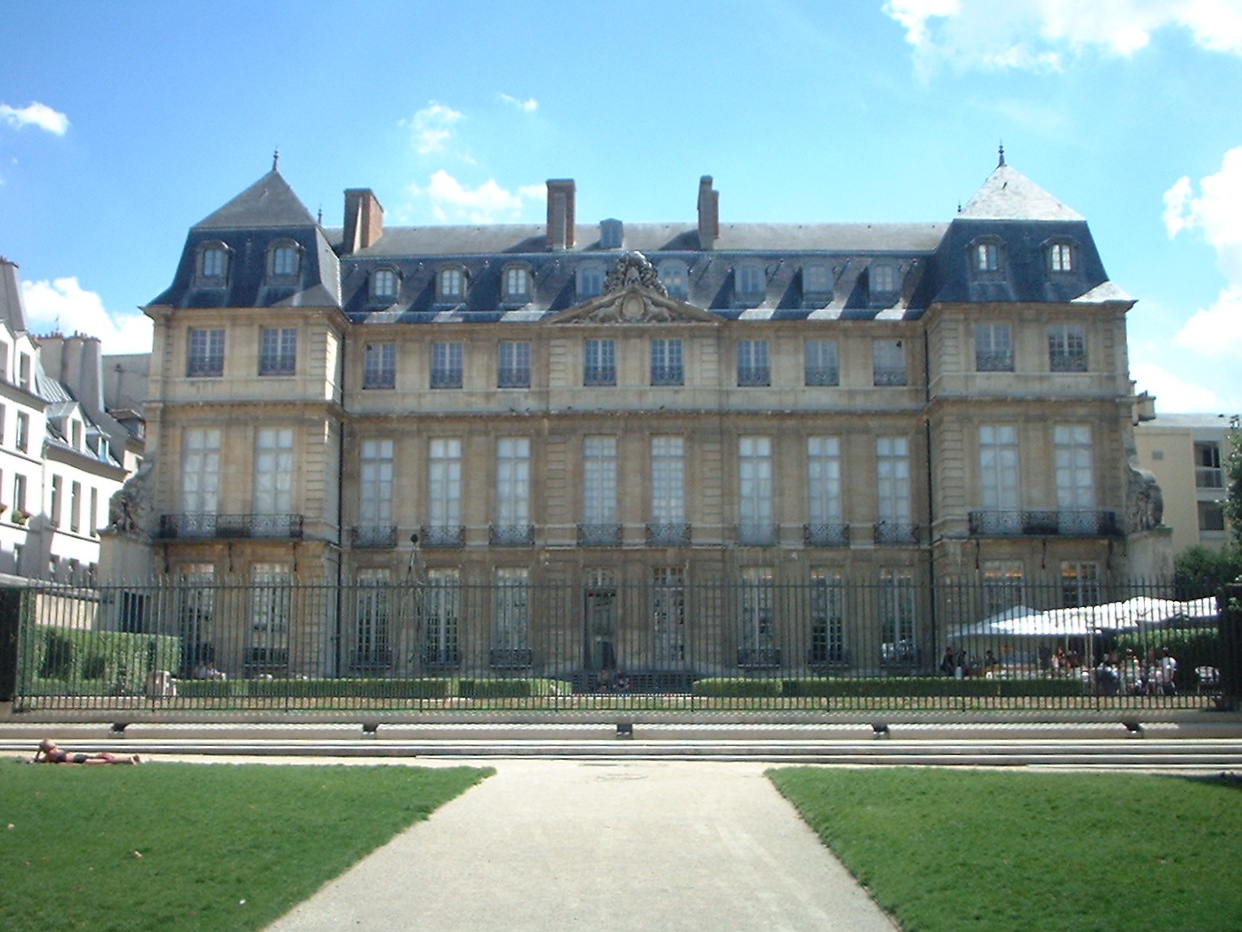
The museum plans to bring together the existing garden and the neighbouring square, recreating the site’s original 17th-century footprint while introducing a contemporary landscape.
Around ten major Picasso bronzes are expected to be displayed throughout the garden.

The museum describes the future space as a combination of historical references, contemporary landscape design and a more welcoming public garden.
The design will also have to respond to modern environmental requirements, including climate, energy, security and visitor access.
The result is intended to be more than a conventional museum garden.
It is being conceived as a destination in its own right.
Why Picasso’s Sculpture Matters
Picasso is usually associated with painting.
His Les Demoiselles d’Avignon, Guernica and Cubist experiments dominate the public image of his career.
His sculpture, however, represents an equally inventive part of his artistic practice.
Picasso frequently constructed sculptures from ordinary objects and found materials rather than relying exclusively on traditional sculptural techniques.
One famous example is La Chèvre from 1952.
Picasso incorporated everyday objects into the work, including bottles and a palm leaf, transforming familiar materials into a recognisable animal form.
For La Guenon et son petit, he used his son’s toy cars in the construction of the baboon’s face.
These works demonstrate how Picasso’s approach to sculpture was closely connected to the experimentation that defined his wider career.
A Major Change for the Marais
The Musée Picasso occupies the Hôtel Salé, a grand 17th-century hôtel particulier in Paris’s historic Marais district.
The transformation will change the relationship between the museum and its surrounding public space.
The garden will become an important part of the visitor experience, while the museum’s exhibition capacity will also increase.
A new 800-square-metre exhibition hall is planned along the corridor bordering the square.
The project also includes changes to the ground floor and basement of the Hôtel Salé.
These areas will be reorganised to accommodate facilities including a bookstore, café or tea room, visitor services, educational spaces and areas for meetings and projections.
The aim is to make the museum function more effectively as an international cultural institution while preserving the character of the historic building.
The Project Has an Unusual Financial Model
The scale of the transformation has required an unusual approach to financing.
The museum’s official project documentation currently estimates the overall Picasso 2030 operation at approximately €50 million.
The Art Newspaper has reported the broader project at €55 million.
A significant part of the funding comes through collaboration between the museum, the Picasso family, the City of Paris and the Don Quixote Foundation.
The museum has already raised approximately €40 million through the casting and sale of four Picasso bronzes to the Dutch foundation.
The works will subsequently become part of the Don Quixote Pavilion and Gardens at the Rijksmuseum in Amsterdam.
Picasso’s Family Agrees to New Bronze Casts
One of the most significant aspects of the project is the decision by Picasso’s family to permit new posthumous bronze casts.
According to The Art Newspaper, the family had previously resisted allowing additional posthumous bronze casts of Picasso’s sculptures.
That position changed in connection with the museum’s development project.
Four works have been cast and sold to the Don Quixote Foundation:
- La Chèvre (1952)
- La Guenon et son petit (1951)
- Tête de femme and bust (1930)
- Petite fille sautant à la corde (1950)
The decision is significant because posthumous casts have long been a sensitive issue in the market for sculpture.
Questions of authenticity, edition size and artist authorization can have a major impact on how sculptures are understood and valued.
In this case, the casts are being used as part of a major cultural project rather than simply as commercial editions.
Four More Sculptures Will Stay at the Picasso Museum
The museum itself has also commissioned four bronze casts for the future garden.
Among them is Femme au jardin (Woman in the Garden), created in 1929–30.
The approximately two-metre-high sculpture was conceived as a tribute to the poet Guillaume Apollinaire and was developed during Picasso’s engagement with Surrealist ideas.
Picasso originally intended the work for Apollinaire’s tomb.
It was rejected as too modernist and remained at Picasso’s Boisgeloup estate.
The sculpture will now become part of the museum’s future garden in Paris.
The Museum Has One of the World’s Major Picasso Collections
The project is particularly ambitious because of the scale of the collection held by the Musée National Picasso-Paris.
The museum possesses around 350 sculptures by Picasso, making it one of the most important collections of his sculptural work.
The institution also holds thousands of other works and an extensive archive connected with the artist.
Until now, however, Paris has had relatively little public presentation of Picasso’s sculpture outside museum interiors.
The Art Newspaper notes that, apart from a small sculpture of a woman’s head in the Saint-Germain-des-Prés area, Paris currently has very few Picasso sculptures displayed publicly in the city.
That makes the planned garden particularly significant.
It could change how visitors encounter Picasso’s sculpture in Paris.
Paloma Picasso Wants the Sculptures Closer to the Public
Paloma Picasso, the artist’s daughter and an administrator of the Picasso estate, has supported the project.
She has emphasised Picasso’s desire for his sculptures to be accessible to people.
The planned garden therefore responds to an idea that is closely connected with Picasso’s own approach to sculpture.
Instead of presenting the works exclusively inside galleries, the museum intends to place them within a public landscape.
That change could make the sculptures more approachable for visitors who might not normally seek out Picasso’s three-dimensional work.
It also creates a very different relationship between sculpture and architecture.
A sculpture inside a gallery is controlled by the walls around it.
A sculpture in a garden interacts with sunlight, vegetation, architecture, weather and the movement of people.
The future Picasso garden will therefore become part exhibition space and part urban landscape.
A Difficult Architectural Challenge
The five shortlisted teams face an unusually complicated task.
The project must introduce contemporary architecture and landscape design into one of Paris’s protected historic environments.
The designers must work around the 17th-century Hôtel Salé while also creating new exhibition infrastructure.
The museum wants the new exhibition wing to be technologically advanced and energy-efficient.
At the same time, the garden must provide security suitable for a major international museum.
The landscape also has to respond to the increasingly important issue of climate adaptation.
The museum’s competition brief calls for a contemporary space that can provide shade and cooling while maintaining a strong relationship with the historic character of the site.
This combination of requirements makes Picasso 2030 more complicated than simply designing a beautiful garden.
The winning team will have to reconcile history, art, architecture, landscape, climate and public access.
Five Very Different Design Approaches
The shortlist itself is interesting because it brings together architects and landscape designers from several countries.
The teams include French, British, Italian, Swiss, Lebanese and Spanish expertise.
That international composition reflects the museum’s ambition to create a project of international significance.
It also means that the final design could move beyond a traditional French museum garden.
The competition brief explicitly references the history of the French formal garden while also encouraging a more open and inclusive approach influenced by Scandinavian public gardens.
The result is expected to balance historical memory with contemporary landscape design.
Why 2030 Matters
The name Picasso 2030 reflects the target date for completion.
The project is expected to move into construction from 2028, following the selection of the winning architectural and landscape team in early 2027.
The museum intends to remain open throughout the construction period.
That will make the project particularly challenging because construction must take place within an operating museum and a historic urban neighbourhood.
The museum has said that the works will be guided by an approach focused on restraint and limiting disruption.
A dedicated dialogue with local residents has also been established around the project.
Paris Is About to See Picasso Differently
Perhaps the most important consequence of Picasso 2030 is that it could change the way Paris presents Picasso.
The artist arrived in Paris at the age of 19 and spent much of his career connected to the city.
Yet despite his enormous influence on modern art, there are surprisingly few Picasso sculptures permanently visible in the Parisian public realm.
The new garden could change that.
Instead of encountering Picasso only through paintings and museum galleries, visitors will be able to walk among his sculptures.
The works will become part of the landscape.
That creates an entirely different kind of museum experience.
The Future Garden Could Become an Attraction in Its Own Right
If successful, the new sculpture garden could become one of Paris’s most distinctive cultural spaces.
The combination of Picasso’s sculptures, the historic Hôtel Salé and contemporary landscape design offers something difficult to reproduce elsewhere.
It will not be simply a museum extension.
It will be a meeting point between art, architecture and landscape.
The project also reflects a broader change in the way museums think about their surroundings.
Museums increasingly need to offer more than galleries.
Visitors expect places to rest, eat, learn and spend time.
Gardens can become part of that experience.
In Picasso’s case, the sculpture garden also provides an opportunity to show a part of his artistic career that has historically received less public attention than his painting.
The Winner Will Be Chosen in 2027
The five shortlisted teams will now develop their proposals for the final stage of the international competition.
The winning team is expected to be announced in January or early February 2027.
Construction is planned to begin in 2028.
The museum hopes to open the completed Picasso 2030 project by the end of 2030.
For now, the most interesting question is which of the five teams will define the next chapter of the Musée National Picasso-Paris.
Whichever team wins will not simply be designing a garden.
It will be designing a new way for Paris to encounter Picasso.
And if the project succeeds, some of the artist’s most inventive sculptures may finally have the public setting they were always waiting for.
Sources:
Musée National Picasso-Paris – Picasso 2030 official project
Le Monde – Picasso 2030 financing and five finalist teams
AI Notice: Some visual content in this article may have been created or enhanced using artificial intelligence (AI) for artistic, editorial or illustrative purposes. Learn more about our approach in our AI & Editorial Principles.