Romantic Era Clothing: styles, features and cultural meaning explained
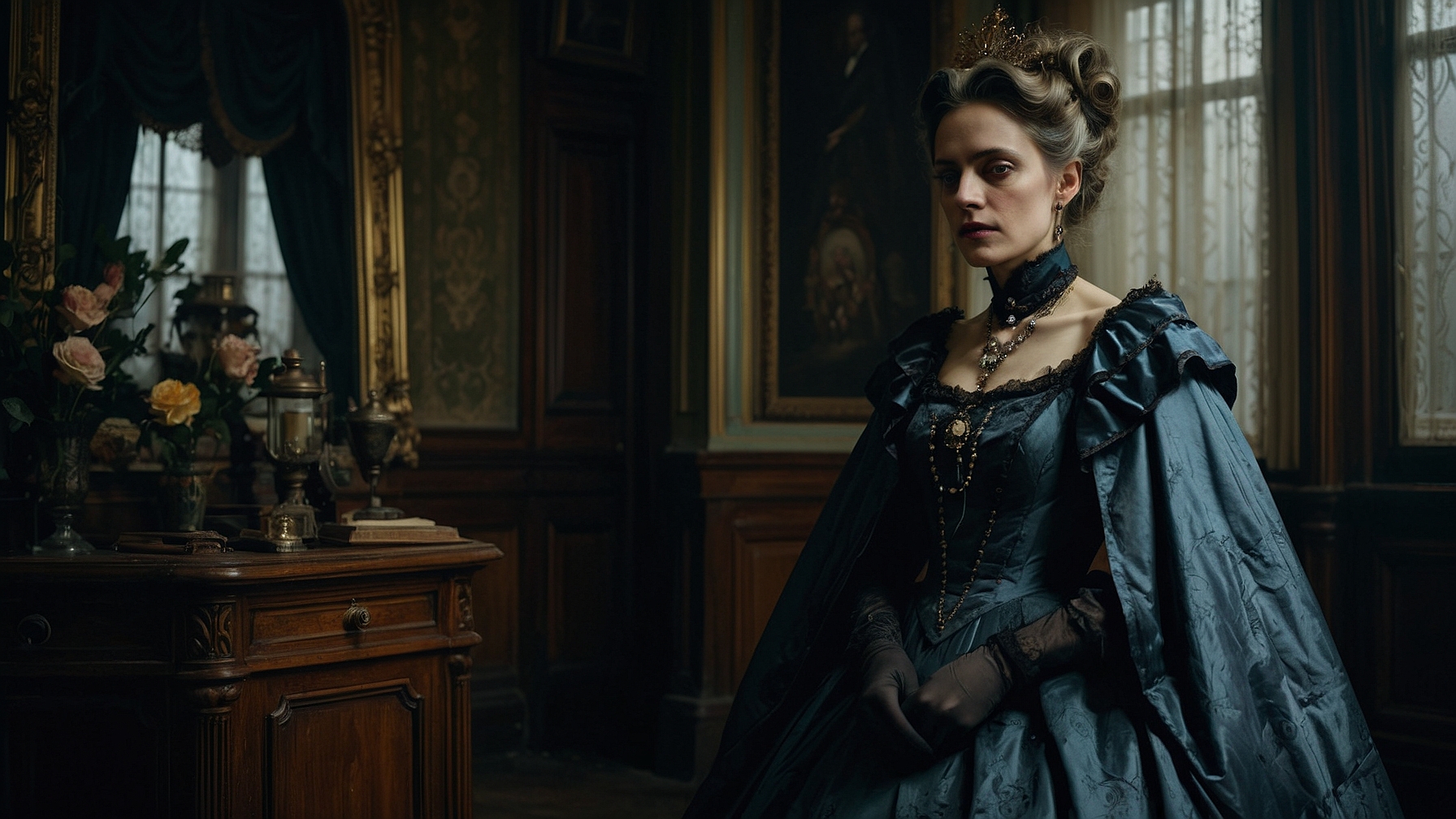
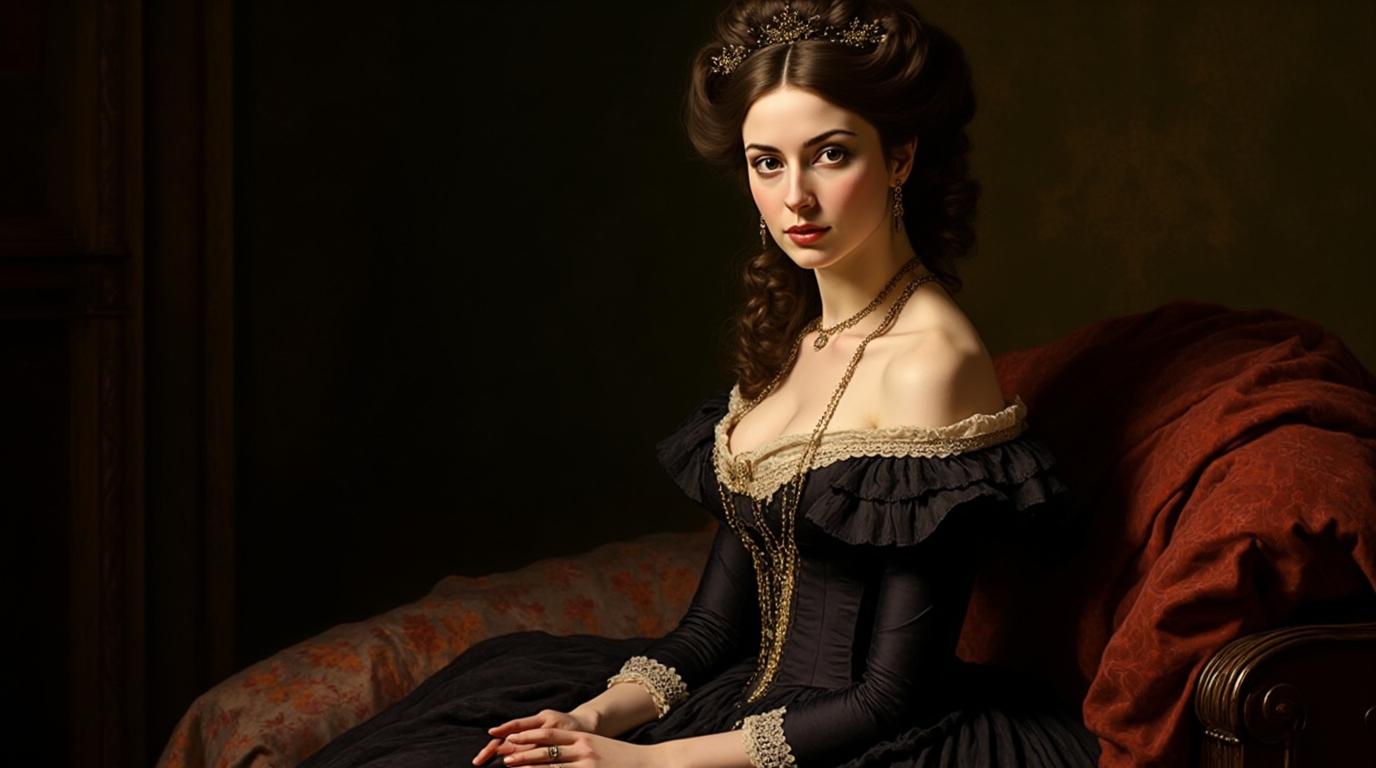
Romantic era clothing wasn’t simply a change in hemlines and sleeves—it was a visual revolution shaped by political aftershocks, industrial change, and a powerful new ideal of emotion and individualism. In the decades after the French Revolution and during the rise of modern nation-states, dress became a public language: it signaled virtue, sensibility, gender roles, and social position. From Paris to London, and from royal courts to expanding middle-class parlors, Romantic fashion embraced drama—full sleeves, cinched waists, soft fabrics, and an air of poetic intensity that still influences costume design and contemporary “romantic” style today.
What Defines Romantic Era Clothing (c. 1820–1840)
Romantic era clothing is most closely associated with Western fashion in the 1820s through the 1840s, especially in Britain and France. This period sits between the late Neoclassical “Empire” styles of the early 1800s and the later Victorian silhouettes that dominate from mid-century onward. Museums often discuss these years as the moment when the waistline drops from under the bust to the natural waist, and the body becomes more structured again through corsetry, layered petticoats, and carefully engineered sleeves.
Can You Name the Masterpiece?
Ten masterpieces. Ten questions. How well do you know the history of art?
Common to the silhouette, however, is its dramatic shaping: Wide at the shoulders and bicep, rounded at the waist, and flaring at the skirts. The “gigot” or “leg-of-mutton” sleeve one of the most well-known examples of a ballooning sleeve, in which the fabric billows out at the bicep and tapers at the forearm is a quintessential example of the Romantic dramatic. Scholarship on collections from The Metropolitan Museum of Art and V&A, for instance, suggests that these shapes were created not by a single garment, but rather by many constructed with ‘careful cutting, stiffening, and under-structures”.
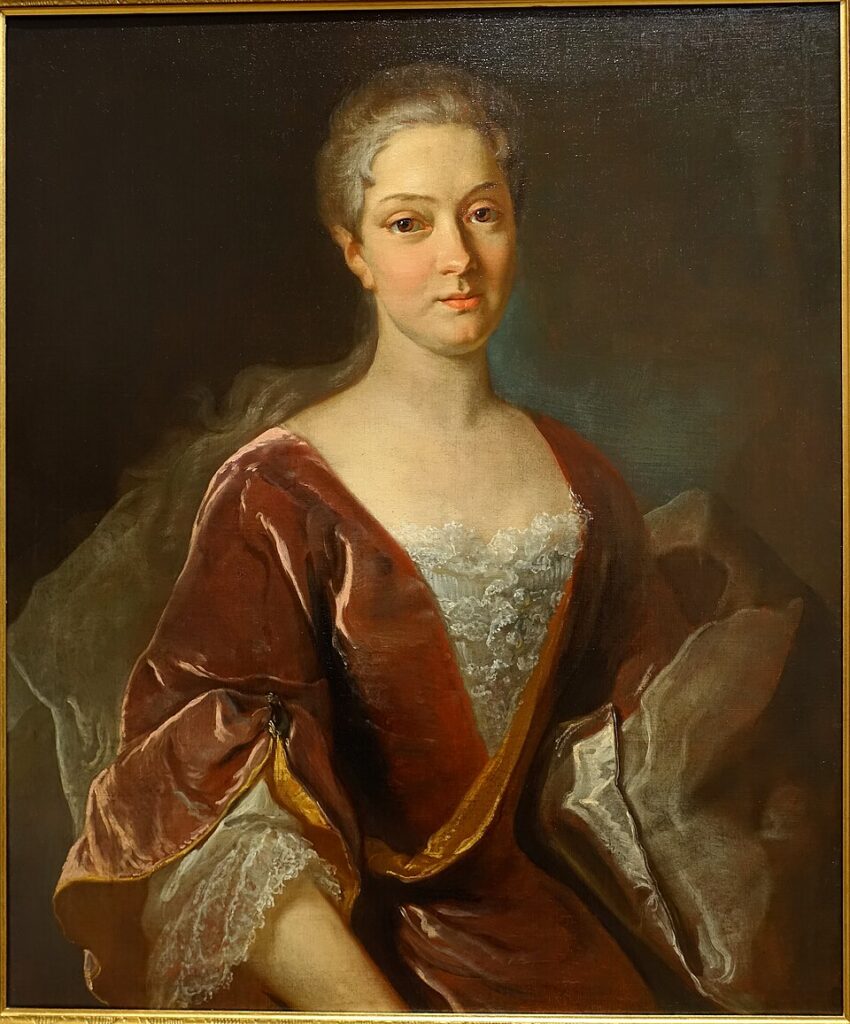
Romantic clothes embody a fascination with feeling and historical fantasy. The arts of the period poetry, painting, opera all prioritized emotion, nature and the medieval era; the fashion echoed this trend through elaborate trimming, embroidery and sculptural accessories implying longing and craft-lore. The Victoria and Albert Museum arguably the premier dress history archive describes twenty-first-century dress in the nineteenth-century as part of steady social changes in custom, manufacture and urban experience an explanation for how Romantic fashion traveled and expanded among middle-class urban dwellers.
Women’s Romantic Fashion: Silhouette, Fabrics, and Details
Women’s Romantic-era dress is defined by a pronounced natural waist, emphasized through corsets and belts, and a skirt supported by multiple petticoats. Day dresses typically featured higher necklines, long sleeves, and practical fabrics like cotton, wool, and silk blends, while evening dress favored lower necklines, short puff sleeves, and richer silks. The overall effect was controlled opulence: dramatic volume paired with disciplined structure.
Can You Guess the Artist?
Three clues. One artist. How quickly can you identify the painter?
Construction was important. Sleeves could be padded, pleated or supported within; skirts provided mass through starch and multiple layers. Even at The Metropolitan Museum of Art, whose collection was primarily textiles, fashion historians show how dressmakers used patterning and handwork to produce the ” ideal” line, while facilitating movement. Romantic dress was not just decorative; it was engineered.
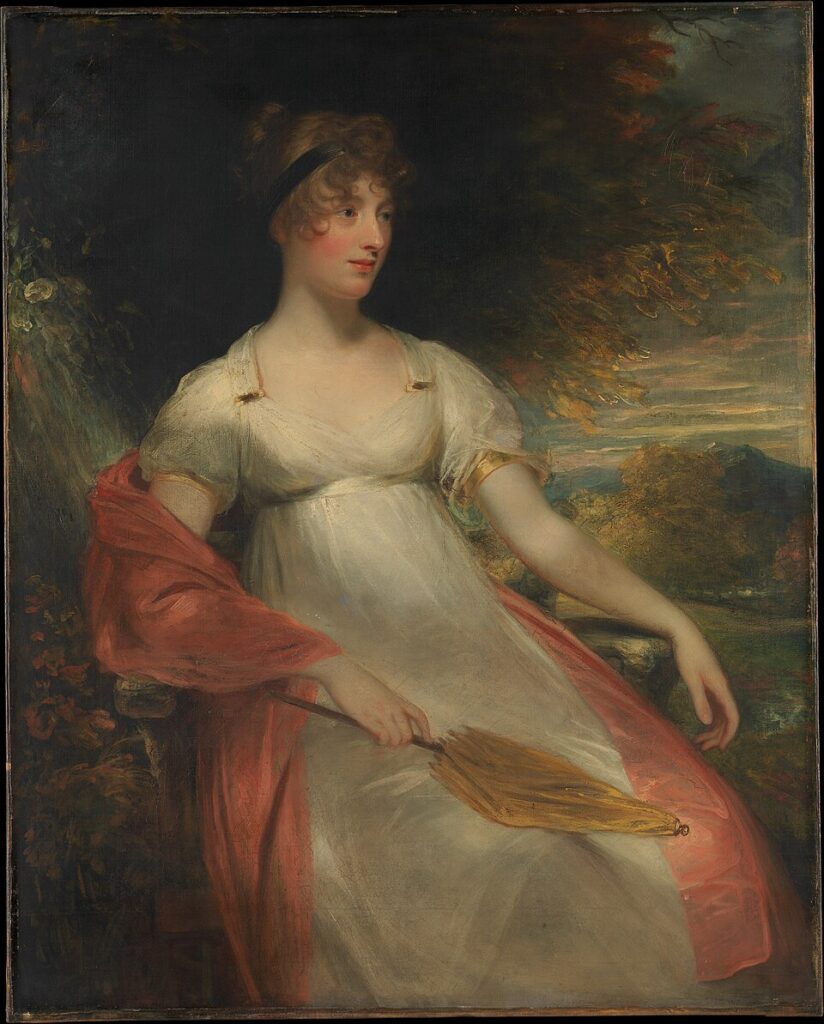
Accessories made the statement. Big bonnets signified the face, could be extravagantly decorated with ribbons, fake flowers and lace. Shawls, particularly cashmere or cashmere-quant style “Paisley” shawls may also signified luxury goods and international trading. Context of material culture of the Louvre Museum is also relevant here: French fashion dominance in the 19th century was closely associated with advanced Parisian trade in luxury goods: from silk loom weaving production to hat making, protected by municipal workshops and the international market.
Men’s Romantic Fashion: Tailoring, Respectability, and New Masculinity
Men’s Romantic-era clothing developed an ideal of controlled refinement: broad shoulders, a defined waist, and a chest-forward posture created by tailored coats and waistcoats. The period’s coats—such as the frock coat—helped formalize the modern suit’s ancestry. Trousers continued to replace breeches as everyday wear, especially in urban centers like London and Paris, reinforcing a practical, modern silhouette.
And tailoring, while aesthetic, was also a matter of social significance. As the middle classes expanded, what you wore expressed respectability, sobriety, and a certain adherence to professionalism. Duller shades of wool and partiality to conservative patterns were the norm of day dress in the mid-19 th century, and even in dress for more formal occasions, fabrics and accessorization were generally more modest. The Smithsonian‘s collections and research show how men‘s dress in the 19 th century adapted to the time of industrial work, city living, and a new social code.
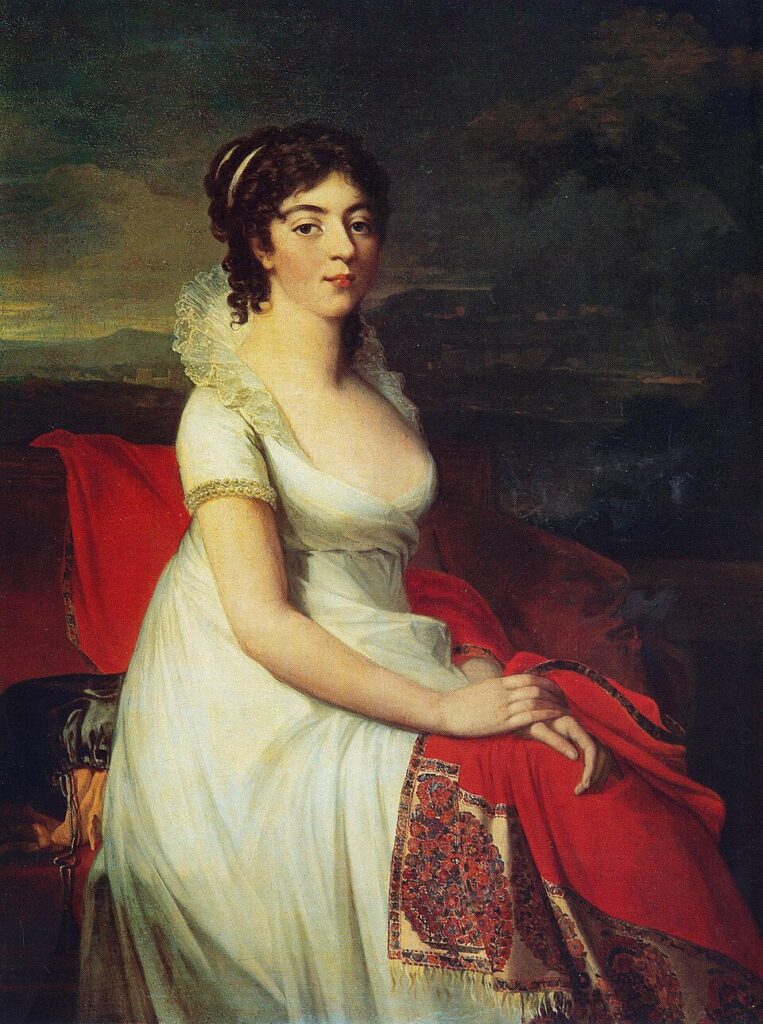
Accessories were essential to the Romantic style: cravats tied in intricate knots, bags, hats (including tall hats) and walking sticks. The portraiture and existing garments demonstrate that the male Romantic figure could be subdued or dramatic, particularly in the elaborately styled neckwear and theatrical line of the coat. Masculinity in this period was a more subtle act than women‘s fashion, but equally studied.
Social Meaning and Historical Context: From Revolution to Industry
Romantic era clothing cannot be separated from the political and economic realities of early 19th-century Europe. After the French Revolution (1789–1799) and the Napoleonic era (1799–1815), dress continued to carry ideological weight—simplicity versus display, “natural” virtues versus aristocratic excess. By the 1820s and 1830s, however, conspicuous fashion returned in force, signaling both revived court cultures and a confident bourgeois public.
Industrialization changed how clothing was made and acquired. Textile production expanded, printed cottons became more accessible, and fashion information traveled faster through magazines and engravings. The Met’s educational materials and object records frequently emphasize how fashion responds to technology and trade; Romantic fashion is a clear example of style thriving alongside modernization, not in opposition to it.
At the same time, Romantic fashion absorbed global influences. Shawls inspired by South Asian textiles, dyes and fibers moving through colonial and trade routes, and the spread of Paris- and London-led trends into North America all reveal fashion’s international dimensions. As the Smithsonian’s broad collections demonstrate, clothing history is also the history of networks—of materials, labor, and ideas—connecting households to empires.
Key Characteristics at a Glance
| Aspect | Women’s Romantic Era Clothing (c. 1820–1840) | Men’s Romantic Era Clothing (c. 1820–1840) |
|---|---|---|
| Silhouette | Natural waist; broad sleeves; full skirt via petticoats | Broad shoulders; defined waist; tailored coat line |
| Common Garments | Day dress, evening gown, corset, petticoats, shawl, bonnet | Frock coat, waistcoat, trousers, cravat, gloves, tall hat |
| Fabrics | Cotton, silk, wool; lace and ribbon trims | Wool broadcloth; linen shirts; silk waistcoats in some contexts |
| Signature Details | Gigot sleeves; decorative collars; elaborate millinery | Complex neckwear; structured tailoring; restrained color palette |
| Cultural Meaning | Sensibility, femininity, status, domestic ideals | Respectability, profession, urban modernity |
Authoritative Voices and Sources
Curators and historians consistently stress that fashion history is best understood through objects and context, not nostalgia. The Metropolitan Museum of Art captures this object-based approach succinctly: “The Costume Institute’s collection… is made up of more than thirty-five thousand costumes and accessories,” supporting study across periods and social contexts (The Met, Costume Institute). That scale matters—Romantic-era garments are interpreted alongside textiles, accessories, and visual culture, allowing scholars to reconstruct how clothing was worn and perceived.
Similar to the Fashion and Textile Museum and other galleries though, the Victoria and Albert Museum, established as one of the most significant and comprehensive sources for information on dress and textiles, institutionally presents dress as the evidence of craftsmanship, technological movements and society. This is exemplified in their Fashion and Textiles research where it is claimed that garments are primary sources that show changes in “materials, techniques and patterns of use” from afar (V&A Collections and Research materials on fashion).
Within the scope of public history more broadly, the Smithsonian Institution offers valuable historical background to understand the relevance of nineteenth-century clothing for daily life, labor and national histories, particularly in the U. S. When they arrived via the transatlantic, romantic silhouettes were interpreted and popularized locally. France holdings and scholarship, likewise, connected with Paris center of important luxury trades echo the reason the cultural ambiance of the Louvre remains important todayfor the kind of prestige economy that built European fashion hegemony.
Credible reference points (recommended for further reading):
- The Metropolitan Museum of Art (The Costume Institute; Heilbrunn Timeline of Art History)
- Victoria and Albert Museum (Fashion collection and research guides)
- Smithsonian Institution (Fashion and social history collections)
- Louvre Museum (19th-century France cultural context and decorative arts)
Frequently Asked Questions
1) What years does “Romantic era clothing” refer to?
Most fashion historians use it for the 1820s through the 1840s, when silhouettes emphasized large sleeves, a natural waist, and fuller skirts—especially in Britain and France.
2) What is the most recognizable Romantic-era garment detail?
The gigot (leg-of-mutton) sleeve is among the most recognizable, creating dramatic width at the shoulder and upper arm.
3) Did everyone dress this way, or only elites?
Trends began among elites and urban fashion leaders, but expanding textile production and fashion publishing spread simplified versions to middle-class wearers. Quality of fabric, fit, and trim often marked class differences.
4) How is Romantic fashion different from Victorian fashion?
Romantic fashion (1820–1840) highlights sleeve volume and a sculpted waist with petticoat fullness. Mid-to-late Victorian fashion later shifts emphasis toward crinolines, then bustles, with different skirt engineering and changing ideals.
5) Where can I see authentic Romantic-era clothing today?
Major holdings and exhibitions can be found through The Metropolitan Museum of Art, the Victoria and Albert Museum, and the Smithsonian, all of which provide online collection records and curatorial interpretation.
Conclusion
Romantic era clothing is best understood as a carefully constructed silhouette shaped by powerful historical forces—post-revolutionary politics, industrial change, and a cultural turn toward emotion and imagination. Through surviving garments preserved by institutions like The Met, the V&A, and the Smithsonian, we can see Romantic fashion as both art and evidence: stitched expressions of a world learning to modernize while yearning for beauty, feeling, and spectacle.
AI Notice: Some visual content in this article may have been created or enhanced using artificial intelligence (AI) for artistic, editorial or illustrative purposes. Learn more about our approach in our AI & Editorial Principles.