Victorian Era Ball Gowns: Stunning Details That Secretly Defined Wealth & Elegance
Victorian era ball gowns were not simply beautiful dresses—they were public statements of rank, wealth, morality, and modernity worn at the most scrutinized social events of the 19th century. In gaslit London ballrooms, under chandeliers in Paris, and in the grand drawing rooms of New York’s Gilded Age elite, a woman’s evening gown functioned like a carefully edited biography: its silhouette signaled the decade, its fabric revealed access to global trade, and its craftsmanship hinted at which dressmaker’s hands had shaped it. To understand these gowns is to understand how fashion, technology, and social codes moved together during one of the West’s most transformational centuries.
What Defined Victorian Era Ball Gowns?
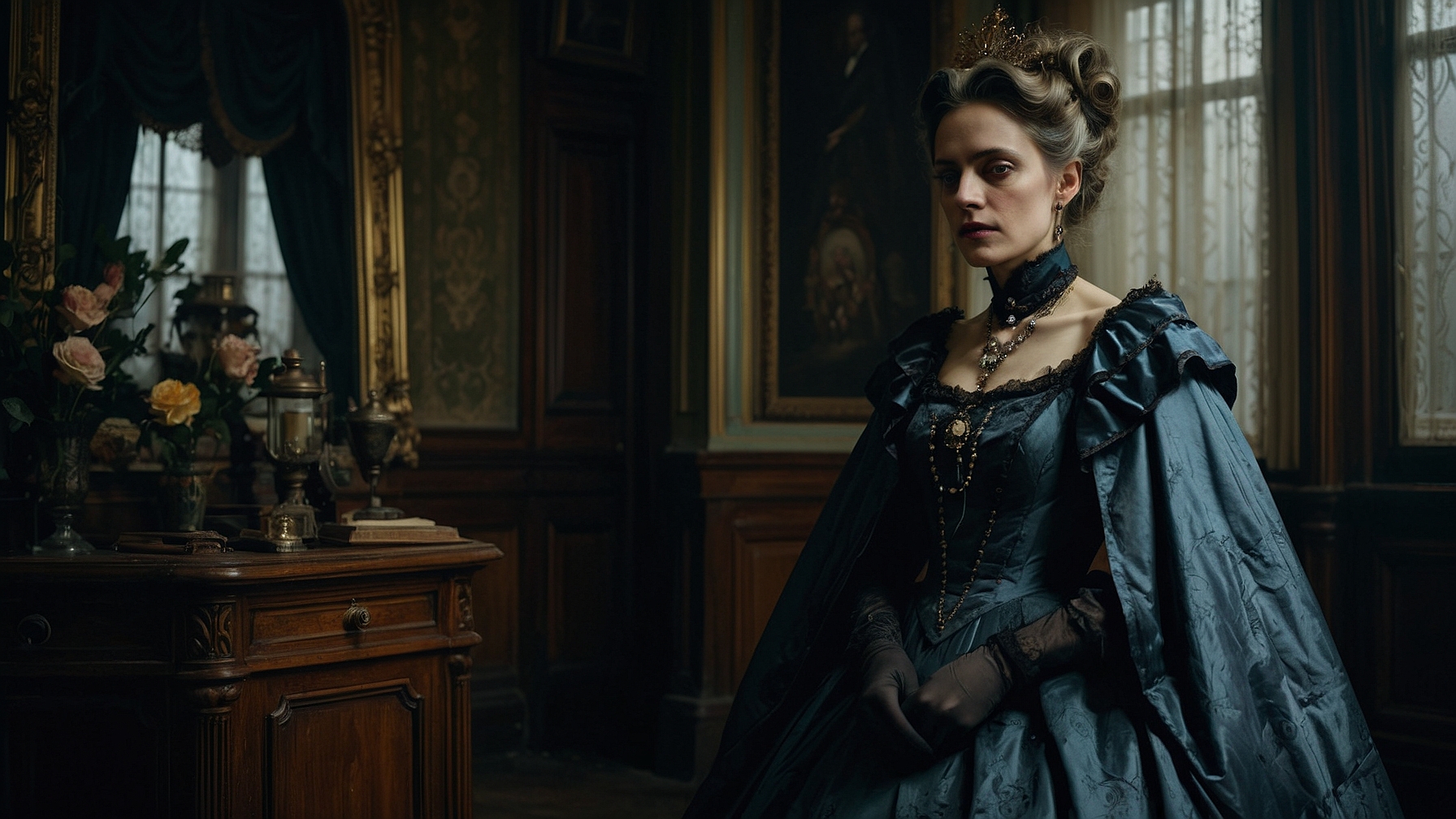
Victorian era ball gowns (roughly 1837–1901, aligned with Queen Victoria’s reign) were formal evening dresses designed for dancing and courtly display, typically featuring a low neckline, short sleeves, and a full skirt supported by structured undergarments. While daywear emphasized modesty and coverage, eveningwear made controlled allowances for exposed shoulders and décolletage—an accepted convention in elite society. Museums such as the Victoria and Albert Museum (V&A) and The Metropolitan Museum of Art (The Met) preserve exemplary gowns that show just how codified these rules were, down to sleeve shape and bodice boning.
Can You Name the Masterpiece?
Ten masterpieces. Ten questions. How well do you know the history of art?
The silhouette changed dramatically across the period. Early Victorian ball gowns favored wide skirts achieved through layers of petticoats; by the mid-1850s, the invention and spread of the crinoline cage expanded skirts further while reducing weight. In the 1870s–1880s, volume shifted backward into the bustle, transforming the profile into a pronounced rear projection. By the 1890s, skirts narrowed and sleeves grew—culminating in the “leg-of-mutton” sleeve moment—before the Edwardian line took over after 1901.
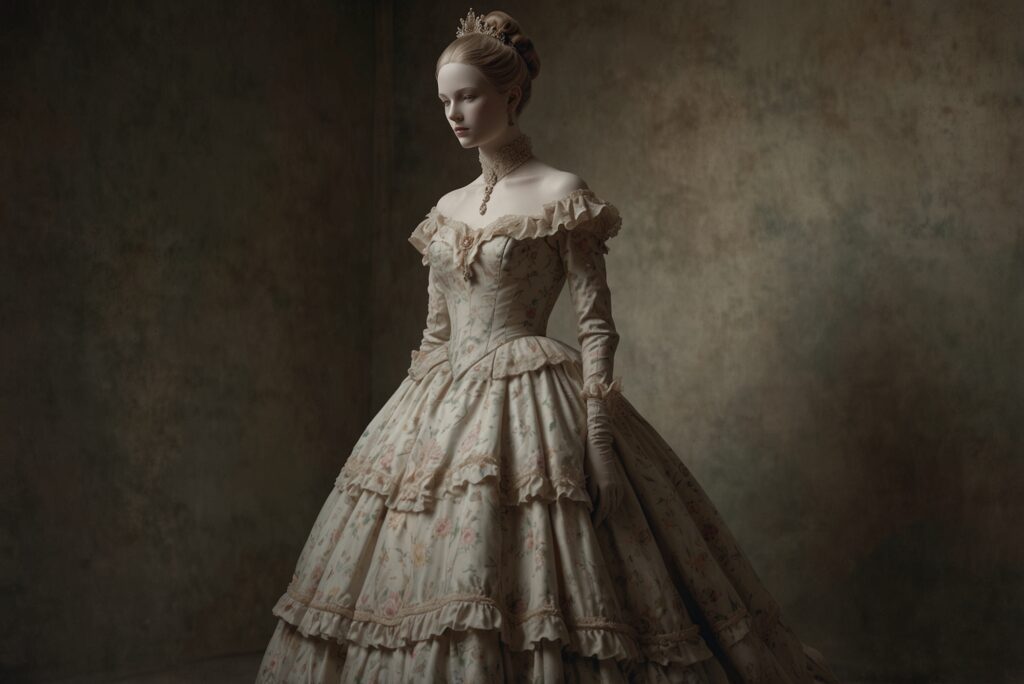
Materials and decoration were central to the gown’s message. Silk satin, taffeta, and velvet were common among the wealthy; lace, beadwork, and elaborate trims signaled both expense and taste. As the Smithsonian Institution notes in its fashion collections and research, clothing in this era also tracked industrial and commercial change: new dyes, mechanized production, and mass-printed fashion plates shaped what consumers saw and desired. The ball gown, in particular, sat at the intersection of old-world handcraft and new-world industry.
The Evolution of Style: 1830s to 1901
In the 1830s and early 1840s, ball gowns emphasized a romantic ideal: sloping shoulders, wide necklines, and bell-shaped skirts. Sleeves could be large and dramatic, and bodices were tightly fitted. This was a period when fashion circulated through print culture—magazines and fashion plates that moved ideas between Paris and London—while local dressmakers interpreted trends for their clients.
Can You Guess the Artist?
Three clues. One artist. How quickly can you identify the painter?
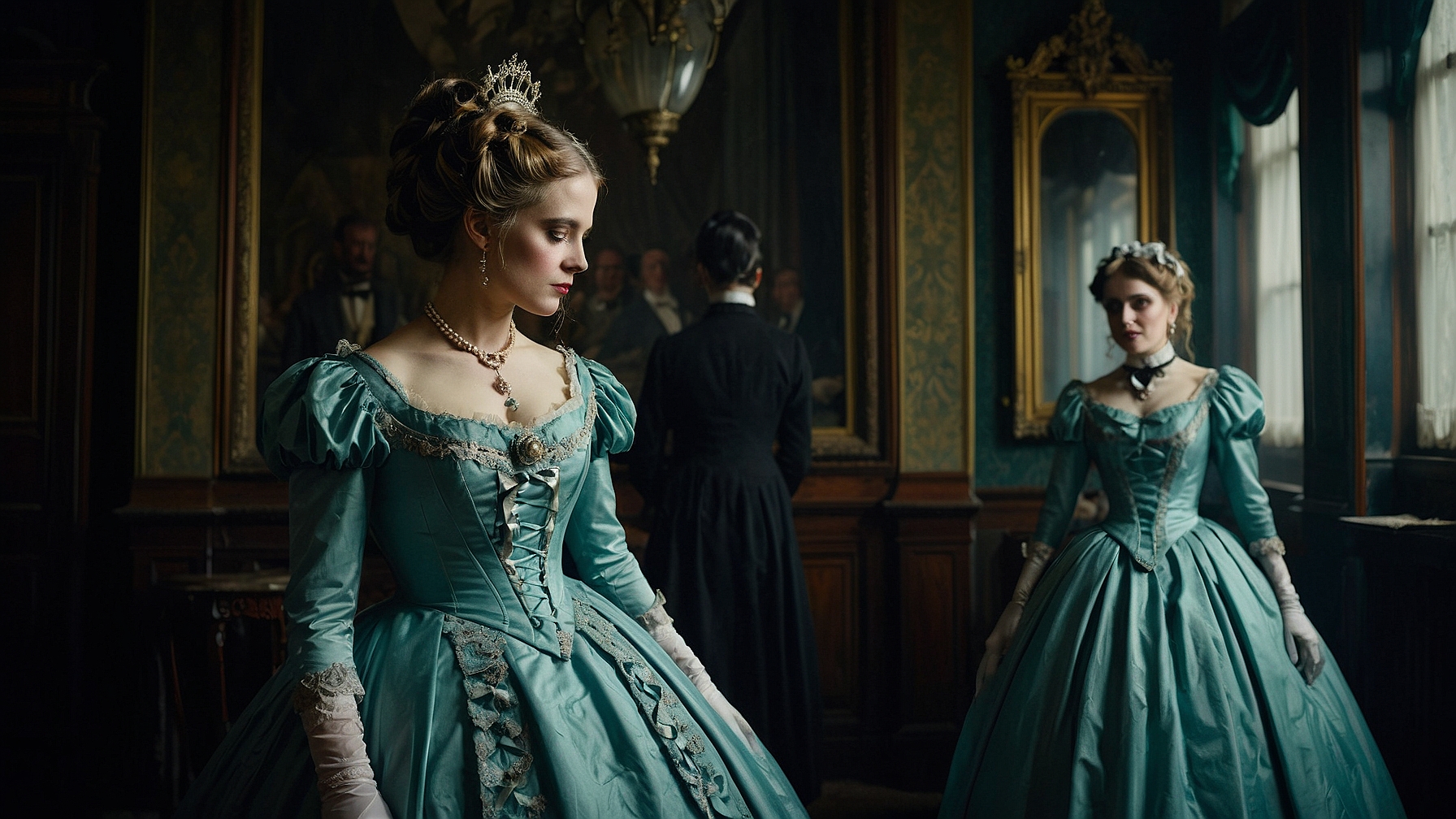
From the 1850s to the 1860s, the crinoline era gave rise to what many envision as the Victorian ballgown the “big skirt.” The cage crinoline, lightweight steel rings held by a waistband, created the fullness of an enormous skirt without all the heavy petticoats. What we see in this 19th-century, mid-century evening dress in the Met‘s collection is how the larger surface area of the skirt allowed designers to play with horizontal flounces, trims, and ornate textile design. It also altered the body‘s movement the dress took up room, and occupying room in a ballroom was an act of class statement in and of itself.
By the 1870s-1890s, dress was becoming far more architectural, with bustles dictating an angular, sculpted silhouette and trained skirts/elaborate draping relying on superior cutting and underlying structure. Finally, by the 1890s, the bustle was becoming smoothed over or removed altogether in favour of a softer bell-shaped skirt and sharper, tailored bodice. The increasingly important role of Parisian couture cannot be understated and the House of Worth is frequently cited as playing a key part in professionalising haute couture, while the V&A notes in its analysis of 19th Century dress the rise of the dressmaking industry and the demands of elite clients for easily recognisable status.
Craftsmanship, Materials, and Technology
A Victorian ball gown was a feat of construction. Beneath the visible layers were foundations—chemises, corsets, petticoats, crinolines or bustles—creating a fashionable line. Skilled dressmakers balanced structure with comfort enough for dancing, while maintaining the rigid silhouette expected in formal settings. The expertise required was substantial, and surviving garments reveal meticulous hand-finishing even when machine stitching was used for long seams.
The story of textiles is also a story of commerce, technology and identity. The Silk Road connected European luxury markets to global supply chains, the industries producing cotton and wool exploded along with industrialization, and decorative elements commonly used imported supplies. Technology made a difference in the world of textiles as well the introduction of synthetic aniline dyes in the latter half of the 19th century created new color alternatives including bold purples and greens, though several of the early aniline dyes weren‘t colorfast a perennial concern for textile conservators in the world‘s largest museums.
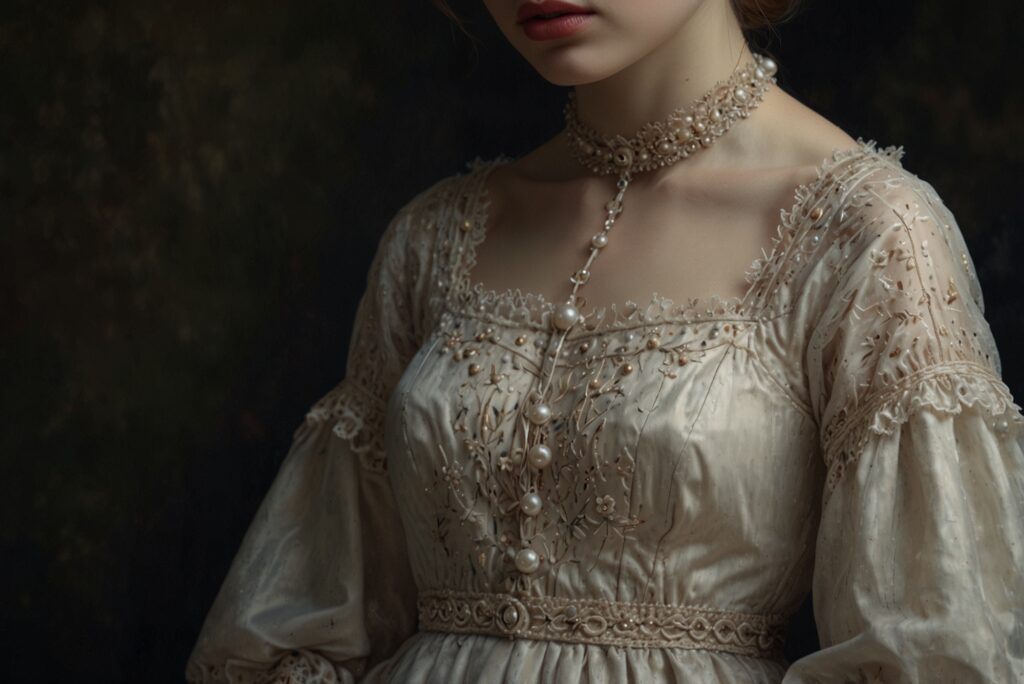
The evidence from primary sources demonstrates that clothing was considered both an art form and a factory. The oft-quoted remark by designer Charles Frederick Worth, “Dress is an art,” though perhaps not authentic in every word, indicates the self-perception of couture in Paris in the late 19th century, clothing seen as the result of authored design rather than utility. The V&A and The Met treat this perspective with exhibits in which dressmaking is approached as a fine decorative art with the intelligence of tailoring, the weave and drape of fabric, and the intricacies of construction all to the fore.
Social Meaning: Etiquette, Class, and the Ballroom
Ball gowns were governed by strict etiquette. In Britain—especially in London’s Season and court presentations—rules shaped neckline depth, glove length, acceptable jewelry, and even how a gown should be refreshed or altered for repeated appearances. A young unmarried woman’s gown might differ subtly from a married woman’s in color choice and ornament, though practice varied by class and region. These conventions turned clothing into social language: one that insiders could read instantly.
Class divisions permeated every stitch. The rich woman had silk, lace, and a dressmaker, plus the staff to care for precious material; the middle-class woman made alterations, saved trimmings from a previous era, or used bargain fabric while still trying to capture the fashionable silhouette. The size of a crinoline skirt or bustle was itself a marker of time and room: Big skirts are simpler to navigate when you have helpers, carriages, and grand interiors.
So ballrooms themselves be they within aristocratic townhouses, civic assembly rooms, or even the later great hotels were arenas in which reputations were made. The Louvre Museum, so identified with fine art, helps us understand the European luxury world and taste-making culture of the 19th century, keeping in mind that fashion operated in the same world of patronage, visibility and cultural power as painting and the decorative arts. In this world, the ball gown was dress and passport.
Museum Evidence: What Surviving Gowns Teach Us
Surviving Victorian ball gowns are not abstractions; they are physical evidence. The Metropolitan Museum of Art and the Victoria and Albert Museum conserve gowns with visible alterations—let-out seams, replaced fastenings, reworked necklines—that show how garments lived across multiple events. These changes also reveal how expensive such dresses were: even the wealthy often modified rather than replaced.
And then there is conservation science. The ways in which fabrics deteriorate or dyes break down; the way that tension at a seam stresses a garment, all help us to understand how a gown was worn, and what a person did (and wore) while wearing it. Museums record details about fiber content, weave, and stitching, enabling us to distinguish between homemade haute couture, finely made ready-to-wear, and factory made components grounding Victorian dress history not just in nostalgia but in material fact.
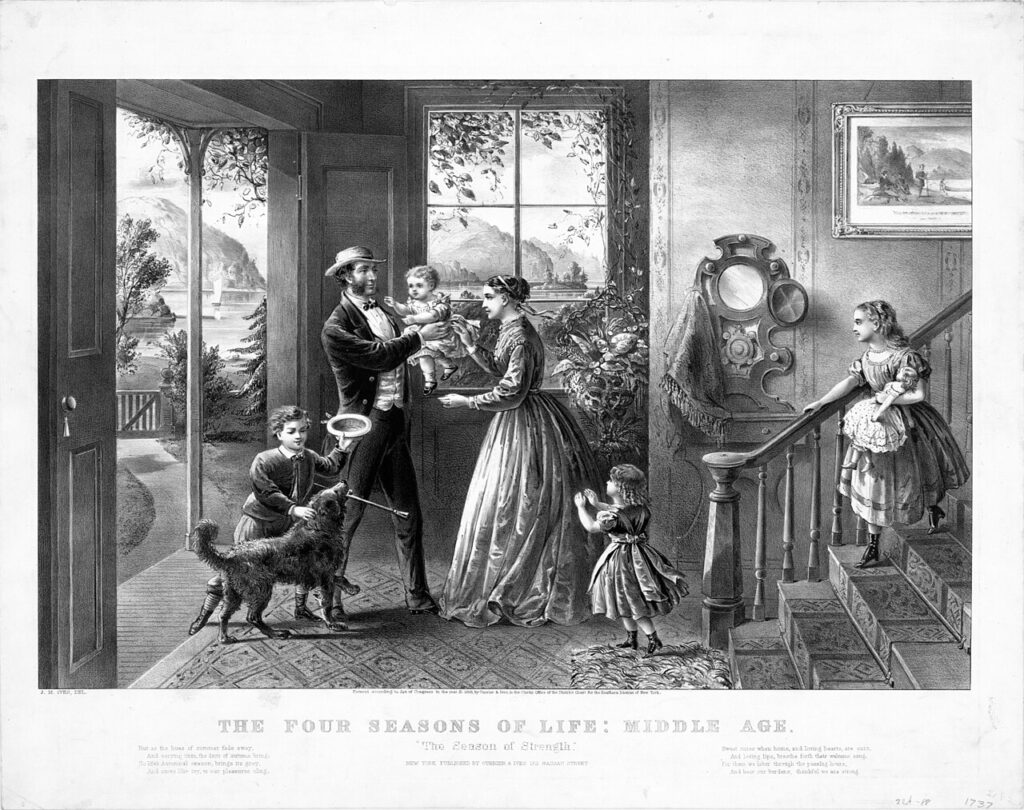
Curatorial interpretation can also point out what is left out: the labor that goes into making these garments. Elite women may wear the final dress, but it was probably made by a cohort of seamstresses, embroiderers and skilled laborers.
Table: Key Characteristics of Victorian Era Ball Gowns
| Period (Approx.) | Silhouette | Key Support Garments | Typical Fabrics | Common Details |
|---|---|---|---|---|
| 1837–1849 | Bell skirt, fitted bodice | Multiple petticoats, corset | Silk taffeta, satin | Wide neckline, decorative sleeves |
| 1850–1869 | Very wide skirt | Cage crinoline, corset | Silk, velvet, lace | Flounces, applied trims, bold volume |
| 1870–1889 | Back emphasis (bustle) | Bustle frame/pads, corset | Silk satin, brocade | Drapery, trains, asymmetrical swags |
| 1890–1901 | Narrower skirt, large sleeves | Corset, petticoats | Silk, embellished net | Leg-of-mutton sleeves, refined line |
Frequently Asked Questions
1) What did Victorian women wear to a ball besides the gown?
Typically: a corset and appropriate skirt support (crinoline or bustle depending on decade), evening gloves, jewelry, and formal shoes. Hair was styled up, often with ornaments. Etiquette varied by location and event, especially for court functions in London.
2) Were Victorian ball gowns always white?
No. While white and pale shades were popular (and strongly associated with certain youth and bridal conventions), surviving museum examples show a wide palette—especially after mid-century dye innovations. Color choice could reflect fashion trends, complexion ideals, or social signaling.
3) How heavy were Victorian era ball gowns?
Weight varied dramatically by materials and understructure. Early crinoline solutions reduced the burden of multiple heavy petticoats, but dense silk, beadwork, and long trains could still be substantial. Museum garments provide the best evidence, as weight depends on specific construction.
4) Did all classes wear true ball gowns?
Formal ball gowns were most common among those with access to elite events and the resources to commission or purchase them. Middle-class women might create simplified versions or adapt dresses for evening use. The silhouette often trickled down, but materials and finish distinguished class.
5) Where can I see authentic Victorian ball gowns today?
Major holdings include The Metropolitan Museum of Art (New York), the Victoria and Albert Museum (London), and relevant collections within the Smithsonian Institution (Washington, D.C.). Each provides object records and scholarly notes that support reliable study.
Victorian era ball gowns endure because they encapsulate an entire society’s ideals—beauty disciplined by etiquette, luxury shaped by industry, and identity performed in public. Studied through surviving garments and the scholarship of institutions like The Met, the V&A, the Smithsonian, and the Louvre’s broader cultural context, these gowns emerge not as costume clichés but as rigorously constructed historical documents—stitched evidence of how the 19th century dressed for spectacle.
While stylists tend to take the Victorian era as one long period of fashion, the styles of ball gowns varied dramatically between 1837 and 1901. Because of the fashion for wearing ball gowns to a court or aristocratic ball, the 1840s ball gown would have been unrecognisable, except to the most knowledgeable, to the 1890s London society ball gown. This variation was due not only to shifting tastes but also to developments in textile manufacture, dressmaking, transportation, photography and the role of fashion magazines.
In the 1830s and 40s big sleeves and wide skirts produced a strongly romantic silhouette. Bodices were slim-cut to bring out the waist, while the fullness of skirts was stacked up with many petticoats. Evening dresses were cut revealing the shoulders and upper chest, providing a stark contrast to the high, covered necklines of the daytime.
One of the most extraordinary innovations in nineteenth century dress emerged during the 1850s and 60s-the cage crinoline. Easily whipped out of your wardrobe, the flexible steel hoop construction of the cage crinoline meant that women could now support spectacular skirts that were wider than ever, but without the weight. This heralded a new kind of sleeveless, weightless ball dress which moved brilliantly over the sea of bodies.
By the 1870s and 1880s, the point of visual interest had shifted to the back of the body. Structures to hold up the trappings of the back of the gown drapery, bows, pleats, gathered fabric were added behind the hips. Evening dresses could be flat-out over-embellished with fancy fabric, decorative trimming, and stars of candlelight.
The 1890s continued the great change. Narrower skirts emerged yet the sleeves grew into the exaggerated shape of the leg-of-mutton sleeve. The silhouette became more structured and commanding, making the immediately recognizable late-Victorian figure that was to be replaced by the softer lines of Edwardian fashion.
AI Notice: Some visual content in this article may have been created or enhanced using artificial intelligence (AI) for artistic, editorial or illustrative purposes. Learn more about our approach in our AI & Editorial Principles.