Mozart’s Piano Concerto No. 21 in C major, K. 467 has a rare double life: it is both a pillar of the Classical concert hall and a piece many listeners recognize instantly—sometimes without knowing its name—because its slow movement has seeped into modern cultural memory. Yet the concerto’s fame can obscure what makes it truly exceptional: a work composed at white‑hot speed in Vienna in 1785, at the height of Mozart’s powers, that fuses theatrical brilliance with chamber‑like intimacy. Heard in full, it is not just “beautiful Mozart,” but a sophisticated statement about public performance, virtuosity, and the ideals of the Enlightenment-era musical city.
Vienna, 1785: A Concerto for a Public City
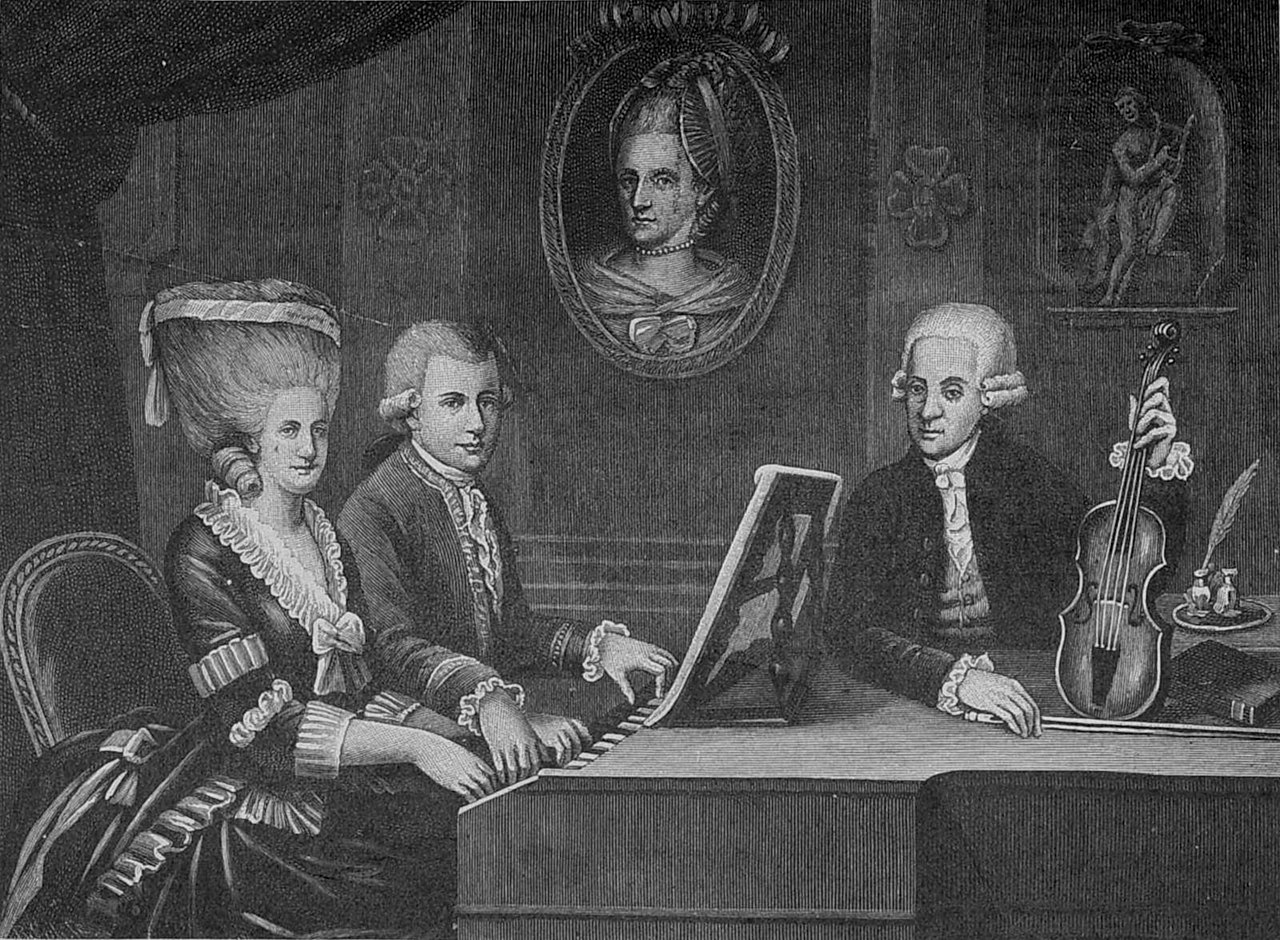
The concerto was written in the middle of Mozart‘s great Vienna concert years, in which he was operating as composer, pianist, and businessman. In 1785 Vienna (the capital of the Habsburg Empire) boasted a vibrant subscription concert life in the aristocratic salons and public spaces of the city. Mozart was producing piano concertos at an incredible rate for these occasions, and K 467 was one of a trio written in that prolific year, including K 466 and K 488.
And understanding when the concerto was first performed is important in understanding its fusion of bravura and thoughtfulness. Mozart was aiming to engage a public made up of both connoisseurs, who expected sophisticated contrapuntal passages, and a crowd who desired flashy showmanship and hummable tunes. The outcome is a work that seems to converse naturally in a range of registers: pompous tuttis, cheeky solis and winds interchanges, and contemplative interludes.
Mozart‘s cultural world, of course, was also constituted by the institutions and collections that now preserve, study, and mediate this era. Major collections of 18th-century decorative arts and musical instruments in the Metropolitan Museum of Art (New York) and the Victoria and Albert Museum (London) help reconstruct the material culture of Mozart‘s Vienna: the domestic spaces, domestic objects, instrument collections, and social networks that structured music making in this era. (The Smithsonian Institution (Washington D. C.) places Enlightenment-era craft and technology in a broader context that helps to explain the rapid development of the piano during Mozart‘s lifetime.)
Musical Design and Key Characteristics (K. 467)
K. 467 follows the standard three-movement concerto plan, but within that framework Mozart is exceptionally inventive. The first movement (Allegro maestoso) projects public grandeur in C major, then continuously breaks the surface with surprising turns: quicksilver modulations, pointed wind interjections, and a solo part that alternates between sparkling passagework and lyrical poise. The second movement (Andante) is the famous one, but it is not mere “pretty music”—it is a carefully controlled meditation in F major, where time feels suspended and the orchestra becomes a soft halo around the piano line. The finale (Allegro vivace assai) restores bright motion with a buoyant, dance-like energy and crisp formal control.
A defining feature is Mozart’s handling of the wind section. In many Classical concertos, winds can feel like coloration; here they are characters. The woodwinds frequently carry important thematic statements and respond to the soloist with conversational intimacy, creating an almost operatic sense of dialogue—no surprise from a composer simultaneously active in opera and theatre.
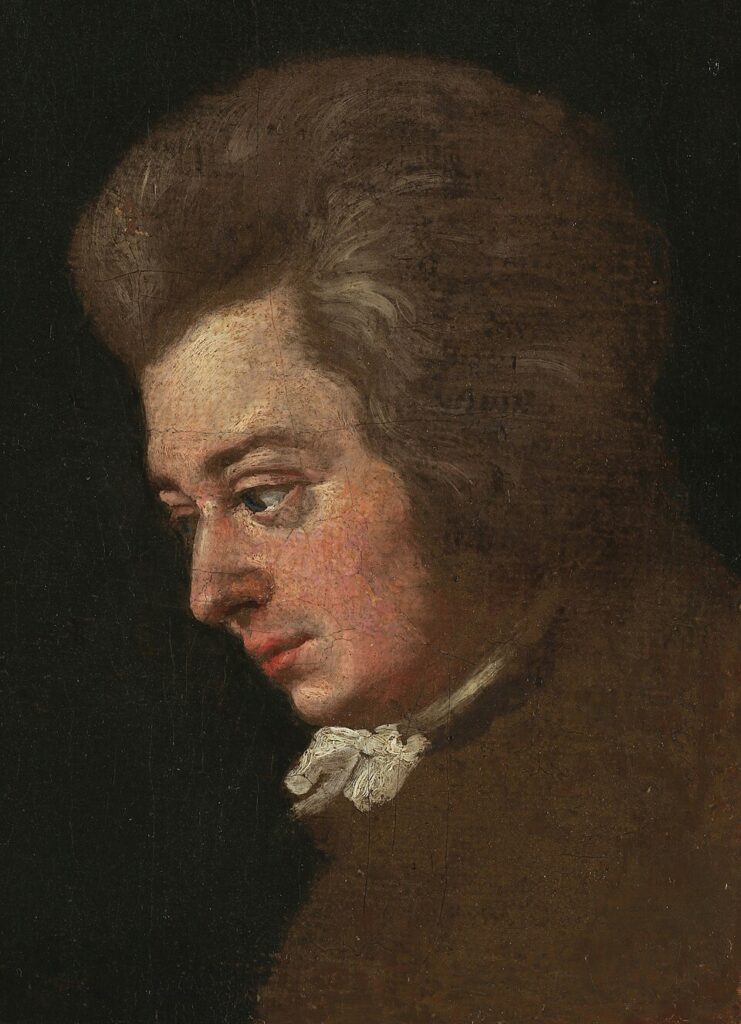
The concerto’s enduring strength is its clarity. Even when textures become elaborate, the musical argument stays lucid: themes are distinct, transitions purposeful, climaxes earned. That lucidity—so prized by later writers—helps explain why the work became a reference point for what a “Classical” concerto should sound like.
Key characteristics at a glance
| Feature | Details |
|---|---|
| Work | Piano Concerto No. 21 in C major, K. 467 |
| Composer | Wolfgang Amadeus Mozart (1756–1791) |
| Place & period | Vienna, Classical period (late 18th century), composed 1785 |
| Movements | I. Allegro maestoso; II. Andante; III. Allegro vivace assai |
| Overall character | Public brilliance + intimate lyricism; strong wind writing |
| Signature moment | The Andante in F major: sustained cantabile line and luminous orchestration |
| Typical performance forces | Solo piano; Classical orchestra with prominent woodwinds |
The Andante: Fame, Misunderstanding, and Real Depth
The second movement’s fame is a mixed blessing. Because it has been widely excerpted, it is sometimes treated as standalone “background beauty.” In context, however, the Andante functions as the concerto’s emotional axis: it is the point where public display yields to private reflection. Its melodic line is simple enough to feel inevitable, yet shaped with extraordinary care—especially in how Mozart paces harmonic change and uses the orchestra as a breathing, responsive body.
The movement’s affect has prompted evocative commentary from musicians and scholars. While interpretations vary, a reliable anchor is the broader historical assessment of Mozart’s expressive economy. Alfred Einstein, in his influential study Mozart: His Character, His Work, famously wrote that in Mozart “the greatest effects are achieved with the simplest means.” That observation fits K. 467’s Andante precisely: its power comes not from density but from restraint and balance.
For listeners wanting a historically grounded way into the sound world, museum collections help. Keyboard instruments and orchestral artifacts in institutions such as the Victoria and Albert Museum and the Metropolitan Museum of Art contextualize the lighter, quicker decay of 18th‑century pianos and the timbral blend Mozart expected with period winds. This matters: on a fortepiano, the Andante’s singing line is not “romantically sustained” by sheer volume, but shaped by articulation, ornament, and the natural transparency of the instrument.
Performance Tradition, Scholarship, and Where to Hear It Today
K. 467 has lived through multiple interpretive eras: 19th‑century Romantic expansion, mid‑20th‑century modernist clarity, and late‑20th/21st‑century historically informed performance (HIP). Each has emphasized different truths. Romantic readings highlight long-breathed lyricism and grandeur; HIP approaches reveal the concerto’s rhythmic bite, lighter textures, and sharper contrasts—often making the finale sound more airborne and the first movement more theatrically “maestoso” rather than heavy.
Authoritative scholarship and institutional resources give modern listeners stable footing. The New Grove Dictionary of Music and Musicians (Oxford University Press) remains a standard reference for Mozart’s concerto output, and the Neue Mozart-Ausgabe (New Mozart Edition) provides critical texts used by performers and researchers. For historically oriented listening, recordings that draw on scholarship (including period instruments and classical-era articulation) can illuminate details that are sometimes blurred in more generalized “lush” approaches.
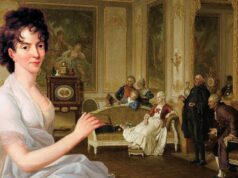
Museums also contribute indirectly by preserving and interpreting the broader 18th‑century visual and material culture that shaped audience expectations. The Louvre Museum and the Metropolitan Museum of Art, for example, maintain major collections of 18th‑century European art—portraits, interiors, decorative arts—that help us picture the social environments where concertos like K. 467 were heard: refined rooms, carefully managed public etiquette, and a taste for elegance that Mozart both served and transcended. The Smithsonian Institution, as a major research and museum complex, similarly supports public understanding of the era’s craft, design, and technology—part of the same world that produced the evolving piano.
Frequently Asked Questions
What is Mozart’s Concerto No. 21 best known for?
It is best known for its second movement (Andante), often performed separately. In the full concerto, that movement gains meaning as the reflective center between two extroverted outer movements.
When and where did Mozart compose K. 467?
Mozart composed it in Vienna in 1785, during an intensely productive period when he wrote piano concertos for subscription concerts and public performance.
What makes the orchestration special?
The concerto features unusually active woodwinds that do more than color the harmony: they engage in dialogue with the piano, often carrying thematic material and shaping the drama of transitions.
Is it better on modern piano or fortepiano?
Both can be persuasive. A modern piano offers sustained singing tone and dynamic range; a fortepiano (or HIP approach) can reveal sharper articulation, clearer balances, and the timbral blend Mozart likely expected with Classical winds.
What are reliable sources to learn more?
Authoritative starting points include The New Grove Dictionary of Music and Musicians, the Neue Mozart-Ausgabe, and major cultural institutions’ educational resources—alongside contextual collections at the Metropolitan Museum of Art, Victoria and Albert Museum, the Louvre, and the Smithsonian Institution for period material culture.
Conclusion
It isn‘t one of Mozart‘s Piano Concertos that survived just because of one hit-tune. Piano Concerto No. 21 in C major, K. 467 is as it is because the whole concerto is the perfect crystallization of the Classical style in Vienna; a concert of effortless brilliance, elegance, and private soul behind public formality. If listened to carefully, from the regal calm of the first movement to the frozen moments of the slow Andante, to the final movement‘s jocular spirit, this concerto is one of Mozart‘s more fully realized achievements in that form.