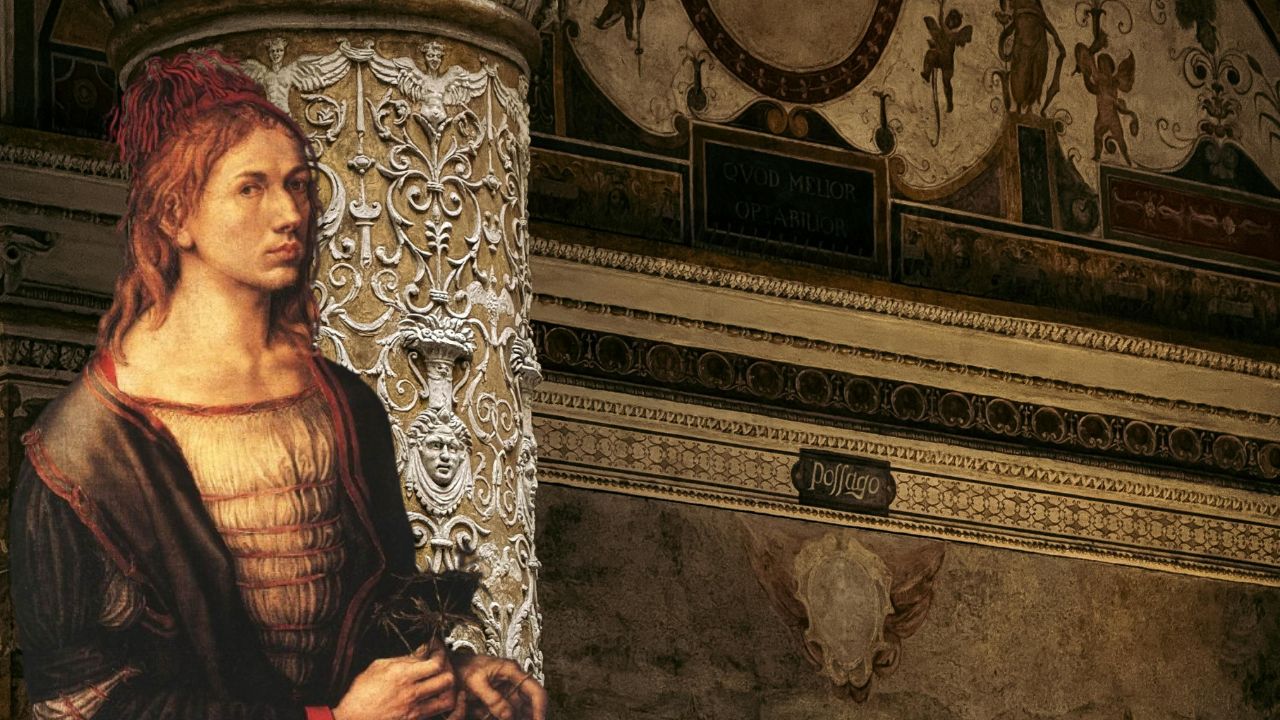
Albrecht Dürer is one of the rare artists whose name marks a turning point in European art: he helped carry the ideas of the Italian Renaissance into Northern Europe, while also proving that prints—woodcuts and engravings—could rival painting in intellectual ambition, technical refinement, and cultural influence. If you’ve ever seen a haunting rhinoceros image, a meticulous self-portrait that feels startlingly modern, or an engraving so detailed it looks like it was carved with light, you’ve already encountered Dürer’s legacy—whether you realized it or not.
Who Is Albrecht Dürer? A Defining Figure of the Northern Renaissance
Albrecht Dürer (1471–1528) was a German artist from Nuremberg, a major city of the Holy Roman Empire and an important center of commerce and humanist learning in the late 15th and early 16th centuries. He worked as a painter, draftsman, theorist, and—most influentially—a maker of prints. His art belongs to the Northern Renaissance, an era when artists north of the Alps blended late medieval traditions with new Renaissance interests in classical learning, proportion, perspective, and the study of nature.
Dürer’s importance is not simply that he was “skilled,” but that he professionalized the role of the artist as an intellectual. He wrote treatises on measurement, proportion, and fortification, arguing that art could be grounded in geometry and systematic observation. The Metropolitan Museum of Art describes him as “the most famous and influential German artist of the Renaissance,” a reputation built on both his images and his ideas about how images should be made and understood.
He also operated in a fast-changing media landscape. Printmaking allowed Dürer to circulate images widely across Europe—far beyond the patrons who could afford paintings. Through prints, he shaped visual culture in places he never visited, influencing artists in Germany, the Netherlands, Italy, and beyond. The Victoria and Albert Museum (V&A) emphasizes Dürer’s pivotal role in elevating printmaking to an art form of exceptional prestige and complexity.
Life and Career: Nuremberg, Italy, and a European Reputation
Born in Nuremberg, Dürer trained first in the goldsmith tradition through his father, Albrecht Dürer the Elder, which helped develop his precision and comfort with tools. He then apprenticed with the painter and print designer Michael Wolgemut, whose workshop produced woodcuts for books—an early exposure to the power of reproducible imagery. Like many craftsmen in German lands, Dürer likely undertook journeyman travels, gaining experience and contacts before establishing himself.
Dürer’s encounters with Italy were decisive. He traveled to Venice (notably in the 1490s and again in the early 1500s), where he studied the art and theory of the Italian Renaissance and engaged directly with questions of proportion, anatomy, and perspective. Venice was a cosmopolitan hub where German merchants had a strong presence, and Dürer moved in circles that connected art, commerce, and humanism. His willingness to learn from Italian models—without simply imitating them—helped him synthesize Northern detail and Italian structural clarity.
By the 1510s and 1520s, Dürer was a celebrated figure with elite connections. He worked for Emperor Maximilian I on ambitious print projects and engaged with leading thinkers during the Reformation era. His later years in Nuremberg were marked by theoretical writing and a continued focus on how art could be measured, taught, and systematized. Institutions such as The Metropolitan Museum of Art and the Smithsonian recognize this dual legacy: Dürer as both image-maker and author of foundational art theory.
Art and Innovations: Prints, Paintings, and the Science of Seeing
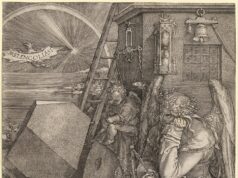
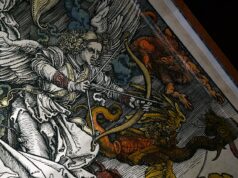
Dürer’s prints transformed what a printed image could do. Woodcuts like The Four Horsemen of the Apocalypse (from his Apocalypse series, 1498) demonstrate unprecedented drama, compositional control, and narrative force. His engravings—especially the so-called “master engravings” such as Melencolia I (1514)—show an astonishing range of textures, tonal transitions, and symbolic density. These works circulated internationally and were collected by educated viewers who approached them almost like visual essays.
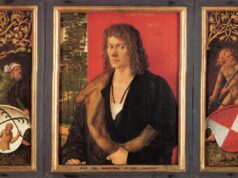
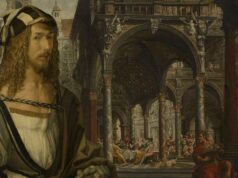
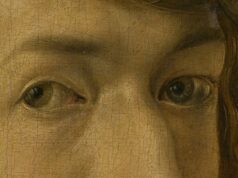
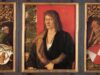
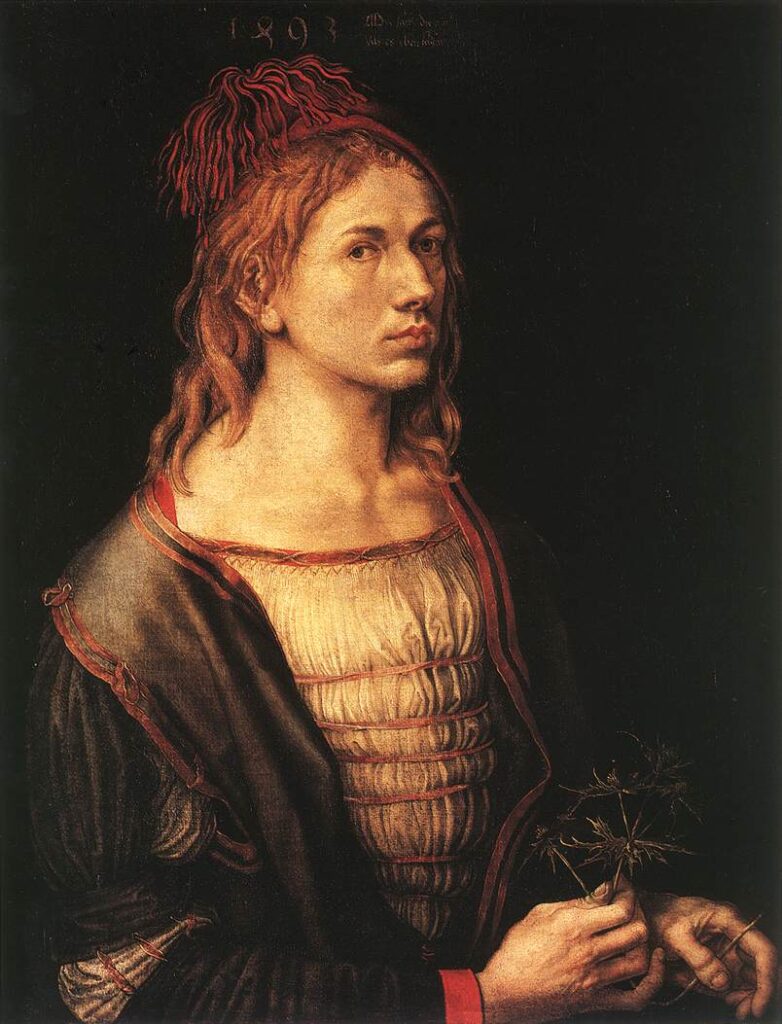
His paintings and drawings are equally significant. Dürer’s self-portraits, including the famous 1500 image often discussed for its frontal, iconic presentation, helped redefine the social identity of the artist. Meanwhile, his watercolors and nature studies—animals, plants, and landscapes—reflect close observation rather than mere decoration. The Louvre Museum, which holds key examples of Dürer’s work, frames him as a major Renaissance figure whose art connects the devotional, the scientific, and the humanistic.
Dürer’s theoretical contributions reinforced his authority. He published works on geometry and measurement and later on human proportions, seeking rules that could be taught and replicated—an intellectual project aligned with Renaissance humanism. The Metropolitan Museum of Art highlights the breadth of his ambition: Dürer was not only a maker of images but also a thinker concerned with how knowledge (mathematical, anatomical, optical) could structure artistic practice. This approach helped set the stage for later European academies and the idea of art as a disciplined study.
Key Characteristics of Albrecht Dürer (Summary Table)
| Area | Key Characteristics | Why It Matters |
|---|---|---|
| Historical context | Northern Renaissance; Holy Roman Empire; Reformation-era Europe | Places him at the crossroads of religious, political, and intellectual change |
| Primary media | Woodcut and engraving; also painting, drawing, theory | Prints allowed unmatched reach and influence |
| Style | Northern detail + Italian proportion/perspective | A defining synthesis that shaped transalpine art |
| Major themes | Religion, allegory, human identity, nature studies | Bridges medieval devotion and Renaissance inquiry |
| Innovation | Elevated printmaking; authored treatises on measurement/proportion | Helped define the artist as both craftsman and intellectual |
Legacy, Influence, and Where to See Dürer Today
Dürer’s influence is measurable in both technique and cultural status. He helped establish the notion that prints could be original, collectible works—not just reproductions of paintings. That shift matters today because it shaped how museums and collectors value works on paper and how artists use reproducible media to build reputations. Many later printmakers, from the German tradition through modern graphic arts, inherit a world Dürer helped create.
His works are central holdings at major institutions. The Metropolitan Museum of Art preserves and interprets Dürer’s prints and drawings within the broader narrative of the Renaissance. The Victoria and Albert Museum holds significant examples of his graphic work and presents Dürer as a cornerstone of European print culture. The Louvre Museum includes Dürer within its account of European Renaissance mastery, and the Smithsonian Institution provides access to scholarship and collections that reinforce his continuing relevance in art history and museum education.
Scholars and curators repeatedly emphasize the magnitude of his achievement. The Met’s framing of Dürer as the “most famous and influential German artist of the Renaissance” underscores a consensus in the field. The V&A, in its print-focused interpretation, treats Dürer as a maker who expanded the expressive capacity and prestige of graphic media. These institutional perspectives matter because they reflect decades of cataloging, conservation science, and peer-reviewed scholarship—core elements of E-E-A-T in art history.
Frequently Asked Questions (FAQ)
Was Albrecht Dürer a Renaissance artist or a medieval artist?
He is primarily considered a Renaissance artist—specifically a leading figure of the Northern Renaissance—though his work engages late medieval traditions, especially in religious subjects and symbolism.
Why is Dürer most famous for prints?
Because his woodcuts and engravings combined technical brilliance with wide distribution. Prints could travel across Europe, allowing his imagery and ideas to shape artists and collectors far beyond Nuremberg.
Did Dürer travel to Italy, and did it change his art?
Yes. His trips to Italy, especially Venice, exposed him to Italian theories of proportion and perspective. He absorbed these ideas and fused them with Northern precision and detail.
What are Dürer’s most important works?
Frequently cited works include the Apocalypse woodcuts (1498), engravings such as Melencolia I (1514), and major self-portraits. Museum collections at The Met, the V&A, and the Louvre provide curated overviews of these key works.
Where can I see Dürer’s art today?
Major holdings are in institutions such as The Metropolitan Museum of Art, the Victoria and Albert Museum, the Louvre Museum, and collections connected to the Smithsonian Institution, among many others.
Authoritative Sources (Selected)
- The Metropolitan Museum of Art (Heilbrunn Timeline of Art History and collection entries on Albrecht Dürer)
- Victoria and Albert Museum (collection and interpretive materials on Dürer’s prints)
- The Louvre Museum (collection entries and scholarship on Northern Renaissance art)
- Smithsonian Institution (collections, research, and educational resources relating to prints and European art)
Conclusion
Albrecht Dürer was not only a master of line and form, but a defining intelligence of Renaissance art in Northern Europe—an artist who used printmaking to reach an international audience and used theory to argue that art could be built on knowledge. To ask “who is Albrecht Dürer?” is ultimately to meet a figure who changed both what images could look like and how far they could travel, leaving a legacy that museums and scholars continue to study, preserve, and admire.