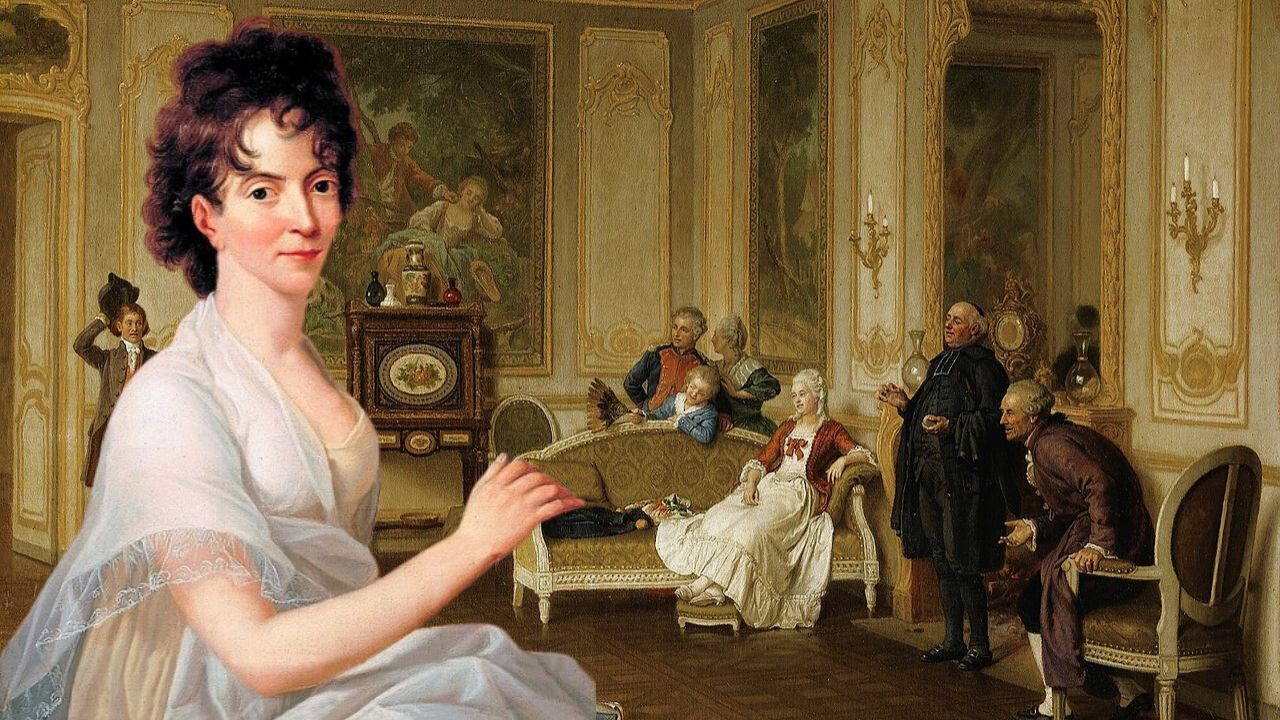
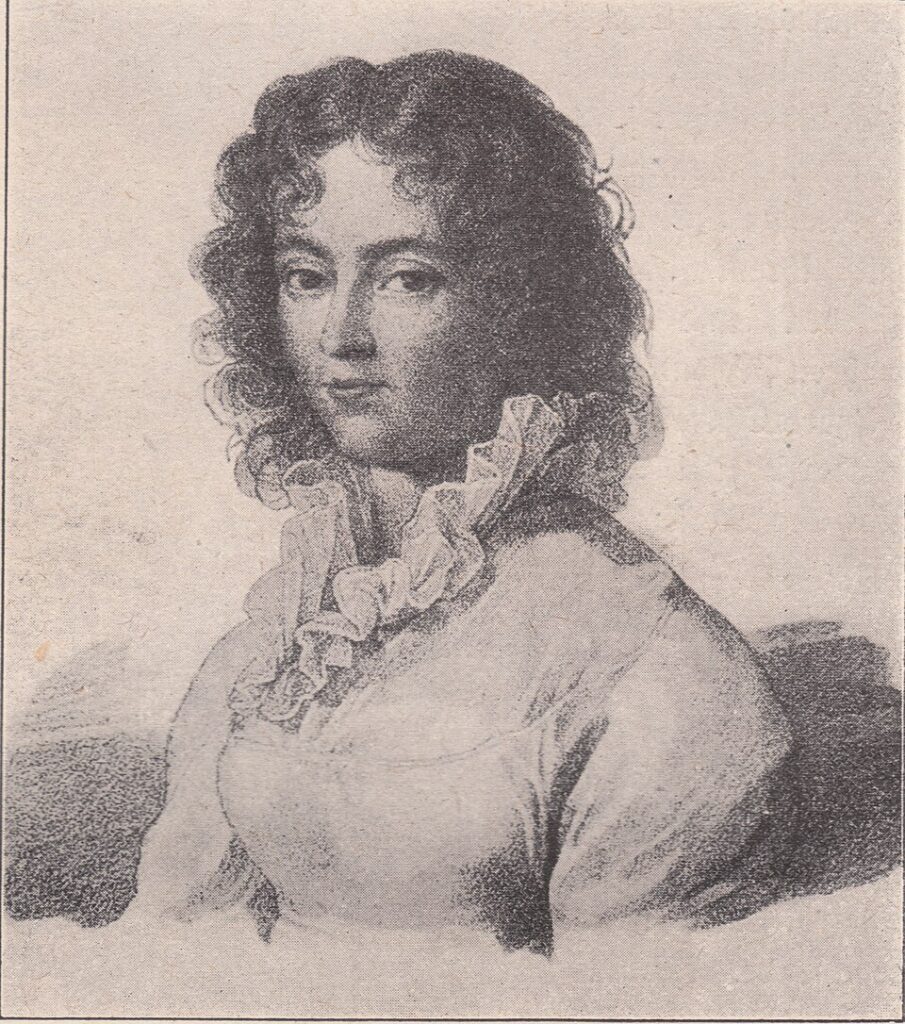
Constanze Mozart is one of the most consequential—and most misunderstood—figures in the history of Western music. Too often reduced to a footnote in the life of Wolfgang Amadeus Mozart, she was, in fact, a decisive agent in how the world came to know him after his death: organizing memorial concerts, managing manuscripts, navigating the politics of patronage in Vienna and the German-speaking lands, and shaping early Mozart biography. In the volatile era spanning the late Enlightenment, the French Revolutionary period, and the Napoleonic Wars, Constanze’s practical intelligence and cultural instincts helped turn a brilliant but precarious freelance composer into an enduring, canonized name.
Early Life and the Weber Family Context
Constanze Mozart (born Constanze Weber, 1762–1842) grew up in a musically active family whose fortunes were tied to the courtly and theatrical networks of the late 18th-century Habsburg world. The Webers moved through important centers such as Mannheim—famous for its orchestra and the “Mannheim school”—before settling in Vienna, then the imperial capital of the Habsburg Monarchy. This environment exposed Constanze to professional music-making not as a hobby but as work: auditions, patronage, salaries, and reputations.
The historical period matters. Constanze came of age in the late Enlightenment, when ideas about art, sensibility, and “genius” were gaining cultural prestige, yet the economics of composing remained uncertain. Vienna in the 1780s was a competitive marketplace with court musicians, church positions, public concerts, publishers, and aristocratic salons. A young woman in such a milieu needed social tact and resilience—skills Constanze would later deploy on a far greater stage.
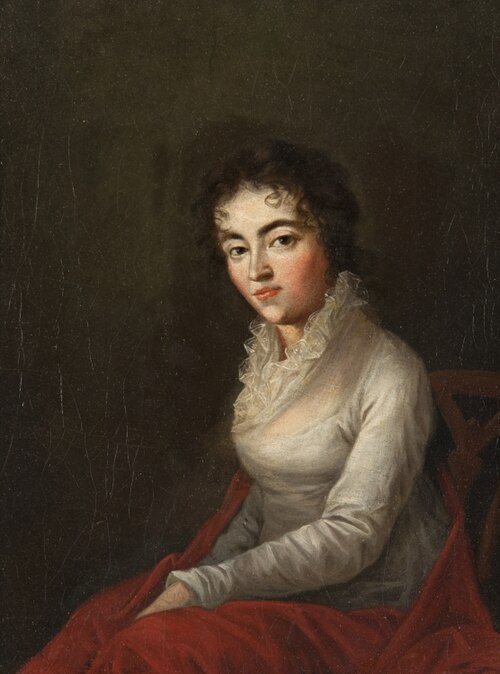
Primary sources for her early character are uneven, filtered through family correspondence and later biographical agendas. Yet even in partial record, one sees a woman accustomed to institutional realities: theaters, court circles, and the emerging public sphere of concerts and print. This background would prove crucial when she became the custodian of one of Europe’s most valuable musical legacies.
Marriage to Wolfgang Amadeus Mozart: Partnership in Viennese Life
Constanze was married to Wolfgang Amadeus Mozart in Vienna in 1782, where his was establishing a career outside his previous court employment. This was a time of transformation for both Vienna’s musical economy (subscription concerts, freelance instruction, opera commissions) and its political realm (in the time of Joseph II), and life for the Mozarts was a decidedly business one without just a home, but a workshop of copyists, students, rehearsals and questions.
Their relationship has been flattened into stereotypes in popular retellings, portraying Constanze as frivolous or too eager to throw money away. However the historical record complicates this view. Mozart‘s own letters speak of trust and love, but they also indicate an increasingly worried household: of abating health, the death of most of their children and the uncertain rhythm of income. Constanze‘s housekeeper and diplomatic work was consequently not auxiliary but constitutive of survival in the Viennese cultural marketplace.
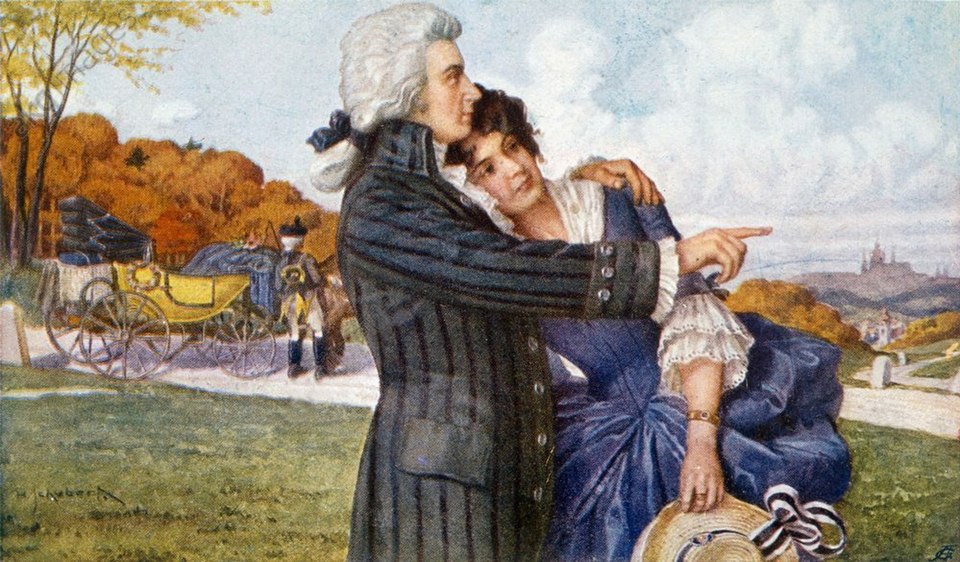
One helpful source is Mozart‘s own words. His letters and more informal writings are full of unique details that show familiarity and esprit de corps; even contemporary writers, who would be wary of exaggerating the uniqueness of the relationship, note the sincerity and love of his correspondence to her as proof of his intimacy and comfortable unexpectedness that resulted in the trusting relationship. Although one quote cannot paint a picture of the entire marriage, the letters in Wolfgang Amadeus Mozart, Briefe und Aufzeichnungen (ed. Wilhelm A. Bauer and Otto Erich Deutsch) are good additions to contemporary documents and avoid the myth-making.
Widowhood, Legacy-Building, and Institutional Memory
In 1791, for a complicated combination of reasons, Mozart died. Constanze was young (29), a widow, with children, and a rather acrid financial condition. What ensued was one of the greatest acts of music-culture stewardship in history. Constanze acted with startling speed at establishing income through memorial concerts and at stabilizing Mozart‘s reputation in a Europe ravaged by the French Revolutionary era and the subsequent Napoleonic wars. Her behaviour was surely not sentimental; it was historically significant.
Of course, she realized the importance of copies: manuscripts, letters and verified oral histories. She had press run, made deals with publishers and gained allies who could influence the popular press. One of the most influential one who gained her a cover spread and close relationship was Franz Xaver Niemetschek, who wrote a pioneering Mozart biography in 1798, and later Georg Nikolaus von Nissen, whom she married in 1809. Their work in documentary collecting and authorship built an important first platform for the Mozart legend into the early 1800s.
Today, museums and research institutions regard such documentary preservation as fundamental to the preservation of memory. As the Smithsonian Institution has explained in its popular educational publication on collecting, the primary function of museums is to ‘further knowledge by sharing it,“aiding, as a result, upon preservation, categorization, and provenance of materials. Constanze’s preservation and eventual intentional release of Mozart materials, though not up to current archival standards, ensured that later libraries, museums, and editors had a corpus to examine, verify, and interpret.
Cultural Afterlife: How Constanze Shaped “Mozart” for Posterity
Constanze’s most enduring achievement may be that she helped transform Mozart from a celebrated composer of his day into a historical monument. She navigated a transitional moment when musical culture was shifting toward what scholars call the “canon”: the elevation of certain composers into lasting exemplars through publication, biography, monuments, and institutional performance traditions. Without her, the documentary base for Mozart scholarship would be thinner, and the early 19th-century momentum behind “Mozart the genius” would likely have developed differently.
This process intersected with the rise of European museums and the modern idea of “art history.” Institutions such as the Louvre Museum (public museum after the French Revolution) became symbols of national culture and curated heritage, while later museums like London’s Victoria and Albert Museum articulated a mission to preserve and display art and design as public education. The Metropolitan Museum of Art similarly frames its purpose around collecting, preserving, studying, and exhibiting works of art for the public benefit. Constanze’s efforts—assembling, guarding, and leveraging Mozart materials—paralleled these larger institutional movements toward preservation and public memory.
It is also important to recognize the limits and controversies. Constanze made choices about what to share, what to sell, and which narratives to endorse. Some later disputes about authenticity, editorial intervention, and selective disclosure reflect the norms of her time, when family guardians often curated reputations with an eye to moral respectability and market value. Yet the broad historical balance remains: she acted as an effective steward in an era before modern archives, musicology, or intellectual-property regimes could protect a composer’s estate.
Key Characteristics of Constanze Mozart (Summary Table)
| Aspect | Key Characteristics | Historical Significance |
|---|---|---|
| Social & cultural environment | Vienna and German-speaking musical networks in the late Enlightenment | Enabled access to publishers, patrons, performers |
| Role during marriage | Household management, social mediation, support amid freelance career | Stabilized working conditions for a major composer |
| Actions after 1791 | Memorial concerts, negotiations with publishers, manuscript stewardship | Secured income and preserved a documentary legacy |
| Legacy formation | Collaboration with biographers (Niemetschek; later Nissen) | Shaped early public image and historical narrative |
| Long-term impact | Preservation and dissemination of materials | Supported later scholarship, performance traditions, and museum collecting |
Frequently Asked Questions (FAQ)
Was Constanze Mozart a musician herself?
She came from a musical family and lived within professional music circles, but she is best documented as a capable musical insider and manager of Mozart’s legacy rather than as a performer-composer with an independent career comparable to his.
Did Constanze profit from Mozart’s death?
She secured income through legitimate means typical for widows of notable artists: benefit concerts, publication negotiations, and patronage. These activities were essential for supporting her family and were a major reason Mozart’s works remained visible in public culture.
Why do historians disagree about Constanze’s character?
Much commentary comes from later biographical traditions shaped by Romantic-era ideals and gendered expectations. Modern scholarship tends to rely more heavily on contemporaneous letters, financial realities, and the practical demands of estate management in the 1790s and early 1800s.
How did Constanze influence Mozart’s reputation?
By organizing commemorations, controlling key documents, encouraging biographical projects, and enabling publication pathways. These actions helped establish Mozart’s place in the emerging 19th-century musical canon.
Where can I see Mozart-related objects today?
Major museums and research institutions worldwide hold Mozart-era objects and musical artifacts. Museums such as The Metropolitan Museum of Art, the Victoria and Albert Museum, and institutions aligned with the Smithsonian’s educational mission exemplify how material culture is preserved and interpreted for public understanding.
Authoritative Sources (Selected)
- Bauer, Wilhelm A., and Otto Erich Deutsch (eds.). Mozart: Briefe und Aufzeichnungen (letters and documents; foundational primary-source edition).
- Niemetschek, Franz Xaver. Leben des k.k. Kapellmeisters Wolfgang Gottlieb Mozart (1798; early biography developed with access to family knowledge).
- Nissen, Georg Nikolaus von. Biographie W. A. Mozart’s (posthumous publication; shaped by Constanze’s involvement).
- Institutional mission statements and collection scholarship from: The Metropolitan Museum of Art; the Victoria and Albert Museum; the Louvre Museum; and the Smithsonian Institution (for frameworks of preservation, provenance, and public education).
“Museums… increase and diffuse knowledge.” — Smithsonian Institution (institutional mission language, widely cited in Smithsonian public materials)
“To collect, preserve, study, exhibit, and stimulate appreciation for works of art…” — The Metropolitan Museum of Art (institutional mission language)
Conclusion
Constanze Mozart is not just the wife of genius; she‘s a legacy builder at a time when Europe was remaking the art world, the world of the public and the world of memory. Amidst the chaos of late 18 th-early 19 th-century Vienna et al., she kept manuscripts, supervised the early biography and kept Mozart‘s music circulating, when it might have so simply been scattered or erased. Let us understand why “Mozart” is a brand that is fixed to this day in the global musical marketplace, we must understand Constanze Mozart.