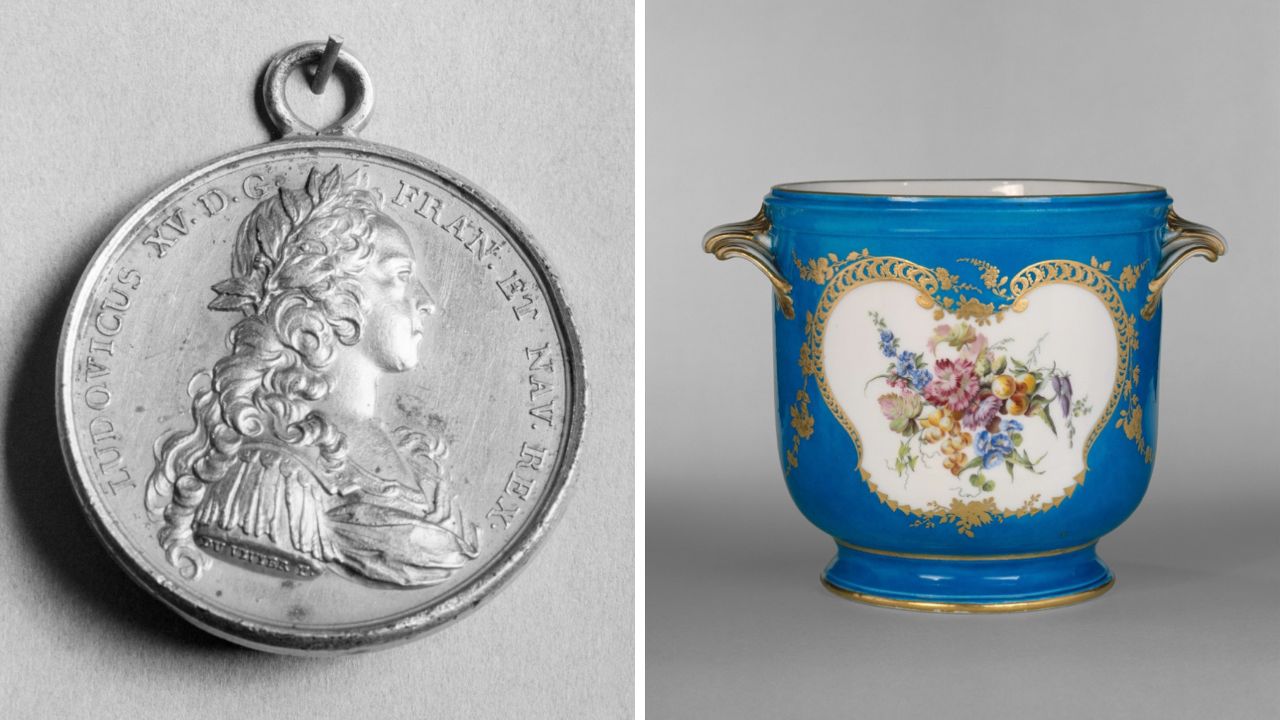
Picture this: the image most folks carry of France under Louis XIV and Louis XV shows one man gripping every lever of power – taxes, courts, military, legislation – all pulled tight into his hands.
Actually, the Bourbon rulers managed their realm via an extensive bureaucratic network – neither entirely centralized nor feudal in nature. This setup stood apart, blending traits of a private-run system within a public framework. A peculiar mix emerged under their control, shaped more by circumstance than design.
The king was absolute in theory. Though formally ruled by the crown, daily governance relied on talks between monarchs and established legal posts.
This mechanism sheds light on how the monarchy maintained efficient control over long periods – yet also reveals why change grew so difficult later on.
I. Ministers — The King Did Not Govern Alone
The French monarchy never operated as a modern cabinet government. Ministers did not collectively rule; they individually advised the king. Authority always flowed downward from the monarch, but information flowed upward from specialists.

Under Louis XIV and Louis XV, the central administration consisted of secretaries of state and the Controller-General of Finances.
Core ministries
| Office | Function |
|---|---|
| Secretary of State for War | Army organization, fortifications |
| Secretary of State for Navy | Fleet, colonies, ports |
| Secretary of State for Foreign Affairs | Diplomacy and treaties |
| Secretary of State for the Maison du Roi | Court, clergy affairs, censorship |
| Controller-General of Finances | Taxation, debt, economic regulation |
Ministers such as Jean-Baptiste Colbert under Louis XIV or later reformers like Anne Robert Jacques Turgot under Louis XVI did not replace royal authority — they translated it into administrative reality.
The king decided.
The ministers made decisions operable.
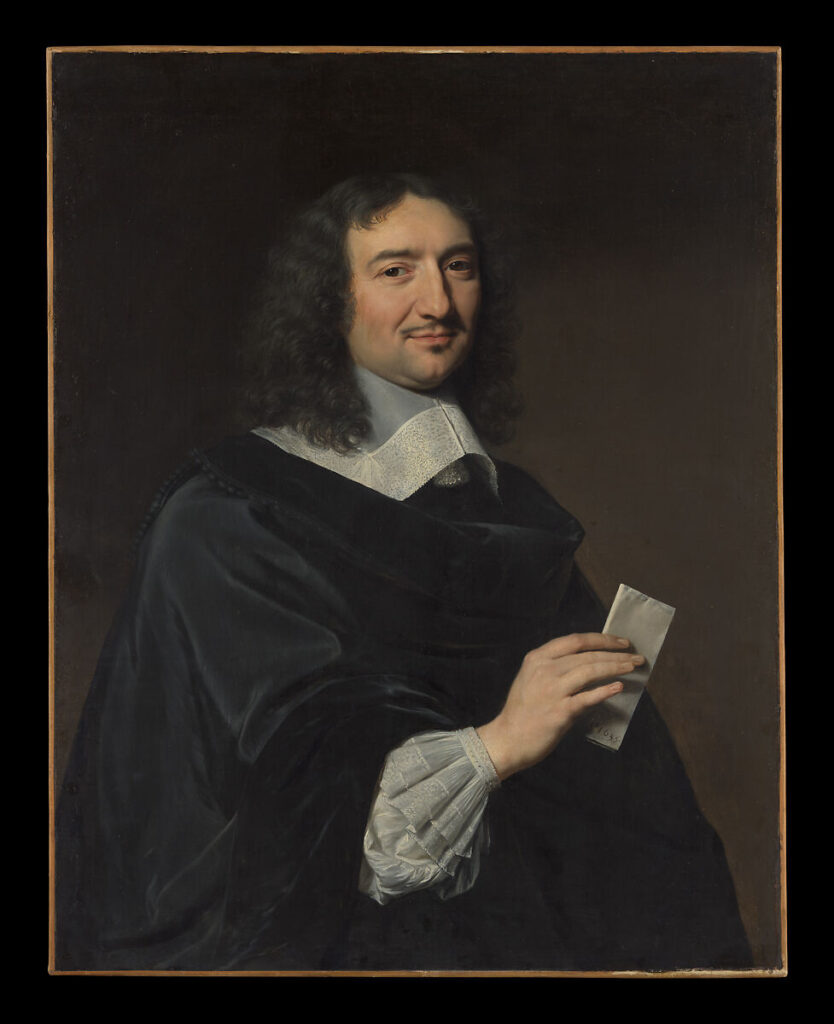
The system depended less on law than on access: influence came from proximity to the monarch, not institutional vote.
II. The Intendants — The Crown’s Eyes in the Provinces
Few realized how distant power truly remained from Versailles. Instead, control flowed through appointed officials known as intendants. Power rested heavily in the hands of provincial officials who acted for the crown across early modern Europe.
Not drawn from noble landholders, these figures held office only through appointment. Since they inherited no title, removal was always possible. Royal approval alone shaped their standing and survival.
A strange contradiction emerged here. Though social ranks stayed rigid, governance ran on office hierarchies. Power remained in familiar hands – though government actions began sidestepping those circles more often.
III. Venal Offices — Administration as Property
One of the most unusual features of Bourbon governance was venality of office: many public positions could be bought, inherited, and sold.
Judges, financial officials, and municipal administrators often owned their office as legal property.
Why the monarchy allowed this
| Advantage for crown | Long-term consequence |
|---|---|
| Immediate revenue from sales | Permanent privileges |
| Loyal officeholders | Institutional rigidity |
| Administrative continuity | Resistance to reform |
| No need for taxation increase | Fragmented authority |
The crown effectively financed itself by selling pieces of its own sovereignty.
Once sold, these offices became protected by law.
Reform therefore meant confiscation — politically dangerous and legally contested.
The monarchy gained stability but lost flexibility.
IV. The Parlements — Courts That Became Political Bodies
Few positions held more weight than those filled by judges within the parlements – particularly the court in Paris. Though power spread across regions, influence often centered where royal authority met legal tradition. That assembly shaped rulings others followed. Not every high court matched its reach. Still, each played a role when crown and law intersected.
At first, these courts merely recorded royal orders prior to implementation. Gradually, however, they asserted authority to block registration while submitting objections.
Framed by their own rhetoric, they cast roles as guardians of the realm’s core legal traditions. Long preceding revolutionary upheaval, tension between crown authority and judicial bodies evolved into a battle over constitutional order.
From the moment Chancellor René Nicolas de Maupeou dismantled the old parlements in 1771, royal authority showed it retained power to impose decisions – yet at the same time exposed how submission depended less on loyalty and more on coercion.
Though the monarchy acted decisively, its control rested increasingly on pressure instead of trust.
Competing visions of authority
| Royal Government | Parlements |
|---|---|
| Law comes from the king | Law exists above the king |
| Administration priority | Judicial legitimacy priority |
| Reform possible | Tradition binding |
| Sovereignty personal | Sovereignty legal |
V. How Decisions Actually Happened
The Bourbon state worked through circulation rather than command.
- Information gathered locally by intendants
- Sent to ministers in Versailles
- Discussed in royal councils
- Approved personally by the king
- Registered by courts
- Implemented through local officers
Administrative flow
| Stage | Actor |
|---|---|
| Local report | Intendant |
| Analysis | Ministry |
| Authority | King |
| Legality | Parlement |
| Execution | Officeholders |
This process was slow but remarkably effective for a pre-industrial state.
The weakness was not inefficiency — it was contradiction.
Every step depended on groups whose privileges reform threatened.
VI. Why Reform Became Impossible
France in the 1700s:
Centralized taxation oversight.
National military administration.
Coordinated provincial governance.
Still, without a central power strong enough to reshape institutions, change remained out of reach. Starting each day, royal authority managed routine matters; however, it held no power to reshape its underlying structure.
A single hand did not control every piece of the mechanism. Ownership scattered across multiple figures gave it motion. Each segment moved because someone claimed it. Power distributed in this way kept things running.
Change began by ending special rights. Beyond mere custom, rights defined allegiance through law.
Conclusion — A Modern Administration Inside a Traditional Society
Fleury, the king’s tutor, held sway during Louis XV’s youth, much like the earlier days of Louis XIV’s reign when authority rested with a trusted counselor.
Steering policy with quiet persistence, he shaped France until death removed him from court in 1743. Only later did Louis understand: power lay in image, not execution, since officials carried out daily tasks.
Still, carrying out tasks at Versailles felt like a burden to him, missing the energy and skill of his distant relative. Where Louis XIV avoided top ministers and kept tight control over decisions, Louis XV let rival groups of aristocrats take charge. This shift moved away from the Bourbon practice of relying on bureaucratic nobles to keep government running smoothly.
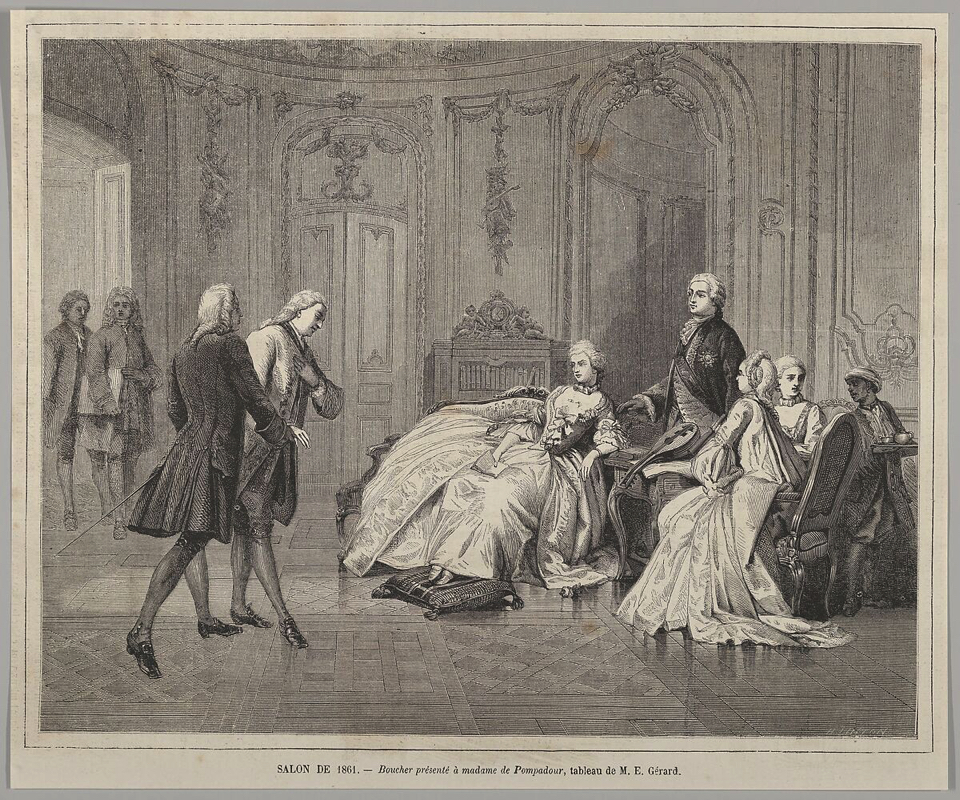
Fame surrounded his romantic entanglements, nothing unusual for a monarch, yet the power granted to mistresses stood out – particularly evident in Madame de Pompadour, whose influence between 1745 and 1764 steered decisions while controlling who could approach the king, deepening skepticism toward privileged insiders.
With her gone, distance grew; he drifted into silence, tangled in court schemes and apathy. Far from restoring its former glory, France’s royal court remained central to European culture even as monarchical influence waned across decades.
Marked by defeat, the Seven Years’ War spanned 1756 to 1763 and stripped French power overseas while boosting British dominance abroad. With military successes gone, financial strain deepened alongside public discontent – conditions that eroded Bourbon authority long before revolution stirred.
The Bourbon monarchy did not collapse because it was primitive.
It collapsed because it was advanced in the wrong way.
Administratively, France approached a modern centralized state.
Socially and legally, it remained a negotiated hierarchy of rights.
The king governed through ministers.
Ministers relied on intendants.
Intendants depended on courts.
Courts defended privilege.
The system worked — until it needed to change.