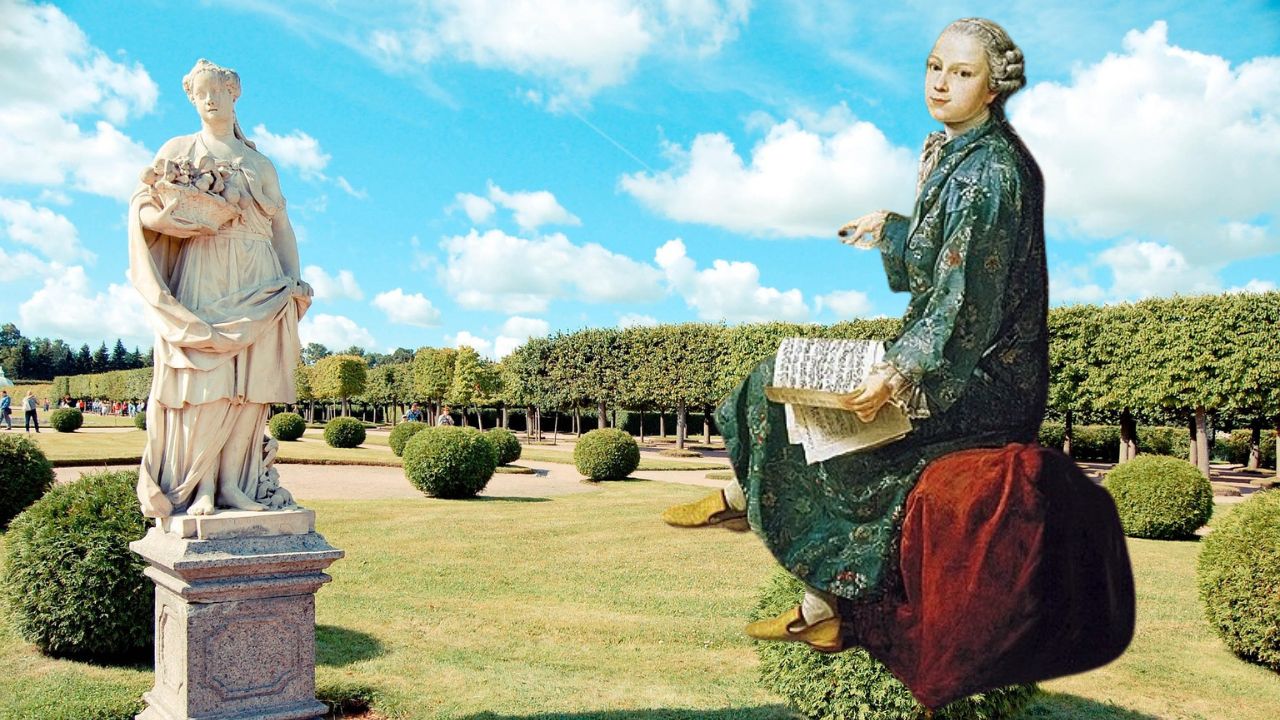
In late winter of 1785, Vienna heard a piano concerto that sounded unlike the elegant salon music many expected from Wolfgang Amadeus Mozart. Piano Concerto No. 20 in D minor, K. 466 arrived with restless syncopations, a dark orchestral palette, and an emotional intensity that seems to anticipate Romanticism decades early. It is a work that grips listeners immediately—not because it is loud or showy, but because it is psychologically charged, dramatic, and unusually uncompromising for its time.
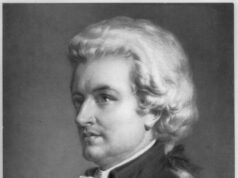
Mozart composed KV 466 at the height of his Viennese career, when he was both a celebrated performer and a freelancer navigating the city’s competitive musical market. The concerto has never left the repertoire since: pianists prize its turbulence and lyricism, conductors value its taut architecture, and historians point to its influence on Beethoven and the later 19th-century concerto tradition. More than a famous piece in D minor, KV 466 is a landmark in the history of public concert life, keyboard virtuosity, and the expressive ambitions of Classical music.
Vienna 1785: Historical Context and First Performances
KV 466 is one of the great ‘Vienna concertos’ (early/mid 1780s), written for the subscription concerts and theater life of the Habsburg capital. The late Enlightenment capital attracted artists and lovers of the arts, and Mozart, moving in from Salzburg, earned a living by teaching, publishing, and, of course, playing his own concertos. The venues included aristocratic living rooms, public theaters, and a cluster of music publishers and instrument makers.
The first performances of the concerto came during the Lent of 1785, a time when the opera house was relatively inactive and the concert season was underway. According to Mozart‘s associates, the concerto was rehearsed quickly, a testament to Mozart‘s compositional ease and the dictates of the Viennese concert schedule. Its gravitas, too, is consistent with a period when “high art” and entertainments were starting to be distinguished and audiences expected more than simple diversions in their urban concert lives.
For some indication of Mozart‘s fame in Vienna, look no further than his father Leopold Mozart, who paid a visit to the city in 1785 and saw how eagerly it was awaiting his son‘s next concerto premiere: “Your brother,” wrote Leopold, “is the most beloved of all the pianoforte players in Vienna.” (Leopold Mozart, Letters, 1785, numerous scholarly editions).
Musical Design: Why KV 466 Sounds So Modern
The concerto’s D minor key is central to its character. In Mozart’s output, D minor frequently signals heightened drama (as in the “Don Giovanni” overture, composed later). The opening orchestral statement in KV 466 is taut and urgent, with a sense of forward motion that feels almost symphonic. Mozart sets up tension through rhythmic insistence and sharp contrasts rather than sheer volume, making the drama feel internal and inevitable.
The piano’s entrance does not simply decorate what the orchestra has said; it argues with it. Mozart shapes the solo part with a blend of virtuosity and rhetoric—rapid passagework, sudden dynamic turns, and searching harmonic moves that intensify the psychological narrative. The slow movement (Romanze) offers respite, but even there serenity is interrupted by a striking, storm-like middle episode, as if calm cannot fully hold.
The finale is particularly consequential historically because it fuses Classical form with an almost theatrical sense of fate. The music presses forward with relentless energy, yet Mozart’s control of structure remains clear: episodes return with purpose, and the final shift to D major reads not as easy triumph but hard-won resolution. Music historian Charles Rosen captured Mozart’s concerto achievement succinctly: “The piano concertos are Mozart’s greatest achievement.” (Source: Charles Rosen, The Classical Style, 1971.)
Instruments, Craft, and the World Behind the Sound
If we are to think of KV 466 as a historical object, not simply ink-on-paper, it‘s useful to imagine the late-eighteenth-century fortepiano and the kinds of keyboard instruments Mozart would have played in Vienna. These instruments’ lighter touch and clearer tone provided for much faster articulation, plus greater flexibility in dynamics (a brighter, more biting sound over the full spectrum of keyboard expression). In KV 466, drama comes not just from heft, but from clarity and contrast.
Culture houses like the Metropolitan Museum of Art (New York) and the Victoria and Albert Museum (London) house the decorative arts and instruments of 18th-century Europe the material culture from which this concerto‘s world derives its sounds. This context also helps listeners appreciate the intimate relationship between technology, instruments, and society in the Classical period, when the building, crafting, and buying of instruments were inextricably connected.
The Smithsonian similarly stresses objects as a doorway into the realities of the past how people lived, spoke, and sang their way through a certain time and place. Even though today KV 466 is most commonly heard in concert halls, in its day it belonged to a smaller-scale, more balanced, even intimate sonic and performer-composer relationship. Performed on period instruments, today, the concerto‘s details emerge that can become blurred in more homogenous modern sonorities the incisive attacks of the strings, the more speech-inflected phrasing of the piano, the leaner support of the orchestra.
Reception and Legacy: From Mozart to Beethoven and Beyond
KV 466 has a special place in the history of influence because Ludwig van Beethoven admired it deeply and wrote his own cadenzas for the concerto—an extraordinary act that signals both reverence and a desire to engage with Mozart as a creative equal. Beethoven’s attraction is easy to understand: the concerto’s minor-key intensity and dramatic argument foreshadow the expressive world Beethoven would expand in the 1790s and early 1800s.
The work’s legacy also intersects with the development of the concerto as a public genre. In Mozart’s hands, the piano concerto became more than a vehicle for brilliant display; it became a forum for conflict, reconciliation, and symphonic thinking. This is part of why KV 466 continues to feel contemporary: it treats the soloist and orchestra as characters in a drama rather than as leader and accompaniment.
The concerto’s afterlife extends into modern institutions and performance traditions. Major orchestras in Vienna, Berlin, London, and New York program it regularly; conservatories teach it as a core repertoire work; recordings show interpretive diversity ranging from historically informed practice to large-scale Romantic readings. In that sense, KV 466 is not merely a historic artifact—it is a living text that performers re-argue in public, generation after generation.
Key Characteristics of Mozart KV 466 (Summary Table)
| Feature | Description | Why it matters |
|---|---|---|
| Genre | Piano Concerto No. 20 | A peak example of the Classical concerto as public art |
| Key | D minor | Rare and dramatic in Mozart’s concerto output; intense affect |
| Period | Classical era, Vienna (1785) | Tied to Enlightenment-era concert life and patronage networks |
| Structure | 3 movements (fast–slow–fast) | Traditional frame filled with unusually high tension |
| Solo/Orchestra relationship | Dialogic, conflict-driven | Anticipates later “symphonic” concerto thinking |
| Legacy | Admired by Beethoven; enduring repertoire staple | Demonstrates direct historical influence and continued relevance |
Frequently Asked Questions (FAQ)
1) What is Mozart KV 466?
KV 466 is Mozart’s Piano Concerto No. 20 in D minor, composed and first performed in Vienna in 1785. “KV” refers to the Köchel-Verzeichnis, the chronological catalog of Mozart’s works.
2) Why is KV 466 considered unusual for Mozart?
It is one of Mozart’s most dramatically charged concertos, using D minor to heighten tension and employing orchestral writing that feels unusually urgent and “symphonic” for a piano concerto of the period.
3) Did Beethoven really write cadenzas for KV 466?
Yes. Beethoven composed cadenzas for this concerto, reflecting his deep respect for the work and offering a notable bridge between Mozart’s Classical style and Beethoven’s emerging voice.
4) What should I listen for in the second movement?
Listen for the contrast between the movement’s lyrical, almost songful opening and the sudden, turbulent central episode. That interruption is essential: it reframes the “Romanze” as fragile calm rather than simple serenity.
5) Where can I learn more from credible institutions?
For broader historical context—18th-century Europe, instruments, and material culture—consult interpretive resources from the Metropolitan Museum of Art, the Victoria and Albert Museum, and the Smithsonian Institution. For European art-historical context that parallels the era’s aesthetic ideals, the Louvre Museum provides valuable frameworks on late-18th-century European culture.
Authoritative Sources (Selected)
- Charles Rosen, The Classical Style: Haydn, Mozart, Beethoven (1971).
- Leopold Mozart’s correspondence (1785), published in scholarly letter editions.
- Metropolitan Museum of Art (Heilbrunn Timeline of Art History and collection interpretation materials).
- Victoria and Albert Museum (collections and scholarship on 18th-century decorative arts and instruments).
- Smithsonian Institution (museum scholarship on historical objects, music, and cultural history).
- Louvre Museum (art-historical resources on 18th-century Europe and Enlightenment culture).
Mozart KV 466 endures because it is both historically specific and emotionally immediate: a Viennese concerto shaped by Enlightenment-era concert life, yet charged with a dramatic intensity that points beyond its time. Its dark D-minor rhetoric, razor-sharp design, and long legacy—from Beethoven’s cadenzas to today’s concert halls—make it not just a masterpiece of Mozart’s catalog, but one of the defining works in the history of the piano concerto.