Tables existed long before the 1700s. Yet it was during that time their roles began shifting. Instead of just holding objects, they started serving new purposes. People found fresh ways to interact with them daily.
Their function evolved quietly but completely. Life around them changed shape gradually. Uses multiplied without announcement. The century reshaped how they fit into homes, work, society.
Until around 1750, fancy homes rarely kept dining tables out full time. These pieces showed up only when required, then vanished again shortly after. People ate meals, finalized papers, had rounds of cards – silence followed once everything was put away.
Rooms held furniture just for moments like these, never as a constant presence. Life shifted after that, one day at a time.
Longer talks filled the afternoons.
Pages turned each day like clockwork. Warm cups, sweet bites – these small things settled into place. Walls shifted from show to shelter.
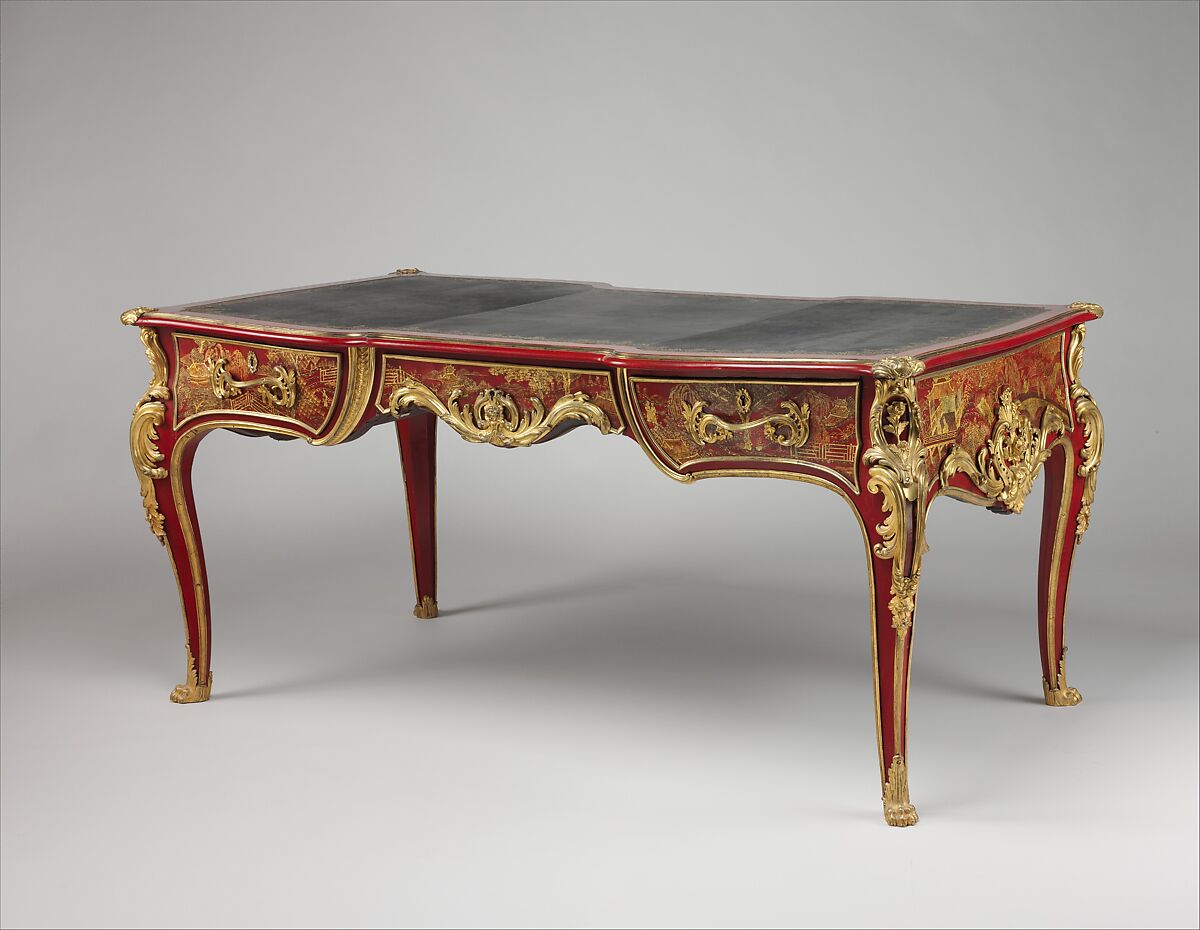
Then, just then – the louis xv table appears, not for display, yet marking how things now hold moments instead of impressing guests.
Right now, folks group tables by how they’re used – like for coffee, beside chairs, or meals. Back in the 1700s, each kind showed a way of being together: shared moments, gatherings, or quiet time alone.
The louis xv coffee table — furniture for lingering
Strictly speaking, the “coffee table” as we know it did not exist yet. Instead, low movable tables appeared to accompany seated conversation. They were placed beside chairs rather than at the center of rooms.
Hot drinks were fashionable, but the real change was duration. People stayed seated longer.
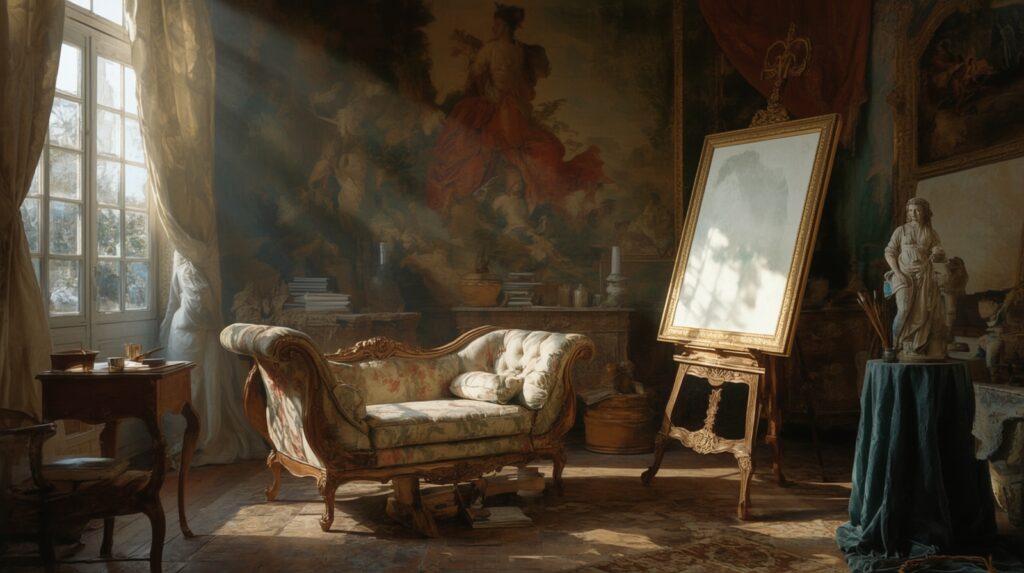
A louis xv coffee table works best when it does not dominate the seating arrangement. It accompanies rather than commands.
Key characteristics
| Feature | Purpose | Effect in modern interior |
|---|---|---|
| Low height | Reach while seated | Relaxed atmosphere |
| Light weight | Easy relocation | Flexible layout |
| Small top surface | Temporary use | Visual elegance |
Unlike modern large center tables, these were social accessories — never obstacles.
Best placement today
- Between conversational chairs
- Near reading seating
- In smaller salons or apartments
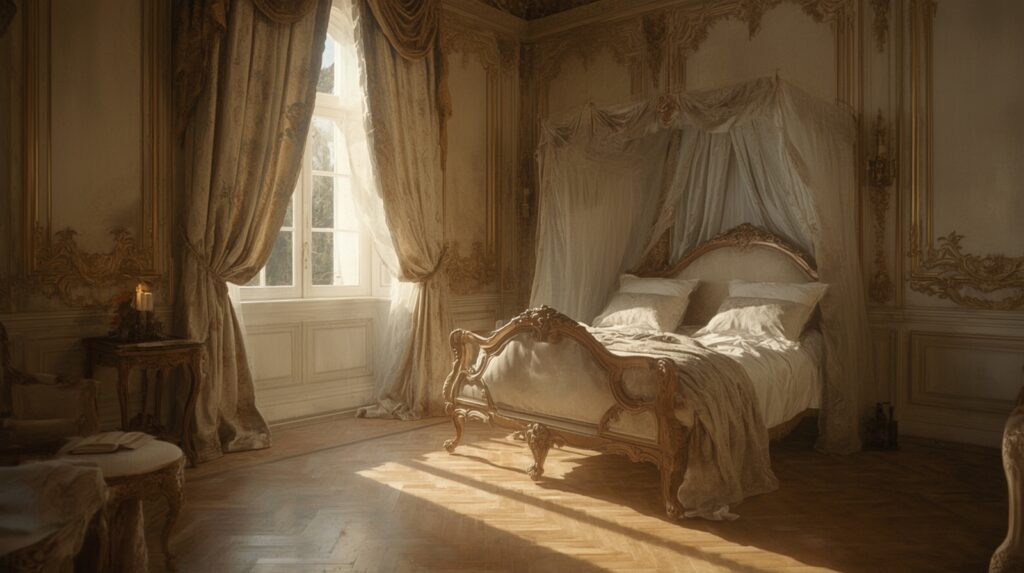
Avoid placing one in the middle of a large lounge. Historically, interaction happened around people, not objects.
The louis xv side table — the architecture of proximity
Often found near seating areas, the Louis XV side table adapts easily. Created for shifting tasks – like reading or sipping tea – it fits changing routines. During daylight hours, its position changed frequently across rooms.
Movement defined its daily role in household life. What matters most is how far it extends. Sitting users must remain seated, always.
A new kind of seating began showing up in homes without fanfare.
Its presence softened the rhythm of ordinary tasks. Little by little, it shaped moments people barely noticed. Over time, ease became part of how things were done.
| Element | Historical Function |
|---|---|
| Marble or wood top | Candle safety and durability |
| Single drawer | Personal storage |
| Compact footprint | Fits beside seating |
Today the louis xv side table works particularly well in transitional interiors where modern layouts need smaller functional accents.
The louis xv dining table — conversation replaces ceremony
Back then, seating order mattered most – longer tables showed who ranked higher. Under Louis XV, dinner changed shape, favoring talk over titles. Instead of stretching out, furniture drew in, circular or compact. Conversation replaced ceremony, faces meeting more easily across shorter spans.

A dining table from the louis xv period tends to seem more personal than those made before it.
Choosing this type today suits homes prioritizing shared experience rather than formal hosting.
| Shape | Behavioral Effect |
|---|---|
| Long rectangular | Formal hierarchy |
| Oval | Balanced discussion |
| Round | Equal participation |
Material and atmosphere
Louis XV tables favored warmth over monumentality. Even when richly decorated, they were visually light.
| Material | Visual Impact |
|---|---|
| Walnut | Calm presence |
| Fruitwood | Soft domestic tone |
| Gilt mounts | Controlled elegance |
Heavy stone surfaces belonged to earlier grandeur. Here, comfort defined refinement.
Combining tables intelligently
Back then, spaces often held several kinds of tables at once. Matching suites came into fashion much later. Blending uses gives a truer feel.
Recommended arrangement:
One louis xv dining table as central gathering point.
A single Louis XV side table might stand close to chairs. Sometimes, a second one appears nearby, balancing the arrangement.
A small louis xv coffee table near conversation area.
Movement matters more than balance. What counts is progress, not matching parts.
Choosing for modern interiors
| Interior Style | Best Choice |
|---|---|
| Formal classical | Dining table |
| Small apartment | Side table |
| Conversation lounge | Coffee table |
| Mixed modern-classic | Combination |
Selecting the correct louis xv table depends less on decoration and more on how you expect people to stay in the room — briefly, socially, or comfortably.
Conclusion
From grand occasions toward everyday moments – this marked the change brought by Louis XV tables. Habits found support here, not rituals. Lingering became possible thanks to coffee tables.
Side tables offered ease in reach. Dining tables allowed everyone to sit as equals. Today’s selection still works by one idea: shape the space around how people should act within it. Furniture, even now, teaches people how to gather.