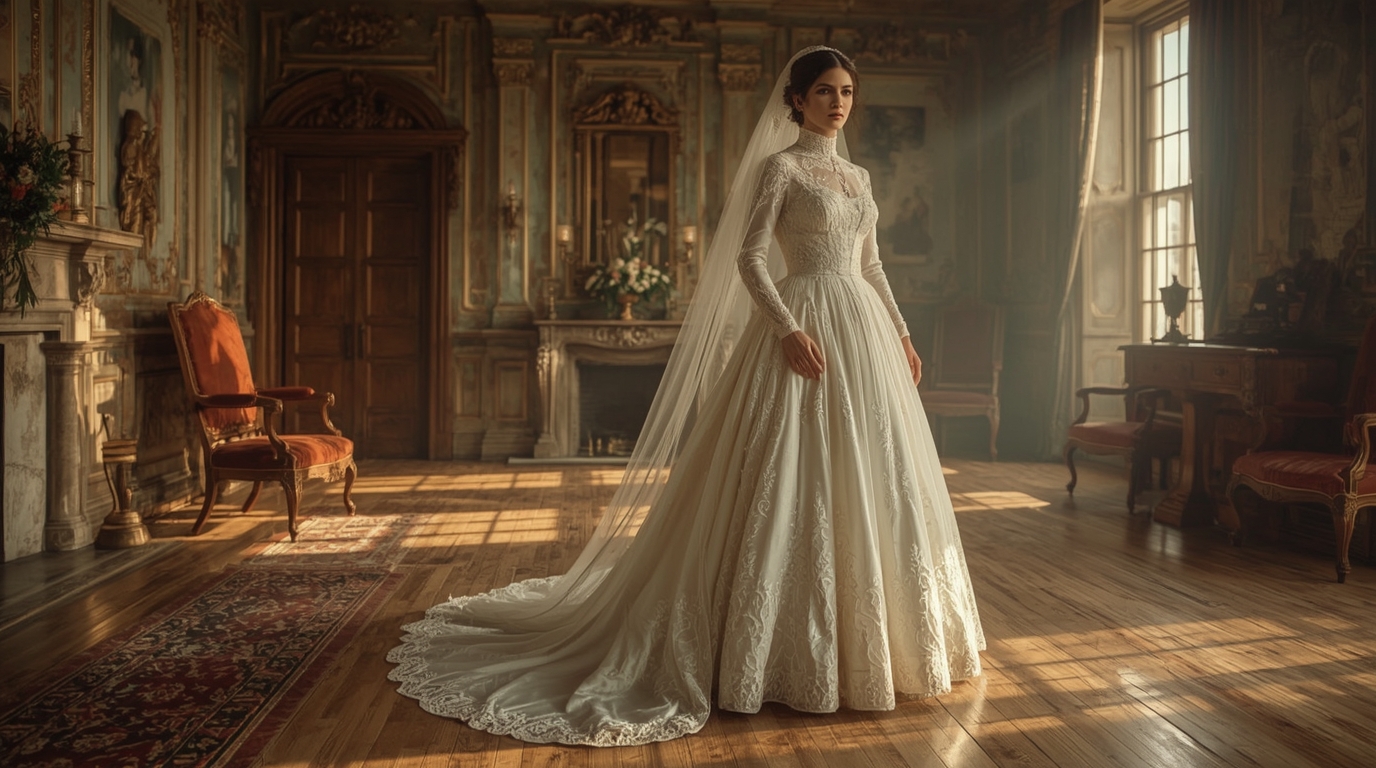
Antique wedding dresses do more than look beautiful in photographs—they carry the fingerprints of social change, textile innovation, and deeply personal family histories. To hold an antique bridal gown is to hold a moment in time: a hand-stitched seam made under gaslight, a silk woven in Lyon or Spitalfields, lace worked by skilled makers whose patterns signaled status and taste. Today, collectors, historians, and modern brides seek antique wedding dresses not just for romance, but for authenticity—garments that can be studied, preserved, and, in some cases, carefully worn again with respect for their fragility and provenance.
What Counts as an “Antique” Wedding Dress—and Why It Matters
In the antiques trade, “antique” typically refers to items around 100 years old or more, which means many true antique wedding dresses date to the late Victorian era through the early 1920s. These gowns often feature natural fibers (silk, cotton, linen, wool), hand-finished construction, and period-specific silhouettes that help specialists date them. Museums use similar evidence—fiber identification, stitch analysis, label research, and comparison to dated fashion plates—to establish chronology and context.
Defining what‘s antique isn‘t just a debate about semantics; it impacts the way you should care for, store, value, and even potentially wear a garment. A 1910s silk satin gown acts much differently than a 1970s polyester number. Antique silks can “shatter” or break into the fabric at stress points after decades of time and exposure to light and oxidation; weighted silks (from the late 19th to early 20th century) can break down over time from added metallic salts that give the fabric weight and drape.
This is why care is critical, at least according to the institutions that are charged with preserving historical clothing. The Victoria and Albert Museum calls its fashion collection an archive of fashion and textiles as “physical documents of history,” and argues “the construction of the clothing, the nature of the cloth, and the signs of wear can all be interpreted.” The Costume Institute at The Metropolitan Museum of Art also regards its clothing collection as “primary sources” because “objects, like texts, are the subject of interpretation and in many cases can shed light on the history of technology, commerce and society.” (See: The Met‘s Heilbrunn Timeline of Art History and the V&A‘s fashion collections.)
A Brief History of Antique Wedding Dresses: From Victorians to the Jazz Age
Many people associate white wedding dresses with “tradition,” but the widespread fashion for white is closely linked to the 19th century. Queen Victoria’s 1840 wedding to Prince Albert—widely pictured and discussed—helped popularize white as a stylish choice among elites, particularly when paired with lace. This was not the first white wedding dress, but it became a powerful cultural signal as images and commentary traveled through print culture.
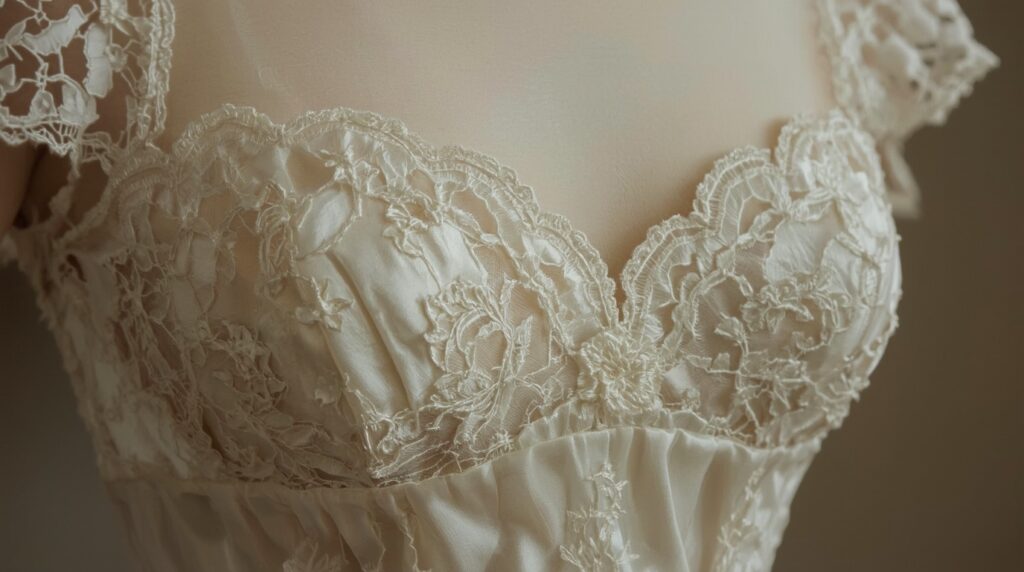
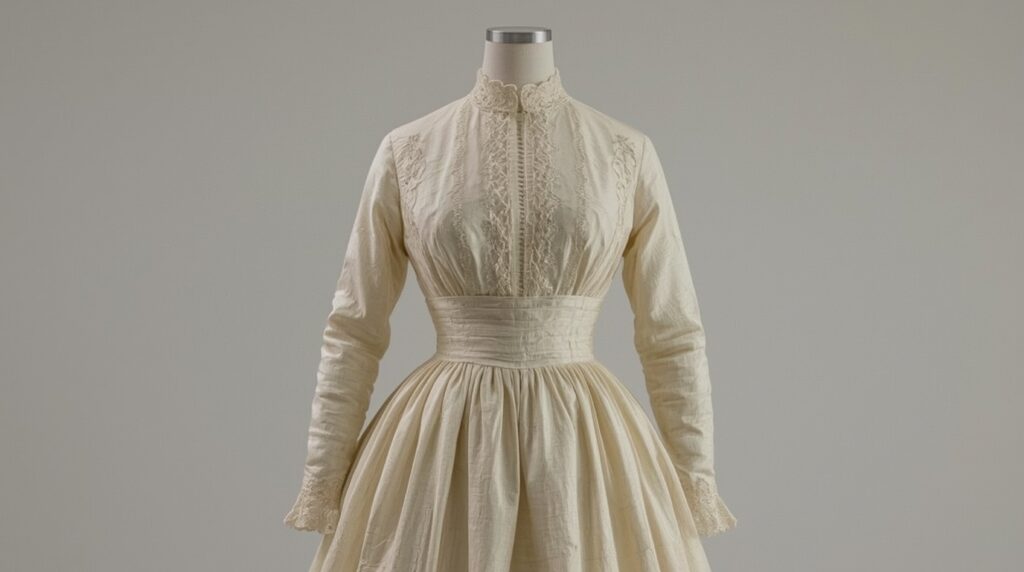
In the late Victorian and Edwardian eras (c. 1880s 1910s), bridal fashion showed off the country‘s mechanical might with high necklines, trains, and all that luxurious lace. Orange blossoms (a symbol of purity and fertility), fine veils the standard look to go for. Britain and France were leading countries for luxury textiles; lace-making in Alençon (France) and Honiton (England), for example, represented a prestigious tradition, as did the country‘s silk production and finishing in relationship to European industrial centres.
And as fashions loosened up after World War I, so too did bridal silhouettes: hemlines climbed, waists dropped and beaded and light layers embellished dresses and skirts and blouses. Dresses in the 1920s tended to resemble evening dresses in fit and adornment. Yet many women still repurposed their favorite gown to wear as their wedding dress instead of having a gown made for a single wear. Fashion collections, like at the Smithsonian Institution, are good evidence that fashion of an era reflects societal transformation: and how women can move more or play different roles in society, changes what they might want or need to wear.
Materials, Construction, and Hallmarks Collectors Look For
The most revealing features of antique wedding dresses are often the least flashy: seams, closures, linings, and evidence of alteration. Hand finishing is common—tiny whipstitches, careful hem treatments, and interior waist stays that supported heavy skirts. Closures can include hooks and eyes, early snaps, and buttons (often fabric-covered). Corsetry and structure—boning, tucks, and interlinings—help date garments and indicate how they were worn.
Fabrics can be equally telling. Antique wedding dresses commonly feature silk satin and taffeta, cotton voile and lawn, or good linen, often with lace accent or as the entire garment. The lace might be machine-made or handcrafted (bobbin or needle) depending on the period and the dress‘s designer/cost. When judging fabric, we look at content, weave, and the potential for issues like shattered silk, foxing (brown spots), and stresses in high-action spots (underarms, waistlines).
Museums are very keen to highlight the realities of conservation which collectors can‘t ignore. As the Met says, historic textiles deteriorate primarily because of light, humidity and handling which is why “exhibitions are held at very short intervals and storage is also carefully controlled.” Which in plain English means that while many dresses might look perfectly wearable vintage wedding dresses, in reality most are better than not handled at all.
Table: Key Characteristics by Period (Common in Antique Bridal Wear)
| Period (approx.) | Silhouette | Typical fabrics | Common details | Condition risks today |
|---|---|---|---|---|
| Victorian (1840s–1890s) | Structured bodice, full skirt, often long train | Silk taffeta/satin, cotton, lace | High necks (later decades), fitted sleeves, ornate lace | Weighted silk decay, staining, stress tears |
| Edwardian (1900s–1914) | S-curved posture, high neckline, lace layering | Cotton lawn/voile, silk, lace | Pintucks, insertion lace, delicate embellishment | Lace fragility, underarm weakness |
| WWI & Postwar (1914–1919) | Simplified lines, practical adaptations | Cotton, silk blends | Modest ornament, reuse of garments | Fabric thinning, repairs/alterations |
| 1920s | Looser fit, dropped waist, shorter hem | Silk, chiffon, georgette | Beading, soft veils, Art Deco motifs | Bead weight strain, shattered silk |
Buying, Wearing, and Caring for Antique Wedding Dresses Responsibly
Authenticity begins with provenance and honest condition reporting. Seek sellers who provide detailed photos of interiors, seams, closures, and any labels or markings. Ask for measurements taken flat, because sizing conventions have changed dramatically. Be wary of heavy cleaning “restorations” that erase evidence or weaken fibers; in conservation, minimal intervention is often best.
If your goal is to wear an antique wedding dress, treat it like borrowing history, not simply buying clothing. Many conservators recommend wearing only after a professional assessment, with stress-reducing alterations that do not cut original fabric. Consider adding a custom-made support layer (a slip or underdress) to reduce friction, and avoid high-stress movements. Also consider “inspired by” alternatives—wearing antique lace accessories, a vintage veil, or incorporating a fragment as trim—if the dress is too fragile.
Storage and care should follow museum-informed principles: stable, cool conditions; low light; acid-free materials; and minimal handling. The Smithsonian and other major institutions emphasize the importance of controlling light exposure and humidity for textile longevity. For home storage, use acid-free tissue to pad folds, store flat when possible, and never use wire hangers for fragile garments. For cleaning, consult a textile conservator—especially for silk and lace—rather than a standard dry cleaner.
Authoritative Quotes and Sources (Museum-Grounded Perspective)
Museum scholarship consistently frames historic dress as evidence-rich material culture. As the Victoria and Albert Museum explains in its fashion and textile resources, garments can be studied for what they reveal about “society, technology and craftsmanship” (V&A collections and fashion scholarship). The Metropolitan Museum of Art’s Costume Institute similarly treats fashion as a serious field of historical inquiry, and The Met’s Heilbrunn Timeline of Art History provides accessible, curated context for periods that shaped bridal fashion. These perspectives support a careful approach: antique wedding dresses are not merely decorative—they are researchable objects.
For broader European context, institutions such as the Louvre Museum situate decorative arts and textiles within court culture, luxury trade, and craftsmanship traditions that influenced elite dress aesthetics in France. While bridal gowns may be dispersed across collections, the Louvre’s emphasis on decorative arts helps explain why lace, silk, and ornament carried such cultural authority in 19th-century Europe.
Credible sources to consult
- The Metropolitan Museum of Art (The Met), Heilbrunn Timeline of Art History; Costume Institute collection resources
- Victoria and Albert Museum (V&A), fashion and textile collections research pages
- Smithsonian Institution, textile and costume collecting and preservation guidance
- Louvre Museum, decorative arts and material culture context
Frequently Asked Questions
Are antique wedding dresses always white?
No. While white became especially fashionable in the 19th century, many brides wore their best dress in practical colors, especially outside elite circles or in earlier periods and regional contexts.
How can I tell if a wedding dress is truly antique (100+ years old)?
Look for period construction (hand finishing, closures), fiber and weave consistent with the era, and signs of age that match the materials. Compare with museum examples and, when possible, consult a textile or fashion historian.
Is it safe to dry clean an antique wedding dress?
Often not. Solvents and agitation can damage fragile silk, lace, and old stitching. A textile conservator can advise on stabilization and safe cleaning methods tailored to the specific fibers and dyes.
What’s the biggest threat to an antique bridal gown at home?
Light, humidity swings, and stress on weakened fabric. Displaying a dress in sunlight or hanging it long-term can cause irreversible damage.
Can an antique wedding dress be altered to fit?
It can sometimes be adjusted using reversible methods, but cutting original fabric generally lowers historical and collector value and can accelerate damage. Many specialists recommend creating supportive underlayers or commissioning a replica for wear.
Antique wedding dresses are rare survivals of intimate history—objects shaped by real bodies, real celebrations, and the craft traditions of their time. Approached with museum-level care and informed sourcing, they offer more than vintage charm: they provide a tangible link to Victorian, Edwardian, and early 20th-century life. Whether you collect, study, or thoughtfully wear one, the goal is the same—to honor the garment as a fragile, meaningful artifact and preserve its story for the next century.