

There comes a time in the life of any collector.
You spot your dream lamp. Maybe it‘s a 1920s porcelain lamp with subtle painted flowers, or maybe it‘s a weighty brass Art Nouveau shape. But the cord is frayed, the socket unsafe, and the finish oxidized over the last century.
Will you restore it?
Do you just ignore it?
Or do you risk eroding it?
Restoring old lamps is more than fixing. It means saving material history, ensuring electrical safety and protecting collector value. Mistakes can make that lamp worth less. But done right, it can be worth significantly more.
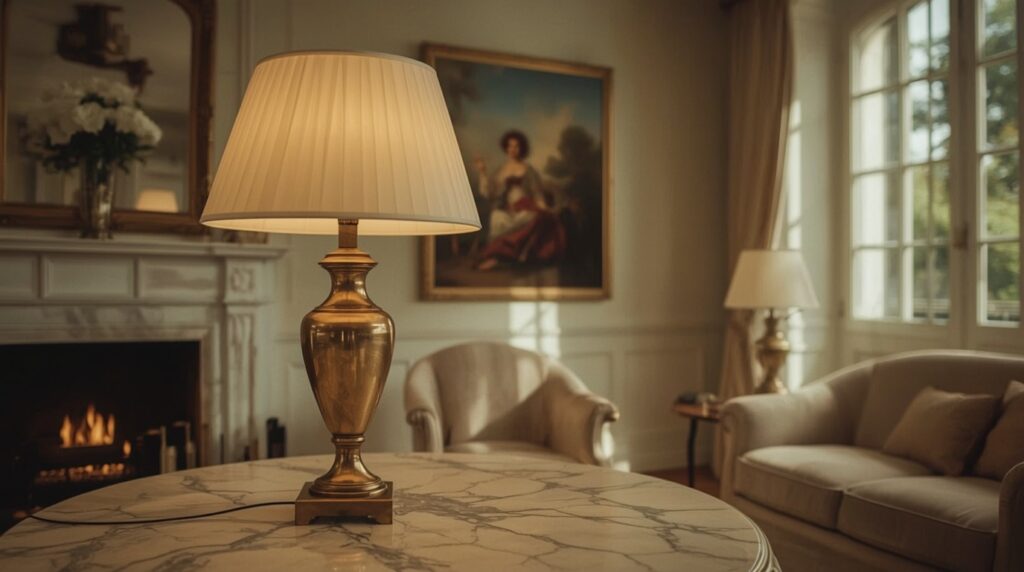
This guide is based on conservation principles in the field of decorative arts, in use within the auction house world and by practicing re-wire artists.
What Counts as Antique Lamp Restoration?
Antique lamp restoration generally falls into three categories:
Electrical repairs — rewiring, replacing switches and sockets to be up to date with current safety standards.
Exterior Conservation — polishing brass, cleaning marble, china, painted surfaces
Crack stabilization, tightening any lose parts, replacing the internal rods, basically structural repair.
Important distinction:
Restoration = bringing back to working order and original state.
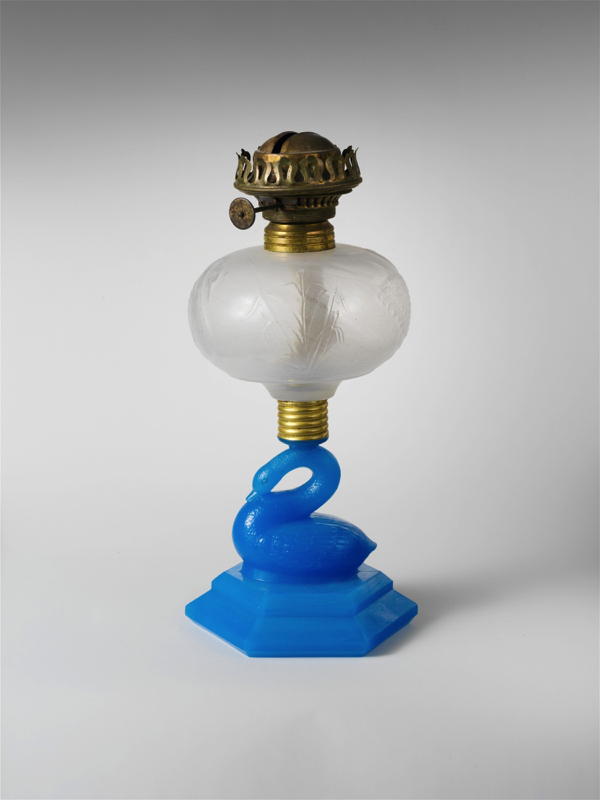
Refinishing = Changing the original surfaces. (It‘s usually damaging to the value)
Reproduction adaptation = substitution of essential components of the historically authentic fabric.
A simple rule for professional conservators: stabilize first; replace when necessary.
Pre-1950s antique lamps tend to be wired with cloth-covered cords and vintage bakelite or brass sockets. These often don‘t meet current safety standards.
During antique lamp restoration, professionals typically:
Replace all internal wiring.
Install UL-listed sockets
Add polarized plugs
Apply grounding when you can
Rewiring doesn‘t diminish value, as long as it‘s done right. Most auction houses will insist on safely wired fixtures.
Average rewiring cost: $40-$150, depending on the intricacy and where you live.
Material-Specific Restoration Considerations
Not all materials can be handled the same way.
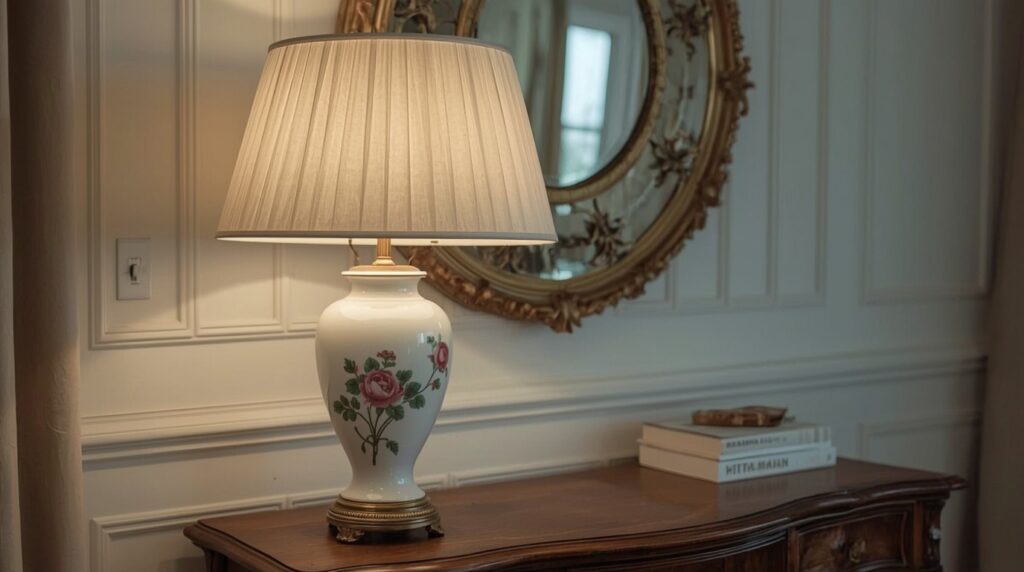
- Brass and Gilt Metal
Don‘t go after the shine. Intense polishing wears away all of the patina, and it is the patina that helps show the history of the surface. Light cleaning with safe solvents maintain the value for any collector. - Porcelain and Ceramic
Hairline cracking or crazing is not usually something that needs fixing and is stable. In fact, it will likely be made worse trying to fill it.
If your pieces are valuable European porcelain made by companies like Meissen Porcelain Manufactory or Sevres Porcelain Manufactory, speak to a ceramic conservator first.
- Marble and Alabaster
Do not use acid-based cleaners — only use stone safe and pH neutral products. Underlying structural cracks need to be repaired within the stone — not just painted over!
Antique lamp restoration adds value when:
The lamp is signed and unique
Original coatings are intact.
The hardware is dated.
That project is documente.
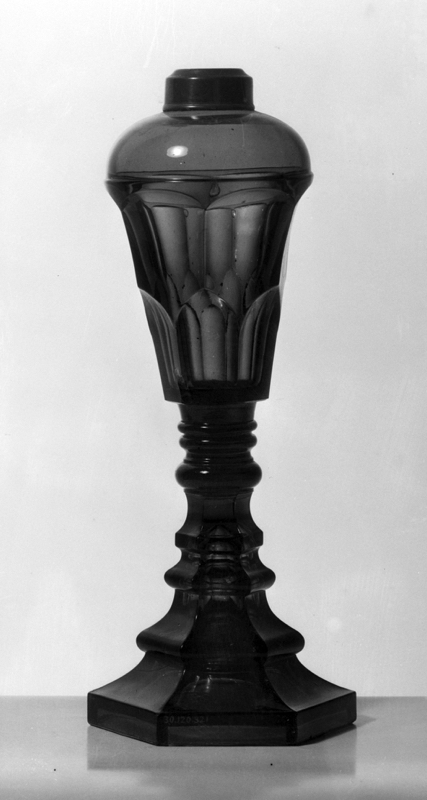
This type of lamp will appeal to the collector that wants a lamp that is safely functional without looking “over-restored”.
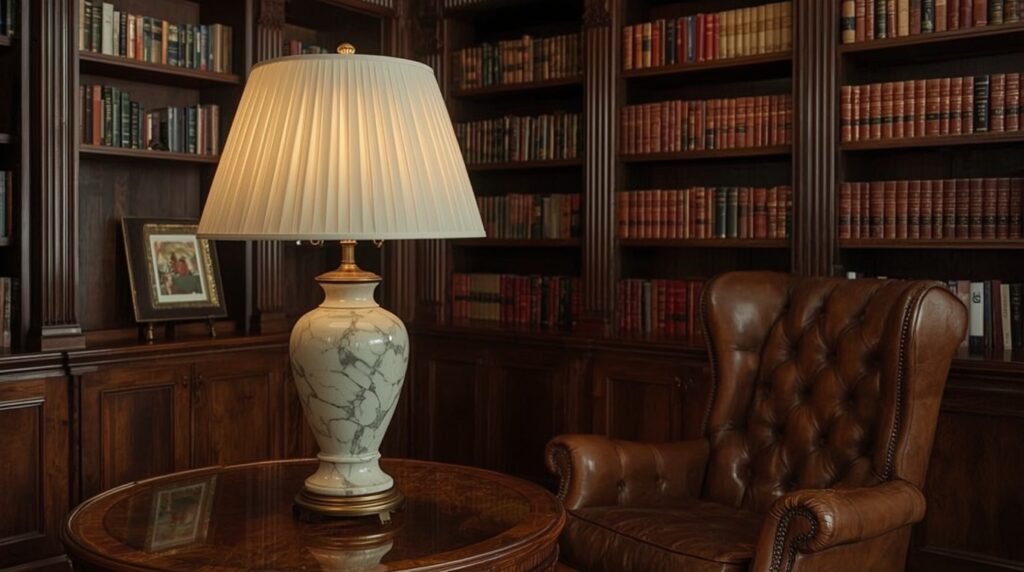
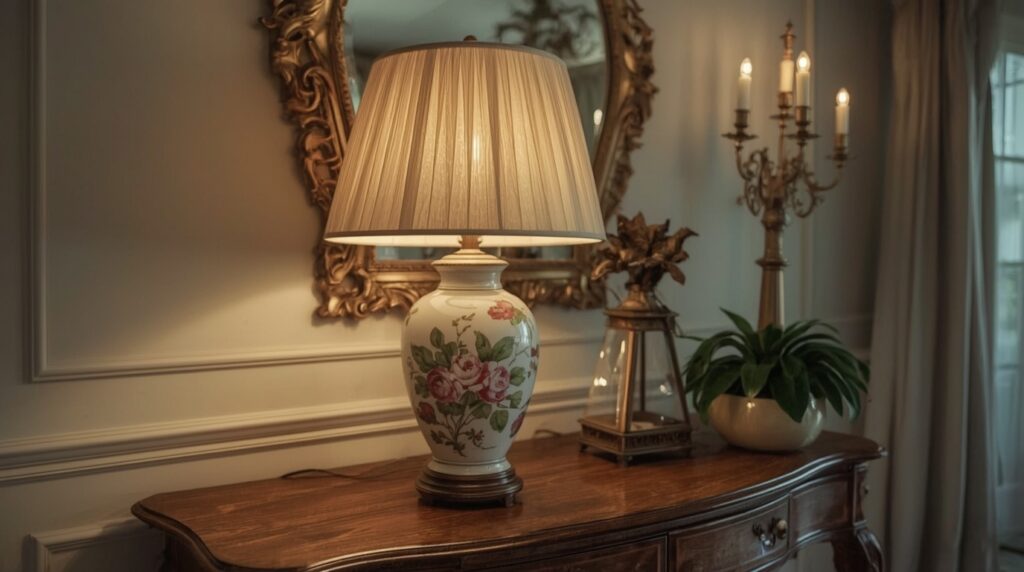
Case in point: A hand-painted porcelain lamp from the 1920s that has been professionally rewired and its patina has not been disturbed will often command a price of 20-40% higher than a one that doesn‘t work.
When Restoration Destroys Value
Restoration becomes harmful when:
The original finishes are removed
The surfaces have been spray-painted.
Instead of ornamentation, replicas will be added
Unused historical sockets are dropped
The lamp is changed into a different look
What comes of this kind of over-restoration is a loss of character — and it‘s character that the market craves.
Common Mistakes in Antique Lamp Restoration
Here are the most frequent errors professionals encounter:
- Using bright modern brass fittings on aged bases
- Installing oversized contemporary shades
- Sanding marble to achieve “like new” shine
- Gluing porcelain cracks with visible epoxy
- Replacing original finials with generic hardware
Each of these decisions can quietly reduce resale value.
Should You DIY or Hire a Professional?
DIY is acceptable for:
Rewire Kit Easy.
Replacing the cord for a standard mid-century table lamp.
Everyday cleaning tasks
Hire a professional when:
The lamp is from before 1900
Has an identifiable manufacturer‘s mark.
The material is delicate (marble, porcelain, onyx)
The lamp is capable of winning an auction.
Your options are to take the fixture to a decorative arts expert, or hire an electrician who specializes in vintage lighting.
In today’s collector market, documentation increases trust.
Keep:
- Before and after photos
- Receipts for rewiring
- Conservator invoices
- Any original parts removed
If selling, this builds authority and reassures buyers.
Auction houses and dealers increasingly prioritize transparency over cosmetic perfection.
Market Perspective: Is Restoration Worth the Cost?
Here is a simplified value comparison:
| Condition | Market Reaction |
|---|---|
| Non-working, unsafe | Limited buyer interest |
| Safely rewired, original finish intact | Strong demand |
| Over-polished, refinished | Reduced collector interest |
| Poor DIY repair | Often discounted heavily |
The goal of antique lamp restoration is not to make the lamp look new.
It is to make it stable, safe, and honest.
How Do You Restore an Antique Lamp Without Reducing Its Auction Value?
Restore your vintage lamp, but with restraint — and with records — to avoid hurting its auction value. Preserve it. Understand that over-restoration is often worse for a lamp than age. The rule: stabilize. Don‘t upgrade.
- Rewiring: Safety Without Visual Intrusion
Electrical updates are fine — sometimes required — but must be done secretly. Replace worn-out wiring with matching cloth covered cord, not a high contrast plastic coated wire. Keep original switches and sockets and brass trim whenever you can; if you have to replace them keep the old ones and make it known. Rewiring by a professional doesn‘t diminish value. Visible modernization does. - Preserve Patina
Always try to keep brass mounts from being mirror-bright — unless you have documentation showing they were originally polished that way. Patina is a sign of age and authenticity; you‘re wiping away decades of character that a collector wants to see. - Porcelain and Surface Repairs
Small glaze losses, firing imperfections and hairlines are generally more acceptable than extensive repair work. Discreet professional reinforcement of any structural cracks is acceptable, however over-painting chips, re-glazing and retouching of the decoration can have a very detrimental effect on the value of a work of art — particularly if it is signed by a significant artist such as Meissen Porcelain Manufactory or Sevres Porcelain Manufactory. All restoration work should be reversible and disclosed to any potential buyer. - Keep Original Mounts and Hardware
Original metal mounts, even showing some wear, contribute to an item‘s history. Substituting generic, mass-produced brass pieces for original ones may lower auction estimates considerably. If replacement is necessary for stability, ensure the new hardware is appropriately styled and properly sized to use existing screw holes. - Avoid Structural Alterations
Do not widen the hole for the central drill. Do not alter the base. Do not re-cover painted surfaces. Any modification to the structure damages the past and is a major warning sign for serious collectors. - Documentation Is Critical
Save repair bills from conservators. Take pictures of the lamp both before and after repairs. Note all alterations. Being forthcoming increases buyers’ confidence in an auction.
Which Materials Are the Riskiest in Antique Lamp Restoration?
It‘s also true that some of the parts of antique lamps pose a much bigger restoration risk than others — they might be fragile, prone to over-treatment, or easily misidentified by less experienced restorers. Often the biggest gaffes are due to applying modern restoration techniques to antique surfaces.
- Porcelain (Especially Early European Hard-Paste)
It looks fragile, but is susceptible to permanent damage to the appearance — it is easy to cover paint-lost areas. The paint will never be invisible if added, same if you will try to fill cracked parts of enamel using epoxy or reglazing. For example pieces from a large manufactories (Meissen or Sevres Porcelain Manufactory) are irreplaceable value. And if you over-clean this item, original glaze will not shine so brightly. - Spelter (White Metal Alloys)
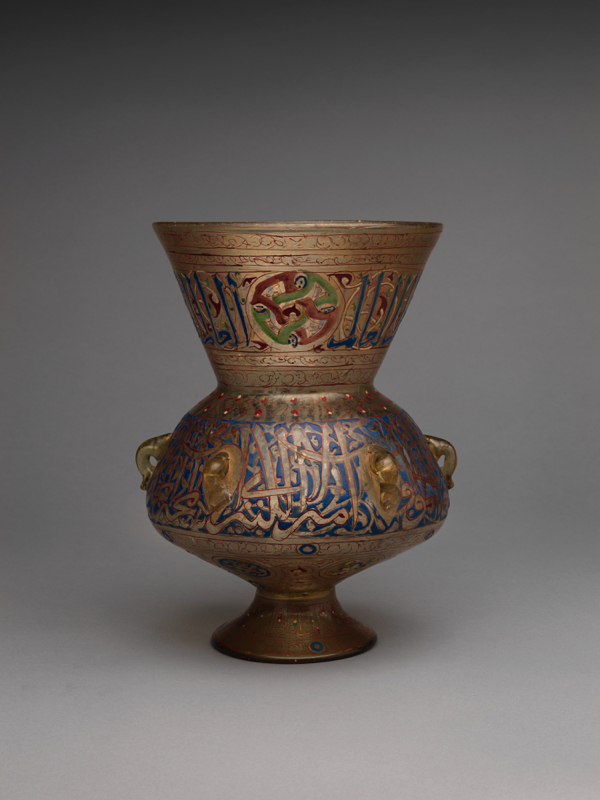
Spelter — is commonly employed for figural lamps from the 19th century and presents significant dangers. This alloy develops internal corrosion, leading to brittleness. It is frequently confused with bronze, which can be readily determined through surface cleaning, which will reveal pores and flakes if the plating or paint is removed. Re-painting or re-gilding without addressing the issues will result in a substantial loss of value. - Original Gilding (Fire Gilding / Mercury Gilding)
Some old bronze gilt mounts still have remnants of their original fire gilding. Polishing strips that gold off and it can not be refired by any other means. Most auction devaluations come from someone attempting to “bright up” a mount. - Early Electrical Components
Old wiring can be dangerous, so you can always update the switches, sockets, and plugs to shiny new brass fittings if you wish — or you risk breaking your illusion: that‘s why a cloth cord that matches the wiring type and subtle hardware are crucial. - Antique Textiles (Silk Shades, Passementerie)
Original silk lampshades, fringes, and tassels are very delicate. If they‘re washed they‘ll be discolored and possibly ripped. Even if they‘re in terrible condition, original silk is historic and still potentially valuable, even if it needs to be replaced. (Keep the original if you can!) - Marble and Alabaster
The stone substances are susceptible to staining, and can be damaged by the wrong type of acid cleaner. Hair-line cracks can grow bigger while drilling or rewire. New-material fillers are prone to staining and show patching.
When Is It Better NOT to Restore an Antique Lamp?
There are endless reasons why restoration destroys rather than protects value. At no point is this truer than in the collector and auction market. Originality almost always beats perfection. The rule of thumb for this rule is the one that states age is not damage. If age gives something history, it should tell the story of authenticity and not be masked by it.
- When the Piece Has Strong Provenance or Recognized Factory Marks
If the lamp is signed or marked by an important maker (Meissen Porcelain Manufactory, Sevres Porcelain Manufactory, etc) then as little restoration as possible is nearly always the best option. Any overpaints, glaze fills, or polished mounts at all can diminish confidence of top auction house specialist. Collectors prefer to see evidence of age over undetectable repair. - When Wear Is Surface-Level (Patina, Minor Glaze Wear)
Authenticity is expressed in oxidized brass, mellowed gilding, a little craze in a glaze, or light base wear. Polishing these areas eliminates patina that tells a story of age. - When Damage Is Stable and Non-Structural
Non-moving hairline cracks, small firing flaws, kiln burns or minor chips are usually not worth pursuing cosmetic repair for. Restoring to perfection will likely result in the application of “modern” materials which show up under UV and de-value. - When Restoration Would Be Irreversible
If restoration would involve drilling bigger holes, buying new sockets, stripping finishes, or sanding, it‘s best to just leave the lamp be. Modifying it will destroy its original character. - When the Lamp Is Primarily a Collector‘s Object, Not a Functional One
There are exceptions: If you‘re lucky enough to own an early, museum quality or a rare original, then how it works is less of a concern. It could be left un-rewired for preservation. - When the Market Rewards Original Condition
For most auction categories: “Original condition with minor wear” tends to perform better than “professionally restored.” Honesty leads to confidence. Restoration may bring doubt.
Final Thoughts
Antique lamp restoration is a unique combination of skills: it‘s about craftsmanship, conservation, and market intelligence.
A properly restored antique lamp:
Functions with safety features.
Does not change the underlying surface
Values historical sources
Market Value Retention and Enhancement
An ineptly reconditioned lamp will eventually look nice, but it has no soul.
Stop and think before you sand, strip, repaint or rebuild.
Ask yourself if you are rewriting history or writing history.
Since in the antique world, authenticity is much more important than being perfect.