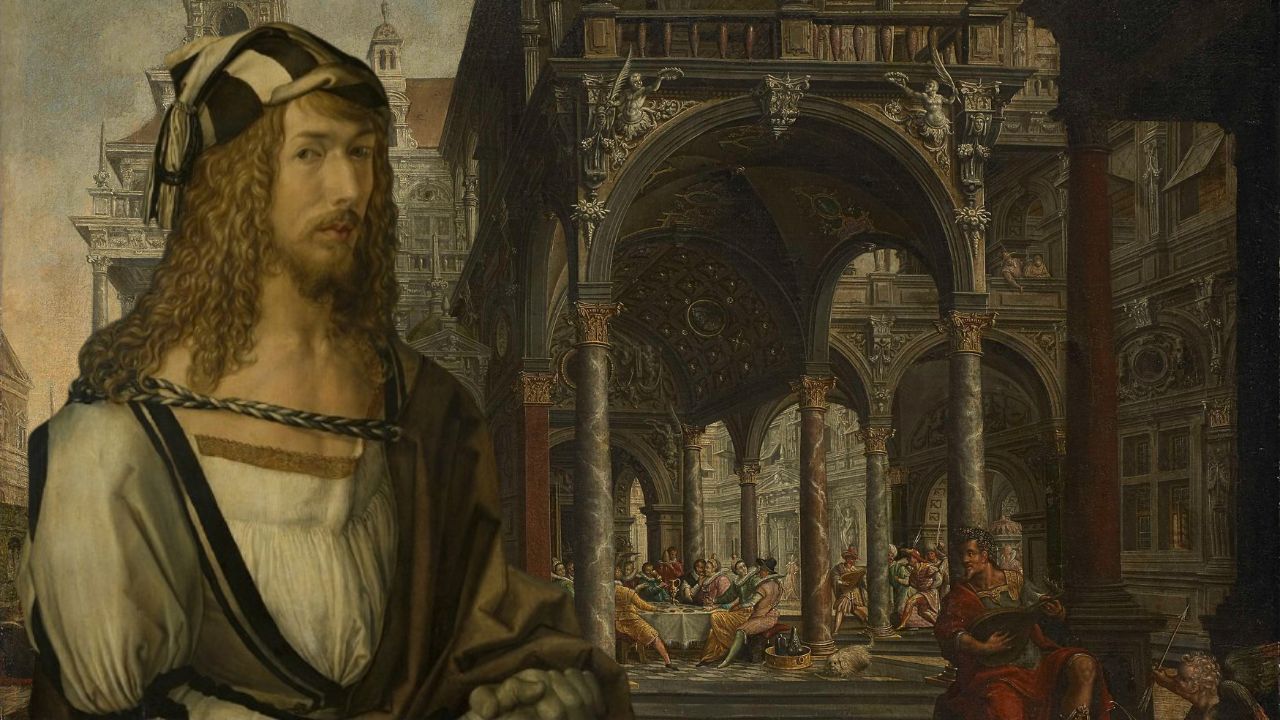
Albrecht Dürer is one of the rare artists whose “facts” read like a blueprint for the modern creative professional: internationally connected, technically innovative, intellectually ambitious, and relentlessly attentive to craft. Working at the hinge between the late Gothic tradition and the Northern Renaissance, Dürer turned the workshop skills of a Nuremberg artisan into a Europe-wide visual language—one that shaped printmaking, painting, and artistic self-understanding for centuries. If you want Albrecht Dürer facts that go beyond trivia, the most revealing details are the ones that show how he built authority: through travel, study, mathematical thinking, and a mastery of reproducible images that reached far beyond the walls of any single court or church.
1) Origins in Nuremberg and the Making of a Renaissance Artist
Born in 1471 in Nuremberg, a prosperous Free Imperial City of the Holy Roman Empire, Albrecht Dürer grew up in a center of trade, metalwork, and humanist learning. His father, Albrecht Dürer the Elder, was a Hungarian-born goldsmith—an origin story that matters, because goldsmith training emphasized precision, drawing, and an intimate knowledge of tools and materials. Those habits later became visible in Dürer’s famously controlled line, whether in silverpoint drawings or the crisp burin cuts of his engravings.
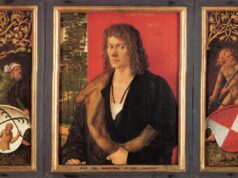
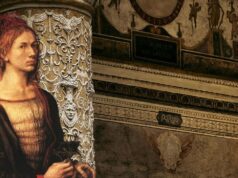
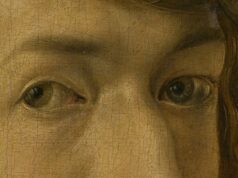
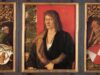
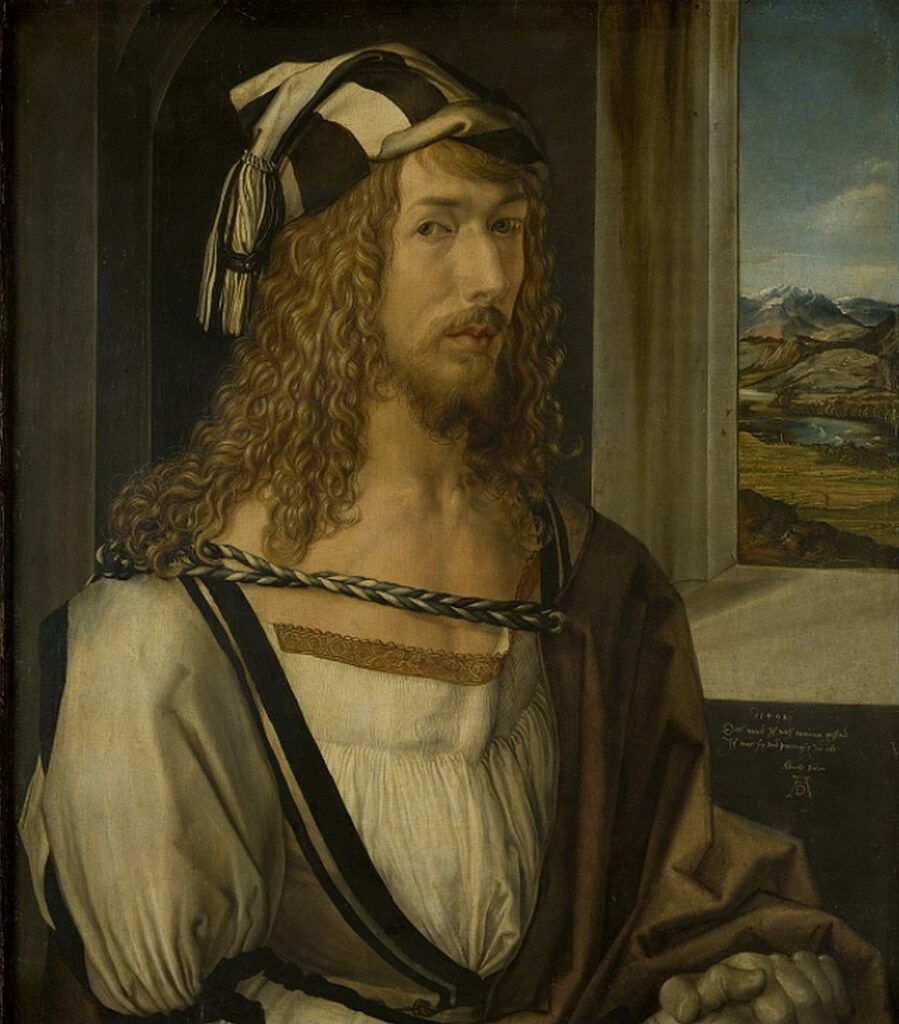
A pivotal element of Durer‘s life is his unique ability to drift easily between the realm of the craftsman and that of the humanist. Nüremberg‘s intellectual elite (including Willibald Pirckheimer) put Durer in contact with the Rennaissance concept that art is a field of study, not merely manual work. It‘s also during this phase that Durer begins to elevate the status of the artist by having a variety of self-portraits and creating treatises, taking inspiration from the Italian model of the artist as intellectual.
But Durer had learned his craft as an apprentice to Nuremberg‘s leading painter and woodcutter, Michael Wolgemut. That workshop specialized in production, including Nuremberg‘s rich culture of printed illustrated books and other ephemera so Durer‘s initial training also taught him how to create pictures for mass reproduction. Durer was learning from the beginning how pictures travel, convince, and last.
2) Printmaking Innovation: How Dürer Changed European Visual Culture
Among the most important Albrecht Dürer facts is that he helped redefine what prints could be. In the late 15th and early 16th centuries, woodcuts and engravings were becoming Europe’s first mass medium. Dürer didn’t merely participate—he raised technical standards and expanded what collectors expected from printed images, making prints objects of connoisseurship rather than disposable illustrations.
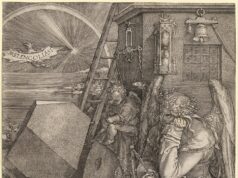
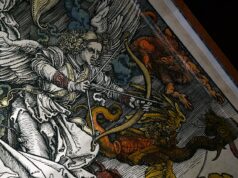
His woodcut series Apocalypse (published 1498) exemplifies this shift: large-scale, dramatically composed images built for impact and wide distribution. In engraving, Dürer pushed tonal depth and detail to unprecedented levels. Works such as Melencolia I (1514) and Knight, Death and the Devil (1513) demonstrate how line alone could create volume, atmosphere, and psychological intensity. Institutions including The Metropolitan Museum of Art and the Victoria and Albert Museum preserve and interpret these prints as milestones in the history of graphic arts.
Dürer also grasped the economics and reputation-building power of print. He sold works across Europe and defended his authorship with monograms—early signals of brand and intellectual property. In an era before modern copyright, Dürer’s insistence on attribution was a practical and symbolic assertion that the artist’s identity mattered as much as the image.
3) Italy, Proportion, and the Renaissance Science of Art
Other significant facts about Durer relate to his Italian connection. During the time he lived, Renaissance ideas about anatomy, proportion, and perspective were transforming European art. Durer visited Italy twice in his life (in 1494–1495, and again in 1505–1507) and saw firsthand Venetian artistic practices and tasted the international art market.
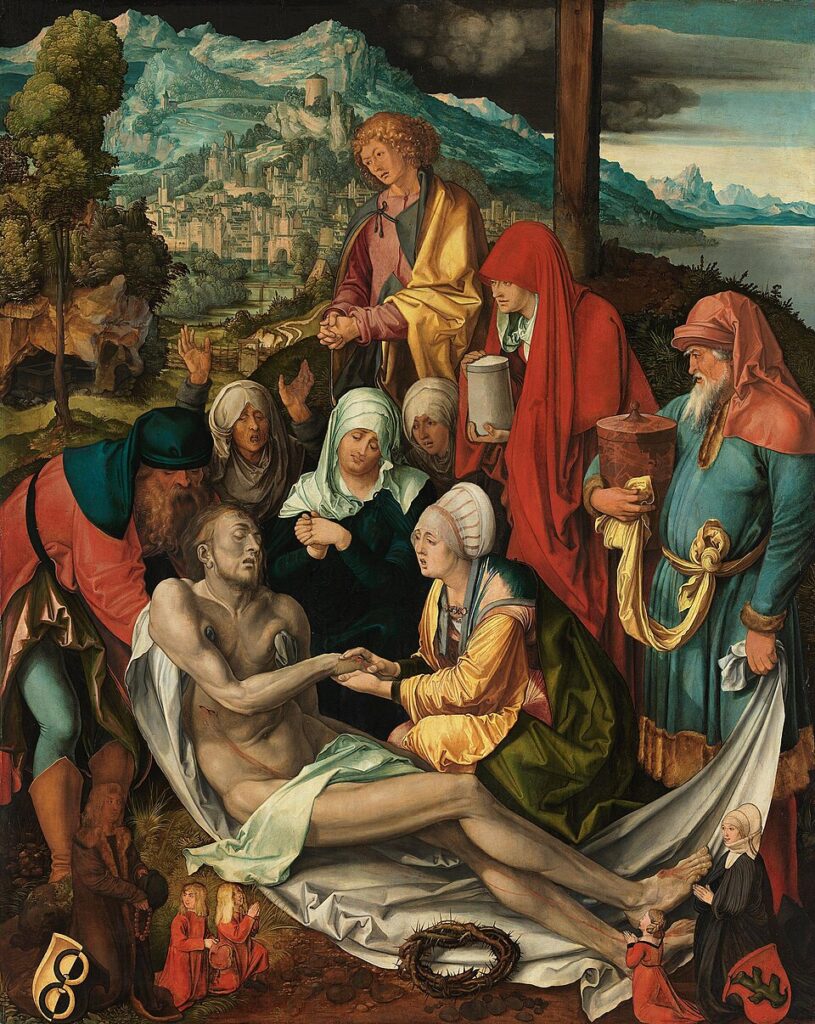
Durer is far more than a follower of Italian masters, turning them into a northern vernacular obsessed with detail and the materiality of the world. The drawings and paintings reveal a consistent, often frustrated desire to reconcile the visible and the conceptual. This drive can be found throughout his writing in later treatises on geometry, perspective and human proportions, the work of an artist who thought like a scientist. The Smithonian Institute, and others, are keen to emphasize this connection between art and scholarship.
Durer‘s seriousness is evident, among other ways, in his belief that art could be learned systematically and geometrically. He saw proportion and design not as intuitive gifts but as knowledge that could be studied rigorously, and that fact ensured that he remained an important figure in workshops and academies after his death. In that respect, he‘s part of a much larger story, the change from medieval workshops to Renaissance art theory.
| Characteristic | What it looks like in Dürer’s art | Why it matters historically |
|---|---|---|
| Technical virtuosity in engraving | Dense, controlled burin lines; deep tonal range | Elevated engraving into a premier art form |
| Monumental woodcuts | Bold compositions; clear narrative drama | Expanded the prestige and market for woodcuts |
| Northern detail + Italian structure | Minute textures combined with rational space | Helped unify European Renaissance styles |
| Authorship and monogram | Prominent “AD” mark on prints | Early assertion of artistic identity and attribution |
| Theoretical ambition | Treatises on measurement and proportion | Supported the idea of art as intellectual discipline |
Art historians and museums repeatedly emphasize Dürer’s centrality to printmaking and Renaissance art. The Metropolitan Museum of Art describes him as “the most celebrated artist of the Northern Renaissance” (The Met, Heilbrunn Timeline of Art History), a judgment grounded in both the quality of his work and its international reach through prints.
The Encyclopaedia Britannica—widely used in academic contexts—underscores his impact on graphic arts, calling him “the greatest artist of the Northern Renaissance” and noting his achievements across media, especially printmaking (Encyclopaedia Britannica, “Albrecht Dürer”). This long-standing assessment reflects how consistently scholars have treated Dürer as a benchmark figure.
Major collections support these views through curatorial focus: the Victoria and Albert Museum and the Louvre Museum both maintain significant holdings and research materials that frame Dürer as a foundational figure for later European draftsmanship and print culture. Their sustained institutional attention is itself evidence of enduring significance.
Frequently Asked Questions About Albrecht Dürer
1) What is Albrecht Dürer best known for?
He is best known for transforming printmaking—especially engraving and woodcut—into high art, and for iconic works such as Melencolia I and Knight, Death and the Devil. He is also celebrated for detailed drawings, ambitious self-portraiture, and influential writings on proportion and measurement.
2) Where did Dürer live and work most of his life?
He worked primarily in Nuremberg (in the Holy Roman Empire), a major center of commerce and publishing. His career was international in reach due to travel (including Italy) and the broad circulation of his prints.
3) Why are Dürer’s prints historically important?
They helped establish prints as collectible artworks and as a vehicle for artistic reputation across borders. Because prints were reproducible, Dürer’s images traveled widely, shaping visual culture in ways paintings alone could not.
4) Did Dürer influence later artists and institutions?
Yes. Dürer’s methods and standards influenced Northern European draftsmanship and printmaking for generations. The continued study and exhibition of his works by institutions such as The Metropolitan Museum of Art, the Victoria and Albert Museum, the Louvre, and the Smithsonian demonstrate his lasting scholarly and cultural importance.
Authoritative Sources (Selected)
- The Metropolitan Museum of Art (Heilbrunn Timeline of Art History), essays and collection entries on Albrecht Dürer
- Victoria and Albert Museum, collection records and interpretive materials on Dürer prints
- Louvre Museum, collections and research resources related to Northern Renaissance graphic arts
- Smithsonian Institution, collection materials and educational resources on Renaissance prints and drawings
- Encyclopaedia Britannica, “Albrecht Dürer” (biographical and historical overview)
Ultimately, though, the best Albrecht Dürer facts reveal a man committed to the craft and sale of art and an artist with an obsession for knowledge. Growing up in Nuremberg‘s workshop traditions but trained in Renaissance Italian theory, Durer also leveraged print to forge an audience across Europe and create works that would become benchmarks studied by museums and art historians to this day. He‘s remembered today, not just for images like and, but as the concept of artist as maker and thinker.