

Why Antique Chairs So Low? The Surprising Reason Behind Their Tiny Seats
Antique chairs often look surprisingly low to modern eyes—so low, in fact, that sitting in one can feel like stepping into another era’s body language. That impression is not a trick of photography or museum display. The low seat heights of many historic chairs were shaped by clothing, heating practices, social ritual, craftsmanship, and changing ideas about comfort. Understanding why antique chairs so low unlocks a practical lesson: furniture is never just furniture; it is a record of how people lived.
Everyday life sat closer to the floor than we do today
A large percentage of pre-modern homes were oriented to heat sources that were most efficient at floor level. Fireplaces and braziers were the primary heat sources in medieval and early modern Europe, and homes were frequently draughty. So seating was low to draw the air temperature closer to a fireplace and further from higher draughts. This functional reasoning is apparent in period rooms, which are collected and interpreted by institutions like the Met and the V&A, where furniture has been positioned within domestic architecture and heating.
Can You Name the Masterpiece?
Ten masterpieces. Ten questions. How well do you know the history of art?
Low seats were also consistent with how people occupied spaces. Prior to the dominance of spring-filled, fully upholstered furniture (which largely caught on in the 19th century), chairs tended to be quite hard, and for shorter, more ceremonial types of sitting. Most homes included chairs, along with benches, stools, and joint stools furniture that was typically relatively low and easily portable, which could be the default “all-evening” sofa before the latter became universal.
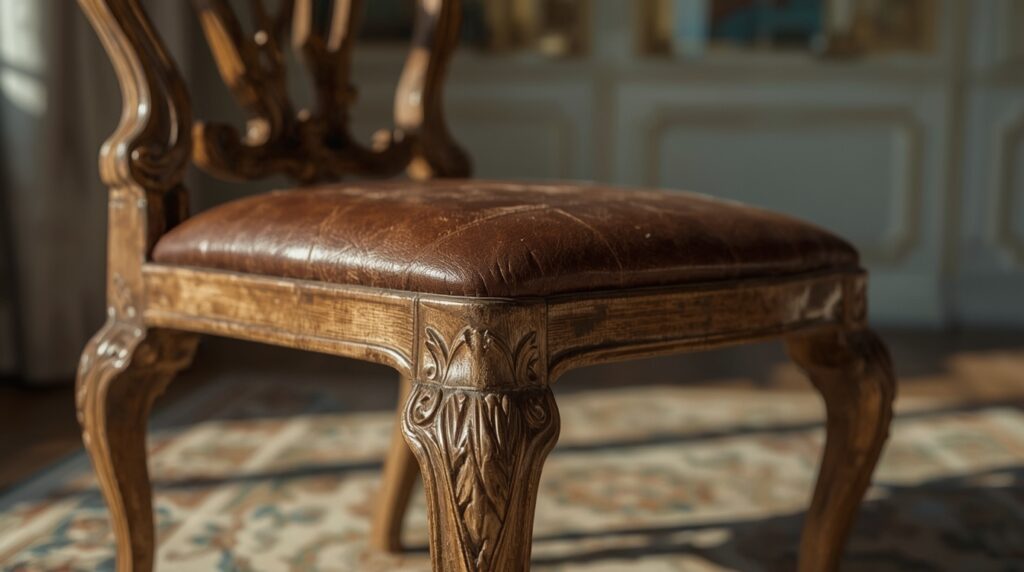
Even standing up from a chair was different. Back when floors were littered with rushes, mats or rudimentary carpets, back when most clothes were tightly bound to the body in those days the body was raised by its own design and posture, not by the “rise up easily” height of a chair. It‘s not so sure the lower chair would have been thought of as “awkward” but it was suited to a daily life of a lot more kneeling and squatting and perching.
Clothing and etiquette made lower seats sensible
Fashion affected the size of furniture; in the 17th and 18th century Louis XIV, V, VI France; Georgian England formal dressing included stays (or corsets), skirts that were full or wide, even ” panniers,” waistcoats, and cut-away coats. Seating had to be roomy and accommodate stiff, full dresses. A lower seat would make it possible for a person wearing a lot of fabric and a stiff dress to sit properly without perching and showing their ankles or messing with the drape of their clothes.
Can You Guess the Artist?
Three clues. One artist. How quickly can you identify the painter?
Social etiquette both in the courtroom and in the salon played a role too. Often, how you sat reflected your status and class. Chairs were constructed so that they could be sat in upright, not slumped on. Instead, you‘d generally get a lower seat and a more upright back than today‘s lounge chair. The V&A, particularly in its British and French furniture, and the Louvre‘s decorative arts sections, have 18th-century chairs that make this point clearly, framing them as a prop in a performance.
Another contributing factor was a different notion of “comfort.” Squishy or tall was not inherently good. High culture demanded a certain restrained ease: just enough cushioning to support the posterior without inviting languid repose. The low seat height accommodated a particular posture, one that was orderly and suited to the era‘s fashion.
Construction methods and materials constrained (and guided) seat height
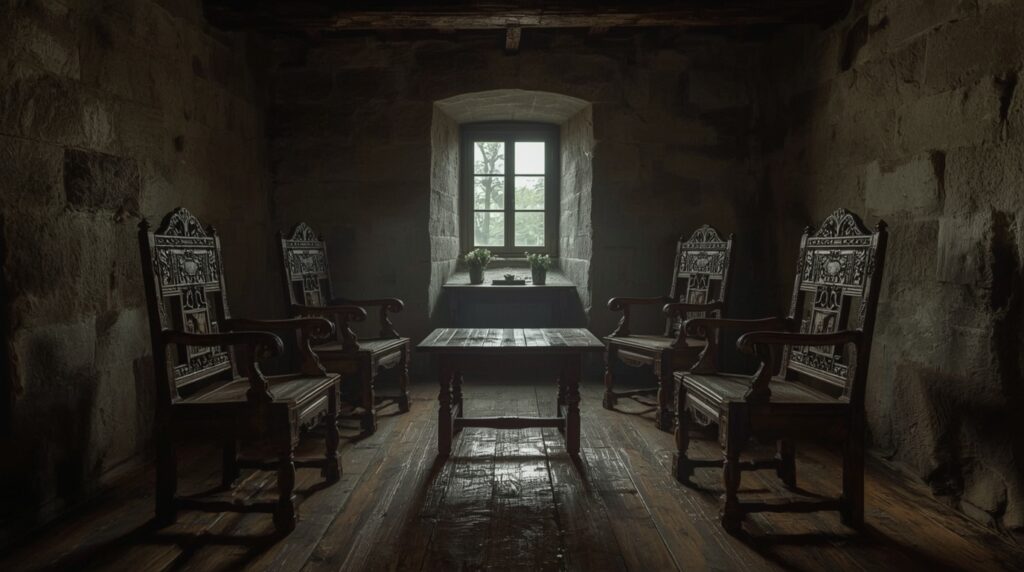
Early chairs were built with joinery methods and materials that encouraged compact, sturdy proportions. In English and Northern European traditions, for instance, turned legs and stretchers on 17th‑century chairs created strong, braced frames but also placed practical limits on how high the seat could rise before the structure felt spindly. Lower seats allowed shorter legs and more robust stability—important on uneven floors.
Upholstery technology changed everything, but slowly. Before coiled springs became common in the 19th century, upholstery relied on webbing, stuffing (hair, wool, or vegetal fibers), and stitched foundations. A seat could be comfortable without being tall. Once springs and deeper padding became widely available—and as industrial production increased—seat heights crept upward, and chairs began to resemble the modern expectation of a higher, softer sit.
Museum conservation and analysis support this material reading of furniture history. Institutions such as the Smithsonian and the Met often document not just style but structure—woods used, joinery, upholstery buildup, and later alterations. That technical evidence helps explain why two chairs from the same “style” can sit at different heights: many surviving antiques were re-upholstered or modified in later centuries, sometimes raising or lowering the seat.
Key characteristics at a glance
| Factor | How it encourages low chairs | Typical periods/examples |
|---|---|---|
| Heating & architecture | Warmth concentrated near hearth; drafty rooms | Medieval to early modern Europe; period rooms at major museums |
| Clothing & posture | Structured garments + etiquette favored upright, composed sitting | 17th–18th c. Europe (French court styles; Georgian Britain) |
| Construction & stability | Shorter legs + stretchers = sturdier on uneven floors | 17th c. turned chairs; many vernacular forms |
| Upholstery technology | Pre-spring upholstery could be comfortable without height | 18th c. stuffed seats; 19th c. spring upholstery raises profiles |
| Use patterns | Formal sitting, movable stools, multipurpose rooms | Early modern households; salons and drawing rooms |
What curators and historians emphasize
Museums routinely connect furniture to the lived experience of its time, not merely its appearance. The Metropolitan Museum of Art, for example, frames furniture as part of broader design histories—where interior architecture, textiles, and social practice shape objects’ forms. The V&A similarly interprets chairs through changing tastes, technologies, and domestic life, demonstrating that proportions (including height) are historically contingent rather than “wrong” by modern standards.
As a guiding principle, decorative-arts scholarship often stresses that objects were made for specific bodies in specific contexts. The Smithsonian’s approach to material culture is especially instructive here: it treats artifacts as evidence of daily life—how people worked, ate, rested, and signaled status. Seen through that lens, a low antique chair is not a design flaw; it is an ergonomic snapshot of a different world.
One useful way to summarize this perspective is with a museum-style interpretive maxim: furniture encodes behavior. Or, as the V&A puts it in its broader mission statement, it exists to promote “knowledge, understanding and enjoyment of the designed world” (Victoria and Albert Museum, institutional mission/aims). That designed world included different expectations for warmth, clothing, and posture—so chairs met those expectations.
Regional and period differences: not all antiques are low
However, you shouldn‘t overgeneralize. There is antique seating that‘s lower, and there is seating that is not. Higher back chairs with higher seats exist in many traditions, from some formal Baroque styles to later 19th century dining chairs designed to accommodate higher tables. American Federal and Victorian designs often have higher seated examples as dining customs normalized and manufacturing became more advanced.
France saw a shift from the imposing even monumental furniture of the Louis XIV era toward the comfortable, salon culture of the Louis XV period, with varying chair silhouettes and approaches to ease seat height being only one factor in addition to depth of seat, angle of back, and cushioning. In Britain, Georgian and Regency furniture also varied by room, with distinct designs for drawing room chairs, hall chairs, and dining chairs.
Finally, several antiques have been altered. Seat height might have changed due to extended legs, later replacement feet, adding casters, or reupholstered with a different height filling. Consider, if you see a low chair, if the legs are original, if the seat rails were cut down or if the upholstery was reconstructed to a different height by a later restorer.
Frequently Asked Questions
Are antique chairs actually lower than modern chairs?
Often, yes—especially many 17th–18th century examples. Modern seating commonly targets standardized ergonomic heights suited to desks, modern table heights, and ease of standing, while historic chairs were optimized for different clothing, rooms, and behaviors.
Did people used to be shorter, so chairs were lower?
Average height varied by period and region, but “people were shorter” is not the main explanation. Clothing, heating, etiquette, and construction methods usually account for more of the difference than height alone.
Why do antique dining chairs sometimes feel especially low?
Dining customs and table heights were not always standardized the way they are today. Some antique dining sets were proportioned differently, and many surviving chairs have been re-upholstered—sometimes compressing less (older upholstery) or more (newer foam), which changes perceived height.
Can a low antique chair be made taller without harming it?
Conservators generally recommend minimal, reversible interventions. Adding a discreet cushion or using stable, reversible risers is preferable to altering legs. For significant changes, consult a qualified furniture conservator—many museums and professional organizations publish guidance on conservation ethics.
How can I tell if the low height is original?
Look for evidence of alteration: mismatched wood, replaced feet, unusual joins, new screw holes, or inconsistent wear. Provenance records, comparison with catalogued examples from institutions like the Met or V&A, and a professional appraisal can help.The answer to why antique chairs so low is historical rather than mysterious: older chairs were shaped by colder rooms, different clothing, stricter etiquette, and the materials and methods available to craftsmen. Museums such as the Metropolitan Museum of Art, the Victoria and Albert Museum, the Louvre, and the Smithsonian Institution preserve these chairs not just as décor, but as evidence of how people once sat, socialized, and stayed warm. Low seats are a clue—one that places the body back into history.
Authoritative sources referenced: The Metropolitan Museum of Art (collection interpretation and decorative arts scholarship), Victoria and Albert Museum (design history and mission statements), Louvre Museum (decorative arts context), Smithsonian Institution (material culture approach).
How Chair Heights Changed Over the Centuries
The height of chairs did not remain constant throughout history. As architecture, fashion, and daily habits evolved, furniture makers gradually adapted their designs to meet new expectations of comfort and practicality.
During the eighteenth century, many elegant chairs still featured relatively low seats, especially in France, where refined posture and graceful conversation were central to aristocratic life. Delicate cabriole legs, carved frames, and upholstered backs created furniture that emphasized beauty as much as function. Sitting lower encouraged a composed posture that suited formal gatherings, salons, and drawing rooms.
By the nineteenth century, however, social life began to change. Industrialization introduced new manufacturing techniques, while improved heating systems reduced the need to remain close to fireplaces. At the same time, heavier upholstery, metal springs, and thicker cushions increased the overall height of furniture. Chairs became softer, deeper, and better suited for long periods of relaxation.
The twentieth century accelerated this trend even further. Designers increasingly prioritized ergonomics, leading to standardized seat heights that accommodated dining tables, office desks, and modern living rooms. Today’s average chair is significantly taller than many antique examples, making historic furniture appear unusually small by comparison.
Fashion Played a Bigger Role Than Most People Realize
One of the most overlooked reasons antique chairs seem so low is the clothing people wore.
Women’s gowns often featured wide skirts supported by panniers, hoops, or multiple layers of petticoats. A lower chair allowed these elaborate garments to spread naturally without forcing the sitter into an awkward position. Gentle descents into a seat were also considered graceful and appropriate within aristocratic etiquette.
Men’s clothing influenced furniture as well. Tailored coats, waistcoats, breeches, and swords required a more upright posture than the relaxed positions common today. Rather than sinking into deep cushions, gentlemen were expected to sit with dignity, ready to stand quickly during formal occasions.
Furniture designers therefore created chairs that complemented both fashion and social expectations rather than maximizing physical comfort alone.
Were People Really Shorter?
Many people assume antique chairs were lower simply because people themselves were much shorter. While average height has indeed increased in many countries over the past few centuries due to improved nutrition and healthcare, this explanation tells only part of the story.
Historical records suggest that adults in many parts of Europe were only a few inches shorter than modern populations—not enough to explain the dramatic difference in chair height. Instead, furniture dimensions reflected lifestyle far more than body size.
Craftsmen designed seating for the customs of their own time: formal entertaining, heated rooms centered around fireplaces, restrictive clothing, and carefully observed etiquette.
Why Museums Preserve Original Dimensions
Visitors sometimes wonder why museums do not raise antique chairs onto hidden platforms or modify them to feel more comfortable. The answer is simple: preserving original proportions helps us understand the world in which these objects were used.
Seat height, back angle, armrest position, and overall dimensions all reveal valuable information about daily life, craftsmanship, and social customs. Even small measurements can tell historians how people dressed, how they interacted with one another, and what they considered comfortable or fashionable.
For this reason, conservators strive to maintain furniture exactly as it was made, allowing each chair to serve as a historical document as well as a work of art.
Antique Chairs in Modern Interiors
Despite their age, antique chairs remain highly sought after by collectors, interior designers, and homeowners seeking character and authenticity.
Many people use them as accent pieces rather than everyday seating. A beautifully carved Louis XV fauteuil, a Georgian dining chair, or a Victorian side chair can introduce craftsmanship and history into an otherwise contemporary room. Even when their lower height feels unfamiliar, these pieces often become conversation starters because they immediately distinguish themselves from mass-produced modern furniture.
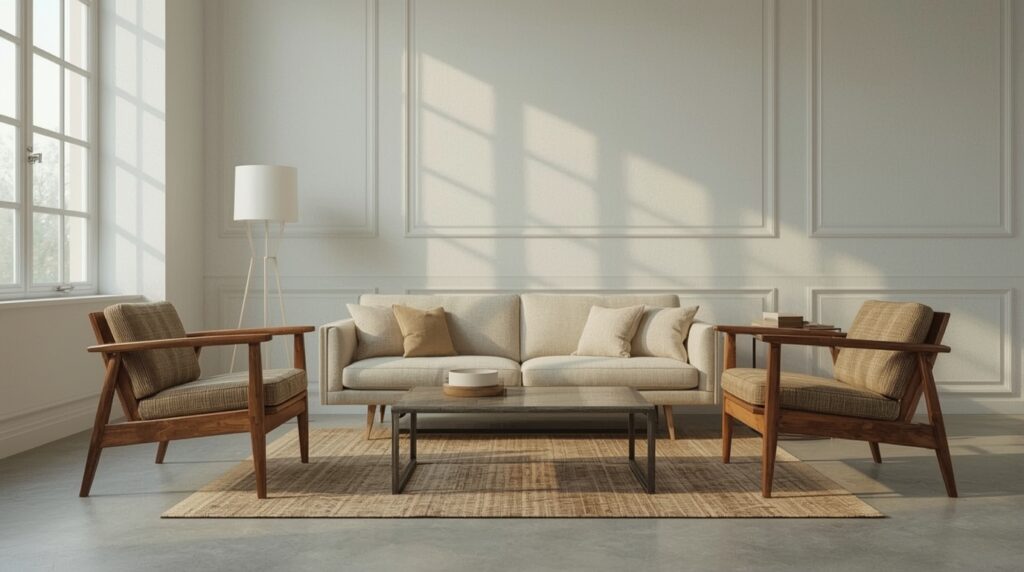
Blending antique seating with contemporary décor has also become increasingly popular, demonstrating that historic design can complement minimalist, Scandinavian, industrial, and even modern luxury interiors.
Clothing Changed the Height of Antique Chairs
Clothing is perhaps one of the most neglected reasons for historic sit height. Garments worn in the past were not the same as worn today, and the connection between the consumer and the chair was consequently very different. In seventeenth and eighteenth century dress, women could and did wear several petticoats, panniers, stiffened skirts among other items of apparel that would significantly alter the space taken up by the body.
Headed chairs, made just for this type of dress did not always look like current kitchen chairs. Relatively short and broad bases would hold very full dresses, while still allowing the occupant to sit erect in accordance with the more “formal” interiors. The design of armchairs was also adapted to the ways in which their users dressed and interacted; and arm rests, back heights and seat depth would alter.
Men‘s clothing imposed new demands. The great coats, waistcoats and breeches, and later the tailored trousers, all had implications for one‘s ease of comfortable bending of the knees or remaining seated for any length of time. Furniture makers then responded not to an abstract human form but to the dressed human form of their particular time.
Low Does Not Always Mean Uncomfortable
It is tempting to believe that a chair from the past must have been badly designed just because its seat is so low. But that conclusion can be plain wrong. Comfort depends on many factors, such as: seat depth, back angle, armrest height, cushioning, the posture the furniture anticipates.
A lot of historic chairs were meant for a fairly erect position. A formal chair in an aristocratic drawing room was not primarily intended for sitting around for several hours at a stretch reading, chatting with visitors, embroidering, dining etc; a more upright attitude was regarded as appropriate for those pursuits.
The way that expectations were changing, more and more people were relaxing themselves in the soft upholstered furniture. Although hard seating was still appreciated in the 1970s, people was going towards a better comfort seats, softer cushions, higher backs and larger forms.
Another reason that antique chairs may seem very low is that contemporary furniture classifications do not always replicate historic ones. A dining chair was built to go under a table at a specific height. A salon chair had a different function, as did a reading chair, bergère, a desk chair, or a occasional chair.
This contrasted sharply with the appearance of French furniture. A formal fauteuil might be presented with an angular structure and visible framework, yet a bergère was normally characterized by its plush padding and partially enclosed sides, providing more comfort. Chairs from the reign of Louis XV, commonly Rococo in style, were often designed to invoke a sense of grace and ease rather than massive authority, with sinuous frames shaped by their passage.
The ratios therefore, should be interpreted as part of a whole furniture system. Comparing an eighteenth-century chair to a modern office chair results in the same kind of mistake as comparing an eighteenth-century writing desk to an up-to-date workstation.
AI Notice: Some visual content in this article may have been created or enhanced using artificial intelligence (AI) for artistic, editorial or illustrative purposes. Learn more about our approach in our AI & Editorial Principles.


