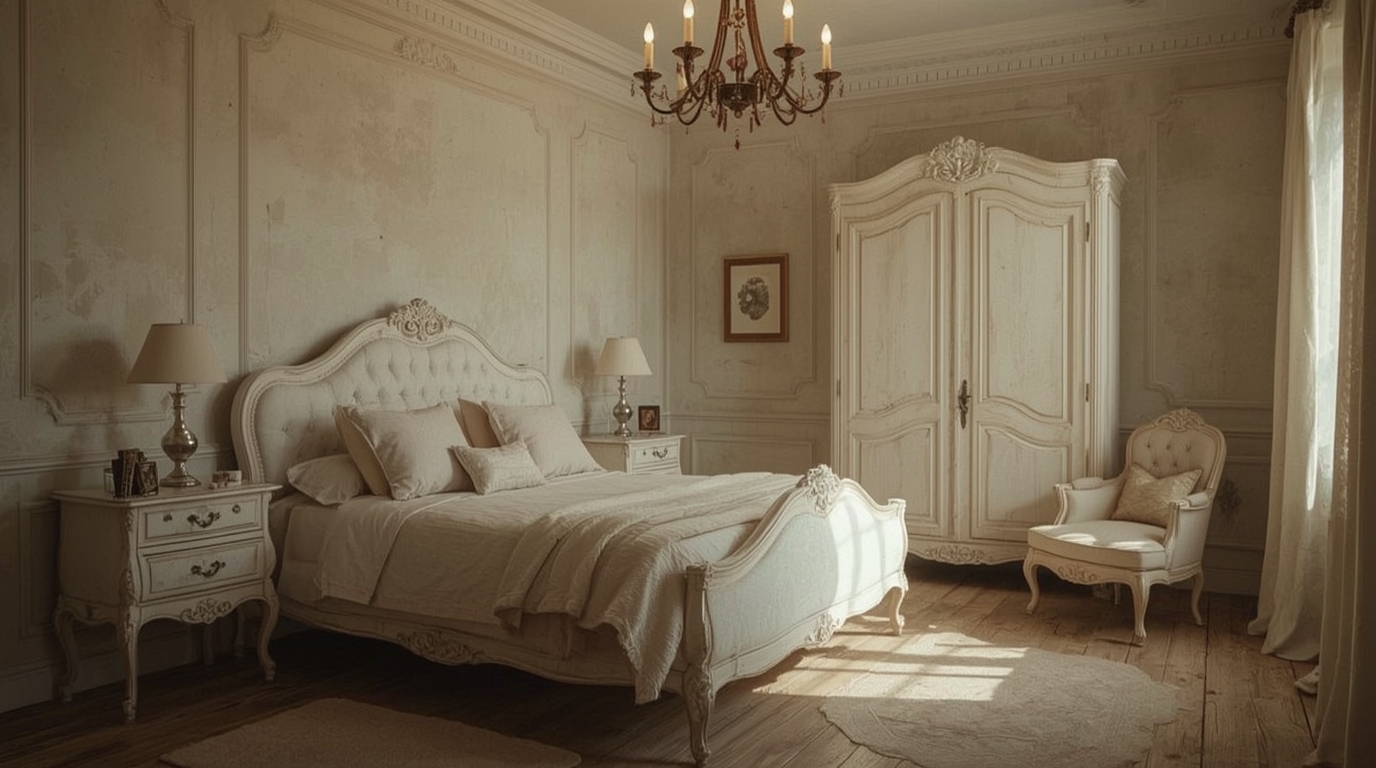

How to Price Antique Furniture: 7 Mistakes That Can Cost You Thousands
Antique furniture pricing is where history meets hard numbers: one overlooked drawer construction detail can change a “nice old dresser” into a piece worth thousands. If you’re selling, buying, insuring, or simply trying to understand what you have, learning how to price antique furniture requires more than guessing based on age—it demands careful identification, condition analysis, market context, and provenance research grounded in recognized standards and museum-level knowledge.
1) Start with Identification: What Is It, Exactly?
First, it‘s crucial to identify the piece. What is it a commode, secretaire, highboy? What is it made of walnut, mahogany, oak? How is it made mortise-and-tenon, hand-cut dovetails? Museums, such as The Metropolitan Museum of Art or the Victoria and Albert Museum (V&A), have catalogued entries online displaying distinctive examples of styles and periods, which can be great visual guides to see comparative leg profiles, mounts, veneers and proportions.
Can You Name the Masterpiece?
Ten masterpieces. Ten questions. How well do you know the history of art?
In the same way, you need to situate the item within an era and country as it is extremely important to period-fit, or otherwise attribute where and when a piece was made, to determine the relative valuation of an antique. For example, a French Louis XV marquetry commode, Paris, c. 1750, will exist in a different sphere than a 20th-century Louis-style revival, and British Georgian (1714-1837) furniture will be valued and marketed in a distinct way from American Federal (c. 1780-1830), despite their similar appearance.
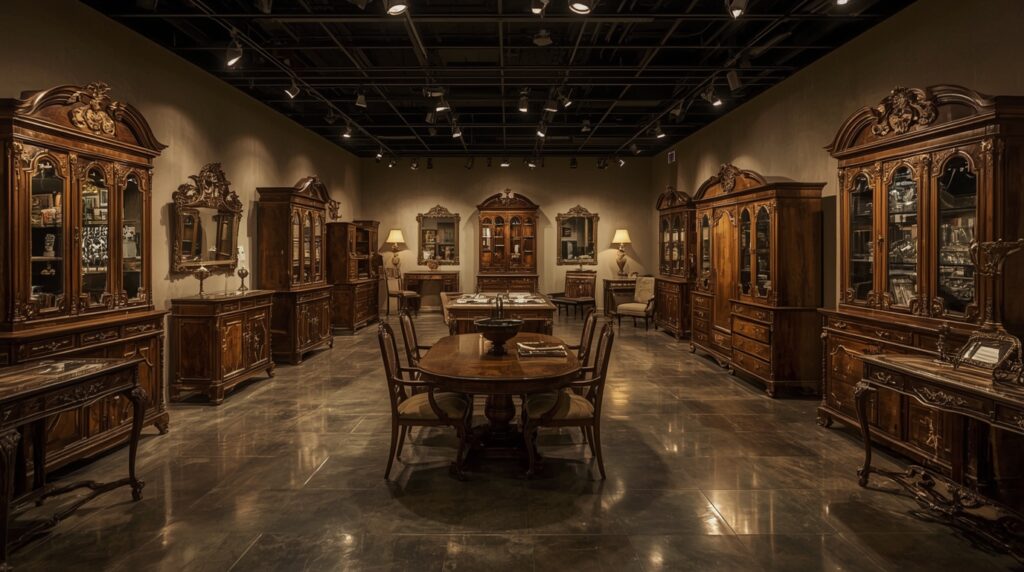
Last, but not least, make sure it‘s “antique” (defined, by the market, usually as 100 years old or older), instead of vintage or reproduction. The Smithsonian Institution‘s online course on material culture says, “When scholars want to know more about an object‘s significance, they analyze its components, how it was made, and its setting. The same logic applies to determining a piece‘s value.” If you‘re not sure, it‘s better to find out the price from a qualified appraiser or specialist.
2) Evaluate Condition with a Conservator’s Eye
Condition is not a one size fits all. It‘s a multi-layered inspection including structure, finish, hardware, and evidence of modification. An untouched 18th-century chest of drawers in excellent structural shape and with a good patina is going to be more valuable than one that‘s been extensively sanded and refinished in polyurethane.
Can You Guess the Artist?
Three clues. One artist. How quickly can you identify the painter?
Take care in looking for repairs and replacements legs, brasses, drawer bottoms and backs are common culprits. A repair might be expected and even welcome (a historically consistent patch, old glue), but over-repaired items, with new veneers or “married” parts (pieces from another piece) will likely receive a lower valuation. Photograph it carefully and honestly this can build buyer confidence and a higher sale price.
On a broader level, being familiar with the institutional approach to best practices in preservation can also inform one‘s thinking. The V&A and its large museum conservation departments, for example, believe in minimal intervention and reversibility and also believe in honoring surfaces. Those values have great cachet with top collectors: a painting that is understood to have its “history” often fetches more than a perfectly restored one.
3) Assess Rarity, Quality, and Craftsmanship
Two cabinets can be from the same date and style, but have enormous differences in value based on materials and craftsmanship. Dovetails being hand-cut, for example, use of good secondary woods, elaborate joinery, or finer veneers (boulle marquetry, for example, or fine parquetry) suggest better quality production. Furniture from high-end workshops (like 18th century Paris ebenistes under a guild system) will command an extra premium if the attribution is strong.
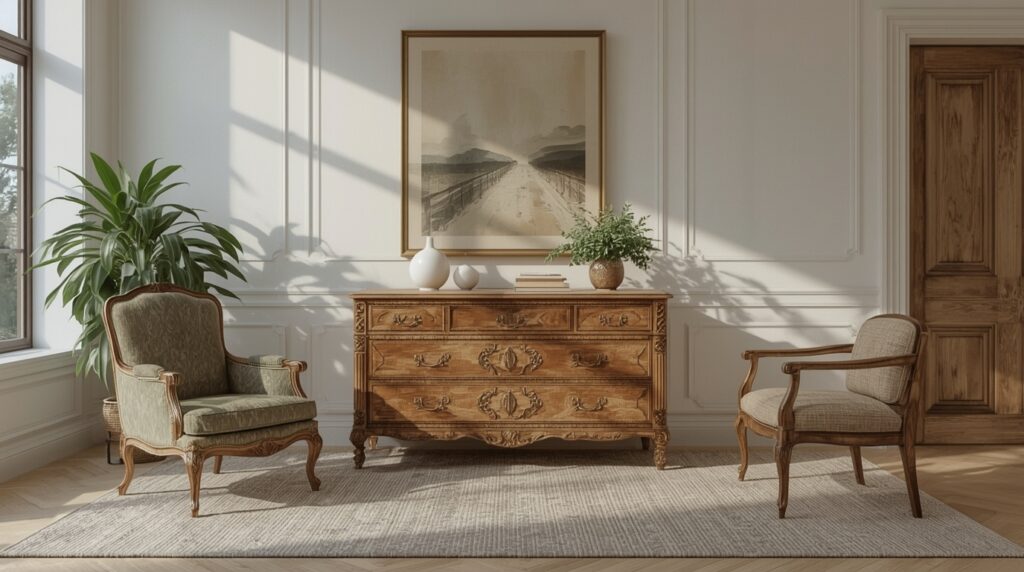
Don‘t forget decoration and mounts. Fine carving, good proportions and gilt-bronze mounts are clues to high-quality examples. You can compare images of ornate and royal furniture from the decorative arts collections at the Louvre with contemporary pieces to get an idea of how fine it is.
Finally, usability and appeal come into play. Some styles (like chests or drop-leaf tables or chairs for modern homes) just flow on the market huge armoires or dining suites can sell far below their historical value, for example. It‘s a blend of scholarship and buyer hunger.
4) Research Provenance and Documentation (It Can Multiply Value)
Provenance—who owned it, where it has been, and how it was documented—can materially change the price. A piece with a continuous paper trail (bills of sale, estate inventories, exhibition history) is often valued more highly than an identical example with no history. If the furniture is linked to a known maker, workshop, or historical home, that association can become a major part of the valuation.
Labels, stamps, and maker’s marks should be photographed and cross-referenced. In French furniture, for instance, an ébéniste’s stamp and a JME (Jurande des Menuisiers-Ébénistes) mark can be significant—though they are also frequently faked. If something appears “too perfect,” seek expert verification before pricing at the top of the market.
A useful mindset comes from the museum world: documentation is part of an object’s identity. As the International Council of Museums (ICOM) notes in its collections ethics framework, museums emphasize careful documentation to preserve context and integrity—principles that translate directly into credible pricing for private sellers and buyers.
5) Use Comparable Sales the Right Way (Not Just Asking Prices)
The most defensible pricing method is analyzing comparable sold results, not optimistic asking prices. Auction results can be valuable because they reflect what buyers actually paid at a given time. However, you must account for buyer’s premium, condition notes, geographic market, and whether the sale happened in a strong or weak category cycle.
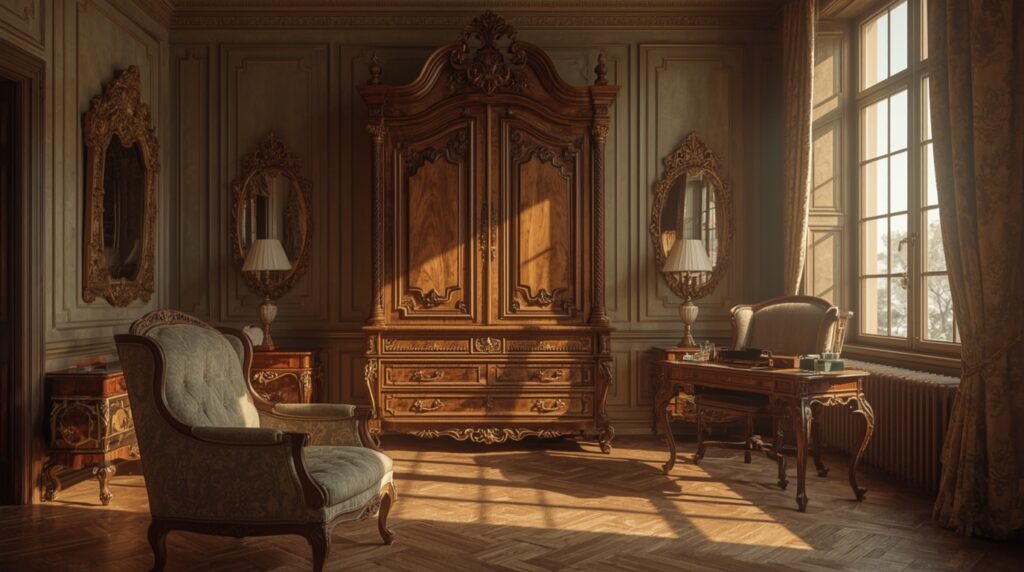
Also compare “like with like”: a walnut Queen Anne chair (early 18th century) is not a good comp for a later chair in a similar silhouette. Factor in regional differences as well; prices in London, Paris, New York, and regional markets can diverge substantially. When possible, compare pieces sold in the same country where you plan to sell.
Finally, recognize that antique furniture prices are not static. Shifts in interior design trends, housing sizes, and shipping costs influence demand. A well-researched price is a range, not a single number—one figure for retail replacement value (insurance), another for fair market value (estate), and another for quick-sale liquidation.
Table: Key Characteristics That Drive Antique Furniture Pricing
| Factor | What to Look For | Typical Impact on Price |
|---|---|---|
| Period & style | Louis XV (France), Georgian (UK), Federal (US), Victorian (UK/US) | Earlier, well-defined periods often command premiums |
| Materials | Solid mahogany/walnut/oak; quality veneers; secondary woods | Fine woods and complex veneers increase value |
| Construction | Hand-cut dovetails, mortise-and-tenon, pegged joints | Strong indicator of age/quality; raises value |
| Condition | Original surface, stable structure, limited repairs | Originality usually increases value substantially |
| Provenance | Paper trail, maker’s marks, estate history | Can multiply value when credible |
| Rarity & desirability | Uncommon forms, exceptional design, practical modern size | High demand or rarity increases liquidity and price |
| Market comps | Sold results, not asking prices | Grounds the price in reality |
Authoritative Guidance (Quotes and Sources)
As the Smithsonian Institution notes in its public education on material culture and object study, understanding an object requires careful attention to “materials, construction, and context”—the same triad that underpins responsible antique pricing.
The Metropolitan Museum of Art and the Victoria and Albert Museum provide extensively researched collection records and essays on furniture history and craftsmanship, useful for identifying period characteristics and quality benchmarks. The Louvre Museum likewise publishes collections and scholarship on French decorative arts—indispensable for Louis XIV–XVI comparisons and understanding elite workshop standards.
Key sources to consult:
- The Metropolitan Museum of Art (Heilbrunn Timeline of Art History; collection entries on European and American furniture)
- Victoria and Albert Museum (Furniture collections, conservation and object records)
- Louvre Museum (Decorative Arts collections and research)
- Smithsonian Institution (object study and collections education resources)
- International Council of Museums (ICOM) ethics and documentation principles (for provenance-minded best practice)
Frequently Asked Questions
1) What is the fastest way to price antique furniture?
Start with identification (period, style, materials), then find sold comparables and adjust for condition and provenance. If the piece appears high-value, hire a certified appraiser to avoid underpricing.
2) Does refinishing antique furniture reduce value?
Often, yes—especially for 18th- and early 19th-century pieces where collectors prize original surfaces. Sensitive conservation may preserve value better than aggressive refinishing.
3) How do I know if it’s a reproduction?
Look for machine-cut joinery, uniform screws, modern plywood, and artificial distressing. Cross-check design details against museum references from the Met, V&A, or Louvre to see if the style elements match the claimed period.
4) Should I price for retail, auction, or private sale?
These are different markets. Retail is typically highest, auction can be variable, and private sale often sits between. Choose the pricing basis that matches your selling channel and timeline.
5) When should I get a professional appraisal?
We look for signs of a distinctive historical period (Louis XV/ XVI, early Georgian, American Federal), a maker‘s mark, incredible craftsmanship or irrefutable provenanc; an appraisal for insurance purposes or an estate sale is also required. To price antique furniture, you need connoisseurship and the conviction to back it up: know how to date the object, determine its state and condition and provenance, using comparables from auction houses as a touchstone; seek out museum collections such as the Met, the V&A, the Louvre and the Smithsonian to build up a provenance or to date the piece; or, if all else fails and the pot is on the line, call in an expert. A fair price is more than just a number; it‘s a story, a justifiable account of object, survivor and its value.
AI Notice: Some visual content in this article may have been created or enhanced using artificial intelligence (AI) for artistic, editorial or illustrative purposes. Learn more about our approach in our AI & Editorial Principles.