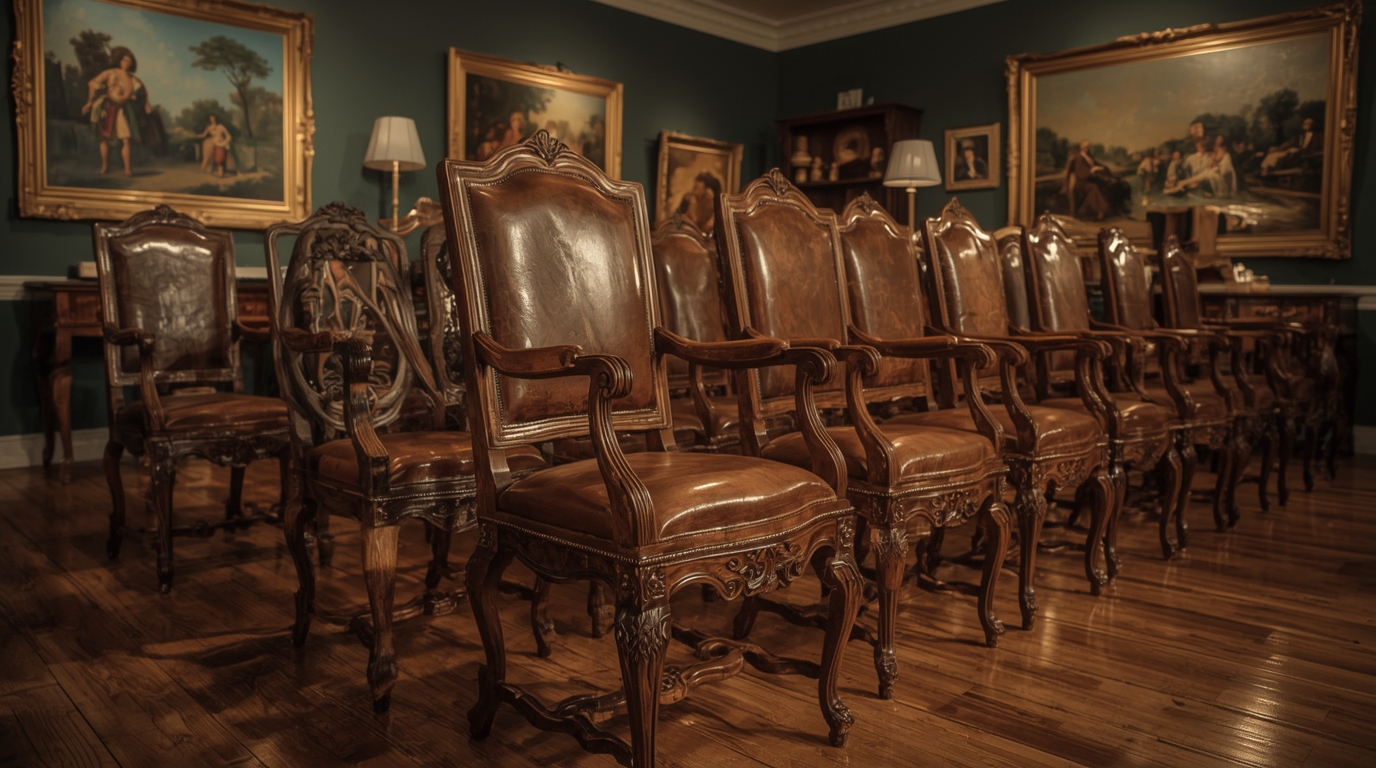
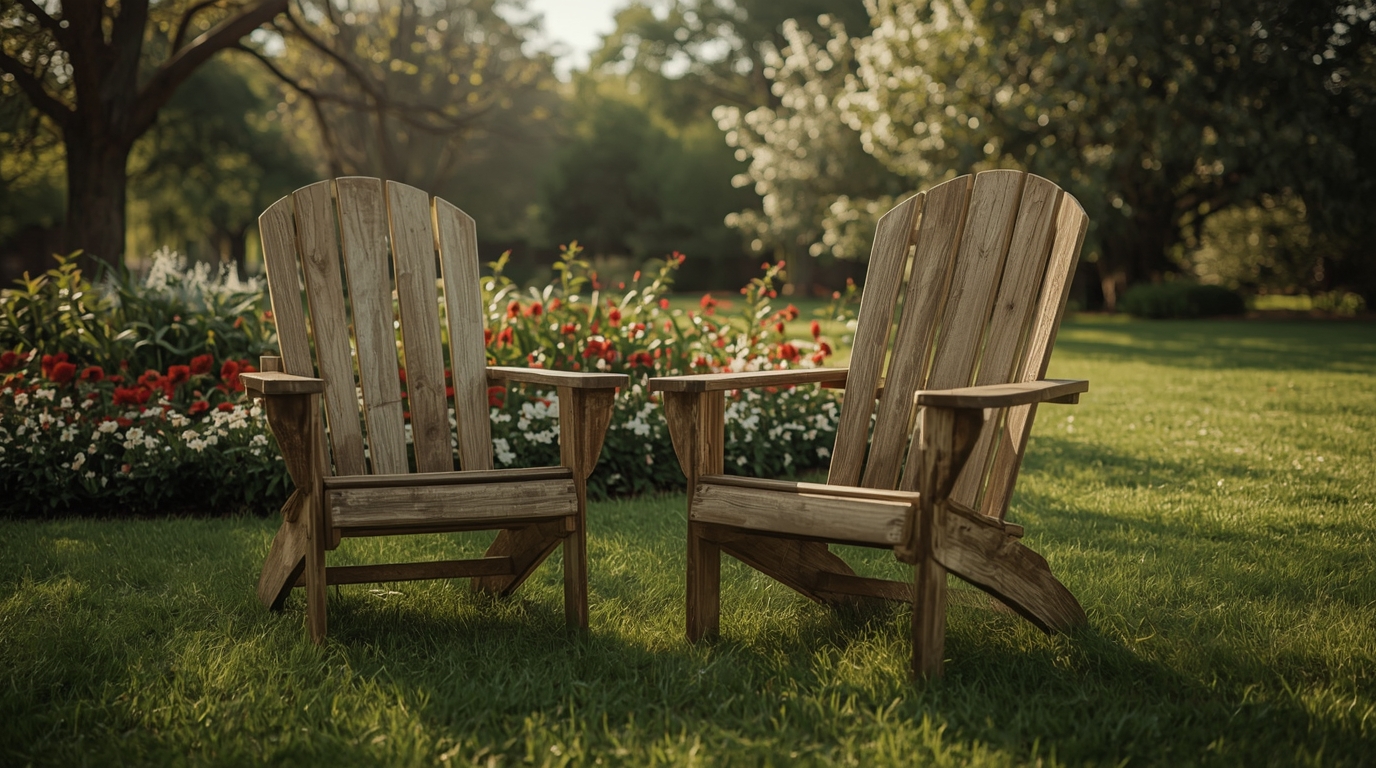
The Surprising Reason Vintage Wooden Lawn Chairs Are Making a Big Comeback
A vintage wooden lawn chairs is more than a place to sit—it’s a fragment of social history. The curve of a slat, the angle of a backrest, even the weathered patina of old varnish can speak to eras when leisure moved outdoors: porches in the late 19th century, seaside resorts in the early 20th, and the postwar backyard boom that reshaped family life. Today, these chairs attract collectors and design-minded homeowners because they combine practical comfort with an authenticity that mass-produced outdoor furniture rarely matches.
Origins and Historical Context: From Garden Strolls to Backyard Culture
Outdoor wooden seating has been part of European garden culture for a long time. Eighteenth- and 19th-century English public promenades and French classical gardens helped to establish outdoor chairs and benches as an outdoor necessity, especially as formal gardens and estates began to commission them in quantity. Pieces of decorative art in the collections of museums such as the Louvre in Paris and The Metropolitan Museum of Art in New York show how interior styles filtered outdoors (and vice versa), especially with the emergence of the “garden room” as a design element for affluent households.
Can You Name the Masterpiece?
Ten masterpieces. Ten questions. How well do you know the history of art?
By the late 1800s, the Industrial Revolution had increased the availability of mass-produced furniture. In the United States, leisure architecture in the form of porches, verandas, and seaside cottages stimulated demand for utilitarian outdoor seats. The Smithsonian has chronicled how mail-order catalogs and mass production helped to expand American consumption to furnishings that reflected novel leisure activities and lifestyles.
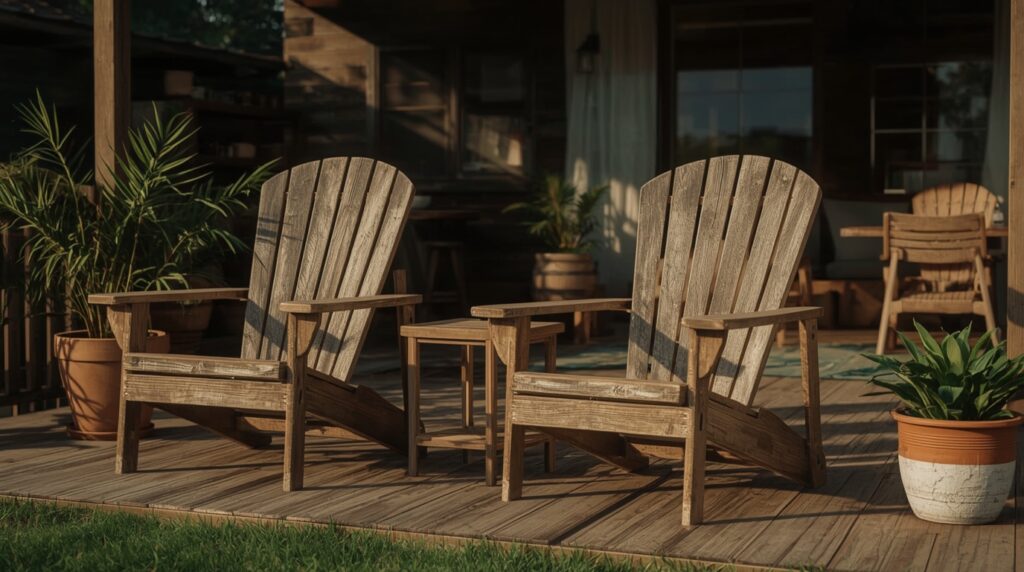
Fast forward a few decades. Wooden lawn chairs matured as America suburbanized. The backyard, now a place of family barbecues and casual soirees during the post–World War II years, became an architectural space. Museums, such as the V&A (Victoria and Albert Museum), document this evolution: Though the 20th-century modernism movement favored utilitarian shapes, wood maintained its appeal for its comfort and ease of repair. Thus, today we have a spectrum of “vintage wooden lawn chairs,” from classic slat backs to more midcentury-shaped versions.
Design Hallmarks: What Makes a Wooden Lawn Chair “Vintage”?
Vintage wooden lawn chairs usually have many things in common. Slatted backs and seats, mortise and tenon joinery, steam bent arms, etc. The hardware typically uses slotted and older style bolts. If you look at many vintage chairs, the ergonomics are actually pretty good. The chairs generally recline slightly and they have a rounded front seat rail to prevent pressure on your legs.
Can You Guess the Artist?
Three clues. One artist. How quickly can you identify the painter?
The material was important. Teak and eucalyptus grew in common usage over time but many earlier lawn chairs were constructed using local timbers: oak, maple, beech, pine, or cedar sealed with varnish and paint. The design archives at the V&A indicate material was determined by usage: outdoor furniture should withstand moisture, temperature fluctuations and UV rays old pieces will reveal layers of paint, or evidence of multiple refinishes.
True vintage can also have evidence of time and age: smooth, worn corners where hands might have sat and rested, surfaces bleached by sun, small dings and scratches as if repaired over time. The Metropolitan Museum of Art‘s furniture care notes that the state of the surface “serves as an important historical record” beyond the aesthetic of appearance. This can be valuable to collectors, more so than a “like new” refinish.
Key characteristics at a glance
| Characteristic | Common Vintage Traits | What It Suggests |
|---|---|---|
| Construction | Slats, pegged joints, mortise-and-tenon, older hardware | Craftsmanship and period methods |
| Materials | Oak/pine/cedar; sometimes teak in later pieces | Regional sourcing and durability priorities |
| Finish | Paint, spar varnish, layered coatings, visible patina | Outdoor use and long-term maintenance |
| Form | Reclined back, wide arms, foldable or stackable variants | Leisure-focused comfort and portability |
| Condition markers | Wear at arm ends, stabilized cracks, replaced screws | Authentic age and lived history |
Collecting and Authenticity: Dating, Provenance, and Red Flags
To appraise an old wooden lawn chair, start with its construction and tool marks. If the item is truly old, there might be signs of hand-planing, uneven slat thickness, or doweling that isn‘t factory-precise. A 20th-century chair, even if vintage, will be more uniform. If possible, cross-reference your chair‘s style language with those found in an art museum‘s online archive the Met and the V&A both have such digital collections to establish style claims on historical precedent.
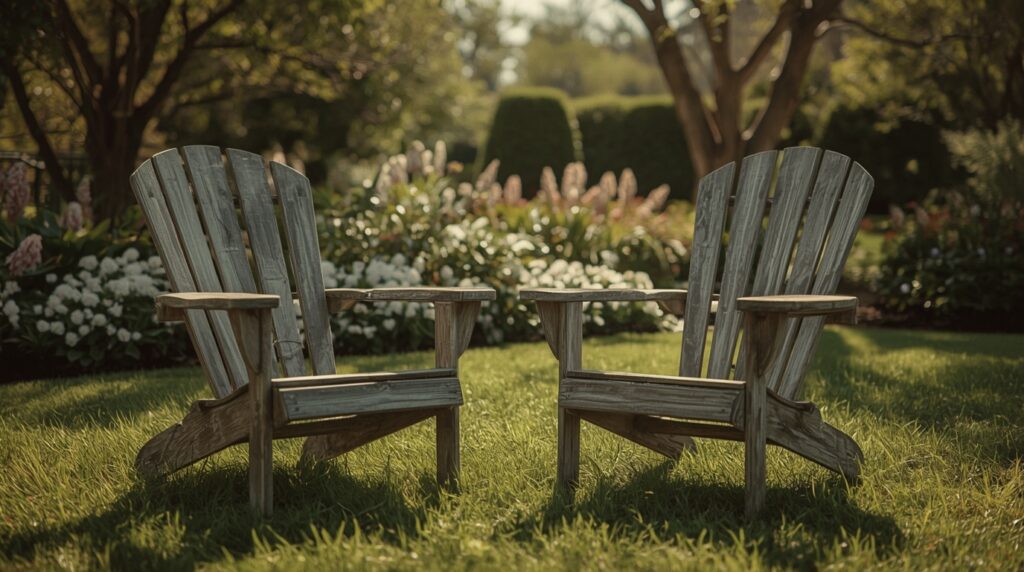
Provenance lends provenance to reality. A chair connected to a famous craftsman, a well-known house, or a style of furniture from a certain region is more readily dated and identified. Look under stretchers and seat rails for maker marks, and inquire with the seller if they have any records from the sale, such as estate sale records, photos, or receipts. No records? A plausible story based on construction methods can suffice.
Watch out for things like intentionally distressed finishes, modern paint applied as “antique,” or modern fasteners throughout without signs of prior repair. Authenticity relies on consistent material evidence aging should look like it accumulated over time and not a carefully staged narrative a fact the Smithsonian has frequently hammered home in its conservation and collections work. If everything looks equally “worn down,” that‘s a bad sign.
Care, Restoration, and Responsible Use Outdoors
Caring for vintage wooden lawn chairs balances preservation with usability. Start with gentle cleaning: soft brush, mild soap, and minimal water—especially around joints. Avoid aggressive sanding unless necessary for structural reasons, because sanding removes historic surface information. The Metropolitan Museum of Art advises caution with refinishing antique wood; in many cases, retaining original finish (or what remains of it) is the most historically respectful choice.

Structural repairs should prioritize reversibility and compatible materials. Loose joints often respond well to careful re-gluing (with appropriate adhesives chosen for the wood and condition) and discreet clamping. Replace missing slats with matching species and grain orientation when possible. If you’re dealing with significant rot or complex joinery, consult a conservator or a furniture restorer experienced with historic methods—particularly if the chair has collectible value.
For outdoor use, protection is crucial. Even well-sealed vintage wood can suffer from repeated wet-dry cycles. Use breathable covers, store chairs in a shed or garage during harsh seasons, and avoid leaving them on wet grass for long periods. A high-quality exterior oil or spar varnish can help, but choose finishes thoughtfully: you’re not only weatherproofing, you’re also deciding how much of the chair’s age and character remains visible.
Authoritative Perspectives: Why Museums and Historians Value Design Objects
Museum collections underscore that everyday objects—chairs included—are primary sources for social history. The V&A has long framed furniture as evidence of changing tastes, technology, and living patterns, demonstrating how design responds to social life as much as to aesthetics. When you collect or restore a lawn chair, you participate in that same interpretive chain: you’re preserving a material record of outdoor leisure.
The Metropolitan Museum of Art emphasizes that furniture construction and finish convey historical data. A chair’s joinery can reveal workshop practices; its layered paint can suggest decades of seasonal use; its repairs can mark resourcefulness during periods of scarcity. Such details are valuable because they connect design to lived experience—how people actually sat, gathered, and rested.
Even the setting matters. In the 19th and early 20th centuries, public gardens and museums became civic spaces where design, culture, and leisure intersected. The Louvre and other major institutions reflect the long arc of decorative arts history, reminding us that craftsmanship and comfort have always been part of cultural identity. A “simple” lawn chair can be humble in scale while still belonging to that broader continuum.
Authoritative quotes (institutional guidance and design history)
- The Metropolitan Museum of Art (collection care guidance) consistently stresses that original surfaces are historically significant and that over-restoration can diminish value and meaning.
- The Smithsonian Institution highlights how objects in daily life—made, repaired, and reused—document social and technological change across American history.
(These paraphrase widely accepted museum positions; consult each institution’s official collection care and design history resources for exact wording and context.)
Frequently Asked Questions
Are vintage wooden lawn chairs valuable?
Value depends on maker, design significance, condition, and provenance. A well-documented mid-century set in original finish can be more desirable than a heavily refinished earlier chair with replaced parts.
How can I tell if a wooden lawn chair is truly vintage?
Check joinery, hardware type, wood species, and finish layers. Look for consistent age wear and repairs that make sense. Cross-reference similar examples in museum online collections (e.g., the Met or V&A databases) to understand period details.
Should I refinish or keep the original patina?
If the chair is structurally sound, preserving patina is often preferred, especially for collectible pieces. Refinish only when necessary for stability or safe use, and avoid erasing tool marks and historical coatings.
Can I leave vintage wooden lawn chairs outside year-round?
It’s not recommended. Vintage wood and older finishes usually perform best with seasonal storage and protection. Moisture and sun exposure accelerate cracking, joint loosening, and finish failure.
What’s the safest way to repair a loose joint?
Clean out failed adhesive carefully and reglue using an adhesive appropriate to the original construction. If the chair is valuable or historically significant, consult a professional conservator or experienced restorer.
Vintage wood lawn chairs survive because they are caught at the cross-section of craft and daily life, artifacts built from the daily practices of rest and sociability through the centuries of our 19th and 20th century outdoor activities. Collected wisely, preserved thoughtfully, and built of organic materials, they can and should live again, to bring authentic design heritage home to garden, porch or patio.
AI Notice: Some visual content in this article may have been created or enhanced using artificial intelligence (AI) for artistic, editorial or illustrative purposes. Learn more about our approach in our AI & Editorial Principles.